
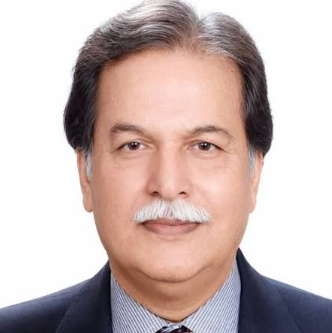
ISLAMABAD — Faisal Nisar Chaudhry, a Grade-20 officer from the Secretariat Group, has assumed the additional responsibilities of Chief Executive Officer (CEO) of the Engineering Development Board (EDB) as of September 17. This appointment follows the directives of Prime Minister Shehbaz Sharif, after the current CEO, Hamad Ali Mansoor, was placed on forced leave.
What Happened
Faisal Nisar Chaudhry has been appointed to lead the Engineering Development Board (EDB) amid administrative changes directed by the Prime Minister’s office. The decision to place Hamad Ali Mansoor, the former CEO, on forced leave has not been publicly detailed, but it comes as part of a broader effort to enhance the operational efficiency of the EDB. Nisar, who brings extensive experience from his tenure in the Secretariat Group, is expected to steer the board through its current challenges and align its objectives with national industrial policies.
In his new role, Nisar will oversee the EDB’s strategic initiatives aimed at bolstering Pakistan’s engineering sector. His leadership is anticipated to focus on fostering innovation, improving regulatory frameworks, and enhancing the competitiveness of local engineering industries. “I am committed to driving forward the EDB’s mission to support the engineering sector’s growth and development,” Nisar stated in a brief statement following his appointment.
Background
The Engineering Development Board, established in 1995, plays a pivotal role in promoting and regulating Pakistan’s engineering industry. The board is tasked with formulating policies to encourage investment, enhance technological capabilities, and improve the overall competitiveness of the sector. Over the years, the EDB has been instrumental in developing the automotive, electrical, and heavy engineering sectors, which are crucial to Pakistan’s industrial landscape.
Faisal Nisar’s appointment comes at a time when the EDB is under scrutiny for its performance and effectiveness in achieving its strategic goals. The board has faced challenges in adapting to rapid technological changes and meeting the demands of a globalized market. The leadership change is seen as a move to reinvigorate the board’s efforts in addressing these issues.
Why It Matters
The appointment of Faisal Nisar as CEO of the EDB is significant for several reasons. Economically, the engineering sector is a cornerstone of Pakistan’s industrial base, contributing substantially to GDP and employment. Strengthening this sector is vital for economic growth, technological advancement, and job creation. Nisar’s leadership is expected to bring renewed focus on policy reforms that can attract foreign investment and facilitate technology transfer, thereby enhancing the sector’s global competitiveness.
Socially, a robust engineering sector can lead to increased job opportunities and skill development for the Pakistani workforce. By prioritizing innovation and modernization, the EDB under Nisar’s leadership can play a crucial role in equipping the workforce with the skills needed for future industries.
Politically, the decision reflects the government’s commitment to revamping key institutions to align with national development goals. It underscores the importance of effective governance and accountability in public sector organizations, which is essential for fostering public trust and ensuring the successful implementation of government policies.
Key Takeaways
- Faisal Nisar Chaudhry has been appointed as the new CEO of the Engineering Development Board.
- The appointment follows the forced leave of the previous CEO, Hamad Ali Mansoor.
- Nisar’s leadership is expected to focus on enhancing the competitiveness of Pakistan’s engineering sector.
- The EDB plays a critical role in formulating policies to support industrial growth and development.
- This leadership change is part of broader efforts to improve governance and operational efficiency in public sector institutions.
Source Attribution
This article is based on official government statements and public communications from relevant authorities.














