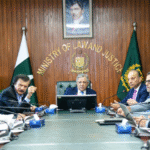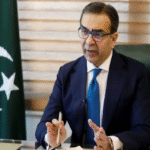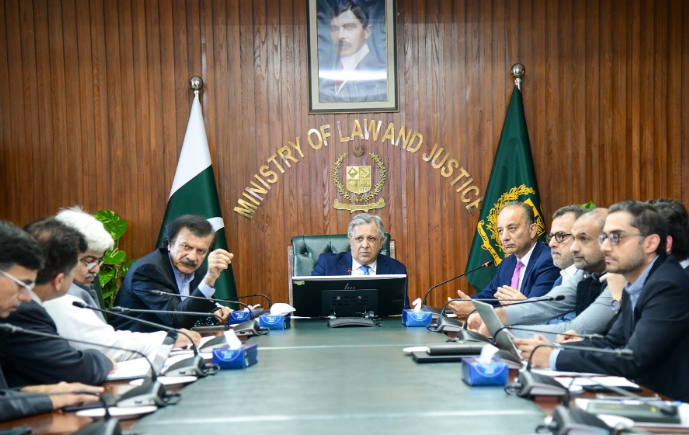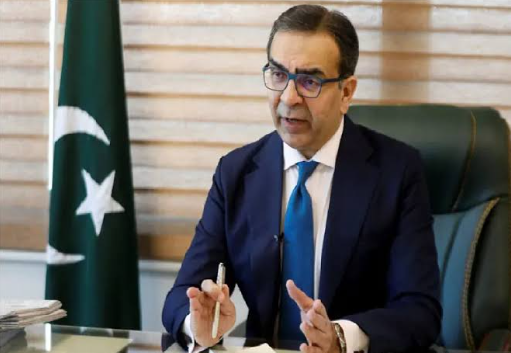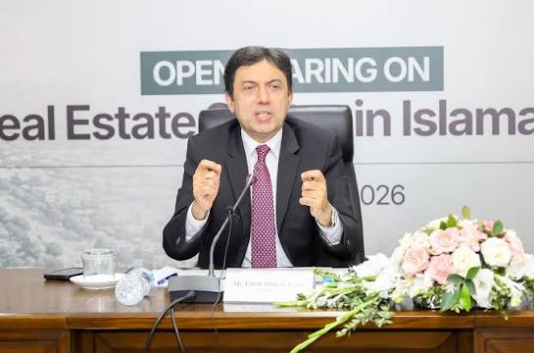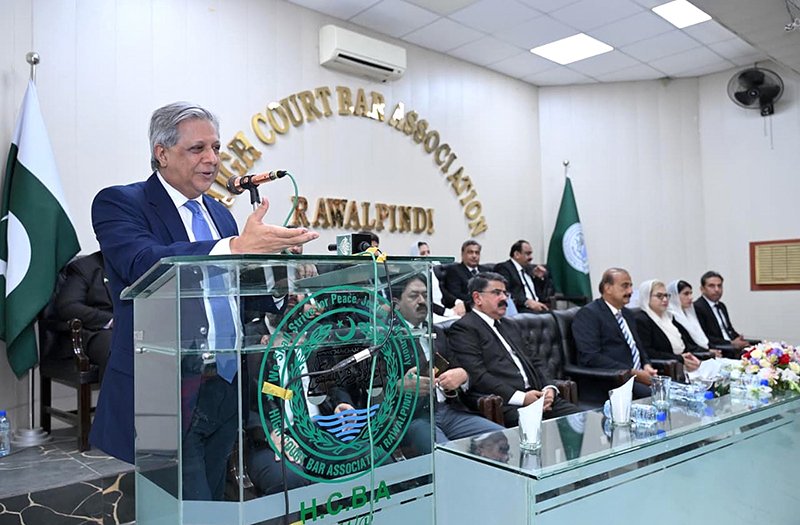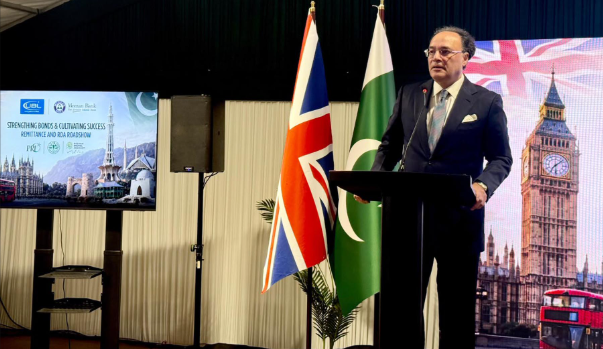
ISLAMABAD — Federal Minister for Finance and Revenue, Senator Muhammad Aurangzeb, engaged in a strategic dialogue with the UK’s Minister of State for Trade, Anas Sarwar, in London on September 17. The meeting, held at the Department for Business and Trade, aimed to enhance bilateral trade and cooperation between Pakistan and the United Kingdom. Pakistan’s High Commissioner to the UK, Tipu Usman, and Advisor to the Finance Minister, Khurram Schehzad, were also present.
What Happened
During the meeting, both ministers discussed a range of topics centered on strengthening economic ties and exploring new avenues for trade collaboration. Senator Aurangzeb emphasized the importance of expanding trade relations, citing the potential benefits for both nations in terms of economic growth and job creation. Anas Sarwar expressed the UK’s interest in increasing trade with Pakistan, highlighting the mutual benefits of such partnerships.
The dialogue also included discussions on potential investments in various sectors, including technology, agriculture, and renewable energy. The ministers agreed on the necessity of creating a conducive environment for businesses to thrive, which would involve reducing trade barriers and enhancing regulatory frameworks.
Senator Aurangzeb highlighted Pakistan’s strategic location and its role as a gateway to Central Asia, which could serve as a significant advantage for UK businesses looking to expand their reach in the region. He also underscored the recent economic reforms undertaken by Pakistan to improve the ease of doing business, which have been recognized by international financial institutions.
Background
The meeting comes at a time when Pakistan is seeking to diversify its trade partnerships and reduce reliance on traditional markets. Historically, the UK has been one of Pakistan’s largest trading partners in Europe, with bilateral trade reaching approximately £2.5 billion in recent years. The relationship has been bolstered by the presence of a significant Pakistani diaspora in the UK, which plays a crucial role in fostering cultural and economic ties.
In recent years, both countries have expressed a desire to deepen their economic relationship, especially after the UK’s departure from the European Union. The UK government has shown interest in forming new trade agreements with non-EU countries, and Pakistan is keen to capitalize on this opportunity to enhance its export portfolio.
Why It Matters
The meeting between Finance Minister Aurangzeb and Minister Anas Sarwar is significant for several reasons. Economically, it represents an opportunity for Pakistan to access new markets and attract foreign investment, which is crucial for the country’s economic stability and growth. Strengthening trade ties with the UK could lead to increased exports, particularly in textiles, agriculture, and technology sectors, thereby boosting Pakistan’s GDP.
Politically, the meeting underscores Pakistan’s efforts to build stronger international alliances post-Brexit. As the UK seeks to establish itself as a global trading nation independent of the EU, partnerships with countries like Pakistan become increasingly important. This collaboration could also lead to enhanced diplomatic relations, benefiting both nations on the global stage.
Socially, the strengthening of trade ties could lead to job creation and improved living standards in Pakistan. By attracting UK investments in various sectors, Pakistan can create new employment opportunities and foster innovation, contributing to the country’s socio-economic development.
Key Takeaways
- Finance Minister Aurangzeb met with UK Trade Minister Anas Sarwar to discuss enhancing bilateral trade.
- The meeting focused on potential investments in technology, agriculture, and renewable energy.
- Pakistan aims to leverage its strategic location as a gateway to Central Asia for UK businesses.
- The dialogue is part of Pakistan’s strategy to diversify trade partnerships post-Brexit.
- Strengthening trade ties with the UK could boost Pakistan’s economy and create jobs.
Source Attribution
This article is based on official government statements and public communications from relevant authorities.