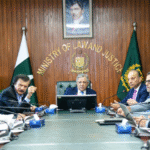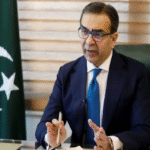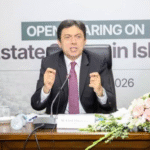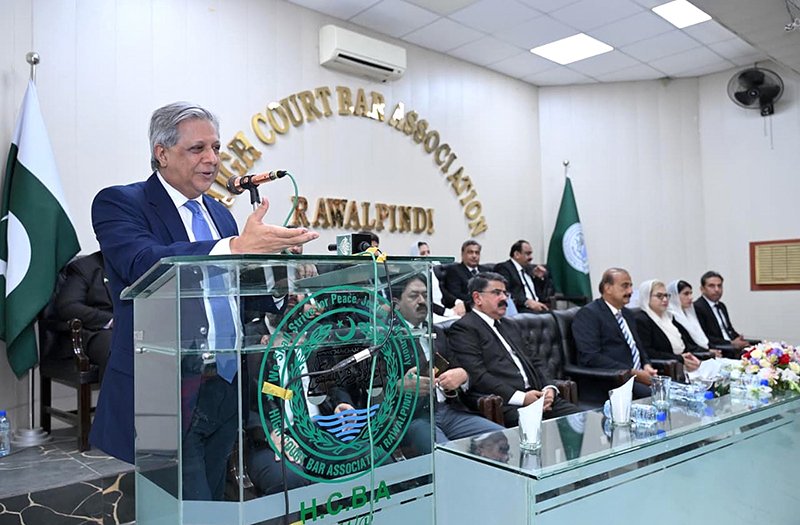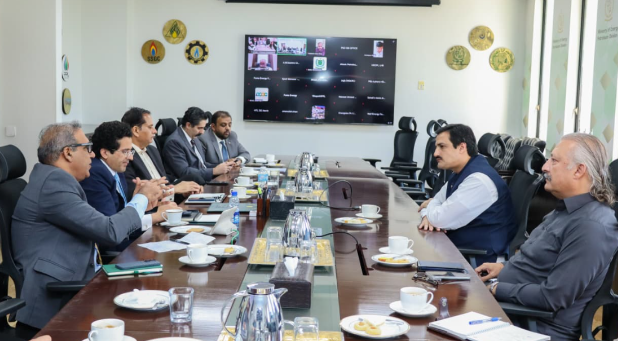
ISLAMABAD — Federal Minister for Petroleum Ali Pervaiz Malik convened a meeting with petroleum pump and dealers associations on Thursday to discuss the implementation of the Prime Minister’s Fuel Relief Scheme. The meeting aimed to ensure the smooth execution of the relief initiative, which seeks to alleviate the financial burden on consumers amid rising fuel prices.
What Happened
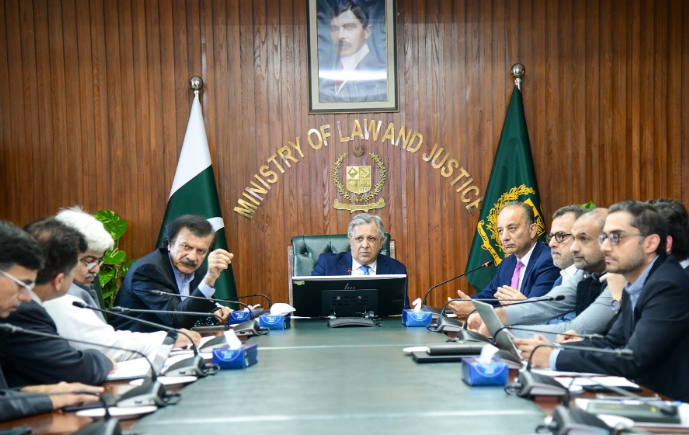
The meeting, held in Islamabad, brought together key stakeholders from the petroleum sector, including representatives from various petroleum pump and dealers associations. Minister Ali Pervaiz Malik provided a comprehensive briefing on the operational aspects of the Prime Minister’s Fuel Relief Scheme. He emphasized the importance of collaboration between the government and industry players to ensure the scheme’s success.
During the meeting, the minister outlined the detailed mechanism for the scheme’s implementation. This included the process for distributing relief to consumers and the role of petroleum dealers in facilitating this initiative. The associations expressed their full support for the scheme, acknowledging the need for such measures in light of the current economic challenges faced by the country.
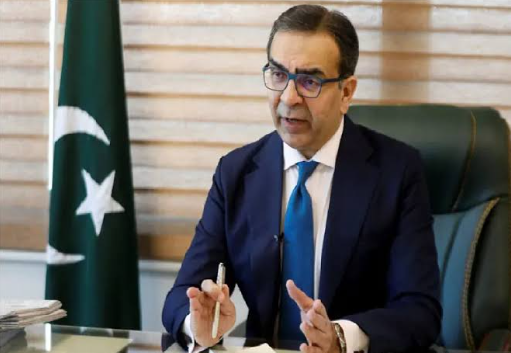
Minister Malik highlighted that the scheme is designed to provide immediate relief to consumers by reducing the cost burden of fuel. He stated, “The government’s priority is to ensure that the benefits of this relief scheme reach the common man effectively and efficiently.” The meeting concluded with a mutual agreement on the need for continued dialogue and cooperation to address any challenges that may arise during the implementation phase.
Background
The Prime Minister’s Fuel Relief Scheme is part of the government’s broader strategy to mitigate the impact of global oil price fluctuations on the domestic economy. Pakistan, being heavily reliant on imported oil, has faced significant economic pressures due to rising international oil prices. The scheme aims to provide temporary relief to consumers while the government explores long-term solutions to stabilize fuel prices.
Historically, fluctuations in global oil prices have had a direct impact on Pakistan’s economy, affecting inflation rates and the cost of living. Previous governments have implemented similar relief measures to cushion the impact on consumers, but the current scheme is notable for its comprehensive approach and involvement of industry stakeholders.
Why It Matters
The implementation of the Prime Minister’s Fuel Relief Scheme holds significant economic and social implications for Pakistan. Economically, the scheme is expected to provide short-term relief to consumers, thereby reducing inflationary pressures and stabilizing the cost of living. This is particularly crucial as Pakistan grapples with economic challenges exacerbated by global market volatility.
Socially, the scheme aims to support low and middle-income households who are disproportionately affected by rising fuel prices. By reducing the cost burden on these households, the government seeks to alleviate financial stress and improve the overall quality of life for citizens.
Politically, the scheme represents a proactive approach by the government to address public concerns over rising living costs. By engaging with industry stakeholders, the government demonstrates its commitment to collaborative governance and its responsiveness to the needs of the populace.
Internationally, the scheme positions Pakistan as a responsive and adaptive economy, capable of implementing targeted relief measures in response to global economic trends. This could enhance investor confidence and promote economic stability in the long run.
Key Takeaways
- Federal Minister for Petroleum Ali Pervaiz Malik met with petroleum pump and dealers associations to discuss the Prime Minister’s Fuel Relief Scheme.
- The scheme aims to provide immediate financial relief to consumers amid rising fuel prices.
- Industry stakeholders expressed full support for the scheme’s implementation.
- The initiative is part of the government’s broader strategy to address economic challenges related to global oil price fluctuations.
- The scheme has significant economic, social, and political implications for Pakistan.
Source Attribution
This article is based on official government statements, press releases, and public communications from relevant authorities.