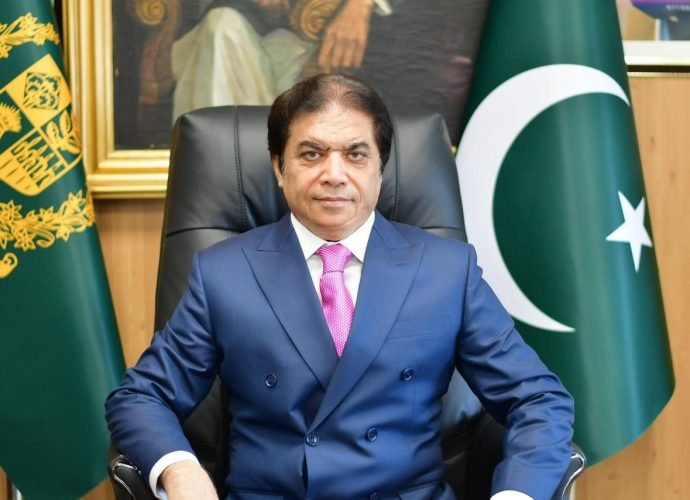
RAWALPINDI — Federal Minister for Railways Hanif Abbasi extended his congratulations to the newly elected leadership of the Rawalpindi Chamber of Commerce & Industry (RCCI) during a visit to their headquarters on September 17. The meeting was attended by RCCI President Usman Shaukat, Group Leader and former President Sohail Altaf, Senior Vice President Khalid Farooq Qazi, along with former presidents, executive members, and representatives from the business community.
What Happened
During his visit to the RCCI, Minister Hanif Abbasi praised the chamber’s efforts in promoting business and economic development in the region. He acknowledged the pivotal role that the RCCI plays in fostering entrepreneurship and supporting local businesses. Abbasi emphasized the importance of collaboration between the government and business sectors to drive economic growth and development.
In his remarks, Abbasi stated, “The RCCI has consistently been at the forefront of advocating for the business community and has played a significant role in the economic uplift of Rawalpindi and its surrounding areas.” He further assured the RCCI of the government’s support in addressing the challenges faced by the business community, particularly in the wake of the economic disruptions caused by the COVID-19 pandemic.
RCCI President Usman Shaukat expressed gratitude to the minister for his visit and support. He highlighted the chamber’s ongoing initiatives aimed at enhancing business opportunities and addressing the needs of its members. Shaukat also outlined the RCCI’s future plans, which include organizing trade fairs, business expos, and networking events to facilitate business growth and international partnerships.
Background
The Rawalpindi Chamber of Commerce & Industry, established in 1952, is one of the leading business chambers in Pakistan. It serves as a platform for business advocacy, providing a voice to the local business community in policy-making processes. Over the years, the RCCI has been instrumental in promoting trade and industry, offering various services to its members, including training programs, business matchmaking, and international trade delegations.
Federal Minister Hanif Abbasi, a prominent political figure, has been actively involved in various initiatives aimed at improving Pakistan’s railway infrastructure and services. His engagement with the RCCI underscores the government’s commitment to strengthening ties with the business community to foster economic resilience and growth.
Why It Matters
The meeting between Minister Abbasi and the RCCI’s newly elected body is significant as it highlights the government’s recognition of the private sector’s role in economic development. The collaboration between the government and business chambers like the RCCI is crucial for addressing economic challenges, including inflation, unemployment, and the need for sustainable growth strategies.
Pakistan’s economy has been under pressure due to global economic downturns and domestic challenges. In this context, the RCCI’s efforts to promote business activities and advocate for policy reforms are vital for creating a conducive environment for investment and entrepreneurship. The government’s support, as reiterated by Minister Abbasi, is essential for implementing policies that facilitate business operations and attract foreign investment.
Furthermore, the RCCI’s initiatives in organizing trade events and fostering international business relations contribute to enhancing Pakistan’s global trade footprint. Such efforts are crucial for diversifying the country’s export base and boosting economic resilience.
Key Takeaways
- Federal Minister for Railways Hanif Abbasi visited the RCCI to congratulate its newly elected leadership.
- The meeting emphasized the importance of government-business collaboration for economic growth.
- RCCI President Usman Shaukat outlined future initiatives to enhance business opportunities.
- The RCCI plays a crucial role in advocating for the local business community and promoting trade.
- Government support is vital for addressing economic challenges and fostering a conducive business environment.
Source Attribution
This article is based on official government statements, press releases, and public communications from relevant authorities.