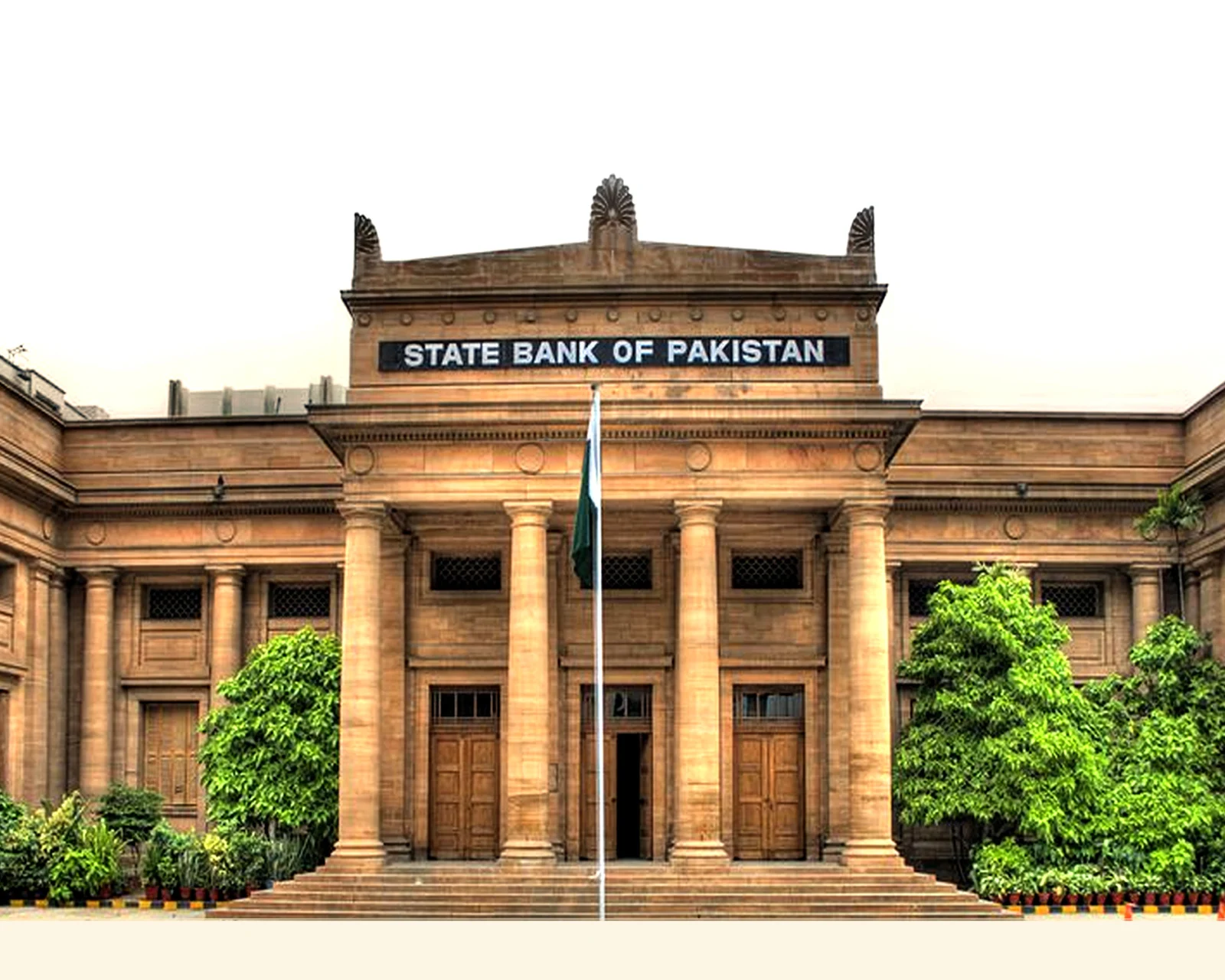
KARACHI — Pakistan’s total liquid foreign reserves have increased to $26.79 billion as of September 11, according to official figures released by the State Bank of Pakistan (SBP). The central bank’s reserves alone have risen to $21.39 billion, marking a significant boost attributed to the receipt of Pakistan Eurobond proceeds.
What Happened
The State Bank of Pakistan announced that the country’s total liquid foreign reserves reached $26,791.2 million by September 11. This increase is primarily due to the inflow from Pakistan’s Eurobond issuance, which contributed to the central bank’s reserves climbing to $21,389 million. The SBP’s weekly statement highlighted the impact of these proceeds on the national reserves, underscoring the government’s efforts to stabilize the country’s financial position.
The Eurobond issuance is part of Pakistan’s strategy to manage its external debt and strengthen its foreign exchange reserves. The government successfully raised $2.5 billion through the Eurobond in March 2023, which has now been reflected in the reserves. This move comes as Pakistan continues to navigate economic challenges, including a balance of payments crisis and ongoing negotiations with the International Monetary Fund (IMF) for financial support.
According to the SBP, the remaining reserves are held by commercial banks in Pakistan, amounting to $5.4 billion. The central bank’s report indicates a positive trend in reserve accumulation, which is crucial for maintaining economic stability and investor confidence.
Background
Pakistan has faced significant economic challenges in recent years, including a high fiscal deficit, inflationary pressures, and a depreciating currency. The country’s foreign exchange reserves have been a focal point for economic policy, as they are critical for meeting international obligations and stabilizing the currency.
Historically, Pakistan has relied on external borrowing and international aid to bolster its reserves. The issuance of Eurobonds has been a key tool in this strategy, allowing the government to access international capital markets. In March 2023, Pakistan issued Eurobonds worth $2.5 billion, with maturities ranging from five to thirty years, to diversify its debt profile and extend repayment periods.
The IMF has been a significant partner in Pakistan’s economic reform efforts. The country has been in discussions with the IMF to secure a bailout package aimed at addressing fiscal imbalances and implementing structural reforms. The increase in foreign reserves is expected to strengthen Pakistan’s negotiating position with the IMF and other international lenders.
Why It Matters
The rise in foreign reserves is a critical development for Pakistan’s economy, offering several potential benefits. Firstly, higher reserves enhance the country’s ability to manage external shocks, such as fluctuations in oil prices or global financial instability. This financial buffer is essential for maintaining economic stability and avoiding a balance of payments crisis.
Secondly, robust foreign reserves can improve Pakistan’s credit rating, making it easier and cheaper for the government to borrow in international markets. This could lead to lower interest rates on future debt issuances, reducing the overall cost of borrowing for the country.
Moreover, increased reserves can bolster investor confidence, attracting foreign direct investment and supporting economic growth. A stable reserve position reassures investors about the country’s ability to meet its international obligations and maintain a stable exchange rate, which is crucial for long-term economic planning.
The development also has social implications, as economic stability can lead to improved living standards and job creation. By managing its reserves effectively, Pakistan can focus on addressing domestic challenges, such as poverty reduction and infrastructure development.
Key Takeaways
- Pakistan’s foreign reserves have surged to $26.79 billion as of September 11, 2023.
- The increase is attributed to proceeds from Pakistan’s Eurobond issuance.
- The State Bank of Pakistan’s reserves have risen to $21.39 billion.
- Higher reserves enhance economic stability and investor confidence.
- The development is crucial for ongoing negotiations with the IMF and future borrowing.
Source Attribution
This article is based on official government statements, press releases, and public communications from relevant authorities.