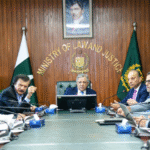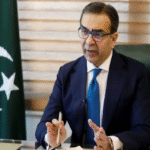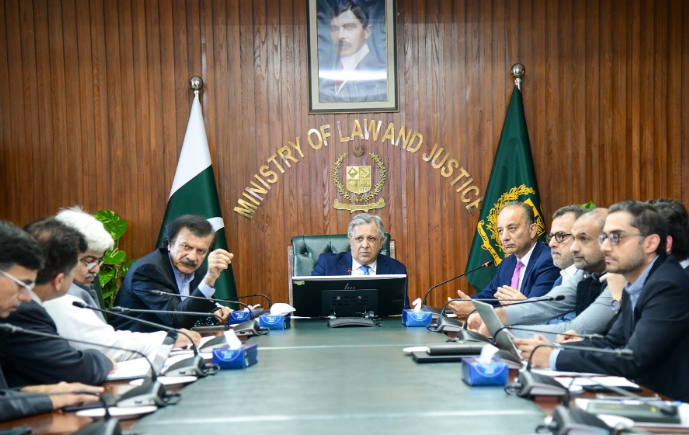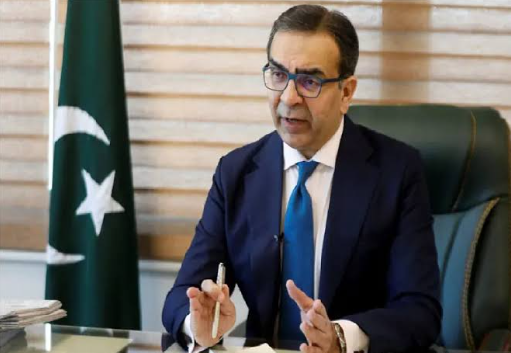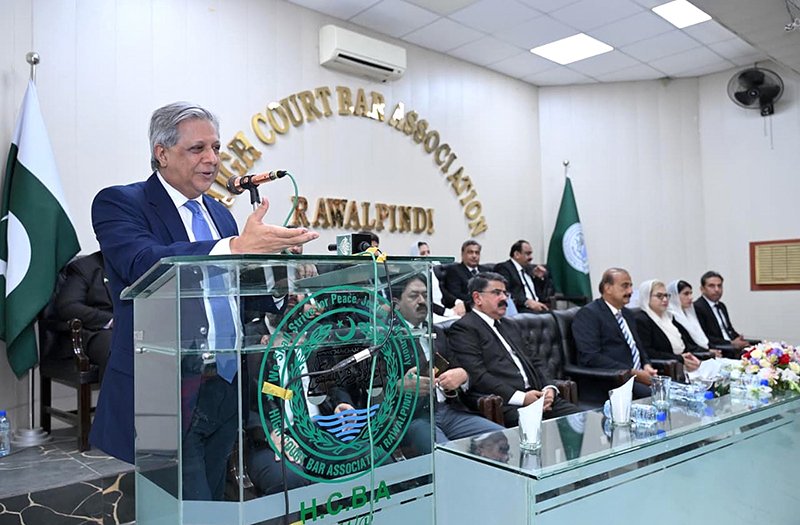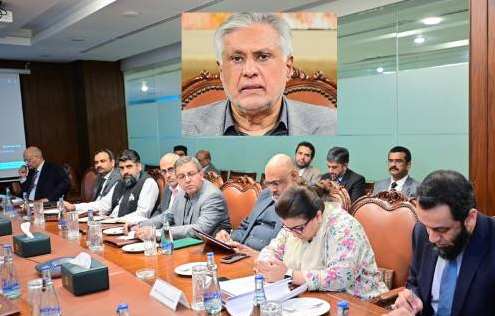
ISLAMABAD — Deputy Prime Minister and Foreign Minister Senator Mohammad Ishaq Dar chaired a meeting of the National Steering Committee on Fuel Subsidy on Thursday to assess the implementation of the Prime Minister’s Special Relief Scheme. The meeting focused on the progress of registration, token redemption, and payments to fuel stations nationwide following the scheme’s launch.
What Happened
The meeting, held in Islamabad, was convened to evaluate the operational aspects of the Prime Minister’s Special Relief Scheme, which aims to provide financial assistance to citizens affected by rising fuel prices. Deputy Prime Minister Ishaq Dar led the session, emphasizing the importance of efficient execution of the subsidy program. The committee reviewed the current status of registration processes, the effectiveness of token redemption, and the timely disbursement of payments to fuel stations across Pakistan.
During the meeting, officials presented data on the number of beneficiaries registered under the scheme and the volume of transactions completed. The committee discussed challenges faced in the implementation process, including logistical hurdles and the need for enhanced coordination among various government departments and fuel stations. Deputy Prime Minister Dar underscored the necessity of addressing these issues to ensure that the relief reaches the intended recipients promptly.
In his remarks, Dar stated, “The government is committed to alleviating the burden of rising fuel costs on the public. It is imperative that we streamline the processes involved in this scheme to maximize its impact.” The committee resolved to enhance monitoring mechanisms and provide additional support to regions facing difficulties in implementing the scheme.
Background
The Prime Minister’s Special Relief Scheme was introduced as a response to the escalating fuel prices, which have placed a significant financial strain on Pakistani households. The initiative is part of a broader government effort to cushion the economic impact of global oil price fluctuations. The scheme offers subsidies to eligible citizens, allowing them to purchase fuel at reduced rates through a system of tokens and direct payments to participating fuel stations.
Historically, Pakistan has grappled with the challenge of balancing fuel subsidies with fiscal sustainability. Previous subsidy programs have faced criticism for inefficiencies and mismanagement. The current scheme aims to address these concerns by implementing a more structured and transparent approach, leveraging technology to track and manage transactions effectively.
Why It Matters
The implementation of the Prime Minister’s Special Relief Scheme holds significant implications for Pakistan’s economy and its citizens. By providing targeted financial relief, the government seeks to mitigate the adverse effects of inflation and support household budgets. This is particularly crucial in a country where a large portion of the population relies on fuel for daily commuting and essential services.
Economically, the scheme represents a balancing act between providing immediate relief and maintaining fiscal discipline. Subsidies, while beneficial in the short term, can strain government resources if not managed prudently. The success of this initiative could set a precedent for future subsidy programs, highlighting the importance of transparency and efficiency in government interventions.
Socially, the scheme’s effectiveness in reaching vulnerable populations will be a key measure of its success. Ensuring that the relief reaches those most in need can help prevent further economic disparity and foster social stability. The government’s ability to address implementation challenges will be critical in maintaining public trust and confidence in its welfare initiatives.
Key Takeaways
- Deputy Prime Minister Ishaq Dar chaired a meeting to review the Prime Minister’s Special Relief Scheme.
- The scheme aims to provide financial relief to citizens affected by rising fuel prices.
- Challenges in implementation include logistical issues and the need for better coordination.
- The scheme’s success is crucial for economic stability and social equity in Pakistan.
- Efficient management of the subsidy program is necessary to maintain fiscal discipline.
Source Attribution
This article is based on official government statements, press releases, and public communications from relevant authorities.