
Author name: Yasir Zubairi

Yasir Zubairi is the founder and publisher of NEN Agency (News Era Network). He leads NEN's coverage of Pakistan's national affairs, economy, foreign relations and sports, and is responsible for the accuracy and standards of every story published on nenagency.com.

Street Vendor Offers Roasted Snacks Near PID in Islamabad
Pakistan

Street Vendor Offers Roasted Snacks Near PID in Islamabad

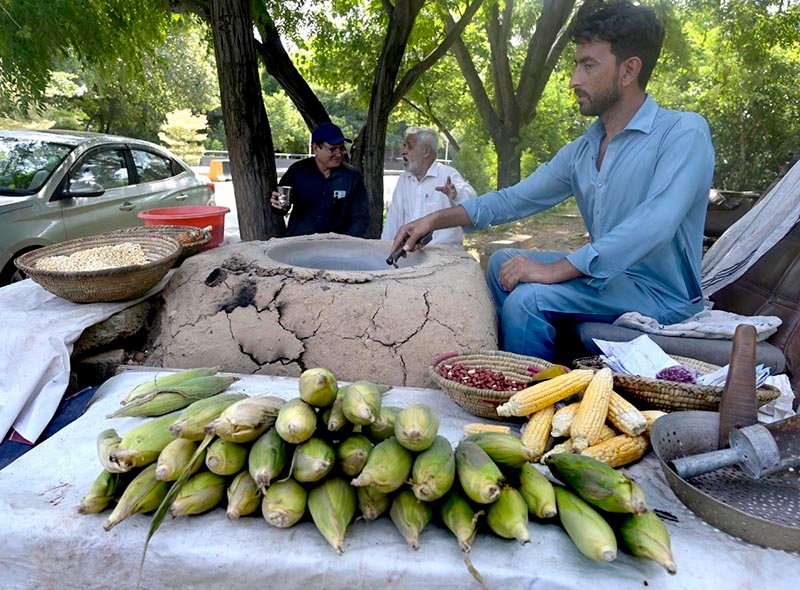
ISLAMABAD — A street vendor has set up shop near the Press Information Department (PID) in Islamabad, offering roasted corn cobs, peanuts, and black chickpeas to passersby. The vendor’s presence has become a familiar sight in the federal capital, attracting a steady stream of customers seeking a quick and affordable snack. What Happened The vendor, whose small cart is strategically located near the bustling PID area, caters to a diverse clientele, including office workers, students, and tourists. His offerings of roasted corn cobs, peanuts, and black chickpeas are prepared fresh on-site, drawing in customers with the inviting aroma of roasting snacks. The vendor, who prefers to remain unnamed, shared that his business thrives on the high foot traffic in the area, particularly during lunch hours and late afternoons. He explained, “People enjoy the convenience of grabbing a quick snack without having to venture far from their workplaces or daily routes.” The vendor’s simple yet effective business model relies on the consistent demand for inexpensive, flavorful snacks that can be enjoyed on the go. Operating from a small cart, the vendor uses a charcoal grill to roast the corn cobs, while peanuts and black chickpeas are roasted in large pans. The snacks are served in paper cones, making them easy to carry and consume. The vendor noted that the most popular item among his offerings is the roasted corn, which is often seasoned with a sprinkle of salt and chili powder to enhance its flavor. Background Street vending is a common sight across Pakistan, providing livelihoods for many who operate in urban areas. These vendors offer a range of products, from snacks and beverages to clothing and accessories, often catering to the needs of daily commuters and local residents. In Islamabad, street vendors are particularly prevalent in areas with high pedestrian traffic, such as markets, near educational institutions, and government offices. The tradition of street vending has deep roots in Pakistani culture, where informal markets have long been a part of the urban landscape. Despite facing challenges such as regulatory pressures and competition from established businesses, street vendors continue to play a vital role in the local economy by providing affordable goods and services. Why It Matters The presence of street vendors like the one near PID in Islamabad highlights the importance of the informal economy in Pakistan. Street vending not only provides employment opportunities for individuals who may lack formal education or skills but also contributes to the urban economy by offering accessible and affordable options to consumers. For many residents and workers in Islamabad, street vendors offer a convenient alternative to more expensive dining options, helping to meet the daily needs of a diverse population. This is particularly significant in a city like Islamabad, where the cost of living can be high, and affordable food options are essential for many. Moreover, street vendors contribute to the cultural vibrancy of urban areas, adding to the city’s character and appeal. Their presence in public spaces encourages social interaction and community engagement, fostering a sense of connection among city dwellers. However, street vendors often face challenges such as the lack of formal recognition, limited access to resources, and the threat of eviction due to regulatory crackdowns. Addressing these issues through supportive policies and inclusive urban planning can help integrate street vendors into the formal economy, ensuring their continued contribution to society. Key Takeaways A street vendor near PID in Islamabad offers roasted corn, peanuts, and black chickpeas. The vendor’s snacks are popular due to their affordability and convenience. Street vending is a vital part of Pakistan’s informal economy, providing livelihoods and affordable options. Challenges faced by street vendors include regulatory pressures and competition. Supportive policies can help integrate street vendors into the formal economy. Source Attribution This article is based on official government statements, press releases, and public communications from relevant authorities. Author: NEN Editorial Desk | Editor: NEN Newsroom | Fact Checked By: NEN Editorial Team Author: NEN Editorial Desk  |  Editor: NEN Newsroom  |  Last Updated: September 17, 2026  |  Source: NEN Reporter This article was produced by the NEN Editorial Desk in accordance with NEN Agency’s Editorial Policy and Fact-Checking Policy.
Education Minister Launches PEIRA Digital Service for Paperless Regulation
Pakistan

Education Minister Launches PEIRA Digital Service for Paperless Regulation

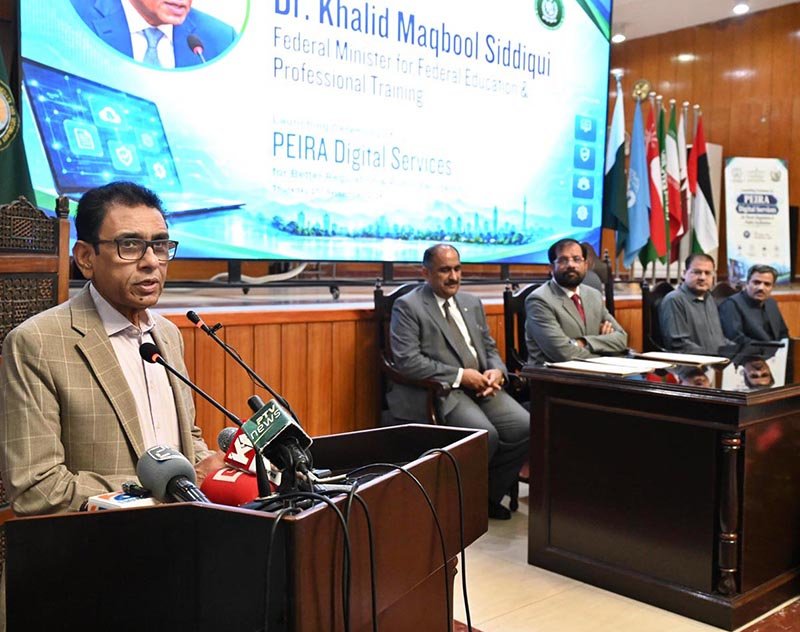
ISLAMABAD — Federal Minister for Education and Professional Training Dr. Khalid Maqbool Siddiqui inaugurated the PEIRA Digital Service: Paperless Regulation & Public Facilitation Initiative on September 17 at the FBISE auditorium. The initiative aims to streamline regulatory processes and enhance public facilitation through digital means. What Happened The launch event, held at the Federal Board of Intermediate and Secondary Education (FBISE) auditorium, was attended by government officials, educators, and stakeholders from various sectors. Dr. Khalid Maqbool Siddiqui, the Federal Minister for Education and Professional Training, officially launched the PEIRA Digital Service by pressing a button, marking the beginning of a new era in digital governance for educational institutions. In his address, Dr. Siddiqui emphasized the importance of adopting digital solutions to improve efficiency and transparency in educational administration. “The PEIRA Digital Service is a significant step towards reducing paperwork and enhancing public facilitation,” he stated. The minister highlighted that this initiative aligns with the government’s broader vision of digital transformation across various sectors. The PEIRA Digital Service is designed to facilitate the registration, regulation, and monitoring of private educational institutions in Islamabad. By transitioning to a paperless system, the initiative aims to reduce bureaucratic delays and provide a more user-friendly interface for stakeholders. The service will allow institutions to submit applications, receive approvals, and access information online, thereby reducing the dependency on physical documentation. Background The Private Educational Institutions Regulatory Authority (PEIRA) has been responsible for regulating private schools and colleges in Islamabad. Historically, the process of registration and compliance involved extensive paperwork, which often led to delays and inefficiencies. The move towards digitalization is part of a broader effort by the government to modernize administrative processes and improve service delivery. In recent years, the Pakistani government has prioritized digital transformation as a key component of its development strategy. Initiatives such as the Digital Pakistan Vision have been launched to promote technological advancements and integrate digital solutions into various sectors. The education sector, in particular, has been a focus area, with efforts to incorporate technology in teaching, learning, and administration. Why It Matters The introduction of the PEIRA Digital Service is a significant development for the education sector in Islamabad. By reducing the reliance on physical paperwork, the initiative is expected to increase efficiency, reduce costs, and minimize the potential for errors in the regulatory process. This will not only benefit educational institutions but also improve the overall experience for students and parents. Economically, the move towards digitalization can lead to cost savings for both the government and private institutions. By streamlining processes, the government can allocate resources more effectively, while institutions can reduce administrative overheads. This, in turn, could lead to more competitive pricing for educational services, benefiting families and students. Socially, the initiative promotes transparency and accountability, as digital records are easier to access and audit. This can help build trust between educational institutions and the public, ensuring that regulatory compliance is maintained. Furthermore, the initiative supports the broader goal of increasing digital literacy and familiarity with technology among educators and students. On an international level, the adoption of digital solutions in education aligns Pakistan with global trends towards e-governance and digital transformation. This can enhance the country’s reputation as a forward-thinking nation committed to leveraging technology for development. Key Takeaways Dr. Khalid Maqbool Siddiqui launched the PEIRA Digital Service in Islamabad. The initiative aims to streamline regulatory processes for private educational institutions. Digitalization is expected to improve efficiency, reduce costs, and enhance transparency. The move aligns with Pakistan’s broader digital transformation goals. Economic, social, and international benefits are anticipated from the initiative. Source Attribution This article is based on official government statements, press releases, and public communications from relevant authorities. Author: NEN Editorial Desk | Editor: NEN Newsroom | Fact Checked By: NEN Editorial Team Author: NEN Editorial Desk  |  Editor: NEN Newsroom  |  Last Updated: September 17, 2026  |  Source: Press Release from Government of Pakistan This article was produced by the NEN Editorial Desk in accordance with NEN Agency’s Editorial Policy and Fact-Checking Policy.
Young Shepherd Manages Flock on Hyderabad’s Outskirts Amid Urban Expansion
Pakistan

Young Shepherd Manages Flock on Hyderabad’s Outskirts Amid Urban Expansion

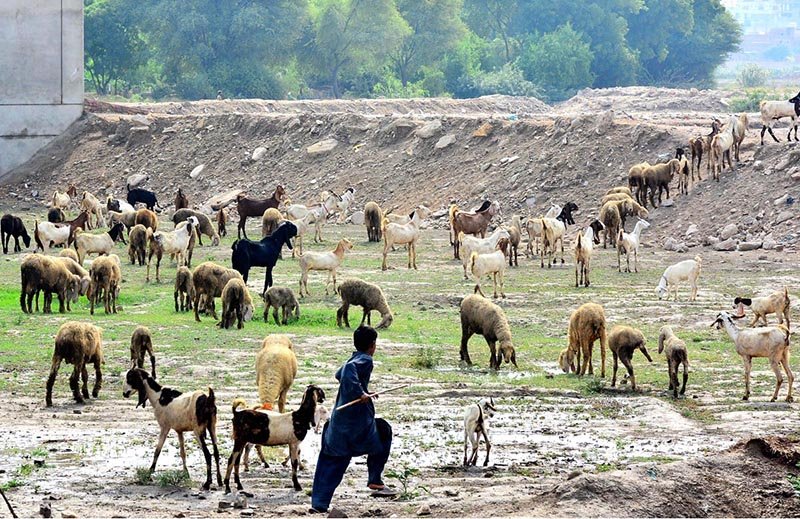
HYDERABAD — A young shepherd was observed tending to a herd of sheep and goats grazing in an open field on the outskirts of Hyderabad on September 17. This scene highlights the ongoing coexistence of traditional pastoral practices alongside the rapid urbanization of the region. What Happened In the early hours of September 17, a young shepherd was seen diligently managing his flock of sheep and goats on the fringes of Hyderabad. The animals roamed freely across the open fields, which are increasingly becoming rare due to the city’s expanding infrastructure. The shepherd, whose identity remains anonymous, represents a dwindling number of individuals maintaining traditional livelihoods in the face of urban sprawl. Eyewitnesses noted the shepherd’s adept handling of the animals, ensuring they grazed safely and did not stray onto nearby roads. This pastoral scene is a common yet diminishing sight, as Hyderabad continues to grow and develop. The city’s expansion has led to the conversion of many such grazing lands into residential and commercial properties, posing challenges for those who rely on these lands for their livelihood. According to local residents, the presence of shepherds and their flocks is a reminder of the area’s agrarian roots. However, with the increasing encroachment of urban development, the availability of open grazing fields is rapidly declining. The shepherd’s role is not only to manage the flock but also to navigate the challenges posed by urbanization, such as traffic and restricted access to traditional grazing areas. Background Hyderabad, a city with a rich historical and cultural heritage, is experiencing significant urban growth. This expansion has been driven by a combination of population increase, economic development, and infrastructural projects. Historically, the outskirts of Hyderabad have been used for agriculture and livestock grazing, activities that have sustained local communities for generations. In recent years, however, the pressure on land resources has intensified. Urban planners and developers have targeted these peripheral areas for new housing projects, commercial centers, and road networks. This has led to a reduction in available land for traditional agricultural practices, including grazing. The government has acknowledged the need to balance urban development with the preservation of agricultural lands. Policies have been proposed to protect certain areas from development, but enforcement remains inconsistent. As a result, shepherds and farmers often find themselves at odds with developers and local authorities over land use rights. Why It Matters The presence of shepherds on the outskirts of Hyderabad is emblematic of the broader challenges faced by rural communities in Pakistan as urbanization accelerates. The loss of grazing lands not only threatens the livelihoods of shepherds but also impacts the local economy, which relies on agriculture and livestock as key sectors. Economically, the reduction in grazing areas can lead to decreased livestock production, affecting meat and dairy supply chains. This can result in higher prices for consumers and reduced income for those involved in livestock farming. Socially, the displacement of traditional practices can lead to the erosion of cultural heritage and community identity. Politically, the issue underscores the need for comprehensive urban planning that considers the needs of all stakeholders, including rural communities. Ensuring that development projects do not disproportionately impact vulnerable populations is crucial for sustainable growth. Internationally, Pakistan’s approach to balancing urbanization with rural preservation can serve as a model for other developing nations facing similar challenges. The country’s ability to manage these competing interests will be critical in shaping its future economic and social landscape. Key Takeaways A young shepherd manages a flock on Hyderabad’s outskirts amid urban expansion. Urbanization is reducing available grazing lands, impacting traditional livelihoods. Balancing development with agricultural preservation is a key policy challenge. The issue highlights the economic and social impacts of rapid urban growth. Pakistan’s approach to urban-rural balance could inform global practices. Source Attribution This article is based on official government statements, press releases, and public communications from relevant authorities. Author: NEN Editorial Desk | Editor: NEN Newsroom | Fact Checked By: NEN Editorial Team Author: NEN Editorial Desk  |  Editor: NEN Newsroom  |  Last Updated: September 17, 2026  |  Source: NEN Reporter This article was produced by the NEN Editorial Desk in accordance with NEN Agency’s Editorial Policy and Fact-Checking Policy.
Training Program Enhances Child Protection Awareness Among Key Stakeholders
Pakistan

Training Program Enhances Child Protection Awareness Among Key Stakeholders

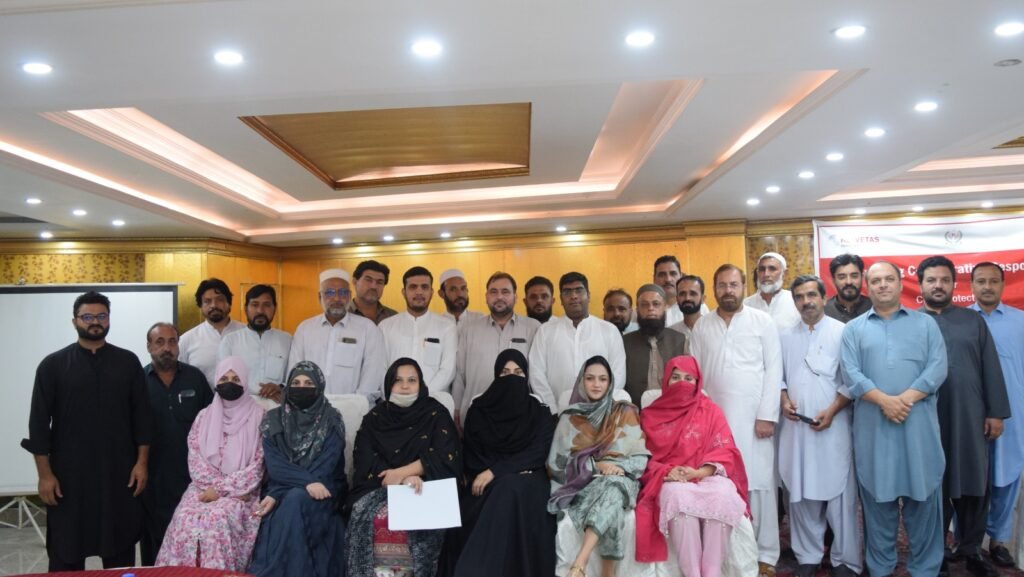
ISLAMABAD — A comprehensive two-day training session aimed at enhancing child protection awareness was conducted by Helvetas Swiss Intercooperation Pakistan. The event, held recently, targeted media professionals, school teachers, government officials, and social workers to address issues of child protection, violence, and exploitation. What Happened The training, organized by Helvetas Swiss Intercooperation Pakistan, took place over two days and focused on equipping frontline workers with the necessary skills and knowledge to better protect children. Participants included media representatives, educators, officials from relevant government institutions, and social workers. The sessions covered a range of topics, including the identification and prevention of child abuse, understanding the legal frameworks surrounding child protection, and strategies to advocate for the best interests of children. According to the organizers, the training aimed to create a more informed and proactive community of professionals who can effectively respond to and prevent incidents of child abuse and exploitation. A spokesperson from Helvetas emphasized the importance of such initiatives, stating, “Raising awareness and building capacity among those who interact with children daily is crucial for fostering a safer environment for our youth.” Participants engaged in interactive workshops and discussions led by experts in the field of child protection. These sessions provided practical tools and strategies for identifying signs of abuse and understanding the psychological impact of violence on children. The training also highlighted the role of media in shaping public perceptions and the importance of responsible reporting on child protection issues. Background Child protection has been a significant concern in Pakistan, with numerous cases of abuse and exploitation reported annually. The government has enacted several laws aimed at safeguarding children’s rights, such as the Child Protection Act and the National Commission on the Rights of Child. However, implementation remains a challenge due to limited resources and awareness among the general public and professionals. Helvetas Swiss Intercooperation Pakistan has been actively involved in promoting child rights and protection through various programs and partnerships with local organizations. Their efforts are part of a broader initiative to strengthen the capacity of institutions and individuals responsible for child welfare across the country. Why It Matters The training program is significant as it addresses a critical need for increased awareness and education on child protection among those who are in direct contact with children. By equipping media professionals, educators, and social workers with the necessary tools and knowledge, the initiative aims to create a ripple effect that could lead to more effective prevention and intervention strategies. For media professionals, understanding the nuances of reporting on child protection issues is vital. Responsible journalism can help raise public awareness and drive policy changes, ultimately contributing to a safer environment for children. Educators and social workers, on the other hand, are often the first to notice signs of abuse or neglect, making their role in early intervention crucial. Moreover, the training aligns with Pakistan’s broader efforts to meet international child protection standards and commitments, such as the United Nations Convention on the Rights of the Child. Enhancing the skills and knowledge of frontline workers is a step towards fulfilling these commitments and improving the overall welfare of children in the country. Key Takeaways The two-day training aimed to enhance awareness of child protection among key stakeholders. Participants included media professionals, educators, government officials, and social workers. Sessions focused on identifying and preventing child abuse and understanding legal frameworks. The initiative is part of broader efforts to improve child welfare and meet international standards. Responsible media reporting and early intervention by educators and social workers are crucial. Source Attribution This article is based on official statements, press releases, and public communications from relevant authorities. Author: NEN Editorial Desk | Editor: NEN Newsroom | Fact Checked By: NEN Editorial Team Author: NEN Editorial Desk  |  Editor: NEN Newsroom  |  Last Updated: September 17, 2026  |  Source: NEN Reporter This article was produced by the NEN Editorial Desk in accordance with NEN Agency’s Editorial Policy and Fact-Checking Policy.
NA Speaker Mourns Passing Of Journalist Usman Khan’s Father
Pakistan

NA Speaker Mourns Passing Of Journalist Usman Khan’s Father

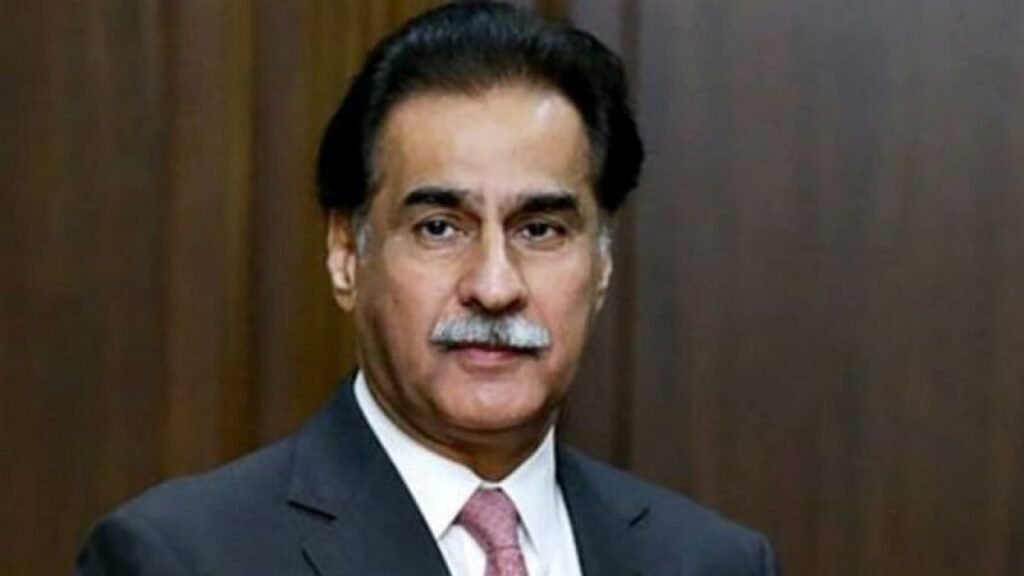
ISLAMABAD — Speaker of the National Assembly, Sardar Ayaz Sadiq, has expressed profound grief over the passing of the father of Usman Khan, a prominent figure in Pakistan’s journalistic community. Khan, who has served as the Vice President of the National Press Club and the President of the Parliamentary Reporters Association Pakistan (PRAP), is mourning the loss of his father, whose contributions to his community were widely respected. What Happened On Tuesday, Sardar Ayaz Sadiq extended his condolences to Usman Khan and his family, acknowledging the significant loss they have suffered. In a statement, the Speaker highlighted the contributions of Khan’s father to his community, emphasizing the void his passing leaves behind. “The loss of a parent is irreplaceable, and my thoughts and prayers are with Usman Khan and his family during this difficult time,” Sadiq stated. Usman Khan, known for his leadership roles within the National Press Club and PRAP, has been a significant figure in advocating for journalists’ rights and press freedom in Pakistan. His father’s passing marks a personal loss for Khan, who has been a steadfast supporter of journalistic integrity and freedom of expression in the country. The Speaker’s message of condolence was also shared by several members of the press community, who expressed their solidarity with Khan. The National Press Club and PRAP issued statements mourning the loss and offering support to Khan and his family. Background Usman Khan’s career in journalism has been marked by his dedication to promoting press freedom and supporting journalists across Pakistan. As a former Vice President of the National Press Club, Khan played a pivotal role in organizing events and discussions aimed at enhancing the professional standards of journalism in the country. His tenure as President of the Parliamentary Reporters Association Pakistan further underscored his commitment to fostering a supportive environment for parliamentary reporters. The National Press Club and PRAP are key institutions in Pakistan’s media landscape, advocating for the rights and welfare of journalists. These organizations have historically been at the forefront of efforts to ensure press freedom and protect journalists from censorship and intimidation. Why It Matters The passing of Usman Khan’s father is not only a personal loss for the family but also resonates within the broader journalistic community in Pakistan. The expressions of sympathy from high-profile figures such as the Speaker of the National Assembly highlight the importance of Khan’s contributions to journalism and the respect he commands among his peers. In a country where press freedom is often challenged, the role of journalists like Usman Khan is crucial in maintaining a free and independent media. His leadership in the National Press Club and PRAP has been instrumental in advocating for journalists’ rights, making the support from the community during his time of loss even more significant. The Speaker’s public acknowledgment of the loss underscores the interconnectedness of political and media spheres in Pakistan, where journalists play a vital role in shaping public discourse and holding power to account. The solidarity shown by the press community serves as a reminder of the collective resilience and unity among journalists in the face of personal and professional challenges. Key Takeaways NA Speaker Sardar Ayaz Sadiq expressed condolences over the passing of Usman Khan’s father. Usman Khan is a notable figure in journalism, having held leadership roles in the National Press Club and PRAP. The loss is felt deeply within the journalistic community, highlighting the respect for Khan’s contributions. The support from the press community underscores the importance of solidarity among journalists in Pakistan. The incident reflects the interconnectedness of political and media spheres in the country. Source Attribution This article is based on official statements and public communications from relevant authorities. Author: NEN Editorial Desk | Editor: NEN Newsroom | Fact Checked By: NEN Editorial Team Author: NEN Editorial Desk  |  Editor: NEN Newsroom  |  Last Updated: September 17, 2026  |  Source: Press Release from Government of Pakistan This article was produced by the NEN Editorial Desk in accordance with NEN Agency’s Editorial Policy and Fact-Checking Policy.

Shaza Fatima Evaluates PM Fuel Relief Scheme Implementation in Islamabad
Pakistan

Shaza Fatima Evaluates PM Fuel Relief Scheme Implementation in Islamabad

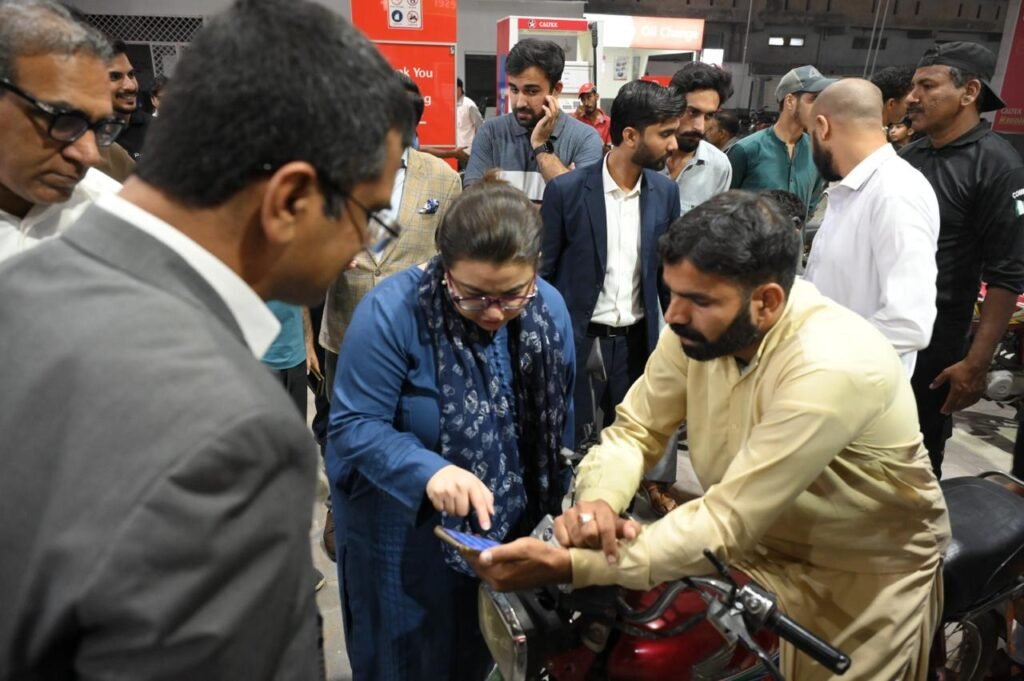
ISLAMABAD — Federal Minister for Information Technology and Telecommunication Shaza Fatima Khawaja conducted a comprehensive review of the implementation of the Prime Minister’s Fuel Relief Scheme in Islamabad on Thursday. Accompanied by the district administration, she visited several petrol stations to ensure the scheme’s effective execution and address any concerns raised by the public. What Happened During her visit, Shaza Fatima Khawaja inspected multiple petrol pumps across Islamabad to assess the on-ground implementation of the Prime Minister’s Fuel Relief Scheme. The scheme, designed to alleviate the financial burden on citizens due to rising fuel prices, aims to provide subsidized rates at selected fuel stations. The minister interacted with both petrol station operators and customers to gather feedback on the scheme’s effectiveness and any challenges encountered. Shaza Fatima emphasized the government’s commitment to ensuring that the relief reaches the intended beneficiaries without any hindrances. She stated, “The Prime Minister’s Fuel Relief Scheme is a vital initiative to support our citizens during these challenging economic times. It is imperative that the relief is delivered efficiently and transparently.” The minister also instructed the district administration to monitor the implementation closely and address any issues promptly. The visit highlighted the government’s proactive approach in addressing public grievances and ensuring transparency in the distribution of subsidies. The district administration assured the minister of their full cooperation in implementing the scheme effectively and resolving any operational challenges. Background The Prime Minister’s Fuel Relief Scheme was introduced as a response to the escalating fuel prices that have significantly impacted the cost of living for Pakistani citizens. The scheme is part of a broader strategy to provide financial relief to the population amidst economic challenges exacerbated by global oil price fluctuations and local economic conditions. Historically, Pakistan has faced challenges in managing fuel subsidies due to administrative inefficiencies and the risk of misuse. Previous attempts to provide fuel relief have been met with mixed results, often hindered by logistical issues and lack of transparency. The current scheme aims to address these past shortcomings by implementing stricter monitoring and accountability measures. Why It Matters The implementation of the Prime Minister’s Fuel Relief Scheme holds significant implications for Pakistan’s socio-economic landscape. As fuel prices continue to rise globally, the burden on Pakistani households has increased, affecting their purchasing power and overall quality of life. By subsidizing fuel costs, the government aims to alleviate some of this financial pressure, allowing citizens to allocate their resources more effectively. Economically, the scheme is crucial in stabilizing consumer spending, which is essential for economic growth. By reducing fuel expenses, households may have more disposable income to spend on other goods and services, thereby stimulating economic activity. Politically, the successful implementation of the scheme could enhance public trust in the government’s ability to manage economic challenges and deliver on its promises. Internationally, the scheme reflects Pakistan’s efforts to address domestic economic issues while navigating global economic pressures. It demonstrates the government’s commitment to supporting its citizens and maintaining social stability during turbulent times. Key Takeaways Federal Minister Shaza Fatima Khawaja reviewed the implementation of the PM Fuel Relief Scheme in Islamabad. The scheme aims to provide subsidized fuel rates to alleviate economic pressure on citizens. Shaza Fatima emphasized the importance of transparent and efficient delivery of the relief. The initiative is part of broader government efforts to address rising fuel costs and economic challenges. Successful implementation could enhance public trust and stimulate economic activity. Source Attribution This article is based on official government statements, press releases, and public communications from relevant authorities. Author: NEN Editorial Desk | Editor: NEN Newsroom | Fact Checked By: NEN Editorial Team Author: NEN Editorial Desk  |  Editor: NEN Newsroom  |  Last Updated: September 17, 2026  |  Source: NEN Reporter This article was produced by the NEN Editorial Desk in accordance with NEN Agency’s Editorial Policy and Fact-Checking Policy.

Pakistan Women to Compete Against Thailand in Asian Games Quarterfinal
Pakistan

Pakistan Women to Compete Against Thailand in Asian Games Quarterfinal

ISLAMABAD — Pakistan’s women’s field hockey team is set to face Thailand in the quarterfinals of the Asian Games on Thursday, September 17, 2026. The match will be held at the Korogi Athletic Park in Aichi Prefecture, Japan, marking a crucial stage in the competition for both teams. What Happened The Pakistan women’s field hockey team, a two-time winner of the Asian Games, is gearing up for a challenging encounter against Thailand in the quarterfinals. The match is a part of the 2026 Asian Games, an event that draws significant attention from sports enthusiasts across the continent. Scheduled to take place at the Korogi Athletic Park, the game is one of four quarterfinal matches that will determine which teams advance to the semifinals. Pakistan’s team has shown commendable performance in the group stages, securing their position in the quarterfinals with a series of strategic victories. The team, known for its strong defensive strategies and quick counter-attacks, will aim to leverage these strengths against Thailand, a team that has also demonstrated formidable skills throughout the tournament. Team captain, Ayesha Khan, expressed confidence in her team’s preparation and strategy. “We have trained hard and are focused on executing our game plan effectively. Thailand is a strong opponent, but we are ready to give our best,” she stated in a pre-match press conference. Thailand, on the other hand, has been a rising force in Asian women’s field hockey, known for their agility and tactical play. The match against Pakistan is expected to be a closely contested affair, with both teams vying for a spot in the semifinals. Background The Asian Games, held every four years, is a major multi-sport event that features athletes from across Asia. The women’s field hockey competition has been a part of the Games since 1982, with Pakistan’s women’s team winning the gold medal twice in its history. The Games serve as a platform for showcasing talent and fostering sportsmanship among participating nations. Historically, Pakistan has been a strong contender in field hockey, with both men’s and women’s teams achieving significant success on the international stage. The women’s team’s participation in the 2026 Asian Games marks another opportunity to enhance their legacy and inspire future generations of female athletes in Pakistan. Why It Matters The upcoming match between Pakistan and Thailand holds significant importance for several reasons. Firstly, it represents an opportunity for Pakistan to reaffirm its position as a leading nation in women’s field hockey within Asia. A victory in the quarterfinals would not only boost the team’s morale but also enhance Pakistan’s standing in the international sports community. Economically, success in such international competitions can lead to increased investment in sports infrastructure and development programs within Pakistan. It can also inspire young athletes, particularly women, to pursue sports professionally, contributing to gender equality and empowerment in the country. Politically, sports events like the Asian Games provide a platform for fostering diplomatic relations between participating countries. A match between Pakistan and Thailand is not just a sporting event but also an opportunity for cultural exchange and mutual respect, promoting peace and cooperation in the region. Internationally, the performance of the Pakistan women’s team can influence perceptions of the country, showcasing its commitment to promoting women’s sports and supporting female athletes on global platforms. Key Takeaways Pakistan’s women’s field hockey team will face Thailand in the Asian Games quarterfinals on September 17, 2026. The match will take place at Korogi Athletic Park in Aichi Prefecture, Japan. Pakistan is a two-time Asian Games winner, aiming to secure a semifinal spot. The event highlights the importance of sports in fostering international relations and gender equality. Success in the Games could boost sports development and investment in Pakistan. Source Attribution This article is based on official government statements, press releases, and public communications from relevant authorities. Author: NEN Editorial Desk | Editor: NEN Newsroom | Fact Checked By: NEN Editorial Team Author: NEN Editorial Desk  |  Editor: NEN Newsroom  |  Last Updated: September 17, 2026  |  Source: NEN Reporter This article was produced by the NEN Editorial Desk in accordance with NEN Agency’s Editorial Policy and Fact-Checking Policy.
LCCI Hosts Seminar on Export Documentation and FBR Requirements
Pakistan

LCCI Hosts Seminar on Export Documentation and FBR Requirements

LAHORE — The Lahore Chamber of Commerce and Industry (LCCI) organized a seminar on Wednesday to address export documentation and regulatory requirements set by the Federal Board of Revenue (FBR). The event aimed to educate the business community on compliance procedures and promote a facilitation-oriented approach by government bodies. What Happened The seminar, titled “Export Documentation and FBR Regulatory Requirements,” was chaired by LCCI President Faheem Ur Rehman Saigol. Held at the LCCI premises, the event attracted a diverse audience from the business sector, including exporters, industry leaders, and regulatory experts. During the seminar, speakers provided detailed insights into the complexities of export documentation and the regulatory requirements imposed by the FBR. The discussions highlighted the importance of understanding these procedures to ensure smooth business operations and compliance with national and international standards. LCCI President Saigol emphasized the need for businesses to be well-versed in regulatory requirements to avoid potential pitfalls. He stated, “Compliance with export documentation and FBR regulations is crucial for the success of our exporters. It is imperative that businesses understand these requirements to facilitate their operations and contribute to the national economy.” Experts at the seminar also addressed common challenges faced by exporters, such as delays in documentation processing and the need for a more streamlined approach by regulatory authorities. Suggestions for improving the current systems were discussed, with a focus on enhancing collaboration between businesses and government institutions. Background Pakistan’s export sector has long been a significant contributor to the national economy, with textiles, agriculture, and manufacturing being key areas. However, the sector faces challenges related to regulatory compliance and documentation, which can hinder export efficiency and competitiveness. The FBR, responsible for enforcing tax laws and customs regulations, plays a pivotal role in overseeing export activities. Compliance with FBR requirements is mandatory for businesses engaged in international trade, making it essential for exporters to stay informed about regulatory updates and procedural changes. Historically, the LCCI has been proactive in organizing seminars and workshops to bridge the knowledge gap between businesses and regulatory authorities. These initiatives aim to empower exporters with the necessary tools and information to navigate complex regulatory landscapes. Why It Matters The seminar holds significant importance for Pakistan’s export-driven economy. By fostering a deeper understanding of export documentation and FBR regulations, businesses can enhance their operational efficiency and competitiveness on the global stage. For exporters, compliance with regulatory requirements is not just a legal obligation but a strategic necessity. Proper documentation and adherence to FBR guidelines can prevent costly delays and penalties, thereby safeguarding business interests and promoting sustainable growth. Moreover, the seminar underscores the need for a facilitation-oriented approach by government institutions. By streamlining processes and reducing bureaucratic hurdles, regulatory bodies can create a more conducive environment for exporters, ultimately boosting Pakistan’s export potential. The event also highlights the role of the LCCI in advocating for business-friendly policies and fostering dialogue between the private sector and government authorities. Such initiatives are crucial for addressing the challenges faced by exporters and ensuring that Pakistan remains competitive in the global market. Key Takeaways The LCCI organized a seminar to educate businesses on export documentation and FBR requirements. LCCI President Faheem Ur Rehman Saigol emphasized the importance of compliance for exporters. Experts discussed challenges and proposed solutions for streamlining regulatory processes. The seminar aimed to foster a facilitation-oriented approach by government institutions. Understanding regulatory requirements is crucial for enhancing export efficiency and competitiveness. Source Attribution This article is based on official statements and public communications from the Lahore Chamber of Commerce and Industry and other relevant authorities. Author: NEN Editorial Desk | Editor: NEN Newsroom | Fact Checked By: NEN Editorial Team Author: NEN Editorial Desk  |  Editor: NEN Newsroom  |  Last Updated: September 17, 2026  |  Source: NEN Reporter This article was produced by the NEN Editorial Desk in accordance with NEN Agency’s Editorial Policy and Fact-Checking Policy.

EU Ambassador Engages with Sialkot Business Leaders at SCCI Meeting
World

EU Ambassador Engages with Sialkot Business Leaders at SCCI Meeting

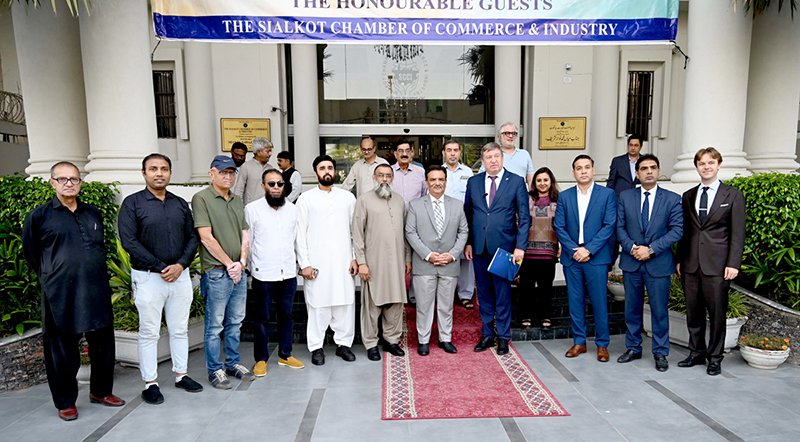
SIALKOT — EU Ambassador to Pakistan Raimundas Karoblis met with key business leaders at the Sialkot Chamber of Commerce and Industry (SCCI) to discuss enhancing trade relations between the European Union and Pakistan. The meeting, held on Thursday, included President of the SCCI Syed Ahtisham Gilani and President of the Women’s Chamber of Commerce Dr. Maryam Noman, among other prominent business community members. What Happened The EU Ambassador’s visit to Sialkot highlighted the European Union’s ongoing commitment to strengthening economic ties with Pakistan. During the meeting, Ambassador Karoblis emphasized the importance of Sialkot as a hub for Pakistan’s export industry, particularly in sectors such as sports goods, surgical instruments, and leather products. The discussions focused on exploring new avenues for collaboration and increasing the volume of trade between the EU and Pakistan. President Syed Ahtisham Gilani expressed optimism about the potential for growth in trade relations, citing the EU’s Generalised Scheme of Preferences Plus (GSP+) status, which allows Pakistani products duty-free access to European markets. “The GSP+ status has been instrumental in boosting our exports, and we are keen to further capitalize on this opportunity,” Gilani stated. Dr. Maryam Noman highlighted the role of women entrepreneurs in driving economic growth and underscored the need for greater support and investment in women-led businesses. “Empowering women in business is crucial for sustainable economic development,” she noted. Background Sialkot is renowned for its export-oriented industries, contributing significantly to Pakistan’s economy. The city is a leading producer of sports goods, surgical instruments, and leather products, with a substantial portion of these goods exported to the European Union. The EU is one of Pakistan’s largest trading partners, and the GSP+ status has been a key factor in enhancing trade relations. The GSP+ scheme, granted to Pakistan in 2014, aims to promote sustainable development and good governance by allowing duty-free access to the EU market for various products. This status has been pivotal in increasing Pakistan’s exports to the EU, making it a crucial component of the country’s trade policy. Why It Matters The meeting between the EU Ambassador and Sialkot’s business leaders is significant in several ways. Firstly, it reaffirms the EU’s commitment to maintaining strong economic ties with Pakistan, which is vital for the country’s export-driven economy. The EU is not only a major market for Pakistani goods but also a critical partner in terms of investment and development aid. Secondly, the focus on Sialkot underscores the city’s role as a key player in Pakistan’s export sector. By engaging directly with local business leaders, the EU can better understand the challenges and opportunities faced by exporters, leading to more targeted and effective trade policies. Furthermore, the emphasis on women’s entrepreneurship highlights the growing recognition of gender equality as a driver of economic growth. Supporting women-led businesses can lead to more inclusive and sustainable development, ultimately benefiting the broader economy. The discussions also come at a time when global trade dynamics are shifting, with countries seeking to diversify their trade partners and reduce dependency on any single market. Strengthening ties with the EU can help Pakistan navigate these changes and secure its economic future. Key Takeaways The EU Ambassador’s visit to Sialkot focused on enhancing trade relations with Pakistan. Sialkot’s export industries, particularly sports goods and surgical instruments, are key to Pakistan’s economy. The EU’s GSP+ status has significantly boosted Pakistani exports to European markets. Empowering women entrepreneurs is crucial for sustainable economic growth in Pakistan. Strengthening EU-Pakistan trade ties is vital amid shifting global trade dynamics. Source Attribution This article is based on official government statements, press releases, and public communications from relevant authorities. Author: NEN Editorial Desk | Editor: NEN Newsroom | Fact Checked By: NEN Editorial Team Author: NEN Editorial Desk  |  Editor: NEN Newsroom  |  Last Updated: September 17, 2026  |  Source: Press Release from Government of Pakistan This article was produced by the NEN Editorial Desk in accordance with NEN Agency’s Editorial Policy and Fact-Checking Policy.

Pakistan Withdraws from Israel Match at Samarkand Chess Olympiad
World

Pakistan Withdraws from Israel Match at Samarkand Chess Olympiad

ISLAMABAD — Pakistan has officially withdrawn from its scheduled match against Israel at the 46th FIDE World Chess Olympiad 2026 in Samarkand, Uzbekistan. The Chess Federation of Pakistan announced the decision, citing the nation’s longstanding policy towards Israel and its solidarity with the Palestinian cause. What Happened The Pakistan-Israel match was slated to occur on Wednesday during the opening round of the prestigious international chess event. However, the Chess Federation of Pakistan decided to forfeit the match, aligning with the country’s historical stance of not engaging in direct sporting or diplomatic relations with Israel. This decision was communicated in a statement released by the Federation, emphasizing the commitment to supporting Palestinian rights. “Our stance is clear and consistent with our national policy,” a spokesperson for the Chess Federation of Pakistan stated. “We stand in solidarity with the Palestinian people and cannot participate in any event that involves Israel.” The decision aligns with Pakistan’s broader foreign policy, which does not recognize Israel as a state and has no formal diplomatic relations with it. The boycott has drawn mixed reactions from the international chess community. Some support Pakistan’s decision as a legitimate political statement, while others believe that sports should remain separate from political issues. The FIDE World Chess Olympiad is one of the most significant events in the chess calendar, drawing teams from around the globe to compete in a spirit of sportsmanship and international camaraderie. Background Pakistan’s policy regarding Israel is rooted in its unwavering support for the Palestinian cause, a stance it has maintained since its inception. The country has consistently advocated for the establishment of a sovereign Palestinian state and has often used international platforms to voice its opposition to Israeli policies in the region. Historically, Pakistan has avoided any form of direct engagement with Israel, including sporting events. This policy is reflective of broader geopolitical alliances and the influence of public opinion within Pakistan, where support for Palestine is widespread. The Chess Olympiad, being a global event, often places countries with conflicting political stances against each other, leading to such diplomatic challenges. Why It Matters The decision to boycott the match against Israel holds significant implications for Pakistan’s international relations and its role in global sporting events. By choosing to forfeit the match, Pakistan reaffirms its commitment to its foreign policy principles, which prioritize solidarity with Palestine over potential sporting accolades. Economically, the decision may not have immediate repercussions, but it underscores the complexities involved in international sporting events where political and diplomatic tensions can overshadow the spirit of competition. Socially, the move is likely to resonate with a significant portion of the Pakistani population that supports the Palestinian cause, reinforcing national unity on this issue. Politically, the boycott highlights the ongoing challenges faced by international sporting bodies like FIDE in navigating geopolitical tensions. It raises questions about the role of sports in diplomacy and whether such events can truly remain apolitical. For Pakistan, this decision could influence its future participation in international events where Israeli teams are present, potentially limiting its exposure and opportunities in the global arena. Key Takeaways Pakistan has withdrawn from a scheduled chess match against Israel at the 46th FIDE World Chess Olympiad in Samarkand, Uzbekistan. The decision aligns with Pakistan’s longstanding policy of not recognizing Israel and supporting the Palestinian cause. The boycott has sparked debate within the international chess community regarding the intersection of sports and politics. Pakistan’s stance reflects broader geopolitical alliances and public opinion within the country. The move underscores the challenges faced by international sporting bodies in managing geopolitical tensions. Source Attribution This article is based on official statements from the Chess Federation of Pakistan and public communications from relevant authorities. Author: NEN Editorial Desk | Editor: NEN Newsroom | Fact Checked By: NEN Editorial Team Author: NEN Editorial Desk  |  Editor: NEN Newsroom  |  Last Updated: September 16, 2026  |  Source: NEN Reporter This article was produced by the NEN Editorial Desk in accordance with NEN Agency’s Editorial Policy and Fact-Checking Policy.

Scroll to Top