
Author name: Yasir Zubairi

Yasir Zubairi is the founder and publisher of NEN Agency (News Era Network). He leads NEN's coverage of Pakistan's national affairs, economy, foreign relations and sports, and is responsible for the accuracy and standards of every story published on nenagency.com.

Pakistan’s Industrial Production Rises by 3.03% in July 2026
Pakistan

Pakistan’s Industrial Production Rises by 3.03% in July 2026

ISLAMABAD — Industrial production in Pakistan saw a 3.03% increase in July 2026 compared to the same month last year, according to the Pakistan Bureau of Statistics (PBS). This growth in the output of Large Scale Manufacturing Industries (LSMI) marks a positive trend for the country’s industrial sector. What Happened The Pakistan Bureau of Statistics (PBS) reported that the output of Large Scale Manufacturing Industries (LSMI) rose by 3.03% in July 2026. This increase is a significant indicator of the industrial sector’s recovery and growth, as LSMI plays a crucial role in the country’s economy. The data reflects the performance of various industries, including textiles, food, beverages, tobacco, and chemicals, which have shown varying degrees of growth and contraction over the months. The PBS report highlighted that several sectors contributed positively to this growth. The textile sector, which is one of the largest contributors to LSMI, showed resilience despite global economic challenges. The food and beverage sector also performed well, driven by increased domestic demand and export opportunities. However, some sectors, such as pharmaceuticals and electronics, faced challenges due to supply chain disruptions and increased production costs. The PBS data is based on the Quantum Index Numbers (QIM) of Large Scale Manufacturing Industries, which is a key measure of industrial activity in the country. The QIM is compiled from data collected from various sources, including the Oil Companies Advisory Council (OCAC), Ministry of Industries, and provincial bureaus of statistics. Background Large Scale Manufacturing Industries (LSMI) are a vital component of Pakistan’s economy, contributing significantly to GDP and employment. The sector has faced numerous challenges over the years, including energy shortages, fluctuating raw material prices, and political instability. However, recent government initiatives aimed at improving infrastructure, energy supply, and business regulations have provided some relief to the industry. Historically, the industrial sector in Pakistan has been subject to cyclical growth patterns, heavily influenced by both domestic and international economic conditions. The government’s focus on industrialization and export-led growth has been a consistent theme in economic policy, with varying degrees of success. Why It Matters The 3.03% growth in industrial production is a positive sign for Pakistan’s economy, indicating a potential recovery from the challenges posed by the COVID-19 pandemic and global economic uncertainties. An increase in LSMI output suggests that industries are gradually overcoming supply chain disruptions and adapting to new market conditions. Economically, the growth in industrial production could lead to increased employment opportunities and higher income levels, contributing to overall economic stability. This is particularly important for a country like Pakistan, where industrial growth is closely linked to job creation and poverty alleviation. On the international front, improved industrial performance enhances Pakistan’s competitiveness in the global market, potentially boosting exports and foreign exchange earnings. This is crucial for addressing the country’s balance of payments issues and stabilizing the national currency. Politically, sustained industrial growth can strengthen the government’s position by showcasing effective economic management and policy implementation. It also provides a buffer against external economic shocks, allowing for more strategic planning and investment in other critical areas such as education and healthcare. Key Takeaways Pakistan’s industrial production increased by 3.03% in July 2026 compared to the previous year. The growth was driven by sectors such as textiles, food, and beverages. Challenges remain in sectors like pharmaceuticals and electronics due to supply chain issues. Improved industrial output could lead to increased employment and economic stability. This growth enhances Pakistan’s competitiveness in the global market. Source Attribution This article is based on official government statements, press releases, and public communications from relevant authorities. Author: NEN Editorial Desk | Editor: NEN Newsroom | Fact Checked By: NEN Editorial Team Author: NEN Editorial Desk  |  Editor: NEN Newsroom  |  Last Updated: September 16, 2026  |  Source: NEN Reporter This article was produced by the NEN Editorial Desk in accordance with NEN Agency’s Editorial Policy and Fact-Checking Policy.
Malaysia’s 69th National Day Celebrated with Pakistani Dignitaries in Islamabad
World

Malaysia’s 69th National Day Celebrated with Pakistani Dignitaries in Islamabad

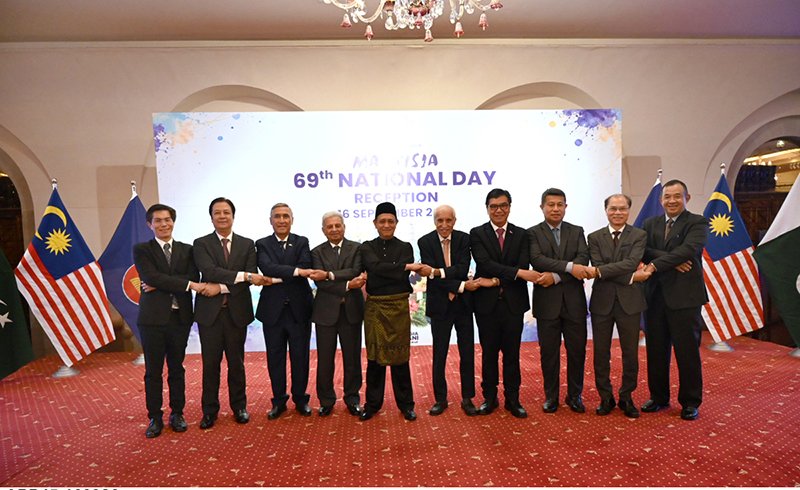
ISLAMABAD — Federal Minister for Board of Investment Qaiser Ahmed Shaikh, Federal Minister for National Food Security and Research Rana Tanveer Hussain, and Malaysian High Commissioner Dato’ Mohammad Azhar Mazlan joined hands in a show of solidarity as Malaysia’s 69th National Day was celebrated at a local hotel in Islamabad. The event was attended by various dignitaries, highlighting the strong diplomatic ties between Pakistan and Malaysia. What Happened The celebration of Malaysia’s 69th National Day in Islamabad was marked by a gathering of high-profile Pakistani officials and the Malaysian High Commissioner. The event, held at a prominent hotel in the capital, featured speeches, cultural performances, and a display of the friendship between the two nations. Federal Minister Qaiser Ahmed Shaikh and Federal Minister Rana Tanveer Hussain were among the key figures representing Pakistan, while Dato’ Mohammad Azhar Mazlan led the Malaysian delegation. During the event, the dignitaries clasped hands in a symbolic gesture of unity and cooperation. The ceremony included cultural performances that showcased Malaysian traditions, reflecting the country’s rich heritage. In his address, Malaysian High Commissioner Dato’ Mohammad Azhar Mazlan expressed gratitude for the warm relations between Malaysia and Pakistan, emphasizing the importance of continued collaboration in various sectors. Federal Minister Qaiser Ahmed Shaikh highlighted the significance of investment opportunities between the two countries, noting that Malaysia has been a key partner in various development projects in Pakistan. Similarly, Federal Minister Rana Tanveer Hussain spoke about the potential for enhanced cooperation in agriculture and food security, areas where both nations can benefit from shared expertise and resources. Background The diplomatic relations between Pakistan and Malaysia have been longstanding, with both countries enjoying a history of cooperation in trade, education, and cultural exchange. Malaysia’s National Day, also known as Hari Merdeka, commemorates the country’s independence from British colonial rule on August 31, 1957. This annual event is celebrated not only in Malaysia but also by Malaysian embassies worldwide, fostering goodwill and strengthening international ties. In recent years, Malaysia and Pakistan have engaged in various bilateral agreements aimed at boosting economic and social collaboration. These include partnerships in the fields of education, technology, and infrastructure development. The celebration of Malaysia’s National Day in Islamabad serves as a reminder of these shared goals and the mutual benefits of a strong diplomatic relationship. Why It Matters The celebration of Malaysia’s National Day in Islamabad underscores the importance of international diplomacy and cultural exchange in strengthening bilateral ties. For Pakistan, maintaining a robust relationship with Malaysia is crucial for several reasons. Economically, Malaysia is a significant trading partner, with opportunities for collaboration in sectors such as agriculture, technology, and investment. The presence of high-level Pakistani officials at the event signals a commitment to deepening these economic ties. Socially, events like these promote cultural understanding and goodwill between nations. By celebrating Malaysia’s National Day, Pakistan not only honors its diplomatic partner but also showcases its openness to diverse cultures and traditions. This cultural diplomacy can lead to increased people-to-people connections, fostering a sense of global community. Politically, the event highlights Pakistan’s strategic interests in Southeast Asia, a region of growing economic and geopolitical importance. Strengthening ties with Malaysia can enhance Pakistan’s influence in the region and provide a platform for collaborative efforts on international issues such as climate change, security, and sustainable development. Key Takeaways Malaysia’s 69th National Day was celebrated in Islamabad, attended by Pakistani and Malaysian dignitaries. The event highlighted strong diplomatic ties and potential for increased economic collaboration. Federal Ministers Qaiser Ahmed Shaikh and Rana Tanveer Hussain represented Pakistan at the celebration. Cultural performances and speeches emphasized the importance of bilateral cooperation. The event underscores Pakistan’s strategic interests in Southeast Asia and its commitment to international diplomacy. Source Attribution This article is based on official government statements, press releases, and public communications from relevant authorities. Author: NEN Editorial Desk | Editor: NEN Newsroom | Fact Checked By: NEN Editorial Team Author: NEN Editorial Desk  |  Editor: NEN Newsroom  |  Last Updated: September 16, 2026  |  Source: Press Release from Government of Pakistan This article was produced by the NEN Editorial Desk in accordance with NEN Agency’s Editorial Policy and Fact-Checking Policy.
PPP Leaders Attend Seminar Emphasizing Sindh’s Cultural Heritage
Pakistan

PPP Leaders Attend Seminar Emphasizing Sindh’s Cultural Heritage

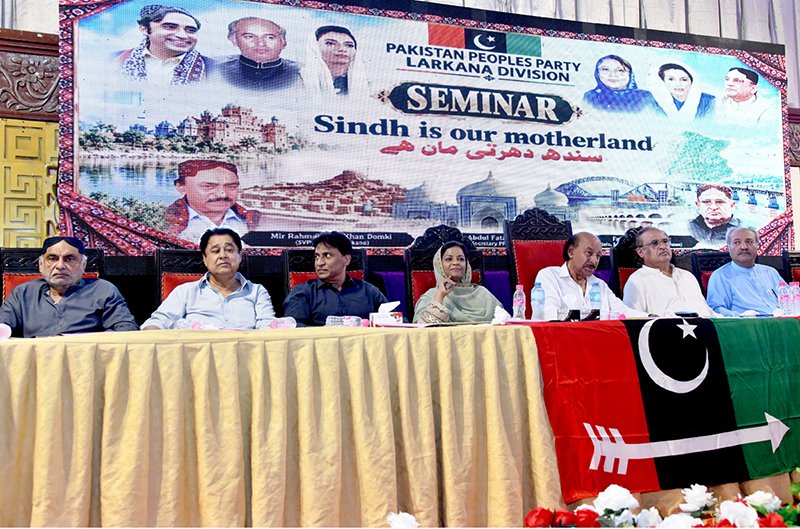
LARKANA — Prominent leaders of the Pakistan Peoples Party (PPP) gathered at the Sachal Banquet Hall on PTS Road to attend a seminar titled “Sindh is Motherland” on Thursday. The event was organized by the PPP Sindh chapter and featured key figures including PPP Sindh President MPA Nisar Ahmed Khuhro, Political Secretary to the PPP Chairman MPA Jameel Ahmed Soomro, and others. What Happened The seminar, held in Larkana, was attended by several notable PPP leaders such as MNA Mir Aijaz Hussain Jakhrani, MNA Nafisa Shah, Senator Zamir Ghumro, MNA Khursheed Ahmed Junejo, and MNA Nazir Ahmed Bughio. The gathering aimed to underscore the cultural and historical significance of Sindh as a pivotal region in Pakistan’s political landscape. Discussions focused on the province’s rich heritage, its role in national politics, and the challenges it faces today. Addressing the attendees, Nisar Ahmed Khuhro highlighted the importance of preserving Sindh’s cultural identity amidst growing national and international challenges. He stated, “Sindh has always been a land of peace and harmony, and it is our duty to uphold these values.” Jameel Ahmed Soomro emphasized the need for unity among the people of Sindh to confront socio-economic issues. He remarked, “Our strength lies in our unity, and we must work together to ensure the prosperity of our province.” The seminar also provided a platform for discussing the PPP’s ongoing initiatives in Sindh, including efforts to improve infrastructure, education, and healthcare. MNA Nafisa Shah noted the party’s commitment to addressing the needs of Sindh’s diverse population, stating, “We are dedicated to ensuring that every citizen of Sindh has access to basic services and opportunities for growth.” Background Sindh, one of Pakistan’s four provinces, has a rich history that dates back to ancient civilizations, including the Indus Valley Civilization. It has been a cultural and economic hub for centuries, contributing significantly to Pakistan’s development. The PPP, founded in 1967, has traditionally had strong roots in Sindh, with the province serving as a political stronghold for the party. Over the years, Sindh has faced numerous challenges, including political instability, economic disparities, and social issues. The PPP has been at the forefront of addressing these challenges, advocating for policies that promote social justice and economic development. Why It Matters The seminar is significant as it highlights the ongoing efforts by the PPP to reinforce its political influence in Sindh. With the province being a key electoral battleground, maintaining strong ties with the local populace is crucial for the party’s future success. The discussions at the seminar reflect the party’s strategic focus on Sindh’s development and the preservation of its cultural heritage. Economically, Sindh plays a vital role in Pakistan’s economy, contributing to agriculture, industry, and trade. Ensuring the province’s stability is essential for national economic growth. The seminar’s emphasis on unity and development aligns with broader national objectives of fostering economic resilience and social cohesion. Politically, the seminar serves as a reminder of the PPP’s historical roots in Sindh and its ongoing commitment to addressing the province’s challenges. As Pakistan navigates complex domestic and international issues, the role of Sindh as a stable and prosperous region becomes increasingly important. Key Takeaways PPP leaders attended a seminar in Larkana to discuss Sindh’s cultural and political significance. The event highlighted the importance of unity and development in addressing Sindh’s challenges. Sindh’s historical and economic contributions to Pakistan were emphasized during the seminar. The PPP reaffirmed its commitment to improving infrastructure, education, and healthcare in Sindh. The seminar underscores Sindh’s role as a key political and economic region in Pakistan. Source Attribution This article is based on official statements and public communications from relevant authorities. Author: NEN Editorial Desk | Editor: NEN Newsroom | Fact Checked By: NEN Editorial Team Author: NEN Editorial Desk  |  Editor: NEN Newsroom  |  Last Updated: September 16, 2026  |  Source: Press Release from Government of Pakistan This article was produced by the NEN Editorial Desk in accordance with NEN Agency’s Editorial Policy and Fact-Checking Policy.
PIMA Voices Alarm Over Dismissal Of 15 Doctors In Punjab
Pakistan

PIMA Voices Alarm Over Dismissal Of 15 Doctors In Punjab

RAWALPINDI — The Pakistan Islamic Medical Association (PIMA) has raised serious concerns following the suspension of registration and subsequent dismissal of 15 doctors in Punjab. The association warned that such actions could exacerbate the ongoing brain drain of medical professionals from Pakistan. PIMA Central President Prof. Dr. Atif Hafeez Siddiqui issued a statement on Wednesday addressing the issue. What Happened The recent decision by the Punjab health authorities to suspend the registration and dismiss 15 doctors has sparked significant concern within the medical community. According to PIMA, these measures were taken without adequate justification, leading to uncertainty among medical professionals. Dr. Atif Hafeez Siddiqui, the Central President of PIMA, emphasized that this move could have severe repercussions for the healthcare system in Punjab and beyond. “The dismissal of these doctors not only affects their careers but also impacts the healthcare services provided to the public,” stated Dr. Siddiqui. He highlighted that the lack of transparency and the abrupt nature of these decisions contribute to a growing sense of instability among medical professionals, prompting many to consider opportunities abroad. PIMA has called for a thorough review of the circumstances leading to these dismissals and urged the authorities to adopt a more transparent and fair approach in handling such cases. The association stressed the need for dialogue between the government and medical professionals to address grievances and prevent further erosion of trust. Background The healthcare sector in Pakistan has faced numerous challenges over the years, including inadequate infrastructure, insufficient funding, and a shortage of qualified professionals. These issues have been compounded by the emigration of doctors seeking better opportunities and working conditions abroad. The current situation in Punjab is a reflection of these broader systemic problems. Historically, the brain drain of medical professionals has been a persistent issue, with many doctors opting to work in countries with more robust healthcare systems. This trend has been fueled by factors such as low salaries, lack of career advancement opportunities, and political instability. In recent years, the government has attempted to address these challenges through various reforms and initiatives aimed at improving the working conditions for healthcare professionals. However, incidents like the recent dismissals in Punjab highlight the ongoing struggles faced by the sector. Why It Matters The dismissal of 15 doctors in Punjab is not just an isolated incident but a symptom of deeper issues within Pakistan’s healthcare system. The potential loss of medical professionals due to such actions could have far-reaching implications for the country’s healthcare delivery and public health outcomes. Economically, the departure of skilled doctors represents a significant loss of investment in education and training. It also places additional strain on the remaining workforce, potentially leading to burnout and further attrition. This cycle could result in a diminished capacity to provide quality healthcare services, particularly in rural and underserved areas. Socially, the uncertainty faced by medical professionals can erode public trust in the healthcare system. Patients may experience longer wait times and reduced access to specialized care, which can exacerbate health disparities and negatively impact overall community well-being. Politically, the situation underscores the need for comprehensive policy reforms that address the root causes of the brain drain and improve the retention of medical talent within the country. Ensuring transparency and fairness in administrative decisions is crucial to restoring confidence among healthcare professionals and preventing further losses to the sector. Key Takeaways PIMA has expressed concern over the dismissal of 15 doctors in Punjab, citing potential negative impacts on the healthcare system. The association has called for a review of the dismissals and urged for more transparent and fair handling of such cases. The brain drain of medical professionals remains a significant challenge for Pakistan’s healthcare sector. The dismissal of doctors could exacerbate existing issues such as workforce shortages and public distrust in the healthcare system. Comprehensive policy reforms are needed to address the underlying causes of the brain drain and improve retention of medical talent. Source Attribution This article is based on official statements and public communications from the Pakistan Islamic Medical Association and relevant authorities. Author: NEN Editorial Desk | Editor: NEN Newsroom | Fact Checked By: NEN Editorial Team Author: NEN Editorial Desk  |  Editor: NEN Newsroom  |  Last Updated: September 16, 2026  |  Source: NEN Reporter This article was produced by the NEN Editorial Desk in accordance with NEN Agency’s Editorial Policy and Fact-Checking Policy.
Pakistan U19 Defeats England by 200 Runs to Secure Series Victory
Pakistan

Pakistan U19 Defeats England by 200 Runs to Secure Series Victory

LAHORE — Pakistan’s Under-19 cricket team delivered a stellar performance to defeat England U19 by 200 runs in the fourth and final one-day match held at Sir Paul Getty’s Ground in Wormsley on Wednesday. This victory secured a 3-1 series win for Pakistan, showcasing their dominance in the youth cricket arena. What Happened The match began with Pakistan U19 opting to bat first after winning the toss. The young Pakistani batsmen capitalized on the opportunity, posting a formidable total of 350 for four in their allotted 50 overs. The innings was anchored by an impressive performance from the top order, with several batsmen contributing significantly to the scoreboard. Pakistan’s opening batsmen set a solid foundation, with the middle order capitalizing on the momentum. The standout performance came from the team’s captain, who led by example with a commanding innings, supported by valuable contributions from his teammates. The Pakistani batsmen displayed a blend of aggression and technique, which overwhelmed the English bowlers. In response, England U19 struggled to chase down the daunting target. The Pakistani bowlers were relentless, applying pressure from the outset and taking wickets at regular intervals. England’s batting lineup crumbled under the pressure, managing only 150 runs before being bowled out, handing Pakistan a comprehensive 200-run victory. The match highlighted the exceptional talent and potential within the Pakistan U19 squad, as they outperformed their English counterparts in all facets of the game. Background The series between Pakistan U19 and England U19 was a closely watched contest, with both teams eager to showcase their emerging talent on the international stage. The series consisted of four one-day matches, with Pakistan securing victories in three of them, thus clinching the series 3-1. Historically, Pakistan has been a strong contender in youth cricket, with a track record of producing players who go on to represent the national team. The U19 series serves as a crucial platform for young cricketers to gain experience and exposure, often acting as a stepping stone to higher levels of competition. Why It Matters The victory in this series is significant for Pakistan cricket for several reasons. Firstly, it highlights the depth of talent in the country’s youth cricket system, which is essential for the sustained success of the national team. The performance of the U19 team is a positive indicator of the future prospects for Pakistan cricket. Economically, success in youth cricket can attract sponsorships and investments, which are vital for the development of the sport at the grassroots level. A strong U19 team also enhances Pakistan’s reputation in international cricket, potentially leading to more opportunities for bilateral series and tournaments. Socially, cricket is a unifying force in Pakistan, and victories such as this one can boost national morale and pride. The success of the U19 team serves as an inspiration for young aspiring cricketers across the country, encouraging participation in the sport. Politically, maintaining a strong cricketing presence on the international stage can foster diplomatic relations, as cricket often acts as a bridge between nations. The series win against England, a major cricketing nation, underscores Pakistan’s competitive spirit and capability in the sport. Key Takeaways Pakistan U19 defeated England U19 by 200 runs in the final match, securing a 3-1 series victory. The Pakistani team posted a total of 350 for four in 50 overs, showcasing strong batting performances. England U19 was bowled out for 150, unable to withstand the pressure from Pakistan’s bowlers. The series win highlights the depth of talent in Pakistan’s youth cricket system. Success in youth cricket can boost national morale and attract economic investments in the sport. Source Attribution The article is based on official government statements, press releases, and public communications from relevant authorities. Author: NEN Editorial Desk | Editor: NEN Newsroom | Fact Checked By: NEN Editorial Team Author: NEN Editorial Desk  |  Editor: NEN Newsroom  |  Last Updated: September 16, 2026  |  Source: NEN Reporter This article was produced by the NEN Editorial Desk in accordance with NEN Agency’s Editorial Policy and Fact-Checking Policy.
Citizens Applaud Rs100 Petrol Subsidy Amid Rising Fuel Costs
Pakistan

Citizens Applaud Rs100 Petrol Subsidy Amid Rising Fuel Costs

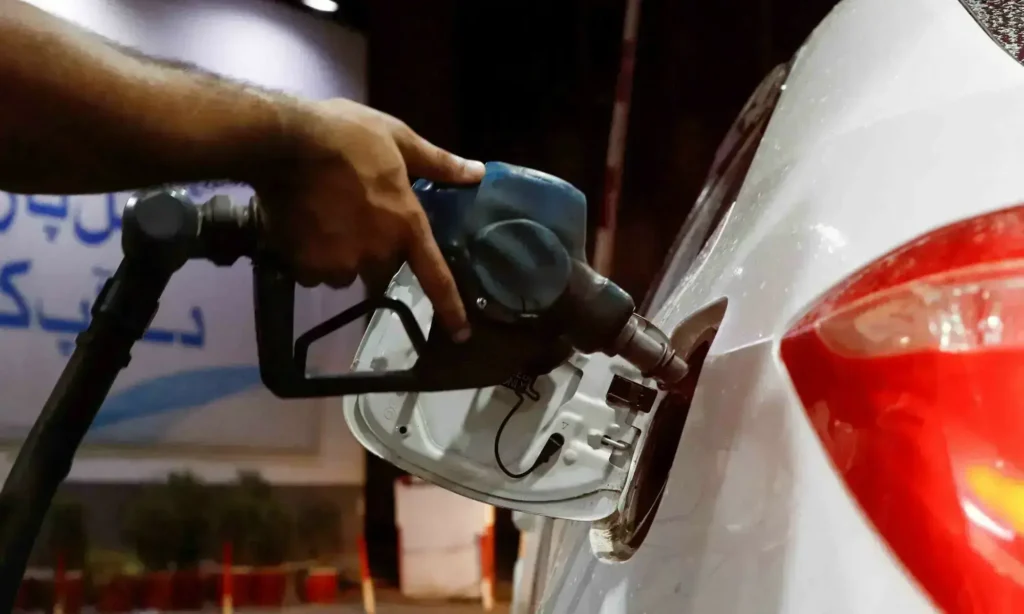
LAHORE — Citizens across Pakistan have expressed approval for the Prime Minister’s Special Fuel Relief Scheme, which offers a Rs100 per litre subsidy on petrol for motorcycles, auto-rickshaws, motorcycle rickshaws, and cars up to 800cc. This initiative, announced on Wednesday, comes as a significant relief amid escalating fuel prices. What Happened The government of Pakistan, in response to the increasing burden of fuel costs on the public, has introduced a subsidy scheme aimed at providing financial relief to the most affected segments of society. The Prime Minister’s Special Fuel Relief Scheme, launched on September 16, offers a Rs100 per litre subsidy on petrol. This subsidy is specifically targeted at motorcycles, auto-rickshaws, motorcycle rickshaws, and small cars with engine capacities up to 800cc. Citizens have widely welcomed this move, appreciating the government’s efforts to alleviate the financial strain caused by rising fuel prices. Many road users, particularly those relying on two-wheelers and small vehicles for their daily commute, have expressed gratitude for the initiative. A Lahore resident, Muhammad Ali, stated, “This subsidy is a much-needed relief for people like me who rely on motorcycles for daily transportation.” The scheme is expected to benefit millions of Pakistanis who use these modes of transport, providing them with some respite from the financial pressures of high fuel costs. The government has indicated that this measure is part of a broader strategy to support low-income individuals and families during challenging economic times. Background Fuel prices in Pakistan have been on the rise, driven by global oil market fluctuations and local economic challenges. The country has faced significant inflationary pressures, with fuel costs being a major contributor to the overall increase in living expenses. In recent months, the government has been exploring various measures to mitigate the impact of these rising costs on the population. Historically, fuel subsidies have been a contentious issue in Pakistan, with debates over their economic viability and sustainability. However, given the current economic climate and the urgent need to provide relief to the public, the government has opted to implement this targeted subsidy scheme. Why It Matters The introduction of the Rs100 petrol subsidy holds considerable significance for Pakistan’s socio-economic landscape. Economically, it provides immediate relief to millions of citizens who are struggling with the rising cost of living. By reducing the financial burden on low-income households, the scheme helps to stabilize consumer spending, which is crucial for economic growth. Socially, the subsidy demonstrates the government’s responsiveness to public needs and its commitment to supporting vulnerable populations. It is a strategic move to maintain social stability and prevent potential unrest that could arise from unchecked inflation and economic hardship. Politically, the initiative reflects the government’s proactive approach to addressing critical issues faced by the populace. It may bolster public confidence in the administration’s ability to manage economic challenges, potentially influencing public opinion and political dynamics in the country. Internationally, the subsidy could impact Pakistan’s economic relations, particularly with oil-exporting countries and international financial institutions. The government’s ability to balance subsidy provisions with fiscal responsibility will be closely monitored by these stakeholders. Key Takeaways The Prime Minister’s Special Fuel Relief Scheme provides a Rs100 per litre petrol subsidy for motorcycles, auto-rickshaws, and small cars. The initiative aims to alleviate financial pressure on low-income households amid rising fuel prices. Citizens have broadly welcomed the subsidy as a necessary relief measure. The scheme is part of the government’s broader strategy to support vulnerable populations during economic challenges. The subsidy has significant economic, social, and political implications for Pakistan. Source Attribution This article is based on official government statements, press releases, and public communications from relevant authorities. Author: NEN Editorial Desk | Editor: NEN Newsroom | Fact Checked By: NEN Editorial Team Author: NEN Editorial Desk  |  Editor: NEN Newsroom  |  Last Updated: September 16, 2026  |  Source: NEN Reporter This article was produced by the NEN Editorial Desk in accordance with NEN Agency’s Editorial Policy and Fact-Checking Policy.
Pakistan Set to Host Sri Lanka U-17 Cricket Team in October
Pakistan

Pakistan Set to Host Sri Lanka U-17 Cricket Team in October

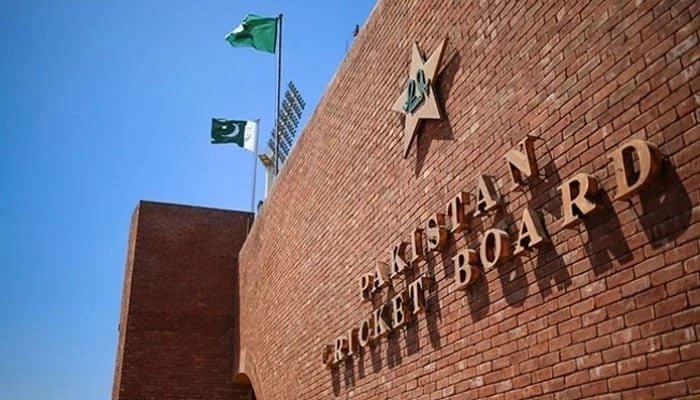
MULTAN — The Pakistan Cricket Board (PCB) is preparing to welcome the Sri Lanka Under-17 cricket team for a series of matches scheduled to take place in October at the Multan Cricket Stadium. The Sri Lankan team is expected to arrive on October 5, marking the beginning of a competitive series comprising a three-day match and five one-day matches. What Happened The upcoming series between Pakistan and Sri Lanka’s Under-17 cricket teams is set to commence in early October. The Sri Lankan squad will land in Multan on October 5 and will engage in a series of preparatory sessions before the matches begin. The series will feature a three-day match followed by five one-day matches, providing a platform for young cricketers to showcase their skills and gain international experience. The Multan Cricket Stadium, known for its state-of-the-art facilities, will host all the matches. This series is part of the PCB’s ongoing efforts to foster cricketing ties with neighboring countries and to provide young athletes with opportunities to develop their talents in a competitive environment. A PCB official stated, “We are excited to host the Sri Lanka U-17 team and are confident that this series will be beneficial for the development of young cricketers from both countries.” The matches will not only serve as a competitive platform but also as a cultural exchange opportunity, allowing players to learn from each other’s techniques and strategies. The series is expected to draw significant attention from cricket enthusiasts in both nations, further strengthening the cricketing bond between Pakistan and Sri Lanka. Background Cricket has long been a unifying force between Pakistan and Sri Lanka, with both countries enjoying a rich history of competitive cricketing encounters. The PCB has been proactive in organizing youth-level series to nurture emerging talent and to maintain strong cricketing relations with other cricket-playing nations. Historically, youth cricket tours have been instrumental in identifying and grooming future stars. The Under-17 level is particularly crucial as it serves as a stepping stone for players aspiring to reach higher levels of the sport. Previous tours and matches have seen the emergence of several players who have gone on to represent their national teams at senior levels. The PCB’s initiative to host the Sri Lanka U-17 team aligns with its broader strategy to promote cricket at the grassroots level, ensuring a steady pipeline of skilled players for the national team. Why It Matters The upcoming series holds significant importance for several reasons. Economically, it boosts local businesses in Multan, as the influx of players, officials, and fans is expected to increase demand for hospitality services. Socially, it provides a platform for cultural exchange and mutual understanding between the youth of both nations. Politically, the series underscores Pakistan’s commitment to maintaining strong bilateral relations with Sri Lanka, a key ally in the region. Sports diplomacy has often played a role in fostering goodwill and cooperation, and this series is no exception. By hosting the Sri Lankan team, Pakistan reiterates its position as a safe and welcoming destination for international sporting events. Furthermore, the series is a testament to the resilience of cricket in Pakistan, a country that has faced challenges in hosting international teams in the past due to security concerns. Successful hosting of the Sri Lanka U-17 team could pave the way for more international tours, enhancing Pakistan’s reputation as a cricketing hub. Key Takeaways Pakistan will host the Sri Lanka U-17 cricket team in October for a series of matches. The series includes a three-day match and five one-day matches at Multan Cricket Stadium. This initiative is part of PCB’s efforts to promote youth cricket and strengthen ties with Sri Lanka. The series is expected to have economic, social, and political benefits for Pakistan. Successful hosting could enhance Pakistan’s reputation as a safe venue for international cricket. Source Attribution This article is based on official statements and public communications from the Pakistan Cricket Board and relevant authorities. Author: NEN Editorial Desk | Editor: NEN Newsroom | Fact Checked By: NEN Editorial Team Author: NEN Editorial Desk  |  Editor: NEN Newsroom  |  Last Updated: September 16, 2026  |  Source: NEN Reporter This article was produced by the NEN Editorial Desk in accordance with NEN Agency’s Editorial Policy and Fact-Checking Policy.
SCCI Criticizes State Bank’s Interest Rate Decision Amid Economic Concerns
Pakistan

SCCI Criticizes State Bank’s Interest Rate Decision Amid Economic Concerns

PESHAWAR — The Sarhad Chamber of Commerce and Industry (SCCI) has voiced its discontent over the State Bank of Pakistan’s (SBP) decision to maintain the policy interest rate at 11.5 percent. The chamber argues that this ‘status quo’ poses significant challenges to industrial and business growth in the region. What Happened In a press statement released on Wednesday, the SCCI expressed its concerns regarding the SBP’s recent monetary policy decision. The chamber highlighted that maintaining the interest rate at 11.5 percent could adversely affect the economic landscape, particularly for small and medium enterprises (SMEs) struggling with the current economic conditions. The SCCI urged the central bank to reconsider its stance and lower the interest rate to facilitate business expansion and economic recovery. According to the SCCI, the high-interest rate environment is detrimental to businesses that are already grappling with the impacts of inflation and the global economic slowdown. The chamber emphasized that a reduction in interest rates could provide much-needed relief and stimulate investment in various sectors. “The current policy rate is a barrier to industrial growth and competitiveness,” the SCCI stated. The chamber also pointed out that neighboring countries have adopted more accommodative monetary policies to support their economies during challenging times. The SCCI believes that Pakistan should follow suit to enhance the competitiveness of its industries on the international stage. Background The State Bank of Pakistan’s decision to keep the policy rate unchanged comes amid a complex economic environment characterized by high inflation and external pressures. Historically, the SBP adjusts interest rates to control inflation and stabilize the currency. However, this approach can sometimes conflict with growth objectives, particularly when businesses require lower borrowing costs to invest and expand. In recent years, Pakistan’s economy has faced numerous challenges, including fiscal deficits, a depreciating currency, and rising inflation. The SBP’s monetary policy decisions play a crucial role in navigating these issues, but they also spark debates among stakeholders about the best path forward for economic stability and growth. Why It Matters The SCCI’s criticism of the SBP’s interest rate decision underscores the broader economic challenges facing Pakistan. High-interest rates can stifle economic growth by increasing the cost of borrowing for businesses and consumers. This is particularly concerning for SMEs, which are often the backbone of the economy and crucial for job creation. Economically, the decision to maintain the interest rate could slow down investment in key sectors, affecting overall economic recovery. As businesses face higher financing costs, they may delay or scale back expansion plans, which could lead to slower job creation and reduced economic output. Socially, the impact of high-interest rates can extend to consumers, who may face higher costs for loans and mortgages. This can reduce disposable income and limit consumer spending, further dampening economic activity. On the international front, maintaining a high-interest rate could impact Pakistan’s competitiveness. As neighboring countries adopt lower rates to boost their economies, Pakistani industries may find it challenging to compete in the global market, potentially affecting export growth. Key Takeaways The SCCI has expressed concerns over the SBP’s decision to maintain the interest rate at 11.5 percent, citing negative impacts on business growth. The chamber argues that high-interest rates are detrimental to SMEs and overall economic recovery. The SBP’s decision is part of its strategy to control inflation and stabilize the currency amid economic challenges. High-interest rates can affect consumer borrowing costs, reducing disposable income and spending. Pakistan’s competitiveness on the international stage may be affected if neighboring countries adopt more accommodative monetary policies. Source Attribution This article is based on official statements and public communications from the Sarhad Chamber of Commerce and Industry and the State Bank of Pakistan. Author: NEN Editorial Desk | Editor: NEN Newsroom | Fact Checked By: NEN Editorial Team Author: NEN Editorial Desk  |  Editor: NEN Newsroom  |  Last Updated: September 16, 2026  |  Source: Press Release from State Bank of Pakistan (SBP) This article was produced by the NEN Editorial Desk in accordance with NEN Agency’s Editorial Policy and Fact-Checking Policy.
PSMA Urges Government to Approve Export of 1.25 Million Tons of Sugar
Pakistan

PSMA Urges Government to Approve Export of 1.25 Million Tons of Sugar

LAHORE — The Pakistan Sugar Mills Association (PSMA) has called on the government to authorize the export of 1.25 million tons of surplus sugar. PSMA Chairman Zaka Ashraf made this appeal during a press conference held in Lahore on Wednesday, emphasizing the need for immediate action to manage excess stock and stabilize the domestic sugar market. What Happened During the press conference, Zaka Ashraf highlighted the current surplus of 1.25 million tons of sugar in Pakistan. He urged the government to allow the export of this excess to prevent potential market imbalances and financial strain on sugar mills. “Thanks to the grace of Allah, we have a surplus, and it is crucial that we manage it effectively,” Ashraf stated. Ashraf pointed out that the surplus is a result of favorable production conditions and efficient management by the mills. However, he warned that without export approval, the domestic market could face a glut, potentially leading to a decrease in sugar prices that would adversely affect the industry. He argued that exporting the surplus would not only benefit the mills by providing them with a necessary revenue stream but also help maintain stable prices in the local market. The PSMA chairman also addressed concerns regarding domestic sugar supply, assuring that the export of the surplus would not impact local availability. He emphasized that the current stock is well above the national consumption requirement, ensuring that local demand would be met without any shortages. Background The sugar industry in Pakistan has historically faced challenges related to fluctuating production levels, pricing issues, and government regulations. In recent years, the sector has seen both surpluses and shortages, leading to significant price volatility. The government has occasionally intervened by imposing export bans or setting export quotas to stabilize the domestic market. In the past, similar requests for export approvals have been met with mixed responses from the government, often influenced by concerns over domestic supply and price stability. However, with the current surplus, industry stakeholders are hopeful that the government will consider their request favorably. Why It Matters The call for sugar export approval is significant for several reasons. Economically, allowing the export of surplus sugar could provide a much-needed boost to the industry, which has been struggling with financial constraints. The revenue generated from exports could help sugar mills clear outstanding dues to farmers and invest in improving production capabilities. Socially, a stable sugar market could prevent potential price hikes that affect consumers. By managing the surplus efficiently, the government can ensure that sugar remains affordable for the average Pakistani household, thereby maintaining public satisfaction and avoiding unrest. Politically, the decision to approve sugar exports could reflect the government’s responsiveness to industry needs and its commitment to supporting local businesses. It could also demonstrate a balanced approach to managing domestic supply while capitalizing on international market opportunities. On an international level, exporting sugar could enhance Pakistan’s trade relations by meeting demand in countries experiencing shortages. This could potentially open new markets for Pakistani sugar, strengthening the country’s export portfolio. Key Takeaways The PSMA has requested government approval to export 1.25 million tons of surplus sugar. The surplus is attributed to favorable production conditions and efficient management. Exporting the surplus could stabilize domestic sugar prices and provide financial relief to mills. The decision could impact economic, social, and political aspects within Pakistan. Approval could enhance Pakistan’s trade relations by supplying sugar to international markets. Source Attribution This article is based on official statements and public communications from the Pakistan Sugar Mills Association and relevant authorities. Author: NEN Editorial Desk | Editor: NEN Newsroom | Fact Checked By: NEN Editorial Team Author: NEN Editorial Desk  |  Editor: NEN Newsroom  |  Last Updated: September 16, 2026  |  Source: NEN Reporter This article was produced by the NEN Editorial Desk in accordance with NEN Agency’s Editorial Policy and Fact-Checking Policy.

Balochistan Food Authority Launches Crackdown on Substandard Dairy Products
Pakistan

Balochistan Food Authority Launches Crackdown on Substandard Dairy Products

QUETTA — The Balochistan Food Authority (BFA) has initiated a comprehensive campaign to combat the sale of adulterated and substandard milk and yogurt across the province. This initiative, directed by Balochistan Minister and BFA Chairman Haji Noor Muhammad Dumar, resulted in the sealing of two production units and fines imposed on 18 dairy centers as of September 16. What Happened The BFA’s recent actions are part of a larger effort to ensure food safety and protect consumer health in Balochistan. During the campaign’s initial phase, two dairy production units were sealed due to violations of food safety standards. Additionally, 18 dairy centers were fined for failing to comply with regulations regarding the quality of milk and yogurt. Haji Noor Muhammad Dumar emphasized the importance of maintaining high food safety standards, stating, “Ensuring the provision of safe and quality food to the public is our top priority. We will continue to take strict action against those who compromise on food quality.” The BFA’s inspections revealed that some dairy producers were not adhering to the prescribed guidelines, leading to the distribution of substandard products in the market. The campaign aims to raise awareness among consumers and producers about the risks associated with adulterated dairy products. The BFA has announced that it will continue its inspections and take necessary legal actions against violators to ensure compliance with food safety regulations. Background Balochistan, like many other regions in Pakistan, has faced challenges related to food safety, particularly in the dairy sector. The consumption of adulterated milk and yogurt poses significant health risks, including gastrointestinal diseases and other long-term health issues. The BFA, established to regulate and monitor food quality, has been actively working to address these concerns through regular inspections and public awareness campaigns. In recent years, the BFA has intensified its efforts to improve food safety standards in the province. Previous campaigns have targeted various food sectors, including meat and packaged goods, to ensure compliance with health regulations. The authority has also collaborated with local governments and health departments to enhance its monitoring capabilities and implement stricter penalties for non-compliance. Why It Matters The crackdown on substandard dairy products is crucial for several reasons. Firstly, it addresses a significant public health concern by reducing the availability of adulterated products in the market. The consumption of such products can lead to serious health issues, particularly among vulnerable populations such as children and the elderly. Economically, the campaign supports local dairy producers who adhere to quality standards, fostering a competitive market environment. By penalizing those who engage in unethical practices, the BFA is promoting fair competition and encouraging producers to invest in quality improvements. Politically, the initiative reflects the provincial government’s commitment to improving public health and safety. It demonstrates a proactive approach to governance, which can enhance public trust and confidence in local authorities. Internationally, these efforts align with global food safety standards, potentially opening up opportunities for Balochistan’s dairy industry to expand into export markets. Key Takeaways The BFA has launched a campaign against substandard milk and yogurt, sealing two units and fining 18 centers. The initiative is part of broader efforts to enhance food safety and protect consumer health in Balochistan. Ensuring compliance with food safety standards is critical for public health, economic fairness, and political credibility. The campaign supports ethical dairy producers and aligns with international food safety standards. The BFA plans to continue inspections and legal actions to maintain high food quality standards. Source Attribution This article is based on official government statements, press releases, and public communications from relevant authorities. Author: NEN Editorial Desk | Editor: NEN Newsroom | Fact Checked By: NEN Editorial Team Author: NEN Editorial Desk  |  Editor: NEN Newsroom  |  Last Updated: September 16, 2026  |  Source: Press Release from Government of Pakistan This article was produced by the NEN Editorial Desk in accordance with NEN Agency’s Editorial Policy and Fact-Checking Policy.

Scroll to Top