
Author name: Yasir Zubairi

Yasir Zubairi is the founder and publisher of NEN Agency (News Era Network). He leads NEN's coverage of Pakistan's national affairs, economy, foreign relations and sports, and is responsible for the accuracy and standards of every story published on nenagency.com.

SCCI Urges Reduction in Interest Rates to Boost Economic Growth
Pakistan

SCCI Urges Reduction in Interest Rates to Boost Economic Growth

PESHAWAR — The Sarhad Chamber of Commerce and Industry (SCCI) has called for a reduction in Pakistan’s policy interest rate to stimulate business activities and foster industrial growth. This appeal was made by SCCI President Junaid Altaf on Wednesday, highlighting the need for a more conducive economic environment to support investment and economic expansion. What Happened In a formal statement, Junaid Altaf, President of the SCCI, emphasized the importance of lowering the policy interest rate, which is currently set by the State Bank of Pakistan (SBP). Altaf argued that a gradual reduction in the interest rate would be instrumental in revitalizing the business sector and encouraging industrial development. He acknowledged the efforts of the SBP in maintaining macroeconomic stability but stressed that further measures are needed to enhance the business climate. Altaf stated, “A lower interest rate is crucial for encouraging investment and supporting industrial growth. It will not only help existing businesses to expand but also attract new investments.” He further noted that the current economic conditions require strategic interventions to ensure sustained growth and competitiveness in the global market. The SCCI’s call comes amid concerns over high borrowing costs, which many businesses argue are stifling growth and innovation. The chamber believes that easing monetary policy could provide much-needed relief to businesses struggling with financial constraints. Background The State Bank of Pakistan has maintained a relatively high policy interest rate in recent years as part of its strategy to control inflation and stabilize the currency. However, this approach has faced criticism from various business sectors, which argue that high interest rates increase the cost of borrowing and hinder economic growth. Historically, Pakistan’s economy has been challenged by a volatile macroeconomic environment, characterized by fluctuating inflation rates and currency instability. In response, the SBP has often opted for a cautious monetary policy to curb inflationary pressures. However, this has sometimes led to higher borrowing costs for businesses, affecting their ability to invest and expand. Why It Matters The call for a reduction in interest rates is significant as it reflects the broader concerns of the business community regarding economic growth and stability. High interest rates can deter investment by increasing the cost of capital, thus limiting the ability of businesses to expand operations, hire more employees, and innovate. For Pakistan, a country striving to enhance its industrial base and increase exports, creating a favorable business environment is crucial. Lower interest rates could lead to increased investment in key sectors such as manufacturing, technology, and services, which are essential for economic diversification and job creation. Additionally, with the global economy facing uncertainties, a competitive interest rate could make Pakistan a more attractive destination for foreign investors. This could lead to increased foreign direct investment (FDI), which is vital for technology transfer, infrastructure development, and economic growth. The SCCI’s appeal also highlights the need for a balanced approach to monetary policy, one that considers both inflation control and growth stimulation. As Pakistan navigates its economic challenges, such policy adjustments could play a pivotal role in ensuring long-term economic resilience and prosperity. Key Takeaways The SCCI has urged the State Bank of Pakistan to reduce the policy interest rate to support business and industrial growth. High borrowing costs are seen as a barrier to investment and economic expansion in Pakistan. Lower interest rates could attract more foreign direct investment and enhance economic diversification. The current economic conditions necessitate strategic interventions to promote sustained growth. The SCCI’s call reflects broader concerns within the business community about economic stability and competitiveness. Source Attribution This article is based on official statements and public communications from the Sarhad Chamber of Commerce and Industry and the State Bank of Pakistan. Author: NEN Editorial Desk | Editor: NEN Newsroom | Fact Checked By: NEN Editorial Team Author: NEN Editorial Desk  |  Editor: NEN Newsroom  |  Last Updated: September 16, 2026  |  Source: NEN Reporter This article was produced by the NEN Editorial Desk in accordance with NEN Agency’s Editorial Policy and Fact-Checking Policy.

SALU Hosts Workshop on Effective Outcome-Based Education Strategies
World

SALU Hosts Workshop on Effective Outcome-Based Education Strategies

SUKKUR — The Institute of Computer Science at Shah Abdul Latif University (SALU) in Khairpur held a workshop on Wednesday focusing on the effective implementation of outcome-based education (OBE) for its faculty members. The event took place at the FYP-Lab and was attended by Vice Chancellor Prof. Dr. Yousuf Khushk, who served as the chief guest. What Happened The workshop titled “Effective Implementation of Outcome-Based Education” aimed to equip faculty members with the necessary tools and methodologies to enhance educational outcomes. Vice Chancellor Prof. Dr. Yousuf Khushk emphasized the importance of OBE in modern education systems, stating that it aligns educational objectives with measurable student outcomes. “Outcome-based education is crucial for ensuring that our graduates are not only knowledgeable but also skilled and ready to meet the challenges of the professional world,” Dr. Khushk remarked. The workshop included various sessions led by experts in the field of education, who provided insights into the design and assessment of curriculum based on OBE principles. Faculty members were encouraged to actively participate in discussions and share their experiences regarding the implementation of OBE in their respective courses. Dr. Khushk further highlighted the need for continuous professional development among educators to keep pace with evolving educational standards. He noted that such workshops are vital for fostering a culture of quality and accountability in higher education institutions. Background Outcome-based education is an educational framework that focuses on what students are expected to achieve by the end of a course or program. It contrasts with traditional education models that emphasize the delivery of content rather than the achievement of specific learning outcomes. OBE requires educators to clearly define learning outcomes and design assessments that accurately measure student achievement. In recent years, many universities in Pakistan have been transitioning to OBE frameworks to improve the quality of education and ensure that graduates possess the skills and competencies needed in the global job market. This shift is in line with international educational standards and is supported by the Higher Education Commission of Pakistan. Why It Matters The adoption of outcome-based education at SALU is part of a broader trend among Pakistani universities to enhance educational quality and relevance. By focusing on measurable outcomes, institutions can better prepare students for the demands of the workforce, thereby improving their employability and career prospects. For Pakistan, a country with a burgeoning youth population, the implementation of OBE can play a significant role in addressing the skills gap in the labor market. By aligning educational programs with industry needs, universities can contribute to economic growth and development. Furthermore, OBE encourages a more student-centered approach to education, where learners are actively involved in their own learning process. This can lead to higher levels of student engagement and motivation, ultimately resulting in better educational outcomes. The workshop at SALU also underscores the importance of continuous professional development for educators. As educational paradigms shift, faculty members must be equipped with the latest pedagogical strategies to effectively implement new frameworks like OBE. Key Takeaways The Institute of Computer Science at SALU organized a workshop on outcome-based education for faculty members. Vice Chancellor Prof. Dr. Yousuf Khushk emphasized the importance of aligning educational objectives with measurable outcomes. Outcome-based education is gaining traction in Pakistan as universities seek to improve educational quality and relevance. The workshop highlighted the need for continuous professional development among educators. OBE frameworks can enhance student engagement and prepare graduates for the workforce. Source Attribution This article is based on official statements and public communications from Shah Abdul Latif University and relevant educational authorities. Author: NEN Editorial Desk | Editor: NEN Newsroom | Fact Checked By: NEN Editorial Team Author: NEN Editorial Desk  |  Editor: NEN Newsroom  |  Last Updated: September 16, 2026  |  Source: NEN Reporter This article was produced by the NEN Editorial Desk in accordance with NEN Agency’s Editorial Policy and Fact-Checking Policy.
Subsidised Petrol Offered at 146 Islamabad Stations, Citizens Can Report Issues
Pakistan

Subsidised Petrol Offered at 146 Islamabad Stations, Citizens Can Report Issues

ISLAMABAD — Subsidised petrol is now accessible at 146 designated fuel stations throughout Islamabad, as part of the Prime Minister’s relief initiative aimed at easing the burden of rising fuel costs on registered citizens. The district administration is actively overseeing the distribution to ensure compliance with the scheme’s guidelines, and citizens can report any discrepancies by sending a message to 9771. What Happened On September 16, the Islamabad district administration launched a program to provide subsidised petrol to registered citizens at 146 fuel stations across the capital. This initiative is part of a broader effort by the government to mitigate the impact of escalating fuel prices on the general populace. The administration has implemented real-time monitoring systems at these stations to ensure that only eligible consumers benefit from the reduced fuel prices. The initiative covers all major sectors of Islamabad, ensuring that residents from various parts of the city can access the subsidised petrol conveniently. The government has urged citizens to report any violations or non-compliance by sending a text message to the designated number, 9771. This reporting mechanism is intended to enhance transparency and accountability within the program. According to official statements, the district administration is committed to maintaining strict oversight to prevent any misuse of the subsidy. The administration has also assured that any reports of violations will be promptly investigated, and necessary actions will be taken against those found guilty of non-compliance. Background The subsidised petrol scheme is a response to the rising fuel prices that have been affecting the economic stability of many households in Pakistan. The government has been under pressure to provide relief to citizens as global oil prices continue to fluctuate, impacting local fuel costs. This initiative is part of a series of measures taken by the government to provide economic relief to the public amid challenging economic conditions. Historically, fuel subsidies have been a contentious issue in Pakistan, with debates surrounding their economic viability and long-term impact on the national budget. However, given the current economic climate, the government has opted to reintroduce such measures to alleviate immediate financial pressures on citizens. Why It Matters The introduction of subsidised petrol in Islamabad is significant for several reasons. Economically, it provides immediate relief to citizens who are struggling with high fuel costs, which have a cascading effect on the prices of goods and services. By reducing fuel expenses, the government aims to ease the financial burden on households, thereby potentially stabilising consumer spending and supporting local businesses. Socially, the scheme demonstrates the government’s responsiveness to public needs and its willingness to implement measures that directly benefit the populace. This could enhance public trust in governmental institutions and policies, which is crucial for maintaining social cohesion during economic downturns. Politically, the initiative is a strategic move to garner public support and maintain political stability. By addressing a critical issue that affects a large segment of the population, the government can potentially mitigate public discontent and opposition, thereby securing its position and authority. Internationally, the program reflects Pakistan’s efforts to manage its economic challenges while maintaining social welfare. It highlights the balancing act that developing nations must perform to sustain economic growth while providing for their citizens’ needs. Key Takeaways Subsidised petrol is available at 146 fuel stations in Islamabad under a government relief scheme. Citizens can report any violations of the scheme by messaging 9771. The initiative aims to alleviate the financial burden of rising fuel costs on registered citizens. The program is part of broader government efforts to provide economic relief amid challenging conditions. Real-time monitoring is in place to ensure compliance and transparency. Source Attribution This article is based on official government statements, press releases, and public communications from relevant authorities. Author: NEN Editorial Desk | Editor: NEN Newsroom | Fact Checked By: NEN Editorial Team Author: NEN Editorial Desk  |  Editor: NEN Newsroom  |  Last Updated: September 16, 2026  |  Source: NEN Reporter This article was produced by the NEN Editorial Desk in accordance with NEN Agency’s Editorial Policy and Fact-Checking Policy.
Committee Accelerates Finalization Of Auto Policy Draft With Daily Meetings
Pakistan

Committee Accelerates Finalization Of Auto Policy Draft With Daily Meetings

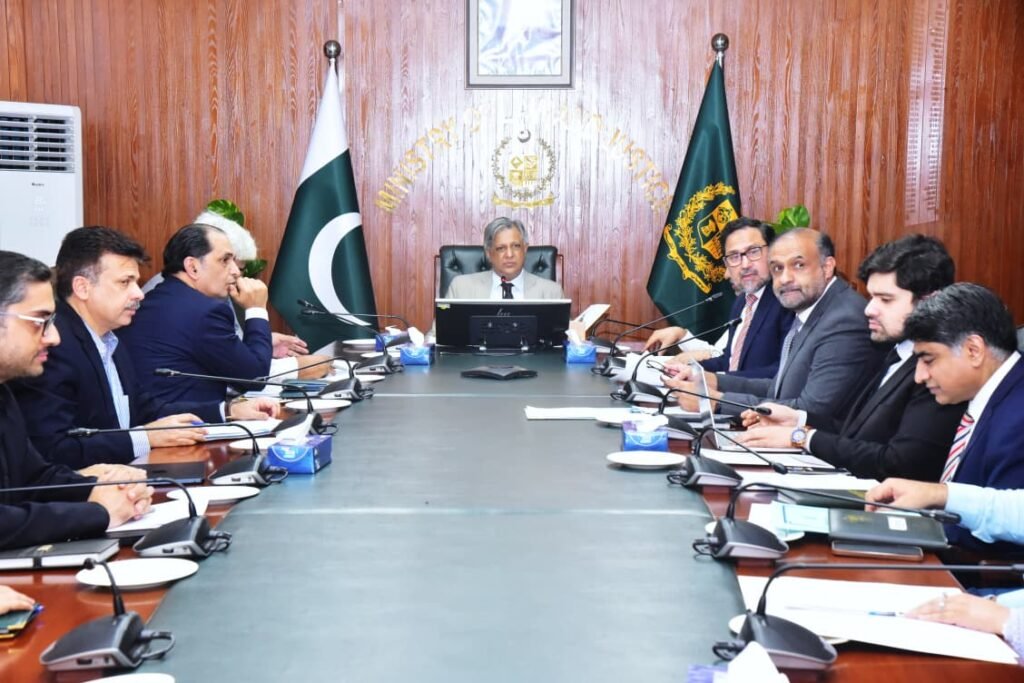
ISLAMABAD — A committee formed under the directives of Prime Minister Shehbaz Sharif has initiated daily meetings to expedite the finalization of the Auto and Auto Parts Manufacturing Policy for 2026–31. This decision was made during a session held at the Ministry of Law and Justice on Wednesday, aimed at accelerating the policy’s review and completion process. What Happened The committee, tasked with the development of a comprehensive Auto and Auto Parts Manufacturing Policy, convened under the leadership of a senior official from the Ministry of Law and Justice. The primary objective of these meetings is to streamline the policy drafting process, ensuring that all necessary components are thoroughly reviewed and finalized in a timely manner. The policy aims to bolster the automotive sector in Pakistan by addressing key challenges and setting a roadmap for future growth. According to sources, the committee is composed of representatives from various government ministries, industry stakeholders, and experts in the automotive field. This diverse group is expected to provide a well-rounded perspective on the policy’s potential impact and effectiveness. The meetings are designed to facilitate open discussions and swift decision-making, with the ultimate goal of presenting a finalized draft to the Prime Minister for approval. During the Wednesday meeting, the committee members discussed several critical aspects of the policy, including incentives for local manufacturers, import regulations, and environmental standards. The discussions also focused on enhancing the competitiveness of Pakistan’s auto industry in the global market, as well as promoting the adoption of new technologies and sustainable practices. Background The automotive sector in Pakistan has been a significant contributor to the country’s economy, providing employment opportunities and driving industrial growth. However, the industry has faced numerous challenges, such as outdated regulations, high production costs, and limited access to advanced technologies. The current policy framework, which is set to expire in 2025, has been criticized for its inability to adequately address these issues. In response, the government has prioritized the development of a new policy that aligns with international standards and supports the industry’s modernization. The Auto and Auto Parts Manufacturing Policy 2026–31 is expected to introduce reforms that will enhance local production capabilities, reduce dependency on imports, and promote the use of electric and hybrid vehicles. Why It Matters The accelerated finalization of the Auto Policy draft holds significant implications for Pakistan’s economic and industrial landscape. By establishing a clear and supportive regulatory framework, the policy aims to attract foreign investment and encourage local entrepreneurship in the automotive sector. This could lead to increased job creation, technological advancements, and improved competitiveness on the global stage. The policy’s emphasis on sustainability and innovation is particularly crucial, as it aligns with global trends towards greener and more efficient transportation solutions. By fostering the development of electric and hybrid vehicles, Pakistan can reduce its carbon footprint and contribute to global efforts to combat climate change. Moreover, the policy is expected to address critical issues such as import tariffs and quality standards, which have historically hindered the growth of the local auto industry. By creating a more conducive environment for manufacturers, the policy could stimulate economic growth and position Pakistan as a key player in the regional automotive market. Key Takeaways The committee is holding daily meetings to expedite the Auto Policy draft process. The policy aims to modernize Pakistan’s automotive sector and align it with global standards. Key focus areas include local manufacturing incentives, import regulations, and sustainability. The policy could attract foreign investment and boost job creation in the industry. Emphasis on electric and hybrid vehicles supports global environmental goals. Source Attribution This article is based on official government statements, press releases, and public communications from relevant authorities. Author: NEN Editorial Desk | Editor: NEN Newsroom | Fact Checked By: NEN Editorial Team Author: NEN Editorial Desk  |  Editor: NEN Newsroom  |  Last Updated: September 16, 2026  |  Source: NEN Reporter This article was produced by the NEN Editorial Desk in accordance with NEN Agency’s Editorial Policy and Fact-Checking Policy.
Pakistan Releases Updated Foreign Exchange Rates Amid Economic Challenges
World

Pakistan Releases Updated Foreign Exchange Rates Amid Economic Challenges

KARACHI — The Exchange Rates Committee of the Financial Markets Association of Pakistan released the latest foreign exchange rates bulletin on Wednesday, September 16, 2026. The bulletin detailed the conversion rates for major foreign currencies, reflecting ongoing economic pressures and currency fluctuations in the country. What Happened The Exchange Rates Committee issued the latest figures for the conversion rates applicable for forward cover for deposits, excluding FE-25 deposits. The State Bank of Pakistan (SBP) has set the settlement value date for these rates as September 18, 2026. According to the bulletin, the conversion rate for the US dollar stands at 277.2545 Pakistani rupees. The British pound is valued at 373.5450 rupees, while the euro is pegged at 319.7576 rupees. The Japanese yen is set at 1.7882 rupees. This update comes at a time when Pakistan is grappling with significant economic challenges, including inflationary pressures and a depreciating currency. The exchange rate fluctuations are critical for businesses and investors, impacting import costs and the overall economic stability of the nation. The Financial Markets Association of Pakistan plays a crucial role in providing these updates, ensuring transparency and aiding financial planning for stakeholders. Background Pakistan’s economy has been under strain due to a combination of internal and external factors. Historically, the country has faced challenges in maintaining a stable exchange rate, often influenced by geopolitical tensions, trade imbalances, and fluctuating global oil prices. The State Bank of Pakistan has been actively involved in managing the foreign exchange reserves and implementing monetary policies to stabilize the currency. In recent years, the Pakistani rupee has experienced significant depreciation against major currencies. This trend has been exacerbated by the global economic slowdown and the impact of the COVID-19 pandemic, which disrupted trade and reduced foreign remittances. The government has been working to implement structural reforms and engage with international financial institutions to address these economic challenges. Why It Matters The release of updated foreign exchange rates is a critical indicator of the country’s economic health and has far-reaching implications for various sectors. For businesses engaged in international trade, these rates determine the cost of imports and exports, affecting profit margins and pricing strategies. A weaker rupee can lead to higher import costs, contributing to inflation and increasing the cost of living for ordinary citizens. For the government, managing the exchange rate is essential for maintaining economic stability and investor confidence. A stable currency can attract foreign investment and boost economic growth. Conversely, a volatile exchange rate can deter investors and exacerbate economic challenges. The updated rates also impact the financial markets, influencing stock prices and investment decisions. On a broader scale, the exchange rate can affect Pakistan’s international relations. A stable currency is crucial for negotiating trade agreements and securing favorable terms in international markets. It also plays a role in the country’s ability to service its foreign debt, which is vital for maintaining financial credibility on the global stage. Key Takeaways The latest foreign exchange rates show the US dollar at 277.2545 rupees, the British pound at 373.5450 rupees, the euro at 319.7576 rupees, and the Japanese yen at 1.7882 rupees. These rates are crucial for businesses and investors, impacting import costs and economic stability. Pakistan’s economy faces challenges such as inflation and currency depreciation, influenced by global and domestic factors. The exchange rate is a key indicator of economic health, affecting trade, investment, and international relations. The State Bank of Pakistan continues to manage foreign exchange reserves and implement policies to stabilize the currency. Source Attribution This article is based on official government statements, press releases, and public communications from relevant authorities. Author: NEN Editorial Desk | Editor: NEN Newsroom | Fact Checked By: NEN Editorial Team Author: NEN Editorial Desk  |  Editor: NEN Newsroom  |  Last Updated: September 16, 2026  |  Source: NEN Reporter This article was produced by the NEN Editorial Desk in accordance with NEN Agency’s Editorial Policy and Fact-Checking Policy.
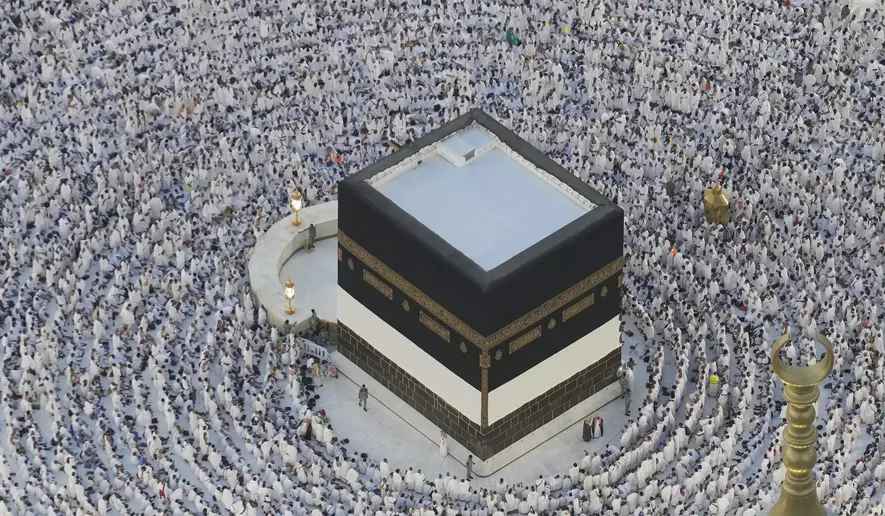
11,600 Pilgrims Secure Private Hajj 2027 Seats, 60,000 Still Available
Pakistan

11,600 Pilgrims Secure Private Hajj 2027 Seats, 60,000 Still Available

ISLAMABAD — A total of 11,600 pilgrims have successfully booked their seats for the Private Hajj Scheme 2027 through Pakistan’s official Hajj Portal, according to the Ministry of Religious Affairs. With 60,000 seats still unclaimed, the ministry has announced that bookings will remain open until the quota is filled or until November 20, 2026, whichever comes first. What Happened The Ministry of Religious Affairs has reported that 11,600 seats have been secured by pilgrims as part of the Private Hajj Scheme for the year 2027. This booking process is facilitated through the official Hajj Portal, a digital platform designed to streamline the application and booking process for Pakistani pilgrims. The remaining 60,000 seats are still available for those interested in performing Hajj under this scheme. The ministry has emphasized that the booking process will continue until the entire quota is exhausted or until the deadline of November 20, 2026. This extended timeline allows prospective pilgrims ample opportunity to plan and secure their participation in the pilgrimage. A spokesperson from the Ministry of Religious Affairs stated, “We are committed to ensuring that the process is as smooth and accessible as possible for all intending pilgrims. The Hajj Portal is an integral part of this effort, providing a transparent and efficient means for booking.” Background The Private Hajj Scheme is one of the two primary avenues through which Pakistani citizens can perform Hajj, the other being the Government Hajj Scheme. The private scheme allows for more flexibility and often includes additional services and amenities, catering to those who prefer a more personalized pilgrimage experience. Historically, the Hajj pilgrimage is one of the five pillars of Islam, obligatory for all Muslims who are physically and financially able to undertake the journey at least once in their lifetime. Pakistan, being one of the largest Muslim-majority countries, sends a significant number of pilgrims to Saudi Arabia each year. In recent years, the Ministry of Religious Affairs has made significant efforts to digitize the Hajj application process, aiming to reduce paperwork and increase transparency. The introduction of the Hajj Portal is part of these ongoing efforts to modernize the process and make it more accessible to the public. Why It Matters The availability of 60,000 seats under the Private Hajj Scheme 2027 is significant for several reasons. Economically, the Hajj pilgrimage is a major source of revenue for both the Pakistani government and private tour operators. The scheme’s success can boost the local economy, particularly in the travel and hospitality sectors. Socially, the ability for more Pakistanis to perform Hajj has profound implications. It allows for greater religious fulfillment and community bonding, as families and communities often support each other in the preparation and execution of the pilgrimage. Politically, the management of Hajj quotas and the efficiency of the booking process can reflect on the government’s competence and responsiveness to the needs of its citizens. A well-managed Hajj process can enhance public trust in the Ministry of Religious Affairs and the government at large. Internationally, the efficient handling of Hajj arrangements can strengthen Pakistan’s diplomatic relations with Saudi Arabia, a key partner in facilitating the pilgrimage. Key Takeaways 11,600 pilgrims have booked seats under Pakistan’s Private Hajj Scheme 2027. 60,000 seats remain available, with bookings open until November 20, 2026. The Hajj Portal is crucial for a streamlined and transparent booking process. The scheme has significant economic, social, and political implications for Pakistan. Efficient Hajj management can strengthen Pakistan-Saudi Arabia relations. Source Attribution This article is based on official government statements and public communications from the Ministry of Religious Affairs. Author: NEN Editorial Desk | Editor: NEN Newsroom | Fact Checked By: NEN Editorial Team Author: NEN Editorial Desk  |  Editor: NEN Newsroom  |  Last Updated: September 16, 2026  |  Source: NEN Reporter This article was produced by the NEN Editorial Desk in accordance with NEN Agency’s Editorial Policy and Fact-Checking Policy.
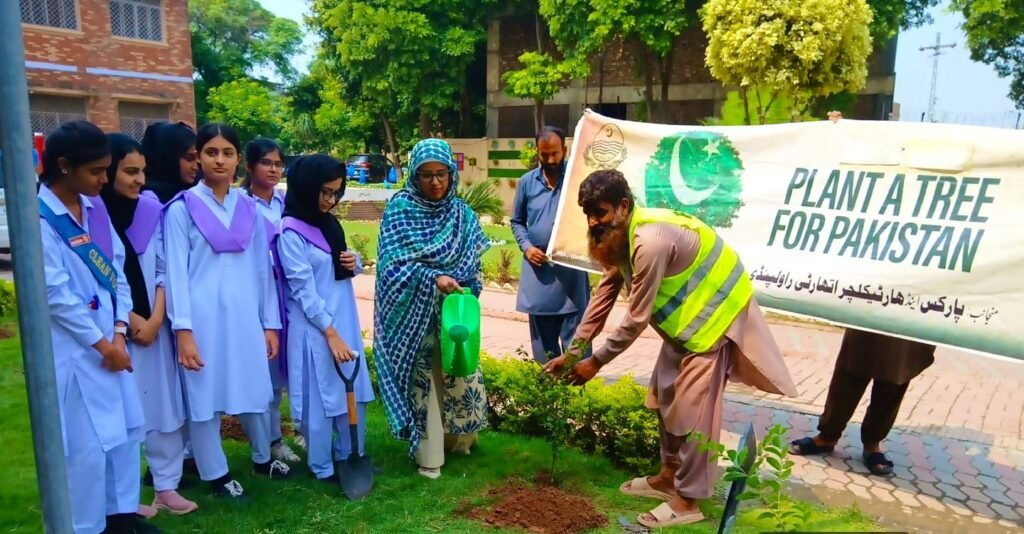
Tree Plantation Drive Engages Students at Rawalpindi Women’s College
Pakistan

Tree Plantation Drive Engages Students at Rawalpindi Women’s College

RAWALPINDI — A tree plantation drive was organized by the Horticulture Agency Rawalpindi at the Government Associate College for Women in Gowalmandi on September 16. Students and teachers of the college actively participated in the event, planting numerous saplings and committing to their care. What Happened The Horticulture Agency Rawalpindi spearheaded the initiative at the Government Associate College for Women, Gowalmandi, with the aim of fostering environmental awareness among young people. The event saw enthusiastic participation from both students and faculty, who planted a variety of saplings across the college grounds. The participants also took a pledge to ensure the growth and protection of these saplings, highlighting the role of trees in combating environmental pollution and climate change. Ahmed Hassan Ranjha, Managing Director of the Horticulture Agency Rawalpindi, had directed the agency to conduct plantation activities in educational institutions. These efforts are part of a broader campaign to enhance green spaces in Rawalpindi, including the improvement of green belts and the beautification of parks. Agency officials expressed appreciation for the involvement of the college community, emphasizing that nurturing the planted saplings is crucial for the success of the initiative. The Horticulture Agency also called on citizens, educational institutions, and individuals from various sectors to join in similar plantation campaigns. The goal is to transform Rawalpindi into a greener and more environmentally friendly city. Background Tree plantation drives have been a significant part of Pakistan’s environmental strategy, especially in urban areas like Rawalpindi. These initiatives aim to address the challenges posed by rapid urbanization, which often leads to reduced green spaces and increased pollution levels. Historically, Pakistan has faced issues related to deforestation and environmental degradation, prompting government and non-governmental organizations to promote afforestation and reforestation efforts. In recent years, the government has launched several large-scale tree plantation campaigns, such as the Billion Tree Tsunami project, to combat climate change and improve air quality. Educational institutions have been pivotal in these efforts, serving as platforms to educate the younger generation about the importance of environmental conservation. Why It Matters The tree plantation drive at the Government Associate College for Women is a microcosm of a larger, nationwide effort to address environmental concerns in Pakistan. As urban areas continue to expand, maintaining and increasing green spaces becomes critical to ensuring a sustainable and healthy living environment. Trees play a vital role in absorbing carbon dioxide, producing oxygen, and reducing urban heat, thereby mitigating the impacts of climate change. For students and educational institutions, participating in such initiatives fosters a sense of responsibility and awareness about environmental issues. It equips young people with the knowledge and motivation to contribute positively to their communities and the environment. Moreover, involving educational institutions in these campaigns helps instill a culture of environmental stewardship among future generations. Economically, increasing green cover can lead to long-term benefits, including enhanced biodiversity, improved air and water quality, and reduced healthcare costs associated with pollution-related illnesses. Socially, these initiatives can strengthen community bonds as individuals come together for a common cause, promoting civic engagement and cooperation. Key Takeaways The Horticulture Agency Rawalpindi organized a tree plantation drive at a women’s college in Gowalmandi. Students and teachers participated actively, pledging to care for the saplings. The initiative is part of broader efforts to increase green spaces in Rawalpindi. Educational institutions play a crucial role in raising environmental awareness among youth. Tree plantation drives contribute to combating climate change and improving urban environments. Source Attribution This article is based on official government statements, press releases, and public communications from relevant authorities. Author: NEN Editorial Desk | Editor: NEN Newsroom | Fact Checked By: NEN Editorial Team Author: NEN Editorial Desk  |  Editor: NEN Newsroom  |  Last Updated: September 16, 2026  |  Source: NEN Reporter This article was produced by the NEN Editorial Desk in accordance with NEN Agency’s Editorial Policy and Fact-Checking Policy.
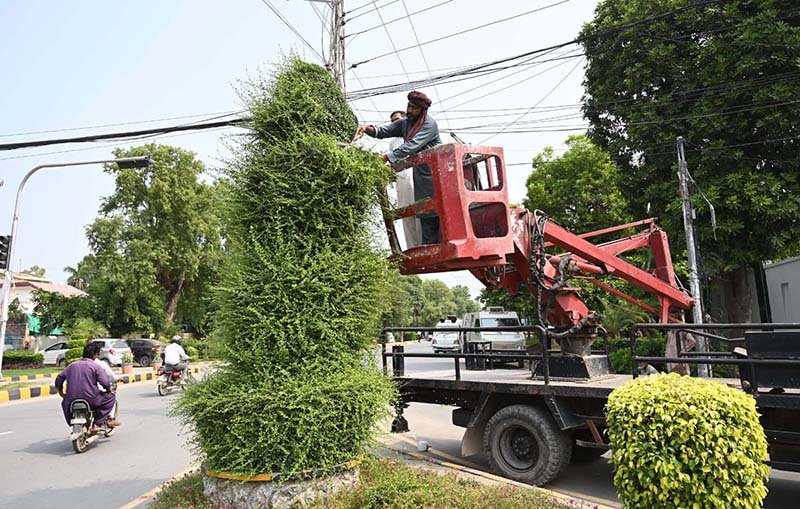
Cantonment Board Initiates Greenery Maintenance at Club Chowk
Pakistan

Cantonment Board Initiates Greenery Maintenance at Club Chowk

RAWALPINDI — A Cantonment Board worker was observed trimming plants at Club Chowk on Thursday as part of an ongoing effort to maintain the area’s greenery. This initiative is aimed at enhancing the aesthetic appeal and environmental health of the locality. What Happened On Thursday, a worker from the Rawalpindi Cantonment Board was seen diligently trimming and maintaining the plants at Club Chowk, a prominent area known for its bustling activity and strategic location. The effort is part of a routine maintenance schedule carried out by the board to ensure that public spaces remain clean, green, and visually appealing. According to the Cantonment Board, this activity is part of a broader initiative to improve urban green spaces across Rawalpindi. The board has been actively involved in planting trees, shrubs, and maintaining existing greenery to combat pollution and provide a healthier environment for the residents. A spokesperson for the board stated, “Our aim is to ensure that the cantonment area is not only clean but also green. Regular maintenance of plants is crucial to achieving this goal.” Residents in the area have expressed appreciation for the board’s efforts. A local shopkeeper commented, “The greenery makes the area more pleasant and helps in reducing dust and pollution. It’s good to see the board taking such initiatives seriously.” Background The Rawalpindi Cantonment Board has been tasked with the management and maintenance of public spaces within its jurisdiction. Historically, the board has undertaken various projects to enhance urban greenery, recognizing the importance of green spaces in urban planning. These efforts are aligned with national environmental policies aimed at increasing green cover in urban areas to mitigate the effects of climate change and urban pollution. In recent years, the government of Pakistan has launched several initiatives to promote tree plantation and environmental conservation. The ‘Clean and Green Pakistan’ campaign, for instance, is a nationwide effort to encourage tree planting and cleanliness drives across the country. The Cantonment Board’s activities are in line with these national objectives, contributing to the broader goal of environmental sustainability. Why It Matters The maintenance of green spaces like those at Club Chowk is vital for several reasons. Firstly, urban greenery plays a crucial role in improving air quality by absorbing pollutants and providing oxygen. This is particularly important in areas like Rawalpindi, where rapid urbanization has led to increased pollution levels. Secondly, well-maintained green spaces contribute to the mental and physical well-being of residents. Studies have shown that access to green areas can reduce stress, encourage physical activity, and improve overall quality of life. For a city like Rawalpindi, which faces the challenges of urban congestion, these green spaces offer a necessary respite for its inhabitants. Moreover, the aesthetic value of greenery cannot be understated. It enhances the visual appeal of urban areas, making them more attractive to residents and visitors alike. This can have positive economic implications, potentially boosting local businesses and tourism. Finally, initiatives like these reflect a commitment to sustainable urban development. By prioritizing environmental health, the Cantonment Board is setting an example for other urban centers in Pakistan, demonstrating the importance of integrating nature into urban planning. Key Takeaways The Cantonment Board is actively maintaining green spaces at Club Chowk, Rawalpindi. This initiative is part of a broader effort to enhance urban greenery and combat pollution. Residents have expressed support, noting the positive impact on the area’s environment and aesthetics. These efforts align with national policies promoting environmental conservation and sustainability. Urban greenery contributes to improved air quality, mental health, and economic potential. Source Attribution This article is based on official government statements, press releases, and public communications from relevant authorities. Author: NEN Editorial Desk | Editor: NEN Newsroom | Fact Checked By: NEN Editorial Team Author: NEN Editorial Desk  |  Editor: NEN Newsroom  |  Last Updated: September 16, 2026  |  Source: NEN Reporter This article was produced by the NEN Editorial Desk in accordance with NEN Agency’s Editorial Policy and Fact-Checking Policy.

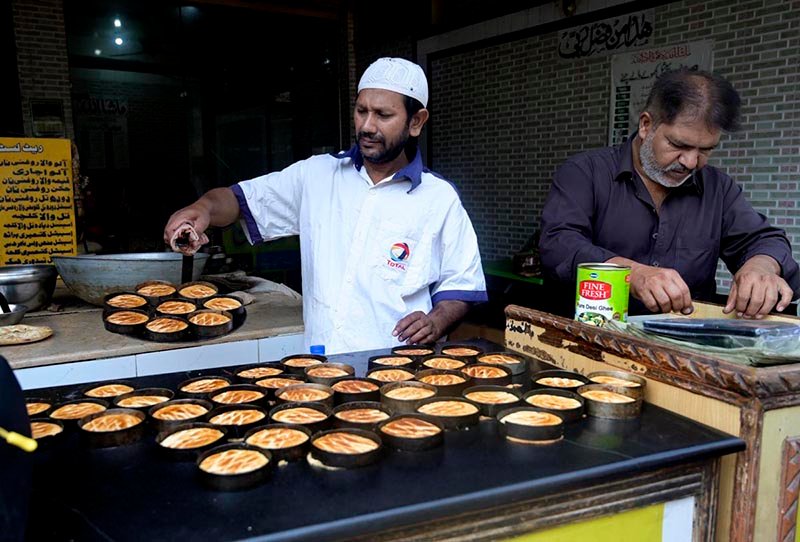
Baker Crafts Tandoori Cake in Kartarpur’s Traditional Tandoor
Pakistan

Baker Crafts Tandoori Cake in Kartarpur’s Traditional Tandoor

KARTARPUR — A baker in the Kartarpur area of the twin cities has garnered attention for preparing a unique tandoori cake, blending traditional baking techniques with modern flavors. This culinary innovation is attracting locals and visitors alike, eager to experience a novel twist on a classic dessert. What Happened In the bustling area of Kartarpur, a local baker has introduced a new delicacy that combines the rich flavors of traditional tandoori cooking with the sweetness of a cake. The baker, who operates a small tandoor in the area, has begun preparing these cakes using the same methods traditionally reserved for naan and other bread. The cakes are baked in a clay oven, giving them a distinct smoky flavor and a unique texture that sets them apart from conventional cakes. The baker, whose name has become synonymous with this innovative dessert, shared that the idea came from a desire to offer something new and exciting to his customers. “I wanted to create something that would surprise people, something they hadn’t tasted before,” he explained. The tandoori cake has quickly become a local favorite, with many patrons returning for its unique taste and texture. According to the baker, the process involves preparing a special batter that can withstand the high heat of the tandoor. Once the batter is ready, it is carefully placed inside the preheated clay oven, where it bakes to perfection. The result is a cake that is both moist and flavorful, with a slightly charred exterior that adds to its appeal. Background Tandoors have been a staple in South Asian cooking for centuries, traditionally used for baking naan, roti, and other types of bread. The clay ovens are known for their ability to reach high temperatures, which allows for quick cooking and imparts a unique flavor to the food. While tandoors are commonly associated with savory dishes, their use in baking sweets is relatively uncommon, making this baker’s creation particularly noteworthy. The concept of baking cakes in a tandoor is not entirely new; however, it remains a rarity in the region. Traditional baking methods in Pakistan typically involve the use of conventional ovens, and the introduction of tandoori cakes represents a fusion of culinary techniques that is both innovative and respectful of cultural traditions. Why It Matters The introduction of the tandoori cake in Kartarpur highlights the evolving culinary landscape in Pakistan, where traditional methods are being reimagined to create new and exciting food experiences. This innovation reflects a broader trend of culinary experimentation in the country, where chefs and home cooks alike are increasingly blending old and new techniques to delight the palates of a diverse and discerning population. Economically, the popularity of the tandoori cake can contribute to the local economy by attracting food enthusiasts and tourists to the area. As word spreads about this unique dessert, it has the potential to draw visitors from other parts of the country and even internationally, boosting local businesses and encouraging culinary tourism. Socially, this development underscores the importance of preserving cultural heritage while embracing innovation. By utilizing traditional cooking methods in new ways, the baker is helping to keep the art of tandoor baking alive, while also appealing to a modern audience. This balance between tradition and innovation is crucial for the continued evolution of Pakistan’s culinary identity. Key Takeaways A baker in Kartarpur is innovating by baking cakes in a traditional tandoor. The tandoori cake combines traditional cooking methods with modern flavors. This culinary innovation is attracting both locals and tourists to the area. The trend reflects a broader movement of culinary experimentation in Pakistan. The popularity of the tandoori cake could boost local economic activity and tourism. Source Attribution This article is based on official government statements, press releases, and public communications from relevant authorities. Author: NEN Editorial Desk | Editor: NEN Newsroom | Fact Checked By: NEN Editorial Team Author: NEN Editorial Desk  |  Editor: NEN Newsroom  |  Last Updated: September 16, 2026  |  Source: NEN Reporter This article was produced by the NEN Editorial Desk in accordance with NEN Agency’s Editorial Policy and Fact-Checking Policy.

National Bank Of Pakistan Releases Latest Currency Exchange Rates
Pakistan

National Bank Of Pakistan Releases Latest Currency Exchange Rates

KARACHI — The National Bank of Pakistan (NBP) has announced the latest exchange rates for various currencies as of Wednesday, September 16, 2023. The Treasury Management Division of NBP provided the updated rates for buying and selling foreign currencies, reflecting the ongoing fluctuations in the international currency markets. What Happened The National Bank of Pakistan, a leading financial institution, released the exchange rates for a range of currencies, highlighting the current market trends. According to the NBP, the US dollar is being sold at PKR 277.70 and bought at PKR 277.20. The euro stands at PKR 320.51 for selling and PKR 319.81 for buying. The British pound is available at PKR 374.34 for selling and PKR 373.67 for buying. Other notable currencies include the Japanese yen, which is being sold at PKR 1.7873 and bought at PKR 1.7841. The Swiss franc is priced at PKR 339.18 for selling and PKR 338.57 for buying. The Canadian dollar is being sold at PKR 199.32 and bought at PKR 198.96, while the Australian dollar is available at PKR 197.84 for selling and PKR 197.49 for buying. Among the Scandinavian currencies, the Swedish krona is being sold at PKR 28.41 and bought at PKR 28.35, while the Norwegian krone is priced at PKR 29.73 for selling and PKR 29.68 for buying. The Danish krone is available at PKR 42.88 for selling and PKR 42.80 for buying. The NBP also provided rates for other currencies such as the New Zealand dollar at PKR 159.37 for selling and PKR 159.09 for buying, the Singapore dollar at PKR 218.10 for selling and PKR 217.71 for buying, and the Hong Kong dollar at PKR 35.40 for selling and PKR 35.34 for buying. Additionally, the Korean won is being sold at PKR 0.2031 and bought at PKR 0.2027, the Chinese yuan at PKR 41.38 for selling and PKR 41.31 for buying, and the Malaysian ringgit at PKR 68.70 for selling and PKR 68.58 for buying. The Thai baht is priced at PKR 8.35 for selling and PKR 8.33 for buying. In the Middle Eastern currencies, the UAE dirham is being sold at PKR 75.62 and bought at PKR 75.48, the Saudi riyal at PKR 73.94 for selling and PKR 73.80 for buying, and the Qatari riyal at PKR 76.34 for selling and PKR 76.20 for buying. The Kuwaiti dinar is priced at PKR 904.71 for selling and PKR 903.08 for buying. For frozen foreign currency deposits, the conversion rates are USD at PKR 277.2545, GBP at PKR 373.545, EUR at PKR 319.7576, and JPY at PKR 1.7882. Background The National Bank of Pakistan plays a pivotal role in the country’s financial system, providing essential banking services and facilitating international trade through currency exchange. The exchange rates are crucial for businesses and individuals engaged in foreign trade, travel, and remittances. The rates are determined by various factors, including global market trends, economic indicators, and monetary policies. Historically, Pakistan’s currency exchange rates have been influenced by economic stability, inflation rates, and foreign exchange reserves. The NBP regularly updates these rates to reflect the current economic conditions and ensure transparency in financial transactions. Why It Matters The exchange rates published by the NBP are vital for Pakistan’s economy, impacting both domestic and international financial activities. For businesses involved in import and export, these rates determine the cost of transactions and profitability. A higher exchange rate for the US dollar, for instance, can increase the cost of imports, affecting the prices of goods and services within the country. For individuals, especially those receiving or sending remittances, the exchange rates directly affect the value of their transactions. A favorable exchange rate can increase the purchasing power of remittances, providing more financial support to families in Pakistan. On a broader scale, exchange rates are indicators of economic health and investor confidence. Fluctuating rates can signal changes in economic policies or market perceptions, influencing foreign investment and economic growth. For policymakers, maintaining stable exchange rates is crucial to ensuring economic stability and fostering investor confidence. Key Takeaways The NBP has announced updated exchange rates for various currencies as of September 16, 2023. The US dollar is being sold at PKR 277.70 and bought at PKR 277.20. The exchange rates impact businesses, individuals, and the overall economy. Stable exchange rates are essential for economic stability and investor confidence. NBP’s rates reflect global market trends and economic conditions. Source Attribution This article is based on official government statements, press releases, and public communications from relevant authorities. Author: NEN Editorial Desk | Editor: NEN Newsroom | Fact Checked By: NEN Editorial Team Author: NEN Editorial Desk  |  Editor: NEN Newsroom  |  Last Updated: September 16, 2026  |  Source: NEN Reporter This article was produced by the NEN Editorial Desk in accordance with NEN Agency’s Editorial Policy and Fact-Checking Policy.

Scroll to Top