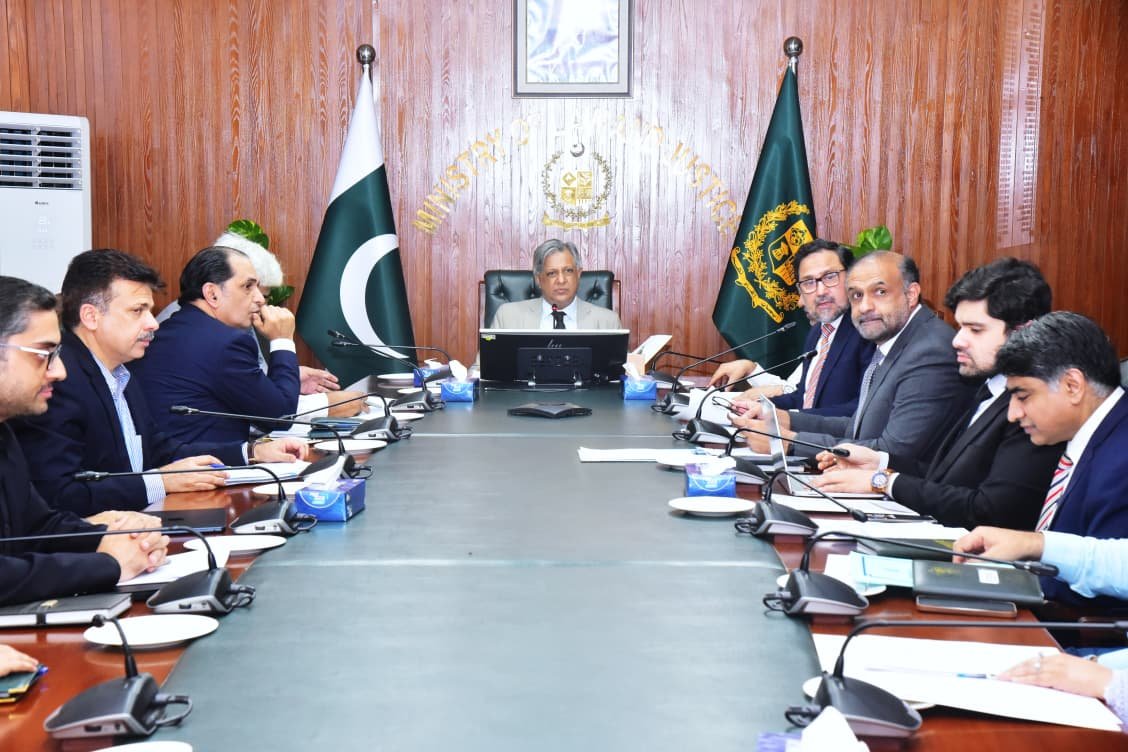
ISLAMABAD — A committee formed under the directives of Prime Minister Shehbaz Sharif has initiated daily meetings to expedite the finalization of the Auto and Auto Parts Manufacturing Policy for 2026–31. This decision was made during a session held at the Ministry of Law and Justice on Wednesday, aimed at accelerating the policy’s review and completion process.
What Happened
The committee, tasked with the development of a comprehensive Auto and Auto Parts Manufacturing Policy, convened under the leadership of a senior official from the Ministry of Law and Justice. The primary objective of these meetings is to streamline the policy drafting process, ensuring that all necessary components are thoroughly reviewed and finalized in a timely manner. The policy aims to bolster the automotive sector in Pakistan by addressing key challenges and setting a roadmap for future growth.
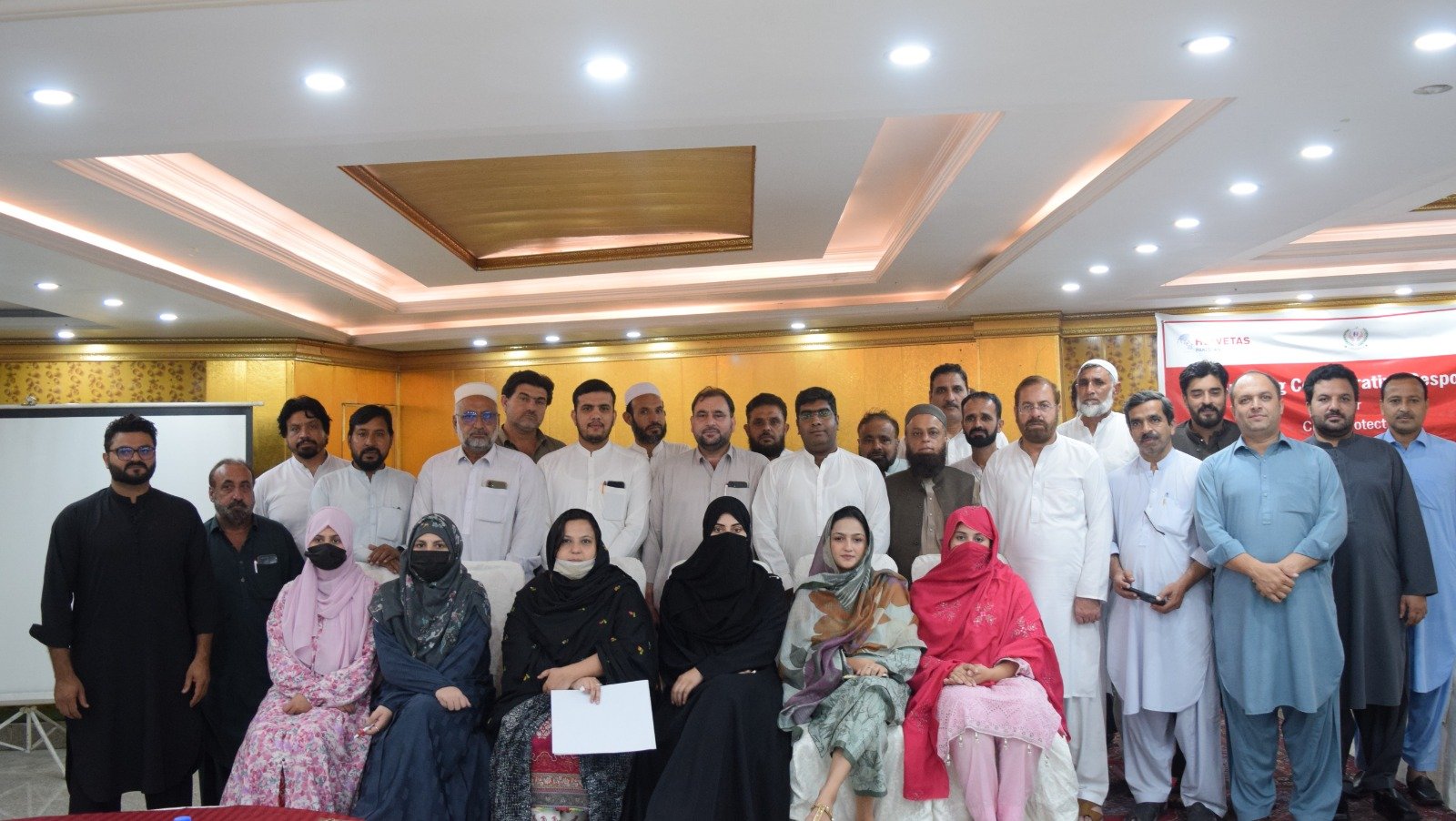
According to sources, the committee is composed of representatives from various government ministries, industry stakeholders, and experts in the automotive field. This diverse group is expected to provide a well-rounded perspective on the policy’s potential impact and effectiveness. The meetings are designed to facilitate open discussions and swift decision-making, with the ultimate goal of presenting a finalized draft to the Prime Minister for approval.
During the Wednesday meeting, the committee members discussed several critical aspects of the policy, including incentives for local manufacturers, import regulations, and environmental standards. The discussions also focused on enhancing the competitiveness of Pakistan’s auto industry in the global market, as well as promoting the adoption of new technologies and sustainable practices.
Background
The automotive sector in Pakistan has been a significant contributor to the country’s economy, providing employment opportunities and driving industrial growth. However, the industry has faced numerous challenges, such as outdated regulations, high production costs, and limited access to advanced technologies. The current policy framework, which is set to expire in 2025, has been criticized for its inability to adequately address these issues.
In response, the government has prioritized the development of a new policy that aligns with international standards and supports the industry’s modernization. The Auto and Auto Parts Manufacturing Policy 2026–31 is expected to introduce reforms that will enhance local production capabilities, reduce dependency on imports, and promote the use of electric and hybrid vehicles.
Why It Matters
The accelerated finalization of the Auto Policy draft holds significant implications for Pakistan’s economic and industrial landscape. By establishing a clear and supportive regulatory framework, the policy aims to attract foreign investment and encourage local entrepreneurship in the automotive sector. This could lead to increased job creation, technological advancements, and improved competitiveness on the global stage.
The policy’s emphasis on sustainability and innovation is particularly crucial, as it aligns with global trends towards greener and more efficient transportation solutions. By fostering the development of electric and hybrid vehicles, Pakistan can reduce its carbon footprint and contribute to global efforts to combat climate change.
Moreover, the policy is expected to address critical issues such as import tariffs and quality standards, which have historically hindered the growth of the local auto industry. By creating a more conducive environment for manufacturers, the policy could stimulate economic growth and position Pakistan as a key player in the regional automotive market.
Key Takeaways
- The committee is holding daily meetings to expedite the Auto Policy draft process.
- The policy aims to modernize Pakistan’s automotive sector and align it with global standards.
- Key focus areas include local manufacturing incentives, import regulations, and sustainability.
- The policy could attract foreign investment and boost job creation in the industry.
- Emphasis on electric and hybrid vehicles supports global environmental goals.
Source Attribution
This article is based on official government statements, press releases, and public communications from relevant authorities.