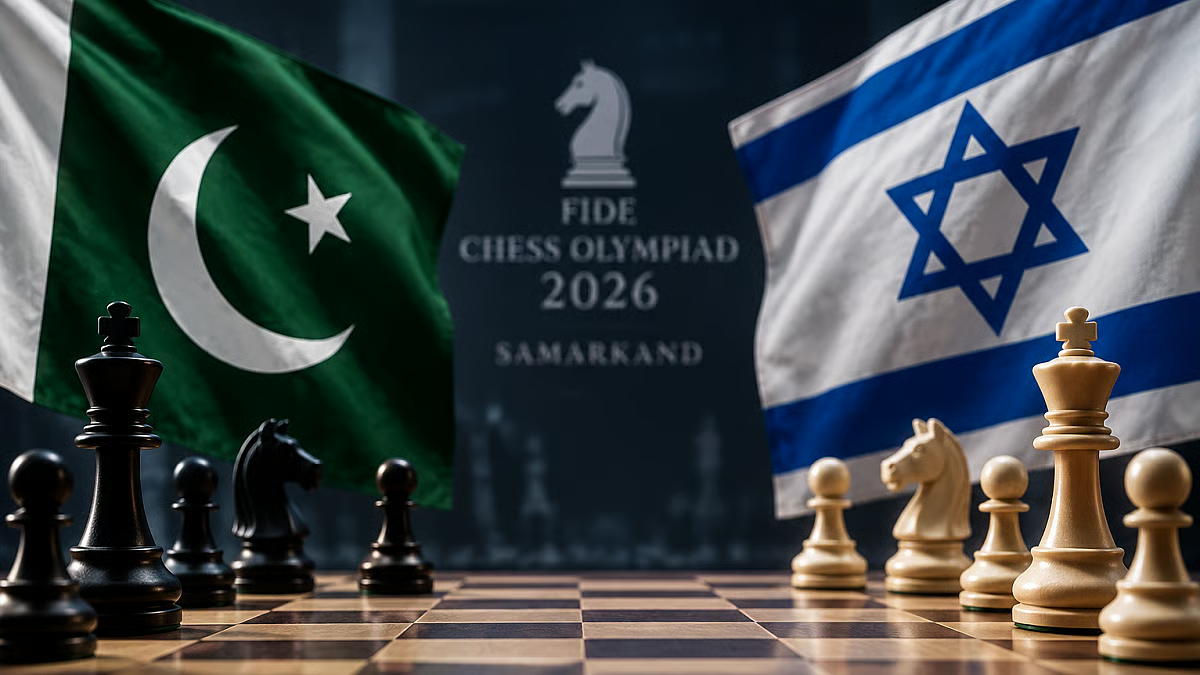
ISLAMABAD — Pakistan has officially withdrawn from its scheduled match against Israel at the 46th FIDE World Chess Olympiad 2026 in Samarkand, Uzbekistan. The Chess Federation of Pakistan announced the decision, citing the nation’s longstanding policy towards Israel and its solidarity with the Palestinian cause.
What Happened
The Pakistan-Israel match was slated to occur on Wednesday during the opening round of the prestigious international chess event. However, the Chess Federation of Pakistan decided to forfeit the match, aligning with the country’s historical stance of not engaging in direct sporting or diplomatic relations with Israel. This decision was communicated in a statement released by the Federation, emphasizing the commitment to supporting Palestinian rights.
“Our stance is clear and consistent with our national policy,” a spokesperson for the Chess Federation of Pakistan stated. “We stand in solidarity with the Palestinian people and cannot participate in any event that involves Israel.” The decision aligns with Pakistan’s broader foreign policy, which does not recognize Israel as a state and has no formal diplomatic relations with it.
The boycott has drawn mixed reactions from the international chess community. Some support Pakistan’s decision as a legitimate political statement, while others believe that sports should remain separate from political issues. The FIDE World Chess Olympiad is one of the most significant events in the chess calendar, drawing teams from around the globe to compete in a spirit of sportsmanship and international camaraderie.
Background
Pakistan’s policy regarding Israel is rooted in its unwavering support for the Palestinian cause, a stance it has maintained since its inception. The country has consistently advocated for the establishment of a sovereign Palestinian state and has often used international platforms to voice its opposition to Israeli policies in the region.
Historically, Pakistan has avoided any form of direct engagement with Israel, including sporting events. This policy is reflective of broader geopolitical alliances and the influence of public opinion within Pakistan, where support for Palestine is widespread. The Chess Olympiad, being a global event, often places countries with conflicting political stances against each other, leading to such diplomatic challenges.
Why It Matters
The decision to boycott the match against Israel holds significant implications for Pakistan’s international relations and its role in global sporting events. By choosing to forfeit the match, Pakistan reaffirms its commitment to its foreign policy principles, which prioritize solidarity with Palestine over potential sporting accolades.
Economically, the decision may not have immediate repercussions, but it underscores the complexities involved in international sporting events where political and diplomatic tensions can overshadow the spirit of competition. Socially, the move is likely to resonate with a significant portion of the Pakistani population that supports the Palestinian cause, reinforcing national unity on this issue.
Politically, the boycott highlights the ongoing challenges faced by international sporting bodies like FIDE in navigating geopolitical tensions. It raises questions about the role of sports in diplomacy and whether such events can truly remain apolitical. For Pakistan, this decision could influence its future participation in international events where Israeli teams are present, potentially limiting its exposure and opportunities in the global arena.
Key Takeaways
- Pakistan has withdrawn from a scheduled chess match against Israel at the 46th FIDE World Chess Olympiad in Samarkand, Uzbekistan.
- The decision aligns with Pakistan’s longstanding policy of not recognizing Israel and supporting the Palestinian cause.
- The boycott has sparked debate within the international chess community regarding the intersection of sports and politics.
- Pakistan’s stance reflects broader geopolitical alliances and public opinion within the country.
- The move underscores the challenges faced by international sporting bodies in managing geopolitical tensions.
Source Attribution
This article is based on official statements from the Chess Federation of Pakistan and public communications from relevant authorities.