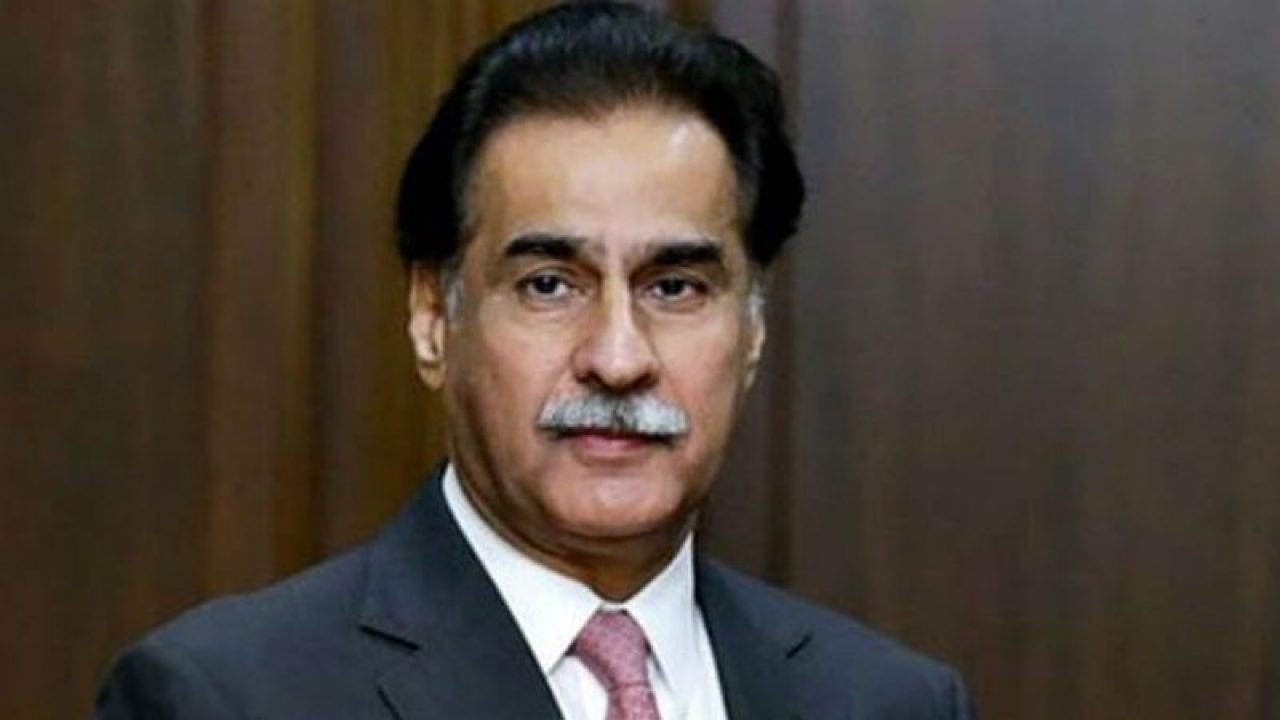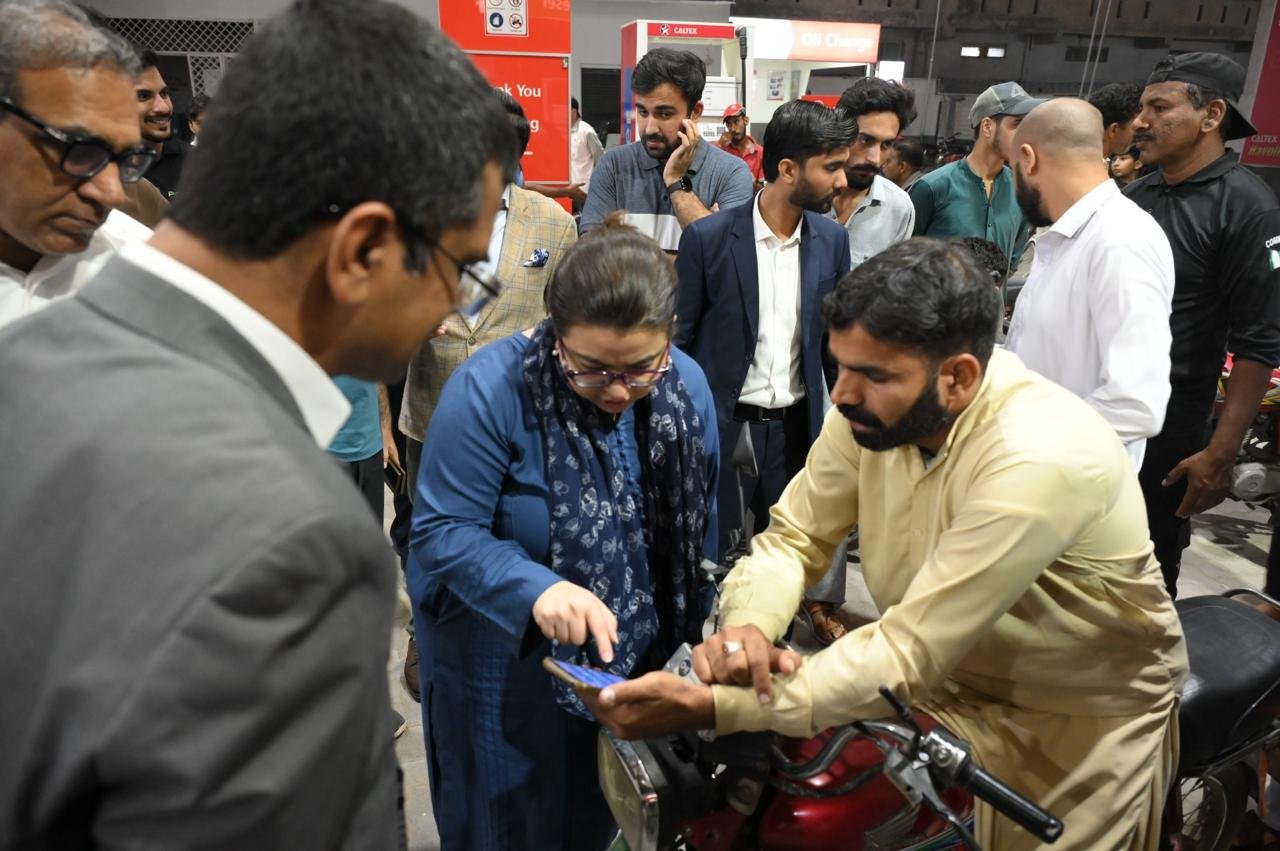
ISLAMABAD — Federal Minister for Information Technology and Telecommunication Shaza Fatima Khawaja conducted a comprehensive review of the implementation of the Prime Minister’s Fuel Relief Scheme in Islamabad on Thursday. Accompanied by the district administration, she visited several petrol stations to ensure the scheme’s effective execution and address any concerns raised by the public.
What Happened
During her visit, Shaza Fatima Khawaja inspected multiple petrol pumps across Islamabad to assess the on-ground implementation of the Prime Minister’s Fuel Relief Scheme. The scheme, designed to alleviate the financial burden on citizens due to rising fuel prices, aims to provide subsidized rates at selected fuel stations. The minister interacted with both petrol station operators and customers to gather feedback on the scheme’s effectiveness and any challenges encountered.
Shaza Fatima emphasized the government’s commitment to ensuring that the relief reaches the intended beneficiaries without any hindrances. She stated, “The Prime Minister’s Fuel Relief Scheme is a vital initiative to support our citizens during these challenging economic times. It is imperative that the relief is delivered efficiently and transparently.” The minister also instructed the district administration to monitor the implementation closely and address any issues promptly.
The visit highlighted the government’s proactive approach in addressing public grievances and ensuring transparency in the distribution of subsidies. The district administration assured the minister of their full cooperation in implementing the scheme effectively and resolving any operational challenges.
Background
The Prime Minister’s Fuel Relief Scheme was introduced as a response to the escalating fuel prices that have significantly impacted the cost of living for Pakistani citizens. The scheme is part of a broader strategy to provide financial relief to the population amidst economic challenges exacerbated by global oil price fluctuations and local economic conditions.
Historically, Pakistan has faced challenges in managing fuel subsidies due to administrative inefficiencies and the risk of misuse. Previous attempts to provide fuel relief have been met with mixed results, often hindered by logistical issues and lack of transparency. The current scheme aims to address these past shortcomings by implementing stricter monitoring and accountability measures.
Why It Matters
The implementation of the Prime Minister’s Fuel Relief Scheme holds significant implications for Pakistan’s socio-economic landscape. As fuel prices continue to rise globally, the burden on Pakistani households has increased, affecting their purchasing power and overall quality of life. By subsidizing fuel costs, the government aims to alleviate some of this financial pressure, allowing citizens to allocate their resources more effectively.
Economically, the scheme is crucial in stabilizing consumer spending, which is essential for economic growth. By reducing fuel expenses, households may have more disposable income to spend on other goods and services, thereby stimulating economic activity. Politically, the successful implementation of the scheme could enhance public trust in the government’s ability to manage economic challenges and deliver on its promises.
Internationally, the scheme reflects Pakistan’s efforts to address domestic economic issues while navigating global economic pressures. It demonstrates the government’s commitment to supporting its citizens and maintaining social stability during turbulent times.
Key Takeaways
- Federal Minister Shaza Fatima Khawaja reviewed the implementation of the PM Fuel Relief Scheme in Islamabad.
- The scheme aims to provide subsidized fuel rates to alleviate economic pressure on citizens.
- Shaza Fatima emphasized the importance of transparent and efficient delivery of the relief.
- The initiative is part of broader government efforts to address rising fuel costs and economic challenges.
- Successful implementation could enhance public trust and stimulate economic activity.
Source Attribution
This article is based on official government statements, press releases, and public communications from relevant authorities.