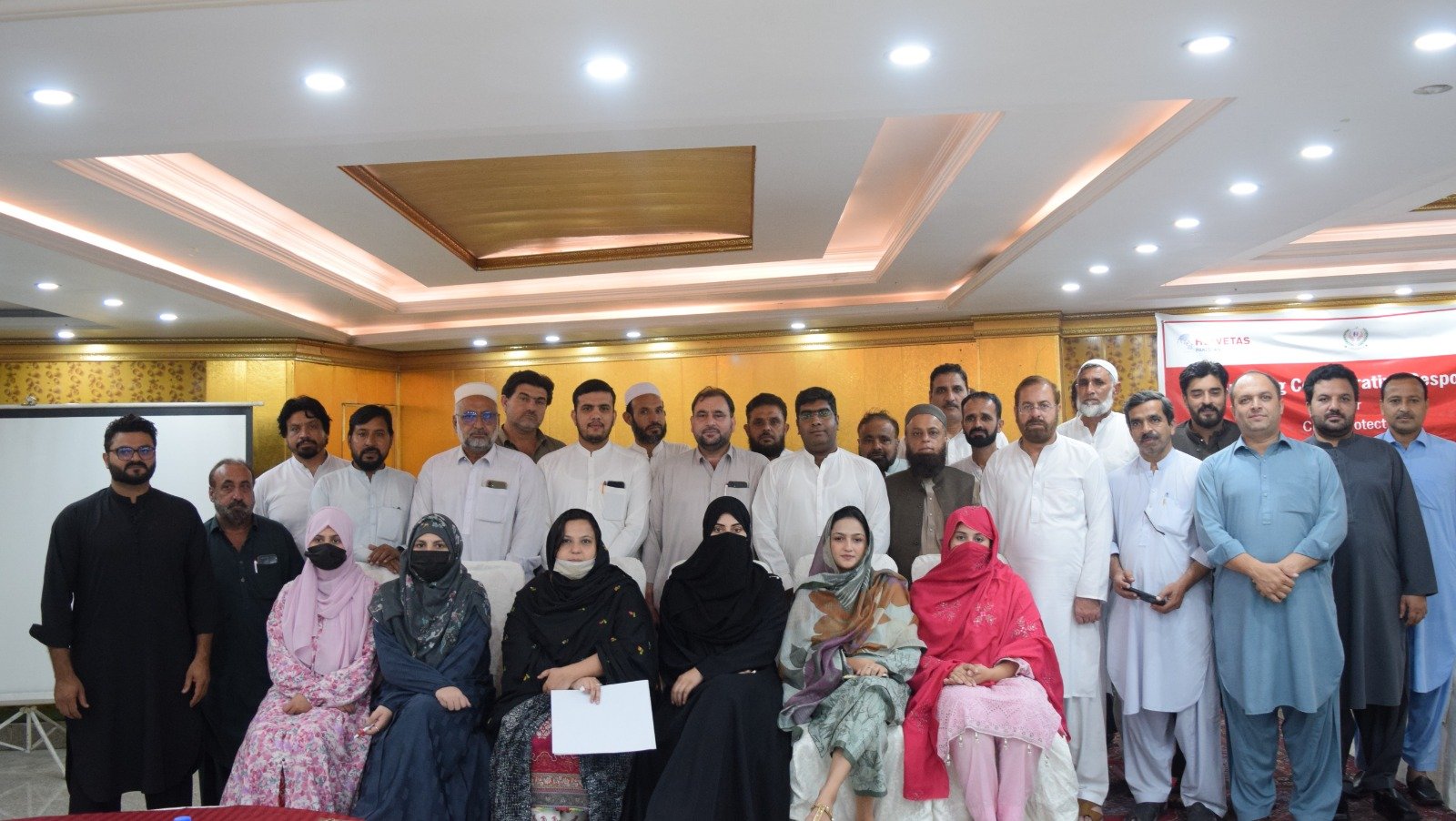
SUKKUR — The Institute of Computer Science at Shah Abdul Latif University (SALU) in Khairpur held a workshop on Wednesday focusing on the effective implementation of outcome-based education (OBE) for its faculty members. The event took place at the FYP-Lab and was attended by Vice Chancellor Prof. Dr. Yousuf Khushk, who served as the chief guest.
What Happened
The workshop titled “Effective Implementation of Outcome-Based Education” aimed to equip faculty members with the necessary tools and methodologies to enhance educational outcomes. Vice Chancellor Prof. Dr. Yousuf Khushk emphasized the importance of OBE in modern education systems, stating that it aligns educational objectives with measurable student outcomes. “Outcome-based education is crucial for ensuring that our graduates are not only knowledgeable but also skilled and ready to meet the challenges of the professional world,” Dr. Khushk remarked.
The workshop included various sessions led by experts in the field of education, who provided insights into the design and assessment of curriculum based on OBE principles. Faculty members were encouraged to actively participate in discussions and share their experiences regarding the implementation of OBE in their respective courses.
Dr. Khushk further highlighted the need for continuous professional development among educators to keep pace with evolving educational standards. He noted that such workshops are vital for fostering a culture of quality and accountability in higher education institutions.
Background
Outcome-based education is an educational framework that focuses on what students are expected to achieve by the end of a course or program. It contrasts with traditional education models that emphasize the delivery of content rather than the achievement of specific learning outcomes. OBE requires educators to clearly define learning outcomes and design assessments that accurately measure student achievement.
In recent years, many universities in Pakistan have been transitioning to OBE frameworks to improve the quality of education and ensure that graduates possess the skills and competencies needed in the global job market. This shift is in line with international educational standards and is supported by the Higher Education Commission of Pakistan.
Why It Matters
The adoption of outcome-based education at SALU is part of a broader trend among Pakistani universities to enhance educational quality and relevance. By focusing on measurable outcomes, institutions can better prepare students for the demands of the workforce, thereby improving their employability and career prospects.
For Pakistan, a country with a burgeoning youth population, the implementation of OBE can play a significant role in addressing the skills gap in the labor market. By aligning educational programs with industry needs, universities can contribute to economic growth and development.
Furthermore, OBE encourages a more student-centered approach to education, where learners are actively involved in their own learning process. This can lead to higher levels of student engagement and motivation, ultimately resulting in better educational outcomes.
The workshop at SALU also underscores the importance of continuous professional development for educators. As educational paradigms shift, faculty members must be equipped with the latest pedagogical strategies to effectively implement new frameworks like OBE.
Key Takeaways
- The Institute of Computer Science at SALU organized a workshop on outcome-based education for faculty members.
- Vice Chancellor Prof. Dr. Yousuf Khushk emphasized the importance of aligning educational objectives with measurable outcomes.
- Outcome-based education is gaining traction in Pakistan as universities seek to improve educational quality and relevance.
- The workshop highlighted the need for continuous professional development among educators.
- OBE frameworks can enhance student engagement and prepare graduates for the workforce.
Source Attribution
This article is based on official statements and public communications from Shah Abdul Latif University and relevant educational authorities.