ISLAMABAD — Uzbekistan has issued a strong condemnation of an attempted drone attack targeting the holy city of Mecca in Saudi Arabia. The statement from Uzbekistan’s Ministry of Foreign Affairs emphasized solidarity with Saudi Arabia and called for restraint amid escalating regional tensions.
What Happened
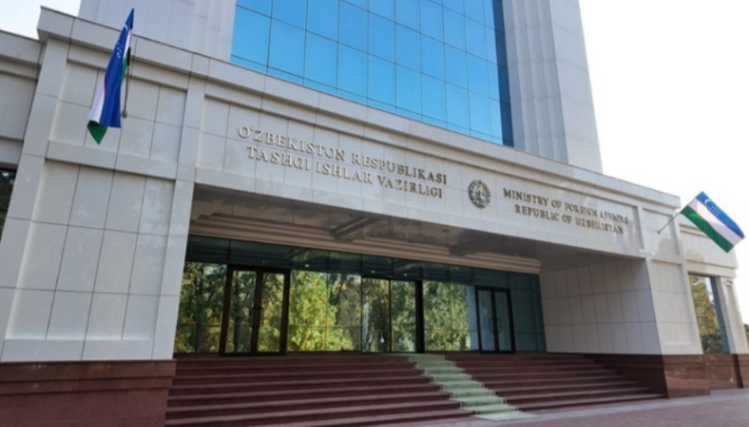
On September 17, the Uzbek Ministry of Foreign Affairs released a statement condemning an attempted unmanned aerial vehicle (UAV) attack directed at Mecca, one of Islam’s holiest sites. The statement underscored Uzbekistan’s unwavering support for Saudi Arabia and its people, asserting that any action threatening the sanctity of holy sites is unacceptable. Although the details of the attempted attack remain sparse, it is clear that regional stability is a growing concern for many nations.
The Uzbek government expressed its hope for a peaceful resolution to ongoing conflicts in the Middle East, urging all parties to exercise restraint and engage in dialogue. The statement reiterated the importance of maintaining peace and security in the region, particularly in areas with religious significance.
In recent years, Saudi Arabia has faced several drone and missile attacks, primarily attributed to the Houthi movement in Yemen. These attacks have targeted critical infrastructure, including oil facilities and airports, raising alarms about the security of key sites in the Kingdom.
Background
Saudi Arabia, a major player in the Middle East, has been embroiled in a prolonged conflict with Houthi rebels in Yemen. The Houthis, who have been fighting the Saudi-led coalition since 2015, have frequently used drones and missiles to target Saudi territory. The conflict has resulted in a humanitarian crisis in Yemen, drawing international condemnation and calls for a ceasefire.
Mecca, the birthplace of Islam, holds immense religious significance for Muslims worldwide. It is the focal point of the annual Hajj pilgrimage, which attracts millions of worshippers each year. Any threat to this sacred city is likely to provoke a strong response from the global Muslim community.
Uzbekistan, a predominantly Muslim country in Central Asia, has historically maintained friendly relations with Saudi Arabia. Both nations have collaborated on various economic and cultural initiatives, fostering a partnership based on shared religious and strategic interests.
Why It Matters
The attempted drone attack on Mecca is a stark reminder of the volatile security situation in the Middle East. Such incidents not only threaten the safety of civilians but also risk escalating tensions between regional powers. Uzbekistan’s call for restraint highlights the broader international concern over the potential for conflict in the region to spiral out of control.
The security of holy sites like Mecca is of paramount importance, not only for Saudi Arabia but for the entire Muslim world. Any attack on these sites could have far-reaching implications, potentially inciting religious and political unrest across the globe. The international community, therefore, has a vested interest in ensuring the protection of these sacred places.
For Uzbekistan, condemning the attack aligns with its foreign policy objectives of promoting regional stability and fostering peaceful relations with neighboring countries. As a nation with a significant Muslim population, Uzbekistan’s stance reflects its commitment to safeguarding Islamic heritage and supporting fellow Muslim nations in times of crisis.
Moreover, the incident underscores the need for enhanced security measures and international cooperation to prevent future attacks. It also highlights the importance of diplomatic efforts to resolve ongoing conflicts and address the root causes of regional instability.
Key Takeaways
- Uzbekistan condemned an attempted drone attack on Mecca, calling for restraint and solidarity with Saudi Arabia.
- The attack highlights ongoing regional tensions, particularly involving the Houthi conflict in Yemen.
- Mecca’s significance as a religious site underscores the potential for widespread repercussions from such attacks.
- Uzbekistan’s response aligns with its foreign policy goals of promoting regional stability and protecting Islamic heritage.
- International cooperation and dialogue are crucial to preventing future attacks and resolving underlying conflicts.
Source Attribution
This article is based on official statements from the Ministry of Foreign Affairs of the Republic of Uzbekistan and public communications from relevant authorities.