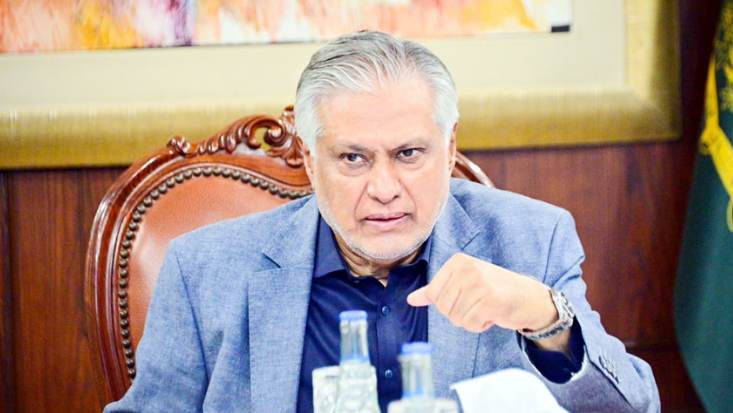
ISLAMABAD — Deputy Prime Minister and Foreign Minister Senator Mohammad Ishaq Dar chaired the second meeting of the committee on Power Sector Reforms on Friday. The meeting focused on enhancing regulatory independence and effectiveness amidst ongoing privatisation efforts, with an emphasis on safeguarding consumer interests.
What Happened
The meeting, held in Islamabad, was part of the government’s ongoing efforts to address challenges within Pakistan’s power sector. The committee, formed by the Prime Minister, is tasked with devising strategies to improve the sector’s efficiency and reliability. During the session, members discussed various measures aimed at strengthening the regulatory framework governing the power sector.
According to official sources, the committee deliberated on recommendations to enhance the autonomy of regulatory bodies, ensuring they can operate without undue influence. This step is seen as crucial for implementing effective reforms and attracting private investment. The committee also examined the progress of current privatisation initiatives, assessing their impact on service delivery and consumer protection.
Senator Dar emphasized the importance of a balanced approach that aligns privatisation with public interest. “Our priority is to ensure that reforms lead to better services for consumers while maintaining a fair and competitive market,” he stated. The committee agreed on a set of recommendations to be presented to the Prime Minister for further consideration.
Background
Pakistan’s power sector has long been plagued by inefficiencies, with issues such as load shedding, high transmission losses, and circular debt posing significant challenges. The government has initiated several reform programs over the years, aiming to address these systemic problems and improve the sector’s overall performance.
The current reform agenda includes privatisation of state-owned power entities, a move intended to enhance operational efficiency and reduce fiscal burdens on the government. However, these efforts have faced resistance due to concerns over job losses and potential increases in electricity tariffs.
Regulatory independence has been a focal point in these reforms, as it is deemed essential for creating a transparent and accountable power sector. The National Electric Power Regulatory Authority (NEPRA) plays a key role in this framework, overseeing tariff settings and ensuring compliance with industry standards.
Why It Matters
The power sector is a critical component of Pakistan’s economic infrastructure, impacting industries, businesses, and households nationwide. Effective reforms could lead to more reliable electricity supply, fostering economic growth and improving quality of life for citizens. Conversely, failure to address these issues could exacerbate economic challenges and hinder development.
Privatisation, while controversial, is viewed by some experts as a necessary step towards modernising the sector. By introducing competition and private capital, the government hopes to drive innovation and efficiency. However, ensuring that these changes benefit consumers requires robust regulatory oversight, which is why the committee’s focus on regulatory independence is significant.
International investors are closely watching Pakistan’s reform efforts, as successful implementation could open new opportunities for foreign direct investment. This is particularly important as the country seeks to strengthen its economic ties globally and attract much-needed capital inflows.
Key Takeaways
- The committee on Power Sector Reforms, chaired by Deputy Prime Minister Mohammad Ishaq Dar, held its second meeting in Islamabad.
- The focus of the meeting was on enhancing regulatory independence and effectiveness amid ongoing privatisation efforts.
- Recommendations were made to improve the autonomy of regulatory bodies and protect consumer interests.
- Privatisation of the power sector is part of broader efforts to improve efficiency and service delivery in Pakistan.
- Effective reforms in the power sector are crucial for economic growth and attracting foreign investment.
Source Attribution
This article is based on official government statements, press releases, and public communications from relevant authorities.