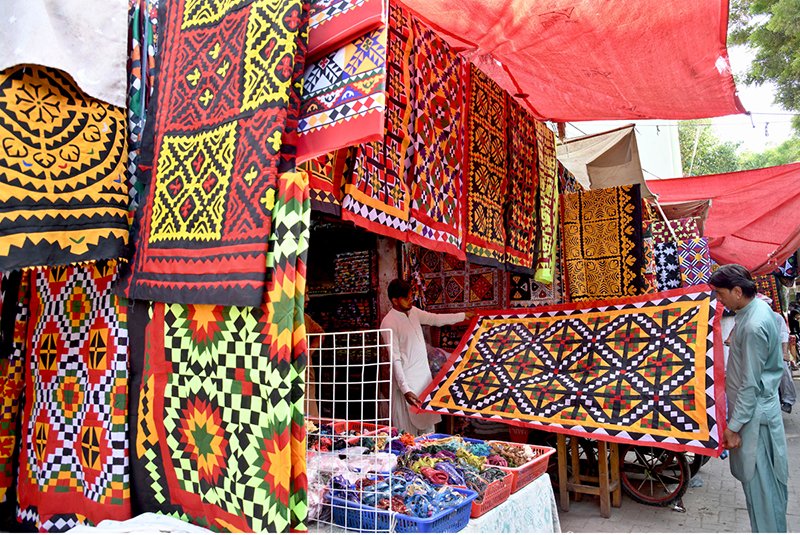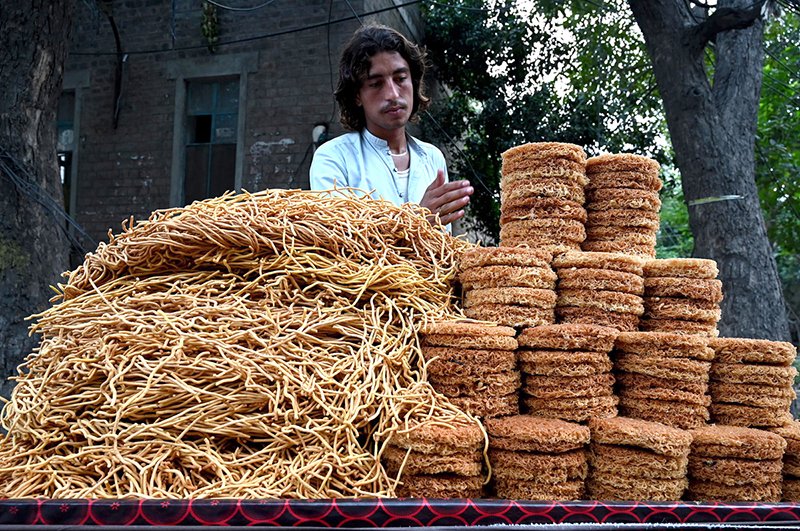
LAHORE — In the bustling city of Lahore, street vendors are creatively adapting their businesses as water levels rise in the Indus River due to heavy monsoon rains. Vendors are strategically arranging and displaying snacks on their handcarts to attract customers at roadside setups, providing a glimpse into the resilience and adaptability of small business owners in Pakistan.
What Happened
As monsoon rains continue to pour across Pakistan, the Indus River has seen a significant rise in water levels. This natural occurrence has led to an influx of people visiting the riverbanks to enjoy the scenic views and spend quality time with their families. Amidst this backdrop, street vendors in Lahore have been quick to capitalize on the increased foot traffic.
One such vendor, who operates a snack cart, has been meticulously arranging and displaying his goods to draw the attention of passersby. The vendor’s handcart, laden with an assortment of snacks, has become a popular stop for families and individuals enjoying the riverside atmosphere. “It’s important to make the cart look inviting,” the vendor explained, emphasizing the need to stand out among the many options available to customers.
The rise in visitors to the riverbanks has provided a much-needed boost to local vendors, who have faced economic challenges due to the COVID-19 pandemic and subsequent lockdowns. This increase in business activity is a welcome change for many who rely on daily earnings to support their families.
Background
Pakistan experiences a monsoon season every year, typically from June to September, which can lead to significant changes in river water levels. The Indus River, one of the longest rivers in the world, plays a crucial role in the country’s agriculture and economy. However, it is also prone to flooding during heavy rains, which can impact surrounding communities.
Street vending is a common occupation in Pakistan, providing livelihoods for thousands of individuals and families. These vendors often operate in informal settings, selling food, clothing, and other goods. Despite their contributions to the local economy, street vendors frequently face challenges such as lack of formal recognition, limited access to financial resources, and vulnerability to weather conditions.
Why It Matters
The adaptability of street vendors in Lahore highlights the resilience of small business owners in Pakistan. As the country grapples with economic challenges, including inflation and unemployment, the ability of vendors to adjust their strategies and attract customers is crucial for their survival and the well-being of their families.
Moreover, the rise in water levels in the Indus River serves as a reminder of the ongoing impact of climate change on Pakistan’s environment and economy. With increasing frequency of extreme weather events, communities must find ways to adapt and mitigate the effects of such changes.
Economically, the increased activity at the riverbanks provides a temporary boost to local businesses, contributing to the livelihoods of vendors and their families. Socially, the gathering of families at the riverbanks fosters community engagement and provides a sense of normalcy amidst the challenges posed by the pandemic and economic uncertainty.
Key Takeaways
- Street vendors in Lahore are adapting their businesses to attract customers amidst rising water levels in the Indus River.
- The increase in visitors to the riverbanks provides a much-needed economic boost for local vendors.
- Monsoon rains and rising water levels highlight the ongoing impact of climate change in Pakistan.
- Street vending remains a vital source of income for many families in Pakistan, despite various challenges.
- The adaptability of vendors reflects the resilience of small business owners in the face of economic and environmental challenges.
Source Attribution
This article is based on official government statements, press releases, and public communications from relevant authorities.