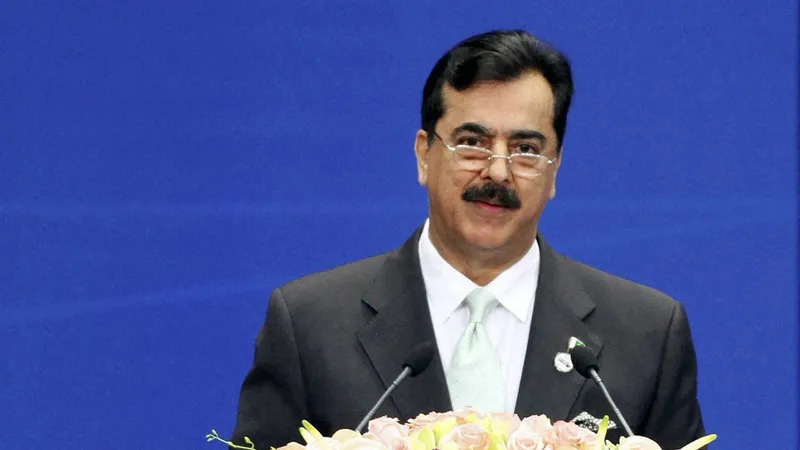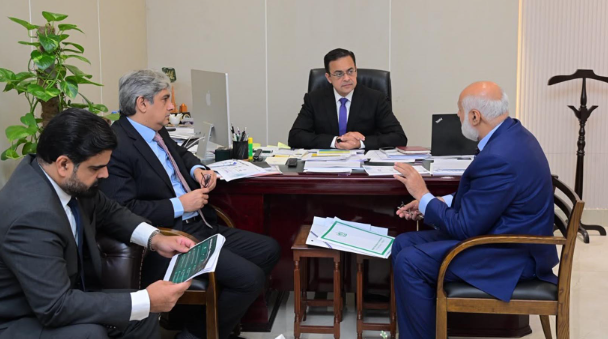
ISLAMABAD — The Islamabad Chamber of Commerce and Industry (ICCI) has proposed a comprehensive long-term economic master plan aimed at transforming Islamabad into a global business hub. The announcement was made by ICCI President Sardar Tahir Mehmood during a meeting with visiting business leaders on Saturday, highlighting the city’s potential to become a regional center for investment, innovation, technology, and international commerce.
What Happened
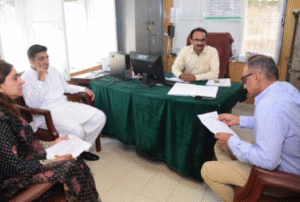
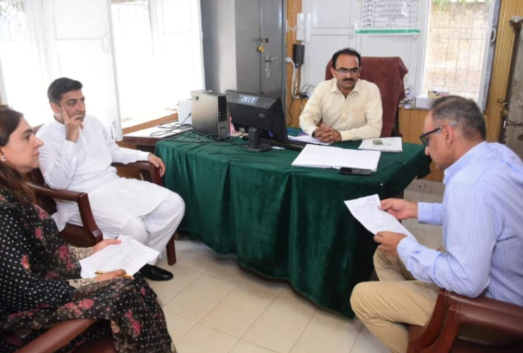
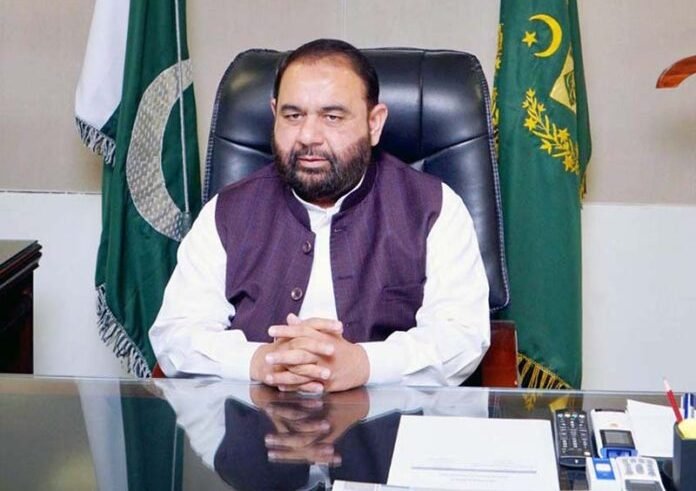
During the meeting held in Islamabad, ICCI President Sardar Tahir Mehmood outlined the strategic vision for the city’s economic future. He emphasized that Islamabad, currently known primarily as Pakistan’s administrative capital, possesses all the necessary elements to evolve into a significant player on the international business stage. “Islamabad’s diplomatic community, highly educated workforce, and strategic location make it an ideal candidate for becoming a regional business hub,” Mehmood stated.
The proposed master plan includes initiatives to attract foreign investment, enhance technological infrastructure, and foster innovation. Mehmood highlighted the importance of creating a conducive environment for businesses to thrive, suggesting that policy reforms and incentives could play a crucial role in achieving these goals. He also mentioned the potential for Islamabad to host international business conferences and trade exhibitions, further solidifying its status as a global business destination.
Mehmood’s remarks were well-received by the attending business leaders, who expressed their support for the initiative. The ICCI plans to collaborate with government agencies and international partners to implement the proposed plan, aiming to position Islamabad as a competitive business hub in the region.
Background
Islamabad, established as the capital of Pakistan in the 1960s, was designed to serve as the administrative center of the country. Over the years, it has developed into a city known for its high literacy rates, modern infrastructure, and a growing expatriate community. However, its potential as a business hub has remained largely untapped compared to other major cities in the region.
Previous attempts to boost Islamabad’s economic profile have included initiatives to improve infrastructure and attract foreign direct investment. However, challenges such as bureaucratic hurdles and inconsistent policy implementation have often hindered progress. The ICCI’s new proposal aims to address these issues by providing a clear roadmap for sustainable economic growth.
Why It Matters
The ICCI’s proposal to transform Islamabad into a global business hub holds significant implications for Pakistan’s economic landscape. By capitalizing on the city’s strategic advantages, the plan could lead to increased foreign investment, job creation, and economic diversification. This transformation could also enhance Pakistan’s international standing, attracting multinational corporations and fostering global partnerships.
Economically, the development of Islamabad as a business hub could reduce the country’s reliance on traditional sectors, such as agriculture and textiles, by promoting technology-driven industries and services. This shift could lead to higher GDP growth rates and improved living standards for the city’s residents.
Socially, the initiative could spur urban development, improve infrastructure, and enhance the quality of life in Islamabad. The influx of international businesses and professionals would likely lead to greater cultural exchange and innovation, enriching the city’s social fabric.
Politically, positioning Islamabad as a global business hub could strengthen Pakistan’s diplomatic ties and increase its influence in regional and international affairs. The city’s enhanced profile could serve as a model for other cities in Pakistan, encouraging nationwide economic reforms and development.
Key Takeaways
- The ICCI has proposed a long-term economic master plan to transform Islamabad into a global business hub.
- The plan aims to attract foreign investment and enhance technological infrastructure in the city.
- Islamabad’s strategic location and educated workforce are key assets in this transformation.
- Successful implementation could lead to economic diversification and improved living standards.
- The initiative has the potential to strengthen Pakistan’s international standing and diplomatic ties.
Source Attribution
This article is based on official statements and public communications from the Islamabad Chamber of Commerce and Industry.