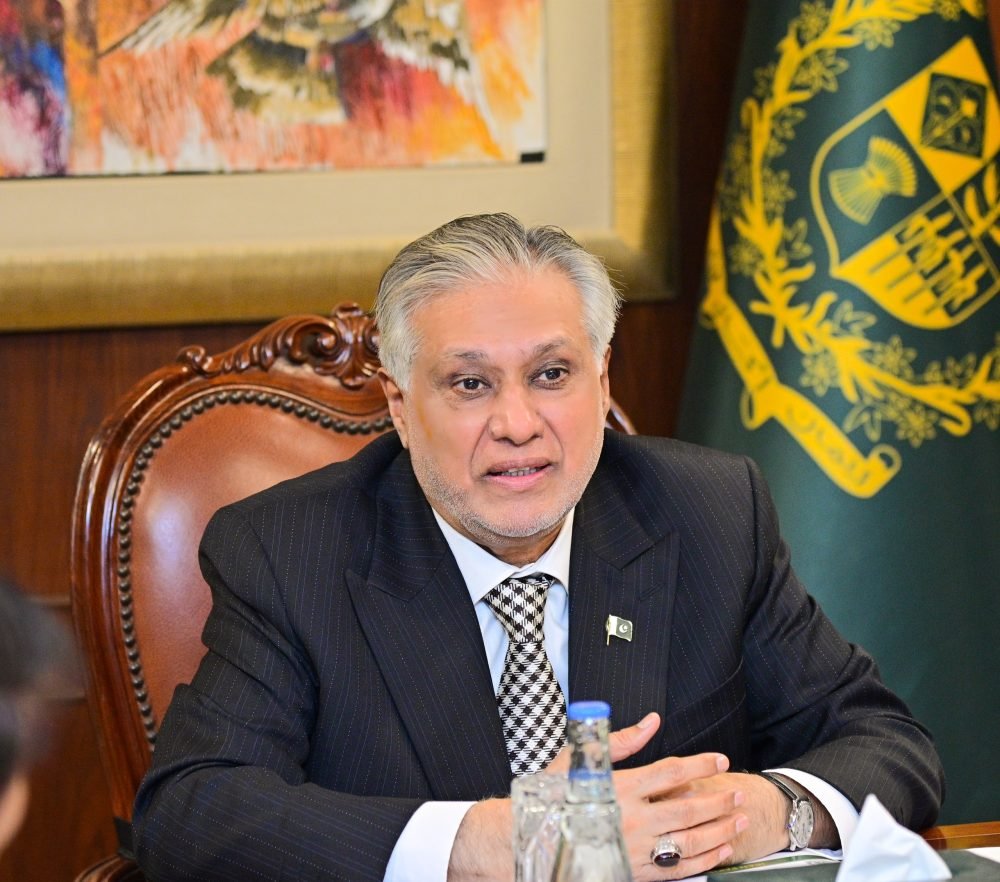
ISLAMABAD — Deputy Prime Minister and Foreign Minister Senator Mohammad Ishaq Dar engaged in discussions with Iranian Foreign Minister Abbas Araghchi on Saturday to address pressing regional developments. The conversation underscored the critical need for continuous energy supplies and the secure passage of ships, according to a statement from the Foreign Office Spokesperson.
What Happened
The meeting between Deputy Prime Minister and Foreign Minister Ishaq Dar and Iranian Foreign Minister Abbas Araghchi took place amid growing concerns over regional security and energy stability. The discussions were held via a telephonic conversation, as confirmed by the Foreign Office in a press release. During the talks, both ministers emphasized the significance of maintaining uninterrupted energy supplies, which are vital for the economic stability of both nations.
Minister Dar highlighted the necessity for a safe and expeditious passage of ships through critical maritime routes, reflecting the strategic importance of these channels for international trade and energy transportation. The dialogue also touched upon other regional issues, with both parties expressing a commitment to enhancing bilateral cooperation to address shared challenges.
The Foreign Office Spokesperson noted that the conversation was constructive and aimed at strengthening the ties between Pakistan and Iran. Both ministers agreed to continue their dialogue on these critical issues, recognizing the mutual benefits of collaboration in ensuring regional stability and economic prosperity.
Background
Pakistan and Iran share a long history of diplomatic and economic relations, with both countries being key players in the region. Historically, the two nations have cooperated on various fronts, including energy, trade, and security. The geopolitical landscape of the region has often necessitated close cooperation between Islamabad and Tehran, particularly in the face of shared challenges such as terrorism and regional conflicts.
Energy cooperation has been a cornerstone of Pakistan-Iran relations, with the Iran-Pakistan gas pipeline project being a significant yet contentious initiative. Despite facing hurdles, the project symbolizes the potential for economic collaboration between the two countries. The recent discussions between the foreign ministers are part of ongoing efforts to address these longstanding issues and explore new avenues for cooperation.
Why It Matters
The discussions between the Pakistani and Iranian foreign ministers hold significant implications for regional security and economic stability. The emphasis on uninterrupted energy supplies is particularly crucial for Pakistan, which faces energy shortages that impact its industrial and domestic sectors. Ensuring a steady flow of energy resources from Iran could help alleviate these shortages and support Pakistan’s economic growth.
Moreover, the safe passage of ships through strategic maritime routes is vital for both countries, as these routes are essential for international trade. Any disruption could have far-reaching consequences for the global economy, affecting supply chains and energy markets. By working together, Pakistan and Iran can contribute to the security of these routes, benefiting not only themselves but also the broader international community.
Politically, the dialogue reflects a commitment to strengthening bilateral ties and addressing common challenges. In a region marked by geopolitical tensions, such cooperation is crucial for fostering stability and peace. The continued engagement between Islamabad and Tehran can serve as a model for other regional actors, promoting dialogue and collaboration over conflict.
Key Takeaways
- Pakistani and Iranian foreign ministers discussed regional security and energy issues.
- Emphasis was placed on uninterrupted energy supplies and safe maritime passage.
- The dialogue is part of ongoing efforts to strengthen bilateral cooperation.
- Energy cooperation is critical for Pakistan’s economic stability.
- Regional collaboration can enhance security and economic prosperity.
Source Attribution
This article is based on official government statements, press releases, and public communications from relevant authorities.