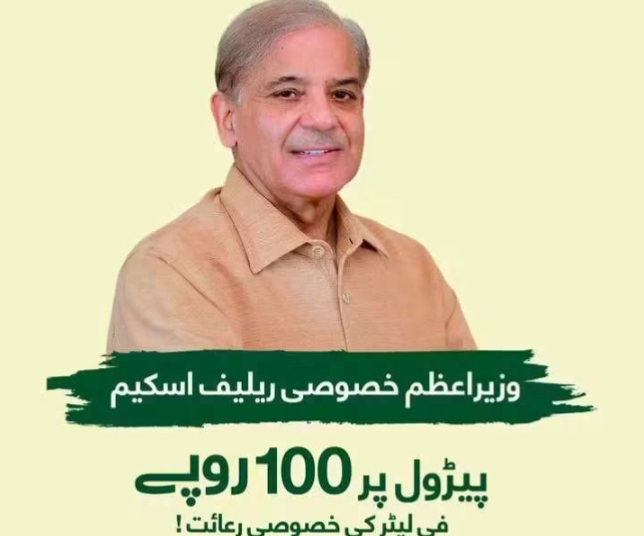
ISLAMABAD — Daily commuters across Pakistan have expressed approval of Prime Minister Shehbaz Sharif’s recent petrol relief initiative, which offers a Rs100 per litre subsidy. This measure, announced on September 20, aims to alleviate the financial strain on low- and middle-income groups amidst rising fuel costs.
What Happened
The government of Pakistan has introduced a petrol relief scheme providing a subsidy of Rs100 per litre for specific segments of the population. This initiative is targeted at daily commuters, including motorcycle riders, rickshaw drivers, and small car owners, who are particularly affected by the escalating fuel prices. The scheme is designed to offer a monthly saving of up to Rs2,000 for eligible individuals, thereby easing their financial burden.
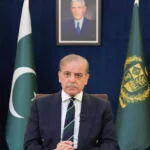
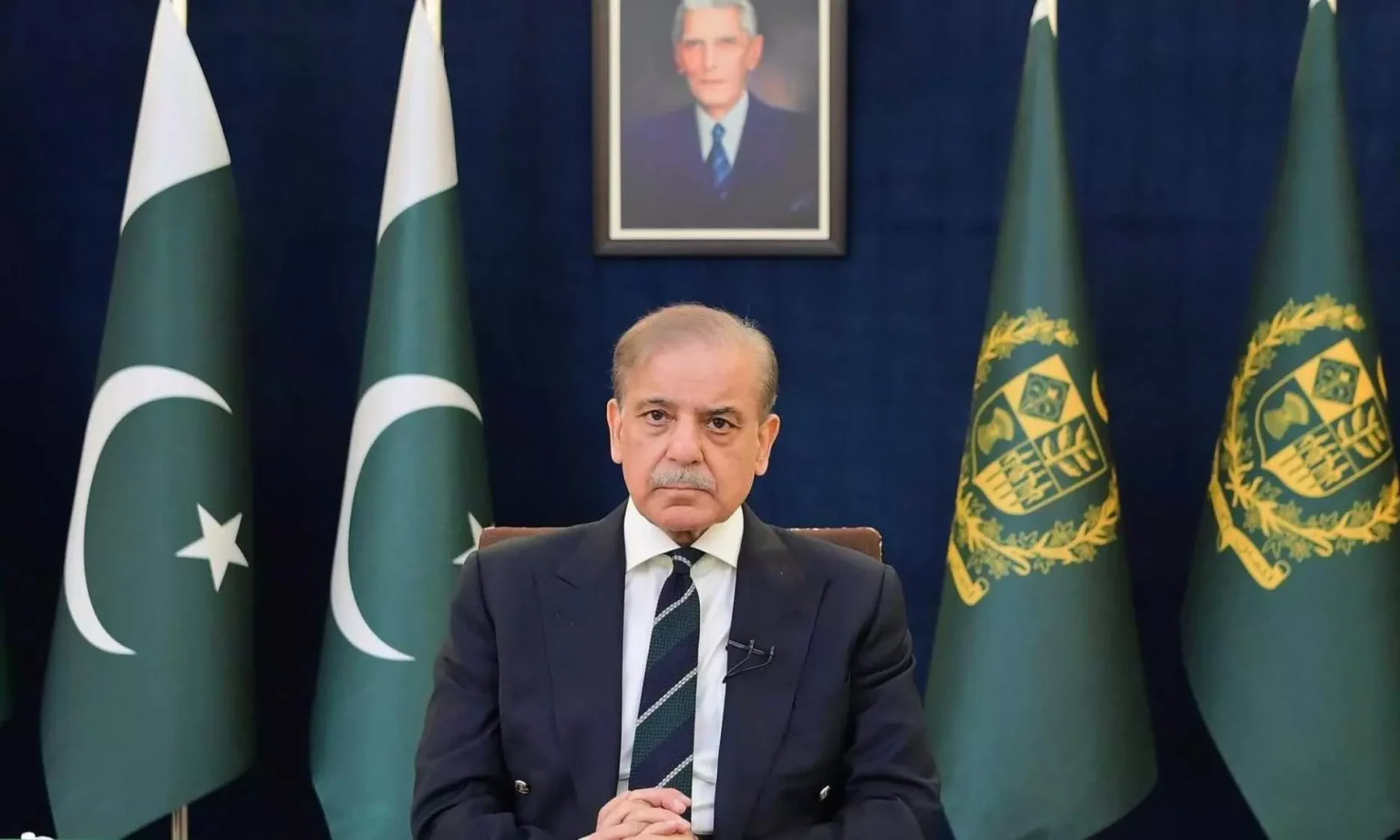
Prime Minister Shehbaz Sharif emphasized that the relief package is part of the government’s broader strategy to support economically vulnerable groups. “This subsidy is a step towards mitigating the impact of global oil price fluctuations on our citizens,” he stated in a public address. The initiative is expected to benefit millions of Pakistanis who rely on affordable transportation for their daily activities.
Commuters have welcomed the relief with optimism. Muhammad Iqbal, a rickshaw driver in Lahore, expressed his gratitude, saying, “This subsidy will significantly reduce my monthly expenses and help me manage my household budget better.” Similarly, Ayesha Khan, a school teacher who commutes daily by motorcycle, noted, “Every rupee saved on fuel counts, and this initiative provides much-needed relief.”
Background
Pakistan has been grappling with rising fuel prices due to fluctuations in the global oil market and the depreciation of the Pakistani rupee. Over the past year, fuel costs have surged, placing a heavy burden on consumers, particularly those with limited income. The government has faced increasing pressure to address these challenges and provide relief to the affected population.
Historically, fuel subsidies have been a contentious issue in Pakistan, with debates over their economic viability and impact on fiscal policy. Previous administrations have attempted various measures to stabilize fuel prices, but the current economic climate has necessitated more direct intervention.
Why It Matters
The introduction of the petrol relief scheme is significant for several reasons. Economically, it provides immediate financial relief to millions of citizens who are struggling with the high cost of living. By reducing transportation expenses, the scheme indirectly supports other sectors of the economy, as consumers may have more disposable income for other necessities.
Socially, the initiative demonstrates the government’s commitment to addressing the needs of the lower and middle-income groups, who are often the most affected by economic downturns. This move could bolster public confidence in the government’s ability to manage economic challenges and provide for its citizens.
Politically, the relief package could influence public perception and support for the current administration. With general elections on the horizon, measures that improve the economic well-being of the populace may play a crucial role in shaping voter sentiment.
Internationally, the subsidy reflects Pakistan’s efforts to manage its economic policies in the face of global market pressures. It highlights the challenges faced by developing nations in balancing domestic needs with international economic trends.
Key Takeaways
- The petrol relief scheme offers a Rs100 per litre subsidy to ease the financial burden on low- and middle-income commuters.
- The initiative is expected to provide monthly savings of up to Rs2,000 for eligible individuals.
- Rising global oil prices and local economic conditions prompted the government to introduce this relief measure.
- The scheme has been positively received by commuters, who see it as a necessary support during challenging economic times.
- This initiative may influence public perception and political dynamics ahead of upcoming elections.
Source Attribution
This article is based on official government statements, press releases, and public communications from relevant authorities.