

Author name: Yasir Zubairi

Yasir Zubairi is the founder and publisher of NEN Agency (News Era Network). He leads NEN's coverage of Pakistan's national affairs, economy, foreign relations and sports, and is responsible for the accuracy and standards of every story published on nenagency.com.

LCCI and NCHD Collaborate to Enhance Literacy and Internship Opportunities
Pakistan

LCCI and NCHD Collaborate to Enhance Literacy and Internship Opportunities

LAHORE — The Lahore Chamber of Commerce and Industry (LCCI) and the National Commission for Human Development (NCHD) Punjab signed a Memorandum of Understanding (MoU) on Monday to advance literacy among industrial workers and facilitate practical industrial experience for university students through internships. What Happened The agreement, signed in Lahore, marks a strategic partnership aimed at addressing educational and experiential gaps in the industrial sector. The MoU outlines the launch of a Student Industrial Literacy Programme, which will be a collaborative effort between LCCI and NCHD to improve literacy rates among industrial workers. This initiative is designed to empower workers with basic literacy skills, thereby enhancing their productivity and potential for career advancement. In addition to focusing on workers, the programme will also offer university students the opportunity to gain hands-on experience through internships in various industrial settings. This dual approach seeks to bridge the gap between academic knowledge and industry requirements, preparing students for the workforce and contributing to the development of a skilled labor pool in Pakistan. Speaking at the signing ceremony, LCCI President Kashif Anwar emphasized the importance of literacy and practical experience in driving economic growth. “This partnership is a step towards equipping our workforce with the necessary skills and knowledge to thrive in today’s competitive environment,” he stated. NCHD Punjab Director-General, Dr. Rashid Khan, highlighted the role of education in transforming lives and industries. “By improving literacy among workers and providing students with real-world experience, we are investing in the future of our industry and our nation,” he noted. Background The Lahore Chamber of Commerce and Industry has been a key player in promoting economic development in the region, often collaborating with various governmental and non-governmental organizations to enhance business and workforce capabilities. The National Commission for Human Development, on the other hand, has been instrumental in implementing educational and human development programs across Pakistan, focusing on literacy and skill development. In recent years, Pakistan has faced challenges in literacy rates, particularly among adult workers in industrial sectors. According to the Pakistan Bureau of Statistics, the literacy rate in the country was around 60% as of the last census, with significant disparities between urban and rural areas, and between different socioeconomic groups. Why It Matters This initiative is significant for several reasons. Economically, it addresses the urgent need for a more educated workforce, which is crucial for enhancing productivity and competitiveness in the global market. By improving literacy among industrial workers, the program aims to increase their efficiency and ability to adapt to new technologies and processes, thereby boosting overall industrial output. Socially, the program contributes to reducing inequality by providing educational opportunities to those who may have been left behind in traditional educational systems. It empowers workers with the skills needed to improve their livelihoods and supports students in gaining valuable experience that can enhance their employability. Politically, the collaboration between LCCI and NCHD demonstrates a commitment to public-private partnerships in addressing national challenges. It reflects a strategic approach to human capital development, which is essential for sustainable economic growth and development in Pakistan. Key Takeaways The LCCI and NCHD have signed an MoU to promote literacy among industrial workers and provide internships for students. The initiative includes a Student Industrial Literacy Programme aimed at enhancing skills and productivity. This collaboration addresses educational and experiential gaps in Pakistan’s industrial sector. The program supports economic growth by preparing a skilled workforce for the future. It highlights the importance of public-private partnerships in addressing national development challenges. Source Attribution This article is based on official government statements, press releases, and public communications from relevant authorities. Author: NEN Editorial Desk | Editor: NEN Newsroom | Fact Checked By: NEN Editorial Team Author: NEN Editorial Desk  |  Editor: NEN Newsroom  |  Last Updated: September 21, 2026  |  Source: NEN Reporter This article was produced by the NEN Editorial Desk in accordance with NEN Agency’s Editorial Policy and Fact-Checking Policy.
Minister Tariq Advises PTI Against Protests, Calls for Dialogue
Pakistan

Minister Tariq Advises PTI Against Protests, Calls for Dialogue

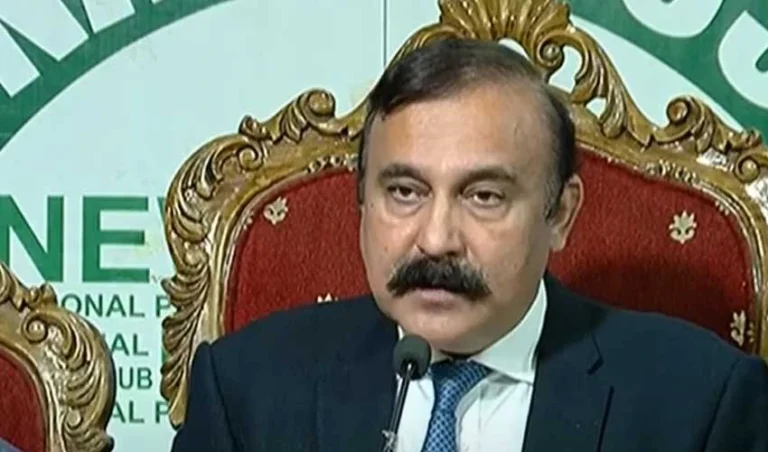
ISLAMABAD — Federal Minister for Parliamentary Affairs Dr. Tariq Fazal Chaudhry has called on the Pakistan Tehreek-e-Insaf (PTI) to refrain from organizing protests that may disrupt public peace, advocating instead for resolving political disputes through dialogue. Speaking on a private television channel on September 21, he emphasized the importance of maintaining law and order in the country. What Happened Dr. Tariq Fazal Chaudhry, addressing the ongoing political tensions, urged PTI to consider the broader implications of their actions, particularly the potential for unrest. He stated, “The PTI has a history of creating law-and-order situations through protests, which is not conducive to the stability we need.” The minister’s remarks come amid increasing political friction between the ruling party and the opposition, with PTI often resorting to street protests to voice their grievances. Dr. Chaudhry highlighted the need for a more constructive approach, suggesting that dialogue could pave the way for resolving issues without resorting to public demonstrations. He expressed concerns that protests could lead to disruptions that affect daily life and economic activities, urging PTI to engage in talks with the government to address their concerns. The minister underscored the government’s willingness to engage with PTI leaders to find amicable solutions, emphasizing that dialogue is the most effective means of addressing political disagreements. This appeal comes at a time when the country is facing multiple challenges, including economic pressures and security concerns, which require a stable political environment to address effectively. Background Pakistan has a long history of political protests, with PTI being one of the prominent parties known for mobilizing large-scale demonstrations. These protests have often been in response to allegations of electoral fraud, governance issues, and demands for accountability. In recent years, the political landscape has been marked by frequent confrontations between PTI and the ruling party, with tensions occasionally spilling over into the streets. The country’s political framework allows for peaceful protests as a form of expression, but there have been instances where such gatherings have escalated into violence, leading to property damage and public disorder. The government, while recognizing the right to protest, has often called for restraint and dialogue to maintain public order. Why It Matters The minister’s call for dialogue over protests is significant in the current political climate, where tensions between the government and opposition parties have been escalating. Political stability is crucial for Pakistan as it navigates economic challenges, including inflation and fiscal deficits, which are exacerbated by political uncertainty. Protests that disrupt public peace can have far-reaching consequences, affecting not only the immediate political environment but also the country’s economic prospects. Businesses suffer from closures and reduced consumer activity during unrest, which can lead to economic losses and impact investor confidence. Furthermore, the international community closely monitors Pakistan’s political stability, as it influences regional security dynamics. Persistent political unrest can affect Pakistan’s relationships with its neighbors and international partners, potentially impacting foreign aid and investment. Dr. Chaudhry’s emphasis on dialogue reflects a broader understanding that sustainable political solutions require cooperation and communication between parties. By advocating for discussions, the government aims to foster a political culture where differences are resolved through negotiation rather than confrontation. Key Takeaways Federal Minister Dr. Tariq Fazal Chaudhry urges PTI to avoid protests and engage in dialogue. Protests by PTI have historically led to law-and-order challenges in Pakistan. The government is open to dialogue to resolve political disputes with PTI. Political stability is crucial for addressing Pakistan’s economic and security challenges. Dialogue over protests can enhance investor confidence and international relations. Source Attribution This article is based on official government statements and public communications from relevant authorities. Author: NEN Editorial Desk | Editor: NEN Newsroom | Fact Checked By: NEN Editorial Team Author: NEN Editorial Desk  |  Editor: NEN Newsroom  |  Last Updated: September 21, 2026  |  Source: NEN Reporter This article was produced by the NEN Editorial Desk in accordance with NEN Agency’s Editorial Policy and Fact-Checking Policy.

Dry Weather Forecasted for Most Parts of Pakistan by PMD
Pakistan

Dry Weather Forecasted for Most Parts of Pakistan by PMD

ISLAMABAD — The Pakistan Meteorological Department (PMD) has forecasted predominantly dry weather across most regions of the country for Tuesday, September 21, with hot conditions anticipated in the plains. The forecast suggests that the northern hilly areas may experience partly cloudy weather, and there is a possibility of light rain. What Happened The PMD issued a weather advisory indicating that the majority of Pakistan will experience dry conditions. The forecast highlights that daytime temperatures are expected to rise, particularly in the plains, where hot weather is likely to prevail. The advisory also notes that the northern hilly regions might witness partly cloudy skies, with a slight chance of light rainfall. According to the PMD, this weather pattern is typical for this time of year as the country transitions from the monsoon season into autumn. The department has advised citizens to take necessary precautions to cope with the hot weather, especially in areas where temperatures are expected to soar. In addition to the general forecast, the PMD has provided specific guidance for farmers, suggesting that they should manage their water resources efficiently due to the expected dry spell. The department also cautioned that the dry conditions might lead to an increase in dust and allergens, potentially affecting individuals with respiratory issues. Background Pakistan’s weather patterns are significantly influenced by the monsoon season, which typically spans from July to September. During this period, the country receives the majority of its annual rainfall, particularly in the northern and eastern regions. As the monsoon winds retreat, the country transitions into a drier phase, which is characterized by reduced precipitation and rising temperatures in the plains. The PMD plays a crucial role in monitoring and forecasting weather conditions across Pakistan. It provides timely updates and warnings to help mitigate the impact of adverse weather on agriculture, health, and infrastructure. The department uses a combination of satellite data, weather models, and ground observations to deliver accurate forecasts. Why It Matters The forecast of dry weather across most parts of Pakistan holds significant implications for various sectors. For the agricultural sector, which is a cornerstone of Pakistan’s economy, the dry spell could affect crop yields and water availability. Farmers rely heavily on weather forecasts to plan irrigation and other agricultural activities, making accurate predictions vital for their livelihood. In urban areas, the anticipated hot and dry conditions could lead to increased energy consumption as people use cooling appliances to cope with the heat. This surge in energy demand could strain the national grid, which already faces challenges in meeting the country’s electricity needs. Health-wise, the dry weather may exacerbate respiratory conditions due to increased dust and allergens in the air. The PMD’s advisory serves as a reminder for individuals, particularly those with respiratory issues, to take preventive measures to protect their health. On a broader scale, understanding and preparing for weather patterns is crucial for disaster management and planning. The PMD’s forecasts enable government agencies and communities to take proactive steps in mitigating the effects of extreme weather conditions, thereby enhancing resilience and reducing vulnerability. Key Takeaways The PMD forecasts dry weather for most parts of Pakistan, with hot conditions expected in the plains. Partly cloudy weather and light rain are possible in the northern hilly areas. The dry spell could impact agriculture, energy consumption, and public health. Farmers are advised to manage water resources efficiently during this period. Individuals with respiratory issues should take precautions due to increased dust and allergens. Source Attribution This article is based on official statements and weather forecasts issued by the Pakistan Meteorological Department. Author: NEN Editorial Desk | Editor: NEN Newsroom | Fact Checked By: NEN Editorial Team Author: NEN Editorial Desk  |  Editor: NEN Newsroom  |  Last Updated: September 21, 2026  |  Source: NEN Reporter This article was produced by the NEN Editorial Desk in accordance with NEN Agency’s Editorial Policy and Fact-Checking Policy.
Sindhi Drama Captivates Audience at Sindh Theatre Festival 2026
Pakistan

Sindhi Drama Captivates Audience at Sindh Theatre Festival 2026

LARKANA — Artists delivered a compelling performance in the Sindhi drama “Mandi Jin Jay Mann Main” at the Sindh Theatre Festival 2026, held at the Z.A. Bhutto Open-Air Theatre, Arts Council Larkana. The event, which took place over the weekend, attracted a large audience eager to witness the vibrant portrayal of Sindhi culture and heritage. What Happened The Sindh Theatre Festival 2026 showcased the rich cultural tapestry of Sindh through its diverse lineup of performances, with “Mandi Jin Jay Mann Main” standing out as a highlight. The drama, performed by a talented ensemble of local artists, delved into themes of societal norms and personal struggles, resonating deeply with the audience. The Z.A. Bhutto Open-Air Theatre provided a picturesque setting, enhancing the immersive experience of the play. Directed by a renowned figure in Sindhi theatre, the play featured a cast of seasoned performers who brought the script to life with their emotive expressions and powerful dialogue delivery. The festival, organized by the Arts Council Larkana, aims to promote regional arts and provide a platform for local talent to shine. According to the organizers, the festival is a celebration of Sindhi culture, offering a space for artists to express their creativity and engage with the community. “The response from the audience has been overwhelming,” said a representative from the Arts Council Larkana. “Our goal is to keep the spirit of Sindhi theatre alive and thriving, and events like these play a crucial role in achieving that.” Background The Sindh Theatre Festival is an annual event that has been instrumental in reviving and sustaining the theatrical arts in the region. Over the years, it has grown in stature, attracting performers and audiences from across the province and beyond. The festival not only serves as a cultural hub but also as an educational platform, offering workshops and seminars for aspiring artists and theatre enthusiasts. The Arts Council Larkana, established to promote cultural activities, has been at the forefront of organizing such events. The Z.A. Bhutto Open-Air Theatre, named after the former Prime Minister of Pakistan, has hosted numerous cultural and artistic events, becoming a landmark venue in Larkana. Why It Matters The Sindh Theatre Festival holds significant importance in the cultural landscape of Pakistan. It serves as a beacon of cultural preservation, ensuring that the rich traditions of Sindhi theatre are passed down to future generations. By providing a platform for local artists, the festival encourages the production of original works that reflect the societal issues and narratives unique to the region. Economically, such festivals boost local tourism and generate revenue for the community. Visitors from different parts of the country contribute to the local economy, benefiting businesses such as hotels, restaurants, and local artisans. Socially, the festival fosters a sense of pride and identity among the Sindhi people, strengthening community bonds and promoting cultural understanding. In a broader context, the festival contributes to the cultural diplomacy of Pakistan, showcasing the country’s rich and diverse heritage to both domestic and international audiences. It highlights the importance of cultural exchange and the role of the arts in bridging cultural divides. Key Takeaways The Sindh Theatre Festival 2026 featured the acclaimed Sindhi drama “Mandi Jin Jay Mann Main”. The event was held at the Z.A. Bhutto Open-Air Theatre, Arts Council Larkana. The festival promotes Sindhi culture and provides a platform for local artists. It has economic benefits for the local community by attracting tourism. The festival plays a role in cultural preservation and diplomacy. Source Attribution This article is based on official government statements, press releases, and public communications from relevant authorities. Author: NEN Editorial Desk | Editor: NEN Newsroom | Fact Checked By: NEN Editorial Team Author: NEN Editorial Desk  |  Editor: NEN Newsroom  |  Last Updated: September 21, 2026  |  Source: NEN Reporter This article was produced by the NEN Editorial Desk in accordance with NEN Agency’s Editorial Policy and Fact-Checking Policy.
Federal Minister Offers Condolences to Family of Kohat Attack Martyr
Pakistan

Federal Minister Offers Condolences to Family of Kohat Attack Martyr

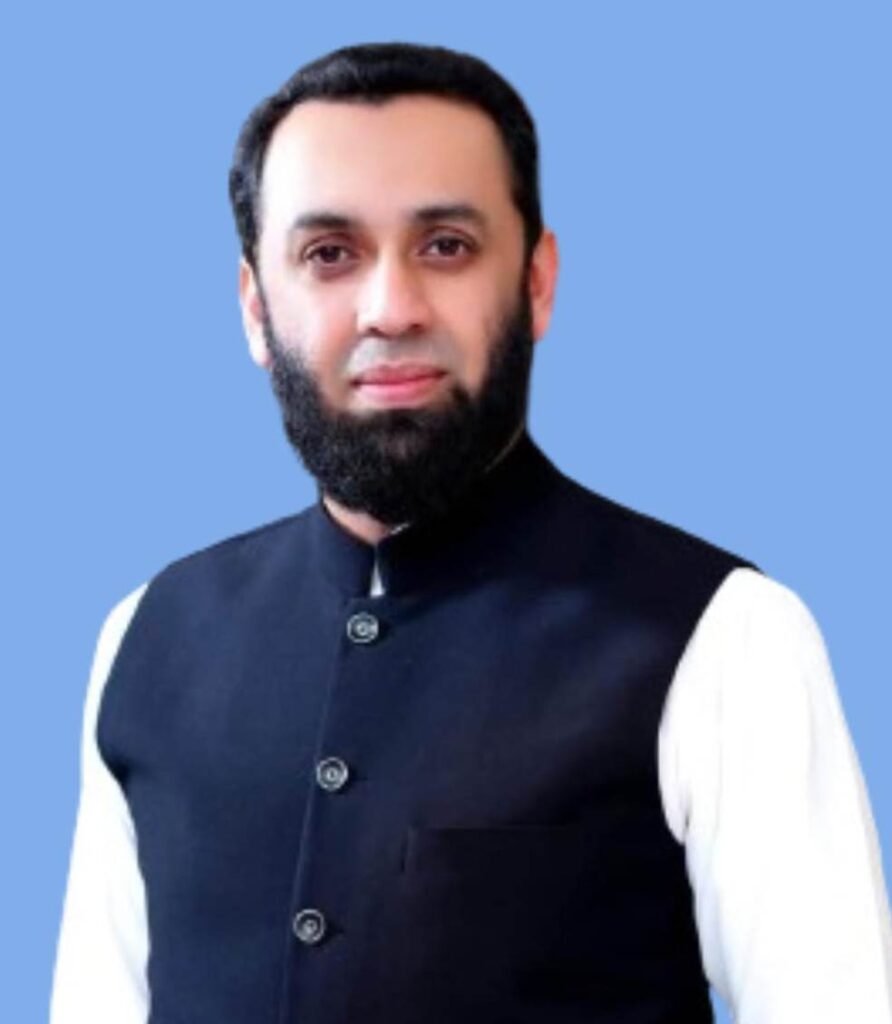
KOHAT — Federal Minister for Information and Broadcasting, Ataullah Tarar, visited the residence of Shaheed Fahimullah in Kohat on Monday to offer condolences to the family of the martyred police officer. Fahimullah was killed in a recent terrorist attack on the old police station in Kohat. The minister prayed for the eternal peace of the deceased and assured the family that the sacrifices of martyred policemen and civilians would not be in vain. What Happened The visit by Federal Minister Ataullah Tarar to Kohat comes in the wake of a tragic terrorist attack that claimed the life of police officer Fahimullah. The attack occurred at the old police station in Kohat, a city in the Khyber Pakhtunkhwa province known for its strategic importance due to its proximity to the tribal areas. During his visit, the minister expressed his heartfelt condolences to the bereaved family and reiterated the government’s commitment to combating terrorism. According to official sources, the attack on the police station was carried out by militants targeting law enforcement personnel. Fahimullah, who was on duty at the time, succumbed to injuries sustained during the assault. The incident has heightened security concerns in the region, prompting increased vigilance among law enforcement agencies. Minister Tarar, while addressing the family, emphasized the government’s resolve to ensure that the sacrifices of individuals like Fahimullah are honored through continued efforts to eradicate terrorism. “The bravery and dedication of our police force and civilians are the backbone of our fight against terrorism,” he stated. Background Kohat has witnessed several terrorist incidents over the years, largely due to its geographical location near the tribal belt, which has been a hotspot for militant activities. The region has been a focal point for security operations aimed at dismantling terrorist networks. The government has implemented various strategies to enhance security, including increased intelligence operations and community policing initiatives. Historically, the area has been affected by the spillover of militancy from the Afghan conflict, with various groups exploiting the porous border to launch attacks. The Pakistani government has been working in collaboration with international partners to bolster security measures and promote peace in the region. Why It Matters The martyrdom of Fahimullah highlights the ongoing challenges faced by Pakistan in its fight against terrorism. The incident underscores the need for continued vigilance and enhanced security measures to protect both law enforcement personnel and civilians. The sacrifices made by individuals like Fahimullah serve as a stark reminder of the risks faced by those on the front lines of this battle. Economically, persistent security threats can deter investment and hinder development in affected regions. Socially, such incidents can create an atmosphere of fear and uncertainty, impacting the daily lives of citizens. Politically, the government is under pressure to demonstrate its effectiveness in dealing with militancy and ensuring the safety of its people. Internationally, Pakistan’s efforts to combat terrorism are closely monitored, with implications for its diplomatic relations and foreign aid. Successful counter-terrorism measures can enhance Pakistan’s standing on the global stage, while failures can lead to increased scrutiny and criticism. Key Takeaways Federal Minister Ataullah Tarar visited Kohat to offer condolences to the family of Shaheed Fahimullah. Fahimullah was killed in a terrorist attack on the old police station in Kohat. The government reiterated its commitment to combating terrorism and honoring the sacrifices of martyrs. Kohat’s strategic location near the tribal areas makes it vulnerable to militant activities. Continued security challenges have significant economic, social, and political implications for Pakistan. Source Attribution This article is based on official government statements, press releases, and public communications from relevant authorities. Author: NEN Editorial Desk | Editor: NEN Newsroom | Fact Checked By: NEN Editorial Team Author: NEN Editorial Desk  |  Editor: NEN Newsroom  |  Last Updated: September 21, 2026  |  Source: Press Release from Government of Pakistan This article was produced by the NEN Editorial Desk in accordance with NEN Agency’s Editorial Policy and Fact-Checking Policy.
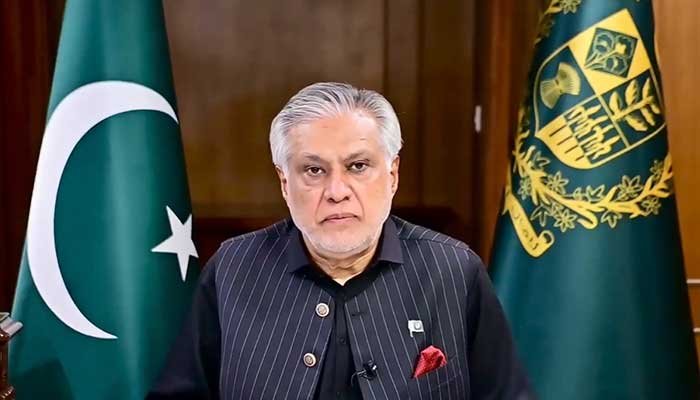
Moazzam Ali Appointed Rector of National School of Public Policy
Pakistan

Moazzam Ali Appointed Rector of National School of Public Policy

ISLAMABAD — Syed Moazzam Ali, a BS-21 officer of the Secretariat Group, has been appointed as the Rector of the National School of Public Policy (NSPP) in Lahore, effective immediately. This appointment was confirmed through a notification issued by the Cabinet Secretariat on September 21. What Happened The Cabinet Secretariat announced that Syed Moazzam Ali, who is currently serving as the Additional Secretary in the Establishment Division, will now assume the responsibilities of the Rector at the National School of Public Policy. The notification emphasized that this appointment is to take effect without delay, indicating the urgency and importance of the role within the public policy framework of Pakistan. The National School of Public Policy, located in Lahore, is a premier institution responsible for training and developing civil servants in Pakistan. The role of Rector is pivotal, as it involves overseeing the educational and training programs that prepare government officials for leadership and administrative roles in the public sector. Moazzam Ali’s extensive experience in the civil service, particularly within the Establishment Division, positions him as a suitable candidate for this role. His background in managing administrative functions and policy implementation will be crucial as he transitions into his new responsibilities at the NSPP. Background The National School of Public Policy was established to enhance the quality of governance in Pakistan by providing comprehensive training to civil servants. It plays a critical role in shaping the skills and competencies of government officials, ensuring they are equipped to meet the challenges of public administration. Historically, the position of Rector at the NSPP has been filled by seasoned civil servants who have demonstrated a strong commitment to public service and policy development. The institution itself has a legacy of contributing to the professional growth of Pakistan’s bureaucratic leadership, with its programs being pivotal in the career progression of many senior officials. Moazzam Ali’s appointment follows a series of leadership changes within the NSPP, reflecting the government’s ongoing efforts to strengthen public administration through strategic appointments. Why It Matters The appointment of Syed Moazzam Ali as the Rector of the NSPP is significant for several reasons. Firstly, it underscores the government’s commitment to enhancing the quality of public administration in Pakistan. By placing an experienced civil servant at the helm of the NSPP, the government aims to ensure that the institution continues to produce competent and capable leaders for the public sector. Economically, effective leadership in public policy can lead to more efficient governance, which is crucial for Pakistan’s development trajectory. The NSPP plays a vital role in this by training officials who can implement policies that promote economic growth and stability. Socially, the NSPP’s focus on public administration education helps bridge the gap between policy formulation and implementation, ensuring that policies are not only well-designed but also effectively executed. This has a direct impact on the quality of public services available to citizens, affecting everything from healthcare to education and infrastructure development. On an international level, a well-trained civil service enhances Pakistan’s ability to engage with global partners and participate in international forums. The NSPP’s role in preparing officials for such engagements cannot be overstated, as it ensures that Pakistan’s representatives are well-prepared to advocate for national interests on the world stage. Key Takeaways Syed Moazzam Ali has been appointed as the Rector of the National School of Public Policy in Lahore. He is a BS-21 officer of the Secretariat Group and currently serves as Additional Secretary in the Establishment Division. The NSPP is crucial for training civil servants in Pakistan, impacting governance and policy implementation. Moazzam Ali’s appointment reflects the government’s focus on strengthening public administration. The NSPP’s training programs have significant economic, social, and international implications for Pakistan. Source Attribution This article is based on official government statements, press releases, and public communications from relevant authorities. Author: NEN Editorial Desk | Editor: NEN Newsroom | Fact Checked By: NEN Editorial Team Author: NEN Editorial Desk  |  Editor: NEN Newsroom  |  Last Updated: September 21, 2026  |  Source: Press Release from Government of Pakistan This article was produced by the NEN Editorial Desk in accordance with NEN Agency’s Editorial Policy and Fact-Checking Policy.
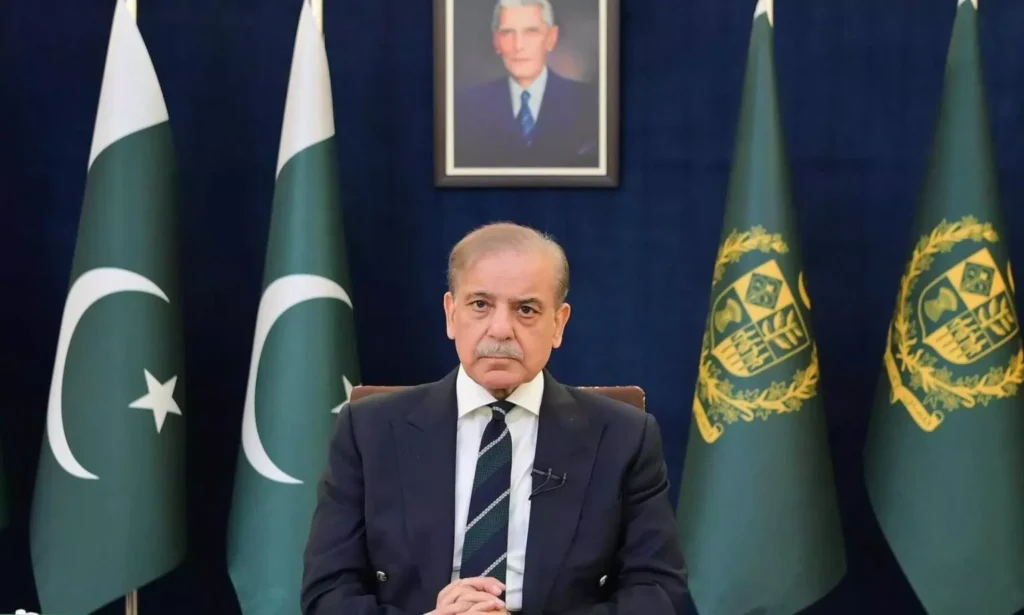
Foreign Minister Dar Offers Condolences on Sheikh Ahmed’s Passing
World

Foreign Minister Dar Offers Condolences on Sheikh Ahmed’s Passing

ISLAMABAD — Deputy Prime Minister and Foreign Minister Senator Mohammad Ishaq Dar expressed profound sorrow over the demise of Sheikh Ahmed bin Rashid Al Maktoum, the brother of the UAE Vice President, Prime Minister, and Ruler of Dubai, Sheikh Mohammed bin Rashid Al Maktoum. The announcement was made on Monday, following the news of Sheikh Ahmed’s passing. What Happened On Monday, Deputy Prime Minister and Foreign Minister Ishaq Dar conveyed his heartfelt condolences to the leadership and people of the United Arab Emirates (UAE) over the death of Sheikh Ahmed bin Rashid Al Maktoum. Sheikh Ahmed was a prominent member of the Dubai royal family and held significant influence in the UAE. His death marks a substantial loss for the nation, as he was known for his contributions to the development and prosperity of Dubai. In his message, Foreign Minister Dar stated, “Deeply saddened by the passing of His Highness Sheikh Ahmed. His contributions to the UAE and his leadership will be remembered with great respect.” The Foreign Minister’s statement reflects the strong diplomatic ties and mutual respect between Pakistan and the UAE. Sheikh Ahmed bin Rashid Al Maktoum was a key figure in Dubai’s development, playing a vital role in various sectors, including business and sports. His leadership and vision were instrumental in shaping Dubai into a global hub for commerce and tourism. Background Sheikh Ahmed bin Rashid Al Maktoum was a member of the influential Al Maktoum family, which has ruled Dubai for generations. The family has been pivotal in transforming Dubai from a small trading port into a major international city. Sheikh Ahmed was known for his involvement in the horse racing industry, where he owned several successful racehorses that competed internationally. His contributions extended beyond sports, as he was also involved in numerous business ventures and philanthropic activities that supported the growth and welfare of the UAE. The Al Maktoum family has maintained close ties with Pakistan, with both countries enjoying strong diplomatic and economic relationships over the years. Why It Matters The passing of Sheikh Ahmed bin Rashid Al Maktoum is significant not only for the UAE but also for Pakistan, given the deep-rooted ties between the two nations. The UAE is home to a substantial Pakistani expatriate community, and the two countries have collaborated on various economic and development projects. Sheikh Ahmed’s death could have implications for the UAE’s internal dynamics, given his influential role in the royal family and his contributions to Dubai’s economic landscape. His leadership in business and sports has left a lasting legacy that will continue to influence the region. For Pakistan, maintaining strong relations with the UAE is crucial for economic and strategic reasons. The UAE is a major trade partner and a source of remittances for Pakistan, which significantly contributes to the country’s economy. The expression of condolences by Foreign Minister Dar underscores the importance of these ties and Pakistan’s commitment to supporting the UAE during this period of mourning. Key Takeaways Foreign Minister Ishaq Dar expressed condolences over the death of Sheikh Ahmed bin Rashid Al Maktoum. Sheikh Ahmed was a prominent figure in the UAE, contributing significantly to Dubai’s development. His passing is a loss to the UAE and highlights the strong ties between Pakistan and the UAE. Pakistan and the UAE share a robust diplomatic and economic relationship. The UAE is a key partner for Pakistan, with significant economic and strategic implications. Source Attribution This article is based on official government statements, press releases, and public communications from relevant authorities. Author: NEN Editorial Desk | Editor: NEN Newsroom | Fact Checked By: NEN Editorial Team Author: NEN Editorial Desk  |  Editor: NEN Newsroom  |  Last Updated: September 21, 2026  |  Source: Press Release from Government of Pakistan This article was produced by the NEN Editorial Desk in accordance with NEN Agency’s Editorial Policy and Fact-Checking Policy.

Prime Minister Shehbaz Sharif Offers Condolences on Sheikh Ahmed’s Passing
Pakistan

Prime Minister Shehbaz Sharif Offers Condolences on Sheikh Ahmed’s Passing

ISLAMABAD — Prime Minister Shehbaz Sharif on Monday expressed profound sorrow over the demise of Sheikh Ahmed bin Rashid Al Maktoum, the brother of the United Arab Emirates Vice President, Prime Minister, and Ruler of Dubai, Sheikh Mohammed bin Rashid Al Maktoum. The Prime Minister conveyed his condolences to the Al Maktoum family, acknowledging Sheikh Ahmed’s lifelong dedication to his nation. What Happened Prime Minister Shehbaz Sharif issued a statement on Monday, mourning the loss of Sheikh Ahmed bin Rashid Al Maktoum. Sheikh Ahmed, a prominent member of the UAE’s ruling family, passed away, leaving behind a legacy of service and commitment to the development of Dubai and the wider UAE. The Prime Minister highlighted Sheikh Ahmed’s contributions and expressed solidarity with the UAE leadership and its people during this period of mourning. Sheikh Ahmed bin Rashid Al Maktoum was a respected figure in the UAE, known for his involvement in various developmental projects and his support for initiatives that have significantly contributed to the prosperity of Dubai. His passing marks the end of an era for the Al Maktoum family and the UAE, where he was regarded as a pillar of strength and wisdom. In his message, Prime Minister Shehbaz Sharif stated, “Sheikh Ahmed bin Rashid Al Maktoum devoted his life to the service of his people and the progress of his nation. His contributions will be remembered for generations to come.” The Prime Minister’s message underscores the deep ties between Pakistan and the UAE, reflecting mutual respect and cooperation. Background Sheikh Ahmed bin Rashid Al Maktoum was a pivotal figure in the UAE, particularly in Dubai’s transformation into a global hub for business and tourism. His efforts in supporting infrastructure projects and economic initiatives have been instrumental in shaping the modern landscape of the emirate. The UAE and Pakistan have historically shared strong bilateral relations, with deep-rooted cultural, economic, and political connections. The two nations have collaborated on numerous fronts, including trade, investment, and expatriate employment. The UAE is home to a significant Pakistani diaspora, which plays a crucial role in the economic and social fabric of the country. Why It Matters The passing of Sheikh Ahmed bin Rashid Al Maktoum holds significance not only for the UAE but also for Pakistan, given the close ties between the two countries. The UAE has been a key ally and economic partner for Pakistan, providing substantial investment and employment opportunities for Pakistani nationals. The strong personal and diplomatic relationships between the leadership of both countries have facilitated numerous bilateral agreements and cooperative ventures. Sheikh Ahmed’s contributions to Dubai’s development resonate with Pakistan’s own aspirations for economic growth and modernization. The UAE’s model of development, characterized by strategic investments in infrastructure and a business-friendly environment, serves as an inspiration for Pakistan’s economic policies. The loss of a figure like Sheikh Ahmed may prompt reflections on leadership and development strategies within the region. Furthermore, the Prime Minister’s condolences highlight the importance of maintaining and strengthening diplomatic ties with key partners like the UAE. Such gestures of solidarity during moments of grief reinforce the bonds of friendship and cooperation that are vital for regional stability and prosperity. Key Takeaways Prime Minister Shehbaz Sharif expressed condolences over the death of Sheikh Ahmed bin Rashid Al Maktoum. Sheikh Ahmed was a key figure in Dubai’s development and the UAE’s prosperity. The UAE and Pakistan share strong bilateral relations, with significant economic and cultural ties. Sheikh Ahmed’s legacy is influential in shaping regional development strategies. The Prime Minister’s message underscores the importance of diplomatic solidarity. Source Attribution This article is based on official government statements and public communications from relevant authorities. Author: NEN Editorial Desk | Editor: NEN Newsroom | Fact Checked By: NEN Editorial Team Author: NEN Editorial Desk  |  Editor: NEN Newsroom  |  Last Updated: September 21, 2026  |  Source: Press Release from Government of Pakistan This article was produced by the NEN Editorial Desk in accordance with NEN Agency’s Editorial Policy and Fact-Checking Policy.
Polio Vaccination Campaign Launched in Hazara Division with Tight Security
Pakistan

Polio Vaccination Campaign Launched in Hazara Division with Tight Security

ABBOTTABAD — A comprehensive anti-polio campaign has commenced across the Hazara Division, with stringent security measures in place to ensure the safety of polio vaccination teams. The initiative, which began on September 21, aims to immunize children against polio, a critical public health effort in the region. What Happened The anti-polio drive in Hazara Division is being conducted with robust security arrangements, as district police have made extensive preparations to protect the polio teams. In Mansehra district, over 2,000 police officers and personnel have been deployed to safeguard 1,835 polio teams. This deployment follows directives from District Police Officer (DPO) Muhammad Azhar Khan, who emphasized the paramount importance of ensuring the safety of the vaccination teams. Before deployment, Deputy Superintendents of Police (DSPs) and Station House Officers (SHOs) briefed police personnel on their security duties under the supervision of Senior Superintendents of Police (SPs) at all police stations and circles. Security has been further reinforced through checkpoints at all entry and exit points, with increased police patrolling and surveillance in sensitive areas. In Lower Kohistan, the campaign has similarly commenced with comprehensive security measures. DPO Zafar Ahmed Khan has directed all Sub-Divisional Police Officers (SDPOs), SHOs, and in-charges of police posts to directly supervise the police personnel assigned to the polio teams and to personally oversee the security arrangements. Officers are equipped with helmets and bulletproof jackets, and checkpoints and snap checks are being conducted at entry and exit points to ensure team safety. The police have urged the public to report any suspicious activity to the nearest police station and have appealed to parents to ensure their children receive polio drops to protect them from the disease. Background Pakistan is one of the few countries where polio remains endemic, and the government has been conducting regular vaccination campaigns to eradicate the virus. Security concerns have historically posed challenges to these efforts, with vaccination teams often facing threats in certain regions. The government, therefore, prioritizes the safety of health workers during these campaigns to ensure uninterrupted immunization efforts. Past incidents of violence against polio workers have necessitated the involvement of law enforcement agencies to provide security, highlighting the critical need for protective measures. The current campaign reflects a continuation of these efforts to maintain public health and safety. Why It Matters The successful execution of the polio vaccination campaign in Hazara Division is crucial for several reasons. Firstly, it represents a significant step towards eradicating polio in Pakistan, a goal that has been elusive due to various socio-political challenges. The presence of polio in the country poses a risk not only to local populations but also to global health, as the virus can potentially spread beyond borders. Economically, the eradication of polio could alleviate the financial burden on the healthcare system caused by polio-related treatments and disabilities. Socially, it would improve the quality of life for children who are at risk of contracting the disease, allowing them to lead healthier lives. Politically, a successful campaign would demonstrate the government’s commitment to public health and its ability to protect its citizens, potentially enhancing public trust in government initiatives. Internationally, Pakistan’s progress in eradicating polio is closely monitored by global health organizations, and successful campaigns can improve the country’s standing in international health rankings. This can lead to increased support and collaboration from international partners in other health-related initiatives. Key Takeaways The anti-polio campaign in Hazara Division has begun with extensive security measures. Over 2,000 police personnel are deployed in Mansehra to protect 1,835 polio teams. Security includes checkpoints, patrolling, and surveillance in sensitive areas. Police appeal to parents to ensure their children receive polio vaccinations. Successful campaigns are crucial for eradicating polio and improving public health. Source Attribution This article is based on official government statements, press releases, and public communications from relevant authorities. Author: NEN Editorial Desk | Editor: NEN Newsroom | Fact Checked By: NEN Editorial Team Author: NEN Editorial Desk  |  Editor: NEN Newsroom  |  Last Updated: September 21, 2026  |  Source: Press Release from Government of Pakistan This article was produced by the NEN Editorial Desk in accordance with NEN Agency’s Editorial Policy and Fact-Checking Policy.

President Zardari Advocates Dialogue for Lasting Peace on International Peace Day
World

President Zardari Advocates Dialogue for Lasting Peace on International Peace Day

ISLAMABAD — On the occasion of International Peace Day, observed globally on September 21, President Asif Ali Zardari emphasized the significance of dialogue and diplomacy as essential tools for achieving lasting peace. In his message, President Zardari underscored the importance of justice and adherence to international law, highlighting the United Nations Charter as a guiding framework for peace efforts. What Happened President Asif Ali Zardari issued a statement on the International Day of Peace, stressing that true and lasting peace can only be realized through persistent dialogue and diplomatic efforts. He articulated that these approaches should be grounded in justice and full respect for international law, as well as the purposes and principles enshrined in the United Nations Charter. The President’s message aligns with the global theme of the day, which calls for strengthening the ideals of peace, both within and among all nations and peoples. The President’s statement comes at a time when various regions around the world are experiencing conflicts and tensions. His call for dialogue and diplomacy reflects a broader international consensus on the need for peaceful conflict resolution. President Zardari’s message was delivered as part of Pakistan’s commitment to promoting peace and stability, both regionally and globally. Background The International Day of Peace was established in 1981 by the United Nations General Assembly and is dedicated to strengthening the ideals of peace. The day is observed annually on September 21 and serves as a reminder of the global commitment to peace and the importance of working collaboratively to resolve conflicts. The UN encourages all nations and people to honor a cessation of hostilities during the day and to otherwise commemorate the day through education and public awareness on issues related to peace. Pakistan has historically been an advocate for peace and diplomacy in international forums. The country’s foreign policy has consistently emphasized the resolution of conflicts through dialogue and negotiation, particularly in relation to regional disputes. President Zardari’s message on International Peace Day aligns with this longstanding policy approach. Why It Matters President Zardari’s emphasis on dialogue and diplomacy is particularly relevant in the current global context, where geopolitical tensions and conflicts continue to pose significant challenges to international peace and security. His message serves as a reminder of the critical need for nations to engage in constructive dialogue to address disputes and prevent escalation into violence. The call for peace through dialogue is also significant for Pakistan, a nation that has been directly affected by regional conflicts and has a vested interest in promoting stability in South Asia. By advocating for diplomatic solutions, Pakistan reinforces its role as a proactive participant in international peace efforts, which could enhance its diplomatic standing and foster better relations with neighboring countries. Moreover, President Zardari’s message aligns with global efforts to promote sustainable peace, which is essential for achieving broader development goals. Peaceful societies are more likely to experience economic growth, social cohesion, and improved quality of life for their citizens. As such, the President’s call for dialogue and diplomacy not only addresses immediate conflicts but also contributes to long-term global stability and prosperity. Key Takeaways President Asif Ali Zardari emphasized dialogue and diplomacy as essential for lasting peace on International Peace Day. His message highlights the importance of justice and adherence to international law, referencing the UN Charter. The International Day of Peace is observed globally on September 21 to promote the ideals of peace. Pakistan has a history of advocating for peaceful conflict resolution through dialogue and negotiation. President Zardari’s call for peace aligns with global efforts to achieve sustainable development and stability. Source Attribution This article is based on official government statements and public communications from relevant authorities. Author: NEN Editorial Desk | Editor: NEN Newsroom | Fact Checked By: NEN Editorial Team Author: NEN Editorial Desk  |  Editor: NEN Newsroom  |  Last Updated: September 21, 2026  |  Source: Press Release from Government of Pakistan This article was produced by the NEN Editorial Desk in accordance with NEN Agency’s Editorial Policy and Fact-Checking Policy.

Scroll to Top