
Author name: Yasir Zubairi

Yasir Zubairi is the founder and publisher of NEN Agency (News Era Network). He leads NEN's coverage of Pakistan's national affairs, economy, foreign relations and sports, and is responsible for the accuracy and standards of every story published on nenagency.com.

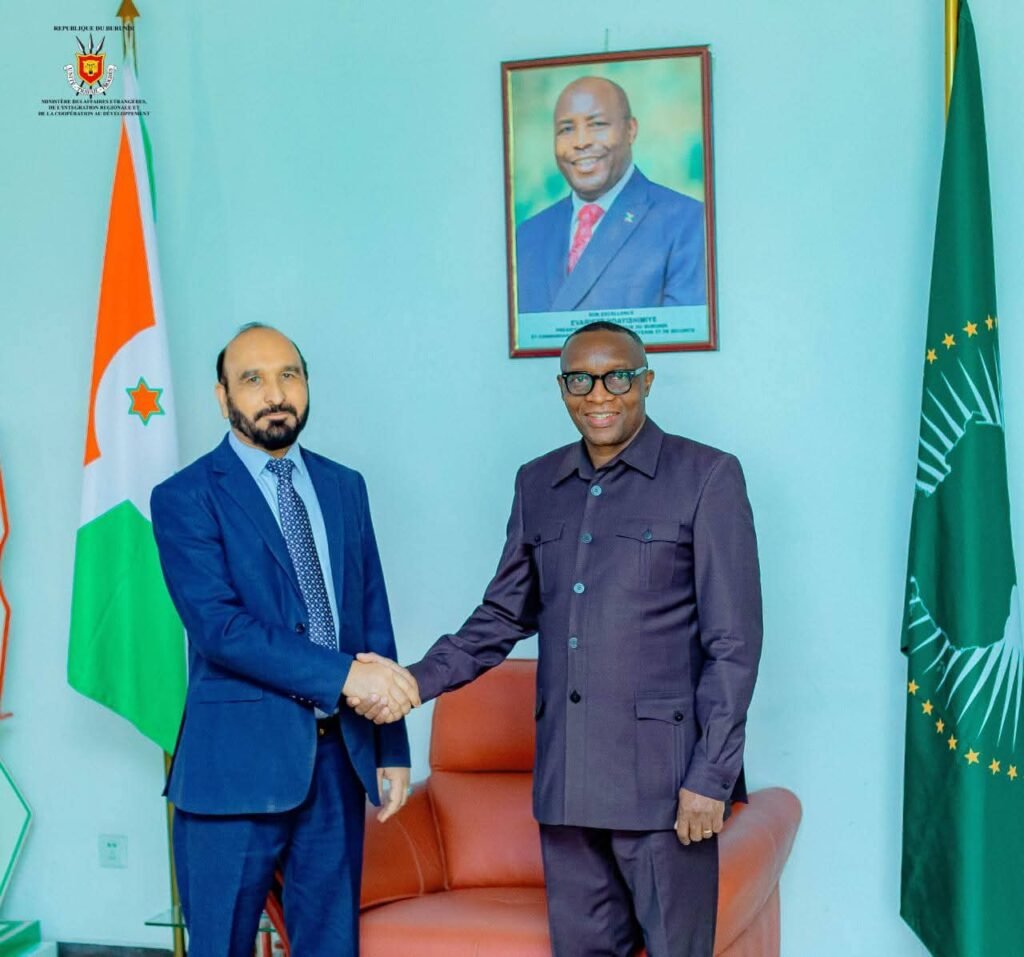
Ambassador Naeem Khan Advances Pakistan’s Ties with Rwanda and Burundi
Pakistan

Ambassador Naeem Khan Advances Pakistan’s Ties with Rwanda and Burundi

ISLAMABAD — Ambassador Naeem Khan, Pakistan’s High Commissioner to Rwanda, Angola, and Burundi, has successfully concluded a diplomatic mission to Burundi aimed at enhancing economic and diplomatic relations. The visit, which took place in mid-September, included meetings with high-ranking officials and discussions on bilateral cooperation. What Happened During his visit to Burundi, Ambassador Naeem Khan engaged in a series of meetings with senior government officials, including the Minister of Foreign Affairs and the Minister of Trade and Industry. These discussions focused on strengthening economic ties and exploring new avenues for collaboration in trade, investment, and cultural exchanges. Ambassador Khan emphasized Pakistan’s commitment to building a robust partnership with Burundi, highlighting the potential for mutual benefits in various sectors. In addition to governmental meetings, Ambassador Khan also met with representatives from the business community to discuss opportunities for enhancing trade relations. He highlighted Pakistan’s capabilities in sectors such as textiles, pharmaceuticals, and agriculture, which could be of interest to Burundian markets. The discussions also touched on the potential for joint ventures and investments that could spur economic growth in both countries. Ambassador Khan’s visit to Burundi is part of a broader strategy to deepen Pakistan’s engagement with African nations. This initiative aligns with Pakistan’s ‘Engage Africa’ policy, which seeks to expand diplomatic and economic ties across the continent. The visit follows a similar mission to Rwanda, where Ambassador Khan engaged in discussions with Rwandan officials to bolster bilateral relations. Background Pakistan’s diplomatic relations with Rwanda and Burundi have been evolving over the years, with both countries recognizing the importance of mutual cooperation. Historically, Pakistan has maintained a presence in Africa through various diplomatic missions and has sought to enhance its influence through trade and development partnerships. The ‘Engage Africa’ policy, launched in recent years, aims to strengthen these ties by focusing on economic collaboration and people-to-people contacts. In the past, Pakistan has participated in peacekeeping missions in Africa under the United Nations, which has helped build goodwill and trust with African nations. The country’s efforts to engage with Africa have also been supported by initiatives to increase trade, investment, and cultural exchanges, thereby fostering a more comprehensive relationship. Why It Matters The visit by Ambassador Naeem Khan is significant for several reasons. Economically, it opens up new markets for Pakistani goods and services, which can help diversify Pakistan’s trade portfolio and reduce dependency on traditional markets. This diversification is crucial for Pakistan’s economic resilience, especially in the face of global economic uncertainties. Diplomatically, strengthening ties with Rwanda and Burundi enhances Pakistan’s influence in Africa, a continent with growing geopolitical importance. As African nations increasingly play a role in international forums, having strong bilateral relations can provide Pakistan with strategic allies in global decision-making processes. For Rwanda and Burundi, enhanced relations with Pakistan offer access to new technologies, expertise, and investment opportunities. This can contribute to their economic development and help address challenges such as unemployment and underdevelopment. The collaboration also provides a platform for cultural exchanges, fostering greater understanding and cooperation between the peoples of these nations. Key Takeaways Ambassador Naeem Khan’s visit to Burundi aimed at strengthening economic and diplomatic relations. Discussions focused on trade, investment, and cultural exchanges between Pakistan and Burundi. The visit is part of Pakistan’s ‘Engage Africa’ policy to expand ties with African nations. Enhanced relations offer economic and strategic benefits for Pakistan and its African partners. Pakistan’s engagement with Africa is supported by historical ties and peacekeeping contributions. Source Attribution This article is based on official government statements, press releases, and public communications from relevant authorities. Author: NEN Editorial Desk | Editor: NEN Newsroom | Fact Checked By: NEN Editorial Team Author: NEN Editorial Desk  |  Editor: NEN Newsroom  |  Last Updated: September 21, 2026  |  Source: NEN Reporter This article was produced by the NEN Editorial Desk in accordance with NEN Agency’s Editorial Policy and Fact-Checking Policy.
Pakistan, EU Discuss Regional and Global Issues at UN Assembly
World

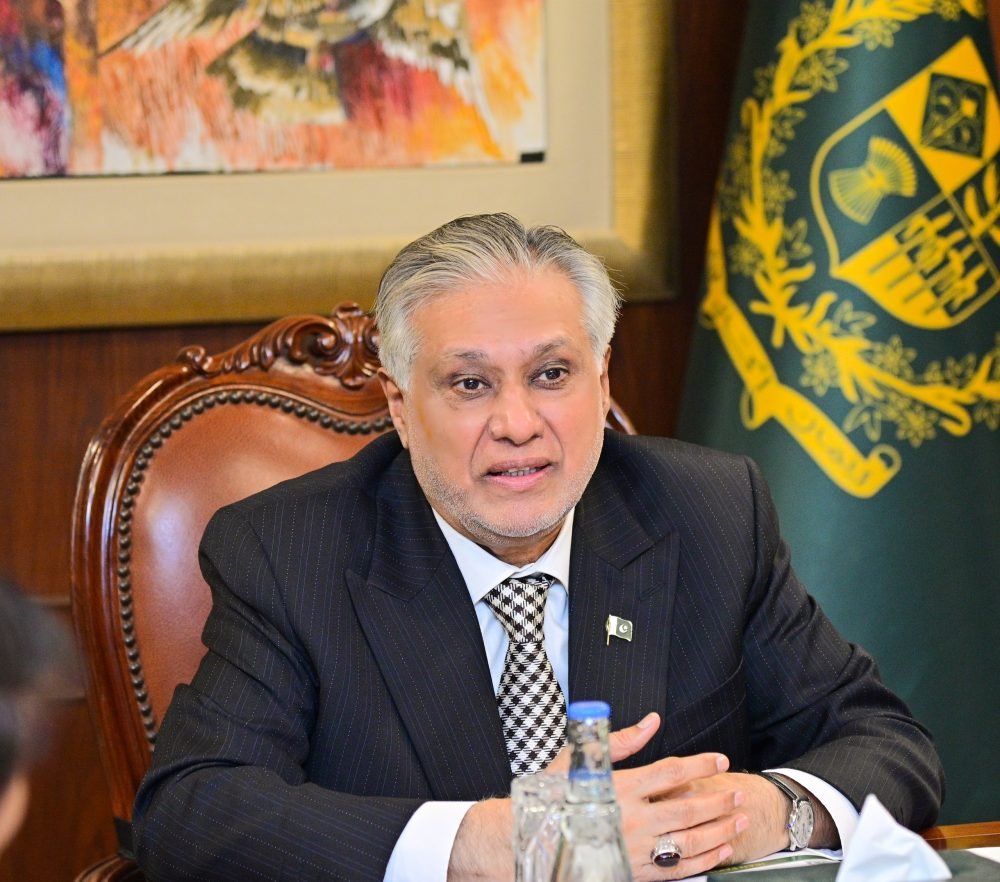
Pakistan, EU Discuss Regional and Global Issues at UN Assembly

NEW YORK — Deputy Prime Minister and Foreign Minister Senator Mohammad Ishaq Dar met with the European Union High Representative for Foreign Affairs and Security Policy, Kaja Kallas, on the sidelines of the 81st United Nations General Assembly in New York on Monday. The meeting focused on regional and global developments, with both leaders emphasizing the importance of their partnership. What Happened Deputy Prime Minister Mohammad Ishaq Dar and EU High Representative Kaja Kallas engaged in a comprehensive dialogue during their meeting at the UN General Assembly. The discussions centered around enhancing bilateral relations, particularly in trade and economic cooperation. Both sides acknowledged the significance of their partnership in addressing regional challenges and promoting global peace and stability. Senator Dar reiterated Pakistan’s commitment to strengthening ties with the European Union, highlighting the potential for increased collaboration in various sectors. He stated, “Pakistan values its relationship with the EU and looks forward to expanding our cooperation in trade, investment, and development.” The meeting also covered topics such as climate change, security, and human rights, reflecting the broad scope of mutual interests shared by both parties. EU High Representative Kallas expressed similar sentiments, emphasizing the EU’s interest in deepening its engagement with Pakistan. She noted, “The European Union sees Pakistan as a key partner in the region, and we are committed to working together on issues of mutual concern.” The dialogue underscored the EU’s support for Pakistan’s socio-economic development and its role in regional stability. Background Pakistan and the European Union have a long-standing relationship, characterized by cooperation in trade, security, and development. The EU is one of Pakistan’s largest trading partners, with bilateral trade reaching significant levels in recent years. The two entities have also collaborated on various initiatives aimed at promoting regional peace and addressing global challenges such as climate change and terrorism. The meeting between Senator Dar and High Representative Kallas comes at a time when both Pakistan and the EU are navigating complex geopolitical landscapes. The ongoing conflicts in the Middle East, the situation in Afghanistan, and the global economic downturn have necessitated closer cooperation between the two partners. Why It Matters The discussions between Pakistan and the EU hold significant implications for regional and global dynamics. As Pakistan seeks to bolster its economic standing, the EU’s role as a major trading partner becomes increasingly vital. Enhanced trade relations can lead to economic growth, job creation, and improved living standards in Pakistan. Moreover, the dialogue reflects Pakistan’s strategic position in regional politics. As a key player in South Asia, Pakistan’s cooperation with the EU can contribute to regional stability, particularly in addressing security concerns and fostering peace in conflict-prone areas. On a global scale, the partnership between Pakistan and the EU can influence international efforts to combat climate change and promote sustainable development. Both parties have expressed a commitment to addressing environmental challenges, which is crucial in the face of rising global temperatures and natural disasters. Key Takeaways Deputy Prime Minister Mohammad Ishaq Dar and EU High Representative Kaja Kallas discussed regional and global issues at the UN General Assembly. The meeting emphasized the importance of Pakistan-EU relations, particularly in trade and economic cooperation. Both parties expressed a commitment to addressing shared challenges such as climate change and security. The dialogue highlights Pakistan’s strategic role in regional stability and its potential for economic growth through enhanced EU partnerships. The EU reaffirmed its support for Pakistan’s socio-economic development and regional peace efforts. Source Attribution This article is based on official government statements, press releases, and public communications from relevant authorities. Author: NEN Editorial Desk | Editor: NEN Newsroom | Fact Checked By: NEN Editorial Team Author: NEN Editorial Desk  |  Editor: NEN Newsroom  |  Last Updated: September 21, 2026  |  Source: Press Release from Government of Pakistan This article was produced by the NEN Editorial Desk in accordance with NEN Agency’s Editorial Policy and Fact-Checking Policy.
Sindh Leaders and Chinese Diplomat Celebrate Pakistan-China Relations
World

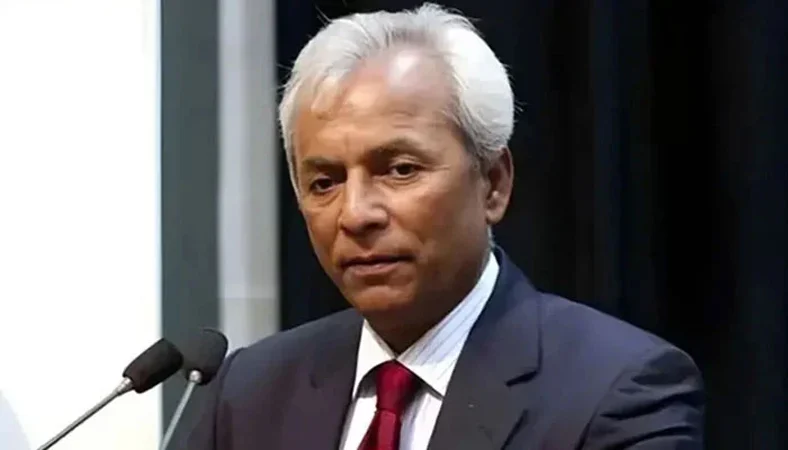
Sindh Leaders and Chinese Diplomat Celebrate Pakistan-China Relations

KARACHI — Sindh Governor Syed Nehal Hashmi, Chief Minister Syed Murad Ali Shah, and Acting Consul General of China in Karachi Feng Deheng praised the enduring relationship between Pakistan and China during a meeting on Monday. The officials extended their congratulations to the Chinese government and people on the 77th anniversary of the founding of the People’s Republic of China. What Happened In a meeting held in Karachi, Sindh Governor Syed Nehal Hashmi and Chief Minister Syed Murad Ali Shah joined Acting Consul General Feng Deheng to commemorate the 77th anniversary of the People’s Republic of China. The event served as a platform to reaffirm the strong bilateral ties that have been a cornerstone of diplomatic relations between the two nations. Governor Hashmi emphasized the ‘time-tested’ nature of the relationship, highlighting the mutual respect and cooperation that have characterized Pakistan-China interactions over the decades. Chief Minister Shah echoed these sentiments, noting that the friendship between Pakistan and China has been a model of international cooperation and solidarity. He stated, “Our relationship with China is built on a foundation of trust and mutual benefit, and we are committed to further strengthening these bonds in the years to come.” Acting Consul General Feng Deheng expressed gratitude for the warm wishes and reiterated China’s commitment to enhancing bilateral cooperation, particularly in economic and infrastructural development. Background The diplomatic relationship between Pakistan and China dates back to 1951, when the two countries formally established ties. Over the years, this relationship has evolved into a strategic partnership, underscored by economic, military, and cultural exchanges. The China-Pakistan Economic Corridor (CPEC), a flagship project under China’s Belt and Road Initiative, has been a significant milestone in strengthening economic ties between the two nations. CPEC aims to enhance connectivity and trade between the two countries, with several infrastructure projects already underway or completed. Historically, Pakistan has been one of China’s closest allies in the region, often acting as a bridge between China and the Muslim world. The two countries have supported each other on various international platforms, including the United Nations, where they have often aligned on key issues. Why It Matters The reaffirmation of Pakistan-China ties comes at a critical time for both nations. For Pakistan, the relationship with China is crucial for economic stability and development. The ongoing projects under CPEC are expected to bring significant economic benefits, including job creation and infrastructure development. As Pakistan grapples with economic challenges, the support from China remains vital. On the international front, the partnership serves as a counterbalance to regional tensions and geopolitical shifts. China’s growing influence in South Asia and its strategic interests align with Pakistan’s need for strong allies in the face of regional challenges. The collaboration extends beyond economic interests, encompassing defense and security cooperation, which is pivotal for maintaining regional stability. For China, Pakistan represents a strategic partner in its Belt and Road Initiative, providing a gateway to the Arabian Sea and facilitating trade routes to the Middle East and beyond. The relationship also helps China strengthen its geopolitical influence in South Asia, countering the presence of other global powers in the region. Key Takeaways Sindh Governor and Chief Minister celebrated the 77th anniversary of China’s founding with the Chinese Consul General in Karachi. The meeting highlighted the enduring and strategic partnership between Pakistan and China. Pakistan-China relations are crucial for economic development, particularly through the China-Pakistan Economic Corridor. The partnership serves as a strategic counterbalance in South Asia, aligning with both nations’ geopolitical interests. China’s Belt and Road Initiative benefits from Pakistan’s strategic location, enhancing trade routes to the Middle East. Source Attribution This article is based on official government statements and public communications from relevant authorities. Author: NEN Editorial Desk | Editor: NEN Newsroom | Fact Checked By: NEN Editorial Team Author: NEN Editorial Desk  |  Editor: NEN Newsroom  |  Last Updated: September 21, 2026  |  Source: Press Release from Government of Pakistan This article was produced by the NEN Editorial Desk in accordance with NEN Agency’s Editorial Policy and Fact-Checking Policy.
Pakistan And Egypt Pledge To Enhance Bilateral Relations At UN Meeting
World

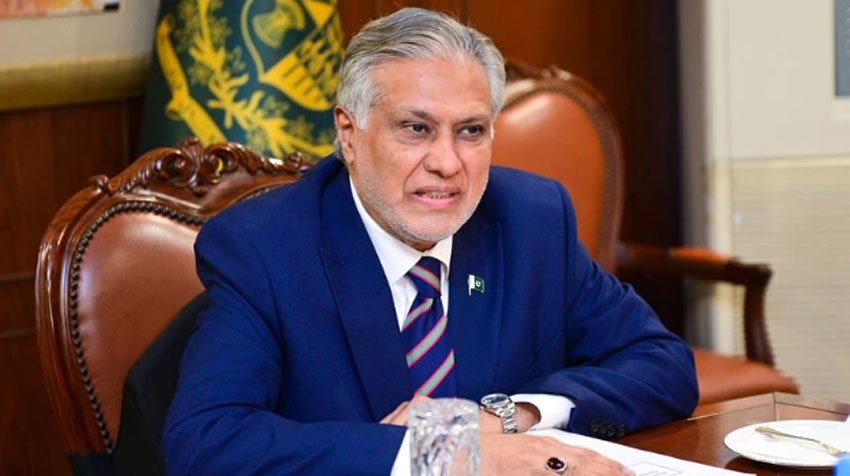
Pakistan And Egypt Pledge To Enhance Bilateral Relations At UN Meeting

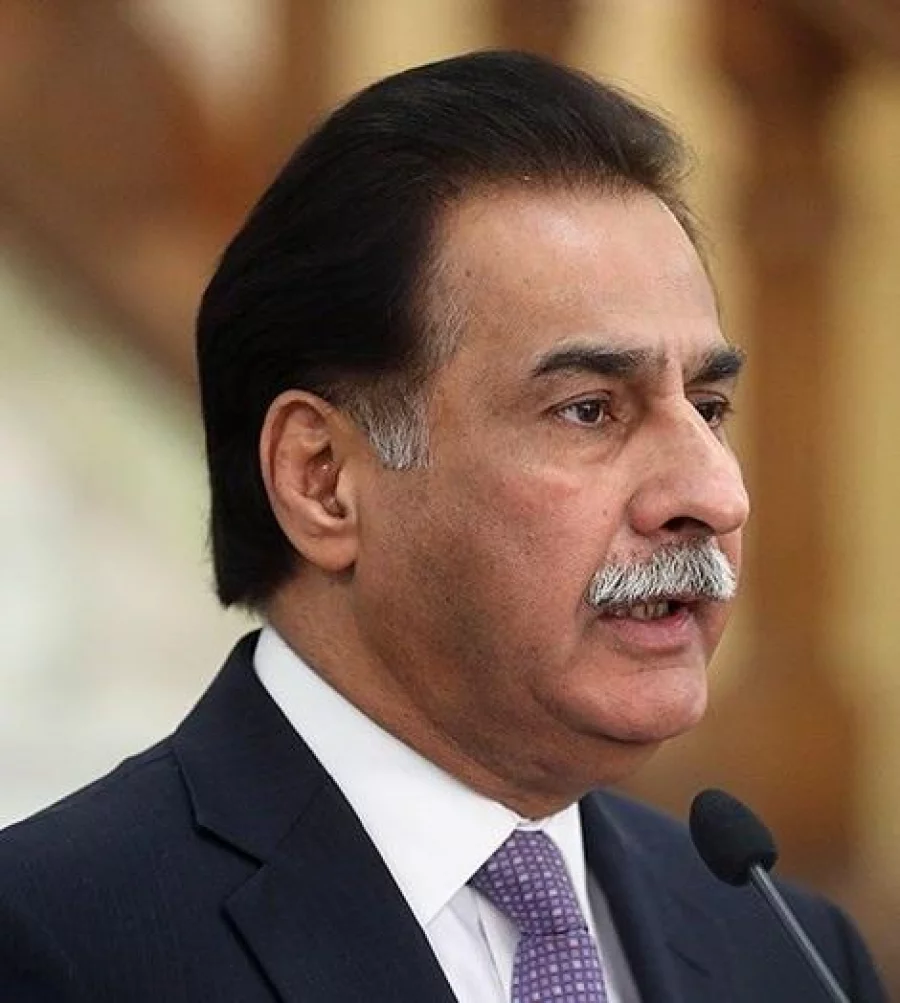
NEW YORK — Deputy Prime Minister and Foreign Minister Senator Muhammad Ishaq Dar and Egyptian Foreign Minister Dr. Badr Abdelatty met on the sidelines of the 81st Session of the United Nations General Assembly on Monday. The meeting underscored the commitment of both nations to strengthen their longstanding bilateral relations and explore new avenues for cooperation. What Happened The meeting between Deputy Prime Minister Muhammad Ishaq Dar and Egyptian Foreign Minister Dr. Badr Abdelatty took place in New York, where both leaders were attending the 81st Session of the UN General Assembly. During their discussions, the ministers reaffirmed the strong fraternal ties that have historically existed between Pakistan and Egypt. They expressed a mutual commitment to further enhance bilateral cooperation in various sectors, including trade, investment, and cultural exchange. Senator Dar emphasized the importance of building on the existing relationship, stating, “Our nations have shared a bond that has stood the test of time, and it is imperative that we explore new opportunities to collaborate for mutual benefit.” Dr. Abdelatty echoed these sentiments, highlighting the potential for increased economic collaboration and the exchange of expertise in areas such as agriculture, technology, and education. The meeting also touched upon regional and international issues of mutual interest, with both ministers agreeing on the need for a coordinated approach to address global challenges such as climate change, terrorism, and economic instability. Background Pakistan and Egypt have enjoyed diplomatic relations since the mid-20th century, with both countries often supporting each other on international platforms. Historically, their relationship has been characterized by cooperation in various fields, including defense, education, and culture. The two nations have also been part of several multilateral organizations, such as the Organization of Islamic Cooperation (OIC) and the Non-Aligned Movement, where they have often aligned their positions on key issues. In recent years, there has been a renewed focus on strengthening economic ties, with both countries expressing interest in increasing bilateral trade and investment. The Pakistan-Egypt Joint Ministerial Commission, established to facilitate economic cooperation, has been instrumental in identifying potential areas for collaboration. Why It Matters The commitment to enhance bilateral relations between Pakistan and Egypt holds significant implications for both countries. Economically, stronger ties could lead to increased trade and investment opportunities, benefiting industries in both nations. For Pakistan, enhancing relations with Egypt could provide access to new markets in Africa and the Middle East, while Egypt could benefit from Pakistan’s expertise in sectors such as textiles and agriculture. Politically, the collaboration between the two countries could strengthen their positions on international platforms, allowing them to advocate more effectively for issues of mutual concern. This partnership could also contribute to regional stability, as both nations work together to address common challenges such as terrorism and climate change. On a cultural level, increased cooperation could lead to greater people-to-people exchanges, fostering mutual understanding and goodwill between the citizens of both countries. Educational exchanges and collaborative cultural projects could enrich the cultural landscapes of both nations, promoting a deeper appreciation of each other’s heritage. Key Takeaways Pakistan and Egypt have reaffirmed their commitment to strengthening bilateral relations during a meeting at the UN General Assembly. The discussions focused on enhancing cooperation in trade, investment, and cultural exchange. Both countries aim to address global challenges such as climate change and terrorism through coordinated efforts. Stronger ties could lead to increased economic opportunities and regional stability. The partnership holds potential for enhanced cultural and educational exchanges between the two nations. Source Attribution This article is based on official government statements and public communications from relevant authorities. Author: NEN Editorial Desk | Editor: NEN Newsroom | Fact Checked By: NEN Editorial Team Author: NEN Editorial Desk  |  Editor: NEN Newsroom  |  Last Updated: September 21, 2026  |  Source: Press Release from Government of Pakistan This article was produced by the NEN Editorial Desk in accordance with NEN Agency’s Editorial Policy and Fact-Checking Policy.
National Assembly Speaker Mourns Sheikh Ahmed Al Maktoum’s Passing
Pakistan

National Assembly Speaker Mourns Sheikh Ahmed Al Maktoum’s Passing

ISLAMABAD — Speaker of the National Assembly Sardar Ayaz Sadiq has expressed profound grief over the demise of Sheikh Ahmed bin Rashid Al Maktoum, the brother of His Highness Sheikh Mohammed bin Rashid Al Maktoum, Vice President and Prime Minister of the United Arab Emirates. In a statement released on Thursday, Sadiq conveyed his condolences on behalf of the Parliament of Pakistan. What Happened On September 21, 2023, Sardar Ayaz Sadiq issued a formal statement expressing his sorrow over the passing of Sheikh Ahmed bin Rashid Al Maktoum. The statement highlighted the deep respect and admiration held for Sheikh Ahmed, acknowledging his contributions to the UAE and the broader region. Sadiq’s message was not only personal but also represented the sentiments of the entire Pakistani Parliament, underscoring the close ties between Pakistan and the UAE. Sheikh Ahmed bin Rashid Al Maktoum, a prominent figure in the UAE, was known for his philanthropic efforts and his role in supporting the development of Dubai. His passing marks the end of an era for the Al Maktoum family, who have been pivotal in the transformation of Dubai into a global hub of commerce and tourism. “The people of Pakistan stand in solidarity with the Al Maktoum family and the people of the UAE during this time of mourning,” Sadiq stated. His message reflects the longstanding diplomatic and cultural ties between the two nations, which have been strengthened by mutual respect and cooperation over the years. Background The Al Maktoum family has played a crucial role in the development of the UAE, with Sheikh Mohammed bin Rashid Al Maktoum at the helm as the Vice President and Prime Minister. Sheikh Ahmed’s contributions to the UAE’s growth, particularly in the areas of philanthropy and development, have been widely recognized. The family’s leadership has been instrumental in positioning Dubai as a leading city in the Middle East, known for its innovation and economic prowess. Pakistan and the UAE have enjoyed a strong bilateral relationship, characterized by economic cooperation, cultural exchange, and mutual support on international platforms. The UAE is home to a significant Pakistani expatriate community, which has further cemented the ties between the two nations. Why It Matters The passing of Sheikh Ahmed bin Rashid Al Maktoum is significant not only for the UAE but also for Pakistan, given the deep-rooted connections between the two countries. The expression of condolences by a high-ranking official like Sardar Ayaz Sadiq highlights the importance of maintaining and nurturing these ties, which are vital for economic and diplomatic collaboration. Economically, the UAE is one of Pakistan’s largest trading partners in the Gulf region, with trade volumes reaching billions of dollars annually. The UAE’s investments in Pakistan span various sectors, including energy, infrastructure, and real estate, contributing significantly to Pakistan’s economic development. Socially, the UAE hosts a large Pakistani diaspora that plays a crucial role in the economy of both countries. The remittances sent back to Pakistan by these expatriates are a significant source of foreign exchange and contribute to the country’s economic stability. Politically, the UAE and Pakistan have often supported each other on international platforms, aligning on various regional and global issues. The expression of grief by Pakistan’s National Assembly Speaker serves as a reaffirmation of this enduring partnership. Key Takeaways Sardar Ayaz Sadiq expressed condolences on behalf of Pakistan’s Parliament for Sheikh Ahmed’s passing. Sheikh Ahmed bin Rashid Al Maktoum was a notable figure in the UAE, known for his philanthropic contributions. The UAE and Pakistan share strong economic, social, and political ties, reinforced by mutual respect and cooperation. The UAE is a major trading partner for Pakistan, with significant investments in various sectors. The Pakistani diaspora in the UAE plays a vital role in the economies of both nations. Source Attribution This article is based on official government statements and public communications from relevant authorities. Author: NEN Editorial Desk | Editor: NEN Newsroom | Fact Checked By: NEN Editorial Team Author: NEN Editorial Desk  |  Editor: NEN Newsroom  |  Last Updated: September 21, 2026  |  Source: Press Release from Government of Pakistan This article was produced by the NEN Editorial Desk in accordance with NEN Agency’s Editorial Policy and Fact-Checking Policy.
Prime Minister Shehbaz Sharif Arrives In New York For 81st UNGA Session
World

Prime Minister Shehbaz Sharif Arrives In New York For 81st UNGA Session

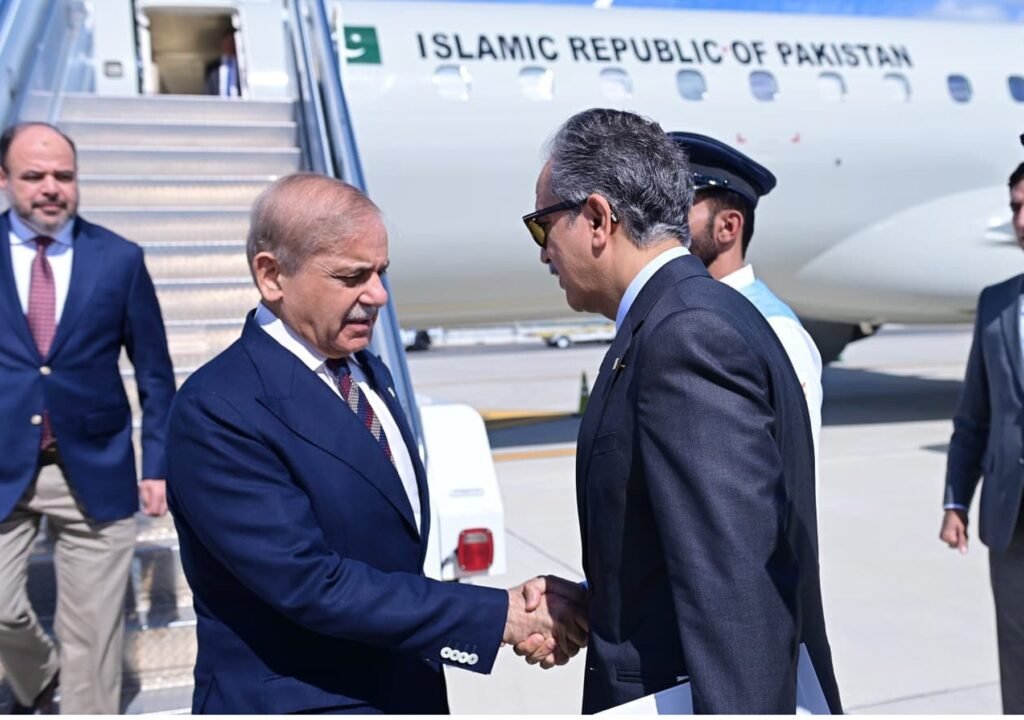
NEW YORK — Prime Minister Shehbaz Sharif arrived in New York on Monday to participate in the 81st session of the United Nations General Assembly (UNGA). Accompanied by Deputy Prime Minister and Foreign Minister Senator Muhammad Ishaq Dar, as well as Special Assistant Tariq Fatemi, the Prime Minister is set to represent Pakistan in a series of high-level meetings and discussions. What Happened Prime Minister Shehbaz Sharif’s arrival in New York marks Pakistan’s active engagement in the global diplomatic arena, as he leads a delegation to the 81st UNGA session. The session, which gathers world leaders to discuss pressing international issues, provides a platform for Pakistan to articulate its stance on various global and regional matters. The Prime Minister’s agenda includes addressing the General Assembly, participating in bilateral meetings with other heads of state, and attending high-level forums on sustainable development and climate change. According to official sources, the Prime Minister’s speech at the UNGA is expected to focus on Pakistan’s commitment to multilateralism, peace, and security, as well as highlighting the challenges faced by developing countries in the wake of global economic uncertainties. The delegation aims to emphasize Pakistan’s role in promoting regional stability and its efforts in combating climate change, a critical issue for the country following recent floods. During his stay, Prime Minister Sharif is scheduled to meet with several global leaders to discuss bilateral relations and explore opportunities for economic cooperation. The meetings are anticipated to cover a range of topics, including trade, investment, and security collaboration. The visit comes at a time when Pakistan is seeking to strengthen its diplomatic ties and enhance its economic partnerships on the international stage. Background The United Nations General Assembly is one of the six principal organs of the United Nations, where all 193 member states have equal representation. The annual session provides a forum for member states to discuss and work together on international issues covered by the UN Charter, such as development, peace and security, and international law. Pakistan has been an active participant in the UN since its inception, contributing to peacekeeping missions and advocating for disarmament and conflict resolution. Historically, Pakistan has used the UNGA platform to address issues such as the Kashmir conflict, nuclear disarmament, and economic development. The country’s participation in the UNGA sessions underscores its commitment to engaging with the international community and addressing global challenges collaboratively. Why It Matters Prime Minister Shehbaz Sharif’s participation in the UNGA session is significant for several reasons. Economically, it provides an opportunity for Pakistan to seek international support and investment, which is crucial for its economic recovery and growth. The meetings with other world leaders could potentially lead to new trade agreements and economic partnerships that would benefit Pakistan’s economy. Socially, the Prime Minister’s address is expected to highlight Pakistan’s efforts in tackling climate change and its impact on vulnerable communities. The recent devastating floods in Pakistan have underscored the urgent need for international cooperation in addressing climate-related challenges. By engaging with global leaders, Pakistan aims to secure support for climate adaptation and resilience-building initiatives. Politically, the UNGA session allows Pakistan to reaffirm its commitment to multilateralism and international peace. The Prime Minister’s discussions on regional stability and security are particularly relevant given the geopolitical tensions in South Asia. Strengthening diplomatic ties and fostering dialogue with other nations can contribute to regional peace and security. Key Takeaways Prime Minister Shehbaz Sharif is leading Pakistan’s delegation at the 81st UNGA session in New York. The agenda includes addressing the General Assembly and participating in bilateral meetings with global leaders. Key topics include economic cooperation, climate change, and regional stability. Pakistan aims to strengthen diplomatic ties and seek international support for economic and climate-related challenges. The UNGA session provides a platform for Pakistan to engage with the international community on pressing global issues. Source Attribution This article is based on official government statements, press releases, and public communications from relevant authorities. Author: NEN Editorial Desk | Editor: NEN Newsroom | Fact Checked By: NEN Editorial Team Author: NEN Editorial Desk  |  Editor: NEN Newsroom  |  Last Updated: September 21, 2026  |  Source: Press Release from Government of Pakistan This article was produced by the NEN Editorial Desk in accordance with NEN Agency’s Editorial Policy and Fact-Checking Policy.

Governor Mandokhail Advocates for Educational Reforms in Balochistan
Pakistan

Governor Mandokhail Advocates for Educational Reforms in Balochistan

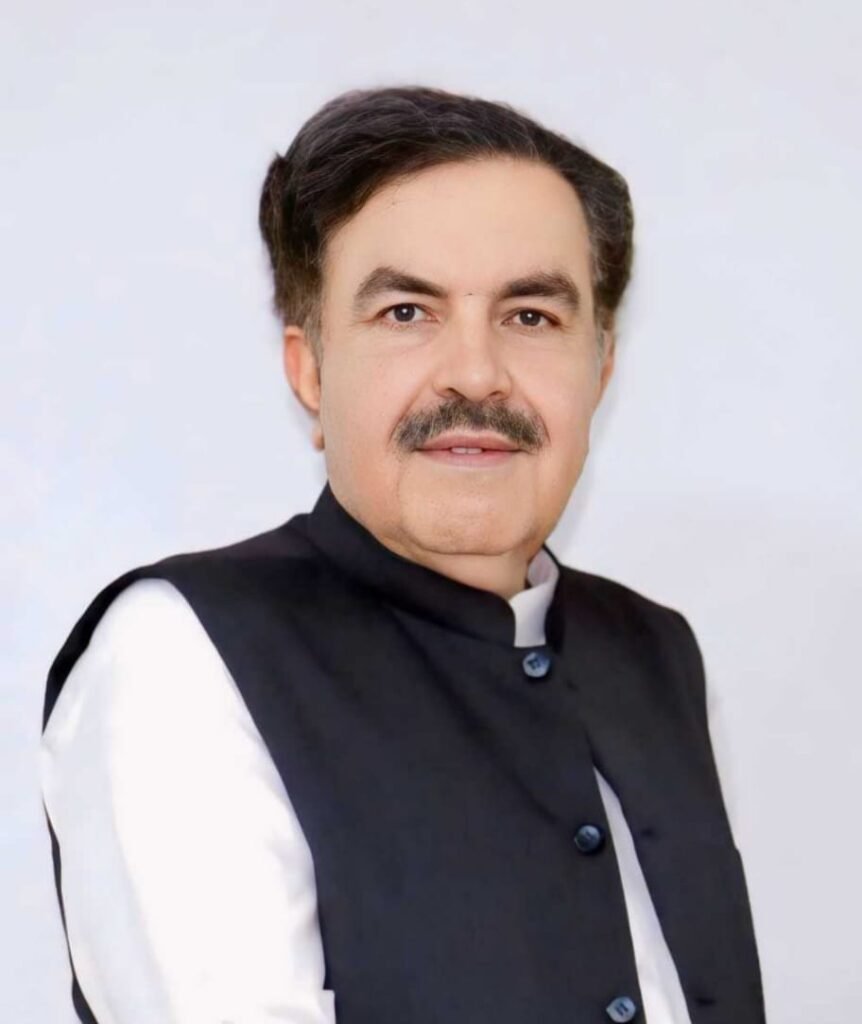
QUETTA — Governor Balochistan Jaffar Khan Mandokhail has called for enhancing the quality of education in the province, urging Gwadar and Turbat Universities to align their curricula with the blue economy. Speaking on September 21, 2023, Governor Mandokhail emphasized the importance of valuing the talent and future of students within their homeland. What Happened During a recent address, Governor Jaffar Khan Mandokhail highlighted the pivotal role of education in securing a prosperous future for the youth of Balochistan. He stressed the need for public sector universities, particularly those in Gwadar and Turbat, to integrate educational programs that support the blue economy—a sector that includes marine-based industries such as fisheries, aquaculture, and maritime transport. Governor Mandokhail stated, “True success will be achieved when students of public sector universities feel that their talent, knowledge, and future are valued within their own homeland.” He underscored the provincial government’s commitment to providing educational opportunities that not only enhance individual prospects but also contribute to the region’s economic development. The governor’s remarks come amid ongoing efforts to bolster the educational infrastructure in Balochistan, a province that has historically faced challenges in educational attainment and economic development. By focusing on the blue economy, the government aims to leverage the province’s strategic coastal location to foster economic growth and employment opportunities. Background Balochistan, Pakistan’s largest province by area, has long been recognized for its rich natural resources and strategic coastal access. However, the region has struggled with socio-economic challenges, including limited access to quality education and high unemployment rates. In recent years, the provincial government has prioritized educational reforms as a means to address these issues. The concept of the blue economy has gained traction globally as countries recognize the potential of ocean-based industries to drive sustainable economic growth. In Pakistan, the development of Gwadar Port and the China-Pakistan Economic Corridor (CPEC) has heightened interest in harnessing the blue economy to stimulate regional development. Gwadar and Turbat Universities, situated in key coastal areas, are seen as instrumental in preparing the local workforce to participate in and benefit from these emerging economic opportunities. Aligning their academic programs with the blue economy is part of a broader strategy to integrate education with economic development goals. Why It Matters The emphasis on aligning educational programs with the blue economy holds significant implications for Balochistan’s socio-economic landscape. By equipping students with relevant skills and knowledge, the province can better position itself to capitalize on its maritime resources and strategic location. Economically, this alignment is expected to create new job opportunities and attract investment to the region. As industries related to the blue economy expand, there will be a growing demand for skilled professionals in fields such as marine biology, environmental science, and maritime engineering. This could lead to a reduction in unemployment rates and an improvement in living standards for the local population. Socially, enhancing educational quality and relevance can contribute to greater social cohesion and stability. When young people see viable career paths within their own region, they are less likely to migrate in search of better opportunities, which can help retain talent and foster community development. Politically, the successful integration of education and economic development could strengthen the provincial government’s legitimacy and support among constituents. Demonstrating tangible improvements in education and employment can build public trust and encourage further investment in regional development initiatives. Key Takeaways Governor Jaffar Khan Mandokhail advocates for educational reforms in Balochistan, focusing on the blue economy. Gwadar and Turbat Universities are urged to align their curricula with marine-based industries. The initiative aims to create job opportunities and attract investment to the region. Educational alignment with economic goals can enhance social cohesion and reduce migration. The strategy supports the provincial government’s broader development objectives. Source Attribution This article is based on official government statements and public communications from relevant authorities. Author: NEN Editorial Desk | Editor: NEN Newsroom | Fact Checked By: NEN Editorial Team Author: NEN Editorial Desk  |  Editor: NEN Newsroom  |  Last Updated: September 21, 2026  |  Source: Press Release from Government of Pakistan This article was produced by the NEN Editorial Desk in accordance with NEN Agency’s Editorial Policy and Fact-Checking Policy.
Commissioner Cup Cricket Tournament Concludes in Faisalabad
Pakistan

Commissioner Cup Cricket Tournament Concludes in Faisalabad

FAISALABAD — The Commissioner Cup Inter-Divisional Public Schools Cricket Tournament concluded on September 21 at the Divisional Model College in Faisalabad. The event was graced by Divisional Commissioner Dr Imran Hamid Sheikh, who attended as the chief guest. He emphasized the importance of continuous sporting activities in educational institutions to foster healthy competition, physical fitness, and sportsmanship among students. What Happened The tournament, which brought together teams from various public schools across different divisions, aimed to promote cricket at the grassroots level and encourage young talent in the region. The final match was held at the Divisional Model College, where teams competed fiercely for the championship title. The event saw enthusiastic participation from students, teachers, and parents, creating a vibrant atmosphere of sportsmanship and camaraderie. Dr Imran Hamid Sheikh, in his address, congratulated the school administration and all participating teams for their efforts in making the tournament a success. He highlighted the role of sports in developing essential life skills such as teamwork, leadership, and discipline among students. “Sports are not just about winning or losing; they are about building character and instilling values that last a lifetime,” he remarked. The Commissioner also stressed the need for regular sports events in schools to ensure the holistic development of students. He called upon educational institutions to allocate resources and time for sports activities, which are crucial for the physical and mental well-being of students. Background The Commissioner Cup is an annual event that has been part of the region’s sporting calendar for several years. It is organized with the objective of providing a platform for young cricketers to showcase their skills and gain exposure to competitive cricket. The tournament is part of a broader initiative by local authorities to revive interest in sports among the youth, especially in the wake of increasing academic pressures and digital distractions. Historically, cricket has been a popular sport in Pakistan, with a rich tradition of producing world-class players. However, in recent years, there has been a growing concern about the declining participation of youth in sports due to various socio-economic factors. Events like the Commissioner Cup are seen as vital in rekindling the passion for sports and encouraging a new generation of athletes. Why It Matters Sports play a significant role in the educational and social development of young individuals. The conclusion of the Commissioner Cup highlights the ongoing efforts to integrate sports into the educational framework of Pakistan. By promoting such tournaments, authorities aim to address the challenges of youth engagement and physical inactivity, which have been exacerbated by the digital age. Economically, sports events can have a positive impact by stimulating local economies through increased activity in hospitality and retail sectors during tournaments. Socially, these events provide a platform for young people to interact, learn from one another, and develop a sense of community and belonging. Politically, the support for sports initiatives by government officials like Dr Imran Hamid Sheikh underscores the recognition of sports as a tool for social cohesion and national pride. Encouraging sports at the grassroots level can lead to the discovery of talent that could represent Pakistan on international platforms, thereby enhancing the country’s global sporting reputation. Key Takeaways The Commissioner Cup Inter-Divisional Public Schools Cricket Tournament concluded in Faisalabad. Divisional Commissioner Dr Imran Hamid Sheikh emphasized the importance of sports in education. The tournament aims to promote cricket among youth and develop essential life skills. Sports events are crucial for the holistic development of students and community engagement. Such initiatives are vital for discovering talent and enhancing Pakistan’s sporting reputation. Source Attribution This article is based on official statements and public communications from relevant authorities. Author: NEN Editorial Desk | Editor: NEN Newsroom | Fact Checked By: NEN Editorial Team Author: NEN Editorial Desk  |  Editor: NEN Newsroom  |  Last Updated: September 21, 2026  |  Source: NEN Reporter This article was produced by the NEN Editorial Desk in accordance with NEN Agency’s Editorial Policy and Fact-Checking Policy.
Pakistan’s Food Exports Reach $833 Million in First Two Months of FY2027
Pakistan

Pakistan’s Food Exports Reach $833 Million in First Two Months of FY2027

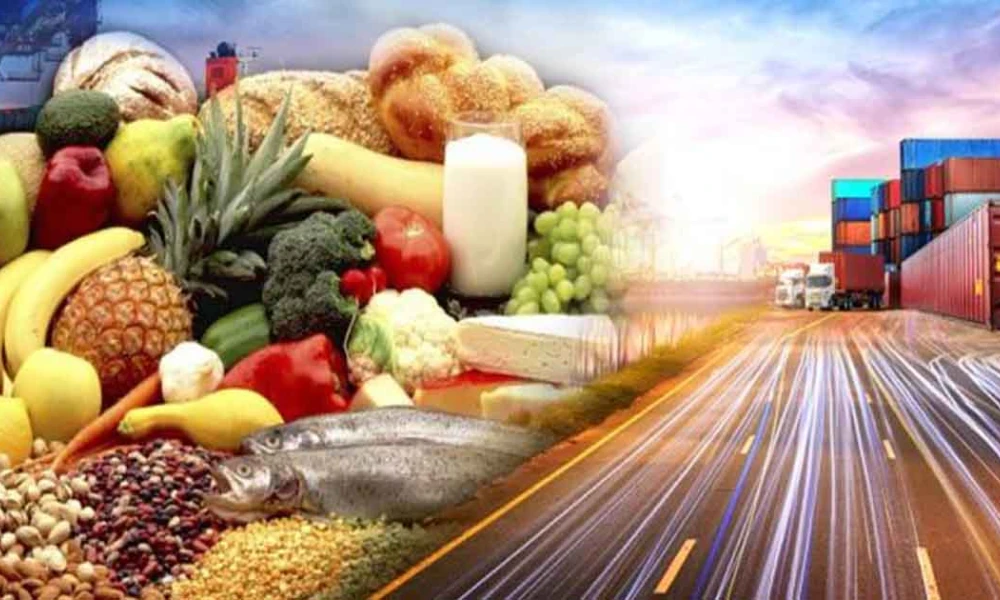
ISLAMABAD — Pakistan’s food exports have seen a notable increase in the first two months of the fiscal year 2027, with commodities worth $833.023 million exported, marking a 7.67 percent rise compared to the same period last year. This data, released by the Pakistan Bureau of Statistics, highlights the country’s growing export market in the food sector. What Happened During the period from July to August 2026, Pakistan exported food commodities valued at $833.023 million, compared to $773.644 million during the same months in the previous year. The increase is largely attributed to a significant rise in rice exports, which grew by 24.68 percent. Specifically, Pakistan exported 654,619 metric tons of rice worth $391.741 million, up from 545,572 metric tons valued at $314.198 million in the previous year. Basmati rice exports saw an impressive increase of 53.04 percent, with 145,731 metric tons exported at a value of $164.091 million, compared to 101,973 metric tons worth $107.223 million in the same period last year. Other rice varieties also contributed to this growth, with exports reaching $227.650 million for 508,879 metric tons, up from $206.975 million for 443,499 metric tons last year, marking a 9.99 percent increase. On the import side, Pakistan’s food imports grew by 2.23 percent, with commodities worth $1.503 billion imported during the same period, compared to $1.470 billion last year. Background Pakistan’s agricultural sector plays a crucial role in its economy, contributing significantly to GDP and employment. Rice, in particular, is a major export commodity, with Pakistan being one of the world’s largest rice exporters. The country’s rice exports have historically been a vital source of foreign exchange and economic stability. The government has been focusing on enhancing agricultural productivity and export capacity through various initiatives, including modernizing farming techniques and improving supply chain logistics. These efforts aim to boost the country’s agricultural output and expand its market reach internationally. Why It Matters The growth in food exports is a positive indicator for Pakistan’s economy, suggesting resilience and potential for further expansion in international markets. The significant increase in rice exports, particularly Basmati rice, underscores the country’s competitive edge in this sector. This growth not only contributes to the national economy but also supports rural livelihoods and employment. Economically, the rise in exports helps reduce the trade deficit, which has been a persistent challenge for Pakistan. By increasing foreign exchange earnings, the country can better manage its external debt and improve its balance of payments. This is particularly crucial as Pakistan navigates economic challenges, including inflation and fiscal deficits. Socially, the agricultural sector’s growth can lead to increased income for farmers and rural communities, potentially reducing poverty levels. It also encourages investment in agricultural infrastructure and technology, fostering long-term sustainable development. Internationally, Pakistan’s enhanced export performance can strengthen trade relations with key partners and open new markets, further integrating the country into the global economy. This can lead to increased foreign investment and collaboration in the agricultural sector. Key Takeaways Pakistan’s food exports reached $833.023 million in the first two months of FY2027, a 7.67 percent increase from last year. Rice exports, particularly Basmati, significantly contributed to this growth, with a 24.68 percent rise in total rice exports. Food imports also increased by 2.23 percent, totaling $1.503 billion during the same period. The growth in exports supports economic stability, reduces the trade deficit, and enhances rural livelihoods. Pakistan’s agricultural sector remains a key driver of economic growth and international trade relations. Source Attribution This article is based on official government statements, press releases, and public communications from relevant authorities. Author: NEN Editorial Desk | Editor: NEN Newsroom | Fact Checked By: NEN Editorial Team Author: NEN Editorial Desk  |  Editor: NEN Newsroom  |  Last Updated: September 21, 2026  |  Source: NEN Reporter This article was produced by the NEN Editorial Desk in accordance with NEN Agency’s Editorial Policy and Fact-Checking Policy.

EU And Pakistan Finalize €65 Million Financing Agreements
World

EU And Pakistan Finalize €65 Million Financing Agreements

ISLAMABAD — The European Union and Pakistan have signed financing agreements worth €65 million on Monday to bolster investments under the Global Gateway initiative, enhance the rule of law, and improve the business environment. These agreements also aim to advance energy and environmental resilience in the region. What Happened The signing ceremony took place in Islamabad, where representatives from the European Union and the Government of Pakistan formalized the agreements. The €65 million funding is part of the EU’s Global Gateway initiative, which seeks to develop infrastructure and connectivity projects worldwide. The funds are allocated to three main programs: ‘Global Gateway Development Facilitation for Pakistan’, ‘Energy and Natural Environment Resilience in Khyber Pakhtunkhwa’, and enhancements to the business environment and rule of law. These programs are designed to address critical areas in Pakistan’s development strategy. The ‘Global Gateway Development Facilitation for Pakistan’ aims to create a conducive environment for investment and infrastructure development. Meanwhile, the ‘Energy and Natural Environment Resilience in Khyber Pakhtunkhwa’ program focuses on improving energy efficiency and environmental sustainability in one of Pakistan’s most environmentally vulnerable provinces. EU Ambassador to Pakistan, Dr. Riina Kionka, emphasized the importance of these agreements, stating, “This collaboration underscores our commitment to supporting Pakistan in its development goals, particularly in enhancing infrastructure, energy resilience, and environmental sustainability.” The Pakistani government expressed gratitude for the EU’s continued support, highlighting the potential impact of these programs on the country’s socio-economic landscape. Background The European Union’s Global Gateway initiative is a strategic plan to invest in global infrastructure and connectivity, with a focus on sustainable development and digital transformation. Launched in 2021, it aims to mobilize up to €300 billion in investments by 2027, targeting projects that align with EU values and priorities. Pakistan has been a beneficiary of various EU development programs over the years, focusing on areas such as education, governance, and rural development. The recent agreements build on this history of collaboration, reflecting a shared commitment to addressing global challenges such as climate change and economic inequality. Khyber Pakhtunkhwa, a province in northwest Pakistan, has faced significant environmental challenges due to its geographical location and socio-economic conditions. Efforts to enhance energy efficiency and environmental resilience are crucial for the region’s sustainable development. Why It Matters The €65 million financing agreements are significant for Pakistan’s development trajectory. By focusing on infrastructure, energy, and environmental resilience, these programs address some of the country’s most pressing challenges. Improved infrastructure and a better business environment can attract foreign investment, stimulate economic growth, and create jobs. Enhancing energy resilience is particularly critical for Pakistan, which faces frequent energy shortages and relies heavily on imported fuels. The program targeting Khyber Pakhtunkhwa aims to reduce energy dependency and promote sustainable practices, contributing to the province’s long-term stability and growth. On a broader scale, these agreements strengthen Pakistan’s ties with the European Union, a key partner in trade and development. The collaboration aligns with global efforts to tackle climate change and promote sustainable development, positioning Pakistan as a proactive participant in international initiatives. Key Takeaways The EU and Pakistan have signed €65 million in financing agreements to support development initiatives. The funding is part of the EU’s Global Gateway initiative, focusing on infrastructure and connectivity. Programs include enhancing energy resilience in Khyber Pakhtunkhwa and improving the business environment. The agreements aim to attract investment, stimulate economic growth, and create jobs in Pakistan. This collaboration strengthens Pakistan’s relationship with the EU and aligns with global sustainability efforts. Source Attribution This article is based on official government statements, press releases, and public communications from relevant authorities. Author: NEN Editorial Desk | Editor: NEN Newsroom | Fact Checked By: NEN Editorial Team Author: NEN Editorial Desk  |  Editor: NEN Newsroom  |  Last Updated: September 21, 2026  |  Source: NEN Reporter This article was produced by the NEN Editorial Desk in accordance with NEN Agency’s Editorial Policy and Fact-Checking Policy.

Scroll to Top