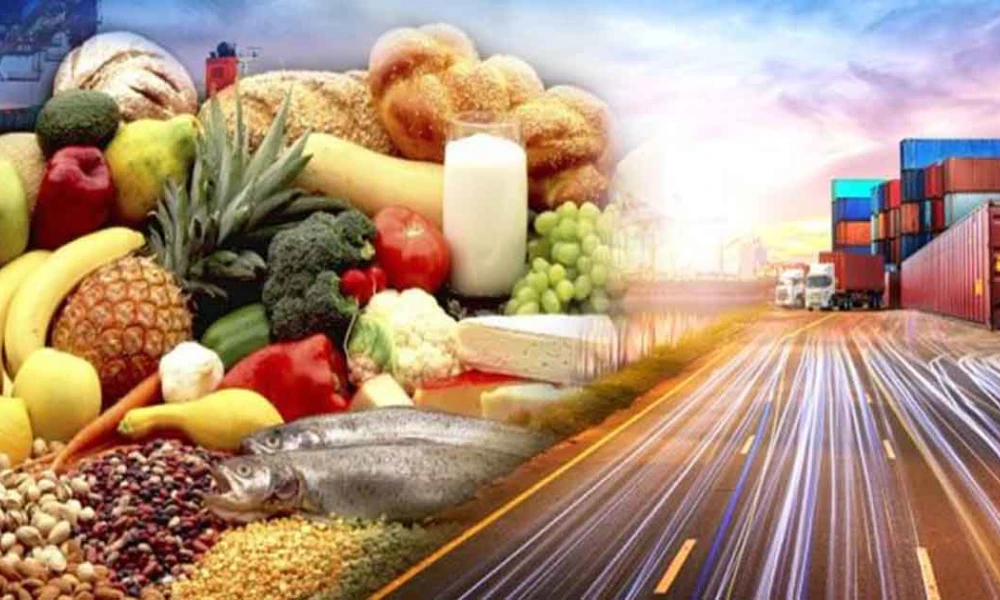
ISLAMABAD — Pakistan’s food exports have seen a notable increase in the first two months of the fiscal year 2027, with commodities worth $833.023 million exported, marking a 7.67 percent rise compared to the same period last year. This data, released by the Pakistan Bureau of Statistics, highlights the country’s growing export market in the food sector.
What Happened
During the period from July to August 2026, Pakistan exported food commodities valued at $833.023 million, compared to $773.644 million during the same months in the previous year. The increase is largely attributed to a significant rise in rice exports, which grew by 24.68 percent. Specifically, Pakistan exported 654,619 metric tons of rice worth $391.741 million, up from 545,572 metric tons valued at $314.198 million in the previous year.
Basmati rice exports saw an impressive increase of 53.04 percent, with 145,731 metric tons exported at a value of $164.091 million, compared to 101,973 metric tons worth $107.223 million in the same period last year. Other rice varieties also contributed to this growth, with exports reaching $227.650 million for 508,879 metric tons, up from $206.975 million for 443,499 metric tons last year, marking a 9.99 percent increase.
On the import side, Pakistan’s food imports grew by 2.23 percent, with commodities worth $1.503 billion imported during the same period, compared to $1.470 billion last year.
Background
Pakistan’s agricultural sector plays a crucial role in its economy, contributing significantly to GDP and employment. Rice, in particular, is a major export commodity, with Pakistan being one of the world’s largest rice exporters. The country’s rice exports have historically been a vital source of foreign exchange and economic stability.
The government has been focusing on enhancing agricultural productivity and export capacity through various initiatives, including modernizing farming techniques and improving supply chain logistics. These efforts aim to boost the country’s agricultural output and expand its market reach internationally.
Why It Matters
The growth in food exports is a positive indicator for Pakistan’s economy, suggesting resilience and potential for further expansion in international markets. The significant increase in rice exports, particularly Basmati rice, underscores the country’s competitive edge in this sector. This growth not only contributes to the national economy but also supports rural livelihoods and employment.
Economically, the rise in exports helps reduce the trade deficit, which has been a persistent challenge for Pakistan. By increasing foreign exchange earnings, the country can better manage its external debt and improve its balance of payments. This is particularly crucial as Pakistan navigates economic challenges, including inflation and fiscal deficits.
Socially, the agricultural sector’s growth can lead to increased income for farmers and rural communities, potentially reducing poverty levels. It also encourages investment in agricultural infrastructure and technology, fostering long-term sustainable development.
Internationally, Pakistan’s enhanced export performance can strengthen trade relations with key partners and open new markets, further integrating the country into the global economy. This can lead to increased foreign investment and collaboration in the agricultural sector.
Key Takeaways
- Pakistan’s food exports reached $833.023 million in the first two months of FY2027, a 7.67 percent increase from last year.
- Rice exports, particularly Basmati, significantly contributed to this growth, with a 24.68 percent rise in total rice exports.
- Food imports also increased by 2.23 percent, totaling $1.503 billion during the same period.
- The growth in exports supports economic stability, reduces the trade deficit, and enhances rural livelihoods.
- Pakistan’s agricultural sector remains a key driver of economic growth and international trade relations.
Source Attribution
This article is based on official government statements, press releases, and public communications from relevant authorities.