
Author name: Yasir Zubairi

Yasir Zubairi is the founder and publisher of NEN Agency (News Era Network). He leads NEN's coverage of Pakistan's national affairs, economy, foreign relations and sports, and is responsible for the accuracy and standards of every story published on nenagency.com.

Federal Government Pledges Continued Support for Azad Kashmir Development
Pakistan

Federal Government Pledges Continued Support for Azad Kashmir Development

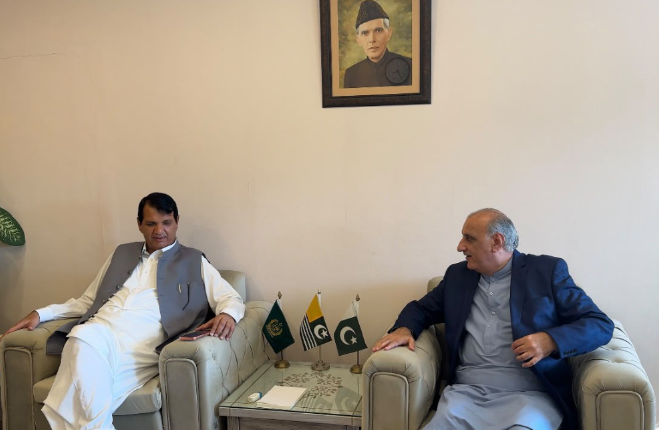
ISLAMABAD — The Federal Government has reiterated its commitment to supporting development initiatives in Azad Jammu and Kashmir (AJK), as confirmed by Federal Minister for Kashmir Affairs, Gilgit-Baltistan and SAFRON, Engineer Amir Muqam. This assurance was made during a meeting with Dr. Najeeb Naqi Khan, the Pakistan Muslim League-Nawaz (PML-N) nominee for the presidency of AJK, on September 22. What Happened During the meeting held in Islamabad, Engineer Amir Muqam emphasized the Federal Government’s dedication to advancing the development agenda in Azad Jammu and Kashmir. Dr. Najeeb Naqi Khan, who has been nominated by the PML-N for the presidency of AJK, discussed with the minister the current political landscape and the development priorities for the region. The discussions underscored the importance of collaborative efforts between the federal and AJK governments to ensure sustainable development and political stability in the region. Amir Muqam assured Dr. Khan that the Federal Government is committed to providing the necessary support and resources to facilitate the socio-economic growth of AJK. He highlighted the government’s ongoing projects and future plans aimed at improving infrastructure, healthcare, education, and other critical sectors in the region. “The Federal Government will continue to back development initiatives that uplift the living standards of the people in Azad Kashmir,” Muqam stated. The meeting also addressed the challenges faced by the region, including economic constraints and the need for improved governance. Both leaders agreed on the significance of maintaining political harmony and fostering an environment conducive to development. Background Azad Jammu and Kashmir, a semi-autonomous region, has historically been a focal point of development efforts by successive Pakistani governments. The region, which enjoys a special administrative status, relies heavily on federal support for its development projects. Over the years, various initiatives have been launched to enhance infrastructure, promote tourism, and improve the quality of life for its residents. The PML-N, a major political party in Pakistan, has been actively involved in the political and developmental affairs of AJK. The nomination of Dr. Najeeb Naqi Khan for the presidency reflects the party’s continued influence and commitment to the region’s progress. Why It Matters The Federal Government’s commitment to AJK’s development is crucial for several reasons. Economically, the region’s growth is pivotal for improving the livelihoods of its residents, who have long faced challenges such as unemployment and inadequate infrastructure. By investing in key sectors like education and healthcare, the government aims to create a more prosperous and self-reliant region. Politically, the support from the Federal Government helps stabilize the region, fostering a sense of unity and cooperation between the federal and regional governments. This is particularly important given the strategic significance of AJK in the context of Pakistan-India relations and the broader geopolitical landscape. Internationally, the development of AJK is often viewed through the lens of human rights and regional stability. By improving the socio-economic conditions in AJK, Pakistan can enhance its image on the global stage, demonstrating its commitment to the welfare of all its regions. Key Takeaways The Federal Government has reaffirmed its support for development in Azad Jammu and Kashmir. Federal Minister Amir Muqam emphasized the importance of federal resources in advancing AJK’s socio-economic growth. Dr. Najeeb Naqi Khan, PML-N’s nominee for AJK presidency, discussed political and developmental priorities with the minister. Improving infrastructure, healthcare, and education are key focus areas for the region’s development. The development of AJK is significant for economic growth, political stability, and international relations. Source Attribution This article is based on official government statements, press releases, and public communications from relevant authorities. Author: NEN Editorial Desk | Editor: NEN Newsroom | Fact Checked By: NEN Editorial Team Author: NEN Editorial Desk  |  Editor: NEN Newsroom  |  Last Updated: September 22, 2026  |  Source: NEN Reporter This article was produced by the NEN Editorial Desk in accordance with NEN Agency’s Editorial Policy and Fact-Checking Policy.
French Defence Secretary Meets Pakistan’s Field Marshal Asim Munir
Pakistan

French Defence Secretary Meets Pakistan’s Field Marshal Asim Munir

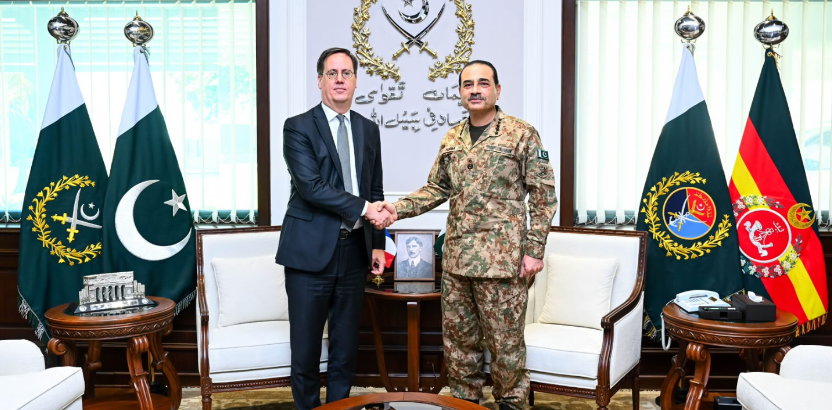
RAWALPINDI — The French Secretary General for Defence and National Security, Nicolas Roche, accompanied by the French Ambassador to Pakistan, Jean-Noël Poirier, met with Field Marshal Syed Asim Munir, Chief of Army Staff and Chief of Defence Forces, at the General Headquarters on Tuesday. The meeting aimed to enhance bilateral defence cooperation between France and Pakistan. What Happened The discussions between the French delegation and Field Marshal Asim Munir focused on strengthening military ties and exploring avenues for collaboration in defence and security. Nicolas Roche, who holds a pivotal role in France’s defence establishment, emphasized the importance of mutual cooperation in addressing regional security challenges. The meeting underscored the commitment of both nations to bolster their strategic partnership. During the meeting, both parties exchanged views on a wide range of issues, including counter-terrorism efforts, regional stability, and military training exchanges. Field Marshal Asim Munir highlighted Pakistan’s ongoing efforts to maintain peace and stability in the region, particularly in the context of the evolving security landscape in South Asia. Jean-Noël Poirier, the French Ambassador, reiterated France’s interest in deepening its defence relations with Pakistan. He acknowledged Pakistan’s significant contributions to regional peace and expressed France’s willingness to support Pakistan in its security endeavors. The meeting concluded with a mutual agreement to continue dialogue and cooperation in areas of shared interest. Background Pakistan and France have a history of defence cooperation, with both countries engaging in military training exchanges and joint exercises. France has been a key partner in providing military equipment and technology to Pakistan, enhancing the capabilities of the Pakistani armed forces. The two nations have also collaborated on counter-terrorism initiatives, recognizing the shared threat posed by extremist groups. Historically, Pakistan’s strategic location and its role in regional geopolitics have made it an important partner for countries like France. The ongoing dialogue between the two nations reflects a continued commitment to addressing common security challenges and fostering a stable regional environment. Why It Matters The meeting between the French defence officials and Field Marshal Asim Munir holds significant implications for both countries. For Pakistan, strengthening ties with France offers an opportunity to enhance its defence capabilities and access advanced military technology. This collaboration can contribute to Pakistan’s efforts to modernize its armed forces and improve its strategic deterrence. From an international perspective, the meeting highlights France’s interest in maintaining a presence in South Asia, a region marked by geopolitical complexities. By engaging with Pakistan, France can play a role in promoting regional stability and countering security threats that have global ramifications. Economically, enhanced defence cooperation can lead to increased trade and investment opportunities between the two nations. Military partnerships often pave the way for broader economic ties, benefiting both countries through technology transfer and joint ventures in defence production. Socially, such high-level engagements foster mutual understanding and cultural exchange, strengthening people-to-people connections between Pakistan and France. This can lead to increased educational and professional exchanges, contributing to the development of human capital in both nations. Key Takeaways The French Secretary General for Defence and National Security met with Pakistan’s Field Marshal Asim Munir to discuss defence cooperation. The meeting focused on enhancing military ties, counter-terrorism efforts, and regional stability. France expressed its commitment to supporting Pakistan’s security initiatives and deepening bilateral relations. The discussions hold significant implications for regional stability and economic ties between France and Pakistan. Strengthened defence cooperation can lead to broader economic and cultural exchanges. Source Attribution This article is based on official government statements, press releases, and public communications from relevant authorities. Author: NEN Editorial Desk | Editor: NEN Newsroom | Fact Checked By: NEN Editorial Team Author: NEN Editorial Desk  |  Editor: NEN Newsroom  |  Last Updated: September 22, 2026  |  Source: NEN Reporter This article was produced by the NEN Editorial Desk in accordance with NEN Agency’s Editorial Policy and Fact-Checking Policy.

Gold Prices Drop By Rs2,700 Per Tola In Pakistan
Pakistan

Gold Prices Drop By Rs2,700 Per Tola In Pakistan

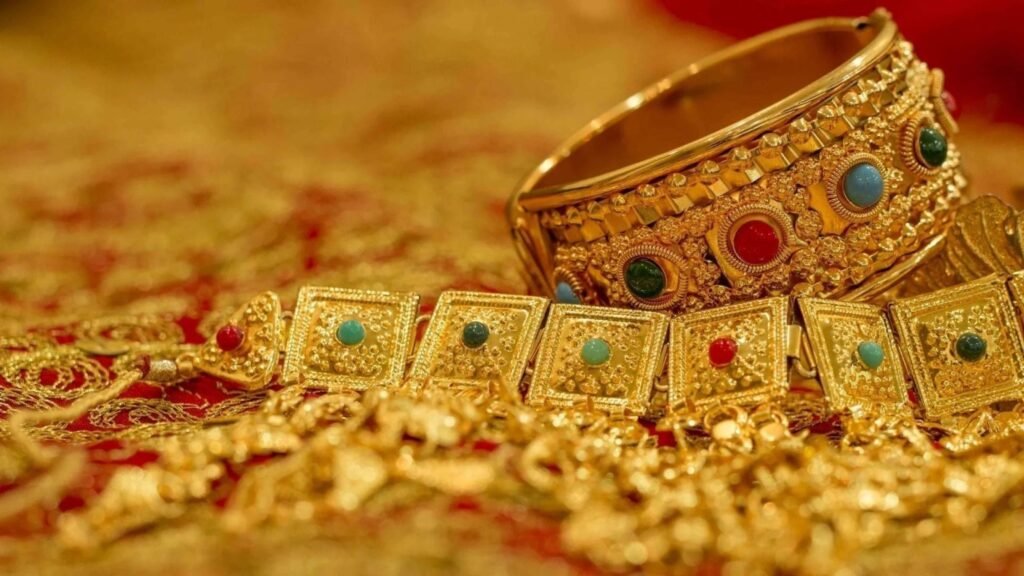
ISLAMABAD — The price of gold in Pakistan’s local market saw a significant decline on Monday, as the cost of 24-karat gold per tola fell by Rs2,700, settling at Rs457,536. This decrease was reported by the All Pakistan Sarafa Gems and Jewellers Association, reflecting changes in the international market and local demand. What Happened The All Pakistan Sarafa Gems and Jewellers Association announced that the price of 24-karat gold per tola dropped by Rs2,700, bringing it to Rs457,536. Similarly, the price for 10 grams of 24-karat gold saw a reduction, although specific figures were not disclosed. This decline in gold prices aligns with trends observed in the international market, where fluctuations in the value of gold are common due to various economic factors. According to the association, the drop in gold prices is attributed to a combination of international market trends and domestic economic conditions. The global market has experienced volatility, influenced by factors such as changes in currency values, inflation rates, and geopolitical tensions, which often impact the price of precious metals like gold. In recent weeks, the international gold market has been affected by a strengthening US dollar and rising interest rates, which typically lead to a decrease in gold prices. As investors seek stability, they often move away from gold, considered a safe-haven asset, towards more lucrative investments. Background Gold prices in Pakistan are heavily influenced by international market trends, given that the country imports gold to meet local demand. Historically, gold has been a popular investment and a traditional gift in Pakistani culture, often seen as a hedge against inflation and currency devaluation. In the past, gold prices have fluctuated significantly in response to global events. For instance, during the 2008 financial crisis, gold prices surged as investors sought safe-haven assets. More recently, the COVID-19 pandemic led to increased demand for gold, pushing prices to record highs. The All Pakistan Sarafa Gems and Jewellers Association plays a crucial role in setting gold prices in the local market, taking into account international rates and local market conditions. Their announcements are closely watched by traders, investors, and consumers alike. Why It Matters The decline in gold prices has several implications for Pakistan’s economy and its citizens. For consumers, lower gold prices may present an opportunity to purchase gold for personal use or investment at a reduced cost. This is particularly significant in a country where gold is a popular choice for weddings and other cultural ceremonies. Economically, the drop in gold prices could impact the jewelry industry, which relies on stable gold prices to maintain profitability. Jewelers may experience increased demand as consumers take advantage of lower prices, potentially boosting sales in the short term. On a broader scale, the fluctuation in gold prices reflects underlying economic conditions, such as inflation and currency stability. As gold is often used as a hedge against these factors, changes in its price can indicate shifts in economic confidence and stability. Internationally, Pakistan’s gold market is relatively small, but it is still influenced by global trends. The current decrease in prices could be indicative of broader economic shifts, including changes in investor sentiment and monetary policy decisions by major economies. Key Takeaways The price of 24-karat gold per tola in Pakistan fell by Rs2,700, settling at Rs457,536. Gold prices are influenced by international market trends and local economic conditions. Lower gold prices may boost consumer purchases and impact the jewelry industry. Fluctuations in gold prices reflect broader economic conditions and investor sentiment. The All Pakistan Sarafa Gems and Jewellers Association plays a key role in setting local gold prices. Source Attribution This article is based on official government statements, press releases, and public communications from relevant authorities. Author: NEN Editorial Desk | Editor: NEN Newsroom | Fact Checked By: NEN Editorial Team Author: NEN Editorial Desk  |  Editor: NEN Newsroom  |  Last Updated: September 22, 2026  |  Source: NEN Reporter This article was produced by the NEN Editorial Desk in accordance with NEN Agency’s Editorial Policy and Fact-Checking Policy.
National Bank Of Pakistan Releases Updated Currency Exchange Rates
Pakistan

National Bank Of Pakistan Releases Updated Currency Exchange Rates

KARACHI — The National Bank of Pakistan (NBP) has released its latest currency exchange rates through its Treasury Management Division. The updated rates are intended to guide businesses and individuals engaged in foreign exchange transactions as of September 22, 2023. What Happened The NBP’s Treasury Management Division issued the current exchange rates for various currencies, providing a benchmark for financial transactions involving foreign currency. The rates are crucial for importers, exporters, and travelers who rely on accurate and up-to-date information to manage their financial operations efficiently. The exchange rates are typically determined by a combination of factors, including market demand and supply, international economic conditions, and monetary policies. The NBP’s role in publishing these rates is part of its broader mandate to facilitate trade and economic stability in Pakistan. According to the latest release, the exchange rates for major currencies such as the US Dollar, Euro, and British Pound have been adjusted in response to recent market trends. The US Dollar, for instance, remains a dominant currency in global trade and finance, and its rate against the Pakistani Rupee is closely monitored by stakeholders. An official from the NBP stated, “Our exchange rates are updated regularly to reflect the current market conditions and ensure that our clients have the most accurate information available for their financial decisions.” The official emphasized the importance of these rates in supporting Pakistan’s economic activities, particularly in the context of international trade. Background The National Bank of Pakistan, established in 1949, is one of the country’s largest commercial banks and plays a pivotal role in the economic framework of Pakistan. The bank’s Treasury Management Division is responsible for managing the bank’s liquidity, foreign exchange, and interest rate risks. It also provides advisory services to clients on financial market trends and strategies. Historically, exchange rates in Pakistan have been influenced by a variety of factors, including geopolitical events, changes in global oil prices, and domestic economic policies. The State Bank of Pakistan, the country’s central bank, also plays a significant role in regulating the foreign exchange market to ensure stability and prevent excessive volatility. In recent years, Pakistan has faced challenges related to currency devaluation, which have impacted inflation and the cost of imports. The NBP’s regular updates on exchange rates are part of the broader efforts to provide transparency and support economic decision-making. Why It Matters The release of updated exchange rates by the NBP is significant for several reasons. Firstly, it provides essential information for businesses engaged in international trade, enabling them to price their goods and services competitively. Accurate exchange rates help exporters and importers manage their costs and revenues more effectively. Secondly, for individuals, especially those who travel abroad or send remittances, knowing the current exchange rates helps them plan their finances better. With a large diaspora contributing to Pakistan’s economy through remittances, the exchange rate directly affects the amount received by families back home. Economically, the stability and predictability of exchange rates are crucial for attracting foreign investment. Investors seek environments where currency risks are minimized, and transparent exchange rate policies contribute to building investor confidence. On a broader scale, the management of exchange rates is a reflection of a country’s economic health and policy effectiveness. For Pakistan, maintaining a stable exchange rate is part of its strategy to control inflation, boost exports, and manage its foreign debt obligations. Key Takeaways The National Bank of Pakistan has issued updated currency exchange rates as of September 22, 2023. These rates are crucial for businesses and individuals engaged in foreign exchange transactions. The NBP’s Treasury Management Division plays a key role in determining and publishing these rates. Exchange rates impact international trade, remittances, and foreign investment in Pakistan. Stable exchange rates are vital for economic stability and investor confidence. Source Attribution This article is based on official government statements, press releases, and public communications from relevant authorities. Author: NEN Editorial Desk | Editor: NEN Newsroom | Fact Checked By: NEN Editorial Team Author: NEN Editorial Desk  |  Editor: NEN Newsroom  |  Last Updated: September 22, 2026  |  Source: NEN Reporter This article was produced by the NEN Editorial Desk in accordance with NEN Agency’s Editorial Policy and Fact-Checking Policy.
Global Youth Campaign Highlights Guan Gong Culture in Shanxi, China
World

Global Youth Campaign Highlights Guan Gong Culture in Shanxi, China

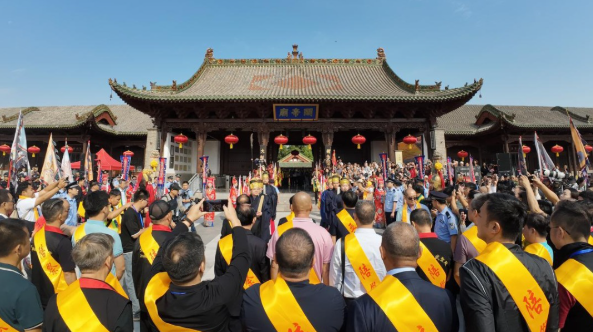
SHANXI — An international campaign titled “Loyalty and Honor Without Borders” has been launched in Shanxi province, China, aiming to explore the cultural heritage of Guan Gong. This initiative brings together young people, overseas bloggers, and journalists from around the world to delve into the legacy of Guan Gong and the enduring values of loyalty and righteousness. What Happened The campaign commenced with a series of events designed to engage participants in the rich history and cultural significance of Guan Gong, a revered historical figure known for his loyalty and righteousness. Participants from various countries have gathered in Shanxi to partake in cultural exchanges, workshops, and discussions centered around the life and legacy of Guan Gong. The campaign aims to foster a deeper understanding of these values among the youth and promote cultural exchange on a global scale. Guan Gong, also known as Guan Yu, is a legendary figure in Chinese history, celebrated for his unwavering loyalty and integrity. His story is deeply ingrained in Chinese folklore and has been a source of inspiration for generations. The campaign seeks to highlight these aspects of Guan Gong’s character and explore how these values can be applied in contemporary society. During the campaign, participants will have the opportunity to visit historical sites associated with Guan Gong, attend lectures by historians and cultural experts, and engage in interactive sessions that encourage dialogue and reflection on the themes of loyalty and honor. The campaign also includes an online component, allowing a wider audience to participate in the discussions and share their insights on social media platforms. Background Guan Gong, who lived during the late Eastern Han dynasty and the Three Kingdoms period, is often depicted as a symbol of loyalty and righteousness in Chinese culture. His life and deeds have been immortalized in various forms of art, literature, and folklore. The worship of Guan Gong has transcended regional boundaries, with temples dedicated to him found in several countries across Asia. In recent years, there has been a growing interest in promoting traditional cultural values among the younger generation. This campaign is part of a broader effort to preserve and promote the cultural heritage of China while fostering international understanding and cooperation. By focusing on the values embodied by Guan Gong, the campaign organizers aim to inspire young people to embrace these principles in their personal and professional lives. Why It Matters The campaign holds significant cultural and social implications, particularly in an era where global communication and cultural exchange are more accessible than ever before. By highlighting the values of loyalty and honor, the campaign encourages young people to reflect on their own values and how they can contribute positively to society. This initiative also serves as a platform for cross-cultural dialogue, promoting mutual understanding and respect among participants from diverse backgrounds. Economically, the campaign has the potential to boost tourism in Shanxi province by attracting international visitors interested in exploring the region’s cultural heritage. This influx of visitors can provide a stimulus to the local economy, creating opportunities for businesses and fostering cultural tourism. On a broader scale, the campaign’s emphasis on traditional values resonates with global audiences, as issues of integrity and loyalty remain relevant in contemporary society. By drawing parallels between historical figures like Guan Gong and modern challenges, the campaign encourages participants to consider how these timeless values can be applied to address current social and ethical dilemmas. Key Takeaways The campaign promotes the cultural legacy of Guan Gong, focusing on values of loyalty and righteousness. Participants from around the world engage in cultural exchanges and discussions in Shanxi, China. The initiative aims to inspire young people to embrace traditional values in modern contexts. The campaign could boost tourism and economic activity in Shanxi province. It fosters cross-cultural dialogue and understanding among international participants. Source Attribution This article is based on official government statements, press releases, and public communications from relevant authorities. Author: NEN Editorial Desk | Editor: NEN Newsroom | Fact Checked By: NEN Editorial Team Author: NEN Editorial Desk  |  Editor: NEN Newsroom  |  Last Updated: September 22, 2026  |  Source: NEN Reporter This article was produced by the NEN Editorial Desk in accordance with NEN Agency’s Editorial Policy and Fact-Checking Policy.
UN Condemns Houthi Attack on Riyadh Amid Yemen’s Escalating Crisis
World

UN Condemns Houthi Attack on Riyadh Amid Yemen’s Escalating Crisis

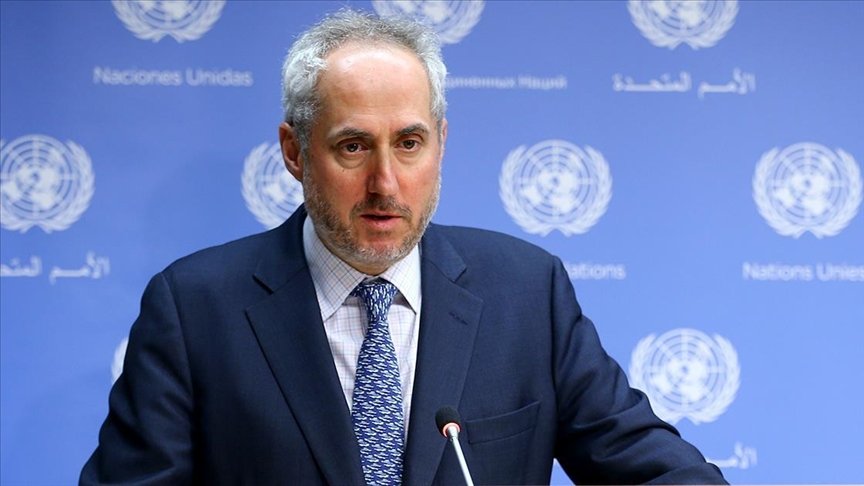
NEW YORK — The United Nations has strongly condemned a recent Houthi missile strike targeting Riyadh, the capital of Saudi Arabia, as Yemen faces a worsening humanitarian crisis with over 130,000 people displaced due to ongoing conflict. The UN’s rebuke comes amid escalating tensions and a surge in violence that has exacerbated the already dire situation in Yemen. What Happened The Houthi forces, engaged in a prolonged conflict with the Saudi-backed Yemeni government, launched a missile attack aimed at Riyadh. The assault was part of a series of cross-border attacks that have intensified in recent weeks. According to Saudi authorities, the missile was intercepted before it could cause any damage or casualties in the capital. The UN has expressed grave concern over these continued hostilities, urging all parties to cease military actions that threaten civilian lives and regional stability. UN Secretary-General António Guterres, in a statement, highlighted the urgent need for de-escalation and a return to negotiations. “The ongoing conflict in Yemen is causing immense human suffering and poses a significant threat to regional peace,” he stated. The UN has called on all involved parties to adhere to international humanitarian law and to prioritize the protection of civilians. Meanwhile, the internal conflict in Yemen has led to one of the largest displacement crises in recent years. The UN Office for the Coordination of Humanitarian Affairs (OCHA) reported that over 130,000 people have been displaced since the beginning of the year, with many fleeing to areas with limited access to basic necessities such as food, water, and healthcare. Background The conflict in Yemen began in 2014 when Houthi rebels seized control of the capital, Sana’a, prompting a military intervention by a Saudi-led coalition in 2015. The war has resulted in a humanitarian catastrophe, with millions of Yemenis facing food insecurity and a lack of essential services. The Houthis, backed by Iran, have frequently targeted Saudi Arabia with missile and drone attacks, further complicating efforts to reach a peaceful resolution. Previous attempts at peace talks have failed to yield lasting solutions, with ceasefires often being short-lived. The international community, including the UN, has repeatedly called for an end to hostilities and a negotiated settlement to the conflict, emphasizing the need for a comprehensive political process that includes all stakeholders. Why It Matters The ongoing conflict in Yemen and the recent escalation of cross-border attacks have significant implications for regional security and humanitarian efforts. The displacement of over 130,000 people adds to the already staggering number of internally displaced persons in Yemen, estimated to be over 4 million. This exacerbates the humanitarian crisis, stretching the capacities of aid organizations working to provide relief. Economically, the conflict disrupts trade routes and affects oil markets, as Saudi Arabia is a major global oil supplier. Any instability in the region can lead to fluctuations in oil prices, impacting economies worldwide. Politically, the conflict draws in regional powers, including Iran and Saudi Arabia, and complicates diplomatic relations in the Middle East. For Pakistan, the situation in Yemen holds particular importance due to its close ties with Saudi Arabia and its role in regional security dynamics. Pakistan has historically supported Saudi Arabia’s stance in the conflict, balancing its diplomatic relations with Iran. Key Takeaways The UN has condemned a Houthi missile attack on Riyadh, urging de-escalation and peace talks. Over 130,000 people have been displaced in Yemen this year due to ongoing conflict. The crisis in Yemen poses significant humanitarian and regional security challenges. The conflict affects global oil markets and regional diplomatic relations. Pakistan’s geopolitical interests are closely tied to developments in Yemen and the broader Middle East. Source Attribution This article is based on official statements from the United Nations and public communications from relevant authorities. Author: NEN Editorial Desk | Editor: NEN Newsroom | Fact Checked By: NEN Editorial Team Author: NEN Editorial Desk  |  Editor: NEN Newsroom  |  Last Updated: September 22, 2026  |  Source: NEN Reporter This article was produced by the NEN Editorial Desk in accordance with NEN Agency’s Editorial Policy and Fact-Checking Policy.
IRSA Releases 193,800 Cusecs of Water Amid Seasonal Adjustments
World

IRSA Releases 193,800 Cusecs of Water Amid Seasonal Adjustments

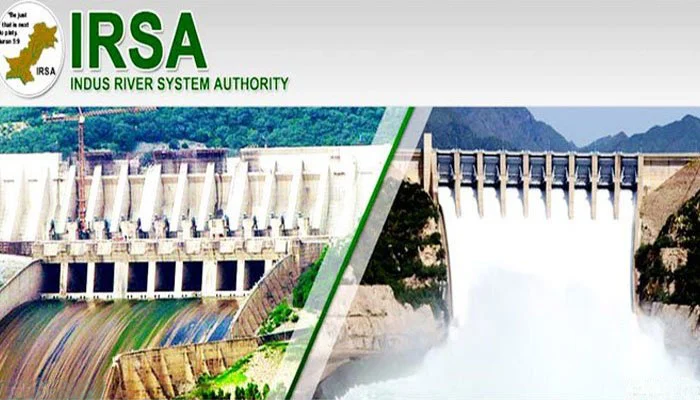
ISLAMABAD — The Indus River System Authority (IRSA) on Tuesday released 193,800 cusecs of water from various rim stations, responding to the current inflow of 121,500 cusecs. This adjustment is part of the regular water management strategy to ensure optimal distribution across Pakistan’s river systems. What Happened On Tuesday, IRSA reported the release of 193,800 cusecs of water from several key rim stations. The inflow into these stations was recorded at 121,500 cusecs. This release is crucial for maintaining the water levels across Pakistan’s extensive river network, particularly in the Indus River, which is a lifeline for agricultural and domestic water supply. At Tarbela Dam, a significant reservoir on the Indus River, the water level was noted at 1534.63 feet, significantly above the dead level of 1402.00 feet. The inflow and outflow at this dam were 72,000 cusecs and 125,000 cusecs, respectively. Meanwhile, at Mangla Dam on the Jhelum River, the water level stood at 1217.60 feet, well above its dead level of 1,050 feet, with inflows and outflows recorded at 11,700 cusecs and 31,000 cusecs, respectively. Additional releases were recorded at various points: 139,700 cusecs at Kalabagh, 131,600 cusecs at Taunsa, 106,900 cusecs at Guddu, and 51,100 cusecs at Sukkur. The River Kabul saw a release of 15,500 cusecs at Nowshera, while the River Chenab at Marala released 7,000 cusecs. Background IRSA plays a pivotal role in managing the water resources of Pakistan, particularly in the Indus Basin, which supports a significant portion of the country’s agriculture and drinking water needs. The authority was established to ensure equitable distribution of water among the provinces, as per the Water Apportionment Accord of 1991. This agreement was designed to manage water resources efficiently, taking into account seasonal variations and provincial requirements. The management of water resources is a critical issue in Pakistan, a country that relies heavily on its river systems for irrigation and hydroelectric power. The seasonal release of water is a routine operation aimed at balancing the needs of agriculture, industry, and domestic consumption, particularly during the crucial Kharif and Rabi cropping seasons. Why It Matters The release of water by IRSA is significant as it directly impacts agricultural productivity, which is a cornerstone of Pakistan’s economy. The timely management of water resources ensures that crops receive adequate irrigation, which is vital for food security and economic stability. With agriculture contributing approximately 24% to the GDP and employing nearly half of the labor force, efficient water management is essential for sustaining livelihoods and economic growth. Moreover, the strategic release of water helps in maintaining reservoir levels, which is crucial for hydroelectric power generation. This is particularly important in a country facing energy shortages, as hydropower is a major component of Pakistan’s energy mix. Ensuring optimal water levels in dams like Tarbela and Mangla also mitigates the risk of flooding, protecting infrastructure and communities downstream. Internationally, efficient water management by IRSA reflects Pakistan’s commitment to sustainable resource utilization and climate resilience. As climate change poses increasing challenges to water availability, the role of IRSA in adapting to these changes is critical for the country’s long-term environmental and economic health. Key Takeaways IRSA released 193,800 cusecs of water from various rim stations with an inflow of 121,500 cusecs. Water levels at Tarbela and Mangla Dams remain above their respective dead levels, ensuring adequate supply for various needs. Efficient water management is crucial for Pakistan’s agriculture, energy production, and flood mitigation. IRSA’s actions are aligned with the Water Apportionment Accord of 1991, ensuring equitable distribution among provinces. The release supports Pakistan’s broader goals of food security, economic stability, and climate resilience. Source Attribution This article is based on official government statements, press releases, and public communications from relevant authorities. Author: NEN Editorial Desk | Editor: NEN Newsroom | Fact Checked By: NEN Editorial Team Author: NEN Editorial Desk  |  Editor: NEN Newsroom  |  Last Updated: September 22, 2026  |  Source: Press Release from Indus River System Authority (IRSA) This article was produced by the NEN Editorial Desk in accordance with NEN Agency’s Editorial Policy and Fact-Checking Policy.
UN Secretary-General Urges Global Leaders To Prioritize Peace Investments
World

UN Secretary-General Urges Global Leaders To Prioritize Peace Investments

UNITED NATIONS — Amid escalating global conflicts and societal divisions, UN Secretary-General Antonio Guterres has urged world leaders and citizens to increase their investments in peace. Speaking ahead of the International Day of Peace, Guterres emphasized the necessity of proactive efforts to achieve global harmony. What Happened On September 21, at the United Nations headquarters, Secretary-General Antonio Guterres addressed the pressing need for global peace initiatives. With conflicts intensifying around the world, Guterres highlighted the suffering of millions caught in the crossfire of violence and division. “Achieving peace is not something that just happens,” he stated, underscoring the importance of deliberate action and investment in peace-building measures. Guterres’s message was delivered as part of the observance of the International Day of Peace, celebrated annually on September 21. This year, the theme focuses on fostering dialogue and understanding to bridge divides and promote reconciliation. The Secretary-General called on nations to prioritize peace in their policies and budgets, stressing that peace is a fundamental prerequisite for sustainable development and prosperity. In his address, Guterres also pointed to the role of citizens in advocating for peace, urging individuals worldwide to engage in community efforts that promote harmony and understanding. He emphasized that peace is a collective responsibility that requires collaboration across borders and sectors. Background The International Day of Peace was established in 1981 by the United Nations General Assembly. The day is dedicated to strengthening the ideals of peace through observing 24 hours of non-violence and ceasefire. Over the years, the UN has used this occasion to highlight various aspects of peace, such as disarmament, conflict resolution, and the role of youth in peace-building. Historically, the UN has been at the forefront of international peace efforts, deploying peacekeeping missions in conflict zones and facilitating diplomatic negotiations. Despite these efforts, recent years have seen a rise in global conflicts, with wars in regions such as the Middle East, Africa, and Eastern Europe causing widespread displacement and humanitarian crises. Why It Matters The call for increased investment in peace comes at a critical juncture. The world is witnessing a surge in armed conflicts, with devastating impacts on civilian populations. According to the UN, over 100 million people are currently displaced due to violence and persecution, a record high that underscores the urgent need for effective peace strategies. Economically, conflicts drain national resources, diverting funds from essential services such as education, healthcare, and infrastructure development. By investing in peace, nations can redirect these resources towards building resilient societies that can thrive in a stable environment. Socially, peace initiatives foster inclusivity and cohesion, reducing the likelihood of future conflicts. They promote dialogue and understanding among diverse groups, addressing root causes of tension and preventing escalation into violence. Politically, Guterres’s call aligns with global efforts to achieve the Sustainable Development Goals (SDGs), particularly Goal 16, which aims to promote peaceful and inclusive societies. Peace is integral to achieving these goals, as it creates the conditions necessary for development and prosperity. Key Takeaways UN Secretary-General Antonio Guterres calls for increased investment in peace amid rising global conflicts. The International Day of Peace emphasizes dialogue and understanding to bridge societal divides. Global conflicts have led to a record number of displaced individuals, highlighting the need for effective peace strategies. Investing in peace can redirect resources towards essential services and foster societal cohesion. Peace initiatives are crucial for achieving the Sustainable Development Goals, particularly promoting inclusive societies. Source Attribution This article is based on official statements and public communications from the United Nations and relevant authorities. Author: NEN Editorial Desk | Editor: NEN Newsroom | Fact Checked By: NEN Editorial Team Author: NEN Editorial Desk  |  Editor: NEN Newsroom  |  Last Updated: September 22, 2026  |  Source: NEN Reporter This article was produced by the NEN Editorial Desk in accordance with NEN Agency’s Editorial Policy and Fact-Checking Policy.
Pakistan Reaffirms Support for Palestinian Self-Determination at UN Meeting
World

Pakistan Reaffirms Support for Palestinian Self-Determination at UN Meeting

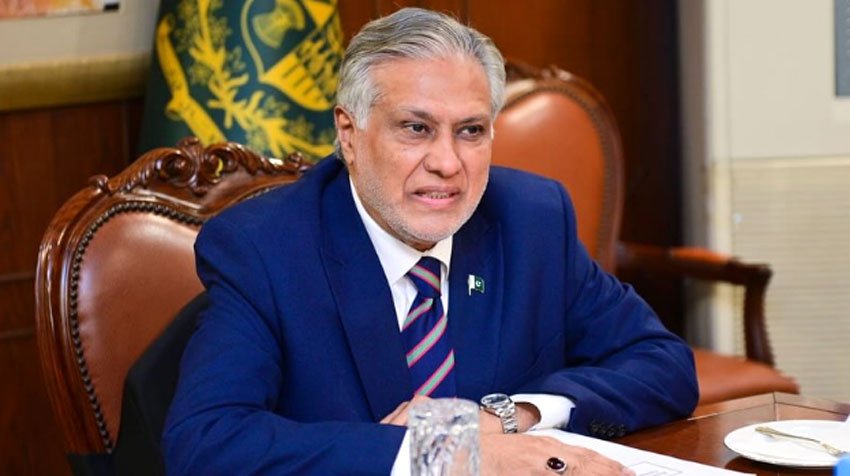
NEW YORK — Deputy Prime Minister and Foreign Minister Senator Muhammad Ishaq Dar reiterated Pakistan’s steadfast support for Palestine during a meeting with Ambassador Riyad Mansour, the Permanent Observer of Palestine to the United Nations, at the UN Headquarters on Monday. The meeting underscored Pakistan’s commitment to the Palestinian cause, emphasizing the right to self-determination for the Palestinian people. What Happened During the meeting in New York, Deputy Prime Minister Ishaq Dar assured Ambassador Riyad Mansour of Pakistan’s unwavering support for the Palestinian cause. Dar emphasized Pakistan’s long-standing position advocating for the rights of Palestinians, including their right to self-determination and the establishment of an independent state with pre-1967 borders and East Jerusalem as its capital. The Deputy Prime Minister highlighted the importance of a peaceful resolution to the Israeli-Palestinian conflict, which he stated is essential for regional stability. Dar’s reaffirmation of support comes amid ongoing tensions in the Middle East, where the Israeli-Palestinian conflict continues to be a significant issue on the international stage. The meeting was part of Pakistan’s broader diplomatic efforts to engage with international stakeholders and advocate for the Palestinian cause at various global forums. Ambassador Riyad Mansour expressed gratitude for Pakistan’s consistent support and highlighted the critical role that international allies play in advocating for Palestinian rights. He acknowledged Pakistan’s efforts in raising awareness and pushing for resolutions at the United Nations that support Palestinian self-determination. Background Pakistan has historically been a vocal supporter of the Palestinian cause, consistently advocating for Palestinian rights at international platforms such as the United Nations. The country has called for a two-state solution based on pre-1967 borders, with East Jerusalem as the capital of a sovereign Palestinian state. This stance aligns with the broader consensus among many Muslim-majority countries and is rooted in Pakistan’s foreign policy principles. The Israeli-Palestinian conflict has been a protracted issue, with numerous attempts at peace negotiations failing to yield a lasting solution. The conflict has resulted in significant humanitarian challenges, with Palestinians facing restrictions on movement, economic hardships, and limited access to resources. Why It Matters The reaffirmation of support by Pakistan’s Deputy Prime Minister highlights the country’s ongoing commitment to international diplomacy and its role as an advocate for Muslim-majority nations. Pakistan’s stance on Palestine is significant as it reflects the broader sentiment of the Muslim world, which seeks a fair and just resolution to the conflict. For Pakistan, supporting Palestine is not only a matter of foreign policy but also a reflection of its commitment to human rights and international law. The issue resonates deeply with the Pakistani populace, many of whom view the Palestinian struggle as a parallel to their own historical experiences with colonialism and partition. Internationally, Pakistan’s continued advocacy for Palestine helps to keep the issue in the global spotlight, encouraging dialogue and negotiations aimed at achieving peace. It also strengthens Pakistan’s diplomatic ties with other countries that support the Palestinian cause, fostering alliances that can be leveraged in other areas of international relations. Key Takeaways Deputy Prime Minister Ishaq Dar reaffirmed Pakistan’s support for Palestinian self-determination at a UN meeting. Pakistan advocates for a two-state solution based on pre-1967 borders, with East Jerusalem as the capital of Palestine. Ambassador Riyad Mansour expressed gratitude for Pakistan’s consistent support at international forums. Pakistan’s stance on Palestine is aligned with the broader consensus among many Muslim-majority nations. The issue of Palestinian rights is significant in Pakistan’s foreign policy and resonates with its citizens. Source Attribution This article is based on official government statements, press releases, and public communications from relevant authorities. Author: NEN Editorial Desk | Editor: NEN Newsroom | Fact Checked By: NEN Editorial Team Author: NEN Editorial Desk  |  Editor: NEN Newsroom  |  Last Updated: September 22, 2026  |  Source: NEN Reporter This article was produced by the NEN Editorial Desk in accordance with NEN Agency’s Editorial Policy and Fact-Checking Policy.

Over 151,000 Children Vaccinated on First Day of Islamabad Polio Campaign
Pakistan

Over 151,000 Children Vaccinated on First Day of Islamabad Polio Campaign

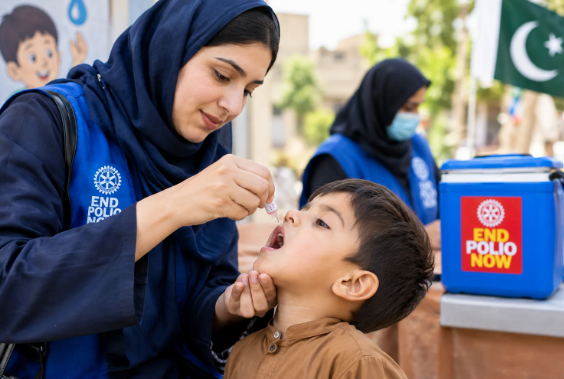
ISLAMABAD — The anti-polio campaign in Islamabad commenced with the vaccination of 151,598 children on its first day, as authorities set a target to immunize a total of 447,614 children during the ongoing drive. This initiative is part of Pakistan’s continued efforts to eradicate polio, a disease that remains endemic in only a few countries worldwide. What Happened The vaccination campaign in Islamabad, which began on September 21, 2023, saw a significant turnout as health workers aimed to reach over 447,000 children under the age of five. On the first day, polio teams successfully vaccinated 151,598 children, achieving 34 percent of the campaign’s overall target. This progress was reported during a review meeting attended by health officials and campaign coordinators. Dr. Faisal Sultan, Special Assistant to the Prime Minister on Health, praised the efforts of the healthcare workers and volunteers involved in the campaign. He stated, “The dedication of our teams is commendable, and their work is crucial in ensuring that every child is protected against polio.” The campaign is part of a broader national effort to eliminate polio from Pakistan, which has been battling the disease for decades. Health authorities have deployed thousands of polio workers across the federal capital, ensuring that the campaign reaches every household. The teams are conducting door-to-door vaccinations, with a focus on high-risk areas identified through previous surveillance data. The campaign will continue over the next few days, with the aim of reaching the remaining children who have not yet been vaccinated. Background Polio, a highly infectious viral disease, primarily affects children under the age of five and can lead to irreversible paralysis. Pakistan, along with Afghanistan, is one of the last two countries where polio is still endemic. Despite significant progress in recent years, challenges such as vaccine hesitancy, misinformation, and logistical issues have hindered complete eradication. The government of Pakistan has been conducting regular polio vaccination campaigns in collaboration with international organizations such as the World Health Organization (WHO) and UNICEF. These campaigns are part of the Global Polio Eradication Initiative, which aims to eliminate the disease worldwide. Over the years, Pakistan has made substantial strides in reducing polio cases, with only a handful of cases reported in recent years compared to hundreds in the past. Why It Matters The successful execution of the polio vaccination campaign in Islamabad is critical for several reasons. Firstly, it demonstrates the government’s commitment to public health and its determination to eradicate polio from the country. The campaign’s success also reflects the effectiveness of the strategies employed by health authorities, including community engagement and targeted outreach in high-risk areas. Economically, eradicating polio can save Pakistan millions of dollars in healthcare costs and improve the quality of life for its citizens. Polio eradication efforts are also linked to broader health initiatives, as they strengthen healthcare infrastructure and improve access to essential services. Socially, eliminating polio will alleviate the burden on families affected by the disease, allowing children to grow up healthy and free from the threat of paralysis. Internationally, Pakistan’s progress in polio eradication is closely monitored, as the country plays a crucial role in the global effort to eliminate the disease. Success in Pakistan would bring the world closer to achieving the goal of a polio-free future, benefiting millions of children worldwide. Key Takeaways The Islamabad polio campaign vaccinated 151,598 children on its first day, aiming for a total of 447,614. Health workers are conducting door-to-door vaccinations, focusing on high-risk areas. Polio remains endemic in Pakistan and Afghanistan, with global efforts focused on eradication. Eradicating polio will save healthcare costs and improve the quality of life in Pakistan. Pakistan’s success in polio eradication is vital for global public health efforts. Source Attribution This article is based on official government statements, press releases, and public communications from relevant authorities. Author: NEN Editorial Desk | Editor: NEN Newsroom | Fact Checked By: NEN Editorial Team Author: NEN Editorial Desk  |  Editor: NEN Newsroom  |  Last Updated: September 22, 2026  |  Source: NEN Reporter This article was produced by the NEN Editorial Desk in accordance with NEN Agency’s Editorial Policy and Fact-Checking Policy.

Scroll to Top