NEW YORK — The United Nations has strongly condemned a recent Houthi missile strike targeting Riyadh, the capital of Saudi Arabia, as Yemen faces a worsening humanitarian crisis with over 130,000 people displaced due to ongoing conflict. The UN’s rebuke comes amid escalating tensions and a surge in violence that has exacerbated the already dire situation in Yemen.
What Happened
The Houthi forces, engaged in a prolonged conflict with the Saudi-backed Yemeni government, launched a missile attack aimed at Riyadh. The assault was part of a series of cross-border attacks that have intensified in recent weeks. According to Saudi authorities, the missile was intercepted before it could cause any damage or casualties in the capital. The UN has expressed grave concern over these continued hostilities, urging all parties to cease military actions that threaten civilian lives and regional stability.
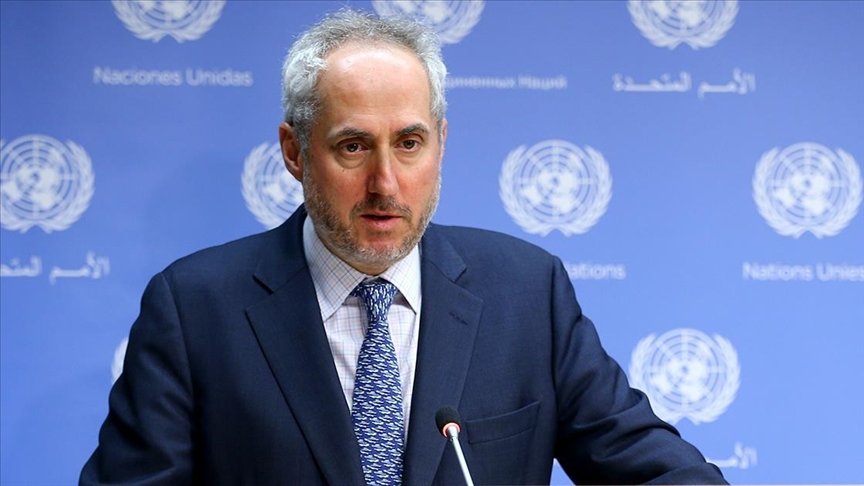
UN Secretary-General António Guterres, in a statement, highlighted the urgent need for de-escalation and a return to negotiations. “The ongoing conflict in Yemen is causing immense human suffering and poses a significant threat to regional peace,” he stated. The UN has called on all involved parties to adhere to international humanitarian law and to prioritize the protection of civilians.
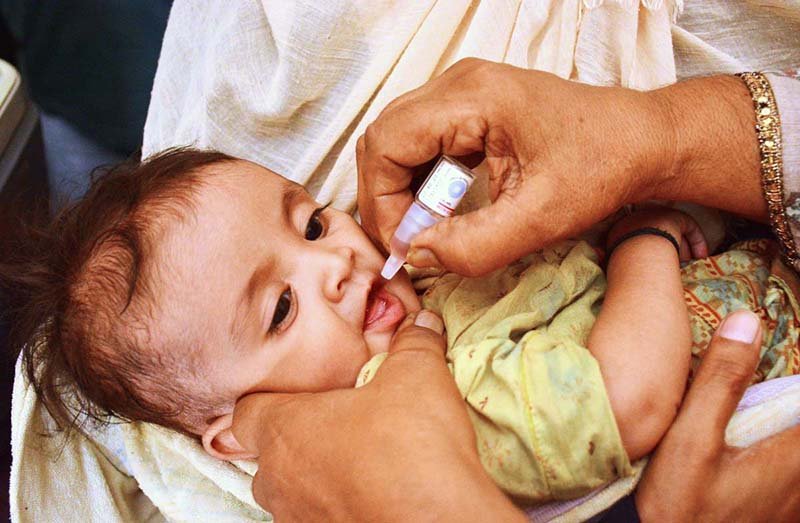
Meanwhile, the internal conflict in Yemen has led to one of the largest displacement crises in recent years. The UN Office for the Coordination of Humanitarian Affairs (OCHA) reported that over 130,000 people have been displaced since the beginning of the year, with many fleeing to areas with limited access to basic necessities such as food, water, and healthcare.
Background
The conflict in Yemen began in 2014 when Houthi rebels seized control of the capital, Sana’a, prompting a military intervention by a Saudi-led coalition in 2015. The war has resulted in a humanitarian catastrophe, with millions of Yemenis facing food insecurity and a lack of essential services. The Houthis, backed by Iran, have frequently targeted Saudi Arabia with missile and drone attacks, further complicating efforts to reach a peaceful resolution.
Previous attempts at peace talks have failed to yield lasting solutions, with ceasefires often being short-lived. The international community, including the UN, has repeatedly called for an end to hostilities and a negotiated settlement to the conflict, emphasizing the need for a comprehensive political process that includes all stakeholders.
Why It Matters
The ongoing conflict in Yemen and the recent escalation of cross-border attacks have significant implications for regional security and humanitarian efforts. The displacement of over 130,000 people adds to the already staggering number of internally displaced persons in Yemen, estimated to be over 4 million. This exacerbates the humanitarian crisis, stretching the capacities of aid organizations working to provide relief.
Economically, the conflict disrupts trade routes and affects oil markets, as Saudi Arabia is a major global oil supplier. Any instability in the region can lead to fluctuations in oil prices, impacting economies worldwide. Politically, the conflict draws in regional powers, including Iran and Saudi Arabia, and complicates diplomatic relations in the Middle East.
For Pakistan, the situation in Yemen holds particular importance due to its close ties with Saudi Arabia and its role in regional security dynamics. Pakistan has historically supported Saudi Arabia’s stance in the conflict, balancing its diplomatic relations with Iran.
Key Takeaways
- The UN has condemned a Houthi missile attack on Riyadh, urging de-escalation and peace talks.
- Over 130,000 people have been displaced in Yemen this year due to ongoing conflict.
- The crisis in Yemen poses significant humanitarian and regional security challenges.
- The conflict affects global oil markets and regional diplomatic relations.
- Pakistan’s geopolitical interests are closely tied to developments in Yemen and the broader Middle East.
Source Attribution
This article is based on official statements from the United Nations and public communications from relevant authorities.