
Author name: Yasir Zubairi

Yasir Zubairi is the founder and publisher of NEN Agency (News Era Network). He leads NEN's coverage of Pakistan's national affairs, economy, foreign relations and sports, and is responsible for the accuracy and standards of every story published on nenagency.com.

ICCI to Host Islamabad Governance Convention on September 25
Pakistan

ICCI to Host Islamabad Governance Convention on September 25

ISLAMABAD — The Islamabad Chamber of Commerce and Industry (ICCI) is set to host the ‘Islamabad Governance and Provincial Status Convention 2026’ on September 25. The event aims to foster an inclusive dialogue on the future governance structure and status of Islamabad, as announced by ICCI President Sardar Tahir Mehmood. What Happened The ICCI has organized a convention scheduled for September 25, 2023, to discuss the governance and potential provincial status of Islamabad. The event, titled ‘Islamabad Governance and Provincial Status Convention 2026,’ seeks to gather stakeholders from various sectors to deliberate on the administrative and political future of the capital city. According to ICCI President Sardar Tahir Mehmood, the convention will serve as a platform for comprehensive consultation and discussion among policymakers, business leaders, and civil society representatives. The convention is expected to address key issues related to Islamabad’s governance, including the challenges and opportunities of granting provincial status to the city. The aim is to explore the implications of such a change on the administrative efficiency and development prospects of Islamabad. The ICCI has emphasized the importance of engaging diverse voices in this dialogue to ensure a well-rounded understanding of the potential impacts. Sardar Tahir Mehmood stated, “The convention will bring together experts and stakeholders to discuss the future governance structure of Islamabad. It is crucial to consider the perspectives of all relevant parties to make informed decisions that will benefit the city’s residents and businesses.” Background Islamabad, as the capital city of Pakistan, currently operates under a unique administrative structure that differentiates it from the provinces. The city is directly governed by the federal government, which oversees its development and administrative affairs. Over the years, there have been discussions and proposals regarding the possibility of granting provincial status to Islamabad to enhance its governance and administrative autonomy. Historically, the debate over Islamabad’s status has been influenced by various factors, including population growth, urban development, and the need for more localized governance. The city’s strategic importance as the seat of the federal government adds complexity to any potential changes in its administrative structure. Previous attempts to alter Islamabad’s status have faced challenges, often due to political considerations and differing opinions on the best approach to governance. Why It Matters The potential change in Islamabad’s governance structure holds significant implications for its residents and the broader administrative landscape of Pakistan. Granting provincial status to Islamabad could lead to increased autonomy in decision-making, allowing for more tailored policies that address the city’s unique challenges and opportunities. This change could also impact the distribution of resources and responsibilities between the federal and local governments. From an economic perspective, enhanced governance could attract more investment and development projects to Islamabad, boosting its economic growth and providing new opportunities for businesses and residents. Improved administrative efficiency could also lead to better service delivery, infrastructure development, and urban planning, enhancing the quality of life for the city’s population. Politically, the decision to alter Islamabad’s status could set a precedent for other regions seeking similar changes, potentially reshaping the administrative map of Pakistan. The outcome of the convention and subsequent discussions could influence future policy decisions and legislative actions regarding the governance of Islamabad and other territories. Key Takeaways The ICCI is hosting a convention on September 25 to discuss Islamabad’s governance and potential provincial status. The event aims to gather diverse stakeholders to explore the implications of changing Islamabad’s administrative structure. Islamabad’s current governance is directly managed by the federal government, with ongoing discussions about granting it provincial status. Potential changes could enhance administrative autonomy, attract investment, and improve service delivery in Islamabad. The convention’s outcomes could influence future policy decisions and set precedents for other regions in Pakistan. Source Attribution This article is based on official government statements, press releases, and public communications from relevant authorities. Author: NEN Editorial Desk | Editor: NEN Newsroom | Fact Checked By: NEN Editorial Team Author: NEN Editorial Desk  |  Editor: NEN Newsroom  |  Last Updated: September 22, 2026  |  Source: Press Release from Government of Pakistan This article was produced by the NEN Editorial Desk in accordance with NEN Agency’s Editorial Policy and Fact-Checking Policy.
Deputy PM Dar Engages With Kuwaiti Foreign Minister at UNGA
World

Deputy PM Dar Engages With Kuwaiti Foreign Minister at UNGA

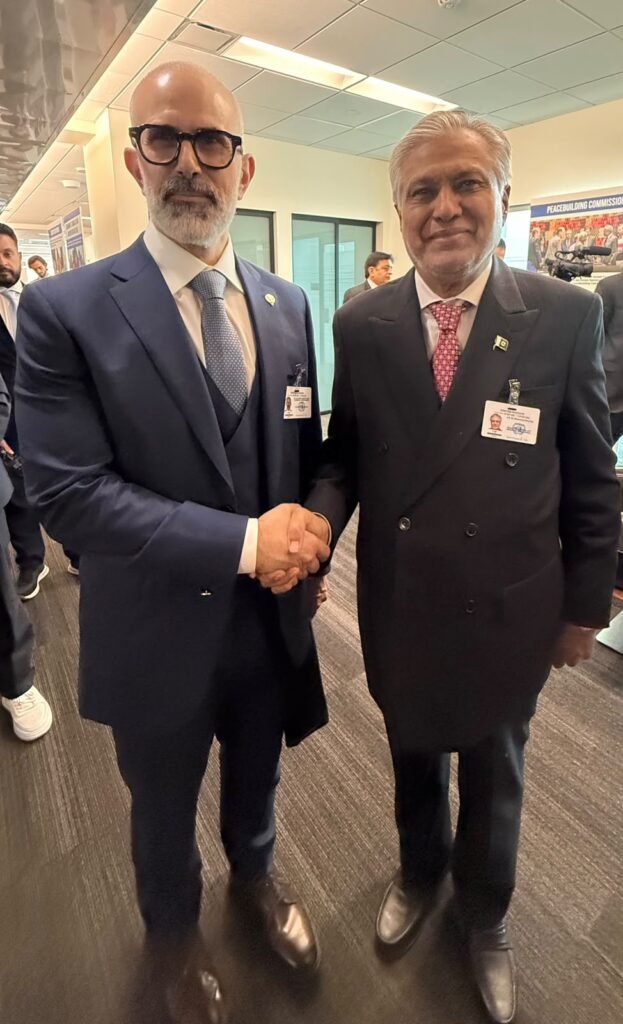
ISLAMABAD — Deputy Prime Minister and Foreign Minister Senator Mohammad Ishaq Dar engaged in a meeting with the Kuwaiti Foreign Minister Sheikh Jarrah Jaber Al-Ahmad Al-Sabah on Tuesday. The meeting took place on the sidelines of the 81st Session of the United Nations General Assembly in New York. The discussions focused on strengthening bilateral relations and exploring avenues for cooperation between Pakistan and Kuwait. What Happened During the meeting, both leaders expressed a mutual desire to enhance the existing friendly relations between Pakistan and Kuwait. The dialogue was characterized by a cordial atmosphere where the two foreign ministers reviewed the current state of bilateral ties and discussed potential areas for further collaboration. The conversation underscored the importance of cooperation in various sectors, including trade, investment, and energy. Senator Dar highlighted Pakistan’s commitment to deepening its economic partnership with Kuwait, emphasizing the potential for increased trade and investment. He noted, “Pakistan and Kuwait have a longstanding relationship built on mutual trust and respect. We are keen to explore new avenues of cooperation that will benefit both nations.” Sheikh Jarrah Jaber Al-Ahmad Al-Sabah reciprocated by acknowledging the historical ties between the two countries and expressed Kuwait’s interest in expanding its economic footprint in Pakistan. The meeting also touched upon regional and international issues of mutual interest, with both ministers agreeing on the need for continued dialogue and cooperation to address global challenges. They reiterated their commitment to working together within the framework of international organizations, including the United Nations, to promote peace and stability in the region. Background Pakistan and Kuwait have enjoyed a robust bilateral relationship for decades, marked by cooperation in various fields. Historically, both countries have supported each other in international forums and have collaborated on numerous economic and development projects. Kuwait has been a significant source of remittances for Pakistan, with many Pakistani expatriates working in Kuwait contributing to the country’s economy. The two nations have also engaged in several high-level visits and dialogues to strengthen their diplomatic and economic ties. In recent years, there has been a concerted effort to enhance trade relations, with both countries exploring opportunities in sectors such as agriculture, infrastructure, and energy. Why It Matters The meeting between Deputy Prime Minister Dar and Foreign Minister Sheikh Jarrah is significant for several reasons. Firstly, it reaffirms the commitment of both nations to strengthen their bilateral relations at a time when regional cooperation is crucial for economic growth and stability. As Pakistan seeks to bolster its economy, partnerships with countries like Kuwait can provide valuable investment and trade opportunities. Economically, Kuwait’s interest in expanding its presence in Pakistan could lead to increased foreign direct investment, which is vital for Pakistan’s economic development. This potential influx of investment can help create jobs, boost infrastructure development, and enhance the overall economic landscape of Pakistan. Politically, the meeting underscores the importance of diplomatic engagement in addressing regional and global challenges. By working together, Pakistan and Kuwait can contribute to peace and stability in the Middle East and South Asia, regions that are often fraught with geopolitical tensions. Key Takeaways Deputy Prime Minister Dar and Kuwaiti Foreign Minister Sheikh Jarrah met at the UNGA to discuss bilateral relations. The meeting focused on enhancing trade, investment, and energy cooperation between Pakistan and Kuwait. Both nations expressed a commitment to working together on regional and international issues. The dialogue highlights the potential for increased Kuwaiti investment in Pakistan, which could bolster economic growth. Strengthening diplomatic ties is crucial for addressing regional and global challenges collaboratively. Source Attribution This article is based on official government statements, press releases, and public communications from relevant authorities. Author: NEN Editorial Desk | Editor: NEN Newsroom | Fact Checked By: NEN Editorial Team Author: NEN Editorial Desk  |  Editor: NEN Newsroom  |  Last Updated: September 22, 2026  |  Source: Press Release from Government of Pakistan This article was produced by the NEN Editorial Desk in accordance with NEN Agency’s Editorial Policy and Fact-Checking Policy.
Sindh’s Anti-Polio Campaign Reaches 30% Target on First Day
Pakistan

Sindh’s Anti-Polio Campaign Reaches 30% Target on First Day

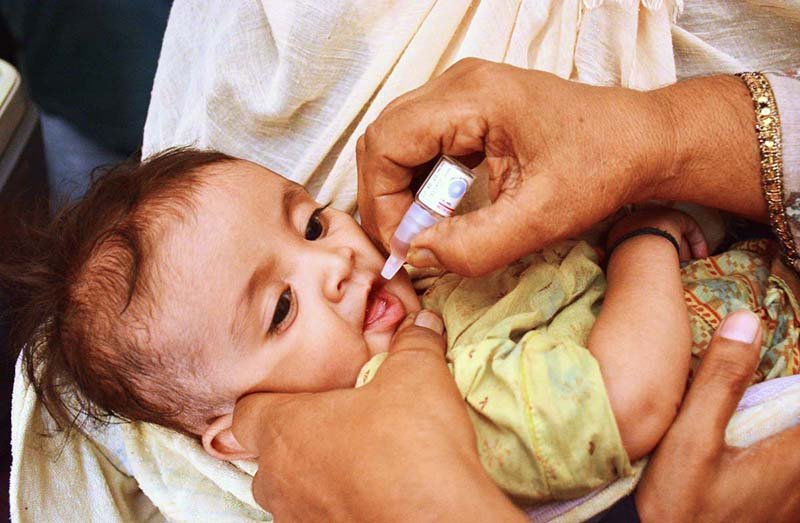
KARACHI — The Emergency Operations Center (EOC) Sindh announced that the ongoing week-long anti-polio campaign has successfully reached 30% of its immunization target on the first day. Over 3 million children across 30 districts in Sindh received polio drops, marking a promising start to the initiative aimed at eradicating the disease. What Happened The EOC Sindh, responsible for overseeing polio eradication efforts, confirmed that the campaign commenced with significant momentum. The initiative aims to immunize children under the age of five against polio, a crippling disease that Pakistan has been striving to eliminate. According to the EOC’s statement, the first day of the drive saw health workers administering polio drops to more than 3 million children, achieving 30% of the campaign’s overall target. This campaign is part of a larger national effort to eradicate polio, with Sindh being a critical focus due to its large population and previous challenges in reaching remote areas. The EOC has mobilized thousands of health workers and volunteers to ensure that the campaign reaches every child, especially in areas with historically low vaccination rates. Dr. Azra Fazal Pechuho, Sindh’s Minister of Health, emphasized the importance of the campaign, stating, “Our goal is to ensure that no child is left behind. We are committed to reaching every household, especially in hard-to-reach areas, to administer these life-saving drops.” The campaign is set to continue throughout the week, with teams working tirelessly to cover the remaining districts. Background Polio remains a significant public health challenge in Pakistan, one of the few countries where the disease is still endemic. The government, in collaboration with international organizations like the World Health Organization (WHO) and UNICEF, has been conducting regular immunization drives to combat the spread of the virus. Despite these efforts, challenges such as vaccine hesitancy and access to remote areas have hindered progress. Previous campaigns have faced obstacles, including misinformation about the vaccine’s safety and logistical issues in reaching rural communities. However, the government and health organizations have intensified efforts to address these challenges, employing strategies such as community engagement and enhanced security for health workers. Why It Matters The success of the current anti-polio campaign is crucial for several reasons. Firstly, achieving high immunization coverage is essential to prevent outbreaks and move closer to eradicating polio in Pakistan. The disease not only poses a health risk but also affects the country’s international standing, as polio-free certification is a significant milestone for any nation. Economically, polio outbreaks can strain healthcare resources and impact productivity, as affected individuals often require long-term care. By reducing the incidence of polio, Pakistan can allocate resources more effectively towards other pressing health issues. Additionally, the campaign’s success is vital for maintaining public trust in vaccination programs. Overcoming vaccine hesitancy and misinformation is key to ensuring high participation rates in future health initiatives. The ongoing efforts by the EOC and health workers demonstrate a commitment to safeguarding children’s health and building a healthier future for Pakistan. Key Takeaways The anti-polio campaign in Sindh has achieved 30% of its target on the first day, immunizing over 3 million children. The campaign is part of a broader effort to eradicate polio in Pakistan, one of the last countries where the disease is endemic. Challenges such as vaccine hesitancy and access to remote areas continue to be addressed through community engagement and logistical support. The success of the campaign is critical for improving public health, economic stability, and international reputation. Efforts to combat polio are supported by the government, WHO, and UNICEF, emphasizing the importance of global collaboration. Source Attribution This article is based on official statements from the Emergency Operations Center Sindh and public communications from health authorities. Author: NEN Editorial Desk | Editor: NEN Newsroom | Fact Checked By: NEN Editorial Team Author: NEN Editorial Desk  |  Editor: NEN Newsroom  |  Last Updated: September 22, 2026  |  Source: NEN Reporter This article was produced by the NEN Editorial Desk in accordance with NEN Agency’s Editorial Policy and Fact-Checking Policy.
PM Shehbaz Engages with Global Leaders at UNGA Session in New York
World

PM Shehbaz Engages with Global Leaders at UNGA Session in New York

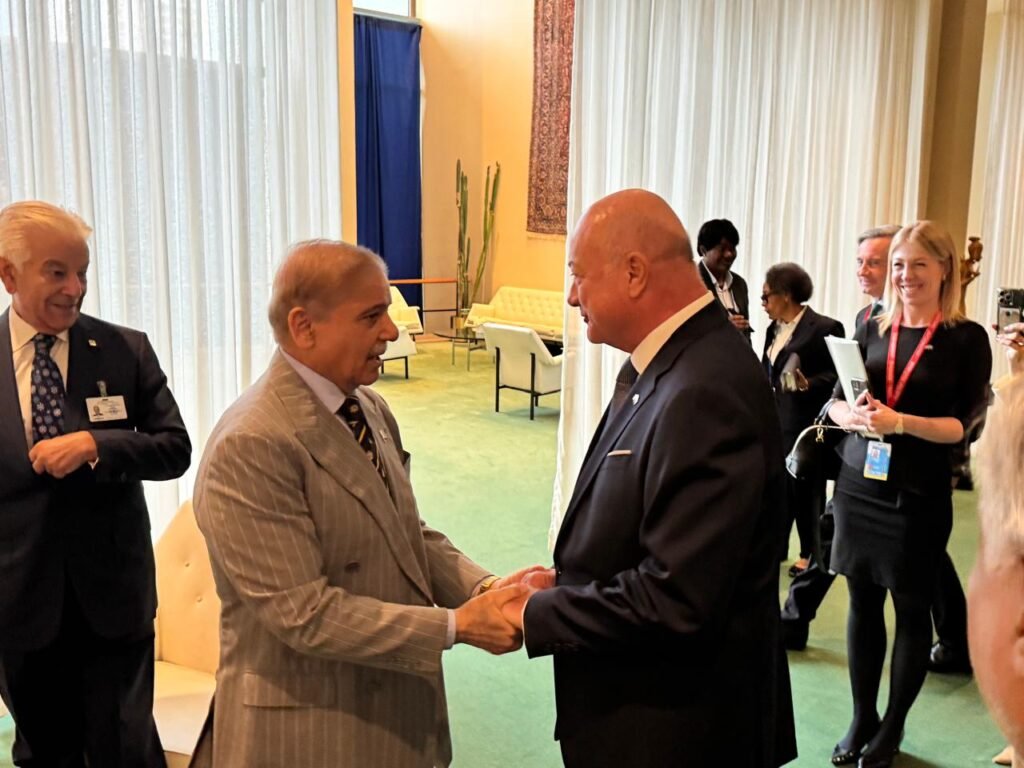
NEW YORK — Prime Minister Muhammad Shehbaz Sharif engaged in informal discussions with various world leaders during the opening session of the 81st United Nations General Assembly (UNGA) on Tuesday. The meetings took place on the sidelines of the event, aiming to strengthen diplomatic ties and discuss mutual interests. What Happened Prime Minister Shehbaz Sharif participated in the opening session of the UNGA, where he held separate informal meetings with several international leaders. Among them were Federal Chancellor of Austria Christian Stocker and President of Somalia Hassan Sheikh Mohamud. These discussions provided an opportunity for Pakistan to reinforce its diplomatic relationships and address global challenges collaboratively. The informal meetings were part of a broader diplomatic effort by the Prime Minister to engage with global counterparts on pressing issues such as climate change, economic cooperation, and regional security. During these interactions, Prime Minister Shehbaz emphasized Pakistan’s commitment to multilateralism and its role in promoting peace and stability in the region. In his conversation with Chancellor Stocker, Prime Minister Shehbaz discussed enhancing bilateral trade and investment opportunities between Pakistan and Austria. They also explored potential areas of cooperation in renewable energy and technology transfer, aiming to bolster economic ties. Meanwhile, the meeting with President Mohamud focused on strengthening bilateral relations and cooperation in areas such as counter-terrorism and development assistance. Both leaders expressed a shared commitment to addressing the challenges faced by their respective regions and enhancing collaboration in international forums. Background The United Nations General Assembly is an annual gathering where world leaders convene to discuss and address global issues. The 81st session, held in New York, is particularly significant as it comes at a time when the world is grappling with multiple crises, including the ongoing impacts of the COVID-19 pandemic, climate change, and geopolitical tensions. Pakistan has historically used the UNGA platform to advocate for its foreign policy priorities, including the Kashmir issue, regional peace, and sustainable development. Prime Minister Shehbaz Sharif’s participation in this year’s session underscores Pakistan’s continued engagement with the international community to seek collaborative solutions to global challenges. Why It Matters The informal meetings held by Prime Minister Shehbaz Sharif at the UNGA are crucial for Pakistan’s foreign policy and international standing. By engaging with global leaders, Pakistan seeks to reinforce its diplomatic relationships and assert its role in addressing international issues. These interactions also provide a platform for Pakistan to voice its concerns and priorities on a global stage. Economically, the discussions with Austria could lead to increased trade and investment, benefiting Pakistan’s economy. The focus on renewable energy and technology transfer aligns with Pakistan’s efforts to diversify its energy sources and promote sustainable development. Politically, the engagement with Somalia highlights Pakistan’s commitment to supporting peace and stability in conflict-affected regions. Strengthening ties with African nations is part of Pakistan’s broader strategy to expand its diplomatic outreach and foster cooperation in areas such as counter-terrorism and development assistance. Overall, these meetings underscore Pakistan’s proactive approach in international diplomacy, aiming to build alliances and address shared challenges through dialogue and cooperation. Key Takeaways Prime Minister Shehbaz Sharif held informal meetings with world leaders at the UNGA in New York. Discussions focused on enhancing bilateral trade, investment, and cooperation in renewable energy. Engagements with Somalia emphasized collaboration in counter-terrorism and development assistance. Pakistan aims to strengthen diplomatic ties and assert its role in global issues. The meetings highlight Pakistan’s commitment to multilateralism and international cooperation. Source Attribution This article is based on official government statements and public communications from relevant authorities. Author: NEN Editorial Desk | Editor: NEN Newsroom | Fact Checked By: NEN Editorial Team Author: NEN Editorial Desk  |  Editor: NEN Newsroom  |  Last Updated: September 22, 2026  |  Source: Press Release from Government of Pakistan This article was produced by the NEN Editorial Desk in accordance with NEN Agency’s Editorial Policy and Fact-Checking Policy.

Shikarpur Police Capture Offender Wanted In Six Murder Cases
World

Shikarpur Police Capture Offender Wanted In Six Murder Cases

SUUKUR — Shikarpur Police have successfully apprehended a proclaimed offender implicated in six murder cases, as part of a broader initiative to target absconders and those involved in severe criminal activities throughout the district. The arrest was made during a strategic operation conducted by Naparkot Police under the guidance of Senior Superintendent of Police (SSP) Shikarpur, Muhammad Kaleem. What Happened The operation took place in the Karmur Laro area, where law enforcement officials had been actively pursuing leads on the whereabouts of the suspect. According to a police spokesperson, the operation was meticulously planned and executed, resulting in the capture of the offender who had been evading arrest for a considerable period. The individual is accused of involvement in six separate murder cases, which had contributed to a heightened sense of insecurity and unrest within the community. SSP Muhammad Kaleem emphasized the importance of this arrest in the ongoing efforts to restore peace and order in Shikarpur. He stated, “Our commitment to eradicating crime from the district is unwavering. The arrest of this individual is a testament to the dedication and hard work of our police force.” The police have not disclosed the identity of the offender, citing ongoing investigations and the need to maintain the integrity of the judicial process. The operation is part of a larger crackdown initiated by the Shikarpur Police, aimed at apprehending individuals involved in serious crimes such as murder, robbery, and other violent offenses. This initiative has been a focal point for local law enforcement, as they strive to improve public safety and trust within the community. Background Shikarpur, a district in the Sindh province of Pakistan, has faced challenges related to crime and law enforcement. Historically, the region has witnessed incidents of violence and unrest, often linked to tribal disputes and criminal activities. The local police force has been under pressure to address these issues and enhance security measures. In recent years, the Sindh Police have implemented various strategies to combat crime, including increased patrolling, intelligence-led operations, and community engagement initiatives. These efforts are part of a broader policy framework aimed at strengthening law enforcement capabilities and fostering a safer environment for residents. Why It Matters The arrest of a proclaimed offender wanted in multiple murder cases is significant for several reasons. Firstly, it demonstrates the effectiveness of the Shikarpur Police’s current strategies in combating crime. By successfully apprehending a high-profile suspect, the police can potentially prevent further criminal activities and bring a sense of relief to the affected communities. Economically, reducing crime rates can have a positive impact on local businesses and investment opportunities. A safer environment encourages economic growth and development, as businesses are more likely to thrive in areas where security is assured. Socially, the arrest contributes to restoring public confidence in law enforcement agencies, which is crucial for fostering community cooperation and support in crime prevention efforts. Politically, the operation underscores the government’s commitment to maintaining law and order, which is essential for stability and governance. It also highlights the importance of effective leadership within the police force, as demonstrated by SSP Muhammad Kaleem’s proactive approach to addressing crime in the district. Key Takeaways Shikarpur Police have arrested a proclaimed offender wanted in six murder cases. The operation was conducted by Naparkot Police under SSP Muhammad Kaleem’s directives. The arrest is part of a broader crackdown on serious crimes in the district. This development is expected to enhance public safety and confidence in law enforcement. Reducing crime rates can positively impact economic growth and community well-being. Source Attribution This article is based on official government statements, press releases, and public communications from relevant authorities. Author: NEN Editorial Desk | Editor: NEN Newsroom | Fact Checked By: NEN Editorial Team Author: NEN Editorial Desk  |  Editor: NEN Newsroom  |  Last Updated: September 22, 2026  |  Source: NEN Reporter This article was produced by the NEN Editorial Desk in accordance with NEN Agency’s Editorial Policy and Fact-Checking Policy.

Female Athletes Compete in Shot Put at Faisalabad’s Firdous Track
Pakistan

Female Athletes Compete in Shot Put at Faisalabad’s Firdous Track

FAISALABAD — Female athletes showcased their skills in the shot put event as part of various sports competitions held at the Firdous Track on Jhang Road, Faisalabad, on September 22. The event drew participants from across the region, highlighting the growing interest and participation of women in athletics. What Happened The Firdous Track on Jhang Road was abuzz with energy as female athletes took turns competing in the shot put event. This competition is part of a broader sports meet that includes a variety of track and field events, aiming to promote athletics among women in the region. The event featured several categories, allowing athletes of different skill levels to participate and compete. According to event organizers, the shot put competition witnessed enthusiastic participation, with athletes demonstrating impressive skill and technique. The event not only provided a platform for seasoned athletes to showcase their abilities but also encouraged newcomers to engage in competitive sports. One of the participants, speaking on the condition of anonymity, expressed her excitement, stating, “Participating in such events boosts our confidence and gives us the exposure needed to excel in athletics.” In addition to the shot put, the sports meet included an 800-meter race, which also saw significant participation. The inclusion of various track and field events aims to provide a comprehensive athletic experience for participants, fostering a spirit of sportsmanship and competition. Background The Firdous Track on Jhang Road has been a popular venue for local sports events, often hosting competitions that cater to a wide range of athletic disciplines. Historically, sports events in Pakistan have predominantly focused on male athletes, but recent years have seen a concerted effort to encourage female participation in sports. This shift is part of a broader movement to promote gender equality in sports and provide women with equal opportunities to excel in athletics. The government and various sports organizations have been working to improve infrastructure and provide training facilities to support female athletes. Initiatives such as these competitions are crucial in identifying and nurturing talent at the grassroots level, ultimately contributing to the development of sports in the country. Why It Matters The increased participation of female athletes in events like the shot put at the Firdous Track is significant for several reasons. Economically, promoting sports among women can lead to increased investment in sports infrastructure and training facilities, creating job opportunities and stimulating local economies. Socially, it challenges traditional gender roles and empowers women by providing them with platforms to showcase their talents and gain recognition. Politically, the inclusion of women in sports aligns with national and international goals of gender equality and empowerment. It reflects Pakistan’s commitment to international conventions such as the Convention on the Elimination of All Forms of Discrimination Against Women (CEDAW), which calls for the elimination of gender-based discrimination in all spheres, including sports. Internationally, the success of female athletes on local platforms can pave the way for their participation in global competitions, enhancing Pakistan’s reputation in the international sports arena. As more women engage in athletics, it could lead to improved performance in international competitions, bringing accolades to the country. Key Takeaways Female athletes participated in a shot put event at Faisalabad’s Firdous Track on September 22. The event is part of a broader sports meet aimed at promoting women’s athletics. Participation in such events boosts confidence and provides exposure for female athletes. Encouraging female participation in sports aligns with national gender equality goals. Successful local participation can enhance Pakistan’s international sports reputation. Source Attribution This article is based on official government statements, press releases, and public communications from relevant authorities. Author: NEN Editorial Desk | Editor: NEN Newsroom | Fact Checked By: NEN Editorial Team Author: NEN Editorial Desk  |  Editor: NEN Newsroom  |  Last Updated: September 22, 2026  |  Source: NEN Reporter This article was produced by the NEN Editorial Desk in accordance with NEN Agency’s Editorial Policy and Fact-Checking Policy.

Asim Khan Secures Pakistan’s First Asian Games MMA Medal
Pakistan

Asim Khan Secures Pakistan’s First Asian Games MMA Medal

ISLAMABAD — Asim Khan has made history by winning Pakistan’s first-ever medal in mixed martial arts (MMA) at the Asian Games. Competing in the 20th edition of the event held in Aichi-Nagoya in 2026, Khan clinched a bronze medal, marking a significant achievement for the country in this sport. What Happened Asim Khan’s remarkable performance at the Asian Games has brought pride to Pakistan as he secured a bronze medal in MMA, a sport that has been gaining popularity in the country. The event, held in Aichi-Nagoya, saw Khan competing against some of the best fighters from across Asia. His journey to the podium was not easy, as he faced intense competition from seasoned athletes in the sport. Khan’s achievement is particularly noteworthy as it represents Pakistan’s first-ever medal in MMA at the Asian Games. This accomplishment is a testament to his dedication and skill in a sport that demands both physical prowess and strategic acumen. “Winning this medal is a dream come true,” said Khan. “I hope this inspires more young athletes in Pakistan to pursue MMA and bring more laurels to our country.” The bronze medal win is expected to boost the profile of MMA in Pakistan, encouraging more athletes to take up the sport and compete at international levels. Khan’s success has been celebrated by sports enthusiasts and officials alike, who see it as a stepping stone for future achievements in the sport. Background MMA has been steadily gaining traction in Pakistan over the past decade, with several local clubs and organizations promoting the sport. However, it has yet to receive the same level of recognition and support as traditional sports such as cricket and hockey. The Asian Games, a prestigious multi-sport event held every four years, provided a platform for Pakistani athletes to showcase their talents on an international stage. Prior to Khan’s victory, Pakistan had not been a prominent contender in MMA at the Asian Games. The sport was included in the Asian Games lineup to reflect its growing popularity across the continent. Khan’s participation and subsequent success have highlighted the potential for MMA to develop further in Pakistan, given the right support and infrastructure. Why It Matters The significance of Asim Khan’s achievement extends beyond the medal itself. It represents a breakthrough for Pakistani athletes in a sport that is still in its nascent stages in the country. By securing a place on the podium, Khan has not only brought attention to MMA but also demonstrated the potential of Pakistani athletes to excel in diverse sports disciplines. Economically, this achievement could lead to increased investment in MMA training facilities and programs within Pakistan. As interest in the sport grows, there is potential for the development of a professional circuit that could provide opportunities for athletes to compete both domestically and internationally. Socially, Khan’s success can inspire a new generation of athletes to pursue MMA, breaking away from the traditional sports that have dominated the Pakistani landscape. This diversification in sports can lead to a more inclusive environment where athletes from various backgrounds can find their niche. Politically, the achievement may encourage the government and sports authorities to allocate more resources to developing sports infrastructure and training programs, recognizing the potential for success in non-traditional sports. Key Takeaways Asim Khan won Pakistan’s first-ever MMA medal at the Asian Games. The bronze medal was secured during the 20th edition of the event in Aichi-Nagoya, 2026. Khan’s victory highlights the growing popularity of MMA in Pakistan. The achievement could lead to increased investment in MMA facilities and programs. Khan’s success can inspire future generations of Pakistani athletes to pursue diverse sports disciplines. Source Attribution This article is based on official government statements, press releases, and public communications from relevant authorities. Author: NEN Editorial Desk | Editor: NEN Newsroom | Fact Checked By: NEN Editorial Team Author: NEN Editorial Desk  |  Editor: NEN Newsroom  |  Last Updated: September 22, 2026  |  Source: NEN Reporter This article was produced by the NEN Editorial Desk in accordance with NEN Agency’s Editorial Policy and Fact-Checking Policy.
Pakistan’s Exchange Rates Bulletin Released by Financial Markets Association
World

Pakistan’s Exchange Rates Bulletin Released by Financial Markets Association

KARACHI — The Financial Markets Association of Pakistan’s Exchange Rates Committee released the latest foreign exchange rates bulletin on Tuesday, September 22, 2026. The bulletin provides the conversion rates for various foreign currencies, which are crucial for financial transactions, including forward cover for deposits. What Happened On September 22, 2026, the Exchange Rates Committee of the Financial Markets Association of Pakistan issued a bulletin detailing the conversion rates for several major foreign currencies. These rates are applicable for forward cover for deposits, excluding FE-25 deposits, with the State Bank of Pakistan’s settlement value date set for September 24, 2026. The exchange rates announced are as follows: the US Dollar (USD) is valued at 277.1955 Pakistani Rupees, the British Pound (GBP) at 371.0262 Pakistani Rupees, the Euro (EUR) at 318.3036 Pakistani Rupees, and the Japanese Yen (JPY) at 1.7636 Pakistani Rupees. These rates are significant for businesses and individuals engaged in foreign trade and investment, as they directly impact the cost of importing goods and services and the value of foreign investments. The announcement of exchange rates is a routine but essential task, as it informs banks, financial institutions, and businesses of the current value of foreign currencies in relation to the Pakistani Rupee. This information is vital for making informed decisions regarding international transactions and hedging against currency risk. Background Exchange rates are a critical component of a country’s economic framework, influencing trade balances, inflation, and monetary policy. In Pakistan, the Financial Markets Association plays a key role in determining and disseminating these rates, which are used by the State Bank of Pakistan and other financial entities. The process of setting exchange rates involves analyzing various economic indicators, including inflation rates, interest rates, and the balance of payments. The rates are also influenced by global economic conditions and geopolitical events that can affect currency values. Historically, the Pakistani Rupee has experienced fluctuations due to various factors, including political instability, economic reforms, and changes in global oil prices. The exchange rate policy in Pakistan has evolved over the years, shifting from fixed to more flexible systems, allowing for market-driven adjustments. Why It Matters The release of exchange rates is crucial for Pakistan’s economic stability and growth. Accurate and timely exchange rate information allows businesses to plan their financial strategies effectively, minimizing risks associated with currency volatility. For importers and exporters, these rates determine the cost of goods and services, impacting pricing, competitiveness, and profitability. On a broader scale, exchange rates affect inflation and purchasing power. A weaker rupee can lead to higher import costs, contributing to inflationary pressures, while a stronger rupee can enhance purchasing power but may affect the competitiveness of Pakistani exports. Internationally, exchange rates influence foreign investment flows. A stable and predictable exchange rate environment can attract foreign investors, boosting economic growth and development. Conversely, uncertainty in exchange rates can deter investment, affecting economic prospects. For the general public, exchange rates impact everyday life, from the cost of imported goods to travel expenses. Understanding these rates helps individuals make informed financial decisions, whether planning a trip abroad or investing in foreign assets. Key Takeaways The Financial Markets Association of Pakistan issued the latest foreign exchange rates on September 22, 2026. The US Dollar is valued at 277.1955 Pakistani Rupees, the British Pound at 371.0262, the Euro at 318.3036, and the Japanese Yen at 1.7636. Exchange rates are vital for financial transactions, impacting trade, investment, and economic stability. Accurate exchange rate information helps businesses and individuals manage currency risk and make informed financial decisions. Exchange rates influence inflation, purchasing power, and foreign investment flows, affecting Pakistan’s economic growth. Source Attribution This article is based on official government statements, press releases, and public communications from relevant authorities. Author: NEN Editorial Desk | Editor: NEN Newsroom | Fact Checked By: NEN Editorial Team Author: NEN Editorial Desk  |  Editor: NEN Newsroom  |  Last Updated: September 22, 2026  |  Source: NEN Reporter This article was produced by the NEN Editorial Desk in accordance with NEN Agency’s Editorial Policy and Fact-Checking Policy.
CCP Imposes Rs10 Million Fine on 3M Pakistan for Misleading Marketing
Pakistan

CCP Imposes Rs10 Million Fine on 3M Pakistan for Misleading Marketing

ISLAMABAD — The Competition Commission of Pakistan (CCP) has levied a fine of PKR 10 million on 3M Pakistan (Private) Limited for engaging in deceptive marketing practices. The decision, announced on Tuesday, stems from the company’s misleading comparison of its Scotch-Brite product with Colgate-Palmolive Pakistan Limited’s Max Scrub, contravening Section 10 of the Competition Act, 2010. What Happened The CCP’s ruling against 3M Pakistan is based on the company’s advertising strategies, which were found to be in violation of fair marketing practices. According to the CCP, 3M Pakistan’s promotional materials for its Scotch-Brite product included false or misleading comparisons with Colgate-Palmolive’s Max Scrub. This action was deemed to potentially mislead consumers and distort market competition. The commission’s inquiry into the matter revealed that 3M Pakistan’s advertisements claimed superior performance attributes for Scotch-Brite without substantiating these claims with factual evidence. The CCP highlighted that such practices not only deceive consumers but also undermine the competitive landscape by creating an uneven playing field. In its official statement, the CCP emphasized the importance of truthful advertising and the need for companies to ensure their marketing claims are backed by verifiable data. The commission’s decision to impose a fine is part of its broader mandate to maintain fair competition and protect consumer interests in Pakistan. Background The Competition Act, 2010, under which the fine was imposed, is a legislative framework designed to promote fair competition in Pakistan’s markets. Section 10 specifically addresses deceptive marketing practices, prohibiting false or misleading claims that could mislead consumers or harm competitors. The CCP, established to enforce this act, regularly monitors market practices to ensure compliance. 3M Pakistan, a subsidiary of the global conglomerate 3M, has been operating in the country for several years, offering a range of products across various sectors. The Scotch-Brite brand, known for its cleaning products, is one of the company’s well-recognized offerings in the market. Colgate-Palmolive Pakistan Limited, a major competitor in the cleaning product segment, had raised concerns over 3M’s marketing tactics, prompting the CCP to initiate an investigation. The resulting fine underscores the commission’s commitment to upholding the principles of fair competition. Why It Matters The CCP’s decision to fine 3M Pakistan has significant implications for the business environment in Pakistan. By holding companies accountable for misleading advertising, the commission reinforces the importance of ethical marketing practices. This action serves as a reminder to all market participants that compliance with the Competition Act is non-negotiable. For consumers, the ruling is a protective measure ensuring that they receive accurate information about products they purchase. Misleading advertisements can lead to consumer dissatisfaction and financial loss, particularly when products do not perform as advertised. By curbing such practices, the CCP aims to enhance consumer trust in the market. Economically, maintaining fair competition is crucial for fostering innovation and ensuring that businesses compete on merit rather than deceptive practices. This can lead to better products and services, ultimately benefiting consumers and contributing to economic growth. Internationally, the CCP’s actions align with global standards for competition regulation, enhancing Pakistan’s reputation as a country committed to fair trade practices. This could attract foreign investment by assuring international companies of a level playing field. Key Takeaways The CCP fined 3M Pakistan PKR 10 million for deceptive marketing practices. The fine was imposed due to misleading comparisons between Scotch-Brite and Max Scrub. The action underscores the CCP’s commitment to enforcing the Competition Act, 2010. Consumers benefit from accurate information, enhancing trust in the market. Fair competition is essential for economic growth and attracting foreign investment. Source Attribution This article is based on official statements and public communications from the Competition Commission of Pakistan. Author: NEN Editorial Desk | Editor: NEN Newsroom | Fact Checked By: NEN Editorial Team Author: NEN Editorial Desk  |  Editor: NEN Newsroom  |  Last Updated: September 22, 2026  |  Source: NEN Reporter This article was produced by the NEN Editorial Desk in accordance with NEN Agency’s Editorial Policy and Fact-Checking Policy.

Rawalpindi Traffic Police Launch Crackdown on Pressure Horns
Pakistan

Rawalpindi Traffic Police Launch Crackdown on Pressure Horns

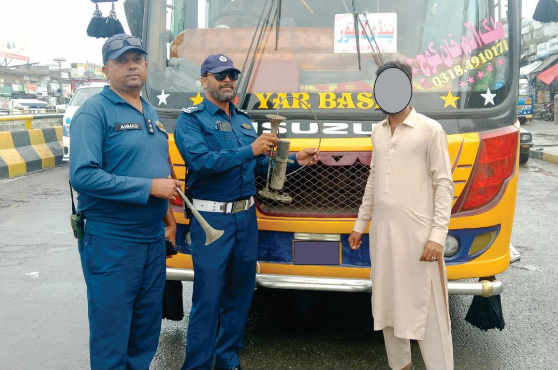
RAWALPINDI — The City Traffic Police (CTP) Rawalpindi have launched an intensified crackdown on the use of pressure horns in vehicles and motorcycles throughout the district. This initiative, which began on September 22, 2023, follows directives from Punjab DIG Traffic Muhammad Waqas Nazir and Chief Traffic Officer (CTO) Rawalpindi Farhan Aslam. Special squads have been strategically deployed at bus stands and key entry and exit points across the city to enforce this regulation. What Happened The CTP Rawalpindi’s latest operation targets the widespread use of pressure horns, which are often criticized for contributing to noise pollution and causing disturbances in urban areas. According to CTO Farhan Aslam, the operation aims to curb the nuisance created by these horns, particularly in densely populated areas and near sensitive zones such as hospitals and schools. Special squads have been deployed to monitor compliance and take action against violators. These squads are stationed at critical points, including major bus terminals and the city’s main thoroughfares, where the use of pressure horns is most prevalent. The CTP has also set up checkpoints at the city’s entry and exit points to ensure vehicles entering or leaving Rawalpindi comply with the new regulations. CTO Farhan Aslam emphasized the importance of this crackdown, stating, “The use of pressure horns not only causes noise pollution but also poses a significant disturbance to the public. Our teams are working diligently to ensure that this practice is curtailed effectively.” The CTP has warned that violators will face strict penalties, including fines and potential confiscation of their vehicles’ horns. Background Pressure horns have long been a contentious issue in Pakistani cities, where traffic congestion and urban noise levels are already high. Previous efforts to regulate their use have seen varying levels of success, often hindered by inconsistent enforcement and public awareness. The Punjab Traffic Police have periodically launched campaigns to address this issue, with the current crackdown representing one of the most comprehensive efforts to date. Legislation regarding noise pollution and vehicle modifications, including the installation of pressure horns, exists under various environmental and traffic laws in Pakistan. However, enforcement has been challenging due to limited resources and the sheer volume of vehicles on the roads. Why It Matters The crackdown on pressure horns in Rawalpindi is significant for several reasons. Firstly, it addresses a major public health concern. Noise pollution, particularly from traffic, has been linked to various health issues, including stress, hearing loss, and cardiovascular problems. By targeting pressure horns, the CTP aims to reduce these risks and improve the quality of life for Rawalpindi’s residents. Economically, the initiative could lead to a more pleasant environment for businesses and tourists, potentially boosting local commerce. Noise pollution can deter visitors and affect the overall perception of a city, impacting its economic prospects. A quieter, more orderly city could attract more visitors and investors, benefiting the local economy. Politically, the crackdown reflects the government’s commitment to enforcing regulations that enhance public welfare. It demonstrates a proactive approach by the Punjab Traffic Police and local authorities in addressing citizen complaints and improving urban living conditions. This move could bolster public confidence in law enforcement agencies and their ability to maintain order and safety. Key Takeaways The CTP Rawalpindi has intensified efforts to curb the use of pressure horns in the city. Special squads have been deployed at strategic locations to enforce compliance. The crackdown aims to reduce noise pollution and improve public health. Successful enforcement could enhance Rawalpindi’s economic and social environment. The initiative reflects governmental commitment to public welfare and regulation enforcement. Source Attribution This article is based on official government statements, press releases, and public communications from relevant authorities. Author: NEN Editorial Desk | Editor: NEN Newsroom | Fact Checked By: NEN Editorial Team Author: NEN Editorial Desk  |  Editor: NEN Newsroom  |  Last Updated: September 22, 2026  |  Source: NEN Reporter This article was produced by the NEN Editorial Desk in accordance with NEN Agency’s Editorial Policy and Fact-Checking Policy.

Scroll to Top