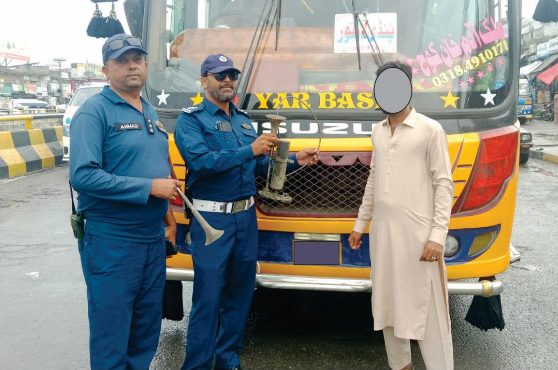
RAWALPINDI — The City Traffic Police (CTP) Rawalpindi have launched an intensified crackdown on the use of pressure horns in vehicles and motorcycles throughout the district. This initiative, which began on September 22, 2023, follows directives from Punjab DIG Traffic Muhammad Waqas Nazir and Chief Traffic Officer (CTO) Rawalpindi Farhan Aslam. Special squads have been strategically deployed at bus stands and key entry and exit points across the city to enforce this regulation.
What Happened
The CTP Rawalpindi’s latest operation targets the widespread use of pressure horns, which are often criticized for contributing to noise pollution and causing disturbances in urban areas. According to CTO Farhan Aslam, the operation aims to curb the nuisance created by these horns, particularly in densely populated areas and near sensitive zones such as hospitals and schools.
Special squads have been deployed to monitor compliance and take action against violators. These squads are stationed at critical points, including major bus terminals and the city’s main thoroughfares, where the use of pressure horns is most prevalent. The CTP has also set up checkpoints at the city’s entry and exit points to ensure vehicles entering or leaving Rawalpindi comply with the new regulations.
CTO Farhan Aslam emphasized the importance of this crackdown, stating, “The use of pressure horns not only causes noise pollution but also poses a significant disturbance to the public. Our teams are working diligently to ensure that this practice is curtailed effectively.” The CTP has warned that violators will face strict penalties, including fines and potential confiscation of their vehicles’ horns.
Background
Pressure horns have long been a contentious issue in Pakistani cities, where traffic congestion and urban noise levels are already high. Previous efforts to regulate their use have seen varying levels of success, often hindered by inconsistent enforcement and public awareness. The Punjab Traffic Police have periodically launched campaigns to address this issue, with the current crackdown representing one of the most comprehensive efforts to date.
Legislation regarding noise pollution and vehicle modifications, including the installation of pressure horns, exists under various environmental and traffic laws in Pakistan. However, enforcement has been challenging due to limited resources and the sheer volume of vehicles on the roads.
Why It Matters
The crackdown on pressure horns in Rawalpindi is significant for several reasons. Firstly, it addresses a major public health concern. Noise pollution, particularly from traffic, has been linked to various health issues, including stress, hearing loss, and cardiovascular problems. By targeting pressure horns, the CTP aims to reduce these risks and improve the quality of life for Rawalpindi’s residents.
Economically, the initiative could lead to a more pleasant environment for businesses and tourists, potentially boosting local commerce. Noise pollution can deter visitors and affect the overall perception of a city, impacting its economic prospects. A quieter, more orderly city could attract more visitors and investors, benefiting the local economy.
Politically, the crackdown reflects the government’s commitment to enforcing regulations that enhance public welfare. It demonstrates a proactive approach by the Punjab Traffic Police and local authorities in addressing citizen complaints and improving urban living conditions. This move could bolster public confidence in law enforcement agencies and their ability to maintain order and safety.
Key Takeaways
- The CTP Rawalpindi has intensified efforts to curb the use of pressure horns in the city.
- Special squads have been deployed at strategic locations to enforce compliance.
- The crackdown aims to reduce noise pollution and improve public health.
- Successful enforcement could enhance Rawalpindi’s economic and social environment.
- The initiative reflects governmental commitment to public welfare and regulation enforcement.
Source Attribution
This article is based on official government statements, press releases, and public communications from relevant authorities.