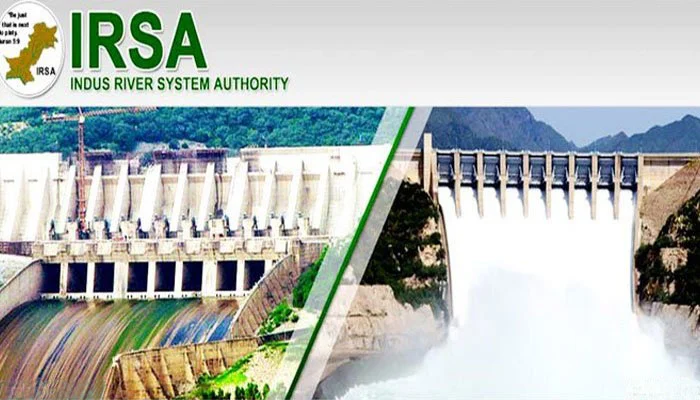
ISLAMABAD — The Indus River System Authority (IRSA) on Tuesday released 193,800 cusecs of water from various rim stations, responding to the current inflow of 121,500 cusecs. This adjustment is part of the regular water management strategy to ensure optimal distribution across Pakistan’s river systems.
What Happened
On Tuesday, IRSA reported the release of 193,800 cusecs of water from several key rim stations. The inflow into these stations was recorded at 121,500 cusecs. This release is crucial for maintaining the water levels across Pakistan’s extensive river network, particularly in the Indus River, which is a lifeline for agricultural and domestic water supply.
At Tarbela Dam, a significant reservoir on the Indus River, the water level was noted at 1534.63 feet, significantly above the dead level of 1402.00 feet. The inflow and outflow at this dam were 72,000 cusecs and 125,000 cusecs, respectively. Meanwhile, at Mangla Dam on the Jhelum River, the water level stood at 1217.60 feet, well above its dead level of 1,050 feet, with inflows and outflows recorded at 11,700 cusecs and 31,000 cusecs, respectively.
Additional releases were recorded at various points: 139,700 cusecs at Kalabagh, 131,600 cusecs at Taunsa, 106,900 cusecs at Guddu, and 51,100 cusecs at Sukkur. The River Kabul saw a release of 15,500 cusecs at Nowshera, while the River Chenab at Marala released 7,000 cusecs.
Background
IRSA plays a pivotal role in managing the water resources of Pakistan, particularly in the Indus Basin, which supports a significant portion of the country’s agriculture and drinking water needs. The authority was established to ensure equitable distribution of water among the provinces, as per the Water Apportionment Accord of 1991. This agreement was designed to manage water resources efficiently, taking into account seasonal variations and provincial requirements.
The management of water resources is a critical issue in Pakistan, a country that relies heavily on its river systems for irrigation and hydroelectric power. The seasonal release of water is a routine operation aimed at balancing the needs of agriculture, industry, and domestic consumption, particularly during the crucial Kharif and Rabi cropping seasons.
Why It Matters
The release of water by IRSA is significant as it directly impacts agricultural productivity, which is a cornerstone of Pakistan’s economy. The timely management of water resources ensures that crops receive adequate irrigation, which is vital for food security and economic stability. With agriculture contributing approximately 24% to the GDP and employing nearly half of the labor force, efficient water management is essential for sustaining livelihoods and economic growth.
Moreover, the strategic release of water helps in maintaining reservoir levels, which is crucial for hydroelectric power generation. This is particularly important in a country facing energy shortages, as hydropower is a major component of Pakistan’s energy mix. Ensuring optimal water levels in dams like Tarbela and Mangla also mitigates the risk of flooding, protecting infrastructure and communities downstream.
Internationally, efficient water management by IRSA reflects Pakistan’s commitment to sustainable resource utilization and climate resilience. As climate change poses increasing challenges to water availability, the role of IRSA in adapting to these changes is critical for the country’s long-term environmental and economic health.
Key Takeaways
- IRSA released 193,800 cusecs of water from various rim stations with an inflow of 121,500 cusecs.
- Water levels at Tarbela and Mangla Dams remain above their respective dead levels, ensuring adequate supply for various needs.
- Efficient water management is crucial for Pakistan’s agriculture, energy production, and flood mitigation.
- IRSA’s actions are aligned with the Water Apportionment Accord of 1991, ensuring equitable distribution among provinces.
- The release supports Pakistan’s broader goals of food security, economic stability, and climate resilience.
Source Attribution
This article is based on official government statements, press releases, and public communications from relevant authorities.