
Author name: Yasir Zubairi

Yasir Zubairi is the founder and publisher of NEN Agency (News Era Network). He leads NEN's coverage of Pakistan's national affairs, economy, foreign relations and sports, and is responsible for the accuracy and standards of every story published on nenagency.com.

CM Punjab Champions League Scheduled for July with National and International Athletes
World

CM Punjab Champions League Scheduled for July with National and International Athletes

LAHORE — The Punjab Sports Board has announced the CM Punjab Champions League, set to take place in mid-July. This event will feature a diverse array of participants, including both international and national cricketers as well as talented male and female athletes from across the province. What Happened The Punjab Sports Board revealed plans to host the CM Punjab Champions League in July, aiming to bring together a mix of international and national sports talent. The league will showcase not only cricketers but also athletes from various sports disciplines, highlighting the province’s commitment to promoting sports and nurturing talent. The event is expected to draw significant attention, as it will provide a platform for athletes to compete at a high level and gain exposure. According to the Punjab Sports Board, the league will include competitions for both male and female athletes, ensuring inclusivity and equal opportunity. This initiative is part of a broader strategy to enhance sports infrastructure and opportunities within the province, fostering a culture of sportsmanship and healthy competition. Officials from the Punjab Sports Board have stated that the league will adhere to international standards, with facilities and arrangements made to accommodate participants and spectators alike. The event is expected to be a significant draw for sports enthusiasts and is anticipated to boost local tourism and economic activity in the region. Background The CM Punjab Champions League is part of a series of initiatives by the Punjab government to promote sports at the grassroots level. Historically, Punjab has been a hub for cricket and other sports, producing numerous athletes who have represented Pakistan on international platforms. The provincial government has been investing in sports infrastructure, including the development of new stadiums and training facilities, to support the growth of various sports. Previous editions of similar events have seen participation from a wide range of athletes, contributing to the discovery and development of new talent. The government’s focus on sports is also aligned with national policies aimed at promoting health, fitness, and youth engagement through sports activities. Why It Matters The CM Punjab Champions League holds significant importance for several reasons. Economically, the event is expected to stimulate local businesses, including hospitality, retail, and transportation sectors, as visitors flock to the region to witness the competitions. The influx of tourists and sports enthusiasts can provide a much-needed boost to the local economy, especially in the post-pandemic recovery phase. Socially, the league promotes inclusivity and gender equality by providing equal opportunities for male and female athletes. By showcasing female athletes on such a prominent platform, the event challenges traditional gender norms and encourages greater female participation in sports. This can have a ripple effect, inspiring young girls across the province to pursue sports. Politically, the league underscores the provincial government’s commitment to sports development as a means of engaging youth and promoting a healthy lifestyle. This aligns with broader national objectives of using sports as a tool for social cohesion and national pride. The event also strengthens Punjab’s reputation as a leader in sports development within Pakistan. Key Takeaways The CM Punjab Champions League is scheduled for mid-July, featuring international and national athletes. The event includes competitions for both male and female athletes, promoting inclusivity. The league is expected to boost local tourism and economic activity in Punjab. The initiative aligns with government efforts to enhance sports infrastructure and opportunities. The event contributes to social objectives of gender equality and youth engagement in sports. Source Attribution This article is based on official government statements, press releases, and public communications from relevant authorities. Author: NEN Editorial Desk | Editor: NEN Newsroom | Fact Checked By: NEN Editorial Team Author: NEN Editorial Desk  |  Editor: NEN Newsroom  |  Last Updated: July 02, 2026  |  Source: NEN Reporter This article was produced by the NEN Editorial Desk in accordance with NEN Agency’s Editorial Policy and Fact-Checking Policy.

Punjab Launches Green Property Certificate System in Khanewal
Pakistan

Punjab Launches Green Property Certificate System in Khanewal

KHANEWAL — The Punjab government has launched the Green Property Certificate system in Khanewal district, marking a shift from traditional land ownership records to a digital format. This initiative is part of the broader Digital Punjab strategy aimed at enhancing efficiency and security in property transactions. What Happened The introduction of the Green Property Certificate system in Khanewal represents a significant step towards modernizing the province’s land record management. The new system replaces the conventional ‘Fard’, or land ownership document, with a digital certificate designed to streamline property transactions and reduce opportunities for fraud. This initiative is expected to improve transparency and accessibility for property owners and buyers alike. According to officials, the digital certificates will be integrated into a centralized database, allowing for real-time updates and verification. This system is intended to minimize bureaucratic hurdles and enhance the overall efficiency of property transactions. The government aims to extend this system to other districts in the province following its implementation in Khanewal. During the launch event, a spokesperson for the Punjab government stated, “The Green Property Certificate system is a landmark development in our efforts to digitize and secure land records. It will provide a reliable and efficient way for citizens to manage their property ownership.” Background The move towards digital land records is part of the Punjab government’s ongoing efforts to modernize its administrative processes under the Digital Punjab initiative. This initiative seeks to leverage technology to improve governance, enhance service delivery, and promote transparency across various sectors. Historically, land record management in Punjab has been plagued by inefficiencies and corruption, often leading to disputes and delays in property transactions. The traditional system relied heavily on paper-based records, which were susceptible to tampering and loss. Efforts to reform this system have been ongoing, with the current digital initiative representing a culmination of these efforts. Previous attempts to digitize land records in Punjab have seen varying degrees of success, with challenges such as inadequate infrastructure and resistance to change posing significant hurdles. However, the current administration has prioritized digital transformation as a key policy objective, allocating substantial resources to ensure its success. Why It Matters The introduction of the Green Property Certificate system is expected to have far-reaching implications for property management in Punjab. By digitizing land records, the government aims to create a more transparent and efficient system that reduces the potential for fraud and corruption. This is particularly important in a region where land disputes are common and often lead to lengthy legal battles. Economically, the new system could enhance property market dynamics by making transactions quicker and more secure. This increased efficiency is likely to attract both domestic and foreign investment, as investors gain confidence in the reliability of land ownership records. Furthermore, the digital system is expected to lower transaction costs, benefiting both buyers and sellers. From a social perspective, the system could empower citizens by providing them with secure and easily accessible proof of ownership. This is especially beneficial for marginalized communities who often face challenges in asserting their property rights under the traditional system. Internationally, the move aligns with global trends towards digital governance and smart city initiatives. By adopting such technologies, Punjab positions itself as a forward-thinking region capable of leveraging digital solutions to improve governance and service delivery. Key Takeaways The Punjab government has launched the Green Property Certificate system in Khanewal as part of its Digital Punjab initiative. The new system replaces traditional paper-based land records with a secure digital format. This initiative aims to enhance transparency, reduce fraud, and improve transaction efficiency. The system is expected to boost economic activity by attracting investment and lowering transaction costs. It aligns with global trends towards digital governance and smart city initiatives. Source Attribution The article is based on official government statements, press releases, and public communications from relevant authorities. Author: NEN Editorial Desk | Editor: NEN Newsroom | Fact Checked By: NEN Editorial Team Author: NEN Editorial Desk  |  Editor: NEN Newsroom  |  Last Updated: July 02, 2026  |  Source: NEN Reporter This article was produced by the NEN Editorial Desk in accordance with NEN Agency’s Editorial Policy and Fact-Checking Policy.

Pakistan Intensifies Diplomatic Efforts at UNSC to Resolve US-Iran Tensions
World

Pakistan Intensifies Diplomatic Efforts at UNSC to Resolve US-Iran Tensions

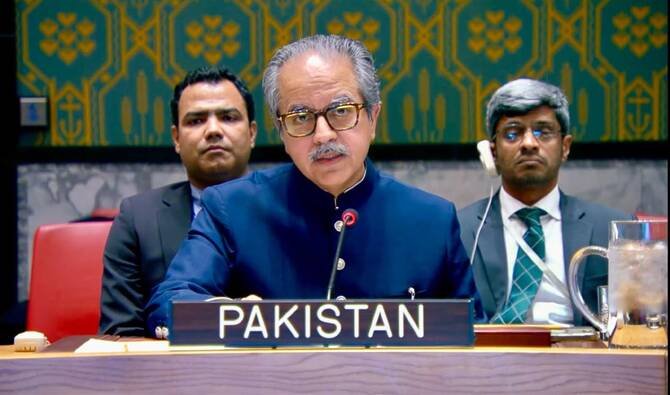
UNITED NATIONS — Pakistan has announced an intensification of its diplomatic efforts to mediate between the United States and Iran, aiming to resolve ongoing tensions in the Middle East. This announcement was made during an emergency meeting of the United Nations Security Council (UNSC) on Thursday, where Pakistan emphasized its commitment to facilitating the implementation of the Islamabad Memorandum of Understanding (MoU) between the two nations. What Happened During the UNSC meeting, Pakistan’s representative highlighted the country’s proactive approach in engaging with both regional and international stakeholders. The goal is to ensure the successful follow-up and implementation of the Islamabad MoU, which was designed to de-escalate the conflict between the US and Iran. The MoU, a diplomatic initiative spearheaded by Pakistan, outlines a framework for dialogue and cooperation between the two countries. Pakistan’s ambassador to the UN stated, “We are committed to playing a constructive role in promoting peace and stability in the Middle East. Our diplomatic channels are actively engaged with both the United States and Iran, as well as other key regional players, to ensure the success of the Islamabad MoU.” The ambassador further elaborated on the importance of multilateral efforts in addressing the complex geopolitical issues that have fueled tensions in the region. The UNSC meeting was convened in response to the rising hostilities between the US and Iran, which have raised concerns about the potential for a broader conflict in the Middle East. Pakistan’s intervention is seen as a crucial step in bridging the communication gap between the two countries and fostering a diplomatic resolution. Background The tensions between the United States and Iran have been a persistent issue in international relations, exacerbated by a series of events including the US withdrawal from the Joint Comprehensive Plan of Action (JCPOA) in 2018 and subsequent sanctions on Iran. These actions have led to increased hostilities, including military confrontations and economic disruptions. Pakistan, due to its strategic location and historical ties with both the US and Iran, has often found itself in a unique position to act as a mediator. The Islamabad MoU, introduced earlier this year, represents a formal effort by Pakistan to leverage its diplomatic relationships to foster dialogue and reduce tensions. Why It Matters The diplomatic engagement by Pakistan is significant for several reasons. Economically, the stability of the Middle East is crucial for global oil markets, and any escalation in US-Iran tensions could lead to disruptions in oil supply, affecting global prices and economic stability. For Pakistan, maintaining regional stability is essential for its own economic interests, given its reliance on Middle Eastern oil imports. Politically, Pakistan’s role as a mediator enhances its standing on the international stage, showcasing its ability to contribute to global peace efforts. This could lead to strengthened diplomatic ties with both Western and Middle Eastern countries, potentially opening up new avenues for economic and political cooperation. On a social level, the resolution of US-Iran tensions could lead to a reduction in regional conflicts that have displaced millions and strained resources in neighboring countries, including Pakistan. A peaceful resolution would contribute to regional stability, benefiting not only the immediate parties involved but also the broader international community. Key Takeaways Pakistan is actively mediating between the US and Iran to implement the Islamabad MoU. The UNSC meeting highlighted Pakistan’s diplomatic efforts to resolve Middle East tensions. The US-Iran conflict has significant economic and political implications globally. Pakistan’s mediation enhances its international diplomatic standing. Stability in the Middle East is crucial for global oil market stability. Source Attribution This article is based on official government statements, press releases, and public communications from relevant authorities. Author: NEN Editorial Desk | Editor: NEN Newsroom | Fact Checked By: NEN Editorial Team Author: NEN Editorial Desk  |  Editor: NEN Newsroom  |  Last Updated: July 02, 2026  |  Source: NEN Reporter This article was produced by the NEN Editorial Desk in accordance with NEN Agency’s Editorial Policy and Fact-Checking Policy.
Glasgow 2026 Commonwealth Games: 3×3 Basketball Schedule Announced
World

Glasgow 2026 Commonwealth Games: 3×3 Basketball Schedule Announced

GLASGOW — The match schedule for the 3×3 Basketball and 3×3 Wheelchair Basketball competitions at the Glasgow 2026 Commonwealth Games has been officially unveiled. This announcement sets the stage for thrilling contests between top contenders, including England and Australia, from the outset of the tournament. What Happened The schedule for the 3×3 Basketball events at the Glasgow 2026 Commonwealth Games, slated for July 24 to July 29 at the SEC Centre, has been released. The format, known for its fast pace and urban festival atmosphere, involves a half-court setup, a 12-second shot clock, and a 10-minute game limit unless a team scores 21 points first to secure an automatic win. The competition will feature 12 nations in the men’s and women’s categories and eight nations per gender in the wheelchair tournaments, unfolding over 13 sessions. England and Australia, both historical powerhouses in the sport, are set to meet early in the tournament. England’s men’s running team, led by Jamell Anderson, aims to defend its title, while Australia’s men’s wheelchair team returns as reigning champions. Host nation Scotland will face Guyana in their opening match, followed by a significant clash with Australia. The women’s running category promises an exciting encounter between England and Scotland. In the wheelchair basketball segment, rematches of the Birmingham 2022 finals are anticipated, with Australia’s and Canada’s men’s and women’s squads set to compete again. Scotland is participating in all four events, with notable athletes like Kyle Jimenez and Fraser Malcolm making their third Games appearance. Background The 3×3 Basketball format was introduced to the Commonwealth Games in Birmingham 2022, where Canada emerged as a dominant force, winning gold in the women’s running and wheelchair events. England and Australia also performed strongly, capturing multiple medals. The sport’s inclusion in the Commonwealth Games reflects its growing global popularity and appeal. The Glasgow 2026 Games aim to build on the success of previous editions, with an expanded field of competitors and a focus on inclusivity and diversity. The SEC Centre, a prominent venue in Glasgow, will host the basketball events, providing a vibrant backdrop for the competition. Why It Matters The release of the match schedule for the Glasgow 2026 Commonwealth Games is significant for several reasons. Economically, the event is expected to boost tourism and local businesses in Glasgow, drawing spectators from around the world. Socially, the Games promote inclusivity, with the wheelchair basketball events highlighting the athletic prowess of differently-abled athletes. Politically, the Games offer a platform for nations to showcase their sporting talents and foster international camaraderie. The participation of debutant nations underscores the expanding reach of the Commonwealth Games and the sport of 3×3 Basketball. For host nation Scotland, the Games present an opportunity to demonstrate their organizational capabilities and enthusiasm for sports. Furthermore, the competition serves as a stage for athletes to achieve personal and national glory, with medal-winning performances enhancing their careers and inspiring future generations. The intense rivalries, particularly between England, Australia, and Canada, add an extra layer of excitement and anticipation for fans. Key Takeaways The Glasgow 2026 Commonwealth Games will feature 3×3 Basketball and Wheelchair Basketball events from July 24 to July 29. Top contenders England and Australia are set for early clashes, promising thrilling matches. The Games promote inclusivity with expanded participation in both running and wheelchair categories. Scotland, as the host nation, aims to capitalize on the event’s economic and social benefits. The competition highlights the growing global appeal of 3×3 Basketball. Source Attribution The article is based on official government statements, press releases, and public communications from relevant authorities. Author: NEN Editorial Desk | Editor: NEN Newsroom | Fact Checked By: NEN Editorial Team Author: NEN Editorial Desk  |  Editor: NEN Newsroom  |  Last Updated: July 02, 2026  |  Source: NEN Reporter This article was produced by the NEN Editorial Desk in accordance with NEN Agency’s Editorial Policy and Fact-Checking Policy.

PHF Secures PKR 400 Million, Ensures Global Event Participation
World

PHF Secures PKR 400 Million, Ensures Global Event Participation

ISLAMABAD — The Pakistan Hockey Federation (PHF) has announced a significant financial boost, with funds reaching PKR 400 million, ensuring the national hockey team’s participation in upcoming international events. Mohyuddin Wani, Federal Secretary for Inter-Provincial Coordination and President of the PHF, confirmed this development, emphasizing efforts to revive the national sport. What Happened The PHF has secured a substantial increase in funding, amounting to PKR 400 million, aimed at revitalizing Pakistan’s hockey scene and ensuring the national team’s presence in global competitions. Mohyuddin Wani, who leads the federation, stated that this financial injection is pivotal for the sport’s growth and the team’s competitive readiness on the international stage. Wani highlighted the federation’s commitment to utilizing these funds effectively to enhance training facilities, support player development, and cover expenses related to international participation. “We are dedicated to bringing Pakistan hockey back to its former glory,” Wani asserted, underscoring the federation’s strategic plan to leverage the funds for maximum impact. The financial boost comes at a critical time as the national team prepares for several key tournaments. The allocation is expected to cover travel, accommodation, and other logistical needs, ensuring the team can compete without financial constraints. This marks a significant turnaround for the PHF, which has faced financial challenges in recent years, affecting its ability to participate in international events. Background Pakistan hockey, once a dominant force on the global stage, has seen a decline over the past few decades. The national team, which has won three Olympic gold medals and four World Cups, has struggled to maintain its competitive edge due to financial difficulties and administrative issues. The PHF has been working to address these challenges, seeking government support and private sponsorships to fund its activities. The recent funding surge is part of a broader strategy to rejuvenate the sport in Pakistan. In recent years, the government has recognized the importance of supporting national sports federations, particularly those with a storied history like hockey. Efforts have been made to improve infrastructure, provide better training facilities, and encourage youth participation at the grassroots level. Why It Matters The infusion of PKR 400 million into the PHF is a significant development for several reasons. Economically, it alleviates the financial burden on the federation, allowing it to focus on strategic growth and development rather than merely survival. This financial stability is crucial for long-term planning and execution of programs aimed at nurturing talent and enhancing performance. Socially, the revival of hockey can inspire a new generation of players and fans. Hockey has a rich cultural heritage in Pakistan, and its resurgence could boost national pride and unity. A strong national team can serve as a role model for young athletes, encouraging them to pursue sports as a viable career path. Politically, the government’s support for hockey reflects a commitment to preserving and promoting national sports. It highlights the role of sports in diplomacy and international relations, as successful participation in global events can enhance Pakistan’s image abroad. Internationally, Pakistan’s active participation in hockey tournaments can strengthen its ties with other countries through sports diplomacy. Competing on the world stage provides opportunities for cultural exchange and collaboration, fostering goodwill and understanding among nations. Key Takeaways The PHF has secured PKR 400 million, ensuring the national team’s participation in global events. This funding boost aims to revitalize hockey in Pakistan and improve the team’s international competitiveness. Financial stability allows the PHF to focus on strategic growth and talent development. The revival of hockey can inspire national pride and encourage youth participation in sports. International participation strengthens Pakistan’s diplomatic ties and enhances its global image. Source Attribution This article is based on official statements and public communications from the Pakistan Hockey Federation and relevant authorities. Author: NEN Editorial Desk | Editor: NEN Newsroom | Fact Checked By: NEN Editorial Team Author: NEN Editorial Desk  |  Editor: NEN Newsroom  |  Last Updated: July 02, 2026  |  Source: NEN Reporter This article was produced by the NEN Editorial Desk in accordance with NEN Agency’s Editorial Policy and Fact-Checking Policy.
PSX Continues Bullish Trend, Gains Over 470 Points
Pakistan

PSX Continues Bullish Trend, Gains Over 470 Points

ISLAMABAD — The Pakistan Stock Exchange (PSX) witnessed a continuation of its bullish trend on Thursday, with the benchmark KSE-100 Index climbing by 470.86 points, marking a positive change of 0.26 percent. The index closed at 184,520.96 points, up from 184,050.10 points on the previous trading day, reflecting growing investor confidence. What Happened On Thursday, the KSE-100 Index of the Pakistan Stock Exchange (PSX) extended its rally, gaining 470.86 points to close at 184,520.96 points. This rise represents a 0.26 percent increase from the previous day’s close of 184,050.10 points. The upward movement in the index was driven by investor optimism and positive market sentiment. The trading session saw active participation from investors, with several sectors showing significant gains. Market analysts attributed the rise to a combination of domestic and international factors, including improved economic indicators and positive corporate earnings reports. The increase in the index was supported by strong performances in the banking, cement, and technology sectors. According to market sources, the banking sector led the rally, with major banks reporting better-than-expected quarterly earnings. Cement companies also saw a surge in their stock prices, buoyed by increased construction activity and government infrastructure projects. Additionally, the technology sector continued to attract investor interest, contributing to the overall positive sentiment in the market. “The market’s performance today reflects a growing confidence among investors, fueled by encouraging economic data and robust corporate earnings,” said a senior analyst at a leading brokerage firm. “We expect this positive trend to continue in the coming days, barring any unforeseen economic or political developments.” Background The Pakistan Stock Exchange has experienced a series of fluctuations over the past few months, influenced by both domestic and global economic conditions. The KSE-100 Index, which serves as a barometer of the country’s economic health, has been subject to volatility due to factors such as inflation, currency depreciation, and geopolitical tensions. In recent weeks, however, the market has shown signs of recovery, supported by improved economic indicators and government measures aimed at stabilizing the economy. The State Bank of Pakistan’s monetary policy adjustments and efforts to attract foreign investment have also played a role in boosting investor confidence. Historically, the PSX has been sensitive to political and economic developments, with investor sentiment often swayed by changes in government policy and regional stability. Despite these challenges, the exchange remains a key platform for capital formation and investment in Pakistan. Why It Matters The continued rally in the Pakistan Stock Exchange holds significant implications for the country’s economy and financial markets. A rising stock market is often seen as a positive indicator of economic health, reflecting investor confidence and expectations of future growth. For individual investors and institutional stakeholders, the gains in the KSE-100 Index present opportunities for wealth creation and portfolio diversification. The positive performance of the stock market can also have a ripple effect on other sectors of the economy, encouraging investment and consumption. From a macroeconomic perspective, a buoyant stock market can enhance the country’s ability to attract foreign investment, which is crucial for economic development and job creation. As Pakistan seeks to strengthen its economic foundations, a stable and growing stock market can contribute to achieving these objectives. Moreover, the PSX’s performance can influence policy decisions, as government and regulatory bodies monitor market trends to assess the impact of their economic strategies. A sustained rally could lead to further policy initiatives aimed at supporting the financial sector and encouraging capital inflows. Key Takeaways The KSE-100 Index gained 470.86 points, closing at 184,520.96 points. Investor confidence was bolstered by strong performances in banking, cement, and technology sectors. Improved economic indicators and corporate earnings contributed to the market’s positive trend. The stock market’s rally has implications for economic growth and foreign investment. Government and regulatory bodies may consider policy measures in response to market trends. Source Attribution This article is based on official government statements, press releases, and public communications from relevant authorities. Author: NEN Editorial Desk | Editor: NEN Newsroom | Fact Checked By: NEN Editorial Team Author: NEN Editorial Desk  |  Editor: NEN Newsroom  |  Last Updated: July 02, 2026  |  Source: NEN Reporter This article was produced by the NEN Editorial Desk in accordance with NEN Agency’s Editorial Policy and Fact-Checking Policy.
RCCI and Brooklyn Chamber Forge Partnership to Enhance Pak-US Trade
World

RCCI and Brooklyn Chamber Forge Partnership to Enhance Pak-US Trade

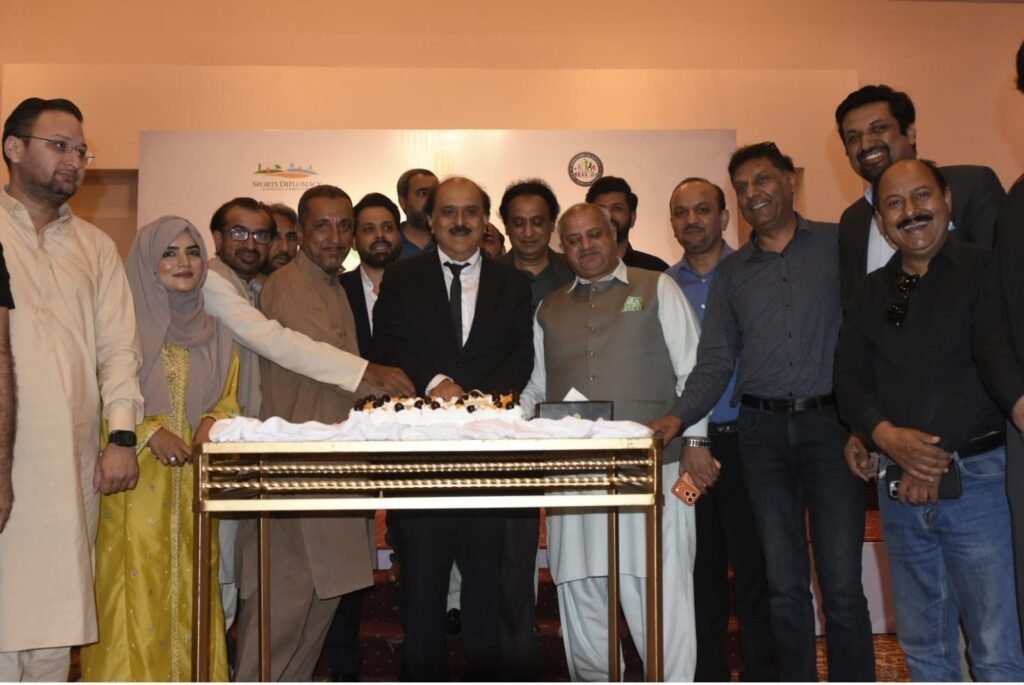
ISLAMABAD — The Rawalpindi Chamber of Commerce and Industry (RCCI) has entered into a Memorandum of Understanding (MoU) with the Brooklyn Chamber of Commerce in the United States. Signed on Thursday, this agreement seeks to bolster business ties and increase bilateral trade between Pakistan and the United States. What Happened The signing ceremony took place with representatives from both chambers present to formalize the partnership. The MoU is designed to facilitate better communication and collaboration between the two business communities. The agreement outlines several areas of cooperation, including the exchange of trade delegations, joint ventures, and the sharing of market information. RCCI President Saqib Rafiq emphasized the importance of this partnership in opening new avenues for Pakistani businesses in the US market. “This MoU will serve as a bridge for our members to explore new business opportunities in the United States, particularly in Brooklyn, which is a vibrant hub for commerce,” Rafiq stated. On the American side, the Brooklyn Chamber of Commerce expressed optimism about the potential for increased trade and investment. The Chamber’s President, Randy Peers, noted, “We are excited to work with RCCI to enhance trade relations. This agreement will help our members to access the growing market in Pakistan.” Both parties have agreed to organize trade fairs and business forums to showcase products and services, thereby facilitating direct interactions between entrepreneurs from both countries. This initiative aims to address the current trade imbalance and create a more equitable trade environment. Background Pakistan and the United States have a longstanding trade relationship, with the US being one of Pakistan’s largest trading partners. Historically, the trade between the two nations has been skewed towards textiles and garments from Pakistan, while machinery and agricultural products dominate US exports to Pakistan. In recent years, efforts have been made to diversify the trade portfolio. The RCCI has been actively involved in promoting Pakistani businesses on international platforms, and this MoU is part of a broader strategy to enhance global trade relations. The Brooklyn Chamber of Commerce, established in 1918, is one of the oldest and most influential business organizations in New York, representing thousands of businesses across various sectors. Why It Matters The MoU between RCCI and the Brooklyn Chamber of Commerce is significant for several reasons. Economically, it provides Pakistani businesses with greater access to the US market, potentially increasing exports and reducing the trade deficit. This can lead to job creation and economic growth within Pakistan, as businesses expand to meet new demand. Socially, the agreement fosters a deeper understanding and cooperation between the two nations, promoting cultural exchange and mutual respect. It also encourages entrepreneurship by providing Pakistani businesses with exposure to international best practices and innovations. Politically, strengthening economic ties with the US can enhance diplomatic relations. As trade partnerships grow, they can lead to more stable and predictable political relations, benefiting both countries. On an international level, this agreement positions Pakistan as a proactive player in global trade, showcasing its willingness to engage with international markets and adapt to global economic trends. Key Takeaways The RCCI and Brooklyn Chamber of Commerce have signed an MoU to enhance Pak-US trade. The agreement focuses on trade delegations, joint ventures, and market information exchange. This partnership aims to address trade imbalances and promote economic growth in Pakistan. The MoU is expected to strengthen diplomatic and cultural ties between Pakistan and the US. Both chambers plan to organize trade fairs and business forums to facilitate direct business interactions. Source Attribution This article is based on official statements and public communications from the Rawalpindi Chamber of Commerce and Industry and the Brooklyn Chamber of Commerce. Author: NEN Editorial Desk | Editor: NEN Newsroom | Fact Checked By: NEN Editorial Team Author: NEN Editorial Desk  |  Editor: NEN Newsroom  |  Last Updated: July 02, 2026  |  Source: NEN Reporter This article was produced by the NEN Editorial Desk in accordance with NEN Agency’s Editorial Policy and Fact-Checking Policy.
State Bank Injects Rs 2.259 Trillion to Boost Market Liquidity
Pakistan

State Bank Injects Rs 2.259 Trillion to Boost Market Liquidity

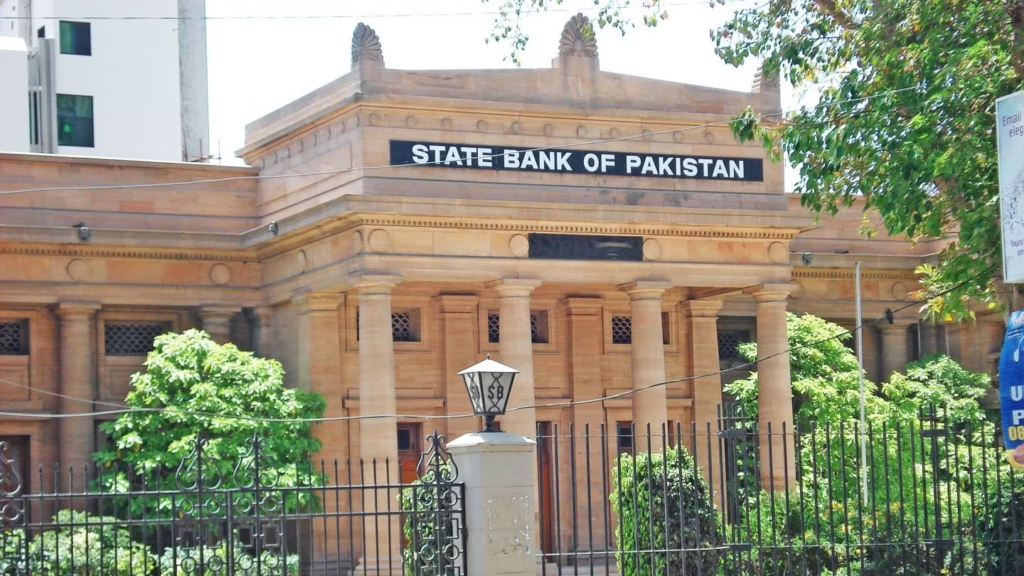
ISLAMABAD — The State Bank of Pakistan (SBP) has injected Rs 2,259.5 billion into the financial market to maintain liquidity. This significant move, executed on Thursday, was carried out through Reverse Repo Purchase and Shariah Compliant Mudarabah-based Open Market Operations (OMO), aiming to stabilize the banking sector amid ongoing economic challenges. What Happened The SBP’s decision to inject Rs 2.259 trillion into the market comes as part of its routine liquidity management operations. The injection was executed through two primary mechanisms: the Reverse Repo Purchase and the Shariah Compliant Mudarabah-based OMO. These tools are used by the central bank to manage short-term liquidity in the banking system, ensuring that banks have sufficient funds to meet their obligations and continue lending to businesses and consumers. According to the SBP, the Reverse Repo Purchase involves buying securities from banks with an agreement to sell them back at a later date. This provides banks with immediate liquidity, which they can use to finance their operations. The Shariah Compliant Mudarabah-based OMO is a similar tool, but it is structured in accordance with Islamic finance principles, which prohibit interest-based transactions. The SBP’s intervention is seen as a response to the current economic conditions, where liquidity pressures have been mounting due to various factors, including inflationary trends and external debt obligations. By injecting this substantial amount, the SBP aims to alleviate these pressures and support the stability of the financial system. Background The State Bank of Pakistan regularly conducts open market operations to manage liquidity in the banking sector. These operations are a key part of the central bank’s monetary policy toolkit, allowing it to influence short-term interest rates and ensure the smooth functioning of the financial system. Historically, the SBP has used these tools to address liquidity shortages that arise due to seasonal demand for cash, fluctuations in government borrowing, or external economic shocks. The current injection is one of the largest in recent times, reflecting the significant liquidity needs of the banking sector amid challenging economic conditions. In recent years, Pakistan’s economy has faced several challenges, including high inflation rates, a widening fiscal deficit, and a growing current account deficit. These issues have put pressure on the financial system, necessitating active intervention by the central bank to maintain stability. Why It Matters The SBP’s injection of Rs 2.259 trillion is crucial for several reasons. Economically, it helps ensure that banks have adequate liquidity to meet the demands of businesses and consumers. This is particularly important in the current context, where economic activity is recovering from the impacts of the COVID-19 pandemic and other global economic disruptions. Socially, maintaining liquidity in the banking sector is vital for consumer confidence. When banks have sufficient liquidity, they are better able to provide loans and other financial services, which supports economic growth and development. This has a direct impact on employment and income levels, contributing to overall economic stability. Politically, the SBP’s actions demonstrate the government’s commitment to maintaining financial stability and supporting economic growth. By proactively managing liquidity, the central bank is helping to ensure that the financial system can withstand external shocks and continue to function effectively. Key Takeaways The State Bank of Pakistan injected Rs 2.259 trillion to maintain market liquidity. The operation was conducted through Reverse Repo Purchase and Shariah Compliant Mudarabah-based OMO. This move addresses liquidity pressures due to inflation and external debt obligations. Ensuring liquidity supports economic growth and consumer confidence. The intervention reflects the SBP’s role in stabilizing the financial system. Source Attribution This article is based on official government statements, press releases, and public communications from relevant authorities. Author: NEN Editorial Desk | Editor: NEN Newsroom | Fact Checked By: NEN Editorial Team Author: NEN Editorial Desk  |  Editor: NEN Newsroom  |  Last Updated: July 02, 2026  |  Source: NEN Reporter This article was produced by the NEN Editorial Desk in accordance with NEN Agency’s Editorial Policy and Fact-Checking Policy.

Mayor Karachi Prioritizes Civic Amenities to Enhance Quality of Life
Pakistan

Mayor Karachi Prioritizes Civic Amenities to Enhance Quality of Life

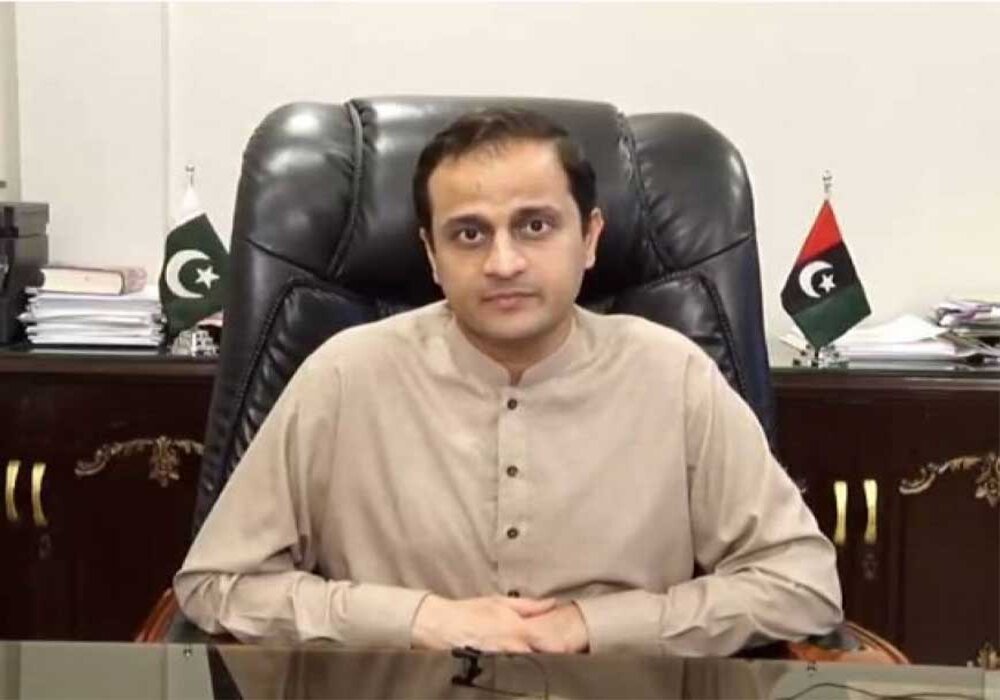
KARACHI — Mayor Karachi, Barrister Murtaza Wahab, emphasized on Thursday that the Karachi Metropolitan Corporation (KMC) is prioritizing the provision of essential civic and social amenities to improve the quality of life for residents across the city. Public welfare projects are underway in various areas to achieve this goal. What Happened During a recent address, Mayor Karachi, Barrister Murtaza Wahab, reiterated the commitment of the Karachi Metropolitan Corporation (KMC) to prioritize the delivery of essential civic and social amenities to the city’s residents. He stated that the ongoing public welfare projects are a testament to this commitment, aiming to enhance the overall quality of life in Karachi. According to Mayor Wahab, the KMC is actively engaged in a series of initiatives designed to address the pressing needs of Karachi’s population. These initiatives include infrastructure development, waste management improvements, and the enhancement of public spaces. The mayor highlighted that these projects are being implemented across various parts of the city, reflecting a comprehensive approach to urban development. Mayor Wahab emphasized the importance of these efforts, stating, “Our focus remains on ensuring that the citizens of Karachi have access to the basic amenities they deserve. These projects are not just about infrastructure; they are about improving the living conditions and well-being of our people.” The mayor also underscored the significance of community involvement in these projects, encouraging residents to actively participate in the development and maintenance of their neighborhoods. He noted that collaboration between the KMC and the citizens is crucial for the successful implementation and sustainability of these initiatives. Background Karachi, Pakistan’s largest city and economic hub, has long faced challenges related to infrastructure, waste management, and public service delivery. The rapid urbanization and population growth have put immense pressure on the city’s resources, leading to a demand for improved civic amenities. The Karachi Metropolitan Corporation (KMC), responsible for municipal services, has been striving to address these challenges through various development projects. Historically, the city has struggled with inadequate waste management systems, deteriorating road infrastructure, and insufficient public spaces, impacting the quality of life for its residents. In recent years, there has been a renewed focus on urban development and public welfare projects, with the aim of transforming Karachi into a more livable city. These efforts are part of a broader strategy to revitalize the city’s infrastructure and enhance its appeal as a major urban center. Why It Matters The emphasis on providing essential civic and social amenities in Karachi holds significant implications for the city’s future. As Pakistan’s economic powerhouse, Karachi plays a crucial role in the country’s overall development. Improving the quality of life for its residents is not only a matter of local concern but also of national importance. Economically, better infrastructure and public services can attract investment and boost economic activity in the city. By addressing issues such as waste management and road infrastructure, Karachi can enhance its appeal to businesses and investors, potentially leading to job creation and economic growth. Socially, the provision of essential amenities can improve the well-being of the city’s residents, reducing health risks associated with poor sanitation and inadequate public services. Enhanced public spaces can also foster community engagement and social cohesion, contributing to a more harmonious urban environment. Politically, the successful implementation of these projects can strengthen public trust in local government institutions, demonstrating their capability to address the needs of the population. This can lead to increased civic participation and a more engaged citizenry. Key Takeaways Mayor Karachi, Barrister Murtaza Wahab, prioritizes civic and social amenities for city residents. KMC is implementing public welfare projects to improve infrastructure and quality of life. Karachi’s rapid urbanization necessitates enhanced municipal services and infrastructure. Improved amenities can boost economic activity and social well-being in the city. Successful projects may enhance public trust in local government institutions. Source Attribution This article is based on official government statements, press releases, and public communications from relevant authorities. Author: NEN Editorial Desk | Editor: NEN Newsroom | Fact Checked By: NEN Editorial Team Author: NEN Editorial Desk  |  Editor: NEN Newsroom  |  Last Updated: July 02, 2026  |  Source: NEN Reporter This article was produced by the NEN Editorial Desk in accordance with NEN Agency’s Editorial Policy and Fact-Checking Policy.

Punjab Food Authority Fines Three Outlets for Food Safety Violations
Pakistan

Punjab Food Authority Fines Three Outlets for Food Safety Violations

LAYYAH — The Punjab Food Authority (PFA) has intensified its efforts against food adulteration in Layyah, imposing fines totaling Rs 335,000 on three food business operators for breaching food safety regulations. This action forms part of a broader initiative to ensure food quality and safety across the province. What Happened Under the supervision of Director Operations South-I and following directives from Director General Syed Musa Raza, PFA food safety teams conducted a targeted operation in Layyah. The crackdown resulted in significant penalties for three food outlets found violating food safety standards. A hotel was sealed for selling milk that did not meet the prescribed fat content, and a legal case was filed against its owner. Additionally, the teams disposed of 250 litres of substandard milk to prevent its distribution to consumers. The PFA spokesperson detailed the violations, which included the sale of substandard milk, the use of broken and unhygienic eggs, and the maintenance of poor sanitation and hygiene standards at the food outlets. These actions underscore the authority’s commitment to maintaining high food safety standards in the region. Syed Musa Raza, Director General of the PFA, emphasized the authority’s ongoing commitment to enforcing food safety laws across Punjab. He encouraged citizens to report any food-related complaints through the PFA helpline 1223, reiterating the authority’s dedication to protecting public health through strict regulatory measures. Background The Punjab Food Authority has been actively working to combat food adulteration and ensure the provision of safe food to consumers. Established under the Punjab Food Authority Act, the PFA is responsible for regulating and monitoring food safety standards across the province. Over the years, the authority has conducted numerous operations to identify and penalize those violating food safety regulations. Food adulteration has been a persistent issue in Pakistan, with authorities continuously striving to address the problem through stringent enforcement of laws and public awareness campaigns. The PFA’s operations are part of a broader strategy to enhance food safety and quality, thereby safeguarding consumer health. Why It Matters The recent actions by the PFA in Layyah are significant in several respects. Firstly, they highlight the ongoing challenges of food adulteration in Pakistan, a problem that poses serious health risks to the population. By imposing fines and taking legal action against violators, the PFA is sending a strong message about the importance of adhering to food safety standards. Economically, these measures are crucial in ensuring that food businesses comply with regulations, thereby maintaining consumer trust and confidence in the food supply chain. The financial penalties serve as a deterrent to other businesses that might consider compromising on food quality for profit. Socially, the PFA’s actions contribute to public health by preventing the distribution of substandard and potentially harmful food products. This is particularly important in a country where access to safe and nutritious food is a major public health concern. Politically, the enforcement of food safety regulations reflects the government’s commitment to improving public health and safety. It also demonstrates the effectiveness of regulatory bodies like the PFA in executing their mandates and holding violators accountable. Key Takeaways The Punjab Food Authority fined three food outlets in Layyah Rs 335,000 for food safety violations. A hotel was sealed for selling milk with inadequate fat content, and a legal case was filed against the owner. 250 litres of substandard milk were discarded to prevent consumer exposure. The PFA continues to enforce food safety laws to protect public health across Punjab. Citizens are encouraged to report food safety issues via the PFA helpline 1223. Source Attribution This article is based on official government statements, press releases, and public communications from relevant authorities. Author: NEN Editorial Desk | Editor: NEN Newsroom | Fact Checked By: NEN Editorial Team Author: NEN Editorial Desk  |  Editor: NEN Newsroom  |  Last Updated: July 02, 2026  |  Source: Press Release from Federal Board of Revenue (FBR) This article was produced by the NEN Editorial Desk in accordance with NEN Agency’s Editorial Policy and Fact-Checking Policy.

Scroll to Top