Author name: Yasir Zubairi

Yasir Zubairi is the founder and publisher of NEN Agency (News Era Network). He leads NEN's coverage of Pakistan's national affairs, economy, foreign relations and sports, and is responsible for the accuracy and standards of every story published on nenagency.com.

Gilani Gains Approval for Multan-Lodhran Dual Carriageway Project
Business

Gilani Gains Approval for Multan-Lodhran Dual Carriageway Project

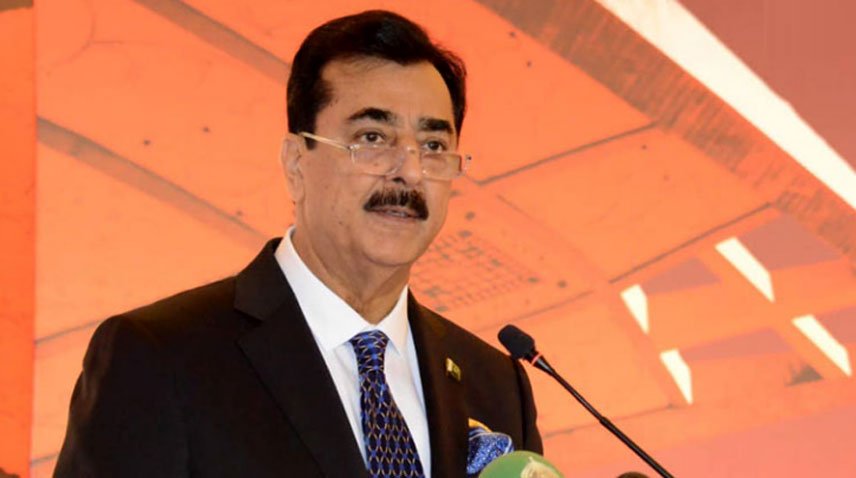
ISLAMABAD — Senator Syed Yousaf Raza Gilani has secured approval for the dualisation of the Multan-Lodhran Road, a major infrastructure project enhancing regional connectivity. Federal Minister for Communications Abdul Aleem Khan approved the project, with funds now released to begin construction. Infrastructure Development The Multan-Lodhran dual carriageway project is a key development in regional infrastructure planning. Converting the existing road into a dual carriageway will significantly enhance traffic flow and safety. This decision follows a formal request by Senate Chairman Gilani to Minister Khan. The Ministry of Communications has allocated the necessary funds, ensuring a smooth commencement of construction. Officials confirm the dual carriageway will connect Multan and Lodhran, two major cities in Punjab. The project aims to facilitate faster travel, reduce congestion, and boost economic activities by improving market access. Funding will come from the Road Maintenance Account, dedicated to Pakistan’s road infrastructure expansion. Regional Impact Gilani expressed gratitude for the project’s approval, noting the benefits to local populations. “This road is a vital link for Multan and Lodhran residents. Its dualisation will bring significant travel efficiency and safety improvements,” he stated. The Multan-Lodhran Road has long been crucial for transportation in southern Punjab but has suffered from congestion and safety issues due to its single-lane structure. Stakeholders have advocated for its expansion to support the region’s growing economic activities. Economic and Social Benefits The dualisation is poised to boost local businesses by easing market access and lowering transportation costs. Improved infrastructure is expected to attract investment, fostering economic development and job creation. Residents will benefit from reduced travel times and safer roads, improving overall quality of life. This is crucial for emergency services to respond swiftly to incidents. Government Commitment The project highlights the government’s dedication to infrastructure as a tool for regional equity. By investing strategically, the government aims to resolve regional disparities and promote balanced development across Pakistan.

Haroon Akhtar Highlights SMEs as Key to Pakistan’s Export Growth
Business

Haroon Akhtar Highlights SMEs as Key to Pakistan’s Export Growth

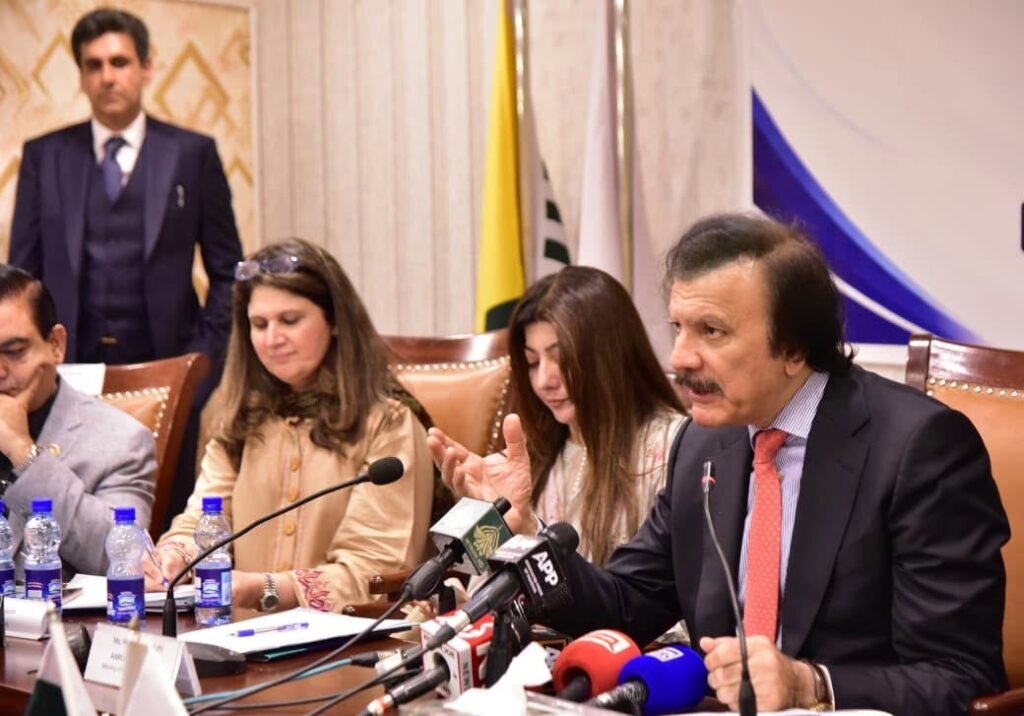
ISLAMABAD — Special Assistant to the Prime Minister on Industries and Production, Haroon Akhtar Khan, highlighted the critical role of small and medium enterprises (SMEs) in driving Pakistan’s export-led economic growth. Speaking on Friday, he underscored empowering entrepreneurs and innovators as key to securing the country’s future prosperity. Significance of SMEs During his address, Haroon Akhtar Khan emphasized SMEs’ pivotal role in Pakistan’s economy. He noted that nations empowering entrepreneurs and innovators rise as global economic leaders. According to Akhtar, Pakistan’s economic future depends on a robust SME sector, which forms the backbone of the nation’s export strategy. Akhtar called for policy reforms and support mechanisms to boost SME growth. These enterprises are crucial contributors to exports and key players in job creation and innovation within the country. Creating a conducive environment for SMEs will enhance Pakistan’s competitiveness in the global market. Government and Private Sector Collaboration Akhtar urged for increased collaboration between the government and private sector to overcome challenges faced by SMEs. He proposed targeted financial assistance, capacity-building programs, and access to international markets as essential measures for SME success. Economic Context Small and medium enterprises are pivotal to Pakistan’s economy, accounting for about 40% of GDP and employing 80% of the non-agricultural workforce, according to the Pakistan Bureau of Statistics. However, they face challenges such as limited access to finance, inadequate infrastructure, and regulatory hurdles. The government has implemented initiatives like the Small and Medium Enterprises Development Authority (SMEDA) and financial products from the State Bank of Pakistan to support SMEs. Despite these, the sector struggles with systemic issues hindering its full potential. Importance of SME Focus Focusing on SMEs is crucial for Pakistan’s export-led growth strategy. As global markets become more competitive, Pakistan must diversify its export base beyond traditional sectors like textiles. SMEs, with their innovation and agility, are well-equipped to explore new markets and products. Strengthening SMEs can significantly boost job creation—vital for Pakistan’s young population. Thriving SMEs also contribute to poverty alleviation and inclusive economic growth. Politically, a strong SME sector promotes economic stability and reduces reliance on external borrowing. Internationally, a vibrant SME sector can improve Pakistan’s trade balance through increased exports, enhancing foreign exchange reserves and creating a stable economic environment. Key Takeaways Haroon Akhtar Khan stressed SMEs’ role in export-led growth. SMEs are vital for job creation, innovation, and global competitiveness. Policy reforms and collaboration with the private sector are needed to support SMEs. SMEs contribute 40% of GDP and employ 80% of the non-agricultural workforce. Strengthening SMEs provides economic, social, and political benefits.

Punjab Government Ensures Transparency in Operations, Says Marriyum Aurangzeb
Pakistan

Punjab Government Ensures Transparency in Operations, Says Marriyum Aurangzeb

LAHORE — Punjab Senior Minister Marriyum Aurangzeb has affirmed that the Punjab government conducts its operations with full transparency, adhering strictly to legal requirements and standard operating procedures (SOPs). Her statement comes amidst scrutiny of governmental processes, aiming to reassure the public of the administration’s commitment to accountability. Government Commitment to Transparency In a recent statement, Minister Marriyum Aurangzeb emphasized the Punjab government’s dedication to transparency in its administrative affairs. All government operations comply strictly with established legal frameworks and SOPs. This statement is part of the government’s broader effort to maintain public trust and ensure open and accountable governance. During a press briefing, Aurangzeb reiterated that transparency is a cornerstone of the current government’s policy. She stressed that all departments are expected to adhere to these principles. “The Punjab government commits to ensuring every action taken is in the public’s best interest and executed with complete transparency,” she stated. Measures for Enhancing Transparency The minister outlined several measures to enhance transparency, including digitizing records and processes to minimize corruption and inefficiency. These steps are part of a larger initiative to modernize the provincial administration and improve service delivery to the citizens of Punjab. Historical Context The emphasis on transparency in government operations is not new. Pakistan has historically faced challenges with corruption and lack of accountability in public offices. Over the years, various administrations have pledged to improve transparency and reduce corruption. The current Punjab government, led by the Pakistan Muslim League-Nawaz (PML-N), emphasizes transparency as a key part of its governance agenda. Recent years have seen several initiatives to improve transparency across Pakistan. These include the Right to Information Act, allowing citizens to request information from government bodies, and establishing anti-corruption units to investigate and prosecute cases of corruption. The Importance of Transparency Transparency in government operations is crucial for fostering public trust and ensuring that resources are used effectively. In Pakistan, where corruption has been historically significant, transparent governance can improve public services, better infrastructure, and enhance economic development. For Punjab’s citizens, transparency assurance means expecting more accountability from their government. This can lead to more efficient use of public funds and improved service delivery. Transparency can also help attract foreign investment by creating a stable and predictable business environment. Punjab Senior Minister Marriyum Aurangzeb reaffirmed the government’s commitment to transparency in operations. The government adheres to legal requirements and SOPs to ensure accountability. Transparency efforts include digitization of records and processes to reduce corruption. Pioneering transparency serves as a model for other provinces in Pakistan.

Prime Minister Orders Swift Response to Musakhel Earthquake in Balochistan
Pakistan

Prime Minister Orders Swift Response to Musakhel Earthquake in Balochistan

ISLAMABAD — Prime Minister Shehbaz Sharif on Saturday expressed profound sorrow over the recent earthquake in Balochistan’s Musakhel area. He offered heartfelt condolences to the affected families and emphasized the urgency of effective relief operations. Incident Overview The earthquake impacted Musakhel district, causing extensive property damage and injuries. In response, Prime Minister Sharif directed the National Disaster Management Authority (NDMA) and the Balochistan provincial government to expedite rescue and relief efforts. He emphasized providing the best medical facilities to the injured, particularly in Kingri, and hoped for their swift recovery. Immediate relief for residents with damaged homes was prioritized. The Prime Minister called for federal and provincial cooperation to ensure a coordinated crisis response. The directives included delivering necessary medical assistance and deploying resources to support affected communities. Initial reports indicate significant infrastructure damage, leading to displacements. The NDMA and local authorities are assessing the full damage extent and delivering aid to those in need. Seismic History and Preparedness Balochistan, Pakistan’s largest province by area, frequently experiences seismic activity due to its location near tectonic boundaries. Past events, like the 2013 Awaran earthquake, resulted in substantial losses. The provincial government, supported by federal agencies, is enhancing disaster preparedness and response strategies. Established in 2007, the NDMA plays a crucial coordination role in Pakistan’s disaster response. It collaborates with provincial disaster management authorities to implement strategies reducing disasters’ impacts. Significance of the Response The Musakhel earthquake reveals vulnerabilities in Balochistan’s rural communities. Its remote location and difficult terrain complicate relief operations, necessitating a coordinated effort from federal and provincial authorities. The Prime Minister’s directive emphasizes addressing citizens’ immediate needs and mitigating long-term disaster impacts. Economically, the earthquake could worsen existing regional challenges, with limited infrastructure and resources. Effective relief implementation is critical to preventing further socio-economic decline in the affected areas. International Impact Pakistan’s disaster response influences its international standing, as it reflects crisis management capabilities. Effective disaster management can improve Pakistan’s reputation and enhance international cooperation in preparedness and response efforts. Key Takeaways Prime Minister Shehbaz Sharif has mandated immediate relief operations after the Musakhel earthquake in Balochistan. The NDMA and Balochistan’s provincial government are to expedite rescue efforts and provide medical assistance. Balochistan’s seismic history necessitates strong preparedness and response strategies. The earthquake highlights socio-economic vulnerabilities in rural communities. Pakistan’s response to this disaster holds significant implications for its reputation and international cooperation.

Free Medical Camp Provides Vital Healthcare to Underprivileged in Chak 134
Pakistan

Free Medical Camp Provides Vital Healthcare to Underprivileged in Chak 134

CHAK NO 134 LOONY WALA — A free medical camp took place on Saturday, organized by Islamia Hospital. This initiative provided vital healthcare services to underprivileged citizens, particularly targeting children and the elderly who have limited access to medical facilities. Medical Camp Details The medical camp, spearheaded by Islamia Hospital, saw a large turnout from Chak No 134 Loony Wala and its neighboring areas. Physicians, nurses, and healthcare volunteers provided consultations, conducted medical examinations, and distributed necessary medications at no cost. This event was especially beneficial for families unable to afford regular medical care. Dr. Ahmed Khan, the lead physician, emphasized, “Our goal is to provide immediate medical attention to those who need it most and to increase awareness of regular health check-ups.” The camp offered diverse services, including general health screenings, pediatric care, and maternal health consultations. Educational sessions on hygiene and preventive healthcare also empowered the community with knowledge to maintain good health. Over 300 individuals received medical attention during the camp. Support came from local volunteers and healthcare professionals dedicated to the event’s success. The community expressed deep appreciation, highlighting the urgent need for such services in rural areas. Challenges in Rural Healthcare Access to healthcare in rural Pakistan faces significant challenges, including limited medical infrastructure and financial constraints. Many rural areas lack basic healthcare facilities, compelling residents to travel long distances to urban centers for treatment. Poverty further restricts families from seeking timely medical care. Through its outreach program, Islamia Hospital actively organizes medical camps in underserved areas to bridge this healthcare access gap. These camps offer immediate relief to communities often overlooked by the national healthcare framework. Impact and Importance The free medical camp at Chak No 134 Loony Wala serves as a crucial intervention in a region with scarce healthcare services. By providing free medical consultations and medications, the camp significantly impacts local health and well-being, especially among children and the elderly. Such initiatives also raise awareness about health issues and preventive care, essential for improving public health outcomes. Educational sessions conducted during the camp help prevent common diseases and enhance overall community health. The camp underscores the importance of collaboration between healthcare institutions and local communities. Working together, these entities can address immediate healthcare needs and advocate for sustainable healthcare solutions in the future. Key Takeaways A free medical camp was organized by Islamia Hospital at Chak No 134 Loony Wala, aiding over 300 individuals. Services included general health screenings, pediatric care, and educational sessions on preventive healthcare. Rural Pakistan faces significant healthcare access challenges due to limited infrastructure and financial constraints. Such initiatives are crucial for improving public health outcomes and raising awareness of healthcare issues.

MSMEs Highlighted as Vital to Pakistan’s Economic Growth on World MSME Day
Business

MSMEs Highlighted as Vital to Pakistan’s Economic Growth on World MSME Day

ISLAMABAD — On World MSME Day, experts underscored the essential role of Micro, Small, and Medium Enterprises (MSMEs) in driving Pakistan’s economic growth. They called for increased collaboration to strengthen this sector critical for fostering innovation and employment. Key Discussions on MSMEs Industry leaders, policymakers, and stakeholders gathered to examine MSMEs’ major contributions to Pakistan’s economy. Discussions revealed that MSMEs significantly contribute to the country’s GDP and employment, marking them as a cornerstone of economic development. Enhanced support and collaboration among government bodies, financial institutions, and the private sector was urged to empower these enterprises further. A key speaker remarked, “MSMEs are the backbone of our economy, driving growth and innovation. It is imperative that we provide them with the necessary resources and support to thrive.” Panel discussions highlighted the challenges MSMEs face, such as limited access to finance, regulatory hurdles, and the need for technological advancement. Proposed Policy Reforms Participants advocated for policy reforms to improve the business environment for MSMEs. Suggestions included: Simplifying regulatory processes Increasing access to credit Providing training programs to enhance entrepreneurs’ and workers’ skills Background of MSMEs in Pakistan Micro, Small, and Medium Enterprises have long been vital to Pakistan’s economy. The Small and Medium Enterprises Development Authority (SMEDA) states that MSMEs contribute approximately 40% of Pakistan’s GDP and employ over 80% of the non-agricultural labor force. Despite this, MSMEs face challenges like limited access to finance, inadequate infrastructure, and complex regulatory frameworks. Recent government initiatives, like the Prime Minister’s Kamyab Jawan Programme, aim to support MSMEs via financial assistance and training for young entrepreneurs. However, many MSMEs continue to encounter operational challenges and require additional support to achieve their full potential. Importance of Strengthening MSMEs Strengthening the MSME sector is crucial as Pakistan faces economic challenges, such as high unemployment and sluggish GDP growth. MSMEs can drive economic recovery by creating jobs and fostering innovation. They have the potential to significantly reduce poverty and enhance living standards for millions of Pakistanis. The success of MSMEs also affects Pakistan’s international trade and competitiveness. Growth and innovation in this sector can contribute to diversifying the country’s export base, reducing dependence on traditional sectors and enhancing economic resilience. For policymakers, supporting MSMEs is both an economic and a social imperative. Empowering small businesses promotes inclusive growth, ensuring more equitable distribution of economic benefits across regions and communities, aligning with global trends recognizing MSMEs’ potential for sustainable development.

Sukkur Municipal Corporation Approves Rs. 13.95 Billion Budget for 2026-27
Business

Sukkur Municipal Corporation Approves Rs. 13.95 Billion Budget for 2026-27

SUKKUR — Sukkur Municipal Corporation has approved a substantial budget of over Rs. 13.95 billion for the fiscal year 2026-27. This financial plan focuses primarily on urban development and infrastructure improvement. The budget was passed by a majority vote on June 27, 2026. Details of the Budget Approval The budget session was led by Mayor Sukkur, Barrister Arsalan Islam Shaikh. Key attendees included Deputy Mayor Dr. Arshad Mughal, Commissioner Pir Illahi Bux, along with chairmen of union committees, councillors, and relevant officers. The total approved budget stands at Rs. 13,951,257,004, with an anticipated surplus of Rs. 128,585,2460 and estimated expenditures of Rs. 12,665,404,544. Focus Areas Emphasizing urban infrastructure enhancement and basic amenities, Mayor Shaikh highlighted key allocations. These include Rs. 540 million for repair and maintenance and Rs. 2,221,290,800 for ongoing development projects. Development funds have been distributed among all union committees to ensure effective public welfare initiatives city-wide. Even without a special grant from the Sindh Government, the mayor reinforced the commitment to improving civic services like sanitation, drainage, and road repairs. Elected representatives contributed proposals, shaping the final budget. Historical Context Sukkur, a significant city in Sindh, has long faced urban management challenges. The municipal budget approval process is a pivotal event for the city’s development path. Historical budgets have been limited by resource constraints and inconsistent provincial support. The need to optimize local resources is vital due to inconsistent financial support from the Sindh Government. The focus remains on infrastructure and welfare projects to improve living conditions and urban quality of life. Impact of the Budget This budget approval carries several implications. Economically, it aims to stimulate local economic activity by funding infrastructure and development projects. Improved civic amenities can enhance the business environment, encouraging investment and fostering economic growth. Socially, the projects prioritize addressing the needs of underserved areas, striving for equitable development. This seeks to raise living standards and reduce disparities. Politically, the budget showcases the municipal leadership’s resource management skills despite financial limitations. The absence of external grants underlines the importance of strategic local planning. On an international level, effective urban management in Sukkur can contribute to broader developmental goals, aligning with global frameworks like the United Nations’ Sustainable Development Goals (SDGs). Key Takeaways The Sukkur Municipal Corporation has approved a budget exceeding Rs. 13.95 billion for FY 2026-27. The budget forecasts a surplus of Rs. 128,585,2460 with a strong focus on infrastructure and public welfare. Significant funds include Rs. 540 million for repairs and maintenance. Local resource optimization takes precedence due to the absence of a Sindh Government special grant.

Thikriwala Police Solve Child Murder Case in 24 Hours, Relative Arrested
Pakistan

Thikriwala Police Solve Child Murder Case in 24 Hours, Relative Arrested

FAISALABAD — Thikriwala police swiftly resolved a seven-year-old boy’s murder case within 24 hours, arresting a close relative. The tragic incident occurred in Chak No. 71-JB Sarli, involving the death of Shakeel Ahmad. Investigation and Arrest On June 27, Shakeel Ahmad was reported missing from his home. Faisalabad City Police Officer (CPO) Tanveer Hussain immediately launched an intensive investigation. A special team formed under SP Iqbal Division Saeed Ahmed used modern technological resources and traditional methods for a thorough search operation. The boy’s body was discovered the following day in an abandoned building. Investigations revealed Shakeel had been violently attacked before being strangled with a clothesline. The team, including SHO Thikriwala Ali Imran, identified Ali Raza, a close relative, as the suspect. Raza confessed to the murder during interrogation, citing personal grievances as the motive. Police assured that legal proceedings are in progress to ensure Raza is prosecuted. The victim’s family expressed gratitude to the police and Punjab Chief Minister Maryam Nawaz for their swift action. Challenges in Blind Murder Cases Blind murders, where the perpetrator is initially unknown, challenge law enforcement agencies. In Pakistan, police often face criticism due to resource shortages and procedural inefficiencies. However, this case stands as an example of effective police work combining modern technology and traditional methods. The swift resolution credited to proactive police measures included forming a dedicated task force and employing advanced forensic methods. The active involvement of senior officials like CPO Tanveer Hussain highlights the importance of leadership in complex investigations. Social and Economic Impact Solving this case within a day demonstrates the capability of Pakistani law enforcement to handle complex investigations efficiently with proper resources and leadership. The resolution brings justice to the family and enhances public confidence in the police. Socially, the case emphasizes addressing familial tensions that can result in tragic outcomes and highlights the need for community awareness programs. Economically, the rapid police response reduces costs associated with prolonged investigations. Internationally, this successful investigation enhances Pakistan’s image in handling criminal cases effectively. Key Takeaways Thikriwala police resolved a child’s murder within 24 hours, apprehending a relative. The investigation showcased effective use of modern technology and traditional methods. Leadership and resource allocation are crucial in law enforcement success.

SMEDA and LCCI Collaborate on MSME Development for World MSME Day
Business

SMEDA and LCCI Collaborate on MSME Development for World MSME Day

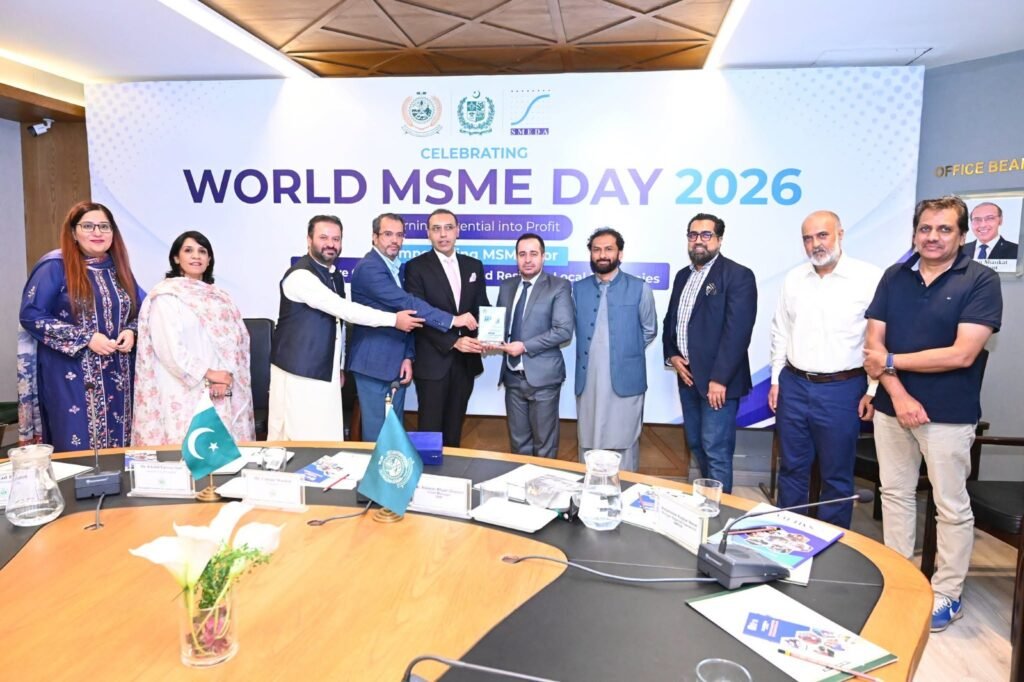
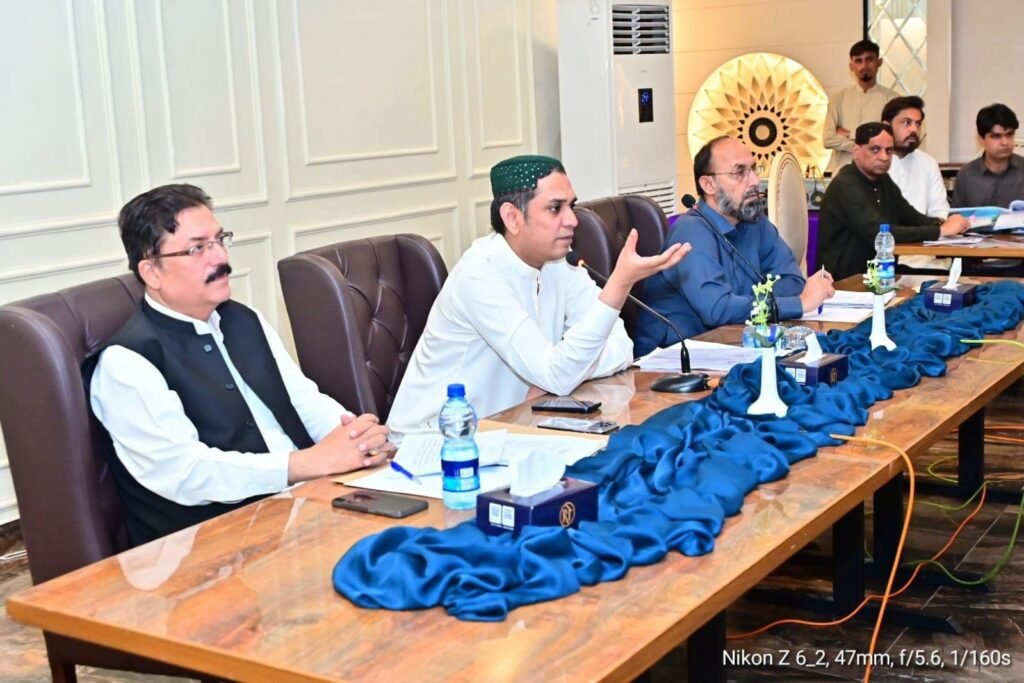
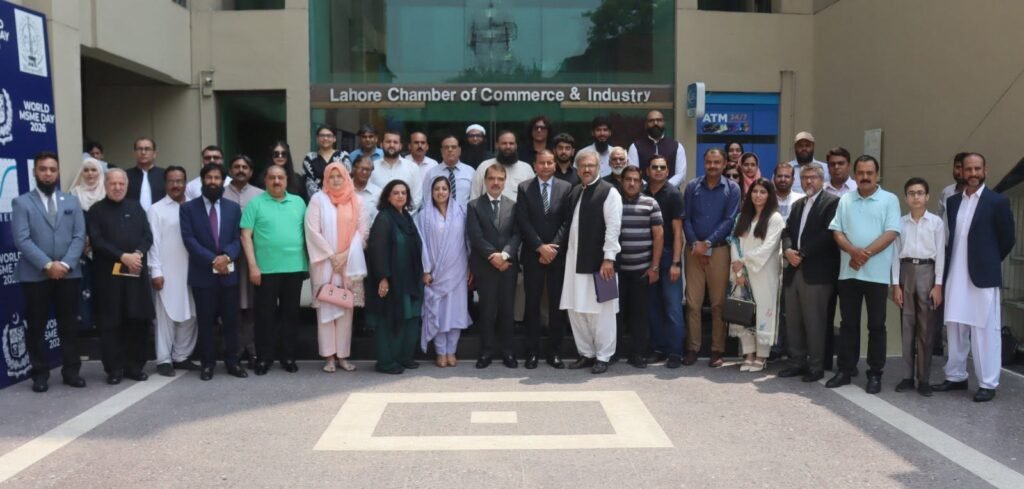
LAHORE — The Small and Medium Enterprises Development Authority (SMEDA) and the Lahore Chamber of Commerce & Industry (LCCI) held a session on Saturday to discuss the development of Micro, Small, and Medium Enterprises (MSMEs) in Pakistan. This event was part of World MSME Day 2026 celebrations, aiming to bolster the national economy through MSME growth. Key Discussions Held in Lahore, the session brought together stakeholders from various sectors to strategize on strengthening MSMEs. SMEDA and LCCI emphasized the essential role of MSMEs as the backbone of the economy, highlighting their potential to drive economic growth and employment. Discussions centered on challenges facing MSMEs and actionable solutions. SMEDA officials underscored the need for policy reforms, better access to finance, and initiatives to build capacity. Collaboration between public and private sectors was deemed crucial for an environment conducive to MSME growth. LCCI representatives echoed these sentiments, calling for improved support mechanisms and infrastructure development to aid small enterprise operations. Participants shared insights on the state of MSMEs, discussing initiatives to overcome regulatory hurdles, limited market access, and technological gaps. SMEDA and LCCI’s Commitment Policy reforms and improved financial access Capacity-building initiatives Collaboration between public and private sectors Improved support mechanisms and infrastructure development Commitment to a supportive MSME ecosystem Background World MSME Day, observed on June 27 annually, was initiated by the United Nations to recognize MSMEs’ critical role in sustainable development goals. In Pakistan, MSMEs contribute around 40% to the GDP and employ 80% of the non-agricultural labor force. Despite their significance, challenges like access to finance, infrastructure deficits, and regulatory issues persist. SMEDA, a government body established in 1998, facilitates MSMEs’ growth by offering business development support, training, and policy advocacy. LCCI represents the Lahore business community, advocating policy reforms to spur economic growth. Significance of MSME Development Developing MSMEs is vital for Pakistan’s economic stability and growth, playing a crucial role in job creation, poverty reduction, and innovation fostering. Addressing MSMEs’ challenges can unlock economic potential and enhance competitiveness globally. Increased support for MSMEs can elevate productivity, boost exports, and diversify the economy. This aligns with Pakistan’s vision of inclusive economic growth and community empowerment. The collaboration between SMEDA and LCCI is a positive step toward a supportive MSME environment, leveraging both organizations’ expertise and resources for effective strategies. This partnership might inspire similar initiatives nationwide to support small businesses.

Faisalabad Police Arrest 20 Proclaimed Offenders in Coordinated Crackdown
Pakistan

Faisalabad Police Arrest 20 Proclaimed Offenders in Coordinated Crackdown

FAISALABAD — In a significant law enforcement operation, Faisalabad police apprehended 20 proclaimed offenders involved in serious criminal activities. These arrests occurred during intelligence-based operations conducted district-wide in the past 12 hours, according to a police spokesperson. Recent Arrests in Faisalabad Faisalabad police executed a series of intelligence-led operations targeting individuals wanted for serious criminal cases. In the past 12 hours, officers arrested 20 proclaimed offenders at multiple district locations. These individuals were wanted for various crimes, including criminal breach of trust, kidnapping, robbery, and cheque fraud. Tactical Approach to Operations The operations were meticulously planned and executed using modern technology, technical surveillance, and intelligence gathering. This strategic approach helped trace the fugitives’ locations leading to successful raids and arrests. Among those arrested were Majid, Kashif, Fakhar, Shafqat, Saim, Saddam, Faqeer Hussain, Zain, and Maqsood. The police have withheld the identities of several suspects detained during the crackdown. Understanding Proclaimed Offenders Proclaimed offenders are fugitives declared by the court after failing to appear for legal proceedings. In Pakistan, these individuals often engage in serious crimes, challenging law enforcement. Intelligence-led policing has become vital for arresting such offenders effectively, allowing targeted and efficient operations. Crime in Faisalabad As a major industrial city, Faisalabad has its share of criminal activities. Local police employ advanced techniques and technology to combat crime and enhance public safety. This recent operation is part of ongoing efforts to address crime and bring offenders to justice. Impacts and Relevance The arrest of these 20 offenders is a crucial step in fighting crime in Faisalabad. It showcases the effectiveness of intelligence-led policing and the ability of law enforcement to utilize modern technology in apprehending suspects. This operation not only disrupts criminal networks but also deters other potential offenders. Residents of Faisalabad can expect enhanced security and trust in local law enforcement. Removing these offenders from the streets actively works towards reducing crime rates and improving community safety. Furthermore, the successful execution of such operations can foster public confidence in the police force, encouraging more cooperation between citizens and law enforcement. Significance for Pakistan This operation highlights Pakistan’s commitment to strengthening legal and judicial processes by ensuring fugitives are held accountable. The use of intelligence and technology in policing aligns with global trends, where data-driven approaches are increasingly adopted to improve crime-solving capabilities. Key Takeaways Faisalabad police arrested 20 proclaimed offenders through intelligence-led operations. The offenders were involved in serious crimes like kidnapping and fraud. Modern technology and intelligence gathering were crucial in tracing and arresting the suspects. This operation enhances public safety and trust in law enforcement in Faisalabad. The crackdown reinforces Pakistan’s commitment to law enforcement effectiveness.

Scroll to Top