
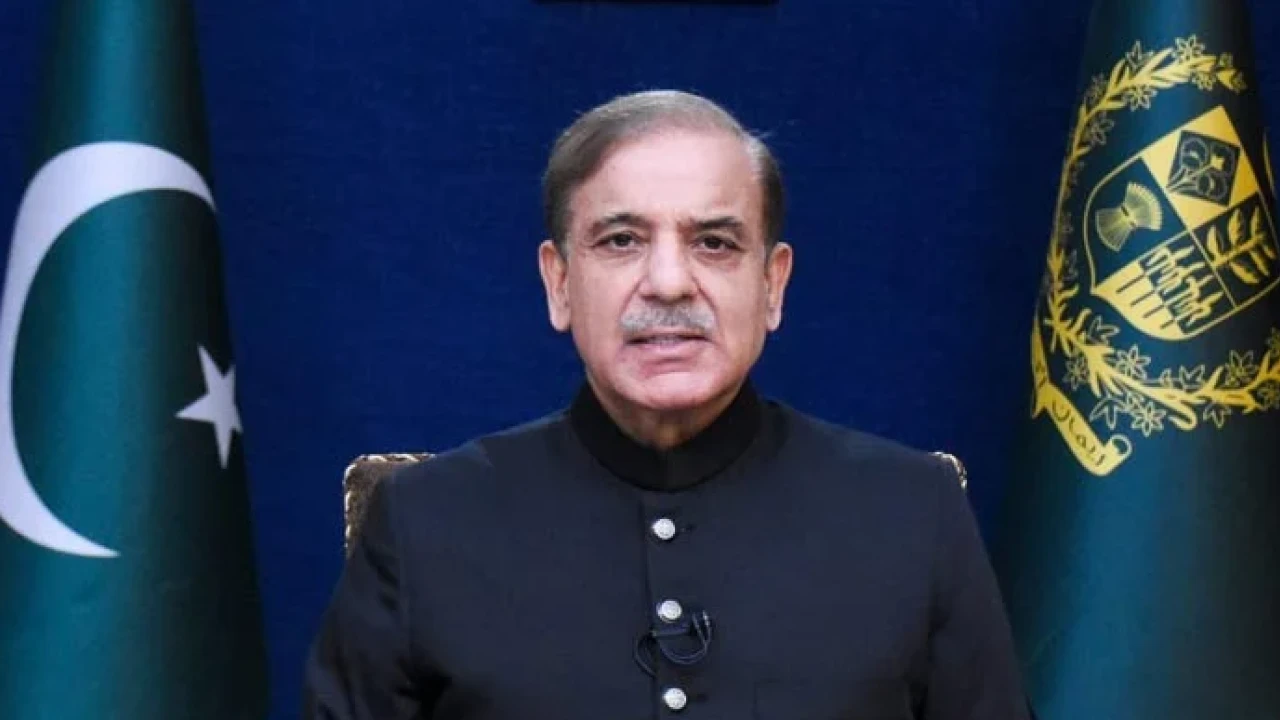
ISLAMABAD — Prime Minister Shehbaz Sharif on Saturday expressed profound sorrow over the recent earthquake in Balochistan’s Musakhel area. He offered heartfelt condolences to the affected families and emphasized the urgency of effective relief operations.
Incident Overview
The earthquake impacted Musakhel district, causing extensive property damage and injuries. In response, Prime Minister Sharif directed the National Disaster Management Authority (NDMA) and the Balochistan provincial government to expedite rescue and relief efforts. He emphasized providing the best medical facilities to the injured, particularly in Kingri, and hoped for their swift recovery.
Immediate relief for residents with damaged homes was prioritized. The Prime Minister called for federal and provincial cooperation to ensure a coordinated crisis response. The directives included delivering necessary medical assistance and deploying resources to support affected communities.
Initial reports indicate significant infrastructure damage, leading to displacements. The NDMA and local authorities are assessing the full damage extent and delivering aid to those in need.
Seismic History and Preparedness
Balochistan, Pakistan’s largest province by area, frequently experiences seismic activity due to its location near tectonic boundaries. Past events, like the 2013 Awaran earthquake, resulted in substantial losses. The provincial government, supported by federal agencies, is enhancing disaster preparedness and response strategies.
Established in 2007, the NDMA plays a crucial coordination role in Pakistan’s disaster response. It collaborates with provincial disaster management authorities to implement strategies reducing disasters’ impacts.
Significance of the Response
The Musakhel earthquake reveals vulnerabilities in Balochistan’s rural communities. Its remote location and difficult terrain complicate relief operations, necessitating a coordinated effort from federal and provincial authorities. The Prime Minister’s directive emphasizes addressing citizens’ immediate needs and mitigating long-term disaster impacts.
Economically, the earthquake could worsen existing regional challenges, with limited infrastructure and resources. Effective relief implementation is critical to preventing further socio-economic decline in the affected areas.
International Impact
Pakistan’s disaster response influences its international standing, as it reflects crisis management capabilities. Effective disaster management can improve Pakistan’s reputation and enhance international cooperation in preparedness and response efforts.
Key Takeaways
- Prime Minister Shehbaz Sharif has mandated immediate relief operations after the Musakhel earthquake in Balochistan.
- The NDMA and Balochistan’s provincial government are to expedite rescue efforts and provide medical assistance.
- Balochistan’s seismic history necessitates strong preparedness and response strategies.
- The earthquake highlights socio-economic vulnerabilities in rural communities.
- Pakistan’s response to this disaster holds significant implications for its reputation and international cooperation.














