
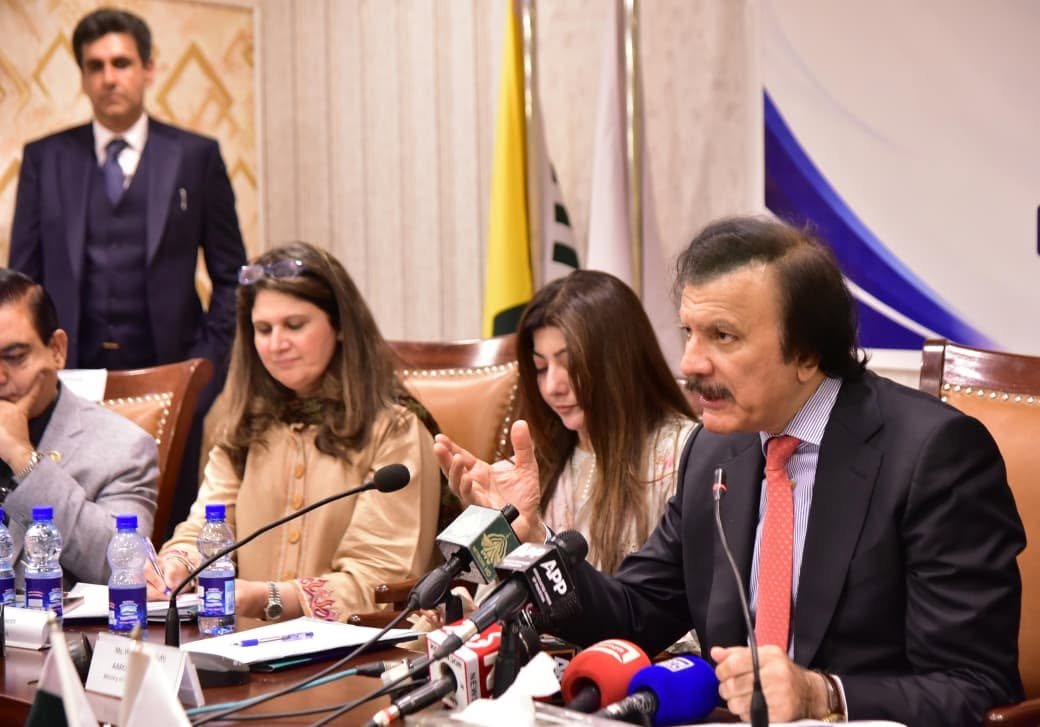
ISLAMABAD — Special Assistant to the Prime Minister on Industries and Production, Haroon Akhtar Khan, highlighted the critical role of small and medium enterprises (SMEs) in driving Pakistan’s export-led economic growth. Speaking on Friday, he underscored empowering entrepreneurs and innovators as key to securing the country’s future prosperity.
Significance of SMEs
During his address, Haroon Akhtar Khan emphasized SMEs’ pivotal role in Pakistan’s economy. He noted that nations empowering entrepreneurs and innovators rise as global economic leaders. According to Akhtar, Pakistan’s economic future depends on a robust SME sector, which forms the backbone of the nation’s export strategy.
Akhtar called for policy reforms and support mechanisms to boost SME growth. These enterprises are crucial contributors to exports and key players in job creation and innovation within the country. Creating a conducive environment for SMEs will enhance Pakistan’s competitiveness in the global market.
Government and Private Sector Collaboration
Akhtar urged for increased collaboration between the government and private sector to overcome challenges faced by SMEs. He proposed targeted financial assistance, capacity-building programs, and access to international markets as essential measures for SME success.
Economic Context
Small and medium enterprises are pivotal to Pakistan’s economy, accounting for about 40% of GDP and employing 80% of the non-agricultural workforce, according to the Pakistan Bureau of Statistics. However, they face challenges such as limited access to finance, inadequate infrastructure, and regulatory hurdles.
The government has implemented initiatives like the Small and Medium Enterprises Development Authority (SMEDA) and financial products from the State Bank of Pakistan to support SMEs. Despite these, the sector struggles with systemic issues hindering its full potential.
Importance of SME Focus
Focusing on SMEs is crucial for Pakistan’s export-led growth strategy. As global markets become more competitive, Pakistan must diversify its export base beyond traditional sectors like textiles. SMEs, with their innovation and agility, are well-equipped to explore new markets and products.
Strengthening SMEs can significantly boost job creation—vital for Pakistan’s young population. Thriving SMEs also contribute to poverty alleviation and inclusive economic growth. Politically, a strong SME sector promotes economic stability and reduces reliance on external borrowing.
Internationally, a vibrant SME sector can improve Pakistan’s trade balance through increased exports, enhancing foreign exchange reserves and creating a stable economic environment.
Key Takeaways
- Haroon Akhtar Khan stressed SMEs’ role in export-led growth.
- SMEs are vital for job creation, innovation, and global competitiveness.
- Policy reforms and collaboration with the private sector are needed to support SMEs.
- SMEs contribute 40% of GDP and employ 80% of the non-agricultural workforce.
- Strengthening SMEs provides economic, social, and political benefits.














