

Author name: Yasir Zubairi

Yasir Zubairi is the founder and publisher of NEN Agency (News Era Network). He leads NEN's coverage of Pakistan's national affairs, economy, foreign relations and sports, and is responsible for the accuracy and standards of every story published on nenagency.com.

Sarwar, Siddique, Abbas Elected Unopposed to PGMEA Leadership
Pakistan

Sarwar, Siddique, Abbas Elected Unopposed to PGMEA Leadership

SIALKOT — Mian Muhammad Sarwar, Chaudhry Muhammad Siddique, and Muhammad Abbas have been elected unopposed to key positions within the Pakistan Gloves Manufacturers & Exporters Association (PGMEA), as announced on September 15. The elections saw the Gloves Association Ittehad Founder Group, led by Haji Aftab Ahmed Barlas, secure a decisive victory, further consolidating their influence in the industry. What Happened The Gloves Association Ittehad Founder Group, known for its stronghold in the PGMEA, achieved another significant win as their candidates were elected unopposed. Mian Muhammad Sarwar of the Starla Group was nominated as Chairman of the PGMEA, with Chaudhry Muhammad Siddique and Muhammad Abbas also taking on leadership roles. The election process, which concluded on September 15, highlighted the group’s continued dominance in the association’s affairs. Haji Aftab Ahmed Barlas, a prominent figure in the business community, and Riaz-ud-Din Sheikh played pivotal roles in nominating the successful candidates. Their strategic planning and influence were instrumental in ensuring the unopposed election of their nominees. The absence of opposition candidates underscores the confidence and support the group enjoys among PGMEA members. The PGMEA, a key organization representing the interests of glove manufacturers and exporters in Pakistan, plays a crucial role in advocating for the industry at both national and international levels. The newly elected leadership is expected to continue the group’s agenda of promoting the industry and addressing challenges faced by its members. Background The Pakistan Gloves Manufacturers & Exporters Association (PGMEA) has been a significant body in the textile and manufacturing sector, particularly in Sialkot, a hub for sports goods and apparel manufacturing. The association has historically been involved in negotiating better trade terms, addressing industry challenges, and promoting Pakistani gloves in international markets. The Gloves Association Ittehad Founder Group has been a dominant force within the PGMEA for several years. Their leadership has been characterized by efforts to enhance export opportunities and improve production standards. The group’s influence is reflected in their ability to secure key positions within the association repeatedly. In recent years, the PGMEA has focused on expanding market access and improving the quality of Pakistani gloves to meet international standards. The association’s leadership has been proactive in engaging with government bodies to secure favorable policies for the industry. Why It Matters The unopposed election of Sarwar, Siddique, and Abbas to the PGMEA’s leadership positions is significant for several reasons. Firstly, it highlights the stability and continuity within the association, which is crucial for maintaining momentum in ongoing projects and initiatives aimed at boosting the glove manufacturing sector. The PGMEA plays a vital role in Pakistan’s economy, particularly in Sialkot, where glove manufacturing is a major industry. The association’s leadership is tasked with addressing challenges such as rising production costs, competition from international markets, and the need for technological advancements in manufacturing processes. By securing unopposed leadership positions, the Gloves Association Ittehad Founder Group can continue its strategic initiatives without the disruption of contested elections. This stability is expected to benefit the broader industry, as consistent leadership can focus on long-term goals such as increasing exports, improving product quality, and advocating for supportive government policies. Moreover, the PGMEA’s leadership has a direct impact on the livelihoods of thousands of workers employed in the glove manufacturing sector. Effective leadership can lead to increased job security and potential job growth as the industry expands its international reach. Key Takeaways Mian Muhammad Sarwar, Chaudhry Muhammad Siddique, and Muhammad Abbas were elected unopposed to PGMEA leadership positions. The Gloves Association Ittehad Founder Group continues to dominate the PGMEA elections, highlighting their strong influence. The PGMEA is crucial for advocating the interests of glove manufacturers and exporters in Pakistan. Stability in PGMEA leadership is expected to benefit the industry by focusing on long-term strategic goals. The association’s leadership impacts the economic well-being of workers in the glove manufacturing sector. Source Attribution This article is based on official statements and public communications from relevant authorities. Author: NEN Editorial Desk | Editor: NEN Newsroom | Fact Checked By: NEN Editorial Team Author: NEN Editorial Desk  |  Editor: NEN Newsroom  |  Last Updated: September 15, 2026  |  Source: NEN Reporter This article was produced by the NEN Editorial Desk in accordance with NEN Agency’s Editorial Policy and Fact-Checking Policy.
Street Vendors Thrive Amid Islamabad’s Bustling Greenbelts
Pakistan

Street Vendors Thrive Amid Islamabad’s Bustling Greenbelts

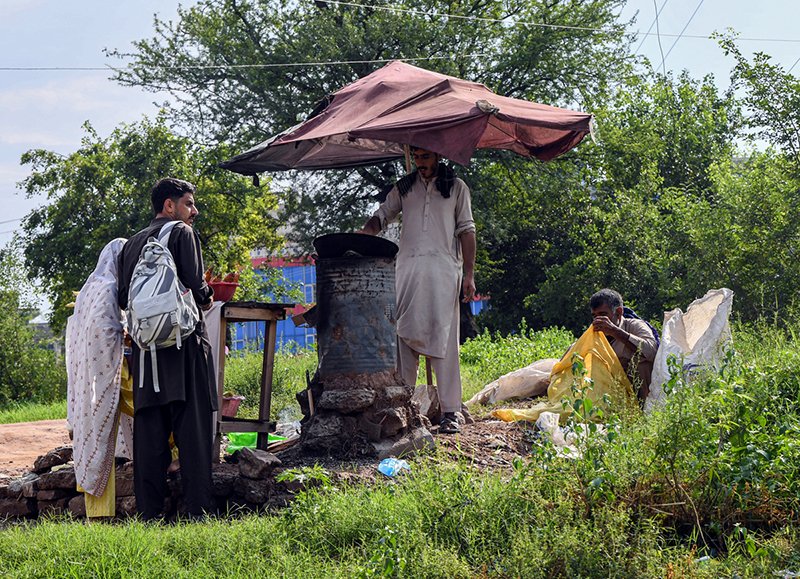
ISLAMABAD — Street vendors continue to be a vibrant part of the local economy in Islamabad, as evidenced by the bustling trade at a corn stall along a greenbelt in the federal capital. On September 15, a couple was seen purchasing roasted corn from a roadside vendor, highlighting the ongoing popularity of these small businesses. What Happened On a typical day in Islamabad, the greenbelts that line the city’s roads become hubs of activity. One such greenbelt was the site of a small yet bustling corn stall, where a couple stopped to buy roasted corn. This scene is a common sight in the federal capital, where street vendors offer a variety of snacks and goods to passersby. The vendor, operating from a modest setup, serves freshly roasted corn, a popular snack among locals and visitors alike. The aroma of roasting corn draws in customers, providing a simple yet satisfying culinary experience. The couple’s purchase underscores the enduring appeal of street food in Islamabad, where vendors contribute significantly to the city’s informal economy. Street vendors like this corn seller play a crucial role in providing affordable food options and supporting livelihoods. Despite the challenges posed by urban development and regulatory measures, these vendors continue to thrive, adapting to changing consumer preferences and economic conditions. Background Street vending has a long history in Pakistan, particularly in urban areas like Islamabad. Vendors offer a wide range of products, from food items to everyday necessities. This informal sector is vital for the economy, providing employment opportunities and serving as a source of income for many families. In Islamabad, street vendors often operate in designated areas such as greenbelts and markets. While they face challenges such as regulatory restrictions and competition from formal businesses, their resilience and adaptability have allowed them to remain a staple of urban life. In recent years, there have been efforts to regulate street vending through policies aimed at ensuring hygiene and safety standards. These measures are intended to support vendors while also addressing public health concerns. Why It Matters The presence of street vendors in Islamabad is significant both economically and socially. Economically, they contribute to the city’s informal sector, which is a crucial component of Pakistan’s overall economy. By providing affordable goods and services, vendors help meet the needs of a diverse population, including low-income individuals who might not afford higher-priced alternatives. Socially, street vendors add to the vibrancy and character of urban spaces. They create informal social hubs where people from different walks of life can interact. This interaction fosters community ties and enhances the cultural fabric of the city. Moreover, street vending offers a pathway for entrepreneurship, allowing individuals to start and grow their businesses with minimal capital investment. This aspect is particularly important in a country like Pakistan, where formal employment opportunities can be limited. The continued success of street vendors in Islamabad reflects broader trends in urban development and economic resilience. As cities grow and evolve, the ability of informal sectors to adapt and thrive will be crucial in ensuring inclusive and sustainable urban environments. Key Takeaways Street vendors are a vital part of Islamabad’s economy, offering affordable food and goods. The informal sector provides significant employment and income opportunities. Efforts to regulate street vending focus on hygiene and safety standards. Street vendors contribute to the social and cultural vibrancy of urban spaces. Entrepreneurship through street vending supports economic resilience in Pakistan. Source Attribution This article is based on official government statements, press releases, and public communications from relevant authorities. Author: NEN Editorial Desk | Editor: NEN Newsroom | Fact Checked By: NEN Editorial Team Author: NEN Editorial Desk  |  Editor: NEN Newsroom  |  Last Updated: September 15, 2026  |  Source: NEN Reporter This article was produced by the NEN Editorial Desk in accordance with NEN Agency’s Editorial Policy and Fact-Checking Policy.
Commerce Minister Meets Canadian High Commissioner in Islamabad
Pakistan

Commerce Minister Meets Canadian High Commissioner in Islamabad

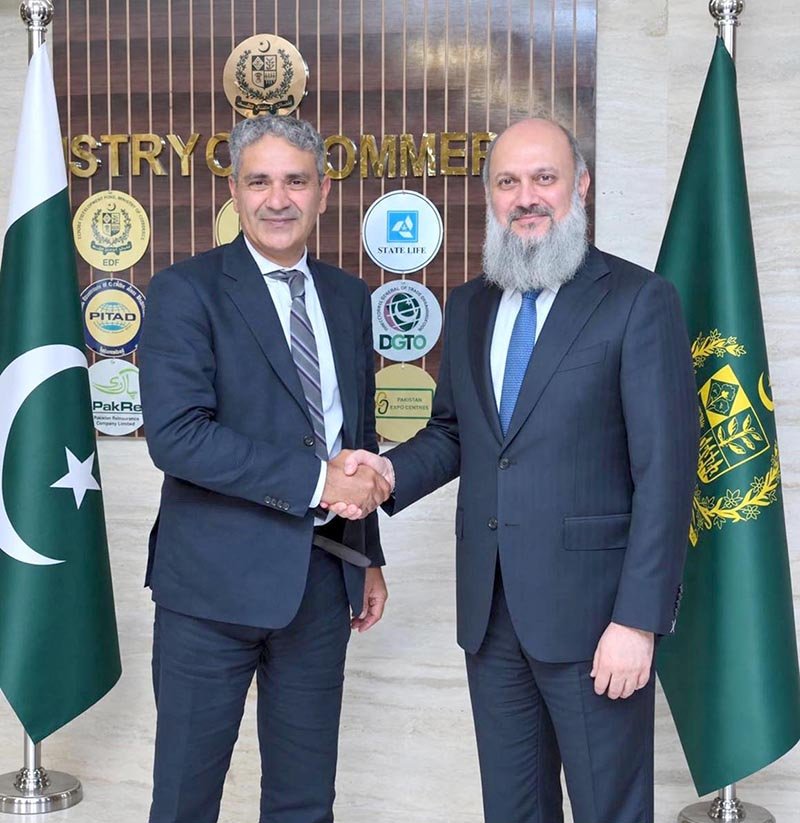
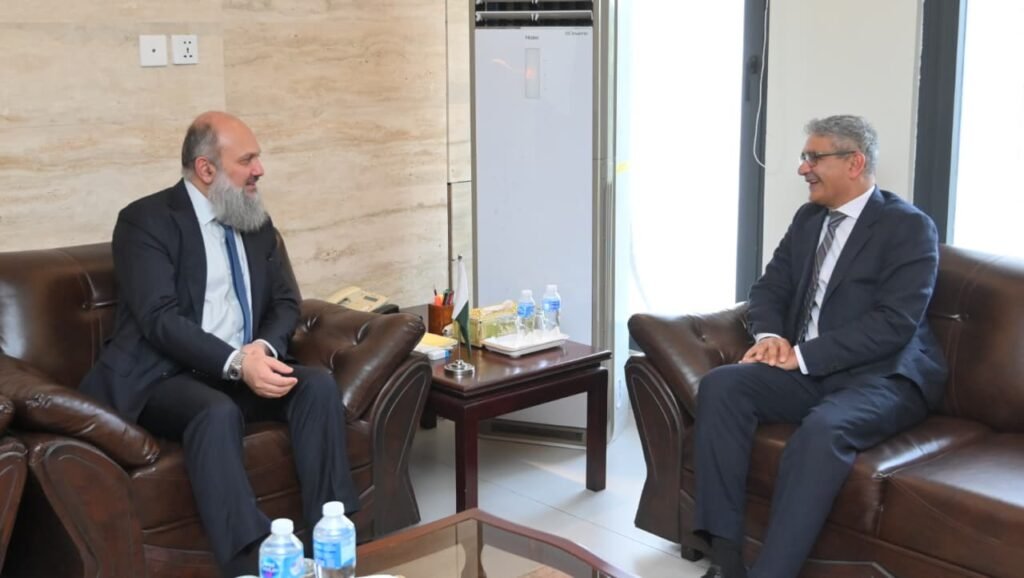
ISLAMABAD — Federal Minister for Commerce Jam Kamal Khan met with Tarik Ali Khan, the High Commissioner of Canada to Pakistan, at the Ministry of Commerce in Islamabad. The meeting, held on Thursday, focused on enhancing bilateral trade and exploring new avenues for economic cooperation between the two countries. What Happened During the meeting, Federal Minister Jam Kamal Khan and High Commissioner Tarik Ali Khan discussed various aspects of trade relations between Pakistan and Canada. The discussions aimed to identify opportunities for increasing trade volumes and diversifying the range of goods exchanged between the two nations. The meeting was part of ongoing efforts to strengthen economic ties and foster mutual understanding. Minister Khan emphasized the importance of Canadian investment in Pakistan, highlighting sectors such as agriculture, technology, and renewable energy as potential areas for collaboration. He noted that Pakistan’s strategic location and growing market offer significant opportunities for Canadian businesses. High Commissioner Tarik Ali Khan expressed Canada’s interest in deepening economic ties with Pakistan. He acknowledged the potential for increased trade and investment, particularly in the context of Pakistan’s emerging economic landscape. The High Commissioner also highlighted Canada’s expertise in various sectors that could contribute to Pakistan’s development goals. Both parties agreed to continue dialogue and explore specific initiatives that could facilitate trade and investment. They also discussed the possibility of organizing trade delegations and business forums to promote direct interactions between Pakistani and Canadian enterprises. Background Pakistan and Canada have maintained diplomatic relations since 1947, with trade being a significant component of their bilateral ties. Over the years, both countries have engaged in various trade agreements and initiatives to boost economic cooperation. In recent years, Pakistan has been seeking to diversify its trade partners and enhance its export portfolio, while Canada has been exploring new markets for its products and services. The meeting between the Commerce Minister and the Canadian High Commissioner is part of a broader strategy by the Pakistani government to attract foreign investment and strengthen economic partnerships. This approach aligns with Pakistan’s efforts to improve its economic indicators and achieve sustainable growth. Why It Matters The meeting between the Commerce Minister and the Canadian High Commissioner holds significant implications for both countries. For Pakistan, enhancing trade relations with Canada could lead to increased foreign investment, job creation, and access to new technologies. Such developments are crucial for Pakistan’s economic growth and stability, particularly in light of the challenges posed by global economic uncertainties. For Canada, expanding trade with Pakistan offers an opportunity to tap into a growing market with a population of over 220 million people. Strengthening economic ties with Pakistan could also provide Canadian businesses with a strategic foothold in South Asia, a region with immense economic potential. The discussions also underscore the importance of international cooperation in addressing global challenges such as climate change and sustainable development. By exploring joint initiatives in renewable energy and technology, both countries can contribute to global efforts aimed at achieving environmental sustainability and economic resilience. Key Takeaways Federal Minister for Commerce Jam Kamal Khan met with Canadian High Commissioner Tarik Ali Khan in Islamabad to discuss trade relations. The meeting focused on enhancing bilateral trade and exploring new areas for economic cooperation. Both parties emphasized the importance of investment in sectors like agriculture, technology, and renewable energy. The discussions are part of Pakistan’s broader strategy to attract foreign investment and strengthen economic partnerships. Strengthening trade ties with Canada offers economic benefits for both countries, including job creation and access to new markets. Source Attribution This article is based on official government statements, press releases, and public communications from relevant authorities. Author: NEN Editorial Desk | Editor: NEN Newsroom | Fact Checked By: NEN Editorial Team Author: NEN Editorial Desk  |  Editor: NEN Newsroom  |  Last Updated: September 15, 2026  |  Source: Press Release from Ministry of Commerce This article was produced by the NEN Editorial Desk in accordance with NEN Agency’s Editorial Policy and Fact-Checking Policy.

Uzbek Media Delegation Visits Pakistan to Enhance Bilateral Relations
Pakistan

Uzbek Media Delegation Visits Pakistan to Enhance Bilateral Relations

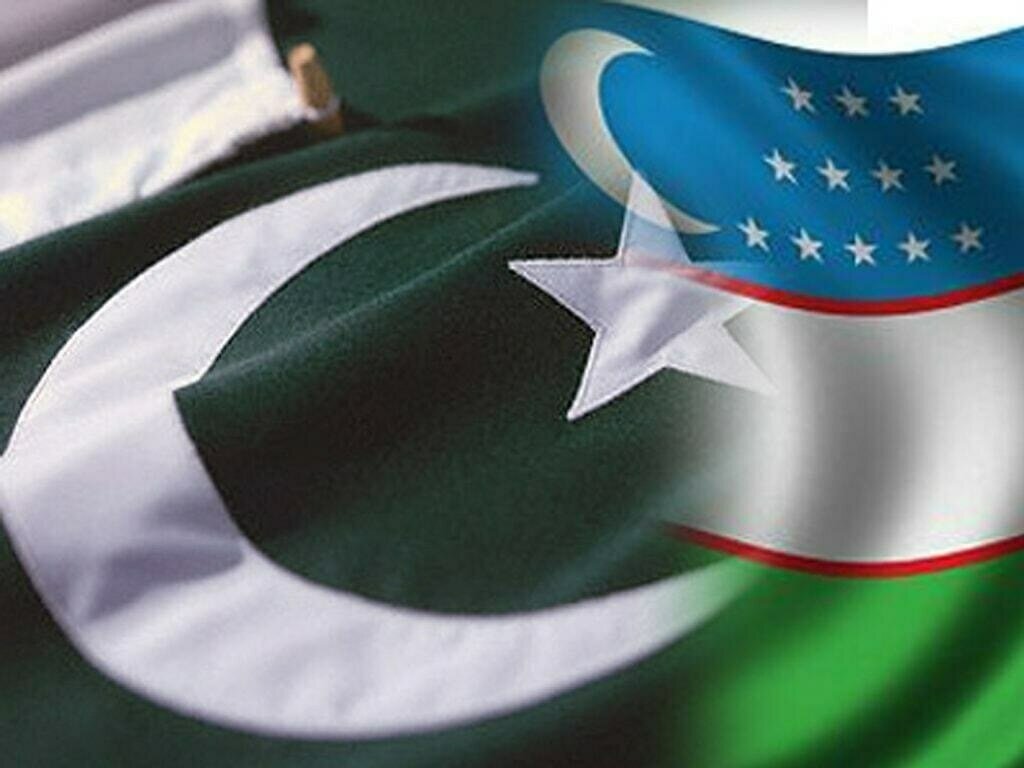
ISLAMABAD — A delegation of 10 Uzbek media professionals arrived in Pakistan on Tuesday for a week-long visit aimed at strengthening bilateral ties and fostering media and cultural exchanges between the two nations. This visit, organized at the invitation of the Government of Pakistan, seeks to provide the delegation with a comprehensive understanding of Pakistan’s media landscape, cultural heritage, tourism potential, and developmental progress. What Happened The Uzbek media delegation, comprising journalists and media experts, is set to engage in a series of activities designed to enhance mutual understanding and cooperation. The visit includes meetings with key figures in Pakistan’s media industry, tours of prominent cultural and historical sites, and discussions on potential collaboration in media and cultural sectors. During their stay, the delegation will visit Islamabad, Lahore, and Karachi, where they will interact with local media houses, government officials, and cultural institutions. These interactions are expected to facilitate the exchange of ideas and experiences, contributing to a deeper understanding of each country’s media practices and cultural narratives. According to a statement from the Ministry of Information and Broadcasting, the visit is part of a broader initiative to strengthen people-to-people contacts and enhance bilateral relations between Pakistan and Uzbekistan. The ministry emphasized the importance of media as a bridge for fostering mutual understanding and cooperation between nations. “This visit is a significant step towards building stronger ties between our two countries, not only in the media sector but across various cultural and economic domains,” said a spokesperson from the Ministry of Information and Broadcasting. Background Pakistan and Uzbekistan have historically maintained cordial relations, with both countries sharing cultural and historical ties that date back centuries. In recent years, there has been a concerted effort by both governments to strengthen these ties through increased economic cooperation, cultural exchanges, and diplomatic engagements. In 2021, Pakistan and Uzbekistan signed several memorandums of understanding (MoUs) to enhance cooperation in trade, investment, and cultural exchanges. These agreements have laid the groundwork for increased collaboration in various sectors, including media, tourism, and education. The current visit by the Uzbek media delegation is part of ongoing efforts to implement these agreements and explore new avenues for cooperation. By facilitating direct interactions between media professionals from both countries, the visit aims to create opportunities for collaborative projects and joint ventures in the media sector. Why It Matters The visit of the Uzbek media delegation holds significant implications for both Pakistan and Uzbekistan. For Pakistan, it represents an opportunity to showcase its media industry, cultural heritage, and tourism potential to an international audience. By building stronger media ties with Uzbekistan, Pakistan can enhance its soft power and promote a positive image on the global stage. For Uzbekistan, the visit provides a chance to learn from Pakistan’s media practices and explore potential collaborations that can benefit both countries. The exchange of ideas and experiences can lead to the development of joint media projects, which can further strengthen bilateral relations and promote cultural understanding. Economically, the visit could pave the way for increased tourism between the two countries. By highlighting Pakistan’s rich cultural heritage and diverse tourism offerings, the visit may encourage more Uzbek tourists to explore Pakistan, boosting the local tourism industry and contributing to economic growth. Politically, the visit underscores the commitment of both governments to deepen their bilateral relations and explore new areas of cooperation. It reflects a shared vision for a more interconnected and collaborative future, where media and cultural exchanges play a pivotal role in fostering mutual understanding and cooperation. Key Takeaways A 10-member Uzbek media delegation is visiting Pakistan to strengthen bilateral ties and explore media collaboration. The visit includes meetings with Pakistani media professionals and tours of cultural sites in Islamabad, Lahore, and Karachi. This initiative is part of broader efforts to enhance people-to-people contacts and bilateral relations between Pakistan and Uzbekistan. The visit could lead to increased tourism and economic cooperation between the two countries. Both governments are committed to fostering mutual understanding through media and cultural exchanges. Source Attribution This article is based on official government statements, press releases, and public communications from relevant authorities. Author: NEN Editorial Desk | Editor: NEN Newsroom | Fact Checked By: NEN Editorial Team Author: NEN Editorial Desk  |  Editor: NEN Newsroom  |  Last Updated: September 15, 2026  |  Source: NEN Reporter This article was produced by the NEN Editorial Desk in accordance with NEN Agency’s Editorial Policy and Fact-Checking Policy.

KP Allocates Rs200 Million For Ombudsperson Modernization, Enhancing Women’s Justice Access
Pakistan

KP Allocates Rs200 Million For Ombudsperson Modernization, Enhancing Women’s Justice Access

PESHAWAR — The Khyber Pakhtunkhwa government has allocated Rs200 million for the modernization of the Provincial Ombudsperson Secretariat, aimed at enhancing women’s access to justice. This initiative, part of the Annual Development Programme (ADP) 2026-27, focuses on institutional strengthening and digital transformation of the Khatoon Mohtasib. What Happened The Khyber Pakhtunkhwa (KP) government has taken a significant step towards improving women’s access to justice by approving a Rs200 million allocation for the Provincial Ombudsperson Secretariat. This funding is part of the broader Annual Development Programme (ADP) for the fiscal year 2026-27. The initiative, titled “Institutional Strengthening and Digital Transformation of the Provincial Ombudsperson Secretariat (Khatoon Mohtasib),” aims to modernize the infrastructure and operations of the Ombudsperson’s office. The project will focus on enhancing the capacity of the Ombudsperson Secretariat to handle cases more efficiently and effectively. It includes the implementation of advanced digital systems to streamline processes and improve service delivery. The government aims to create a more accessible and responsive environment for women seeking justice, particularly in cases related to harassment and discrimination. Officials from the KP government have stated that this initiative is crucial for empowering women and ensuring their rights are protected. The digital transformation will include the development of an online portal for case management, enabling women to file complaints and track their progress without the need for physical visits. This is expected to significantly reduce the barriers women face in accessing justice. Background The Provincial Ombudsperson Secretariat, known as Khatoon Mohtasib, was established to address complaints of harassment and discrimination against women in Khyber Pakhtunkhwa. Over the years, the office has played a pivotal role in advocating for women’s rights and providing a platform for them to voice their grievances. However, the increasing number of cases and the need for more efficient handling have highlighted the necessity for modernization. Historically, the Ombudsperson’s office has faced challenges such as limited resources, outdated infrastructure, and procedural delays. The current initiative is part of a broader effort by the KP government to address these issues and strengthen the institutional framework supporting women’s rights. Why It Matters This initiative holds significant importance for several reasons. Firstly, it underscores the KP government’s commitment to gender equality and women’s empowerment. By investing in the modernization of the Ombudsperson Secretariat, the government is taking concrete steps to ensure that women have better access to justice and that their rights are upheld. Economically, the project is expected to create job opportunities in the technology and legal sectors, contributing to the local economy. The digital transformation will require skilled professionals to develop and maintain the new systems, providing employment opportunities for IT specialists and legal experts. Socially, the initiative aims to break down the barriers that women face in accessing justice. By providing a more efficient and user-friendly system, the government hopes to encourage more women to come forward with their complaints, thereby fostering a culture of accountability and transparency. Politically, the move strengthens the KP government’s position as a progressive administration that prioritizes women’s rights. It aligns with national and international commitments to gender equality and could serve as a model for other provinces in Pakistan. Key Takeaways The KP government has allocated Rs200 million for the modernization of the Provincial Ombudsperson Secretariat. The initiative is part of the Annual Development Programme 2026-27, focusing on digital transformation. The project aims to enhance women’s access to justice by streamlining processes and improving service delivery. The modernization includes developing an online portal for case management, reducing barriers for women. This initiative is expected to have economic, social, and political impacts, contributing to gender equality in Pakistan. Source Attribution This article is based on official government statements, press releases, and public communications from relevant authorities. Author: NEN Editorial Desk | Editor: NEN Newsroom | Fact Checked By: NEN Editorial Team Author: NEN Editorial Desk  |  Editor: NEN Newsroom  |  Last Updated: September 15, 2026  |  Source: NEN Reporter This article was produced by the NEN Editorial Desk in accordance with NEN Agency’s Editorial Policy and Fact-Checking Policy.
Khyber Pakhtunkhwa Authority Seizes 2,000 Kg of Substandard Food Items
Pakistan

Khyber Pakhtunkhwa Authority Seizes 2,000 Kg of Substandard Food Items

PESHAWAR — The Khyber Pakhtunkhwa Food Safety and Halal Food Authority has confiscated over 2,000 kilograms of substandard food items, including spices, starch, milk, and packaging materials. The seizure took place at a facility suspected of packaging counterfeit branded spices and custard products in the region. What Happened The operation was conducted by the Khyber Pakhtunkhwa Food Safety and Halal Food Authority, which is responsible for ensuring food quality and safety standards in the province. During the raid, officials discovered a significant quantity of food items that did not meet the required health and safety standards. The seized goods included more than 2,000 kilograms of spices, starch, milk, and various packaging materials. An official from the authority stated, “We have been monitoring this unit for some time now, following complaints about the quality of their products. Our team acted swiftly to prevent these substandard items from reaching the market.” The confiscated items were allegedly being prepared for distribution under counterfeit branding, posing a risk to consumer health and safety. The authority has launched an investigation into the operations of the unit, aiming to uncover the extent of the distribution network and the potential impact on consumers. Legal action is expected to follow against those responsible for the production and distribution of these substandard products. Background The Khyber Pakhtunkhwa Food Safety and Halal Food Authority was established to regulate and monitor food quality across the province. It operates under the Khyber Pakhtunkhwa Food Safety and Halal Food Authority Act, which empowers it to conduct inspections, seize non-compliant products, and take legal action against violators. In recent years, the authority has intensified its efforts to combat food adulteration and ensure that food products meet health and safety standards. This includes regular inspections of food manufacturing units, markets, and distribution centers. The authority’s actions are part of a broader initiative to protect public health and maintain consumer trust in food products available in the market. Why It Matters The seizure of over 2,000 kilograms of substandard food items underscores the ongoing challenges faced by regulatory bodies in ensuring food safety in Pakistan. The presence of counterfeit and substandard food products in the market poses significant health risks to consumers, potentially leading to foodborne illnesses and long-term health issues. Economically, the production and distribution of counterfeit food items can undermine the reputation of legitimate brands, affecting their market share and consumer trust. This can have a ripple effect on the local economy, impacting jobs and livelihoods in the food manufacturing and retail sectors. Socially, the availability of substandard food products can erode public confidence in the safety of food supplies, leading to increased demand for stricter regulations and enforcement. This incident highlights the need for continuous vigilance and robust enforcement mechanisms to safeguard public health. Internationally, ensuring food safety is crucial for Pakistan’s trade relations, particularly in the export of food products. Compliance with international food safety standards is essential for accessing global markets and enhancing the country’s trade opportunities. Key Takeaways The Khyber Pakhtunkhwa Food Safety and Halal Food Authority seized over 2,000 kilograms of substandard food items. The operation targeted a unit involved in packaging counterfeit branded spices and custard products. Legal action is anticipated against those responsible for producing and distributing these items. The incident highlights ongoing challenges in ensuring food safety and protecting public health in Pakistan. Maintaining food safety standards is crucial for economic stability and international trade relations. Source Attribution This article is based on official government statements and public communications from relevant authorities. Author: NEN Editorial Desk | Editor: NEN Newsroom | Fact Checked By: NEN Editorial Team Author: NEN Editorial Desk  |  Editor: NEN Newsroom  |  Last Updated: September 15, 2026  |  Source: Press Release from Government of Pakistan This article was produced by the NEN Editorial Desk in accordance with NEN Agency’s Editorial Policy and Fact-Checking Policy.
Pakistan And Canada To Accelerate Investment Pact And Boost Trade Ties
World

Pakistan And Canada To Accelerate Investment Pact And Boost Trade Ties

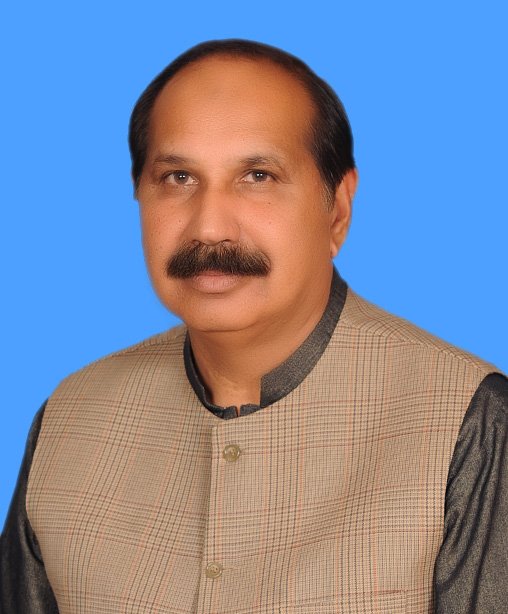
ISLAMABAD — Pakistan and Canada have agreed to expedite negotiations on the Foreign Investment Promotion and Protection Agreement (FIPA) and to enhance bilateral cooperation across several key sectors. This decision was reached during a meeting between Federal Minister for Commerce Jam Kamal Khan and the High Commissioner of Canada to Pakistan, Tarik Ali Khan, held on September 15 in Islamabad. What Happened The meeting focused on strengthening economic ties between the two countries by accelerating the FIPA negotiations. This agreement aims to provide a framework to promote and protect investments between Pakistan and Canada, thereby fostering a more secure and attractive environment for investors. During the discussions, both parties expressed their commitment to expanding cooperation in various sectors, including agriculture, mining, clean energy, aviation, and value-added industries. The Canadian High Commissioner emphasized the potential for growth in these areas, noting that increased collaboration could lead to significant economic benefits for both nations. “Canada is eager to enhance its economic partnership with Pakistan, and we see great potential in sectors such as clean energy and agriculture,” said High Commissioner Tarik Ali Khan. Minister Jam Kamal Khan echoed these sentiments, highlighting the importance of foreign investment in driving economic growth and development in Pakistan. The meeting concluded with both sides agreeing to continue working closely to finalize the FIPA and to explore further opportunities for trade and investment cooperation. Background The Foreign Investment Promotion and Protection Agreement (FIPA) is a bilateral agreement designed to protect and promote foreign investments through legally binding rights and obligations. Such agreements are crucial for providing investors with confidence and security, thereby encouraging increased foreign direct investment (FDI). Canada and Pakistan have a history of diplomatic and economic relations, with Canada being one of the first countries to recognize Pakistan after its independence in 1947. Over the years, both countries have engaged in various trade and investment initiatives, although the full potential of their economic relationship has yet to be realized. Why It Matters The acceleration of the FIPA negotiations and the expansion of trade cooperation between Pakistan and Canada hold significant implications for both countries. For Pakistan, securing a robust investment protection framework with Canada could lead to increased FDI, which is vital for economic growth and development. This is particularly important as Pakistan seeks to diversify its economy and reduce its reliance on traditional sectors. Enhanced cooperation in sectors such as clean energy and agriculture could also help Pakistan address some of its pressing challenges, such as energy shortages and food security. By tapping into Canadian expertise and investment, Pakistan can advance its goals of achieving sustainable development and economic resilience. For Canada, strengthening economic ties with Pakistan presents an opportunity to access a growing market with a strategic location at the crossroads of South Asia, Central Asia, and the Middle East. This could open new avenues for Canadian businesses and investors, particularly in emerging sectors where Pakistan is seeking to build capacity. On a broader scale, the successful negotiation and implementation of the FIPA could serve as a model for other countries looking to enhance their economic partnerships with Pakistan, thereby potentially attracting more international investment. Key Takeaways Pakistan and Canada are working to accelerate the Foreign Investment Promotion and Protection Agreement (FIPA) negotiations. The two countries aim to expand cooperation in agriculture, mining, clean energy, aviation, and value-added industries. Enhanced trade and investment ties could lead to increased foreign direct investment in Pakistan. Strengthened economic relations offer potential benefits for both nations, including access to new markets and expertise. The FIPA could serve as a model for other international economic partnerships with Pakistan. Source Attribution This article is based on official government statements and public communications from relevant authorities. Author: NEN Editorial Desk | Editor: NEN Newsroom | Fact Checked By: NEN Editorial Team Author: NEN Editorial Desk  |  Editor: NEN Newsroom  |  Last Updated: September 15, 2026  |  Source: NEN Reporter This article was produced by the NEN Editorial Desk in accordance with NEN Agency’s Editorial Policy and Fact-Checking Policy.
Commerce Secretary Engages Public in Sillanwali Open Court Session
Pakistan

Commerce Secretary Engages Public in Sillanwali Open Court Session

SILLANWALI — Federal Parliamentary Secretary for Commerce and Member of the National Assembly (MNA) from Pakistan Muslim League-Nawaz, Dr Zulfiqar Ali Bhatti, conducted an open court session at the Bhatti Public Secretariat in Sillanwali on Tuesday. The session aimed to address the grievances and issues faced by the local citizens and those from surrounding areas. What Happened Dr Zulfiqar Ali Bhatti, serving as the Federal Parliamentary Secretary for Commerce, engaged directly with the residents of Sillanwali and nearby regions during an open court session held at the Bhatti Public Secretariat. This initiative was part of an ongoing effort to enhance government transparency and accountability by providing a platform for citizens to voice their concerns directly to government officials. The session saw a diverse group of attendees, including local community leaders, business owners, and ordinary citizens, who presented a range of issues. These included infrastructural deficiencies, economic challenges, and administrative hurdles impacting their daily lives. Dr Bhatti listened attentively to each concern, assuring the participants that their issues would be communicated to the relevant authorities for prompt resolution. In his address, Dr Bhatti emphasized the government’s commitment to addressing public grievances and improving service delivery. He stated, “Our goal is to ensure that the voices of our citizens are heard and that their issues are resolved efficiently. This open court is just one of the many steps we are taking to bridge the gap between the government and the people.” Background Open court sessions have been a part of Pakistan’s administrative framework aimed at fostering direct communication between the government and its citizens. Historically, such sessions have been instrumental in identifying grassroots issues that may not always be visible through regular bureaucratic channels. The initiative aligns with the broader objectives of the Pakistan Muslim League-Nawaz (PML-N) to enhance governance and public service delivery. Dr Zulfiqar Ali Bhatti, representing the Sargodha constituency, has been active in addressing local issues through various government programs and initiatives. His engagement in open court sessions reflects a continued effort to maintain transparency and accountability within his jurisdiction. Why It Matters The open court session in Sillanwali is significant for several reasons. Economically, it provides an opportunity for local businesses and entrepreneurs to express their challenges directly to policymakers, potentially influencing policy adjustments that could foster economic growth in the region. Socially, such interactions empower citizens by giving them a platform to voice their concerns, thereby enhancing civic engagement and trust in governmental processes. Politically, the initiative underscores the PML-N’s commitment to grassroots governance and public service. By addressing local grievances, the party aims to strengthen its support base and demonstrate its dedication to improving the lives of ordinary citizens. This approach could have broader implications for political stability and governance in Pakistan, as it encourages other political entities to adopt similar measures. Internationally, the open court system reflects positively on Pakistan’s democratic processes, showcasing a commitment to transparency and citizen participation. Such initiatives can improve the country’s image on the global stage, potentially attracting foreign investment and fostering international partnerships. Key Takeaways Dr Zulfiqar Ali Bhatti held an open court session in Sillanwali to address citizen grievances. The session provided a platform for local residents to discuss issues directly with government officials. Open court sessions are part of a broader effort to enhance transparency and public service delivery. The initiative reflects the PML-N’s commitment to grassroots governance and citizen engagement. Such interactions can positively impact Pakistan’s democratic image internationally. Source Attribution This article is based on official government statements, press releases, and public communications from relevant authorities. Author: NEN Editorial Desk | Editor: NEN Newsroom | Fact Checked By: NEN Editorial Team Author: NEN Editorial Desk  |  Editor: NEN Newsroom  |  Last Updated: September 15, 2026  |  Source: NEN Reporter This article was produced by the NEN Editorial Desk in accordance with NEN Agency’s Editorial Policy and Fact-Checking Policy.
PESCO Recovers Rs2.4 Million in Anti-Power Theft Operations
Pakistan

PESCO Recovers Rs2.4 Million in Anti-Power Theft Operations

ISLAMABAD — The Peshawar Electric Supply Company (PESCO) has successfully recovered Rs2.405 million in outstanding dues and fines during a series of anti-power theft operations conducted across various areas of Peshawar. The operations, which took place over the past week, also resulted in the disconnection of 28 illegal electricity connections, according to official statements. What Happened The Peshawar Electric Supply Company (PESCO) initiated a targeted operation to curb electricity theft and recover outstanding dues in Peshawar. The operation, which spanned several localities, was part of a broader strategy to enhance revenue collection and reduce losses due to illegal connections. According to PESCO officials, the operation was conducted with the assistance of local law enforcement agencies to ensure compliance and safety. The operation led to the recovery of Rs2.405 million in unpaid bills and fines. Additionally, 28 illegal connections were identified and disconnected. These connections were reportedly siphoning off electricity without proper authorization, contributing to significant losses for the utility company. “The crackdown on power theft is an ongoing effort to ensure that all consumers pay their fair share for the electricity they consume,” a PESCO spokesperson stated. “We are committed to taking all necessary actions to prevent theft and improve the efficiency of our distribution network.” PESCO has been actively engaging in similar operations across its jurisdiction, aiming to address the challenges posed by electricity theft, which not only affects the company’s financial health but also impacts the overall power supply stability in the region. Background Electricity theft has been a persistent issue in Pakistan, contributing to significant financial losses for utility companies like PESCO. The problem is exacerbated by outdated infrastructure, lack of adequate monitoring, and socio-economic factors that drive some consumers to resort to illegal connections. In recent years, the government and utility companies have intensified efforts to combat this issue through technological upgrades, increased surveillance, and stricter enforcement of penalties. The introduction of smart meters and automated systems has been part of the strategy to detect and deter illegal connections more effectively. PESCO, serving the Khyber Pakhtunkhwa region, has been at the forefront of these initiatives, regularly conducting operations to identify and penalize power theft. The company’s efforts are aligned with national policies aimed at reducing circular debt and improving the financial viability of the power sector. Why It Matters The recovery of Rs2.405 million and the disconnection of illegal connections are significant steps towards addressing the broader issue of electricity theft in Pakistan. This not only helps in improving the financial health of utility companies but also ensures a more stable and reliable power supply for legitimate consumers. Electricity theft contributes to the circular debt crisis, a major challenge for Pakistan’s energy sector. By recovering dues and penalizing illegal connections, PESCO is contributing to the reduction of this debt, which in turn can lead to more investments in infrastructure and service improvements. For citizens, these operations mean a fairer distribution of electricity costs and potentially lower tariffs in the long run, as the financial burden of theft and losses is reduced. It also underscores the importance of compliance and the consequences of illegal activities, promoting a culture of accountability and responsibility among consumers. Key Takeaways PESCO recovered Rs2.405 million in dues and fines during anti-theft operations in Peshawar. 28 illegal electricity connections were disconnected as part of the crackdown. Electricity theft is a significant issue impacting Pakistan’s energy sector and contributing to circular debt. Efforts to combat power theft include technological upgrades and stricter enforcement. The operations aim to improve financial health and stability of the power supply for consumers. Source Attribution This article is based on official statements and public communications from Peshawar Electric Supply Company and relevant authorities. Author: NEN Editorial Desk | Editor: NEN Newsroom | Fact Checked By: NEN Editorial Team Author: NEN Editorial Desk  |  Editor: NEN Newsroom  |  Last Updated: September 15, 2026  |  Source: NEN Reporter This article was produced by the NEN Editorial Desk in accordance with NEN Agency’s Editorial Policy and Fact-Checking Policy.

Rupee Appreciates Slightly Against US Dollar in Interbank Market
Pakistan

Rupee Appreciates Slightly Against US Dollar in Interbank Market

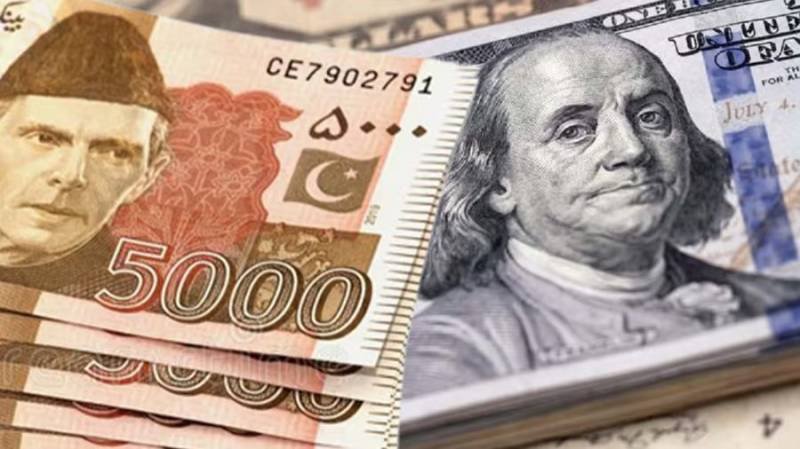
ISLAMABAD — On Monday, the Pakistani Rupee experienced a minor appreciation against the US Dollar in the interbank market, closing at Rs277.31 compared to the previous closing of Rs277.32. This marginal gain of 01 paisa was reported by the Forex Association of Pakistan (FAP), reflecting the ongoing volatility in the currency exchange rates. What Happened The Pakistani Rupee’s slight gain against the US Dollar on September 14, 2023, came as a result of various factors influencing the currency market. According to the Forex Association of Pakistan, the buying and selling rates of the US Dollar in the open market were observed at Rs277.31 and Rs277.32, respectively. This change indicates a stabilization effort amidst economic challenges facing the country. Currency fluctuations are common in Pakistan, driven by multiple economic indicators, including inflation rates, foreign exchange reserves, and international trade balances. The Rupee’s movement against the Dollar is closely monitored by investors and policymakers, as it impacts import costs, foreign debt repayments, and overall economic stability. Market analysts suggest that the slight appreciation could be attributed to recent measures taken by the State Bank of Pakistan (SBP) to manage liquidity and stabilize the currency. These measures include interventions in the foreign exchange market and adjustments in monetary policy to curb inflationary pressures. Background The Pakistani Rupee has faced significant depreciation over the past year, influenced by global economic conditions and domestic challenges. The country has been grappling with high inflation rates, a widening current account deficit, and declining foreign exchange reserves, which have collectively exerted pressure on the Rupee. Historically, the Rupee’s value against the Dollar has been a critical indicator of Pakistan’s economic health. The currency has experienced periods of volatility due to geopolitical tensions, changes in international oil prices, and fluctuations in remittances from overseas Pakistanis. In recent months, the government and the SBP have implemented various strategies to stabilize the Rupee, including seeking financial assistance from international organizations, enhancing export competitiveness, and encouraging foreign direct investment. Why It Matters The Rupee’s value against the US Dollar is a vital economic indicator for Pakistan, affecting various aspects of the economy and the daily lives of its citizens. A stable or appreciating Rupee can help reduce the cost of imports, which is crucial for a country that relies heavily on imported goods, including essential commodities like oil and machinery. For businesses, a stable currency environment provides predictability in financial planning and investment decisions. It can also enhance investor confidence, attracting foreign investment that is essential for economic growth and job creation. On the international front, the Rupee’s performance can influence Pakistan’s trade relationships and its ability to service foreign debt. A stronger Rupee can reduce the burden of external debt repayments, freeing up resources for development projects and social welfare programs. Economically, a stable Rupee can help control inflation by making imported goods more affordable, thereby easing the cost of living for ordinary citizens. This is particularly important in a country where inflation has been a persistent challenge, eroding purchasing power and increasing poverty levels. Key Takeaways The Pakistani Rupee appreciated by 01 paisa against the US Dollar in interbank trading, closing at Rs277.31. The Forex Association of Pakistan reported the buying and selling rates of the Dollar at Rs277.31 and Rs277.32, respectively. Currency fluctuations are influenced by economic indicators such as inflation, foreign reserves, and trade balances. Stabilizing the Rupee is crucial for reducing import costs, managing foreign debt, and controlling inflation. A stable Rupee can enhance investor confidence and attract foreign investment, supporting economic growth. Source Attribution This article is based on official government statements, press releases, and public communications from relevant authorities. Author: NEN Editorial Desk | Editor: NEN Newsroom | Fact Checked By: NEN Editorial Team Author: NEN Editorial Desk  |  Editor: NEN Newsroom  |  Last Updated: September 15, 2026  |  Source: NEN Reporter This article was produced by the NEN Editorial Desk in accordance with NEN Agency’s Editorial Policy and Fact-Checking Policy.

Scroll to Top