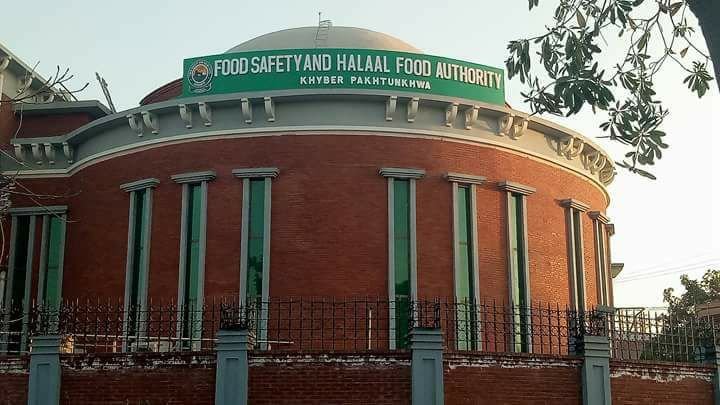
PESHAWAR — The Khyber Pakhtunkhwa Food Safety and Halal Food Authority has confiscated over 2,000 kilograms of substandard food items, including spices, starch, milk, and packaging materials. The seizure took place at a facility suspected of packaging counterfeit branded spices and custard products in the region.
What Happened
The operation was conducted by the Khyber Pakhtunkhwa Food Safety and Halal Food Authority, which is responsible for ensuring food quality and safety standards in the province. During the raid, officials discovered a significant quantity of food items that did not meet the required health and safety standards. The seized goods included more than 2,000 kilograms of spices, starch, milk, and various packaging materials.
An official from the authority stated, “We have been monitoring this unit for some time now, following complaints about the quality of their products. Our team acted swiftly to prevent these substandard items from reaching the market.” The confiscated items were allegedly being prepared for distribution under counterfeit branding, posing a risk to consumer health and safety.
The authority has launched an investigation into the operations of the unit, aiming to uncover the extent of the distribution network and the potential impact on consumers. Legal action is expected to follow against those responsible for the production and distribution of these substandard products.
Background
The Khyber Pakhtunkhwa Food Safety and Halal Food Authority was established to regulate and monitor food quality across the province. It operates under the Khyber Pakhtunkhwa Food Safety and Halal Food Authority Act, which empowers it to conduct inspections, seize non-compliant products, and take legal action against violators.
In recent years, the authority has intensified its efforts to combat food adulteration and ensure that food products meet health and safety standards. This includes regular inspections of food manufacturing units, markets, and distribution centers. The authority’s actions are part of a broader initiative to protect public health and maintain consumer trust in food products available in the market.
Why It Matters
The seizure of over 2,000 kilograms of substandard food items underscores the ongoing challenges faced by regulatory bodies in ensuring food safety in Pakistan. The presence of counterfeit and substandard food products in the market poses significant health risks to consumers, potentially leading to foodborne illnesses and long-term health issues.
Economically, the production and distribution of counterfeit food items can undermine the reputation of legitimate brands, affecting their market share and consumer trust. This can have a ripple effect on the local economy, impacting jobs and livelihoods in the food manufacturing and retail sectors.
Socially, the availability of substandard food products can erode public confidence in the safety of food supplies, leading to increased demand for stricter regulations and enforcement. This incident highlights the need for continuous vigilance and robust enforcement mechanisms to safeguard public health.
Internationally, ensuring food safety is crucial for Pakistan’s trade relations, particularly in the export of food products. Compliance with international food safety standards is essential for accessing global markets and enhancing the country’s trade opportunities.
Key Takeaways
- The Khyber Pakhtunkhwa Food Safety and Halal Food Authority seized over 2,000 kilograms of substandard food items.
- The operation targeted a unit involved in packaging counterfeit branded spices and custard products.
- Legal action is anticipated against those responsible for producing and distributing these items.
- The incident highlights ongoing challenges in ensuring food safety and protecting public health in Pakistan.
- Maintaining food safety standards is crucial for economic stability and international trade relations.
Source Attribution
This article is based on official government statements and public communications from relevant authorities.