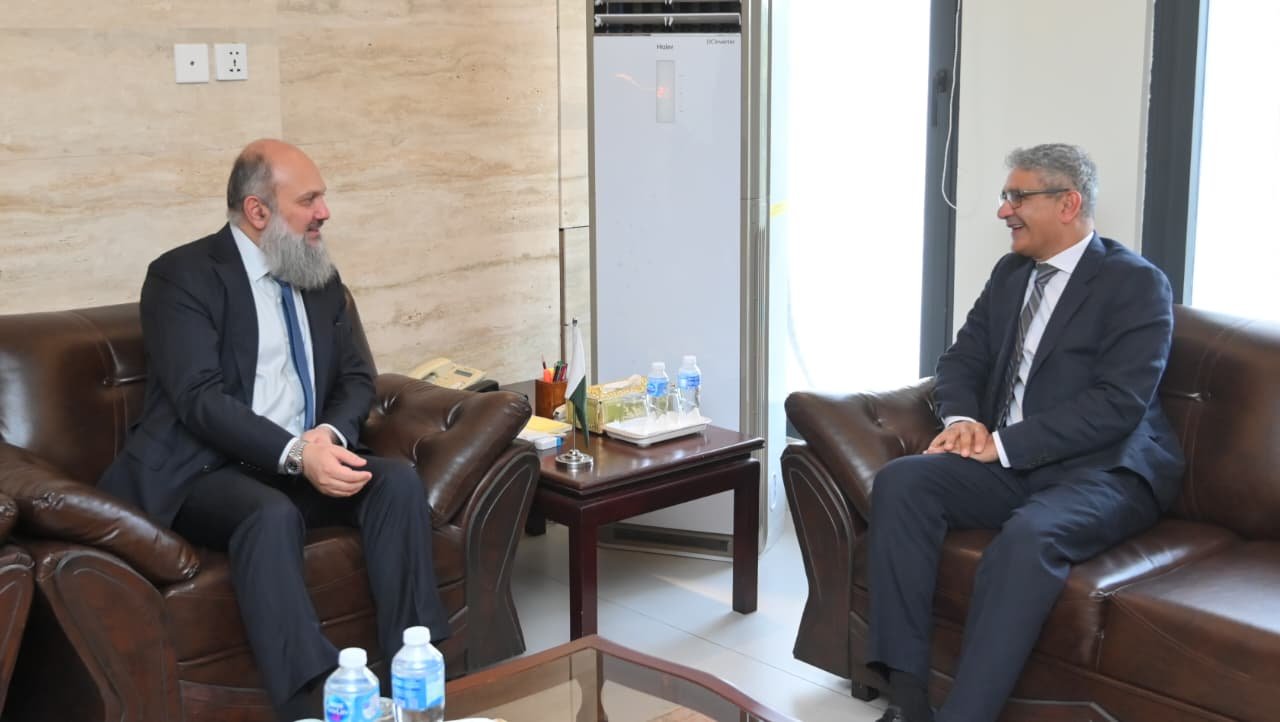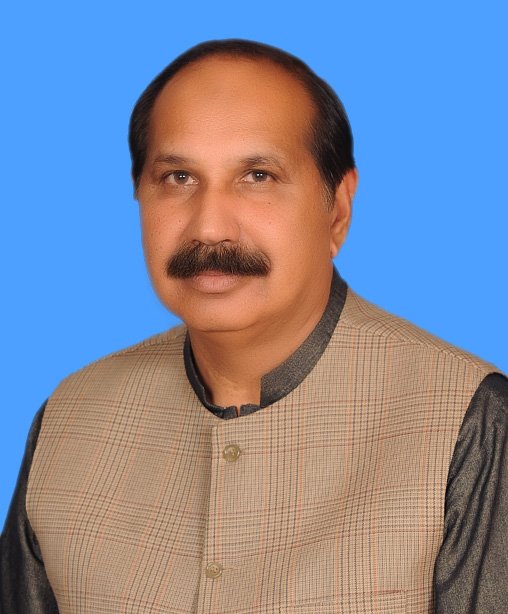
SILLANWALI — Federal Parliamentary Secretary for Commerce and Member of the National Assembly (MNA) from Pakistan Muslim League-Nawaz, Dr Zulfiqar Ali Bhatti, conducted an open court session at the Bhatti Public Secretariat in Sillanwali on Tuesday. The session aimed to address the grievances and issues faced by the local citizens and those from surrounding areas.
What Happened
Dr Zulfiqar Ali Bhatti, serving as the Federal Parliamentary Secretary for Commerce, engaged directly with the residents of Sillanwali and nearby regions during an open court session held at the Bhatti Public Secretariat. This initiative was part of an ongoing effort to enhance government transparency and accountability by providing a platform for citizens to voice their concerns directly to government officials.
The session saw a diverse group of attendees, including local community leaders, business owners, and ordinary citizens, who presented a range of issues. These included infrastructural deficiencies, economic challenges, and administrative hurdles impacting their daily lives. Dr Bhatti listened attentively to each concern, assuring the participants that their issues would be communicated to the relevant authorities for prompt resolution.
In his address, Dr Bhatti emphasized the government’s commitment to addressing public grievances and improving service delivery. He stated, “Our goal is to ensure that the voices of our citizens are heard and that their issues are resolved efficiently. This open court is just one of the many steps we are taking to bridge the gap between the government and the people.”
Background
Open court sessions have been a part of Pakistan’s administrative framework aimed at fostering direct communication between the government and its citizens. Historically, such sessions have been instrumental in identifying grassroots issues that may not always be visible through regular bureaucratic channels. The initiative aligns with the broader objectives of the Pakistan Muslim League-Nawaz (PML-N) to enhance governance and public service delivery.
Dr Zulfiqar Ali Bhatti, representing the Sargodha constituency, has been active in addressing local issues through various government programs and initiatives. His engagement in open court sessions reflects a continued effort to maintain transparency and accountability within his jurisdiction.
Why It Matters
The open court session in Sillanwali is significant for several reasons. Economically, it provides an opportunity for local businesses and entrepreneurs to express their challenges directly to policymakers, potentially influencing policy adjustments that could foster economic growth in the region. Socially, such interactions empower citizens by giving them a platform to voice their concerns, thereby enhancing civic engagement and trust in governmental processes.
Politically, the initiative underscores the PML-N’s commitment to grassroots governance and public service. By addressing local grievances, the party aims to strengthen its support base and demonstrate its dedication to improving the lives of ordinary citizens. This approach could have broader implications for political stability and governance in Pakistan, as it encourages other political entities to adopt similar measures.
Internationally, the open court system reflects positively on Pakistan’s democratic processes, showcasing a commitment to transparency and citizen participation. Such initiatives can improve the country’s image on the global stage, potentially attracting foreign investment and fostering international partnerships.
Key Takeaways
- Dr Zulfiqar Ali Bhatti held an open court session in Sillanwali to address citizen grievances.
- The session provided a platform for local residents to discuss issues directly with government officials.
- Open court sessions are part of a broader effort to enhance transparency and public service delivery.
- The initiative reflects the PML-N’s commitment to grassroots governance and citizen engagement.
- Such interactions can positively impact Pakistan’s democratic image internationally.
Source Attribution
This article is based on official government statements, press releases, and public communications from relevant authorities.