
Author name: Yasir Zubairi

Yasir Zubairi is the founder and publisher of NEN Agency (News Era Network). He leads NEN's coverage of Pakistan's national affairs, economy, foreign relations and sports, and is responsible for the accuracy and standards of every story published on nenagency.com.

Arts Council Karachi Celebrates SOVAPA Students with Ceremony and Showcase
Pakistan

Arts Council Karachi Celebrates SOVAPA Students with Ceremony and Showcase

KARACHI — The Arts Council of Pakistan Karachi recently held a certificate distribution ceremony and performance showcase for students of the School of Visual and Performing Arts (SOVAPA). On September 13, a total of 92 students celebrated the successful completion of their three-month short courses, marked by an exhibition of their artwork and live music performances. What Happened The event, held at the Arts Council of Pakistan Karachi, was a culmination of the efforts of students who had enrolled in various short courses offered by SOVAPA. The courses, designed to enhance skills in visual and performing arts, concluded with a vibrant ceremony that highlighted the talents and hard work of the students. The ceremony featured an exhibition showcasing a diverse range of artworks created by the students during their courses. Additionally, live music performances added a dynamic element to the event, allowing students to demonstrate their skills in front of an audience. The Arts Council’s leadership expressed pride in the achievements of the students. “These students have shown remarkable dedication and creativity during their time with us,” said a representative from the Arts Council. “The certificate distribution is not just a formality; it is a recognition of their hard work and a step towards their future in the arts.” The event was attended by students, their families, and members of the Arts Council, creating an atmosphere of celebration and accomplishment. Attendees were impressed by the quality of the artwork and the talent displayed during the performances, highlighting the effectiveness of the training provided by SOVAPA. Background The School of Visual and Performing Arts (SOVAPA) is a prominent institution under the Arts Council of Pakistan Karachi, dedicated to nurturing talent in various art forms. The school offers a range of short courses and workshops aimed at developing artistic skills and providing a platform for emerging artists. Over the years, SOVAPA has become a vital part of the arts community in Karachi, contributing to the cultural landscape of the city. The Arts Council of Pakistan Karachi, established in 1954, has played a significant role in promoting arts and culture in the region. It serves as a hub for artists, performers, and art enthusiasts, hosting numerous events, exhibitions, and performances throughout the year. Why It Matters The certificate distribution ceremony and performance showcase are significant for several reasons. Firstly, they highlight the importance of arts education in Pakistan, providing students with opportunities to develop their talents and pursue careers in the arts. In a country where arts and culture often struggle for recognition and funding, initiatives like those of SOVAPA are crucial in fostering a new generation of artists. Economically, the arts sector can contribute to job creation and tourism, making events like this important for the broader economic landscape. By investing in arts education, institutions like the Arts Council of Pakistan Karachi are not only supporting individual artists but also contributing to the cultural and economic vitality of the region. Socially, the event underscores the role of the arts in community building and cultural expression. It provides a platform for young artists to express themselves and engage with the community, fostering a sense of identity and belonging. Key Takeaways The Arts Council of Pakistan Karachi held a certificate distribution ceremony for SOVAPA students. Ninety-two students completed three-month short courses in visual and performing arts. The event featured an exhibition of student artworks and live music performances. SOVAPA plays a crucial role in nurturing artistic talent in Karachi. Arts education contributes to economic, social, and cultural development in Pakistan. Source Attribution This article is based on official statements and public communications from the Arts Council of Pakistan Karachi. Author: NEN Editorial Desk | Editor: NEN Newsroom | Fact Checked By: NEN Editorial Team Author: NEN Editorial Desk  |  Editor: NEN Newsroom  |  Last Updated: September 13, 2026  |  Source: NEN Reporter This article was produced by the NEN Editorial Desk in accordance with NEN Agency’s Editorial Policy and Fact-Checking Policy.
Ashrafi and Former Archbishop Welby Discuss Global Peace Initiatives
World

Ashrafi and Former Archbishop Welby Discuss Global Peace Initiatives

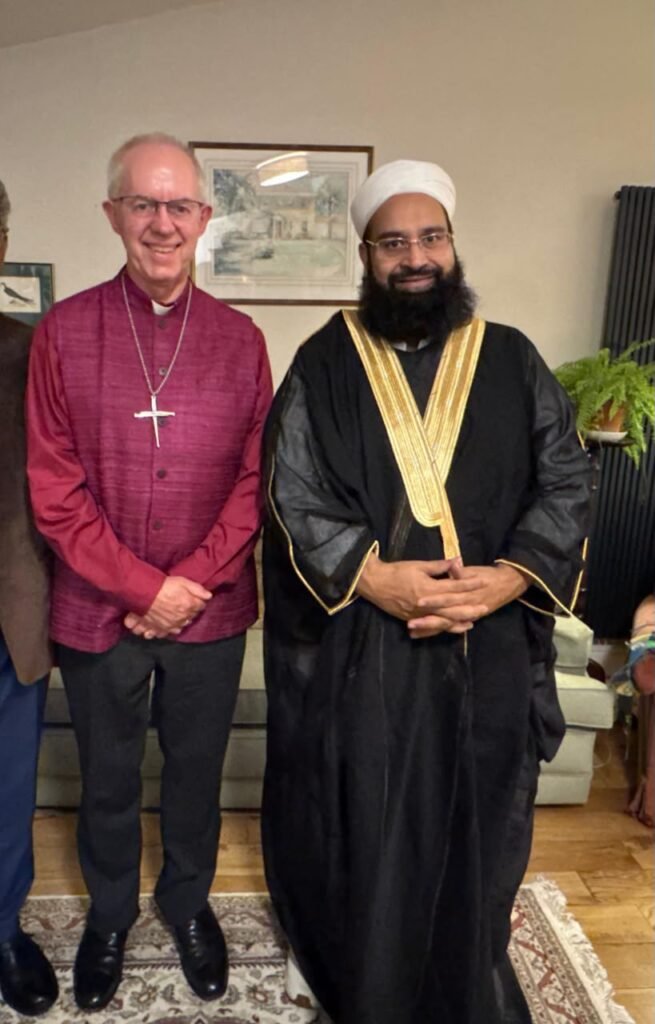
ISLAMABAD — Chairman of the Pakistan Ulema Council, Hafiz Muhammad Tahir Mehmood Ashrafi, met with former Archbishop of Canterbury, Justin Welby, to discuss strategies for promoting global peace and interfaith harmony. The meeting took place at Welby’s residence in Islamabad on September 13, with a focus on addressing the current global situation and fostering interfaith dialogue. What Happened During the meeting, Ashrafi and Welby engaged in an in-depth discussion on the role of religious leaders in promoting peace and understanding across different faiths. They deliberated on the importance of interfaith dialogue as a tool to bridge gaps between communities and to counteract the rising tide of extremism and intolerance worldwide. Both leaders emphasized the need for strengthening contacts among religious communities to foster a culture of peace. Ashrafi highlighted the efforts of the Pakistan Ulema Council in promoting religious tolerance and peace within Pakistan and beyond. He stated, “The role of religious leaders is crucial in guiding their followers towards peaceful coexistence and mutual respect.” Welby, who served as the Archbishop of Canterbury until 2021, shared his experiences in interfaith initiatives and stressed the importance of collaborative efforts to achieve lasting peace. The dialogue also touched upon the prevailing global challenges, including conflicts in various regions, the refugee crisis, and the impact of climate change on vulnerable communities. Both leaders agreed that religious communities have a unique position to influence positive change and address these issues through collective action. Background Hafiz Muhammad Tahir Mehmood Ashrafi is a prominent religious leader in Pakistan, known for his efforts in promoting peace and interfaith harmony. As the Coordinator of the National Paigham-e-Aman Committee, he has been instrumental in organizing dialogues and conferences aimed at reducing sectarian tensions and promoting unity among different religious groups in Pakistan. Justin Welby, who served as the Archbishop of Canterbury from 2013 to 2021, has been an advocate for peace and reconciliation. He has been involved in numerous interfaith initiatives and has worked towards building bridges between different religious communities globally. His tenure was marked by efforts to address social justice issues and promote understanding across faiths. Why It Matters The meeting between Ashrafi and Welby is significant in the context of ongoing global efforts to address religious intolerance and promote peace. Religious leaders play a crucial role in shaping the beliefs and attitudes of their followers, making their involvement in peace initiatives vital. By engaging in dialogue and collaboration, leaders like Ashrafi and Welby can influence positive change and encourage their communities to embrace diversity and coexist peacefully. In Pakistan, where religious tensions have historically been a source of conflict, efforts to promote interfaith harmony are particularly important. The Pakistan Ulema Council’s initiatives, supported by international figures like Welby, can contribute to reducing sectarian violence and fostering a more inclusive society. Globally, the challenges of extremism, climate change, and humanitarian crises require a collective response. Religious communities, with their extensive networks and influence, are well-positioned to lead efforts in addressing these issues. The collaboration between leaders from different faiths can set an example for others to follow, demonstrating that peace and understanding are achievable through dialogue and cooperation. Key Takeaways Hafiz Muhammad Tahir Mehmood Ashrafi and former Archbishop Justin Welby discussed global peace and interfaith harmony. The meeting emphasized the role of religious leaders in promoting peace and understanding. Discussions included global challenges such as extremism, the refugee crisis, and climate change. Ashrafi highlighted the Pakistan Ulema Council’s efforts in promoting religious tolerance. Collaboration between religious leaders is crucial for addressing global issues and fostering peace. Source Attribution This article is based on official statements and public communications from relevant authorities. Author: NEN Editorial Desk | Editor: NEN Newsroom | Fact Checked By: NEN Editorial Team Author: NEN Editorial Desk  |  Editor: NEN Newsroom  |  Last Updated: September 13, 2026  |  Source: NEN Reporter This article was produced by the NEN Editorial Desk in accordance with NEN Agency’s Editorial Policy and Fact-Checking Policy.
Islamabad Traffic Police Officer Dies After Srinagar Highway Accident
Pakistan

Islamabad Traffic Police Officer Dies After Srinagar Highway Accident

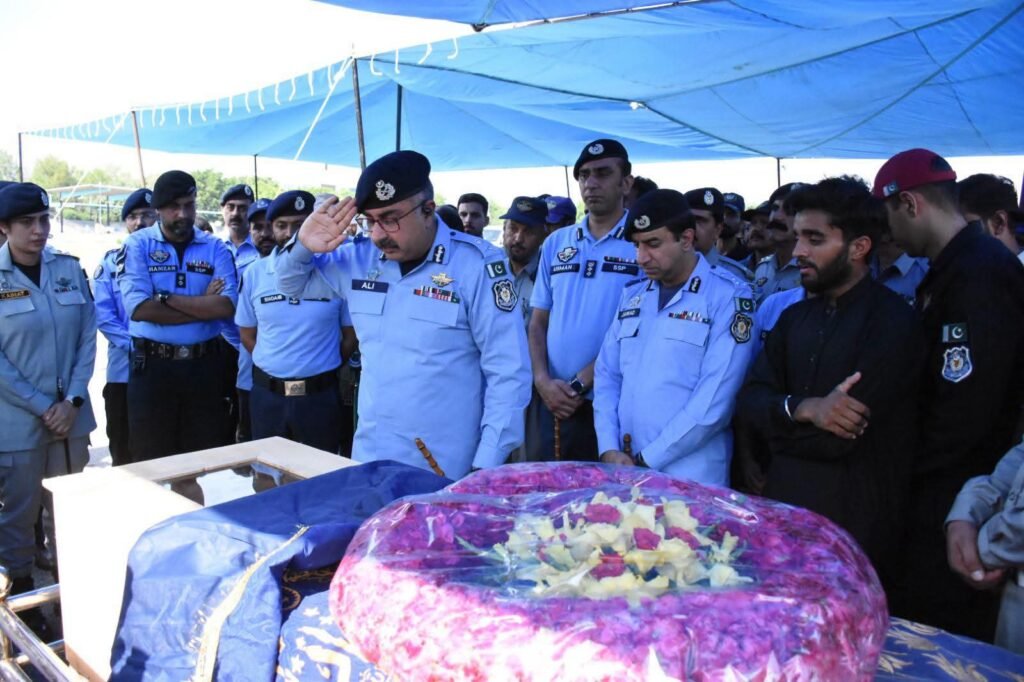
ISLAMABAD — The funeral prayer for Islamabad Traffic Police (ITP) Assistant Sub-Inspector (ASI) Maqsood Ali Khan was held at the Police Lines Headquarters on Sunday. ASI Maqsood succumbed to injuries sustained in a tragic accident on the Srinagar Highway, where he was struck by an overturned vehicle while on duty. What Happened ASI Maqsood Ali Khan was performing his traffic management duties on the Srinagar Highway when a heavily loaded vehicle lost control and overturned, pinning him beneath it. The incident occurred last week, resulting in critical injuries that led to his hospitalization. Despite receiving medical attention, ASI Maqsood could not recover and was pronounced dead days after the accident. The Islamabad Traffic Police and other law enforcement agencies expressed their condolences to the family of the deceased officer. The funeral, held at the Police Lines Headquarters, was attended by senior police officials, colleagues, and family members. Inspector General of Police (IGP) Islamabad, who was present at the funeral, praised ASI Maqsood’s dedication to duty and his contributions to public safety. In a statement, the IGP remarked, “ASI Maqsood Ali Khan was a dedicated officer who served with integrity and commitment. His sacrifice in the line of duty will always be remembered.” The police department has pledged to support the bereaved family and ensure they receive all due benefits and assistance. Background The Islamabad Traffic Police is responsible for maintaining traffic order and safety on the roads of the capital. ASI Maqsood Ali Khan was part of a team tasked with managing the flow of vehicles on the busy Srinagar Highway, a critical artery that connects various parts of the city. Traffic accidents are a common hazard faced by officers in the line of duty, often exacerbated by heavy vehicles and high-speed traffic. In recent years, the Islamabad Traffic Police has implemented several measures to enhance road safety, including increased patrolling, public awareness campaigns, and stricter enforcement of traffic laws. However, accidents involving traffic officers highlight the ongoing risks and challenges they face daily. Why It Matters The death of ASI Maqsood Ali Khan underscores the inherent dangers faced by traffic police officers in Pakistan. Their role in ensuring road safety is crucial, yet it often places them in harm’s way, particularly on major highways where traffic density and speed can lead to severe accidents. This incident also brings attention to the need for improved safety measures for traffic officers. Protective gear, better training, and enhanced traffic management systems could potentially reduce the risks faced by officers on duty. The loss of an officer not only affects the immediate family but also impacts the morale of the police force and the community they serve. Furthermore, this tragic event may prompt a review of traffic management policies and the implementation of additional safety protocols to protect officers. It is a reminder of the sacrifices made by law enforcement personnel and the importance of supporting their efforts to maintain public safety. Key Takeaways ASI Maqsood Ali Khan of the Islamabad Traffic Police died from injuries sustained in a highway accident. The accident occurred when a loaded vehicle overturned on the Srinagar Highway. His funeral was attended by senior police officials and colleagues, highlighting his dedication to duty. The incident raises concerns about the safety of traffic officers and the need for improved protective measures. It highlights the ongoing risks faced by law enforcement in maintaining road safety in Pakistan. Source Attribution This article is based on official government statements, press releases, and public communications from relevant authorities. Author: NEN Editorial Desk | Editor: NEN Newsroom | Fact Checked By: NEN Editorial Team Author: NEN Editorial Desk  |  Editor: NEN Newsroom  |  Last Updated: September 13, 2026  |  Source: NEN Reporter This article was produced by the NEN Editorial Desk in accordance with NEN Agency’s Editorial Policy and Fact-Checking Policy.
CDA Initiates Crackdown on Illegal Constructions Along Islamabad Expressway
Pakistan

CDA Initiates Crackdown on Illegal Constructions Along Islamabad Expressway

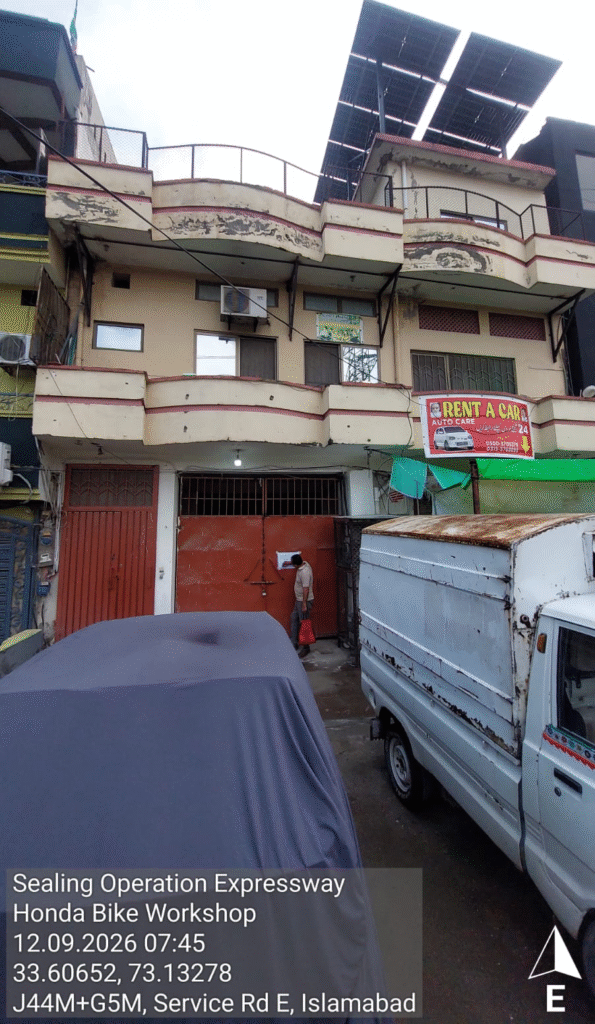
ISLAMABAD — The Capital Development Authority (CDA) has commenced a rigorous operation targeting illegal and non-conforming constructions along the Islamabad Expressway Service Road East. This initiative, launched on September 13, 2023, involves the CDA’s Building Control Section and Enforcement Directorate, in collaboration with the District Administration, to address encroachments that have proliferated in the area. What Happened The CDA’s operation aims to dismantle unauthorized structures that have been erected along the Islamabad Expressway, a major artery that connects the capital with surrounding regions. According to a press release issued by the authority, the crackdown began with the demolition of several illegal constructions that were obstructing the service road. The operation is part of a broader strategy to ensure compliance with city planning regulations and to maintain the aesthetic and functional integrity of Islamabad’s infrastructure. Officials from the CDA’s Building Control Section, in coordination with the Enforcement Directorate, are spearheading the effort. The operation is expected to continue over the coming weeks, with authorities determined to remove all encroachments that violate city planning laws. “We are committed to restoring the service road to its intended use and ensuring that all constructions comply with the legal framework,” a CDA spokesperson stated. The initiative has received support from local law enforcement agencies to ensure that the operation is conducted smoothly and without resistance. The CDA has also issued notices to property owners whose structures are deemed illegal, providing them with a timeline to voluntarily remove the encroachments before further action is taken. Background Islamabad has faced challenges with illegal constructions and encroachments for several years, often leading to traffic congestion and safety hazards. The Islamabad Expressway, in particular, has been a focal point for such issues due to its significance as a major transportation route. The CDA has previously undertaken similar operations, but the persistence of illegal structures indicates ongoing challenges in enforcement and compliance. The legal framework governing construction in Islamabad is outlined in the Capital Development Authority Ordinance, which mandates strict adherence to building codes and zoning regulations. Despite these regulations, rapid urbanization and population growth have led to increased pressure on land use, resulting in unauthorized developments. Why It Matters The crackdown on illegal constructions along the Islamabad Expressway is significant for several reasons. Economically, the operation seeks to preserve the value of public infrastructure by ensuring that roads and service areas remain unobstructed and functional. This is crucial for maintaining efficient transportation networks that facilitate commerce and daily commutes. Socially, the removal of unauthorized structures can enhance safety and accessibility for residents and commuters. Illegal constructions often lead to narrowed roads and reduced visibility, increasing the risk of accidents. By enforcing building regulations, the CDA aims to create a safer environment for all road users. Politically, the operation underscores the government’s commitment to upholding the rule of law and urban planning standards. It reflects an effort to address public concerns about unchecked urban sprawl and the degradation of city infrastructure. The success of such operations can bolster public confidence in municipal governance and planning authorities. Internationally, maintaining the aesthetic and functional integrity of Islamabad, a city known for its planned layout and green spaces, is vital for its reputation as a modern capital. Ensuring compliance with urban planning standards can attract foreign investment and tourism, contributing to Pakistan’s economic growth. Key Takeaways The CDA has launched a comprehensive operation against illegal constructions along the Islamabad Expressway. The operation involves the Building Control Section and Enforcement Directorate in collaboration with the District Administration. Illegal structures are being demolished to ensure compliance with city planning regulations. The initiative aims to enhance road safety and preserve the value of public infrastructure. The crackdown reflects the government’s commitment to maintaining urban planning standards. Source Attribution The article is based on official government statements, press releases, and public communications from relevant authorities. Author: NEN Editorial Desk | Editor: NEN Newsroom | Fact Checked By: NEN Editorial Team Author: NEN Editorial Desk  |  Editor: NEN Newsroom  |  Last Updated: September 13, 2026  |  Source: NEN Reporter This article was produced by the NEN Editorial Desk in accordance with NEN Agency’s Editorial Policy and Fact-Checking Policy.
Young Exporters Association Chairman Awarded for Promoting Pakistan’s Exports
World

Young Exporters Association Chairman Awarded for Promoting Pakistan’s Exports

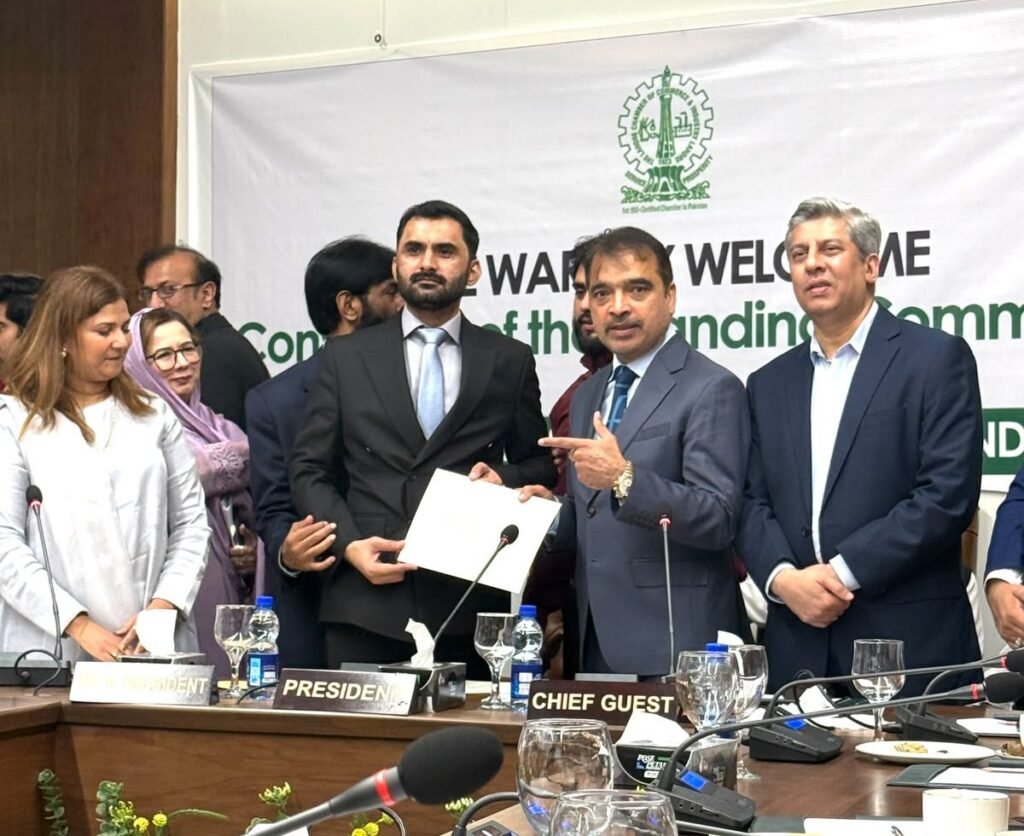
LAHORE — Shoaib Ayub Bataalvi, Chairman of the Young Exporters Association, has been honored with a special award for his exceptional contributions to promoting Pakistan’s exports. The accolade was presented in recognition of his efforts to introduce young individuals to global trade opportunities and support new exporters in overcoming challenges. What Happened The award ceremony, held in Lahore, celebrated Shoaib Ayub Bataalvi’s significant role in enhancing Pakistan’s export landscape. As Chairman of the Young Exporters Association, Bataalvi has been instrumental in encouraging young entrepreneurs to engage in international trade, thereby contributing to the country’s economic growth. His initiatives have focused on providing guidance and resources to budding exporters, helping them navigate the complexities of global markets. In his acceptance speech, Bataalvi expressed gratitude for the recognition and reiterated his commitment to fostering a supportive environment for young exporters. He highlighted the importance of equipping the younger generation with the necessary skills and knowledge to compete on an international level. “Our youth are the future of Pakistan’s trade industry, and it is imperative that we empower them with the tools they need to succeed,” he stated. The Young Exporters Association, under Bataalvi’s leadership, has been actively involved in organizing workshops, seminars, and networking events aimed at building the capacity of young exporters. These efforts have not only increased awareness about export opportunities but also facilitated the resolution of issues faced by the business community in Pakistan. Background Pakistan’s export sector has long been a critical component of its economy, with the government and various organizations striving to enhance trade volumes. The Young Exporters Association was established to address the specific needs of young entrepreneurs entering the export market, providing them with a platform to learn and grow. The association’s initiatives align with national efforts to diversify export products and markets. Historically, Pakistan’s export sector has faced numerous challenges, including limited access to international markets, lack of infrastructure, and insufficient support for small and medium-sized enterprises (SMEs). The Young Exporters Association has sought to mitigate these issues by advocating for policy reforms and providing practical support to its members. Why It Matters The recognition of Shoaib Ayub Bataalvi’s contributions underscores the vital role that young entrepreneurs play in Pakistan’s economic development. By fostering a new generation of exporters, the Young Exporters Association is helping to ensure the sustainability and growth of the country’s trade sector. This is particularly important as Pakistan seeks to increase its global market share and reduce its trade deficit. Economically, empowering young exporters can lead to job creation and increased foreign exchange earnings, which are crucial for Pakistan’s financial stability. Socially, it promotes entrepreneurship among the youth, encouraging innovation and competitiveness. Politically, a robust export sector can enhance Pakistan’s international standing and strengthen its trade relationships with other countries. Furthermore, the initiatives led by Bataalvi and the Young Exporters Association contribute to addressing the broader challenges faced by the export sector, such as improving product quality, meeting international standards, and accessing new markets. These efforts are essential for positioning Pakistan as a competitive player in the global trade arena. Key Takeaways Shoaib Ayub Bataalvi, Chairman of the Young Exporters Association, received an award for promoting exports. The association focuses on empowering young entrepreneurs and resolving business community issues. Efforts align with national goals to diversify export products and enhance trade volumes. Empowering young exporters is crucial for economic growth, job creation, and foreign exchange earnings. The association’s initiatives contribute to improving Pakistan’s global trade competitiveness. Source Attribution This article is based on official government statements, press releases, and public communications from relevant authorities. Author: NEN Editorial Desk | Editor: NEN Newsroom | Fact Checked By: NEN Editorial Team Author: NEN Editorial Desk  |  Editor: NEN Newsroom  |  Last Updated: September 13, 2026  |  Source: NEN Reporter This article was produced by the NEN Editorial Desk in accordance with NEN Agency’s Editorial Policy and Fact-Checking Policy.
Commerce Minister Advocates Trade Ties During Hong Kong Visit
Pakistan

Commerce Minister Advocates Trade Ties During Hong Kong Visit

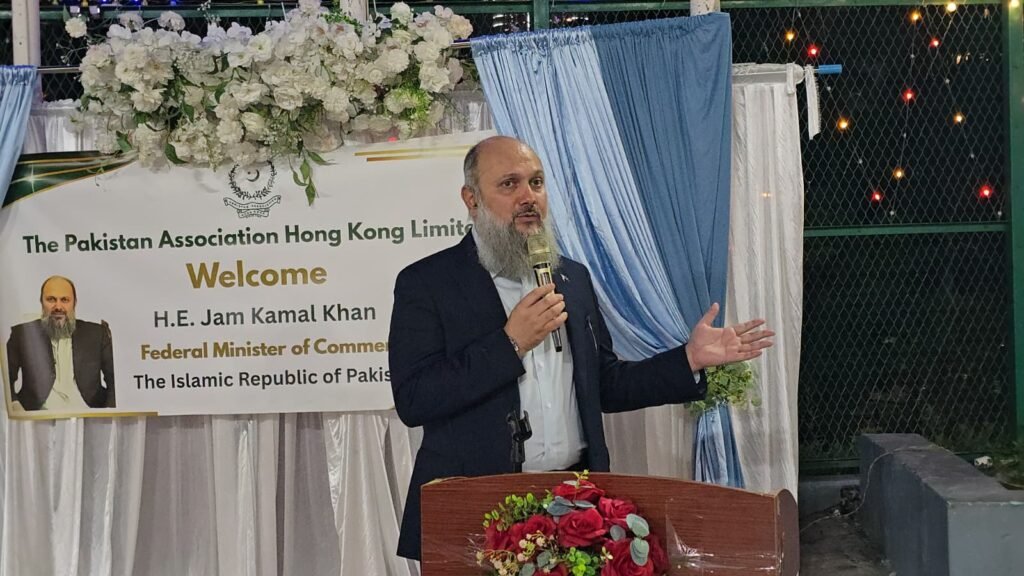
HONG KONG — Federal Minister for Commerce Jam Kamal Khan visited the Hong Kong General Chamber of Commerce (HKGCC) on Thursday to strengthen economic cooperation between Pakistan and Hong Kong. During his visit, he engaged with the chamber’s leadership and the Pakistani diaspora to discuss potential avenues for enhancing trade and investment. What Happened Minister Jam Kamal Khan, representing Pakistan’s commerce sector, held a series of meetings at the HKGCC, where he was welcomed by the chamber’s Chairman and other prominent business figures. The discussions were centered on fostering business-to-business linkages and exploring opportunities for mutual economic growth. The minister emphasized the strategic importance of Hong Kong as a global financial hub and its potential role in facilitating increased trade with Pakistan. In his address, Minister Khan highlighted the robust economic reforms undertaken by Pakistan to create a conducive environment for foreign investment. He stated, “Pakistan offers a vast market with a growing middle class, and we are committed to providing a business-friendly environment for investors.” The minister also invited Hong Kong businesses to explore opportunities in Pakistan’s key sectors, including textiles, agriculture, and technology. Additionally, Minister Khan met with members of the Pakistani community residing in Hong Kong. He acknowledged their contributions to strengthening Pakistan’s economy through remittances and encouraged them to act as ambassadors for Pakistan’s trade interests in the region. Background Pakistan and Hong Kong have a history of trade relations, with Hong Kong serving as a significant trading partner for Pakistan in the Asia-Pacific region. The bilateral trade between the two regions has seen fluctuations over the years, influenced by global economic trends and regional developments. In recent years, there has been a concerted effort by both sides to revitalize these ties, especially in light of China’s Belt and Road Initiative, which positions Pakistan as a key player in regional connectivity. The Hong Kong General Chamber of Commerce is one of the oldest and most influential business organizations in the region, playing a pivotal role in shaping economic policies and fostering international trade relations. Pakistan’s engagement with such institutions is part of a broader strategy to enhance its global trade footprint. Why It Matters The visit by Commerce Minister Jam Kamal Khan to Hong Kong underscores Pakistan’s strategic focus on expanding its trade and investment horizons in the Asia-Pacific region. By engaging with the HKGCC and the local Pakistani diaspora, the minister aims to leverage Hong Kong’s status as a global financial center to boost economic ties. This initiative is significant as it aligns with Pakistan’s broader economic goals of increasing exports and attracting foreign direct investment. Strengthening ties with Hong Kong could lead to increased market access for Pakistani goods, potentially reducing the trade deficit and supporting domestic industries. Furthermore, the involvement of the Pakistani diaspora in these efforts highlights the importance of leveraging expatriate communities to promote national economic interests. Their role as informal ambassadors can facilitate cultural and business exchanges, fostering a deeper understanding and collaboration between the two regions. Key Takeaways Commerce Minister Jam Kamal Khan visited the Hong Kong General Chamber of Commerce to discuss trade and investment opportunities. The visit aimed to strengthen business-to-business linkages between Pakistan and Hong Kong. Minister Khan highlighted Pakistan’s economic reforms and invited Hong Kong businesses to invest in key sectors. The engagement with the Pakistani diaspora in Hong Kong emphasized their role in promoting Pakistan’s trade interests. Strengthening ties with Hong Kong is part of Pakistan’s strategy to boost exports and attract foreign investment. Source Attribution This article is based on official government statements, press releases, and public communications from relevant authorities. Author: NEN Editorial Desk | Editor: NEN Newsroom | Fact Checked By: NEN Editorial Team Author: NEN Editorial Desk  |  Editor: NEN Newsroom  |  Last Updated: September 13, 2026  |  Source: Press Release from Government of Pakistan This article was produced by the NEN Editorial Desk in accordance with NEN Agency’s Editorial Policy and Fact-Checking Policy.
CDA Initiates Major Overhaul of Islamabad Expressway Service Road
Pakistan

CDA Initiates Major Overhaul of Islamabad Expressway Service Road

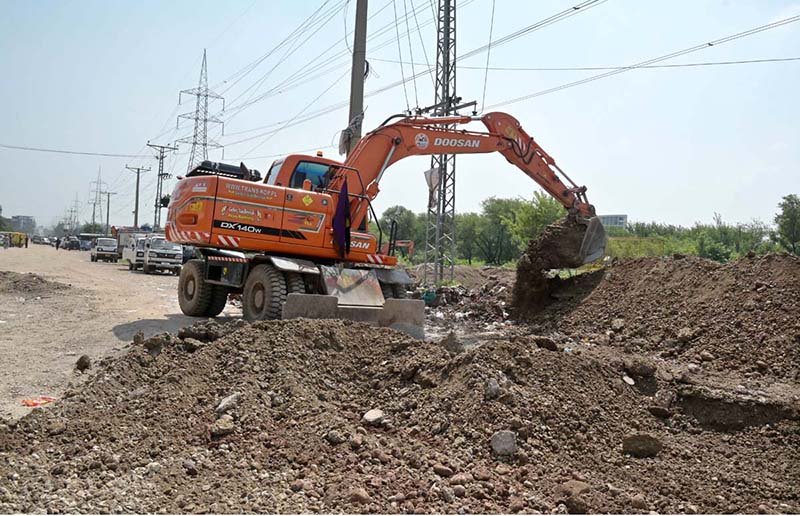
ISLAMABAD — The Capital Development Authority (CDA) has commenced a significant infrastructure project focused on the rehabilitation and widening of the Islamabad Expressway Service Road. This initiative aims to upgrade a nine-kilometer stretch from the Faizabad Interchange to Gulberg Greens, utilizing heavy machinery to enhance the road’s capacity and safety. What Happened The CDA has embarked on an ambitious plan to improve the Islamabad Expressway Service Road, a critical route that facilitates daily commutes for thousands of residents. The project involves the widening and rehabilitation of a nine-kilometer segment, which is expected to alleviate traffic congestion and improve road safety. According to CDA officials, heavy machinery is being deployed to expedite the construction process, ensuring that the road meets modern standards of infrastructure and safety. The initiative is part of a broader strategy to enhance the capital’s road network, which has been under increasing pressure due to rapid urban expansion and rising vehicular traffic. The CDA’s plan includes not only expanding the road but also implementing necessary drainage systems and pedestrian pathways to accommodate the needs of all road users. In a statement, a CDA spokesperson emphasized the importance of the project, stating, “The rehabilitation of the Islamabad Expressway Service Road is crucial for easing traffic flow and ensuring the safety of commuters. We are committed to completing this project with minimal disruption to the public.” The project is expected to be completed within the next few months, with efforts being made to minimize inconvenience to daily commuters during the construction phase. Background The Islamabad Expressway is one of the main arterial roads in the capital, connecting various residential and commercial areas. Over the years, the road has experienced significant wear and tear, exacerbated by the increasing volume of traffic. Previous attempts to upgrade the road have been limited in scope, often resulting in temporary fixes rather than long-term solutions. The current project is part of the CDA’s larger initiative to modernize Islamabad’s infrastructure, which includes several other road expansion and rehabilitation projects across the city. The need for such developments has been underscored by the city’s growing population and the corresponding increase in vehicle registrations, which have placed additional strain on existing roadways. Why It Matters The rehabilitation and widening of the Islamabad Expressway Service Road hold significant implications for the capital’s residents and the broader region. Economically, the project is expected to reduce travel time and vehicle operating costs for commuters, thereby enhancing productivity and contributing to economic growth. The improved road infrastructure is also likely to attract further investment in the area, boosting local businesses and property values. Socially, the project addresses critical safety concerns. The existing road conditions have been a source of frequent accidents and traffic jams, posing risks to both motorists and pedestrians. By upgrading the road, the CDA aims to create a safer and more efficient transportation environment, which is essential for the well-being of the city’s inhabitants. Politically, the successful execution of this project could bolster public confidence in the CDA’s ability to manage and deliver large-scale infrastructure projects. It reflects the government’s commitment to addressing urban challenges and improving the quality of life for its citizens. Additionally, the project aligns with national objectives to develop sustainable urban infrastructure, which is crucial for Pakistan’s long-term development goals. Key Takeaways The CDA is undertaking a major project to rehabilitate and widen a nine-kilometer stretch of the Islamabad Expressway Service Road. The project aims to alleviate traffic congestion and improve road safety for commuters. Heavy machinery is being used to expedite the construction process, with completion expected in the coming months. The initiative is part of a broader effort to modernize Islamabad’s infrastructure amid rapid urban expansion. The project is expected to have significant economic, social, and political impacts, enhancing productivity and safety. Source Attribution This article is based on official government statements and public communications from relevant authorities regarding the Islamabad Expressway Service Road project. Author: NEN Editorial Desk | Editor: NEN Newsroom | Fact Checked By: NEN Editorial Team Author: NEN Editorial Desk  |  Editor: NEN Newsroom  |  Last Updated: September 13, 2026  |  Source: Press Release from Government of Pakistan This article was produced by the NEN Editorial Desk in accordance with NEN Agency’s Editorial Policy and Fact-Checking Policy.
Labourers Unload Clay Pots at Daulat Gate Pottery Market
Pakistan

Labourers Unload Clay Pots at Daulat Gate Pottery Market

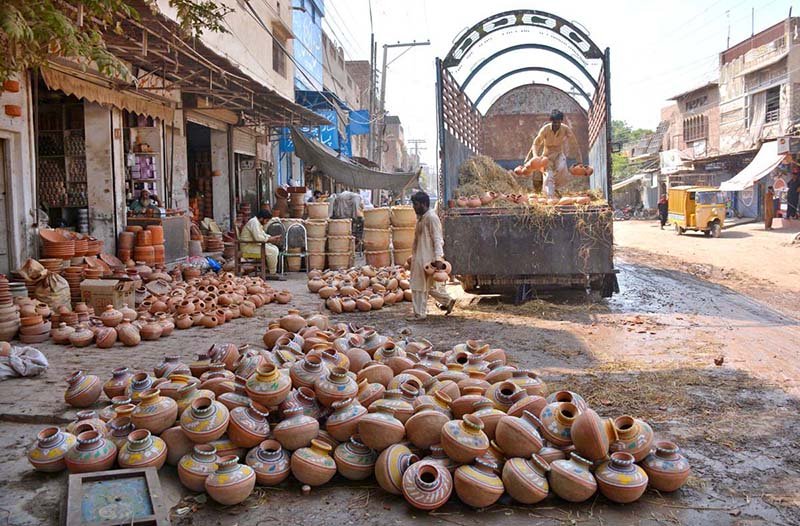
MULTAN — Labourers were observed diligently unloading clay pots from a delivery truck at the bustling pottery market located at Daulat Gate on Tuesday. This activity marks a routine yet vital aspect of the traditional pottery trade in the region, where local artisans and traders gather to exchange goods. What Happened On a typical day at the Daulat Gate pottery market, a scene unfolded that is emblematic of the vibrant local economy. Labourers, clad in simple attire, worked tirelessly to unload a large consignment of clay pots from a delivery truck. The pots, crafted with precision and care, are destined for sale in the market, which is a hub for pottery enthusiasts and traders alike. According to market traders, the arrival of these clay pots is a regular occurrence, reflecting the steady demand for traditional pottery in the area. One trader, Ahmed Khan, noted, “These pots are not just items of utility but also represent our cultural heritage. Each piece is crafted with skill and tells a story of our artisans’ dedication.” The process of unloading and arranging the pots is labor-intensive, requiring careful handling to prevent breakage. The labourers, who are often employed on a daily wage basis, play a crucial role in ensuring that the products reach the market safely and are displayed attractively for potential buyers. Background Daulat Gate, situated in Multan, is renowned for its pottery market, which has been a cornerstone of the local economy for decades. The city of Multan itself has a rich history of pottery-making, with techniques passed down through generations. The market serves as a central point for artisans to showcase their work, ranging from everyday kitchenware to decorative pieces. Historically, pottery in Multan has been influenced by various cultures, including Persian and Mughal, which is evident in the intricate designs and vibrant colors of the products. The market at Daulat Gate is not only a place of commerce but also a cultural landmark, attracting tourists and locals who appreciate the artistry involved in pottery-making. Why It Matters The unloading of clay pots at Daulat Gate is more than a mere logistical activity; it signifies the ongoing vitality of traditional crafts in Pakistan. In an era where industrial products dominate, the persistence of handmade pottery highlights the importance of preserving cultural heritage and supporting local artisans. Economically, the pottery market contributes significantly to the livelihoods of numerous families in Multan. Artisans, traders, and labourers alike depend on the trade for their income, making it a vital sector of the local economy. The market’s operation supports a network of supply chains, from clay extraction to the final sale, each step providing employment opportunities. Socially, the market fosters community interactions and cultural exchange. It serves as a meeting point for people from various backgrounds, united by their appreciation for pottery. This cultural exchange enriches the community and promotes a sense of identity and pride among the locals. Internationally, Pakistani pottery is gaining recognition for its quality and craftsmanship. Markets like Daulat Gate play a crucial role in maintaining the standards and reputation of Pakistani pottery on the global stage, potentially opening up export opportunities that could further boost the economy. Key Takeaways Labourers at Daulat Gate are actively involved in unloading clay pots, a routine yet essential task for the local pottery trade. The pottery market in Multan is a cultural and economic hub, reflecting the rich heritage of the region. The trade supports numerous families, providing employment and sustaining traditional craftsmanship. Preserving traditional pottery practices is crucial for cultural heritage and economic sustainability. Pakistani pottery is recognized internationally, with markets like Daulat Gate playing a key role in its promotion. Source Attribution This article is based on official government statements, press releases, and public communications from relevant authorities. Author: NEN Editorial Desk | Editor: NEN Newsroom | Fact Checked By: NEN Editorial Team Author: NEN Editorial Desk  |  Editor: NEN Newsroom  |  Last Updated: September 13, 2026  |  Source: NEN Reporter This article was produced by the NEN Editorial Desk in accordance with NEN Agency’s Editorial Policy and Fact-Checking Policy.

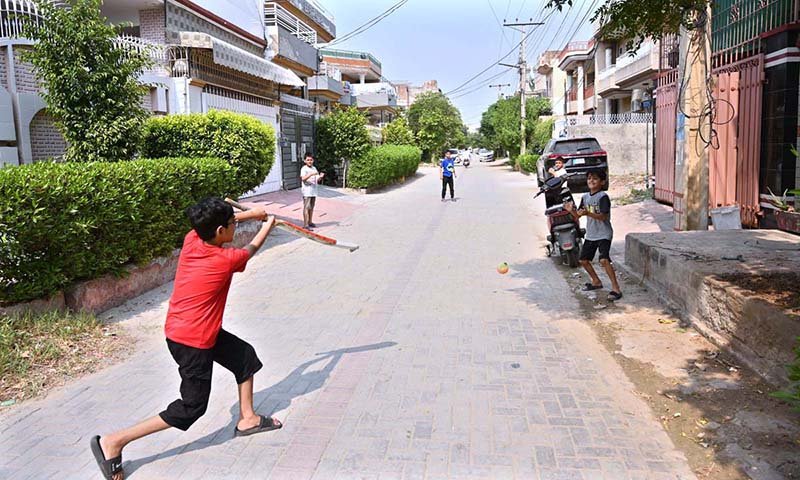
Street Cricket Enthralls Children in Sargodha’s Canal Park
Pakistan

Street Cricket Enthralls Children in Sargodha’s Canal Park

SARGODHA — A group of children were seen enthusiastically playing cricket on a street in Canal Park, Sargodha, on Wednesday, highlighting the enduring popularity of the sport among Pakistan’s youth. The impromptu match drew the attention of passersby, illustrating the communal spirit and love for cricket that transcends formal settings. What Happened In the heart of Sargodha, children took to the streets of Canal Park to engage in a spirited game of cricket. The street, usually bustling with daily activities, transformed into an impromptu cricket pitch. The makeshift game saw children using a variety of improvised equipment, including wooden planks for bats and a tennis ball as a substitute for the traditional cricket ball. Eyewitnesses reported that the children, ranging from ages six to 12, displayed remarkable enthusiasm and skill. The match, which lasted for several hours, attracted a small crowd of onlookers who cheered and encouraged the young players. Local resident Ahmed Khan noted, “It’s wonderful to see the children enjoying themselves and engaging in healthy outdoor activities. Cricket is a passion in Pakistan, and it’s heartening to see it thriving in our streets.” The informal nature of the game allowed the children to play without the constraints of formal rules, fostering creativity and teamwork. This spontaneous activity underscores the role of cricket as a unifying force in Pakistan, where it is not just a sport but a cultural phenomenon. Background Cricket has a storied history in Pakistan, dating back to the British colonial era. It has since evolved into the country’s most popular sport, with a rich legacy of producing world-class players. The Pakistan Cricket Board (PCB) governs the sport at the national level, and cricket is played at various levels, from professional leagues to informal street matches. Street cricket, in particular, has been a staple of Pakistani culture, especially in urban areas where open spaces are limited. It provides an accessible platform for children to engage in physical activity and develop their skills. Over the years, many of Pakistan’s cricketing legends, including Wasim Akram and Shahid Afridi, have credited street cricket as a foundational part of their early development in the sport. Why It Matters The sight of children playing cricket in Canal Park is emblematic of the sport’s deep-rooted significance in Pakistani society. Cricket serves as a vital outlet for youth, offering opportunities for physical exercise, social interaction, and skill development. In a country where access to formal sports facilities can be limited, street cricket provides an inclusive environment for children to participate in the national pastime. Beyond its recreational value, cricket has economic and social implications. The sport has the potential to unite communities, foster national pride, and even serve as a vehicle for social change. Initiatives to promote cricket at the grassroots level can contribute to youth development and community cohesion, addressing broader societal challenges such as youth unemployment and social inequality. Moreover, the informal nature of street cricket allows for the nurturing of raw talent, which can be channeled into professional avenues. The PCB and other organizations have recognized the importance of tapping into this talent pool, with programs aimed at identifying and nurturing young players from diverse backgrounds. Key Takeaways Children in Sargodha’s Canal Park engaged in an impromptu game of street cricket, showcasing the sport’s popularity. Street cricket serves as an accessible platform for youth engagement and skill development. The sport has deep cultural roots in Pakistan, contributing to social cohesion and national pride. Grassroots cricket initiatives can address broader societal challenges and nurture future talent. Cricket remains a unifying force in Pakistan, transcending formal settings and fostering community spirit. Source Attribution This article is based on official government statements, press releases, and public communications from relevant authorities. Author: NEN Editorial Desk | Editor: NEN Newsroom | Fact Checked By: NEN Editorial Team Author: NEN Editorial Desk  |  Editor: NEN Newsroom  |  Last Updated: September 13, 2026  |  Source: NEN Reporter This article was produced by the NEN Editorial Desk in accordance with NEN Agency’s Editorial Policy and Fact-Checking Policy.

Garhi Chandan Plantation Grows From 3 Million to 30 Million Trees in 12 Years
Pakistan

Garhi Chandan Plantation Grows From 3 Million to 30 Million Trees in 12 Years

PESHAWAR — The Garhi Chandan plantation, initiated in 2014 as part of the Billion Tree Tsunami project, has witnessed a remarkable transformation, evolving from a mere three million saplings to an expansive forest of approximately 30 million trees over the span of 12 years. What Happened The Garhi Chandan plantation, located near Peshawar, was launched in 2014 under the Billion Tree Tsunami project, an ambitious initiative aimed at combating deforestation and climate change in Pakistan. Over the years, the plantation has transformed a previously barren landscape into a lush, green forest. Initially planted with around three million saplings, the forest now boasts an estimated 30 million trees, marking a tenfold increase in its tree population. The project, spearheaded by the provincial government of Khyber Pakhtunkhwa, has been lauded for its success in increasing forest cover and contributing to environmental sustainability. The plantation’s growth is attributed to effective management practices, community involvement, and favorable climatic conditions that have facilitated the rapid expansion of tree cover. Officials involved in the project have highlighted the importance of continued maintenance and protection of the forest to ensure its long-term sustainability. “The success of the Garhi Chandan plantation is a testament to the commitment and hard work of all stakeholders involved,” said a government official overseeing the project. “It serves as a model for similar afforestation efforts across the country.” Background The Billion Tree Tsunami project was launched by the Khyber Pakhtunkhwa government in 2014 as a response to the alarming rate of deforestation in the region. The initiative aimed to plant one billion trees across the province to restore degraded landscapes, enhance biodiversity, and mitigate the impacts of climate change. The project received international recognition and was later expanded into the Ten Billion Tree Tsunami Programme at the national level. Historically, Pakistan has faced significant challenges related to deforestation and environmental degradation. Rapid urbanization, agricultural expansion, and illegal logging have contributed to the loss of forest cover, exacerbating the effects of climate change and increasing the vulnerability of local communities to natural disasters. Why It Matters The transformation of the Garhi Chandan plantation holds significant implications for Pakistan’s environmental and socio-economic landscape. By increasing forest cover, the project contributes to carbon sequestration, helping to mitigate the impacts of climate change. Forests play a crucial role in absorbing carbon dioxide, a major greenhouse gas, thus reducing the overall carbon footprint of the region. Furthermore, the plantation serves as a vital habitat for local wildlife, promoting biodiversity and supporting ecological balance. The presence of a thriving forest ecosystem enhances the resilience of the region to climate-related challenges, such as floods and droughts, by regulating water cycles and preventing soil erosion. Economically, the project has generated employment opportunities for local communities, particularly in tree planting and maintenance activities. This has contributed to poverty alleviation and improved livelihoods, fostering a sense of ownership and responsibility among community members towards environmental conservation. On an international level, the success of the Garhi Chandan plantation underscores Pakistan’s commitment to global environmental goals, such as the United Nations’ Sustainable Development Goals (SDGs) and the Paris Agreement on climate change. It positions Pakistan as a proactive participant in global efforts to combat climate change and preserve natural resources for future generations. Key Takeaways The Garhi Chandan plantation has grown from three million to 30 million trees in 12 years. Initiated under the Billion Tree Tsunami project, it aims to combat deforestation and climate change. The project has enhanced biodiversity, supported local wildlife, and improved ecological balance. It has generated employment opportunities, contributing to poverty alleviation in the region. The initiative aligns with global environmental goals, showcasing Pakistan’s commitment to sustainability. Source Attribution This article is based on official government statements, press releases, and public communications from relevant authorities. Author: NEN Editorial Desk | Editor: NEN Newsroom | Fact Checked By: NEN Editorial Team Author: NEN Editorial Desk  |  Editor: NEN Newsroom  |  Last Updated: September 13, 2026  |  Source: NEN Reporter This article was produced by the NEN Editorial Desk in accordance with NEN Agency’s Editorial Policy and Fact-Checking Policy.

Scroll to Top