
Author name: Yasir Zubairi

Yasir Zubairi is the founder and publisher of NEN Agency (News Era Network). He leads NEN's coverage of Pakistan's national affairs, economy, foreign relations and sports, and is responsible for the accuracy and standards of every story published on nenagency.com.

IFC Invests $20 Million In Novatex To Enhance Pakistan’s Packaging Sector
World

IFC Invests $20 Million In Novatex To Enhance Pakistan’s Packaging Sector

ISLAMABAD — The International Finance Corporation (IFC) has committed to investing up to $20 million in Novatex Limited, a prominent player in Pakistan’s plastic packaging industry. This investment aims to support the import of essential raw materials and equipment, thereby bolstering the country’s packaging exports and promoting sustainable production practices. What Happened The IFC’s announcement of a $20 million investment in Novatex Limited marks a significant step towards strengthening Pakistan’s packaging sector. Novatex, known for its advanced plastic packaging solutions, will utilize these funds to procure vital raw materials and state-of-the-art equipment. This financial boost is expected to enhance the company’s production capabilities, enabling it to meet the growing demand for high-quality packaging both domestically and internationally. According to the IFC, this investment is part of a broader strategy to support sustainable industrial practices in emerging markets. By facilitating access to better resources, the IFC aims to help Novatex improve its operational efficiency and reduce its environmental footprint. The investment will also support the company’s efforts to expand its export capacity, thereby contributing to Pakistan’s economic growth. In a statement, a representative from the IFC emphasized the importance of this investment, stating, “Our partnership with Novatex is a testament to our commitment to fostering sustainable industrial development in Pakistan. We believe that by supporting companies like Novatex, we can drive economic growth and create job opportunities in the region.” Background Novatex Limited is a leading manufacturer in Pakistan’s packaging industry, specializing in the production of PET resin and preforms. The company has established a reputation for delivering high-quality packaging solutions to both local and international markets. Over the years, Novatex has expanded its operations to include a wide range of packaging products, catering to various industries such as food and beverage, pharmaceuticals, and consumer goods. The International Finance Corporation, a member of the World Bank Group, focuses on private sector development in developing countries. Its investments are aimed at promoting sustainable economic growth by supporting businesses that demonstrate strong potential for impact. The IFC’s involvement in Pakistan’s industrial sector is part of its broader mission to enhance the country’s economic resilience and competitiveness on a global scale. Why It Matters This investment holds significant implications for Pakistan’s economy and its packaging industry. By enabling Novatex to enhance its production capabilities, the IFC’s funding is expected to increase the company’s export potential. This, in turn, could lead to a boost in foreign exchange earnings for Pakistan, helping to stabilize the country’s balance of payments. Furthermore, the focus on sustainable production aligns with global trends towards environmentally friendly manufacturing practices. As consumers and businesses worldwide become more conscious of their environmental impact, companies that adopt sustainable practices are likely to gain a competitive edge. Novatex’s commitment to sustainability, supported by the IFC’s investment, positions it well to capitalize on this growing market demand. On a broader scale, this investment underscores the importance of international partnerships in driving economic development in Pakistan. By attracting foreign investment, the country can enhance its industrial capabilities, create jobs, and improve its overall economic outlook. The IFC’s involvement also signals confidence in Pakistan’s potential as a hub for industrial growth, which could encourage further investments from other international entities. Key Takeaways The IFC has invested up to $20 million in Novatex Limited to enhance its packaging production capabilities. This investment aims to support sustainable production and increase Pakistan’s packaging exports. Novatex will use the funds to import essential raw materials and advanced equipment. The investment aligns with global trends towards environmentally friendly manufacturing practices. International partnerships like this are crucial for driving economic development in Pakistan. Source Attribution This article is based on official government statements, press releases, and public communications from relevant authorities. Author: NEN Editorial Desk | Editor: NEN Newsroom | Fact Checked By: NEN Editorial Team Author: NEN Editorial Desk  |  Editor: NEN Newsroom  |  Last Updated: August 07, 2026  |  Source: NEN Reporter This article was produced by the NEN Editorial Desk in accordance with NEN Agency’s Editorial Policy and Fact-Checking Policy.

LCCI and PTMA Urge Collaborative Efforts to Revive Textile Sector
Pakistan

LCCI and PTMA Urge Collaborative Efforts to Revive Textile Sector

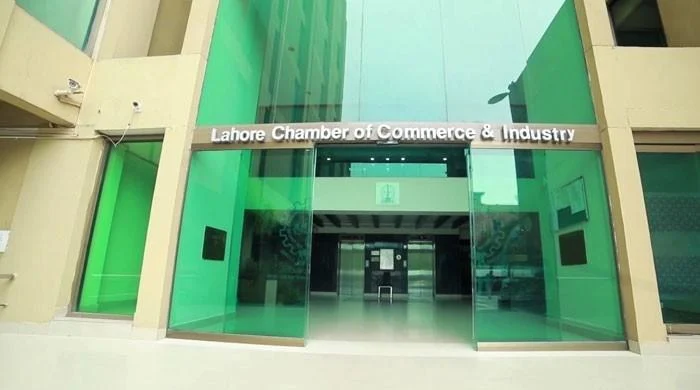
LAHORE — The Lahore Chamber of Commerce and Industry (LCCI) and the Pakistan Textile Mills Association (PTMA) convened on Friday to address the pressing challenges confronting Pakistan’s textile industry. The meeting focused on devising a joint strategy to boost exports and stimulate industrial growth, aiming to revitalize a sector crucial to the nation’s economy. What Happened The LCCI and PTMA held discussions to explore the current issues plaguing the textile sector, which has been facing a downturn due to various economic pressures. The meeting was attended by key stakeholders from both organizations, who emphasized the need for a coordinated approach to tackle these challenges. According to LCCI President Kashif Anwar, the textile industry is a backbone of Pakistan’s economy, contributing significantly to exports and employment. “It is imperative that we work together to formulate strategies that will not only revive the industry but also enhance its competitiveness on a global scale,” Anwar stated. The PTMA highlighted several obstacles, including high energy costs, outdated technology, and limited access to international markets. PTMA Chairman Asif Inam stressed the importance of government support in addressing these issues. “The textile sector requires immediate policy interventions to reduce operational costs and improve infrastructure,” Inam remarked. The discussions also covered potential incentives for textile manufacturers, such as tax reliefs and subsidies, to encourage investment and innovation within the industry. Both organizations agreed to form a task force that will work on a comprehensive plan to address these challenges. This task force will engage with government officials and other industry players to ensure that the proposed measures are effectively implemented. Background Pakistan’s textile industry has historically been a major contributor to the country’s GDP, accounting for approximately 8.5% of the total. However, in recent years, the sector has struggled due to rising production costs, energy shortages, and stiff competition from regional players like Bangladesh and Vietnam. The textile sector employs around 15 million people, making it one of the largest employment sectors in the country. Despite its potential, the industry has seen a decline in export revenues, which fell by 15% in the last fiscal year. Government policies have attempted to support the industry through various initiatives, such as the Textile Policy 2020-25, which aims to increase textile exports to $20 billion. However, stakeholders argue that more immediate and effective measures are required to address the sector’s ongoing challenges. Why It Matters The textile industry is pivotal to Pakistan’s economic stability and growth. As one of the largest export sectors, it plays a crucial role in maintaining the country’s foreign exchange reserves. A decline in the textile industry not only affects export revenues but also has a ripple effect on employment and related industries, such as agriculture and logistics. The collaborative efforts between LCCI and PTMA are significant as they represent a unified front to lobby for necessary reforms and support. By addressing issues such as energy costs and market access, the industry can potentially regain its competitive edge. This, in turn, could lead to increased foreign investment and a more robust economic outlook for Pakistan. Moreover, revitalizing the textile sector is essential for achieving the government’s broader economic goals, including poverty reduction and sustainable development. As the industry recovers, it could create thousands of new jobs, thereby reducing unemployment and improving living standards for many Pakistanis. Key Takeaways The LCCI and PTMA are collaborating to address challenges in Pakistan’s textile industry. Key issues include high energy costs, outdated technology, and limited market access. A task force will be formed to develop a comprehensive revival strategy. The textile sector is crucial for Pakistan’s economy, contributing significantly to exports and employment. Reviving the industry could enhance economic stability and create new job opportunities. Source Attribution This article is based on official statements and public communications from the Lahore Chamber of Commerce and Industry and the Pakistan Textile Mills Association. Author: NEN Editorial Desk | Editor: NEN Newsroom | Fact Checked By: NEN Editorial Team Author: NEN Editorial Desk  |  Editor: NEN Newsroom  |  Last Updated: August 07, 2026  |  Source: NEN Reporter This article was produced by the NEN Editorial Desk in accordance with NEN Agency’s Editorial Policy and Fact-Checking Policy.

Pakistani Mangoes Enter Xinjiang Market Through Land Port
World

Pakistani Mangoes Enter Xinjiang Market Through Land Port

ISLAMABAD — A shipment of two tons of Pakistani mangoes has successfully entered the Xinjiang region of China, marking the first delivery of the season. The mangoes, which recently cleared customs, are now available in the markets of Kashgar and Korla, providing a fresh supply of imported fruit to the region. What Happened The two-ton shipment of Pakistani mangoes represents the first batch to reach Xinjiang, China, this year. The mangoes were transported via a land port and have successfully cleared customs, allowing them to be distributed in the local markets of Kashgar and Korla. This development is part of an ongoing effort to boost agricultural trade between Pakistan and China, particularly through the China-Pakistan Economic Corridor (CPEC). The mangoes, known for their rich flavor and sweetness, are a popular fruit in China. The arrival of these mangoes is expected to meet the demand for imported fruits in Xinjiang, enhancing the variety available to consumers. According to officials, the successful clearance of this shipment is a testament to the improving trade logistics between the two countries. “The entry of Pakistani mangoes into Xinjiang is a significant step in strengthening our agricultural trade ties with China,” said a representative from the Ministry of Commerce. “We are optimistic about expanding our exports to other regions in China as well.” Background Pakistan is one of the world’s largest producers of mangoes, often referred to as the ‘king of fruits’ due to their popularity and versatility. The country produces several varieties, including Sindhri, Chaunsa, and Anwar Ratol, which are highly sought after in international markets. Over the years, Pakistan has been working to expand its mango exports, targeting markets in the Middle East, Europe, and Asia. The China-Pakistan Economic Corridor (CPEC) has played a crucial role in facilitating trade between the two nations. By improving infrastructure and reducing logistical barriers, CPEC has opened new avenues for Pakistani agricultural products to enter Chinese markets. The land port used for this shipment is part of these infrastructural developments, designed to streamline the trade process. Why It Matters The successful entry of Pakistani mangoes into Xinjiang is significant for several reasons. Economically, it represents an expansion of Pakistan’s agricultural export market, which is vital for the country’s economy. Agriculture is a major sector in Pakistan, employing a large portion of the population and contributing significantly to the GDP. By tapping into the Chinese market, Pakistan can increase its export revenues and support its agricultural sector. Socially, the trade of mangoes and other agricultural products can lead to job creation and improved livelihoods for farmers and workers involved in the supply chain. As demand for Pakistani mangoes grows in China, there is potential for increased production and investment in the agricultural sector. Politically, strengthening trade ties with China aligns with Pakistan’s strategic goals under CPEC. Enhanced trade relations can lead to greater cooperation in other areas, including technology transfer, infrastructure development, and cultural exchange. This shipment of mangoes is a small but meaningful step in the broader context of Pakistan-China relations. Key Takeaways A two-ton shipment of Pakistani mangoes has entered Xinjiang, China, marking the first delivery of the season. The mangoes have cleared customs and are now available in Kashgar and Korla markets. This development is part of efforts to boost agricultural trade between Pakistan and China under CPEC. The entry of mangoes into China is expected to support Pakistan’s agricultural sector economically and socially. Strengthening trade ties with China is a strategic goal for Pakistan, with implications for broader bilateral relations. Source Attribution This article is based on official government statements, press releases, and public communications from relevant authorities. Author: NEN Editorial Desk | Editor: NEN Newsroom | Fact Checked By: NEN Editorial Team Author: NEN Editorial Desk  |  Editor: NEN Newsroom  |  Last Updated: August 07, 2026  |  Source: NEN Reporter This article was produced by the NEN Editorial Desk in accordance with NEN Agency’s Editorial Policy and Fact-Checking Policy.

PCB Reveals Match Officials for National Champions Cup 2026
World

PCB Reveals Match Officials for National Champions Cup 2026

LAHORE — The Pakistan Cricket Board (PCB) has officially announced the panel of match officials for the National Champions Cup 2026-27, which is scheduled to take place from August 11 to August 18 at the Multan Cricket Stadium. This announcement was made on Friday, as preparations intensify for the much-anticipated tournament. What Happened The PCB has confirmed the lineup of match officials who will oversee the seven 50-over matches in the tournament, culminating in the final on Tuesday, August 18. Former Test cricketer Ali Naqvi, alongside Kamran Chaudhry, will lead the playing control teams throughout the event. Both Naqvi and Chaudhry are esteemed members of the ICC International Panel of Match Referees, bringing significant experience to the tournament. Among the umpires, the PCB has enlisted Asif Yaqoob, Faisal Khan Aafreedi, Nasir Hussain, and Rashid Riaz Waqar from the ICC International Panel of Umpires. They will be joined by Abdul Moqeet, Syed Imtiaz Iqbal, Tariq Rasheed, and Zulfiqar Jan from the PCB National Elite Panel of Umpires, ensuring a robust officiating team for the event. The tournament will kick off on Tuesday, August 11, with a match between Pakistan Greens and Pakistan Whites. The opening match will feature Asif Yaqoob and Zulfiqar Jan as on-field umpires, while Faisal Khan Aafreedi will serve as the third umpire and Imtiaz Iqbal as the fourth umpire. The final match on August 18 will see Ali Naqvi lead the playing control team, with Asif Yaqoob and Rashid Riaz as on-field umpires, Faisal Khan Aafreedi as the third umpire, and Nasir Hussain as the fourth umpire. Specific appointments for each match have been detailed, ensuring transparency and preparedness for the tournament: 11 August – Pakistan Greens vs. Pakistan Whites: Asif Yaqoob and Zulfiqar Jan (on-field), Faisal Khan Aafreedi (third), Syed Imtiaz Iqbal (fourth), Kamran Chaudhary (referee) 12 August – Pakistan Blues vs. Pakistan Gold: Rashid Riaz Waqar and Nasir Hussain (on-field), Abdul Moqeet (third), Tariq Rasheed (fourth), Ali Naqvi (referee) 13 August – Pakistan Blues vs. Pakistan Whites: Faisal Khan Aafreedi and Syed Imtiaz Iqbal (on-field), Asif Yaqoob (third), Zulfiqar Jan (fourth), Kamran Chaudhary (referee) 14 August – Pakistan Gold vs. Pakistan Greens: Tariq Rasheed and Abdul Moqeet (on-field), Rashid Riaz (third), Nasir Hussain (fourth), Ali Naqvi (referee) 15 August – Pakistan Blues vs. Pakistan Greens: Faisal Khan Aafreedi and Zulfiqar Jan (on-field), Asif Yaqoob (third), Syed Imtiaz Iqbal (fourth), Kamran Chaudhary (referee) 16 August – Pakistan Gold vs. Pakistan Whites: Nasir Hussain and Tariq Rasheed (on-field), Rashid Riaz Waqar (third), Abdul Moqeet (fourth), Ali Naqvi (referee) 18 August – Final: Asif Yaqoob and Rashid Riaz Waqar (on-field), Faisal Khan Aafreedi (third), Nasir Hussain (fourth), Ali Naqvi (referee) Background The National Champions Cup is a prestigious domestic cricket tournament in Pakistan, designed to showcase the best cricketing talent in the country. It serves as a platform for players to demonstrate their skills and for officials to gain valuable experience. The tournament is part of the PCB’s broader strategy to enhance the quality of domestic cricket and provide a pathway for players to the national team. Historically, the tournament has been a breeding ground for future stars of Pakistan cricket, with many players using it as a stepping stone to international cricket. The PCB’s commitment to maintaining high standards of officiating is evident in their selection of experienced officials from both domestic and international panels. Why It Matters The announcement of match officials for the National Champions Cup 2026-27 is significant for several reasons. Firstly, it underscores the PCB’s dedication to ensuring fair play and high standards in domestic cricket. By appointing experienced officials from the ICC International Panel and the PCB National Elite Panel, the PCB is reinforcing its commitment to integrity and professionalism in the sport. Economically, the tournament is expected to generate significant interest and revenue, both domestically and internationally. It provides an opportunity for local businesses and sponsors to engage with a broader audience, enhancing the commercial appeal of domestic cricket in Pakistan. Socially, the tournament is a celebration of cricket, bringing communities together and fostering a sense of national pride. It offers fans an opportunity to witness high-quality cricket and support their favorite teams and players. Politically, the successful organization of the tournament can enhance Pakistan’s reputation as a safe and viable destination for international cricket. It demonstrates the country’s capability to host significant sporting events, potentially attracting future international tournaments and teams to Pakistan. Key Takeaways The PCB has announced the match officials for the National Champions Cup 2026-27. The tournament will be held from August 11 to August 18 at Multan Cricket Stadium. Ali Naqvi and Kamran Chaudhry will lead the playing control teams. The event features a mix of ICC International Panel and PCB National Elite Panel umpires. The tournament is a key event in Pakistan’s domestic cricket calendar, with economic and social significance. Source Attribution This article is based on official statements and press releases from the Pakistan Cricket Board. Author: NEN Editorial Desk | Editor: NEN Newsroom | Fact Checked By: NEN Editorial Team Author: NEN Editorial Desk  |  Editor: NEN Newsroom  |  Last Updated: August 07, 2026  |  Source: NEN Reporter This article was produced by the NEN Editorial Desk in accordance with NEN Agency’s Editorial Policy and Fact-Checking Policy.
Tapmad Secures Live-Streaming Rights for 2026-27 Domestic Cricket Season
Pakistan

Tapmad Secures Live-Streaming Rights for 2026-27 Domestic Cricket Season

ISLAMABAD — Pi Pakistan Private Limited, operating under the brand Tapmad Holdings Pte Limited, has secured the live-streaming rights for the 2026-27 Men’s and Women’s domestic cricket tournaments. The Pakistan Cricket Board (PCB) made this announcement on Thursday, marking a significant development in the broadcasting of domestic cricket in Pakistan. What Happened The Pakistan Cricket Board has awarded the live-streaming rights for the upcoming 2026-27 domestic cricket season to Tapmad, a leading digital content provider in Pakistan. This decision was confirmed in an official statement released by the PCB, emphasizing Tapmad’s role in enhancing the accessibility of domestic cricket to a broader audience through digital platforms. The agreement covers the live streaming of both men’s and women’s domestic cricket tournaments, ensuring that fans can follow the action from anywhere in the world. The PCB’s decision to partner with Tapmad is part of its broader strategy to leverage digital platforms for the promotion and growth of cricket in the country. “We are excited to partner with Tapmad to bring our domestic cricket tournaments to fans around the globe,” a PCB spokesperson stated. “This partnership is a testament to our commitment to expanding the reach of cricket and making it accessible to everyone.” Tapmad, known for its innovative approach to digital content delivery, will utilize its platform to provide high-quality streaming services. This move is expected to significantly enhance the viewing experience for cricket fans, offering them the convenience of watching matches live on their preferred devices. Background In recent years, the PCB has been actively seeking to modernize the broadcasting of cricket in Pakistan. The shift towards digital platforms is part of a global trend where sports organizations are increasingly leveraging technology to reach wider audiences. Previously, domestic cricket in Pakistan was primarily broadcast through traditional television channels, limiting its accessibility to viewers without cable subscriptions. Tapmad has been at the forefront of digital content delivery in Pakistan, offering a range of entertainment and sports content through its streaming platform. The company has previously collaborated with various sports organizations to provide live streaming services, establishing itself as a key player in the digital broadcasting space. The PCB’s decision to award the live-streaming rights to Tapmad aligns with its strategic goals of enhancing the visibility of domestic cricket and engaging younger audiences who prefer consuming content online. Why It Matters The acquisition of live-streaming rights by Tapmad is significant for several reasons. Economically, it represents a shift in how sports content is monetized in Pakistan, moving away from traditional broadcasting methods to digital platforms that can offer more targeted advertising opportunities. This can potentially increase revenue streams for both the PCB and Tapmad. Socially, the partnership is poised to enhance the engagement of cricket fans, particularly among younger demographics who are more inclined to use digital platforms for content consumption. This increased accessibility can foster a stronger connection between fans and domestic cricket, potentially boosting attendance at live events and participation in the sport. Politically, the move underscores Pakistan’s commitment to embracing digital innovation and aligns with broader national goals of digital transformation. By promoting digital access to sports content, the PCB is contributing to the country’s vision of a more connected and technologically advanced society. Internationally, this development positions Pakistan as a progressive player in the global sports broadcasting landscape, potentially attracting more international viewers and partnerships. It reflects a growing trend where countries are leveraging digital platforms to showcase their sports to a global audience. Key Takeaways Tapmad has acquired live-streaming rights for the 2026-27 domestic cricket season in Pakistan. The agreement includes both men’s and women’s tournaments, expanding accessibility for cricket fans. This partnership aligns with the PCB’s strategy to enhance digital engagement and reach wider audiences. The move reflects broader trends in digital broadcasting and sports content monetization. It positions Pakistan as a forward-thinking player in the global sports broadcasting arena. Source Attribution This article is based on official statements and public communications from the Pakistan Cricket Board. Author: NEN Editorial Desk | Editor: NEN Newsroom | Fact Checked By: NEN Editorial Team Author: NEN Editorial Desk  |  Editor: NEN Newsroom  |  Last Updated: August 07, 2026  |  Source: NEN Reporter This article was produced by the NEN Editorial Desk in accordance with NEN Agency’s Editorial Policy and Fact-Checking Policy.
SCCI President Calls for Enhanced Focus on Tourism Development
Pakistan

SCCI President Calls for Enhanced Focus on Tourism Development

PESHAWAR — President of the Sarhad Chamber of Commerce and Industry (SCCI), Junaid Altaf, has called on the provincial government to prioritize the development of the tourism sector. He emphasized that tourism holds significant potential for boosting economic growth in the region. What Happened In a recent statement, Junaid Altaf, President of the SCCI, urged the provincial government to pay full attention to the uplift of the tourism sector, highlighting its critical role in economic development. Altaf pointed out that tourism is a major sector that can substantially contribute to the economic growth of Khyber Pakhtunkhwa (KP) and the broader region. He stressed the need for strategic planning and investment to harness the full potential of the tourism industry. Altaf’s remarks come at a time when the tourism sector in KP is poised for expansion, with the government already initiating several projects aimed at enhancing tourism infrastructure. “The government should focus on developing new tourist destinations and improving existing facilities to attract both domestic and international tourists,” Altaf stated. He further noted that such efforts would not only create employment opportunities but also promote cultural exchange and understanding. The SCCI president also highlighted the importance of public-private partnerships in achieving these goals. He suggested that collaboration between the government and private sector could lead to innovative solutions and efficient management of tourism resources. Altaf called for the establishment of a dedicated tourism development fund to support these initiatives. Background Khyber Pakhtunkhwa, known for its scenic landscapes and rich cultural heritage, has long been a popular destination for tourists. In recent years, the provincial government has undertaken several initiatives to boost tourism, including the development of new tourist spots and the improvement of infrastructure at existing sites. However, challenges such as inadequate facilities, lack of marketing, and security concerns have hindered the full realization of the sector’s potential. Historically, the region has attracted tourists interested in its natural beauty, historical sites, and adventure tourism opportunities. The government’s efforts to promote tourism have included the construction of roads, hotels, and recreational facilities, as well as the organization of cultural festivals and events to showcase the region’s unique offerings. Why It Matters The call for enhanced focus on tourism development is significant for several reasons. Economically, tourism can serve as a major driver of growth, providing a substantial source of revenue and employment. With the right investments and policies, the sector could help diversify the region’s economy, reducing reliance on traditional industries such as agriculture and manufacturing. Socially, tourism development can lead to improved infrastructure and services, benefiting local communities. It can also foster greater cultural exchange and understanding, as visitors from different backgrounds interact with local residents. This can enhance the region’s image and promote peace and stability. Politically, a thriving tourism sector can strengthen the province’s standing within Pakistan and internationally. By showcasing its natural and cultural assets, KP can attract foreign investment and forge stronger ties with other regions and countries. This could lead to increased support for development projects and initiatives aimed at improving the quality of life for residents. Key Takeaways SCCI President Junaid Altaf has urged the provincial government to focus on tourism development. Tourism is seen as a key sector for economic growth in Khyber Pakhtunkhwa. Public-private partnerships and a dedicated tourism fund are recommended to support initiatives. Improved infrastructure and marketing are needed to attract more tourists. Tourism development can enhance economic, social, and political outcomes for the region. Source Attribution This article is based on official statements and public communications from the Sarhad Chamber of Commerce and Industry. Author: NEN Editorial Desk | Editor: NEN Newsroom | Fact Checked By: NEN Editorial Team Author: NEN Editorial Desk  |  Editor: NEN Newsroom  |  Last Updated: August 07, 2026  |  Source: NEN Reporter This article was produced by the NEN Editorial Desk in accordance with NEN Agency’s Editorial Policy and Fact-Checking Policy.
SP Security Conducts Open Court to Address Public Complaints
Pakistan

SP Security Conducts Open Court to Address Public Complaints

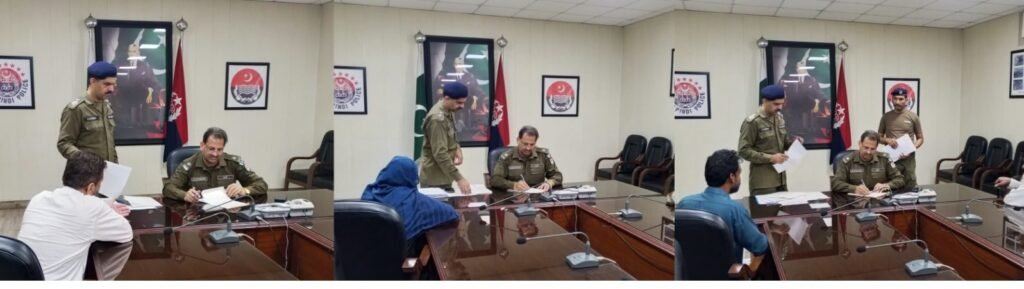
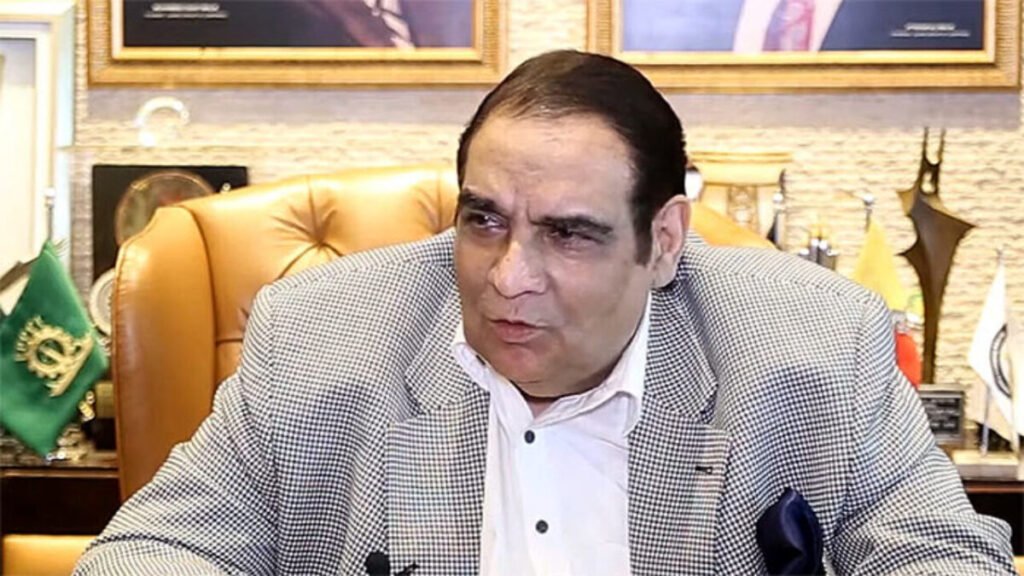
LAHORE — Superintendent of Police (SP) Security Asghar Ali Goraya convened an open court at the Police Lines Headquarters on Friday to address public grievances. The initiative aimed to provide a platform for citizens to voice their concerns directly to law enforcement authorities and seek timely resolutions. What Happened The open court, known locally as a Khuli Katchery, was organized to facilitate direct communication between the public and the police. SP Security Asghar Ali Goraya personally attended to the complaints presented by citizens, offering a rare opportunity for individuals to discuss their issues without bureaucratic barriers. During the session, Goraya issued immediate directives to the relevant officers to ensure swift action on the matters raised. Citizens from various parts of the city attended the session, bringing forth a range of issues, including delays in police response, inefficiencies in handling cases, and concerns over public safety. The SP assured attendees that their complaints would be addressed with urgency and transparency. “We are committed to resolving the issues faced by the public and improving the overall efficiency of our services,” Goraya stated. The open court is part of a broader initiative to enhance police-public relations and ensure accountability within the force. By holding such sessions, the police aim to build trust with the community and demonstrate their commitment to addressing public concerns. Background Open courts have been a traditional method in Pakistan for addressing public grievances. The concept allows citizens to present their issues directly to officials without the need for intermediaries. Historically, these sessions have been instrumental in resolving local disputes and improving governance at the grassroots level. In recent years, the police force in Pakistan has faced criticism over issues such as corruption, inefficiency, and lack of accountability. Initiatives like the Khuli Katchery are part of efforts to reform the police system and improve its image among the public. These sessions are intended to provide transparency and ensure that citizens’ voices are heard and acted upon. Why It Matters The open court held by SP Security is significant for several reasons. Firstly, it represents an effort to bridge the gap between law enforcement and the community, fostering a sense of trust and cooperation. By directly addressing public complaints, the police can improve their responsiveness and accountability, which are critical for effective governance. Secondly, the initiative highlights the importance of public participation in governance. By empowering citizens to voice their concerns, the police encourage a more engaged and informed populace, which can lead to more effective and equitable law enforcement practices. Moreover, addressing public grievances promptly can help alleviate tensions and prevent potential conflicts. In a country where public trust in law enforcement is often low, such initiatives are crucial for maintaining social harmony and ensuring that justice is accessible to all. Finally, the open court underscores the broader efforts to reform the police system in Pakistan. By demonstrating a commitment to transparency and accountability, the police can work towards rebuilding their reputation and improving their relationship with the public. Key Takeaways SP Security Asghar Ali Goraya held an open court to address public complaints at the Police Lines Headquarters. The initiative aimed to provide a direct communication channel between citizens and law enforcement. Open courts are part of efforts to improve police-public relations and ensure accountability. Such initiatives are crucial for building trust and improving the efficiency of police services. The open court reflects broader police reform efforts in Pakistan to enhance transparency and public engagement. Source Attribution This article is based on official government statements, press releases, and public communications from relevant authorities. Author: NEN Editorial Desk | Editor: NEN Newsroom | Fact Checked By: NEN Editorial Team Author: NEN Editorial Desk  |  Editor: NEN Newsroom  |  Last Updated: August 07, 2026  |  Source: NEN Reporter This article was produced by the NEN Editorial Desk in accordance with NEN Agency’s Editorial Policy and Fact-Checking Policy.
Saudi Arabia, Pakistan, Turkiye Forge Defence Pact for Regional Stability
Pakistan

Saudi Arabia, Pakistan, Turkiye Forge Defence Pact for Regional Stability

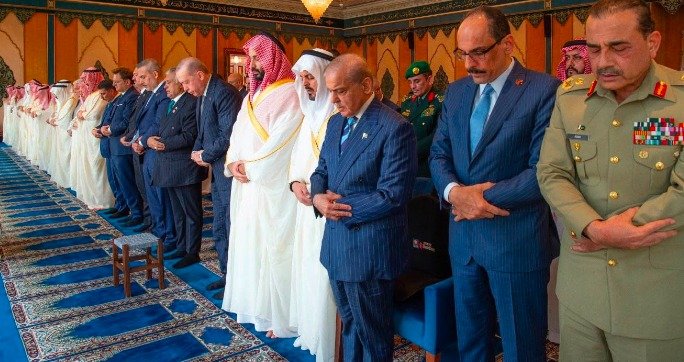
ISLAMABAD — Saudi Arabia, Pakistan, and Turkiye have entered into a trilateral defence pact aimed at enhancing regional peace and security among Muslim nations, according to Iftikhar Ali Malik, former President of the SAARC Chamber of Commerce and Industry. The agreement, announced on Friday, is expected to foster greater military cooperation and strategic alignment among the three countries. What Happened The defence pact between Saudi Arabia, Pakistan, and Turkiye signifies a concerted effort to bolster military collaboration in the Muslim world. Iftikhar Ali Malik, a prominent business leader and former head of the SAARC Chamber of Commerce and Industry, praised the agreement, emphasizing its potential to strengthen regional peace and security. “This trilateral partnership is a significant step towards enhancing cooperation among Muslim countries,” Malik stated, highlighting the strategic importance of such alliances in today’s geopolitical climate. The agreement is seen as a response to the evolving security dynamics in the region, where threats such as terrorism and geopolitical tensions require coordinated strategies. The pact aims to facilitate joint military exercises, intelligence sharing, and the development of defence technologies, thereby increasing the collective defence capabilities of the three nations. While specific details of the agreement have not been disclosed, the collaboration is expected to involve high-level military exchanges and joint training programs. This initiative underscores the commitment of Saudi Arabia, Pakistan, and Turkiye to work together in addressing common security challenges and promoting stability in the region. Background The trilateral defence pact comes in the context of a history of military cooperation between these nations. Pakistan and Turkiye have long-standing defence ties, with joint military exercises and defence production collaborations. Similarly, Saudi Arabia and Pakistan have maintained a close military relationship, with Pakistan providing military training and support to Saudi forces over the years. In recent years, there has been a growing emphasis on strengthening ties among Muslim-majority countries, particularly in the face of rising regional conflicts and external pressures. The Organisation of Islamic Cooperation (OIC) has often called for increased cooperation among its member states to address common challenges. Historically, defence agreements among Muslim nations have been aimed at promoting collective security and fostering economic and technological collaboration. This new pact is seen as a continuation of these efforts, with a focus on adapting to modern security threats. Why It Matters The trilateral defence pact is significant for several reasons. Economically, it could lead to increased defence trade and joint ventures among the three countries, potentially boosting their domestic defence industries. This collaboration could also lead to advancements in military technology and innovation, benefiting the broader region. Socially, the pact may strengthen ties among the populations of the three countries, fostering a sense of unity and shared purpose. This could have positive implications for cultural exchanges and people-to-people connections, promoting a more cohesive Muslim identity. Politically, the agreement positions Saudi Arabia, Pakistan, and Turkiye as key players in the Muslim world, capable of influencing regional security dynamics. By working together, these countries can present a united front in international forums, advocating for the interests of Muslim nations and contributing to global peace efforts. Internationally, the pact may alter the strategic landscape of the Middle East and South Asia, as it signals a shift towards greater self-reliance and cooperation among Muslim-majority countries. This could potentially lead to a rebalancing of power in the region, with implications for global alliances and partnerships. Key Takeaways Saudi Arabia, Pakistan, and Turkiye have formed a trilateral defence pact to enhance regional security. The agreement aims to facilitate joint military exercises, intelligence sharing, and defence technology development. The pact is expected to strengthen economic, social, and political ties among the three nations. This collaboration may influence regional and international security dynamics, promoting stability in the Muslim world. The initiative underscores the importance of cooperation among Muslim-majority countries in addressing common challenges. Source Attribution This article is based on official government statements, press releases, and public communications from relevant authorities. Author: NEN Editorial Desk | Editor: NEN Newsroom | Fact Checked By: NEN Editorial Team Author: NEN Editorial Desk  |  Editor: NEN Newsroom  |  Last Updated: August 07, 2026  |  Source: NEN Reporter This article was produced by the NEN Editorial Desk in accordance with NEN Agency’s Editorial Policy and Fact-Checking Policy.
PM Shehbaz, Saudi Crown Prince, Turkish President Pray Together in Saudi Arabia
Pakistan

PM Shehbaz, Saudi Crown Prince, Turkish President Pray Together in Saudi Arabia

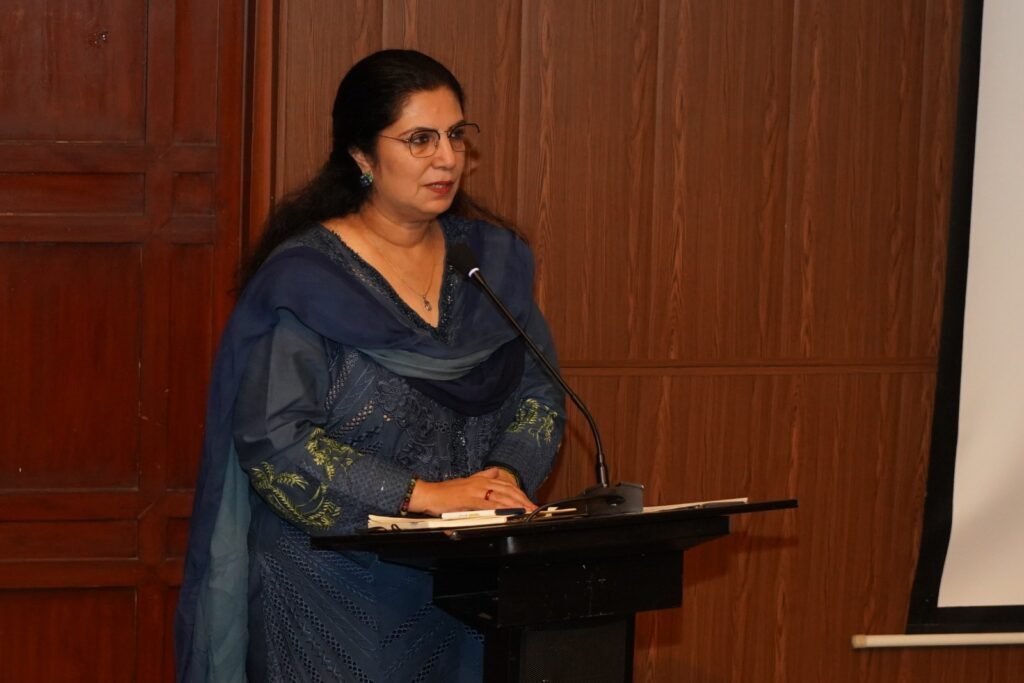
ISLAMABAD — Prime Minister Shehbaz Sharif, Saudi Crown Prince Mohammed bin Salman, and Turkish President Recep Tayyip Erdogan performed Friday prayers together at Qasr Al-Safa in Saudi Arabia. The gathering took place during Prime Minister Sharif’s official visit to the kingdom, highlighting the close ties between the three nations. What Happened On Friday, Prime Minister Shehbaz Sharif joined Saudi Crown Prince Mohammed bin Salman and Turkish President Recep Tayyip Erdogan for prayers at Qasr Al-Safa, a prominent location within the holy city of Mecca. This event was part of Prime Minister Sharif’s official visit to Saudi Arabia, aimed at strengthening bilateral relations and discussing matters of mutual interest. The three leaders were seen engaging in discussions following the prayers, underscoring the significance of their meeting. According to official sources, the leaders discussed regional issues, economic cooperation, and the potential for increased collaboration in various sectors. The presence of these leaders together in a religious setting also symbolizes the unity and shared values among their countries. Prime Minister Sharif’s visit to Saudi Arabia comes at a time when Pakistan is seeking to bolster its economic ties with key allies. Saudi Arabia remains one of Pakistan’s largest trading partners, with significant investments in various sectors, including energy and infrastructure. The meeting between these leaders is expected to pave the way for further cooperation in these areas. Background Pakistan and Saudi Arabia have historically maintained strong bilateral relations, with Saudi Arabia often providing economic assistance to Pakistan during times of need. The two countries share deep-rooted cultural and religious ties, which have been reinforced through frequent high-level exchanges and visits. Turkey, another key ally of Pakistan, has also been a significant partner in terms of trade and defense cooperation. The relationship between Pakistan and Turkey has been characterized by mutual support on various international platforms and collaborative efforts in defense production. The gathering of these leaders in Saudi Arabia is not only a reflection of their personal camaraderie but also a testament to the enduring partnerships between their countries. Such meetings are often seen as opportunities to discuss strategic interests and forge new avenues for collaboration. Why It Matters The joint appearance of Prime Minister Shehbaz Sharif, Saudi Crown Prince Mohammed bin Salman, and Turkish President Recep Tayyip Erdogan at Qasr Al-Safa holds significant implications for regional and international politics. As Pakistan navigates its economic challenges, strengthening ties with influential partners like Saudi Arabia and Turkey is crucial for securing economic support and investment. For Saudi Arabia, maintaining strong relations with Pakistan is vital for its regional influence and security strategy. Pakistan’s strategic location and its role in the Muslim world make it a valuable ally for Saudi Arabia, especially in the context of regional geopolitics. Turkey’s involvement further adds a layer of complexity and opportunity, as it seeks to expand its influence in the region. The collaboration between these three countries could lead to enhanced economic ties, increased trade, and joint initiatives in various sectors, including defense, technology, and energy. Moreover, this meeting underscores the importance of unity among Muslim-majority countries in addressing common challenges and promoting peace and stability in the region. The leaders’ discussions on regional issues could potentially lead to coordinated efforts in tackling conflicts and fostering development in the Muslim world. Key Takeaways Prime Minister Shehbaz Sharif, Saudi Crown Prince Mohammed bin Salman, and Turkish President Recep Tayyip Erdogan performed Friday prayers together at Qasr Al-Safa. The meeting highlights the strong bilateral relations between Pakistan, Saudi Arabia, and Turkey. Discussions focused on regional issues, economic cooperation, and potential collaborations. The event underscores the unity and shared values among the three countries. This gathering could lead to enhanced economic ties and joint initiatives in various sectors. Source Attribution This article is based on official government statements, press releases, and public communications from relevant authorities. Author: NEN Editorial Desk | Editor: NEN Newsroom | Fact Checked By: NEN Editorial Team Author: NEN Editorial Desk  |  Editor: NEN Newsroom  |  Last Updated: August 07, 2026  |  Source: Press Release from Government of Pakistan This article was produced by the NEN Editorial Desk in accordance with NEN Agency’s Editorial Policy and Fact-Checking Policy.

PNCA Honors Legacy Of Esteemed Artist And Educator Prof. Dr. Shaukat Mahmood
World

PNCA Honors Legacy Of Esteemed Artist And Educator Prof. Dr. Shaukat Mahmood

ISLAMABAD — The Pakistan National Council of the Arts (PNCA) hosted a tribute ceremony on Friday at the National Art Gallery to honor the late Prof. Dr. Shaukat Mahmood, a distinguished artist and educator whose contributions have left a lasting impact on Pakistan’s cultural and educational landscape. What Happened The event, titled “A Lifetime Tribute to Prof. Dr. Shaukat Mahmood (Late),” was organized to celebrate the life and legacy of one of Pakistan’s most revered figures in the arts and education sectors. Attendees included artists, educators, students, and admirers who gathered to pay their respects and reflect on Dr. Mahmood’s extensive body of work. Speakers at the event highlighted Dr. Mahmood’s profound influence as an artist, researcher, and mentor. His contributions to the field of art education were particularly emphasized, with many noting how his teachings have inspired generations of artists and educators across the country. The ceremony featured speeches, presentations, and an exhibition of Dr. Mahmood’s artwork, showcasing his unique style and thematic diversity. PNCA officials underscored the importance of remembering and celebrating figures like Dr. Mahmood, whose work continues to inspire and educate. “Dr. Shaukat Mahmood was not only a remarkable artist but also a visionary educator who dedicated his life to nurturing talent and promoting the arts in Pakistan,” a PNCA spokesperson stated. Background Prof. Dr. Shaukat Mahmood was a pivotal figure in Pakistan’s art and education sectors. Over his illustrious career, he served in various capacities, including as a professor and mentor to countless students. His research and artistic endeavors have been recognized nationally and internationally, earning him numerous accolades. Dr. Mahmood’s work is characterized by its exploration of cultural and social themes, often reflecting the complexities of Pakistani society. His commitment to education was evident in his efforts to integrate art into mainstream education, advocating for its importance in fostering critical thinking and creativity among students. The PNCA, established in 1973, has been instrumental in promoting and preserving Pakistan’s cultural heritage. Through events like this tribute ceremony, the council aims to honor individuals who have significantly contributed to the nation’s artistic and cultural development. Why It Matters The tribute to Prof. Dr. Shaukat Mahmood is significant not only as a recognition of his individual achievements but also as a reflection of the broader cultural appreciation for the arts in Pakistan. In a country where arts and culture often face challenges due to economic and political factors, celebrating figures like Dr. Mahmood serves as a reminder of the vital role that art plays in society. Dr. Mahmood’s legacy in art education is particularly impactful. By championing the integration of art into education, he has helped shape a more holistic approach to learning, one that values creativity alongside traditional academic disciplines. This approach is crucial for developing critical thinking skills and fostering innovation, qualities that are increasingly important in today’s globalized world. Moreover, the event underscores the PNCA’s ongoing commitment to nurturing and preserving Pakistan’s cultural heritage. By honoring past luminaries, the council not only acknowledges their contributions but also inspires future generations to pursue excellence in the arts. Key Takeaways The PNCA held a tribute ceremony for the late Prof. Dr. Shaukat Mahmood at the National Art Gallery. Dr. Mahmood was celebrated for his contributions as an artist, educator, and mentor. The event featured speeches, presentations, and an exhibition of Dr. Mahmood’s artwork. Dr. Mahmood’s legacy in art education continues to inspire new generations in Pakistan. The PNCA aims to preserve and promote Pakistan’s cultural heritage through such events. Source Attribution This article is based on official statements and public communications from the Pakistan National Council of the Arts. Author: NEN Editorial Desk | Editor: NEN Newsroom | Fact Checked By: NEN Editorial Team Author: NEN Editorial Desk  |  Editor: NEN Newsroom  |  Last Updated: August 07, 2026  |  Source: NEN Reporter This article was produced by the NEN Editorial Desk in accordance with NEN Agency’s Editorial Policy and Fact-Checking Policy.

Scroll to Top