
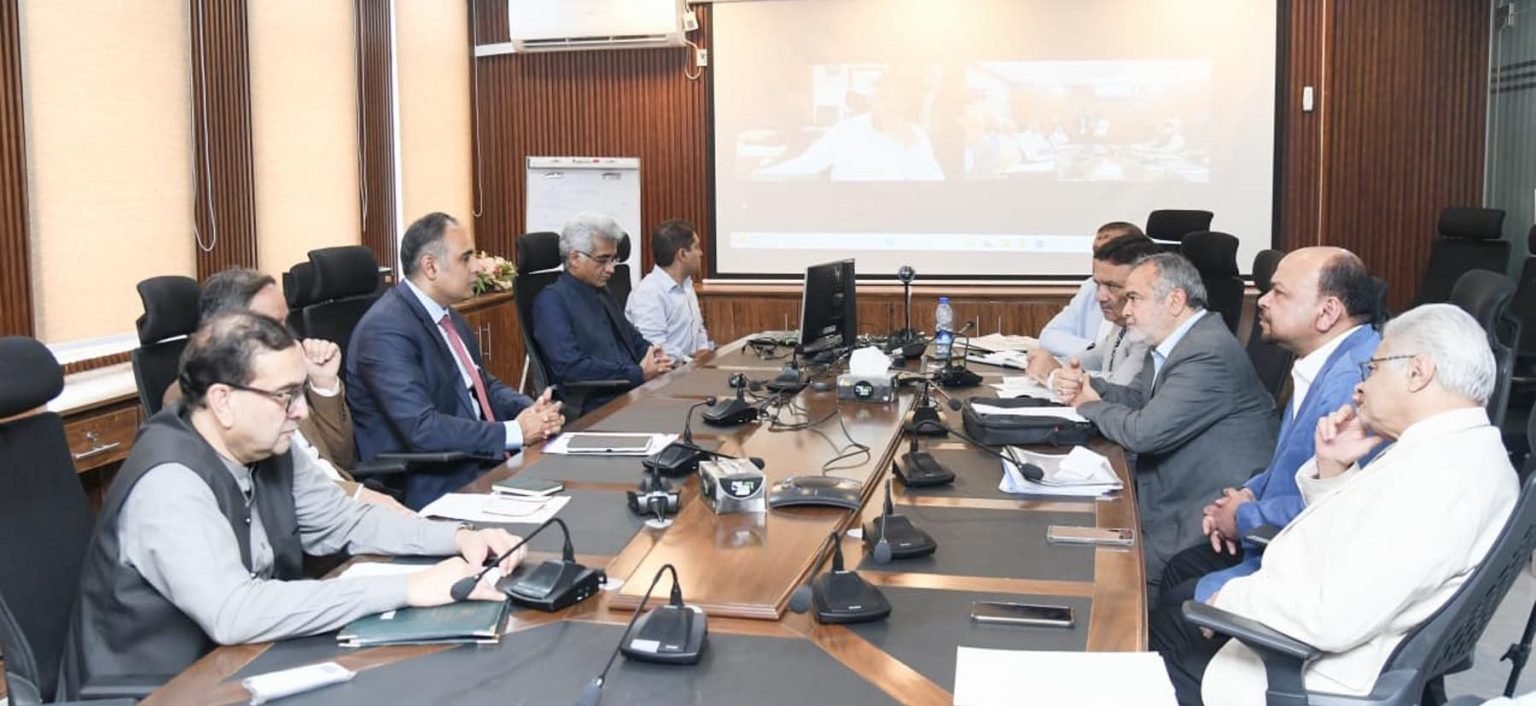
ISLAMABAD — Minister of State for Finance and Revenue Bilal Azhar Kiyani met with representatives from the business and export sectors on Monday to discuss potential improvements to Pakistan’s tax regime and ways to facilitate exports. The meeting aimed to foster a more conducive business environment.
What Happened
In a consultative meeting held in Islamabad, Minister Bilal Azhar Kiyani engaged with key stakeholders from the business and export sectors. The primary focus of the discussion was on reforming the current tax system to make it more efficient and business-friendly. The meeting also addressed strategies to enhance export facilitation, which is seen as crucial for boosting Pakistan’s economic growth.
During the session, Kiyani emphasized the government’s commitment to creating a supportive environment for businesses. He stated, “Our aim is to simplify the tax process and remove hurdles that impede business operations and export activities.” The minister acknowledged the challenges faced by the business community and expressed the government’s willingness to work collaboratively to address these issues.
The representatives from the business sector highlighted several areas needing reform, including the simplification of tax filing procedures, reduction of tax rates, and the need for consistency in tax policy. Exporters, in particular, stressed the importance of reducing bureaucratic red tape and improving access to international markets.
Kiyani assured the attendees that their feedback would be considered in the government’s ongoing efforts to reform the tax system. He also mentioned the potential for introducing new policies aimed at reducing the cost of doing business in Pakistan, which would make local products more competitive in the global market.
Background
Pakistan’s tax system has long been criticized for its complexity and inefficiency. The country has one of the lowest tax-to-GDP ratios in the region, which has prompted successive governments to seek reforms. Previous attempts at tax reform have met with limited success due to resistance from various quarters and the challenge of balancing revenue generation with business facilitation.
Export facilitation has also been a critical issue for Pakistan, which relies heavily on its textile industry for foreign exchange earnings. The government has been working to diversify exports and improve the overall trade balance. Recent initiatives have included trade agreements and efforts to improve the ease of doing business.
Why It Matters
The discussions led by Minister Kiyani are significant as they represent a proactive approach by the government to engage with the business community. Effective tax reform could lead to increased compliance, higher revenue collection, and a more equitable distribution of the tax burden. This, in turn, could provide the government with the resources needed to invest in infrastructure and social services.
For the business community, a simplified tax regime and enhanced export facilitation could lower operational costs and increase competitiveness. This is particularly important in the current global economic climate, where businesses are facing challenges such as supply chain disruptions and increased competition.
On a broader scale, these reforms could help Pakistan improve its ranking in the World Bank’s Ease of Doing Business Index, attracting more foreign investment. This would be a positive development for the economy, potentially leading to job creation and economic stability.
Key Takeaways
- Minister Bilal Kiyani engaged with business leaders to discuss tax reforms and export facilitation.
- The meeting focused on simplifying the tax system and reducing barriers to exports.
- Business representatives highlighted the need for consistent tax policies and reduced bureaucratic hurdles.
- The government aims to create a more business-friendly environment to boost economic growth.
- Effective reforms could improve Pakistan’s ease of doing business and attract foreign investment.
Source Attribution
This article is based on official government statements, press releases, and public communications from relevant authorities.














