Business

Business – NEN Agency

Welcome to the Business section of NEN Agency, where we decode Pakistan’s economy, spotlight entrepreneurs, and track global market trends. From corporate boardrooms to small-town startups, our coverage connects you to the decisions, deals, and developments shaping financial life in Pakistan and beyond.

Inside This Category

  • Pakistan Economy: Government policies, taxation, inflation, trade, and growth indicators.

  • Startups & SMEs: Success stories of Pakistani entrepreneurs and innovative ventures.

  • Stock Market & Finance: Updates on PSX, forex, banking, and financial literacy.

  • Global Business: Trends from international markets, MNC activities, and economic events.

Why Our Business Coverage Stands Out
We don’t just report the numbers — we explain what they mean for you. Our team digs deeper into the “why” behind every headline, giving readers the context they need to make informed decisions.

Business

Faisalabad Business Community to Collectively Watch Federal Budget at FCCI

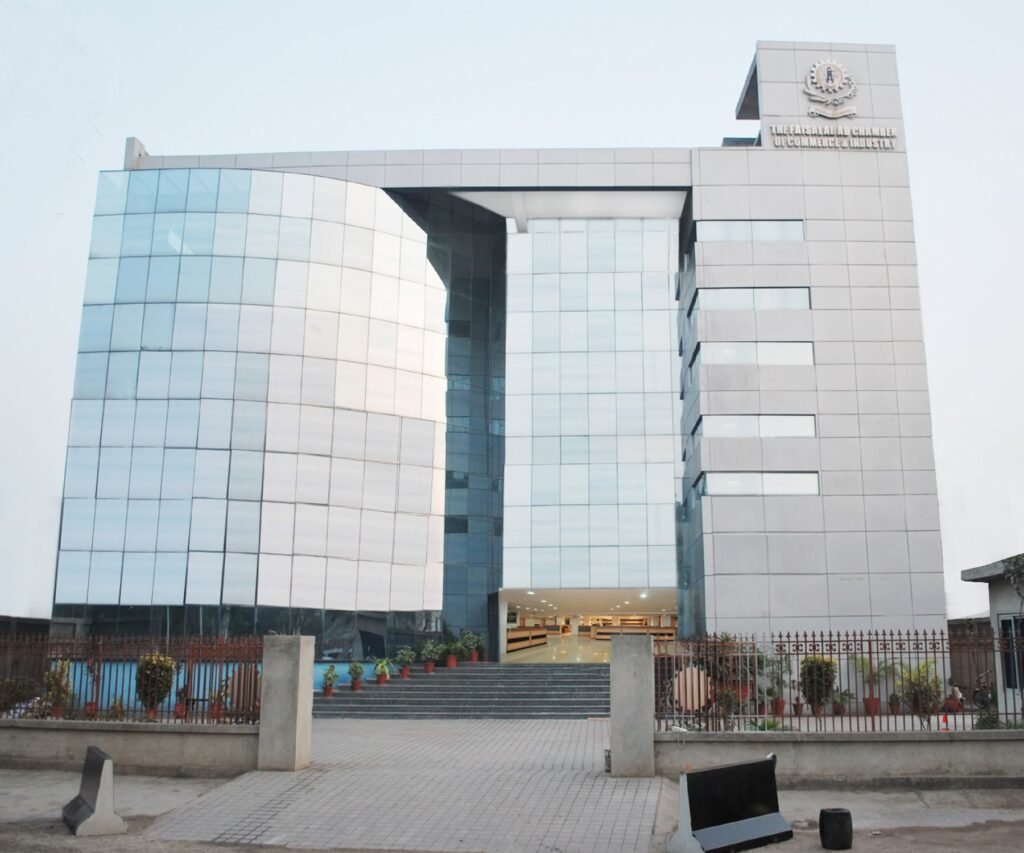
FAISALABAD — The business community in Faisalabad will gather at the Faisalabad Chamber of Commerce and Industry (FCCI) to watch the Federal Budget 2026-27 presentation. Monitoring Fiscal Changes Traders and industrialists at the FCCI will closely analyze the government’s fiscal roadmap. Their primary goal is to assess the impact of budgetary measures on trade, industry, and economic growth. This assembly allows stakeholders to review budget proposals in real-time, enabling prompt responses and strategic planning based on new fiscal policies. Focus Areas for FCCI Stakeholders The session highlights the business community’s strong interest in fiscal policies shaping Pakistan’s economic future for the next year. During the Federal Budget 2026-27 presentation, FCCI members will concentrate on crucial areas: Taxation policies and corporate tax rates Investment incentives for industrial sectors Trade facilitation measures and export promotion schemes Revenue targets and frameworks for fiscal discipline Programs for industrial development and manufacturing growth Regulations in the banking and financial sectors Impact on Trade and Manufacturing Announcements from the Federal Budget 2026-27 are anticipated to significantly impact business operations in Faisalabad. FCCI members are eagerly awaiting policies that could enhance manufacturing competitiveness and boost export potential. Stakeholders expect the budget to tackle vital challenges in the trade and industrial sectors. The Faisalabad business community plans to provide immediate feedback on the announced measures. This feedback is crucial for shaping advocacy efforts and informing future policy engagements with government authorities. The chamber is committed to ensuring that fiscal and economic policies effectively support regional industrial growth and trade expansion.
Business

Pakistan’s Manufacturing Sector Grows 6.6% in FY2026

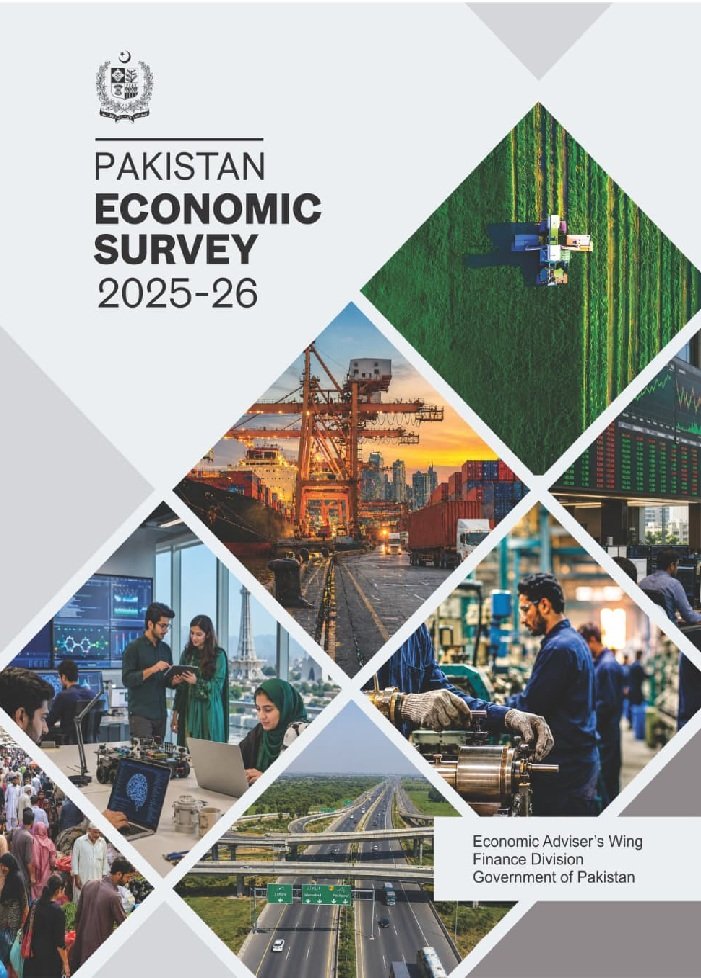
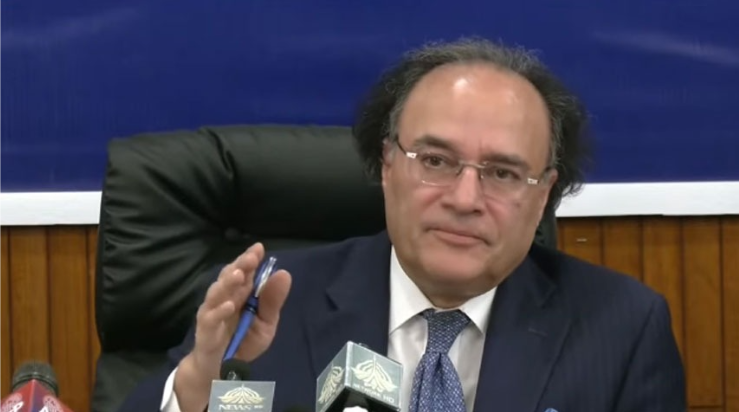
ISLAMABAD — Pakistan’s manufacturing sector experienced a remarkable growth of 6.6% in the fiscal year 2026, according to the Pakistan Economic Survey 2025-26. This growth is a substantial increase from the 2.0% recorded the previous year, highlighting significant improvements in the nation’s industrial landscape. Economic Survey Highlights Recovery Finance and Revenue Minister, Senator Muhammad Aurangzeb, presented the survey findings in Islamabad. The report details major advances in Pakistan’s industrial performance following several challenging years. The resurgence of Large-Scale Manufacturing (LSM) has been vital for this recovery. Large-Scale Manufacturing Drives Growth The manufacturing sector’s 6.6% growth signals a strong recovery path aided by stabilizing economic conditions. Large-scale manufacturing facilities have notably increased production across key industries. Key Sectors Fueling Growth Textiles and garments Cement production Steel manufacturing Automotive industries These expansions indicate improved business confidence and a gradual reduction in operational constraints. This sectoral progress is essential for economic recovery and industrial expansion. Economic Stability and Challenges The enhanced manufacturing performance signals broader economic stabilization in Pakistan. Despite this, various challenges persist in affecting industrial activities. Challenges Facing Manufacturing High inflation rates reducing purchasing power Stringent monetary policies with elevated interest rates Reduced domestic demand impacting sales Supply chain disruptions affecting production Future Outlook: Investment and Exports Current growth trends suggest that these challenges are easing, with manufacturers increasing production and investment in key sectors. The Pakistan Economic Survey 2025-26 offers detailed insights into the economic performance of the nation, emphasizing the 6.6% manufacturing sector growth as one of the strongest in recent years. This recovery enhances employment, boosts export potential, and improves Pakistan’s overall economic outlook and revenue prospects.

Business

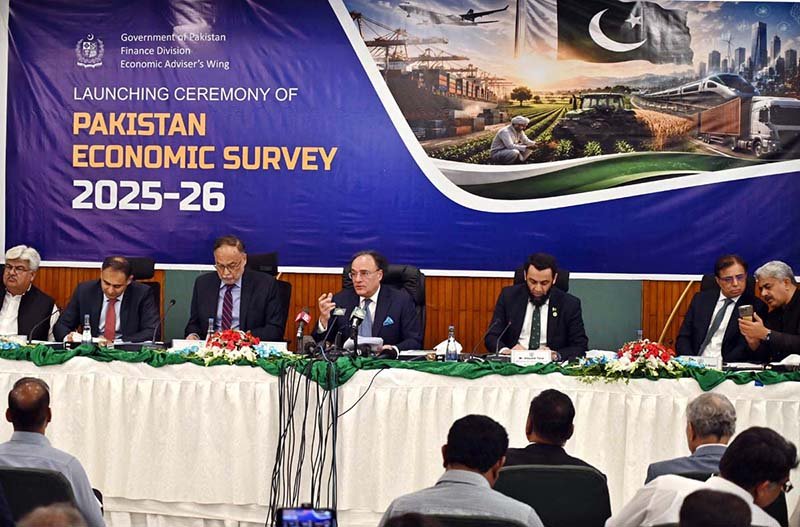
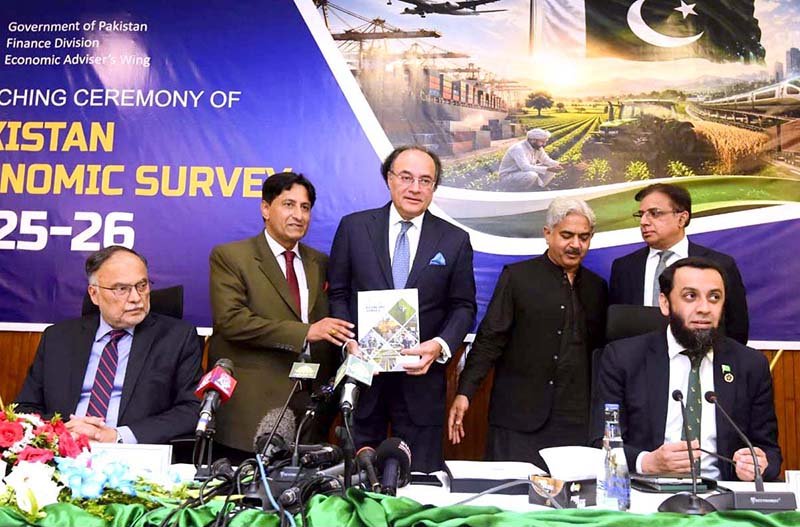
Pakistan Launches Economic Survey 2025-26 Amid Fiscal Reforms

ISLAMABAD — Finance Minister Muhammad Aurangzeb unveiled the Pakistan Economic Survey 2025-26 on Tuesday. This crucial document evaluates Pakistan’s economic performance, setting the fiscal direction for the upcoming year. Pre-Budget Economic Assessment Highlights The launch ceremony took place in the federal capital, establishing the survey as the main pre-budget economic document. It precedes the federal budget presentation, covering key economic sectors: GDP growth rates and economic expansion metrics Inflation trends and measures for price stability Trade balance and export performance Public finance and revenue collection statistics In-Depth Economic Stabilization Analysis The survey offers an in-depth review of Pakistan’s fiscal status over the past year, emphasizing economic stabilization and sector improvements. Finance Minister Aurangzeb presented detailed data showcasing efforts to reinforce macroeconomic fundamentals through targeted policies. Sustainable Economic Growth Commitment The document underlines the government’s commitment to sustainable economic growth. It outlines strategies to enhance financial stability, boost market confidence, and create favorable investment conditions. Revenue growth and fiscal discipline continue to be primary objectives. IMF-Driven Structural Reforms Minister Aurangzeb spearheads structural reforms under Pakistan’s IMF program, focusing on fiscal consolidation across various sectors. These initiatives reflect the government’s commitment to economic stabilization via improved fiscal standing and support for long-term growth initiatives.

Business

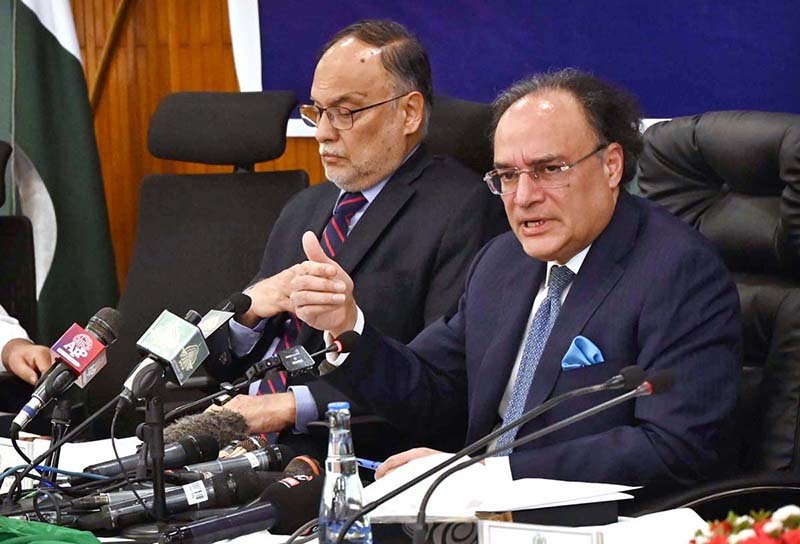
Finance Minister Aurangzeb Launches Pakistan Economic Survey 2025-26

ISLAMABAD — Finance Minister Muhammad Aurangzeb unveiled the Pakistan Economic Survey 2025-26 on Wednesday. This important annual report assesses the country’s economic performance over the past fiscal year. The survey is crucial in shaping fiscal policy and guiding investment strategies, offering a foundation for upcoming budgetary decisions. Comprehensive Review of Economic Performance At a ceremony in Islamabad, Minister Aurangzeb presented the Pakistan Economic Survey. This document provides a detailed assessment of the nation’s economic health and performance metrics. It offers an in-depth analysis of essential economic dimensions, examining macroeconomic trends and sectoral developments across the financial year. Key Economic Indicators of 2025-26 The Pakistan Economic Survey 2025-26 outlines critical economic parameters, including: Macroeconomic indicators and GDP growth trends Fiscal developments and government revenue collection Sectoral progress in agriculture, industry, and services Employment data and labor market conditions Inflation rates and price stability measures External accounts, including trade balance and export performance Foundation for the Federal Budget 2025-26 The Economic Survey serves as the analytical foundation for the federal budget presentation and guides fiscal policy strategy. Comprehensive data from the survey helps policymakers assess past performance, set realistic GDP growth targets, manage inflation, and enhance revenue generation. This survey directs investment priorities and economic reforms for the upcoming financial year, ensuring fiscal planning aligns with actual economic conditions and growth prospects.

Business

Finance Minister Aurangzeb Launches Pakistan Economic Survey 2025-26

ISLAMABAD — Finance Minister Muhammad Aurangzeb has officially launched the Pakistan Economic Survey 2025-26. The report offers a detailed review of Pakistan’s economic performance from the past fiscal year. Strategic Timing Before the Federal Budget The Pakistan Economic Survey is strategically released each year before the federal budget. This timing is crucial for policymakers, allowing integration of the latest economic data into fiscal plans. Economists consider this survey the most authoritative source on Pakistan’s financial condition. Key Economic Indicators The survey provides vital data for strategic economic planning: GDP growth rates and trends in economic expansion Inflation trends with strategies for maintaining price stability Fiscal balances and government revenue assessments Sectoral developments in agriculture, industry, and services Impact on Policy and Investment As the primary reference, the survey assists in evaluating Pakistan’s economic direction. Policymakers use this information to develop evidence-based national development strategies. Financial analysts and investors depend on this comprehensive data to understand current market conditions. The survey identifies growth opportunities and assesses investment risks across various sectors. Additionally, it offers insights into trade dynamics and reviews the effectiveness of economic policies, supporting informed decision-making in both public and private sectors.

Business

Finance Minister Aurangzeb Launches Pakistan Economic Survey 2025-26

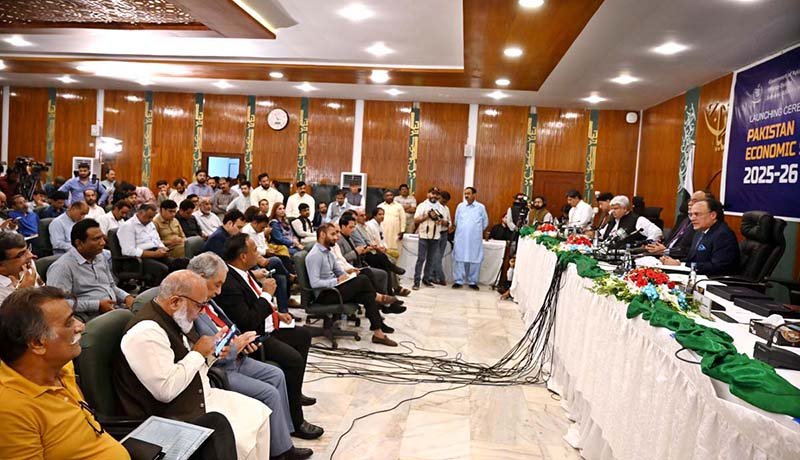
ISLAMABAD — Finance Minister Muhammad Aurangzeb officially launched the Pakistan Economic Survey 2025-26 on Wednesday. This annual publication provides a detailed review of Pakistan’s economic performance over the past fiscal year. As a crucial component of federal budget preparation, it serves as an essential policy planning document. Key Economic Indicators and Metrics The Pakistan Economic Survey offers an in-depth analysis of vital macroeconomic indicators shaping the nation’s fiscal landscape. It is a fundamental tool for both policymakers and investors. The survey focuses on key areas such as GDP growth trends, inflation rates, and fiscal balances. These indicators are critical for evaluating Pakistan’s economic health, informing policy decisions, and guiding investment decisions. Analysis of Sectoral Performance The survey assesses performance in three major sectors driving national growth: Agricultural productivity and output Industrial growth and manufacturing trends Services sector contributions to the economy Sector performance data underscores Pakistan’s economic strengths and challenges, aiding in targeted interventions for sustainable growth. This facilitates effective resource allocation across industries. Revenue Targets and Fiscal Sustainability The survey establishes revenue targets and fiscal sustainability metrics to shape the 2025-26 federal budget. These forecasts are crucial for setting government spending priorities and tax policies. A data-driven approach ensures fiscal discipline, fostering economic expansion. Progress on Federal Budget Preparation Senior government officials and economic policymakers attended the survey’s launch, marking the start of preparations for the next fiscal year’s federal budget presentation. The Pakistan Economic Survey serves as a foundational document for budget planning and policy formulation. It provides comprehensive insights, guiding strategic economic decisions, and facilitating a transparent assessment of Pakistan’s fiscal performance and future trajectory.

Business

KP Girls’ Stipend Cut Sparks Fear Over Female School Enrolment

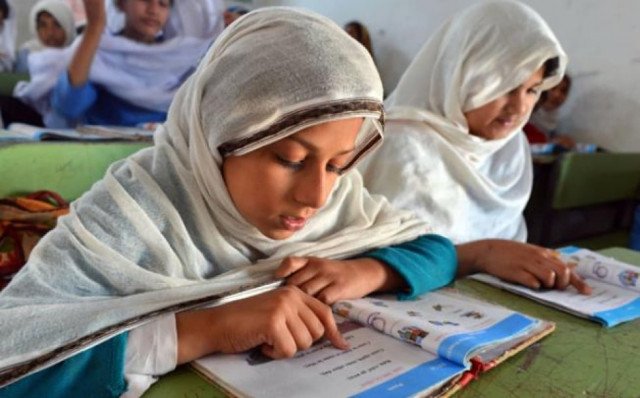
Khyber Pakhtunkhwa Ends Girls’ Education Stipend The Khyber Pakhtunkhwa provincial government has ended the girls’ education stipend. This crucial financial aid was instrumental in advancing female education in the province. The decision raises significant concerns among parents and students about female enrolment, retention, and completion rates. Impact on Remote Areas The withdrawal of this financial aid notably affects remote and underdeveloped regions. The stipend played a vital role in encouraging families to keep their daughters in school. Without this support, many low-income families fear they might have to withdraw their daughters, disrupting years of educational progress. Economic Impacts on Rural Families Rural households face numerous financial challenges, complicating the management of educational expenses. The stipend program eased some burdens for vulnerable families. Without financial assistance, these families may prioritize immediate economic needs over education, risking their daughters’ futures. Challenges in Female Literacy Khyber Pakhtunkhwa’s remote districts have long struggled with low female literacy rates and high dropout rates. Cultural and economic barriers continue to hinder girls’ education. Educators emphasize that targeted financial programs have effectively supported female education, with the stipend being central to these efforts. Low literacy rates High dropout rates Cultural and economic barriers Economic Consequences Financial incentives play a crucial role in boosting female enrolment in Pakistan’s underdeveloped areas. Experts warn that removing such support could negatively impact workforce development and economic growth. Promoting female education is essential for economic progress and GDP growth. A decline in literacy rates could hinder the development of a skilled workforce, critical for competitiveness in modern markets.

Business

Pakistan Records 3.7% GDP Growth in FY2025-26, Finance Minister Says

ISLAMABAD — Pakistan’s economy has achieved a 3.7% GDP growth in the fiscal year 2025-26, as announced by Finance Minister Senator Muhammad Aurangzeb. This growth is a testament to the country’s economic resilience, despite facing numerous challenges. Throughout the year, Pakistan tackled significant hardships, including severe floods, global economic uncertainty, and regional tensions. Despite these, the economy maintained its growth momentum, reflecting a strong recovery path. Challenges Impacting Economic Resilience The recorded 3.7% growth highlights Pakistan’s macroeconomic resilience under constant pressure. Several challenges posed threats to recovery efforts: Widespread floods inflicted extensive damage on agriculture and infrastructure nationwide. Global economic uncertainty adversely affected international trade flows. Regional tensions diminished investor confidence and reduced capital inflows. Domestic fiscal pressures required strict budget management. Finance Minister Aurangzeb credits the GDP growth to disciplined economic management and structural reforms, vital for stabilizing the economy during volatile periods. Economic Survey Reveals Key Indicators The Economic Survey of Pakistan 2025-26, presented by the finance minister, highlights macroeconomic resilience as a key growth factor. This survey provides a comprehensive evaluation of fiscal and economic performance across various sectors. Minister Aurangzeb described the 3.7% growth as a significant rebound from continuous domestic and external pressures, marking a milestone after years of economic decline. This positive trend lays the foundation for ongoing recovery and strengthens investor confidence. Fiscal Insights and Investment Strategy The Economic Survey of Pakistan offers vital insights into the country’s economic trajectory. It assesses fiscal performance, growth indicators, and sectoral contributions over the past year. Typically published before the federal budget, this survey provides crucial data for policymakers and stakeholders involved in economic planning and investment strategy. Its detailed analysis supports resource allocation and outlines development priorities for the upcoming fiscal year, guiding investment decisions and shaping economic policy for Pakistan.

Business

AGPR Sets June 12 Deadline for FY2025-26 Payment Claims

ISLAMABAD — The Accountant General Pakistan Revenues (AGPR) has set June 12, 2026, as the final deadline for submitting payment claims for the financial year 2025-26. No claims will be accepted after this date. Importance of Timely Submissions by Government Departments AGPR stresses the urgency for government departments to submit their claims before this strict deadline. Extensions will not be granted. An official statement highlights, “No fresh claim will be accepted after the deadline.” Fiscal Year Closure and Reconciliation Efforts This directive supports ongoing efforts by federal ministries and departments to finalize their accounts for FY2025-26. The June 12 deadline is crucial to resolving outstanding payments and ensuring a smooth transition into the next fiscal year. Timely financial reconciliation is essential for maintaining fiscal discipline. Steps for Government Offices to Ensure Compliance Government offices should expedite processing outstanding payment claims to avoid last-minute issues. Adhering to the payment claims deadline is critical for fiscal order. Review outstanding claims immediately Ensure all documentation is complete before June 12 Following these steps will ensure an efficient fiscal year closure and result in accurate revenue accounting in the federal budget.

Business

Finance Minister Aurangzeb Launches Pakistan Economic Survey 2025-26

ISLAMABAD — Finance Minister Senator Muhammad Aurangzeb formally launched the Pakistan Economic Survey 2025-26 on Monday. This comprehensive document reviews the nation’s economic performance ahead of the federal budget announcement. Purpose of the Pakistan Economic Survey The Pakistan Economic Survey, an annual publication by the Ministry of Finance, offers an extensive analysis of macroeconomic indicators and sectoral performances for the fiscal year. It serves as a critical resource for policymakers, economists, and investors, providing data-driven insights into Pakistan’s economic health and development. Key Economic Indicators The 2025-26 survey highlights developments in major economic sectors and examines critical areas affecting Pakistan’s financial landscape. Understanding these insights is crucial for grasping the country’s economic trajectory. Core Economic Metrics GDP growth and economic expansion metrics Inflation rates and stability measures Trade balance and export performance data Investment trends and financial sector indicators Revenue collection and fiscal performance analysis Budget Planning and Economic Strategy The survey forms the basis for fiscal decision-making in the upcoming budget, offering empirical support for economic policies and proposals. It aids in setting economic priorities and targets for the forthcoming fiscal year, based on current metrics and projected growth. Finance Minister Aurangzeb will utilize the survey’s findings to shape Pakistan’s economic strategy for 2025-26. The insights will guide policy decisions on investment, trade, and revenue generation.

Scroll to Top