
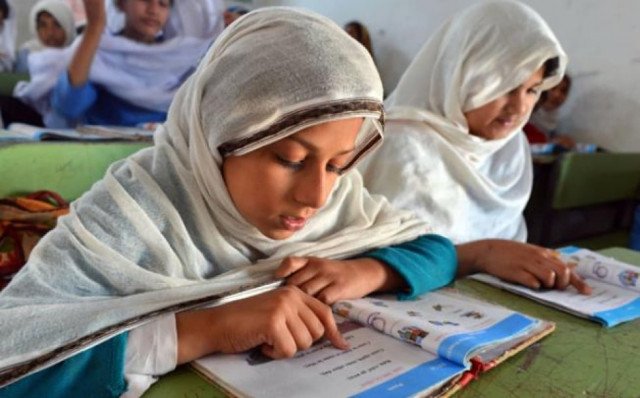
Khyber Pakhtunkhwa Ends Girls’ Education Stipend
The Khyber Pakhtunkhwa provincial government has ended the girls’ education stipend. This crucial financial aid was instrumental in advancing female education in the province. The decision raises significant concerns among parents and students about female enrolment, retention, and completion rates.
Impact on Remote Areas
The withdrawal of this financial aid notably affects remote and underdeveloped regions. The stipend played a vital role in encouraging families to keep their daughters in school. Without this support, many low-income families fear they might have to withdraw their daughters, disrupting years of educational progress.
Economic Impacts on Rural Families
Rural households face numerous financial challenges, complicating the management of educational expenses. The stipend program eased some burdens for vulnerable families. Without financial assistance, these families may prioritize immediate economic needs over education, risking their daughters’ futures.
Challenges in Female Literacy
Khyber Pakhtunkhwa’s remote districts have long struggled with low female literacy rates and high dropout rates. Cultural and economic barriers continue to hinder girls’ education. Educators emphasize that targeted financial programs have effectively supported female education, with the stipend being central to these efforts.
- Low literacy rates
- High dropout rates
- Cultural and economic barriers
Economic Consequences
Financial incentives play a crucial role in boosting female enrolment in Pakistan’s underdeveloped areas. Experts warn that removing such support could negatively impact workforce development and economic growth. Promoting female education is essential for economic progress and GDP growth. A decline in literacy rates could hinder the development of a skilled workforce, critical for competitiveness in modern markets.














