
ISLAMABAD — Pakistan’s economy has achieved a 3.7% GDP growth in the fiscal year 2025-26, as announced by Finance Minister Senator Muhammad Aurangzeb. This growth is a testament to the country’s economic resilience, despite facing numerous challenges.
Throughout the year, Pakistan tackled significant hardships, including severe floods, global economic uncertainty, and regional tensions. Despite these, the economy maintained its growth momentum, reflecting a strong recovery path.
Challenges Impacting Economic Resilience
The recorded 3.7% growth highlights Pakistan’s macroeconomic resilience under constant pressure. Several challenges posed threats to recovery efforts:
- Widespread floods inflicted extensive damage on agriculture and infrastructure nationwide.
- Global economic uncertainty adversely affected international trade flows.
- Regional tensions diminished investor confidence and reduced capital inflows.
- Domestic fiscal pressures required strict budget management.
Finance Minister Aurangzeb credits the GDP growth to disciplined economic management and structural reforms, vital for stabilizing the economy during volatile periods.
Economic Survey Reveals Key Indicators
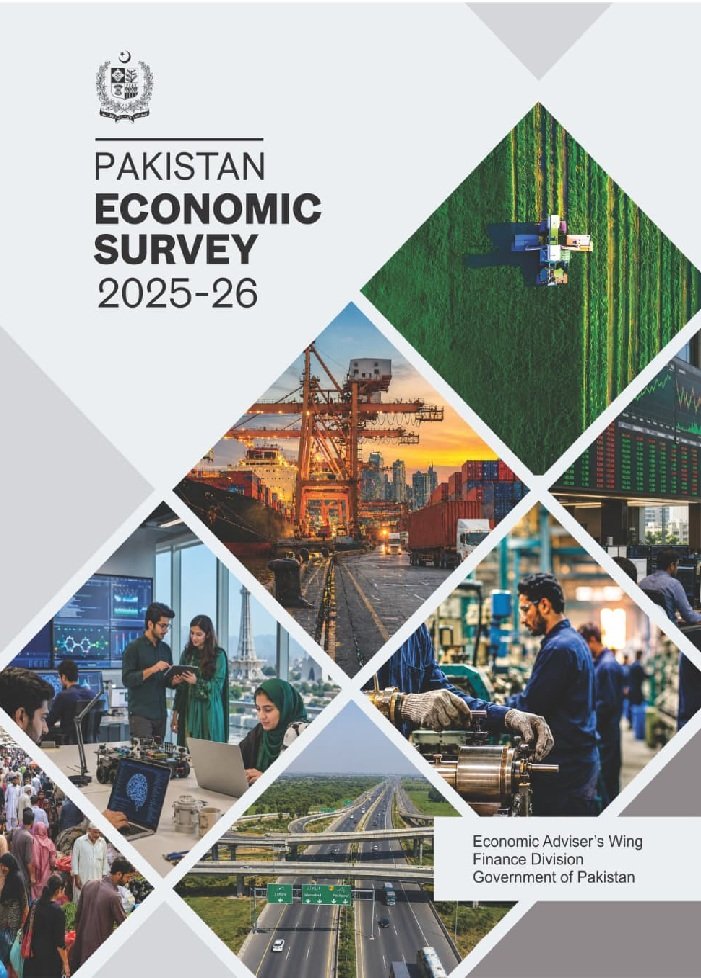
The Economic Survey of Pakistan 2025-26, presented by the finance minister, highlights macroeconomic resilience as a key growth factor. This survey provides a comprehensive evaluation of fiscal and economic performance across various sectors.
Minister Aurangzeb described the 3.7% growth as a significant rebound from continuous domestic and external pressures, marking a milestone after years of economic decline. This positive trend lays the foundation for ongoing recovery and strengthens investor confidence.
Fiscal Insights and Investment Strategy
The Economic Survey of Pakistan offers vital insights into the country’s economic trajectory. It assesses fiscal performance, growth indicators, and sectoral contributions over the past year.
Typically published before the federal budget, this survey provides crucial data for policymakers and stakeholders involved in economic planning and investment strategy.
Its detailed analysis supports resource allocation and outlines development priorities for the upcoming fiscal year, guiding investment decisions and shaping economic policy for Pakistan.














