Business

Business – NEN Agency

Welcome to the Business section of NEN Agency, where we decode Pakistan’s economy, spotlight entrepreneurs, and track global market trends. From corporate boardrooms to small-town startups, our coverage connects you to the decisions, deals, and developments shaping financial life in Pakistan and beyond.

Inside This Category

  • Pakistan Economy: Government policies, taxation, inflation, trade, and growth indicators.

  • Startups & SMEs: Success stories of Pakistani entrepreneurs and innovative ventures.

  • Stock Market & Finance: Updates on PSX, forex, banking, and financial literacy.

  • Global Business: Trends from international markets, MNC activities, and economic events.

Why Our Business Coverage Stands Out
We don’t just report the numbers — we explain what they mean for you. Our team digs deeper into the “why” behind every headline, giving readers the context they need to make informed decisions.

Nepal prime minister resigns after lethal protests
Business

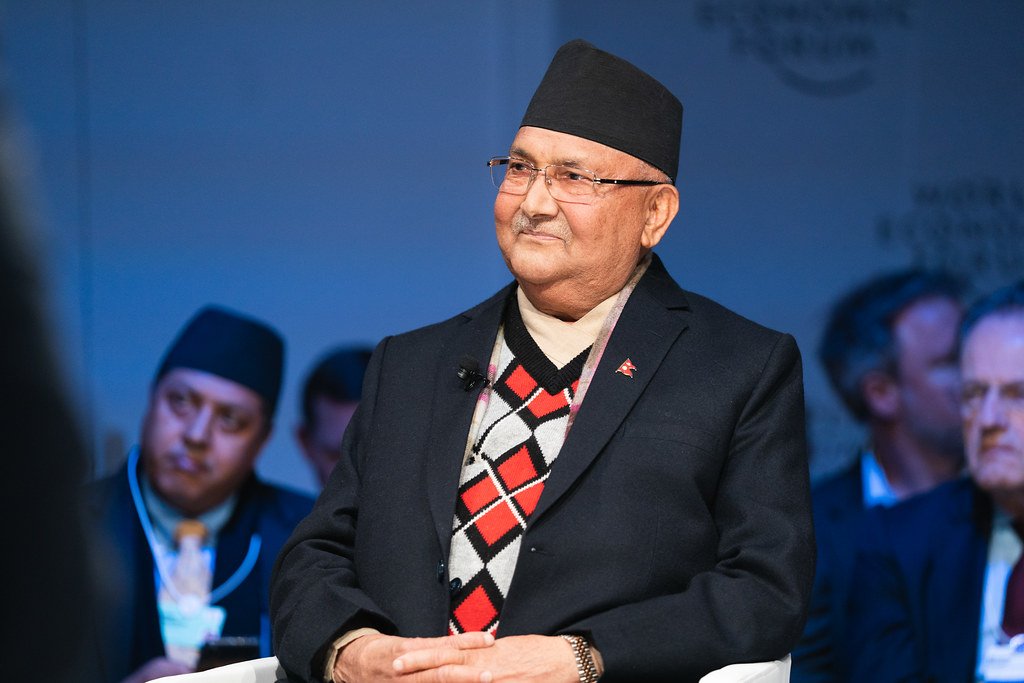
Nepal prime minister resigns after lethal protests

Nepal’s Prime Minister KP Sharma Oli has resigned after protests led to 19 deaths and widespread unrest. This situation highlights the frustration with ongoing political instability and slow economic growth affecting 30 million citizens. Prime Minister Steps Down Amid Crisis KP Sharma Oli submitted his resignation to the president, stating, “I have resigned from the post of Prime Minister with effect from today so that you can take further steps towards a political solution and resolution of the problems.” The 73-year-old leader, serving his fourth term since last year, led a coalition government of his Communist Party and the center-left Nepali Congress. His resignation adds another chapter to Nepal’s political turbulence. Deadly Protests Over Social Media Ban Protests broke out as citizens demanded the removal of a social media ban and action against corruption. Although the ban was lifted, demonstrations intensified, resulting in at least 19 deaths. Amnesty International reported the government’s use of live ammunition on protesters, raising significant human rights issues. Economic Struggles Fueling Unrest Public discontent has surged due to political and economic instability. The economic challenges are a major source of frustration with the government’s performance. Key Economic Indicators GDP per capita stands at $1,447, according to the World Bank. The unemployment rate is around 10%. Individuals aged 15-40 make up nearly 43% of the population, based on government data. Youth face limited economic opportunities and stagnant growth. Political Instability Since 2008 In 2008, Nepal became a federal republic after a civil war and peace agreement that integrated Maoists into the government, dismantling the monarchy. Despite these changes, Nepal has faced persistent political instability, with a succession of aging leaders and political maneuvering reinforcing perceptions of a disconnected government. Since Friday, TikTok has featured videos of politicians’ children displaying luxury amid the daily struggles of ordinary Nepalis. These videos have intensified public anger over economic disparities and governmental disconnect. Published by NENAgency — delivering reliable news and informed perspectives


Apple Might Have Good News On Iphone 17
Business

Apple Might Have Good News on iPhone 17 Pricing

Cupertino, California – Apple’s iPhone launches often captivate tech enthusiasts, sparking debates over pricing. Traditionally, iPhone prices have risen due to supply chain challenges, tech advancements, and global inflation. However, insiders suggest the upcoming iPhone 17 in 2025 might reverse this trend with more competitive pricing. Potential Price Relief for iPhone 17 Reports from the tech community indicate Apple might hold or lower the price for the iPhone 17 models. Although Cupertino hasn’t confirmed this, supply chain insights and analyst forecasts suggest potential price cuts for consumers. An Asian supply analyst tracking Apple’s orders notes production efficiencies and cheaper materials are creating a pricing “cushion.” This could lead Apple to reassess its premium pricing strategy. According to Bloomberg, Apple recognizes growing consumer fatigue from increasing flagship iPhone prices, which have recently approached $1,500. Strategic Factors in Pricing Shift Global Competition Intensifies The smartphone market is fiercely competitive, with brands like Samsung, Google, and various Chinese companies offering high-end devices at competitive prices. These rivals challenge Apple’s market share. While Apple holds a strong presence in the U.S. and Europe, it risks alienating consumers in emerging markets. Growth in regions such as India and Southeast Asia will influence its future revenue and positioning. Competitive pricing is essential for expanding market share in these areas. Impact of Declining Upgrade Cycles Global smartphone sales have slowed, with consumers keeping their phones for three to four years, impacting revenue projections. Maintaining or reducing prices could encourage more frequent consumer upgrades, boosting hardware revenue and sustaining market momentum amid economic challenges. Advantages of Supply Chain Investments Apple’s significant supply chain investments include relocating chip production to the U.S., reducing logistics costs, and acquiring display technology from partners in Japan and Taiwan. These strategic initiatives provide cost advantages not available during the iPhone 14 and 15 eras, enabling more flexible pricing strategies. Implications for Consumers and Market Growth Should Apple adopt a restrained pricing strategy, the iPhone 17 might avoid major price hikes, a first in years. The base model could remain under $1,000, attracting cost-conscious consumers. The Pro and Pro Max models are expected to remain stable, a welcome development in markets facing inflation and currency pressures. This strategy could enhance Apple’s influence in price-sensitive regions currently dominated by competitors like Xiaomi and OnePlus.

Google ordered to pay $425M in privacy lawsuit, Privacy Lawsuit, nenagency
Business

Big Tech on Trial: Jury Slaps Google With $425M Payout

A federal jury in San Francisco has ruled that Google (Alphabet Inc.) must pay $425 million for infringing on user privacy rights. The company was accused of collecting user data even when the Web & App Activity tracking feature was disabled in user accounts. Claims of Privacy Violations Initiated in July 2020, the lawsuit charged Google with covertly gathering information through apps like Uber, Venmo, and Instagram. This allegedly occurred without users’ consent when tracking was turned off. Plaintiffs argued this practice misled millions, breaching Google’s privacy commitments. The jury found Google liable in two out of three privacy violation charges, though no malicious intent was found, resulting in no punitive damages. Initially, claims exceeded $31 billion. Google’s Response and Planned Appeal Google plans to appeal. Spokesperson Jose Castaneda stated the ruling misinterprets Google products’ functionality. He emphasized that Google’s privacy tools enable users to control their data, ensuring user preferences are respected when personalization is disabled. Attorney David Boies, representing consumers, hailed the verdict as a victory for privacy rights. Scope and Financial Impact of the Class Action U.S. District Judge Richard Seeborg noted the class action affected 98 million users and 174 million devices across the nation. Google contended the data was pseudonymous and encrypted, disconnected from personal identities. Despite this, the jury sided with the plaintiffs. The $425 million penalty delivers a significant financial blow, highlighting the legal risks of corporate privacy violations. Continuing Privacy Challenges for Google Google faces ongoing legal challenges over privacy issues, including: Paying nearly $1.4 billion to Texas in early 2024 for state privacy law violations An April 2024 settlement requiring the deletion of billions of private browsing records Allegations of tracking users in Incognito mode despite privacy assurances Implications for Tech Data Privacy The ruling underscores growing scrutiny on tech companies’ data privacy practices. Both regulators and consumers demand accountability from tech giants. Organizations like nenagency are monitoring corporate data practices. This case emphasizes the growing importance of trust and transparency in corporate governance within tech industries. The verdict could set a precedent for future privacy lawsuits, signaling that courts are prepared to hold dominant tech firms accountable for misleading privacy practices.

Cryptocurrencies
Business, Finance, Market, Markets

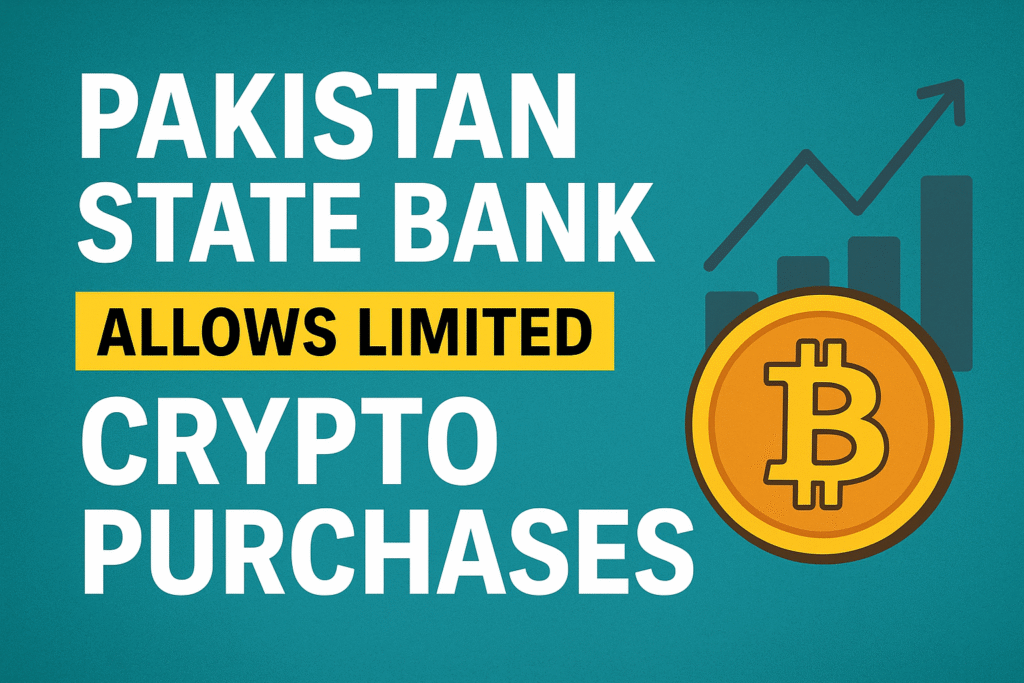
Pakistan State Bank to Allow Cryptocurrencies | Limited Option

ISLAMABAD – The State Bank of Pakistan (SBP) has announced a landmark policy, allowing limited cryptocurrency trading under strict regulatory controls. Controlled Market Access In 2018, the SBP banned all cryptocurrency transactions, prohibiting banks from facilitating such activities due to concerns about money laundering and market volatility. Despite the ban, citizens continued to trade cryptocurrencies through peer-to-peer platforms and international exchanges. The SBP now seeks to regulate these informal transactions by implementing strict volume controls and mandatory user verifications. Economic Pressures and Policy Shift Several economic factors have contributed to this policy shift. Rising inflation, currency depreciation, and declining foreign reserves put a strain on traditional financial systems. Cryptocurrency offers faster and cheaper cross-border transfers, which could benefit remittances contributing billions annually to the economy. With a young, tech-savvy population and a growing IT sector, the demand for digital financial services in Pakistan is increasing. The new regulatory framework aims to address this while enforcing necessary safeguards. Regulatory Framework Features Although still under development, preliminary guidelines outline significant restrictions on cryptocurrency trading: Monthly transaction limits between $100 to $500 per person Mandatory Know Your Customer (KYC) verification with CNIC and bank account linkage Trading limited to SBP-approved cryptocurrency exchanges All transactions routed through registered local banks for monitoring Comprehensive transaction reporting requirements for compliance These measures aim to balance market access while maintaining financial security and oversight. Pros and Cons of Regulated Trading Regulated cryptocurrency access could enhance financial inclusion for unbanked populations and reduce dependence on informal hawala systems, bolstering Pakistan’s fintech sector. Formalized crypto transactions aid tax compliance, increase revenue collection, and provide consumer protections not present in unregulated trading. Integrating crypto into the banking system helps monitor capital flows, aligning with SBP’s objectives. Investor Risks and Challenges Cryptocurrency markets carry volatility risks, with price fluctuations that may lead to significant losses for inexperienced investors. Despite regulatory structures, risks of fraud, tax evasion, and cybersecurity threats remain, justifying the State Bank’s cautious approach. The banking sector requires substantial investment in technology infrastructure for secure crypto transactions, necessitating capital and staff training. Future Prospects for Digital Currency This regulatory framework serves as a controlled pilot for the Pakistani market. Successful implementation could lead to increased transaction limits, expanded cryptocurrency options, and wider market participation. The State Bank will monitor developments to ensure a smooth transition in regulations.

ducky bhai, famous pakistani youtuber , NCCIA
Business

Famous Pakistani YouTuber Ducky Bhai will remain in NCCIA custody until September 3

The National Cyber Crime Investigation Agency (NCCIA) will hold YouTuber Saadur Rehman, known as Ducky Bhai, in custody for two additional days. A Lahore court magistrate extended his detention until September 3, as investigations into illegal gambling app promotions continue. Legal Charges and Detention Ducky Bhai faces several charges under Pakistani law, including violations of the Prevention of Electronic Crimes Act, 2016, and the Pakistan Penal Code. The charges include: Section 13 – Electronic Forgery Section 14 – Electronic Fraud Section 25 – Spamming Section 26 – Spoofing Section 294 B – Offering prize linked to trade Section 420 – Cheating and dishonestly inducing property delivery He was arrested at Lahore’s Allama Iqbal International Airport, suspected of promoting these apps on his YouTube channel. Investigation and Allegations The investigation commenced on June 13, based on credible sources. It uncovered that social media influencers were promoting gambling apps for profit. The First Information Report (FIR) outlines public financial losses attributed to these apps, specifically accusing Ducky Bhai of endorsing them on his platform. Apps Under Scrutiny The following apps are allegedly involved: 1xBet Bet 365 B9 Game Binomo Authorities suspect he might have acted as a country manager for one or more of these apps. Forensic Evidence and Court Proceedings Ducky Bhai’s initial four-day remand concluded before Monday’s hearing in Magistrate Muhammad Naeem Wattoo’s court. Forensic evidence prompted a request for remand extension. Prosecutors presented data from confiscated electronic devices showing discussions on gambling apps. International transaction evidence supported the request. Defense and Court Ruling Advocate Chaudhry Usman Ali, defending Ducky Bhai, opposed the remand extension, arguing that transaction data could be gathered without detaining him. The defense claimed no definitive evidence linked Ducky Bhai to user losses on Binomo or other apps. Nevertheless, the judge approved a two-day custody extension, urging NCCIA to complete the investigation while authorities analyze digital evidence and financial transactions.

Business

Islamabad, August 31, 2025, 01:51 PM PKT – PM’s Youth Loan Scheme Targets Rs. 350B Disbursement by 2026

The Prime Minister’s Youth Business and Agriculture Loan Scheme (PMYB&ALS) aims to disburse Rs. 350 billion by 2026. It has supported 434,448 young entrepreneurs with Rs. 251.25 billion so far. Chairman Rana Mashhood Ahmed Khan announced this milestone on August 31, 2025, marking a significant investment in Pakistan’s entrepreneurial ecosystem and economic development. Expansion Plans for Youth Entrepreneurs During a discussion with NEN, Khan detailed the scheme’s future plans. The initiative aims to support an additional 600,000 youths by the following year. It emphasizes inclusivity, reserving 33% of loans for female entrepreneurs to ensure equitable access to business financing. Banking Partnerships and Infrastructure Strengthening To achieve these goals, the program has introduced 50 new training centers nationwide. These centers provide crucial support and guidance to loan applicants throughout the application process. Currently, 15 banks manage around 10,000 loan applications monthly. They focus on key sectors: Small and medium enterprises (SMEs) Agricultural businesses Punjab Leads in Loan Distribution Punjab province has emerged as the largest beneficiary, receiving 40% of the loan disbursements. This reflects its population density and vibrant entrepreneurial activity. Economic Impact and Job Creation The initiative has generated substantial economic benefits, creating 1.2 million jobs nationwide. It supports high-growth sectors like IT startups and agribusiness ventures. Demand for Faster Loan Processing The Federation of Pakistan Chambers of Commerce and Industry (FPCCI) has advocated for faster loan processing to meet the growing demand. “This fuels our economy,” an entrepreneur noted, highlighting the scheme’s significant impact on grassroots business development across Pakistan.

Business

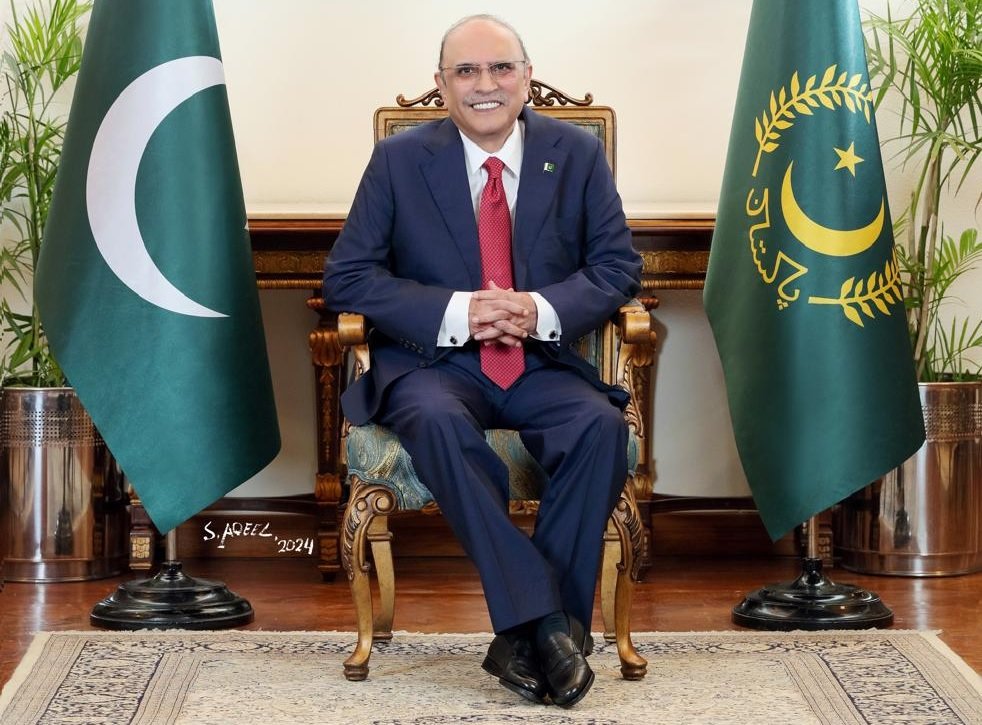
Islamabad, August 31, 2025, 01:55 PM PKT – Zardari Urges SCO to Boost Regional Trade at Summit Prep

President Asif Ali Zardari has called for enhanced cooperation within the Shanghai Cooperation Organization (SCO) to boost regional trade and address shared challenges. He made this appeal during a preparatory meeting for the upcoming SCO Summit on August 31, 2025. Economic Connectivity Drives Growth The President underscored the significance of the SCO platform in promoting economic connectivity among member states. He highlighted the necessity to tackle climate change and security threats together. “SCO can transform our region’s economic landscape,” Zardari told NEN. He emphasized that by focusing on trade integration, member nations can explore new market opportunities, thereby enhancing cross-border investment and commercial growth. CPEC’s Role in Trade Expansion Zardari emphasized Pakistan’s pivotal role in advancing the China-Pakistan Economic Corridor (CPEC) within the SCO framework. This initiative connects Central Asian markets via the Gwadar port, creating a crucial trade corridor for regional commerce and economic integration. Targets for Regional Integration The government has set ambitious economic targets for regional integration: $3 billion in trade deals targeted for 2026 Improved connectivity between Central Asia and regional markets Development of Gwadar port as a major trade hub Summit Agreements on Trade Facilitation Preparations for the Tianjin summit have concluded, with officials confirming that 10 agreements are ready for signing. These agreements will focus on trade facilitation and economic cooperation among SCO member states. The Foreign Office highlighted Pakistan’s initiative for an SCO climate fund to assist vulnerable nations, demonstrating the country’s commitment to tackling environmental challenges through regional cooperation. Support for Connectivity Vision Regional diplomats in Islamabad expressed support for Zardari’s vision of unity and economic integration. “Connectivity is our future,” stated an envoy, emphasizing the growing consensus on regional economic priorities. Stay updated at nenagency.com.

Business

Lahore, August 30, 2025, 12:15 AM PKT – NHA Chairman Orders Accelerated Flood-Damaged Road Repairs

National Highway Authority (NHA) Chairman Shehryar Sultan has mandated swift repairs for flood-damaged roads across Punjab. After thorough inspections on August 29, 2025, the goal is full connectivity by mid-September, requiring notable infrastructure investment. Infrastructure Assessment Chairman Sultan examined crucial sites, including the Eastern Bypass Lahore Ravi Bridge and Chand Bridge in Jhang. These essential junctions experienced severe flood damage, disrupting major trade routes. “We are mobilizing all resources for swift restoration,” Sultan informed NEN. This assessment revealed the need for urgent action to restore economic connectivity. Highway Rehabilitation Scale The rehabilitation project encompasses over 150 kilometers of national highways affected by flooding. The NHA is prioritizing the N-5 highway, Pakistan’s principal trade route, for immediate repairs. With 200 engineers deployed, this response is among the most extensive emergency infrastructure efforts in recent years, highlighting the significant investment necessary for complete restoration. Investment and Resource Allocation The National Highway Authority has earmarked Rs. 800 million for flood road repairs. This financial commitment reflects the government’s dedication to restoring vital infrastructure that supports regional trade and economic growth. Heavy machinery is placed at strategic locations like Multan and Sialkot. Key resource allocations include: 200 specialized engineers in affected zones Heavy machinery stationed in Multan and Sialkot Rs. 800 million emergency repair budget Coordination teams working with PDMA Recovery Progress on Trade Routes Collaborating with the Provincial Disaster Management Authority (PDMA), the NHA has cleared 15 critical blockages since August 27. This initiative has restored some access to isolated communities, enhancing trade activity resumption. Local communities have praised the rapid response, urging authorities to establish permanent flood defense systems. “Connectivity is vital for recovery,” remarked one resident, underlining the economic impact of infrastructure disruptions. Stay updated at nenagency.

Business, International

Rawalpindi, August 29, 2025, 03:11 AM PKT – RCCI Delegation Prepares for Bangladesh Trade Summit

The Rawalpindi Chamber of Commerce and Industry (RCCI) has finalized plans for an exporters’ delegation to Bangladesh. This announcement came on August 28, 2025, following discussions with Federal Minister for Commerce, Jam Kamal Khan. Trade Delegation Departs for Dhaka On September 5, 2025, a trade mission will depart for Dhaka comprising 30 business leaders. The mission aims to elevate Pakistan-Bangladesh trade above the $1 billion mark. RCCI President Usman Shaukat highlighted the importance of pharmaceuticals and textiles during this endeavor. Delegates are set to attend a crucial business summit in Dhaka to form new partnerships. Key Focus Areas for Trade Enhancement The trade mission focuses on fortifying trade relations between Pakistan and Bangladesh by: Establishing B2B linkages between companies of both nations Exploring joint ventures in pharmaceuticals and textiles Identifying non-traditional export sectors Creating market entry strategies for Pakistani exports Approximately 10 Memorandums of Understanding (MoUs) are expected during the summit, following recent bilateral discussions. Leadership in Pharmaceutical and Textile Exports Commerce Minister Jam Kamal Khan assured full government support for the mission. He noted the increasing demand for Pakistani products in Bangladesh, particularly in pharmaceuticals and textiles. The delegation includes 12 pharmaceutical companies, highlighting Pakistan’s export strengths. A chamber official stated, “This is a breakthrough for trade.” The mission aims to discover new export opportunities and bolster economic ties through sustainable business collaborations. Stay updated at nenagency.

Business

Islamabad, August 29, 2025, 02:23 AM PKT – Finance Minister, FPCCI Finalize Industrial Policy Incentives

Finance Minister Muhammad Aurangzeb and FPCCI President Atif Ikram Sheikh have finalized a comprehensive package of tax and energy incentives under Pakistan’s new industrial policy. Developed in consultation with Special Assistant to the Prime Minister Haroon Akhtar Khan and the Federation of Pakistan Chambers of Commerce and Industry (FPCCI) on August 28, 2025, these incentives aim to boost industrial growth. Aurangzeb expressed confidence, stating, “These measures will fuel industrial growth and job creation.” Tax Incentives for Growth The policy framework introduces strategic financial incentives to stimulate industrial activity and economic growth. Major incentives include: A 15% tax break for small and medium enterprises (SMEs) Reduced power tariffs for export-oriented manufacturing units Creation of 300,000 new jobs by 2028 Formation of eight specialized sub-committees for policy implementation The FPCCI will provide ongoing feedback to ensure reforms align with business needs and meet market conditions effectively. Energy Solutions for Competitiveness High energy costs have hindered industrial competitiveness in Pakistan. The new policy addresses this by lowering operational expenses through innovative solutions. A pilot program for solar-powered industrial zones is planned for Punjab by 2026. This initiative aims to reduce costs and improve export competitiveness in regional markets. Reduced power tariffs for export-oriented units are expected to strengthen Pakistan’s global trade position. Impact and Execution FPCCI President Sheikh emphasized the importance of rapid execution to improve Pakistan’s competitive edge globally and regionally. “This is a win for the economy,” Sheikh remarked, predicting that the policy will drive revenue growth and attract investment, bolstering the manufacturing sector. The policy combines tax relief, energy reforms, and job creation targets to position Pakistan as a competitive manufacturing hub. Implementation will commence immediately, overseen by the FPCCI and government committees. Stay updated at nenagency.

Scroll to Top