Finance

Finance – NEN Agency

Welcome to the Finance section of NEN Agency, your trusted guide to understanding money matters in Pakistan and the global economy. From banking reforms to stock market shifts, we cover the trends, policies, and innovations that shape personal and corporate finance.

Inside This Category

  • Banking & Monetary Policy: Updates on SBP decisions, interest rates, and banking sector performance.

  • Stock Market & Investments: Daily PSX movements, mutual funds, bonds, and investor insights.

  • Forex & Currency Trends: Exchange rate analysis and global currency market updates.

  • Personal Finance & Savings: Practical tips on budgeting, loans, and wealth management.

  • Fintech & Digital Banking: Emerging technologies transforming Pakistan’s financial landscape.

Why Our Finance Coverage Stands Out
We translate complex financial jargon into clear, actionable information. Our reporting blends data, expert analysis, and real-world examples so readers can make confident financial decisions.

Budget, Business, Finance, Pakistan

Pakistan Proposes Income Tax Relief for FY 2026-27

ISLAMABAD — The government has introduced income tax relief measures for the fiscal year 2026-27, aiming to support salaried individuals and boost economic growth. Income Tax Relief for Salaried Taxpayers Salaried taxpayers can look forward to reduced income tax rates, with notable adjustments including: Restructuring of tax slabs Raising the 35% tax rate threshold from Rs. 4.1 million to Rs. 7 million These changes aim to provide significant relief to taxpayers. Incentives for the Real Estate Sector To stimulate the real estate sector, the government has unveiled several incentives. These measures include: Flat advance tax rates on the sale and purchase of immovable property, set at 2.75% and 1.5% respectively Abolition of taxation on deemed income from immovable property, removing Section 7E on capital asset taxation Super Tax Reductions and Benefits for Export Sector Adjustments to Super Tax For individuals earning over Rs. 500 million, the super tax rate is reduced from 10% to 8%, although this adjustment does not affect the banking, energy, and fertilizer sectors. Benefits for Export Sector Exporters are offered benefits such as: Reduction in the tax rate from 2% to 1.25% An extension of the 0.25% concessionary tax rate for IT and IT-enabled services until 2029 Encouraging Digital Transactions To promote digital transactions, the advance tax on foreign payments via cards has been decreased from 5% to 0.5%. Moreover, businesses investing in electronic resources that integrate with the Federal Board of Revenue’s computerized systems can receive up to a 10% tax credit. Additionally, the advance tax on foreign television plays and advertisements has been abolished.

Budget, Business, Finance, Pakistan

Finance Minister Unveils Rs18.771 Trillion Budget for 2026-27

ISLAMABAD — Federal Minister for Finance and Revenue Senator Muhammad Aurangzeb has unveiled the federal budget for the fiscal year 2026-27. The budget amounts to Rs18.771 trillion, marking a 6.81% increase from the previous year’s Rs17.573 trillion allocation. Focus on Economic Growth The finance minister emphasized that the budget primarily aims to foster economic growth. The focus is on maintaining fiscal responsibility while addressing crucial financial sectors. These strategies are essential as the government manages ongoing economic challenges. Commitment to Sustainable Development Aurangzeb highlighted the government’s dedication to sustainable development. He presented several initiatives designed to strengthen various economic sectors. Efforts will center on the efficient management of public resources to achieve national development goals.

Cryptocurrencies
Business, Finance, Market, Markets

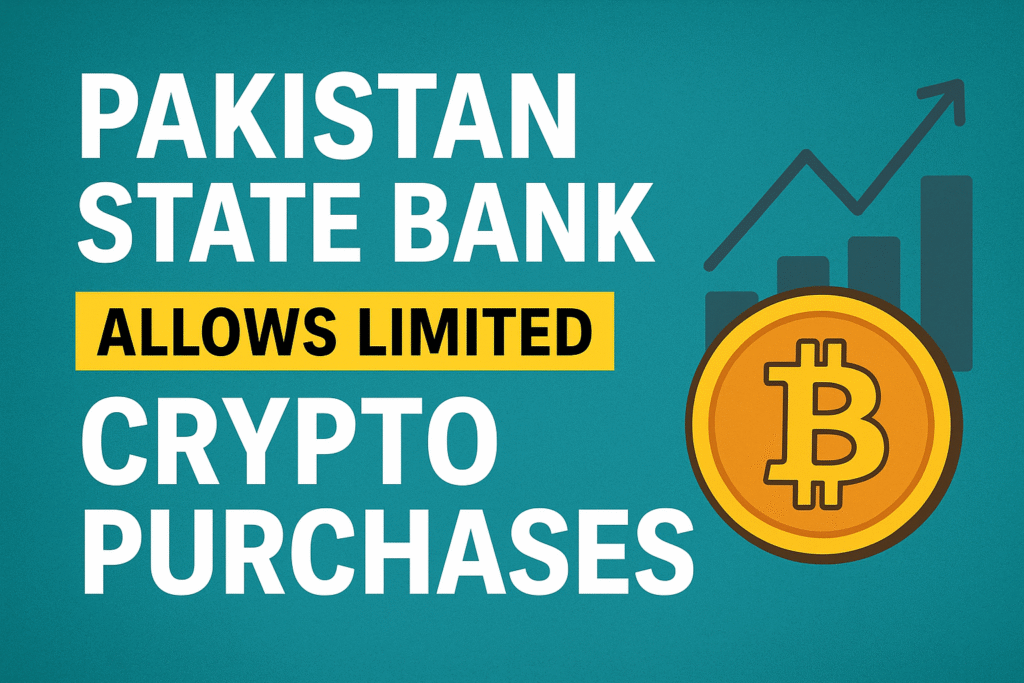
Pakistan State Bank to Allow Cryptocurrencies | Limited Option

ISLAMABAD – The State Bank of Pakistan (SBP) has announced a landmark shift, allowing limited cryptocurrency trading with strict regulatory controls. Controlled Market Access In 2018, the SBP banned all cryptocurrency transactions, prohibiting banks from facilitating such activities due to concerns about money laundering and market volatility. Nonetheless, citizens continued to engage in crypto trading through peer-to-peer platforms and international exchanges. The SBP now aims to regulate these informal transactions by implementing strict volume controls and mandatory user verifications. Economic Pressures and Policy Shift Several economic factors have contributed to this policy shift, including rising inflation, currency depreciation, and declining foreign reserves that strain traditional financial systems. Remittances, which contribute billions annually, stand to benefit from cryptocurrency’s faster and cheaper cross-border transfers. A young, tech-savvy population and a burgeoning IT sector increase the demand for digital financial services in Pakistan. The new regulatory framework aims to cater to this demographic while enforcing necessary safeguards. Regulatory Framework Features Although still under development, preliminary guidelines outline significant restrictions on cryptocurrency trading: Monthly transaction limits range from $100 to $500 per person Mandatory Know Your Customer (KYC) verification with CNIC and bank account linkage Trading is limited to SBP-approved cryptocurrency exchanges All transactions must be routed through registered local banks for monitoring Comprehensive transaction reporting requirements for compliance These measures aim to balance market access while maintaining financial security and oversight. Pros and Cons of Regulated Trading Regulated cryptocurrency access could enhance financial inclusion for unbanked populations and reduce dependence on informal hawala systems, boosting Pakistan’s fintech sector. Formalizing crypto transactions aids tax compliance, increases revenue collection, and offers consumer protections absent in unregulated trading. Integrating crypto into the banking system helps monitor capital flows, aligning with SBP’s objectives. Investor Risks and Challenges Cryptocurrency markets carry volatility risks, with price fluctuations that may lead to substantial losses for inexperienced investors. Even with regulatory structures, fraud risks, tax evasion, and cybersecurity threats persist, justifying the State Bank’s cautious approach. The banking sector requires significant investment in technology infrastructure to enable secure crypto transactions, necessitating capital and staff training. Future Prospects for Digital Currency This regulatory framework serves as a controlled pilot for the Pakistani market. Successful implementation could raise transaction limits, expand cryptocurrency options, and increase market participation. The State Bank will closely track developments to ensure a smooth evolution of regulations.

Scroll to Top