

Pakistan

News related to Pakistan in Pakistan and around the world.

Pakistan

Lahore High Court Dismisses Plea to Delay MDCAT Scheduled for August 16

LAHORE — The Lahore High Court (LHC) on Thursday dismissed a petition requesting the postponement of the Medical and Dental College Admission Test (MDCAT) slated for August 16. The decision came after a hearing presided over by Justice Mirza Waqas Rauf, who evaluated the arguments presented by the petitioner, an FSc student named Talha, and the Pakistan Medical and Dental Council (PMDC). What Happened The petition was filed by Talha, who argued through his legal counsel that the timing of the MDCAT was problematic for many students currently engaged in their FSc practical examinations. The petitioner contended that the overlap of these academic commitments left insufficient time for students to adequately prepare for the crucial entrance test, potentially jeopardizing their future academic prospects. During the proceedings, Justice Rauf inquired whether the students would be rendered ineligible to sit for the MDCAT due to the scheduling conflict. The PMDC’s counsel assured the court that all eligible students would be permitted to take the exam. The judge further questioned the petitioner’s counsel about the core issue if eligibility was not a concern. The counsel reiterated that the primary issue was the lack of adequate preparation time for the students. Despite the presence of numerous students outside the courtroom in support of the petition, the court emphasized the focus on the individual petitioner before it. Justice Rauf remarked, “Only one petitioner is before us. Why are you claiming to represent everyone?” Following the presentation of arguments from both sides, the court decided to dismiss the plea, thereby maintaining the original schedule for the MDCAT examination. Background The MDCAT is a standardized test conducted annually for students seeking admission to medical and dental colleges across Pakistan. It serves as a critical gateway for aspiring medical professionals, determining their eligibility for further education in the medical field. The test is organized by the PMDC, which sets the schedule and guidelines for the examination process. Historically, the MDCAT has been a subject of contention due to its timing and the pressure it places on students already burdened with regular academic commitments. The overlap with FSc examinations has been a recurring issue, with students and educators frequently calling for better coordination between examination schedules to alleviate stress on students. Why It Matters The court’s decision to uphold the scheduled date for the MDCAT carries significant implications for the students involved and the broader educational framework in Pakistan. For the students, the ruling means they must balance their ongoing FSc practical exams with preparation for the MDCAT, a task that many find challenging due to the demanding nature of both assessments. From an educational policy perspective, the case highlights the need for more synchronized scheduling of examinations to prevent such conflicts in the future. The decision underscores the importance of effective communication and planning between different educational bodies to ensure that students are not unduly disadvantaged by overlapping academic requirements. Moreover, the ruling may set a precedent for how similar cases are handled in the future, potentially influencing the approach of educational authorities towards scheduling and student welfare considerations. The court’s emphasis on individual representation also points to the need for collective action and formal representation in addressing systemic issues within the educational sector. Key Takeaways The Lahore High Court dismissed a petition to postpone the MDCAT scheduled for August 16. The petitioner argued that the timing conflicted with ongoing FSc practical exams, affecting preparation time. The court emphasized that all eligible students would be allowed to sit for the MDCAT. The decision highlights the need for better coordination in examination scheduling to avoid student stress. The case may influence future educational policy and scheduling practices in Pakistan. Source Attribution This article is based on official government statements, press releases, and public communications from relevant authorities. Author: NEN Editorial Desk | Editor: NEN Newsroom | Fact Checked By: NEN Editorial Team Author: NEN Editorial Desk  |  Editor: NEN Newsroom  |  Last Updated: August 06, 2026  |  Source: Press Release from Government of Pakistan This article was produced by the NEN Editorial Desk in accordance with NEN Agency’s Editorial Policy and Fact-Checking Policy.
Pakistan

Committee Urges Swift Creation of Hostels for Working Women in Islamabad

ISLAMABAD — The Special Committee on Gender Mainstreaming has called for the urgent establishment of hostels for working women in Islamabad. This recommendation aims to address the increasing accommodation needs of women in the workforce and foster their participation in economic activities. What Happened On Thursday, the Special Committee on Gender Mainstreaming reiterated its call for the federal government to prioritize the creation of Working Women Hostels in the federal capital. The committee emphasized that providing safe and affordable housing is crucial for supporting women who contribute to various sectors of the economy. According to the committee, the lack of adequate accommodation options has been a significant barrier to women’s full participation in the workforce. The committee’s recommendation highlights the growing demand for housing solutions tailored to the needs of working women. As more women enter the workforce, the need for secure and affordable living arrangements becomes increasingly pressing. The committee believes that establishing such hostels will not only support women in their professional endeavors but also contribute to broader economic growth. In its session, the committee discussed the challenges faced by working women, particularly those who relocate to Islamabad for employment opportunities. The absence of suitable housing options often forces women to either spend a substantial portion of their income on rent or live in less secure environments. The proposed hostels are envisioned to provide a safe, affordable, and conducive living environment, enabling women to focus on their careers without the added stress of housing insecurity. Background Historically, the issue of inadequate housing for working women has been a persistent challenge in Pakistan. The capital city, Islamabad, being a hub for government and private sector jobs, attracts a significant number of women seeking employment. However, the city’s housing infrastructure has not kept pace with the growing demand, leaving many women with limited options. Previous attempts to address this issue have included proposals for public-private partnerships to develop women-specific housing projects. However, progress has been slow due to bureaucratic hurdles and funding constraints. The renewed call by the Special Committee on Gender Mainstreaming reflects an ongoing effort to bring this issue to the forefront of policy discussions. Why It Matters The establishment of Working Women Hostels in Islamabad is not just a matter of providing accommodation; it is a critical step towards achieving gender equality in the workplace. By ensuring that women have access to safe and affordable housing, the government can remove a significant barrier to their economic participation. Economically, facilitating women’s entry and retention in the workforce can lead to substantial gains. Studies have shown that increasing women’s participation in the labor force can boost a country’s GDP and foster economic resilience. For Pakistan, where women constitute nearly half of the population, tapping into this potential is essential for sustainable development. Socially, providing adequate housing for working women can empower them to pursue career opportunities without compromising their safety and well-being. It can also set a precedent for other cities in Pakistan to follow, promoting a more inclusive approach to urban planning and development. Politically, the committee’s recommendation aligns with Pakistan’s commitments to international gender equality frameworks, such as the United Nations Sustainable Development Goals. By addressing the housing needs of working women, the government can demonstrate its commitment to these global standards and enhance its international standing. Key Takeaways The Special Committee on Gender Mainstreaming has urged the federal government to prioritize the establishment of Working Women Hostels in Islamabad. The recommendation addresses the growing accommodation needs of women in the workforce. Providing safe and affordable housing is crucial for supporting women’s economic participation. Addressing this issue can lead to significant economic and social benefits for Pakistan. The initiative aligns with international gender equality commitments and can enhance Pakistan’s global standing. Source Attribution This article is based on official government statements, press releases, and public communications from relevant authorities. Author: NEN Editorial Desk | Editor: NEN Newsroom | Fact Checked By: NEN Editorial Team Author: NEN Editorial Desk  |  Editor: NEN Newsroom  |  Last Updated: August 06, 2026  |  Source: NEN Reporter This article was produced by the NEN Editorial Desk in accordance with NEN Agency’s Editorial Policy and Fact-Checking Policy.

Pakistan

Begum Shahi Mosque Endangered by Seepage and Encroachments

LAHORE — The historic Begum Shahi Mosque, a prominent Mughal-era monument in Lahore, is currently facing significant structural threats due to ongoing water seepage and illegal encroachments, according to officials on Thursday. Despite ongoing conservation efforts, these issues continue to pose serious risks to the integrity of the mosque. What Happened The Begum Shahi Mosque, constructed during the reign of Mughal Emperor Jahangir in the early 17th century, is experiencing severe structural challenges. Officials have reported that persistent water seepage is damaging the mosque’s foundations, while illegal encroachments are further exacerbating the situation. The mosque, often referred to as the ‘Mother of All Mosques’ due to its historical significance, is a vital part of Lahore’s architectural heritage. Conservation efforts have been underway for several years, aiming to preserve the mosque’s intricate frescoes and structural integrity. However, the continuous seepage has led to damp conditions that threaten the mosque’s walls and ceilings. An official from the Punjab Archaeology Department stated, “The seepage issue is critical and needs immediate attention to prevent irreversible damage.” In addition to the water-related issues, the mosque is surrounded by illegal encroachments that hinder conservation efforts. These encroachments not only obstruct access to the site for maintenance work but also contribute to the deterioration of the mosque’s surroundings. Local authorities have been urged to take swift action to remove these encroachments and facilitate the preservation of the mosque. Background The Begum Shahi Mosque holds a significant place in Pakistan’s cultural and historical landscape. Built in 1614 by Empress Nur Jahan, the mosque is a testament to the architectural prowess of the Mughal era. It served as a model for later Mughal mosques, including the famous Badshahi Mosque. Over the centuries, the mosque has witnessed numerous restoration projects, yet it continues to face challenges due to urban development and lack of adequate maintenance. In recent years, the Punjab government has initiated several conservation projects aimed at preserving the mosque’s unique architectural features. However, these efforts have often been hampered by administrative hurdles and insufficient funding. The mosque’s location in a densely populated area of Lahore further complicates conservation efforts, as urban encroachments continue to threaten its structural stability. Why It Matters The plight of the Begum Shahi Mosque underscores the broader challenges faced by heritage sites in Pakistan. As urbanization accelerates, many historic sites are at risk of being overshadowed by modern development. The mosque’s deterioration not only threatens a piece of Pakistan’s cultural heritage but also highlights the need for more robust policies to protect such sites. Economically, heritage sites like the Begum Shahi Mosque have the potential to boost tourism, contributing to local economies. However, without proper preservation, these opportunities may be lost. The mosque’s current state of disrepair could deter tourists and historians, impacting the cultural tourism sector in Lahore. Socially, the mosque serves as a place of worship and community gathering, making its preservation vital for maintaining cultural identity. The loss of such a site would be a significant blow to the community’s historical consciousness and identity. Key Takeaways The Begum Shahi Mosque is facing structural threats due to water seepage and illegal encroachments. Conservation efforts are ongoing but are hindered by administrative challenges and urban encroachment. The mosque is a significant cultural and historical site, reflecting Mughal architectural heritage. Preservation of the mosque is crucial for cultural tourism and community identity in Lahore. There is an urgent need for effective policies to protect heritage sites amid urban development. Source Attribution This article is based on official government statements, press releases, and public communications from relevant authorities. Author: NEN Editorial Desk | Editor: NEN Newsroom | Fact Checked By: NEN Editorial Team Author: NEN Editorial Desk  |  Editor: NEN Newsroom  |  Last Updated: August 06, 2026  |  Source: NEN Reporter This article was produced by the NEN Editorial Desk in accordance with NEN Agency’s Editorial Policy and Fact-Checking Policy.
Pakistan

Gold Prices Surge by Rs11,300 Per Tola in Pakistan

ISLAMABAD — Gold prices in Pakistan experienced a significant rise on Thursday as the rate for 24-karat gold per tola increased by Rs11,300, reaching Rs449,236. This surge was reported by the All Pakistan Sarafa Gems and Jewellers Association, reflecting the ongoing volatility in the precious metals market. What Happened The local gold market saw a substantial price hike, with 24-karat gold per tola now priced at Rs449,236. This increase of Rs11,300 marks a notable shift in the market, as reported by the All Pakistan Sarafa Gems and Jewellers Association. The association regularly provides updates on gold prices, which are closely monitored by investors and traders alike. The rise in gold prices is attributed to various factors, including international market trends and fluctuations in the value of the Pakistani rupee. The global gold market has been experiencing instability due to economic uncertainties, which often leads to increased demand for gold as a safe-haven asset. Additionally, local currency depreciation against the US dollar can further exacerbate the rise in gold prices domestically. According to market analysts, the current economic conditions, both globally and locally, are contributing to the unpredictability of gold prices. “The increase in gold prices is largely driven by the international market dynamics and the weakening of the Pakistani rupee,” stated a representative from the All Pakistan Sarafa Gems and Jewellers Association. Background Gold has traditionally been a popular investment in Pakistan, often seen as a hedge against inflation and currency devaluation. The country’s gold market is influenced by both international market trends and domestic economic conditions. Historically, gold prices in Pakistan have shown a tendency to rise during periods of economic uncertainty or when the local currency faces devaluation pressures. The All Pakistan Sarafa Gems and Jewellers Association plays a crucial role in setting and announcing gold prices in the country. The association’s rates are widely accepted and used as a benchmark by jewelers and traders across Pakistan. The association’s announcements are based on a combination of international gold market trends and local market conditions. Why It Matters The surge in gold prices holds significant implications for various stakeholders in Pakistan. For investors, the increase represents an opportunity to capitalize on the rising value of gold, which is often considered a stable investment during times of economic uncertainty. However, for consumers, particularly those planning weddings or other events that traditionally involve gold purchases, the price hike could pose financial challenges. Economically, the rise in gold prices can impact the country’s trade balance. As gold becomes more expensive, the cost of imports may rise, potentially affecting the overall trade deficit. This could lead to further pressure on the Pakistani rupee, which has already been facing depreciation against major currencies. Socially, the increase in gold prices may affect cultural practices and traditions that involve gold, such as dowries and gifts during weddings. Families may need to adjust their budgets or seek alternatives to gold, which could impact the local jewelry industry. On an international level, the fluctuation in gold prices reflects broader economic trends, including inflation concerns and geopolitical tensions. As countries navigate these challenges, gold remains a critical asset for both individual and institutional investors. Key Takeaways Gold prices in Pakistan rose by Rs11,300 per tola, reaching Rs449,236. The increase is attributed to international market trends and local currency depreciation. The All Pakistan Sarafa Gems and Jewellers Association provides regular updates on gold prices. The rise impacts investors, consumers, and the broader economic landscape in Pakistan. Gold remains a critical asset amid global economic uncertainties. Source Attribution This article is based on official government statements, press releases, and public communications from relevant authorities. Author: NEN Editorial Desk | Editor: NEN Newsroom | Fact Checked By: NEN Editorial Team Author: NEN Editorial Desk  |  Editor: NEN Newsroom  |  Last Updated: August 06, 2026  |  Source: NEN Reporter This article was produced by the NEN Editorial Desk in accordance with NEN Agency’s Editorial Policy and Fact-Checking Policy.
Pakistan

PSX Investor Base Exceeds 600,000 Mark, Says Finance Ministry

ISLAMABAD — The Pakistan Stock Exchange (PSX) has achieved a significant milestone with its investor base surpassing 600,000 for the first time, according to the Ministry of Finance. As of July 2026, the total number of investors reached 607,025, indicating a growing confidence in the country’s capital markets. What Happened The Ministry of Finance announced that the PSX’s investor base has grown to 607,025 individuals, marking a new high in the history of Pakistan’s stock market. This development comes as the PSX continues to attract a diverse range of investors, including both domestic and international participants. The increase in the number of investors is seen as a positive sign of the market’s resilience and its ability to draw interest despite global economic uncertainties. According to the Finance Ministry, this growth in the investor base reflects a broader trend of increasing participation in financial markets by the Pakistani public. The Ministry attributed this rise to several factors, including improved market regulations, enhanced investor awareness programs, and the introduction of new financial products that cater to a wider audience. In a statement, a spokesperson for the Ministry of Finance highlighted the significance of this achievement, stating, “The surpassing of the 600,000 investor mark is a testament to the robust performance of the PSX and the growing trust of investors in the capital markets of Pakistan.” The spokesperson also noted that the government remains committed to further strengthening the regulatory framework to ensure a fair and transparent market environment. Background The Pakistan Stock Exchange has been a pivotal institution in the country’s financial landscape since its inception. Over the years, it has undergone several transformations, including the merger of the Karachi, Lahore, and Islamabad stock exchanges into a single entity in 2016. This consolidation aimed to streamline operations and enhance the efficiency of the capital market. Historically, the PSX has faced challenges such as market volatility, political instability, and economic fluctuations. However, various reforms and initiatives have been implemented to stabilize the market and attract more investors. These include the introduction of new trading systems, the establishment of a regulatory framework in line with international standards, and efforts to increase market transparency. Why It Matters The growth in the PSX investor base is significant for several reasons. Economically, it signals increased public engagement with the stock market, which can lead to greater capital formation and investment in the economy. A larger investor base also enhances market liquidity, making it easier for companies to raise capital through equity offerings. Socially, the rise in the number of investors reflects a shift in the financial behavior of the Pakistani population, with more individuals seeking to diversify their investment portfolios and participate in the wealth creation process. This trend is supported by educational initiatives aimed at improving financial literacy and encouraging investment in capital markets. Politically, a robust stock market is often seen as a barometer of economic health and stability. The government’s ability to foster a conducive environment for investment can enhance its credibility and attract foreign direct investment, which is crucial for economic growth and development. Internationally, the PSX’s growth can improve Pakistan’s standing in global financial markets, potentially leading to increased foreign investment and partnerships. As the investor base expands, the PSX may also become more attractive to international investors looking for opportunities in emerging markets. Key Takeaways The PSX investor base has surpassed 600,000, reaching 607,025 in July 2026. This growth reflects increased confidence in Pakistan’s capital markets. Factors contributing to this rise include improved regulations and investor awareness. The expansion of the investor base enhances market liquidity and capital formation. Internationally, the PSX’s growth may attract more foreign investment. Source Attribution This article is based on official government statements, press releases, and public communications from relevant authorities. Author: NEN Editorial Desk | Editor: NEN Newsroom | Fact Checked By: NEN Editorial Team Author: NEN Editorial Desk  |  Editor: NEN Newsroom  |  Last Updated: August 06, 2026  |  Source: Press Release from Ministry of Finance This article was produced by the NEN Editorial Desk in accordance with NEN Agency’s Editorial Policy and Fact-Checking Policy.
Pakistan

PSX Rally Continues as KSE-100 Index Gains 1,761 Points

ISLAMABAD — The Pakistan Stock Exchange (PSX) continued its upward trajectory on Thursday as the benchmark KSE-100 Index surged by 1,761.66 points, marking a 0.98 percent increase. The index closed at 181,776.60 points, up from the previous close of 180,014.93 points, reflecting sustained investor confidence in the market. What Happened The KSE-100 Index of the Pakistan Stock Exchange experienced a significant boost on Thursday, extending its rally with a gain of 1,761.66 points. This increase represents a positive change of 0.98 percent, bringing the index to a close of 181,776.60 points. The previous trading session saw the index at 180,014.93 points, indicating a robust performance in the current session. Market analysts attribute this bullish trend to several factors, including positive investor sentiment driven by recent economic indicators and policy measures. The rally was supported by increased trading volumes and positive movements in key sectors such as banking, cement, and oil and gas. A market analyst noted, “The current rally is a reflection of improved investor confidence, buoyed by recent economic data and policy stability.” Furthermore, foreign investment inflows have contributed to the positive market sentiment. According to data from the PSX, foreign investors have shown renewed interest in Pakistani equities, further bolstering the market’s performance. The increase in the index is also seen as a response to the government’s recent economic policies aimed at stabilizing the economy and encouraging investment. Background The Pakistan Stock Exchange has been experiencing fluctuations in recent months due to various economic and political factors. Historically, the KSE-100 Index is a key indicator of market performance and investor sentiment in Pakistan. The index comprises the top 100 companies by market capitalization and is widely used as a benchmark for the overall health of the stock market. In recent years, the PSX has faced challenges such as political instability, economic uncertainty, and external economic pressures. However, recent policy measures by the government, including fiscal reforms and efforts to attract foreign investment, have contributed to a more stable economic environment. These measures have been instrumental in restoring investor confidence and driving the recent rally in the stock market. Why It Matters The continued rally of the KSE-100 Index is significant for several reasons. Economically, it reflects growing investor confidence in Pakistan’s market, which is crucial for attracting both domestic and foreign investment. A strong stock market can lead to increased capital flows into the country, supporting economic growth and development. Socially, a thriving stock market can have a positive impact on employment and income levels. As companies perform well and their stock prices rise, they are more likely to expand operations, create jobs, and contribute to economic prosperity. This can lead to improved living standards and economic opportunities for citizens. Politically, the performance of the stock market is often seen as a barometer of government effectiveness in managing the economy. A rising index can enhance the government’s credibility and strengthen its position in implementing further economic reforms. It also signals to international investors that Pakistan is a stable and attractive destination for investment. Internationally, a robust stock market performance can improve Pakistan’s standing in global financial markets. It can lead to better credit ratings, lower borrowing costs, and increased foreign direct investment. This, in turn, can contribute to a more resilient and diversified economy, less vulnerable to external shocks. Key Takeaways The KSE-100 Index gained 1,761.66 points, closing at 181,776.60 points. Positive investor sentiment and foreign investment inflows contributed to the rally. The stock market’s performance reflects confidence in recent economic policies. A strong stock market can lead to economic growth and job creation. Improved market performance enhances Pakistan’s international economic standing. Source Attribution This article is based on official government statements, press releases, and public communications from relevant authorities. Author: NEN Editorial Desk | Editor: NEN Newsroom | Fact Checked By: NEN Editorial Team Author: NEN Editorial Desk  |  Editor: NEN Newsroom  |  Last Updated: August 06, 2026  |  Source: NEN Reporter This article was produced by the NEN Editorial Desk in accordance with NEN Agency’s Editorial Policy and Fact-Checking Policy.
Pakistan

KPRA Director Engages Interns, Evaluates Practical Training

PESHAWAR — Director General of the Khyber Pakhtunkhwa Revenue Authority (KPRA), Irum Naz, engaged with interns to assess their learning experiences and practical training. The session took place at the KPRA’s Iftikhar Qutab Memorial Hall, providing a platform for interns to discuss their experiences and insights gained during their tenure. What Happened The session, held in Peshawar, was organized to facilitate an interactive dialogue between the Director General and the interns who have been working in various departments of the KPRA. Irum Naz emphasized the importance of practical exposure in enhancing the skills and competencies of young professionals entering the workforce. She stated, “The hands-on experience gained during internships is invaluable for young professionals, as it bridges the gap between academic knowledge and practical application.” During the session, interns shared their experiences working in different wings of the KPRA, including tax collection, compliance, and policy implementation. They highlighted the challenges faced and the skills acquired during their internship period. The Director General encouraged the interns to continue their professional development and to apply the knowledge gained in their future careers. The event also included presentations by the interns, showcasing the projects they worked on and the outcomes achieved. The presentations covered a range of topics, from improving tax collection mechanisms to enhancing compliance strategies. Irum Naz commended the interns for their hard work and dedication, noting that their contributions have positively impacted the Authority’s operations. Background The Khyber Pakhtunkhwa Revenue Authority was established to streamline tax collection and improve revenue generation in the province. It plays a crucial role in implementing tax policies and ensuring compliance with provincial tax laws. Internships at KPRA are designed to provide young professionals with exposure to the workings of a revenue authority and to prepare them for careers in public administration and finance. Internship programs like the one at KPRA are part of a broader initiative by the government to enhance the employability of graduates by providing them with practical experience. These programs aim to equip interns with the necessary skills to succeed in a competitive job market and to contribute effectively to the public sector. Why It Matters The interaction between the KPRA Director General and the interns underscores the importance of practical training in the professional development of young graduates. In a country where the job market is highly competitive, internships provide a critical pathway for students to gain real-world experience and to apply their academic knowledge in practical settings. For the KPRA, engaging with interns is not only about providing training but also about fostering a new generation of professionals who are well-versed in the intricacies of tax administration and public finance. This initiative helps build a skilled workforce that can contribute to the efficiency and effectiveness of public sector operations, ultimately benefiting the province’s economy. Furthermore, such programs play a significant role in addressing the skills gap in Pakistan’s labor market. By equipping interns with practical skills and knowledge, the KPRA is helping to prepare them for future roles in both the public and private sectors, thereby enhancing their employability and career prospects. Key Takeaways Director General Irum Naz engaged with KPRA interns to review their learning experiences. The session included presentations by interns on their projects and achievements. Internships at KPRA provide practical exposure to tax administration and public finance. Such programs are crucial for bridging the skills gap in Pakistan’s labor market. The initiative supports the professional development of young graduates, enhancing their employability. Source Attribution This article is based on official statements and public communications from the Khyber Pakhtunkhwa Revenue Authority. Author: NEN Editorial Desk | Editor: NEN Newsroom | Fact Checked By: NEN Editorial Team Author: NEN Editorial Desk  |  Editor: NEN Newsroom  |  Last Updated: August 06, 2026  |  Source: NEN Reporter This article was produced by the NEN Editorial Desk in accordance with NEN Agency’s Editorial Policy and Fact-Checking Policy.
Pakistan

ICCI and RTO Islamabad Collaborate to Facilitate Taxpayers

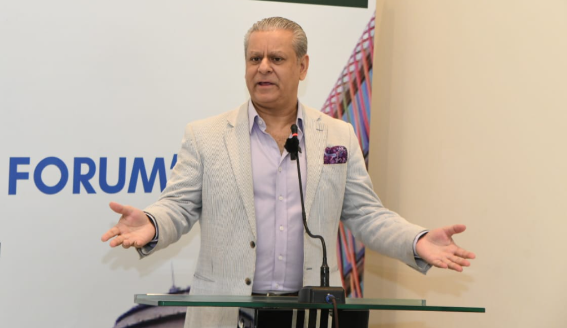
ISLAMABAD — The Islamabad Chamber of Commerce and Industry (ICCI) and the Regional Tax Office (RTO) Islamabad have announced a collaborative initiative to facilitate taxpayers. This decision was reached during a meeting on Thursday between ICCI President Sardar Tahir Mehmood and RTO Islamabad Chief Commissioner Yasmin Fatima. The initiative aims to enhance cooperation between the tax administration and the business community to streamline tax processes and improve compliance. What Happened During the meeting held in Islamabad, ICCI President Sardar Tahir Mehmood and Chief Commissioner Yasmin Fatima discussed various strategies to ease the tax filing process for businesses and individuals. The two leaders emphasized the importance of a cooperative approach to address the challenges faced by taxpayers. “Our goal is to create a more taxpayer-friendly environment that encourages compliance and boosts economic activity,” stated Yasmin Fatima. The joint facilitation drive will focus on providing guidance and support to taxpayers, particularly small and medium enterprises (SMEs), which often struggle with complex tax regulations. The initiative will include workshops, seminars, and one-on-one sessions to educate taxpayers about their obligations and the benefits of compliance. Sardar Tahir Mehmood highlighted the need for regular communication between the tax authorities and the business community to ensure that policies are effectively implemented and understood. Both parties agreed to establish a dedicated help desk at the ICCI office to assist taxpayers with their queries and concerns. This help desk will serve as a liaison between the RTO and the business community, ensuring that issues are promptly addressed and resolved. Background The collaboration between ICCI and RTO Islamabad comes in the wake of ongoing efforts by the government to increase the tax net and improve revenue collection. Historically, Pakistan has faced challenges in broadening its tax base, with a significant portion of the economy operating in the informal sector. The government has introduced various measures to encourage formalization and compliance, including tax amnesty schemes and digitalization of tax processes. In recent years, the Federal Board of Revenue (FBR) has been working to modernize the tax system and make it more accessible to taxpayers. Initiatives such as online tax filing and automated systems have been introduced to reduce the burden on taxpayers and minimize human interaction, thereby reducing opportunities for corruption and inefficiency. Why It Matters The joint facilitation drive by ICCI and RTO Islamabad is significant for several reasons. Economically, it aims to improve tax compliance, which is crucial for increasing government revenue and funding public services. By making the tax system more accessible and understandable, the initiative could lead to higher compliance rates, thereby expanding the tax base. Socially, the initiative seeks to build trust between taxpayers and the tax authorities. Many businesses and individuals perceive the tax system as cumbersome and opaque, leading to reluctance in compliance. By providing direct support and education, the initiative can help demystify the process and encourage voluntary compliance. Politically, this collaboration reflects the government’s commitment to reforming the tax system and addressing the concerns of the business community. It aligns with broader efforts to improve the ease of doing business in Pakistan, which is essential for attracting foreign investment and boosting economic growth. Key Takeaways The ICCI and RTO Islamabad are launching a joint facilitation drive to support taxpayers. The initiative will focus on educating SMEs and improving tax compliance. A dedicated help desk will be established at the ICCI office for taxpayer assistance. The collaboration aims to broaden the tax base and increase government revenue. This effort is part of broader tax system reforms to enhance economic growth. Source Attribution This article is based on official government statements, press releases, and public communications from relevant authorities. Author: NEN Editorial Desk | Editor: NEN Newsroom | Fact Checked By: NEN Editorial Team Author: NEN Editorial Desk  |  Editor: NEN Newsroom  |  Last Updated: August 06, 2026  |  Source: NEN Reporter This article was produced by the NEN Editorial Desk in accordance with NEN Agency’s Editorial Policy and Fact-Checking Policy.
Pakistan

National Bank Of Pakistan Releases Updated Currency Exchange Rates

KARACHI — The National Bank of Pakistan (NBP) has released the latest currency exchange rates for major foreign currencies, effective Thursday. These rates are critical for businesses, traders, and individuals dealing in foreign exchange, as they provide a benchmark for currency transactions across the country. What Happened The NBP announced the updated buying and selling rates for several major currencies, reflecting the ongoing fluctuations in the global foreign exchange market. As of Thursday, the US dollar (USD) is being sold at 279.54 Pakistani rupees, while the buying rate is 276.54 rupees. The British pound (GBP) is set at a selling rate of 376.26 rupees and a buying rate of 371.83 rupees. For the euro (EUR), the selling rate is 322.81 rupees, with a buying rate of 319.02 rupees. The Japanese yen (JPY) is priced at 1.7722 rupees for selling and 1.7513 rupees for buying. Among the Gulf currencies, the United Arab Emirates dirham (AED) is being sold at 74.44 rupees and bought at 73.55 rupees, while the Saudi riyal (SAR) has a selling rate of 76.11 rupees and a buying rate of 75.21 rupees. These rates are determined by the NBP based on the current market conditions and are subject to change as per the fluctuations in international currency markets. The NBP regularly updates these rates to ensure they reflect the most accurate and current market conditions. Background The National Bank of Pakistan, established in 1949, is one of the largest commercial banks in the country and plays a significant role in Pakistan’s banking sector. It is responsible for providing financial services to the government and the public, including foreign exchange services. The exchange rates set by NBP are crucial for importers, exporters, and individuals who need to convert foreign currency into Pakistani rupees and vice versa. Historically, Pakistan’s currency exchange rates have been influenced by various factors, including international trade balances, foreign investment inflows, and global economic conditions. The State Bank of Pakistan, the country’s central bank, also plays a role in stabilizing the currency through monetary policy measures and foreign exchange interventions. Why It Matters The release of updated currency exchange rates by the NBP is significant for several reasons. Firstly, it directly impacts the cost of imports and exports, affecting businesses involved in international trade. A higher exchange rate for foreign currencies can increase the cost of imported goods, leading to inflationary pressures in the domestic market. Conversely, a lower exchange rate can make exports more competitive, potentially boosting the country’s trade balance. For individuals, especially those who receive remittances from abroad or are planning to travel internationally, these rates determine how much foreign currency they can obtain for their Pakistani rupees. Fluctuations in these rates can affect their purchasing power and financial planning. On a broader scale, the exchange rates are a reflection of the country’s economic health. Persistent depreciation of the Pakistani rupee can indicate underlying economic challenges, such as trade deficits or low foreign exchange reserves. This can affect investor confidence and have implications for the country’s economic stability. Key Takeaways The NBP has updated its currency exchange rates, affecting major currencies like USD, GBP, and EUR. These rates are crucial for businesses and individuals involved in foreign exchange transactions. Exchange rate fluctuations impact import costs, export competitiveness, and inflation. The rates reflect broader economic conditions and can influence investor confidence. NBP regularly updates these rates to align with international market conditions. Source Attribution This article is based on official government statements, press releases, and public communications from relevant authorities. Author: NEN Editorial Desk | Editor: NEN Newsroom | Fact Checked By: NEN Editorial Team Author: NEN Editorial Desk  |  Editor: NEN Newsroom  |  Last Updated: August 06, 2026  |  Source: NEN Reporter This article was produced by the NEN Editorial Desk in accordance with NEN Agency’s Editorial Policy and Fact-Checking Policy.

Pakistan

State Bank Consultative Session Focuses on Prime Minister’s Housing Program

RAWALPINDI — The State Bank of Pakistan hosted a significant consultative session on Thursday to discuss the implementation challenges of the Prime Minister’s Housing Program, known as “Ghar Ho Tou Apna, Apna Ghar Programme.” The event, held in Rawalpindi, gathered representatives from 25 commercial banks, the Rawalpindi Development Authority (RDA), the Rawalpindi Chamber of Commerce and Industry (RCCI), housing societies, students, and the general public. What Happened The session, chaired by Rizwan Khaleel Shamsi, Chief Manager of the State Bank Rawalpindi, aimed to address the hurdles faced in executing the housing initiative. Shamsi commended the banks for their active participation in promoting the scheme and urged developers to consider vertical housing as a sustainable and affordable solution. He highlighted the environmental issues resulting from the conversion of forests and green belts into housing societies, advocating for vertical urbanization to mitigate these challenges while providing low-cost housing options. Shamsi also shared examples of successful low-cost housing models from various countries, suggesting that these could be adapted to fit local needs. During the session, commercial banks presented issues related to documentation, and housing societies received briefings from banks to better inform their customers about the scheme. The banks proposed a one-window operation for documentation at the RDA to streamline the process and recommended appointing focal persons from revenue authorities and the RDA to ensure efficient processing. The forum included open discussions on mortgage and lien marking issues, with stakeholders sharing challenges and recommendations. Umar Siddique Khattak, Sr. Deputy Chief Manager, announced plans for high-level events and proposed forming a working group with all stakeholders to address challenges and make recommendations for promoting affordable housing in Pakistan. Participants expressed their commitment to making Rawalpindi a model city for low-cost housing and concluded the session by thanking the State Bank for organizing the event. Background The Prime Minister’s Housing Program is part of a broader government initiative to address Pakistan’s housing shortage by providing affordable housing solutions. The program aims to facilitate homeownership for low- and middle-income families through various financial incentives and policy measures. The initiative is critical as Pakistan faces a significant housing deficit, exacerbated by rapid urbanization and population growth. Previous efforts to tackle the housing crisis have included policy reforms and financial packages aimed at encouraging private sector participation and investment in the housing sector. However, challenges such as regulatory bottlenecks, land acquisition issues, and financial constraints have hindered progress. Why It Matters The successful implementation of the Prime Minister’s Housing Program is crucial for addressing Pakistan’s housing deficit, which has far-reaching social and economic implications. Access to affordable housing is a fundamental need that impacts quality of life, economic stability, and social equity. By promoting vertical housing, the program aims to provide sustainable solutions that align with environmental conservation goals. The session’s focus on documentation and process simplification is significant, as bureaucratic hurdles have historically delayed housing projects. Streamlining these processes can accelerate project timelines, reduce costs, and increase accessibility for potential homeowners. Moreover, the formation of a working group comprising key stakeholders indicates a collaborative approach to overcoming challenges, which is essential for the program’s success. Economically, the housing program has the potential to stimulate growth by creating jobs in construction and related industries. It also encourages financial sector participation, which can lead to increased investment and innovation in housing finance products. Socially, providing affordable housing can enhance community development, reduce urban sprawl, and improve living standards. Key Takeaways The State Bank of Pakistan held a consultative session to address challenges in the Prime Minister’s Housing Program. Vertical housing was advocated as a sustainable solution to environmental and housing issues. Commercial banks suggested a one-window documentation process at the RDA for efficiency. A working group will be formed to address challenges and promote affordable housing. The initiative aims to make Rawalpindi a model city for low-cost housing. Source Attribution This article is based on official government statements, press releases, and public communications from relevant authorities. Author: NEN Editorial Desk | Editor: NEN Newsroom | Fact Checked By: NEN Editorial Team Author: NEN Editorial Desk  |  Editor: NEN Newsroom  |  Last Updated: August 06, 2026  |  Source: Press Release from State Bank of Pakistan (SBP) This article was produced by the NEN Editorial Desk in accordance with NEN Agency’s Editorial Policy and Fact-Checking Policy.

Scroll to Top