

Pakistan

News related to Pakistan in Pakistan and around the world.

Pakistan

FDA One-Window Counter Provides Relief to 634 Applicants This Year

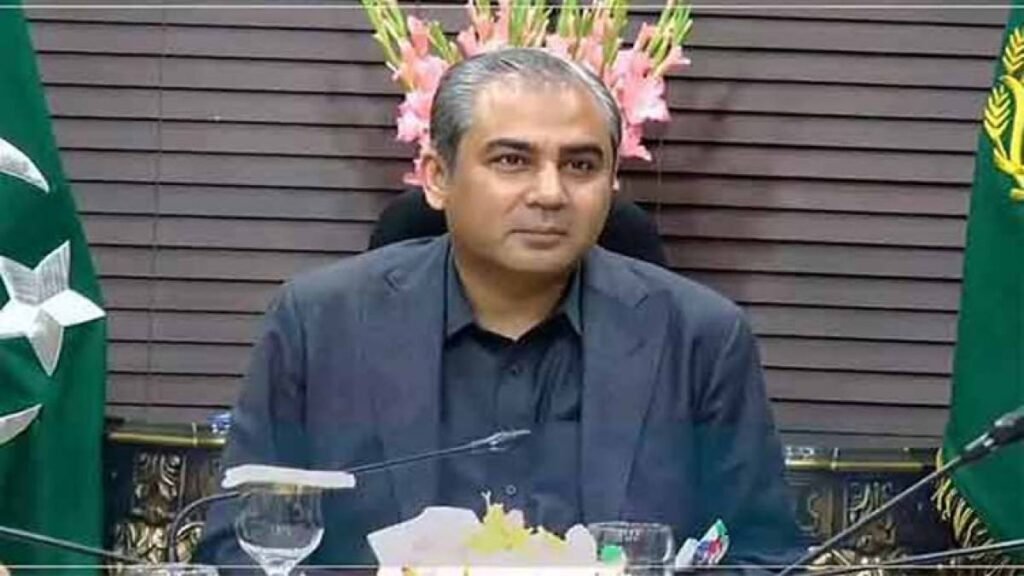
FAISALABAD — Over the past seven months, the Faisalabad Development Authority (FDA) has successfully provided relief to 634 applicants through its one-window counter, streamlining processes and addressing various citizen concerns. This initiative has been instrumental in facilitating property-related services and enhancing administrative efficiency in the region. What Happened The FDA’s one-window counter has emerged as a pivotal service point for residents of Faisalabad, addressing a wide array of applications. According to the details shared in a recent meeting chaired by Director General Muhammad Asif Chaudhry, the estate management-I department resolved 482 applications, while Town Planning-I and Town Planning-II addressed 44 and 72 applications, respectively. Additionally, the Kutchi Abadi department provided relief on 36 applications. These applications primarily pertained to the transfer of properties, approval of building plans, commercialization of properties, issuance of ownership clearance certificates, town planning reports, implementation of court decisions, and issues related to private housing schemes. The meeting, which included key FDA officials such as Additional Director General Qaiser Abbas Rind and Director IT Yasir Ijaz Chatha, highlighted the importance of maintaining transparency and ensuring timely service delivery to citizens. Director General Muhammad Asif Chaudhry emphasized the need for continuous improvement in the services provided by the one-window counter. He directed the team to uphold the standards of transparency and quality, ensuring that citizens receive prompt and efficient services. Background The Faisalabad Development Authority was established to oversee urban development and planning within Faisalabad. It plays a critical role in managing property-related affairs, including the approval of building plans and the regulation of private housing schemes. The FDA’s one-window counter was introduced as a measure to streamline these processes, reducing bureaucratic hurdles and expediting service delivery. Historically, property-related services in Faisalabad, like many other parts of Pakistan, have been plagued by delays and inefficiencies. The one-window counter represents a significant step towards addressing these challenges by providing a centralized point for processing various applications, thereby reducing the time and effort required by citizens to navigate administrative procedures. Why It Matters The efficient functioning of the FDA’s one-window counter is of considerable significance for Faisalabad’s residents and the broader urban development landscape in Pakistan. By resolving 634 applications in just seven months, the FDA has demonstrated its commitment to improving service delivery and enhancing administrative efficiency. This initiative not only facilitates citizens in managing their property-related affairs but also contributes to the overall economic and social development of the region. Streamlined property services can have a profound impact on the local economy by encouraging investment in real estate and infrastructure development. When property transfers and building approvals are handled efficiently, it reduces the risk of legal disputes and encourages more transparent transactions. This, in turn, can attract more investors to the region, fostering economic growth and development. Moreover, the FDA’s focus on transparency and timely service delivery aligns with broader governmental objectives of improving governance and reducing corruption. By ensuring that citizens receive prompt and fair services, the FDA is contributing to building trust between the government and the public, which is essential for sustainable development. Key Takeaways The FDA’s one-window counter resolved 634 applications in seven months, enhancing service delivery. Applications addressed included property transfers, building plan approvals, and commercialization. The initiative aims to reduce bureaucratic delays and improve administrative efficiency. Efficient service delivery can boost local economic development and attract investment. The FDA’s efforts align with broader goals of transparency and improved governance. Source Attribution This article is based on official government statements, press releases, and public communications from relevant authorities. Author: NEN Editorial Desk | Editor: NEN Newsroom | Fact Checked By: NEN Editorial Team Author: NEN Editorial Desk  |  Editor: NEN Newsroom  |  Last Updated: August 06, 2026  |  Source: Press Release from Government of Pakistan This article was produced by the NEN Editorial Desk in accordance with NEN Agency’s Editorial Policy and Fact-Checking Policy.

Pakistan

Experts Convene to Promote Inclusive Digital Ecosystem in Pakistan

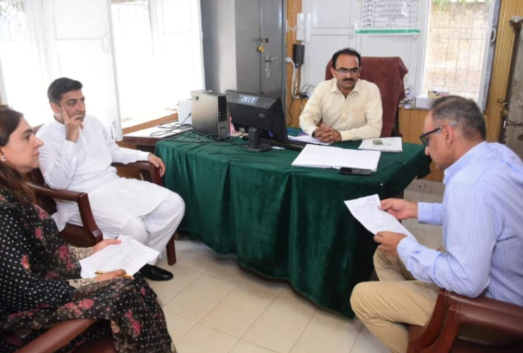
ISLAMABAD — A forum of national experts has convened to discuss the advancement of an inclusive digital ecosystem in Pakistan. The gathering, which included representatives from government, academia, media, and civil society, emphasized the need for coordinated efforts to ensure that digital innovations are both responsible and inclusive. What Happened The Forum for Global Progress (FGP) recently hosted a significant event aimed at fostering a collaborative approach to developing a digital ecosystem in Pakistan that is both inclusive and democratic. Participants included experts from various sectors such as government institutions, media, academia, technology, civil society, and development organizations. The discussions centered around creating a trusted digital environment that upholds fundamental rights, encourages responsible innovation, and strengthens information integrity. During the event, experts highlighted the importance of safeguarding fundamental rights in the digital space and ensuring that emerging technologies serve the public interest. They called for national efforts to build a digital ecosystem that not only promotes innovation but also protects citizens’ rights and information integrity. The forum underscored the need for policies that support a democratic digital environment, which is essential for fostering trust and inclusivity. Dr. Ayesha Khan, a leading academic in digital policy, stated, “Our goal is to create a digital ecosystem where technology serves the people, not the other way around. We must ensure that our digital policies are inclusive and uphold the rights of all citizens.” This sentiment was echoed by representatives from the technology sector, who stressed the importance of responsible innovation in driving economic growth while safeguarding public interests. Background Pakistan’s digital landscape has been rapidly evolving, with increased internet penetration and mobile connectivity. The government has launched several initiatives to promote digital literacy and innovation, such as the Digital Pakistan Vision, which aims to transform Pakistan into a knowledge-based economy. However, challenges remain, particularly in terms of ensuring that digital advancements are inclusive and protect citizens’ rights. Historically, digital policies in Pakistan have faced criticism for lacking inclusivity and failing to adequately address issues such as data privacy and information integrity. The need for a comprehensive framework that balances innovation with rights protection has been a recurring theme in policy discussions. Previous efforts to address these challenges have included the formation of task forces and committees, but implementation has often been slow. Why It Matters The development of an inclusive digital ecosystem is crucial for Pakistan’s socio-economic growth. As digital technologies become increasingly integral to everyday life, ensuring that these technologies are accessible and beneficial to all segments of society is vital. An inclusive digital ecosystem can drive economic growth, improve access to education and healthcare, and enhance governance by making services more efficient and transparent. Moreover, the protection of fundamental rights in the digital space is essential for maintaining public trust. In an era where misinformation can spread rapidly, ensuring information integrity is critical for a functioning democracy. By fostering a digital environment that prioritizes rights protection and responsible innovation, Pakistan can position itself as a leader in the digital age. Internationally, Pakistan’s efforts to build an inclusive digital ecosystem can enhance its reputation as a forward-thinking nation committed to leveraging technology for public good. This can attract foreign investment and partnerships, further boosting the country’s economic prospects. Key Takeaways Experts from various sectors convened to discuss building an inclusive digital ecosystem in Pakistan. The forum emphasized the need for responsible innovation and the protection of fundamental rights. Pakistan’s digital policies have historically faced challenges in inclusivity and rights protection. An inclusive digital ecosystem is crucial for economic growth and improving public services. Efforts to build a democratic digital environment can enhance Pakistan’s international reputation. Source Attribution This article is based on official government statements, press releases, and public communications from relevant authorities. Author: NEN Editorial Desk | Editor: NEN Newsroom | Fact Checked By: NEN Editorial Team Author: NEN Editorial Desk  |  Editor: NEN Newsroom  |  Last Updated: August 06, 2026  |  Source: NEN Reporter This article was produced by the NEN Editorial Desk in accordance with NEN Agency’s Editorial Policy and Fact-Checking Policy.
Pakistan

Lahore Markets Prepare for Independence Day with Festive Apparel

LAHORE — As Pakistan’s Independence Day approaches, markets across Lahore, particularly the bustling Anarkali Bazaar, are abuzz with activity. Shopkeepers are showcasing an array of national flag-themed outfits and festive apparel, drawing in families eager to celebrate the occasion with patriotic fervor. What Happened In the lead-up to Pakistan’s Independence Day on August 14, shopkeepers at Lahore’s Anarkali Bazaar have reported a surge in demand for patriotic merchandise. One shopkeeper, displaying children’s outfits adorned with the national flag, noted that the interest in such items has been exceptionally high this year. “Every year, we see a lot of enthusiasm, but this year, people seem even more eager to celebrate,” he said. The bazaar, known for its vibrant atmosphere and diverse range of goods, has become a focal point for those preparing for the national holiday. Vendors have stocked up on green and white apparel, flags, badges, and other celebratory items. The market’s festive spirit is palpable, with stalls decked out in the national colors and customers thronging the area to make their purchases. According to local traders, the increase in sales is not just limited to clothing. Accessories such as bangles, caps, and face paints are also flying off the shelves. “We have seen a 30% increase in sales compared to last year,” said another vendor, attributing the rise to the easing of COVID-19 restrictions and a renewed sense of patriotism among the public. Background Pakistan’s Independence Day, celebrated on August 14, marks the country’s independence from British rule in 1947. It is a national holiday characterized by flag-hoisting ceremonies, parades, and cultural events. Lahore, being one of the country’s cultural hubs, plays a significant role in these celebrations. Historically, Anarkali Bazaar has been a central venue for Independence Day preparations. The market, one of the oldest in Lahore, has long been a favorite shopping destination for both locals and tourists. Its rich history and wide array of goods make it an ideal spot for those looking to partake in the festive spirit. Why It Matters The preparations for Independence Day in Lahore’s markets are more than just a commercial activity; they reflect the nation’s collective spirit and unity. In recent years, Pakistan has faced numerous challenges, from economic difficulties to political unrest. However, the enthusiasm for Independence Day celebrations underscores a resilient national identity and pride. Economically, the boost in sales provides much-needed relief to local businesses that have been impacted by the pandemic. For many vendors, the Independence Day period is one of the most profitable times of the year. The increased foot traffic in markets like Anarkali Bazaar not only benefits shopkeepers but also stimulates the broader local economy. Socially, the celebrations offer an opportunity for communities to come together, fostering a sense of unity and shared purpose. The display of national symbols and colors serves as a reminder of the country’s history and the sacrifices made for its freedom. For younger generations, participating in these celebrations helps instill a sense of patriotism and awareness of their cultural heritage. Key Takeaways Lahore’s Anarkali Bazaar is experiencing a surge in demand for Independence Day-themed merchandise. Shopkeepers report a 30% increase in sales as compared to the previous year. The festive preparations reflect a strong sense of national pride and unity among citizens. The economic boost from the celebrations provides relief to local businesses impacted by the pandemic. Independence Day serves as a crucial time for community bonding and cultural education. Source Attribution This article is based on official government statements, press releases, and public communications from relevant authorities. Author: NEN Editorial Desk | Editor: NEN Newsroom | Fact Checked By: NEN Editorial Team Author: NEN Editorial Desk  |  Editor: NEN Newsroom  |  Last Updated: August 06, 2026  |  Source: NEN Reporter This article was produced by the NEN Editorial Desk in accordance with NEN Agency’s Editorial Policy and Fact-Checking Policy.
Pakistan

Artificial Flower Sales Bloom in Rawalpindi’s Banni Market

RAWALPINDI — Vendors in Rawalpindi’s bustling Banni Market are witnessing a surge in interest for artificial flowers, as they arrange vibrant displays outside their shops. On August 6, the market, known for its diverse commercial offerings, attracted numerous customers from the twin cities of Rawalpindi and Islamabad. What Happened In the heart of Rawalpindi’s Banni Market, a vendor meticulously arranged a colorful assortment of artificial flowers outside his shop. This activity is part of a broader trend where artificial flowers are gaining popularity among consumers seeking long-lasting decorative options. The vendor’s display attracted a steady stream of passersby, drawn by the vibrant colors and the promise of low-maintenance beauty. The Banni Market, a well-known commercial area, is frequented by residents from both Rawalpindi and Islamabad. The market’s strategic location and diverse range of products make it a popular destination for shoppers. On this particular day, the artificial flower vendor’s efforts were complemented by the lively atmosphere of the market, which also featured street food stalls and other vendors showcasing their wares. According to local shopkeepers, the demand for artificial flowers has been steadily increasing, driven by their affordability and durability compared to fresh flowers. “Customers appreciate the variety of colors and styles available,” said a vendor, adding that artificial flowers are often used for home decoration, events, and gifting purposes. Background Banni Market has long been a central hub for commerce in Rawalpindi, offering a wide array of products ranging from textiles to electronics. The market’s history dates back several decades, evolving over time to accommodate the changing needs of its clientele. In recent years, the market has seen a shift towards more decorative and lifestyle products, including artificial flowers. The trend towards artificial flowers is not unique to Rawalpindi. Across Pakistan, there has been a growing preference for artificial over fresh flowers, particularly in urban areas. This shift is attributed to factors such as the convenience of maintenance-free decor and the increasing cost of fresh flowers. Why It Matters The rising popularity of artificial flowers in markets like Banni reflects broader changes in consumer behavior in Pakistan. As urbanization continues and lifestyles become busier, many consumers are opting for products that offer convenience and longevity. Artificial flowers, with their low maintenance requirements and long-lasting appeal, fit this demand perfectly. Economically, the trend towards artificial flowers benefits local vendors and small business owners, providing them with a steady source of income. The affordability of these products makes them accessible to a wide range of consumers, supporting economic activity within local markets. Socially, the use of artificial flowers can be seen as part of a larger movement towards sustainable living. By reducing the demand for fresh flowers, which often require significant resources to grow and transport, consumers can contribute to more sustainable consumption patterns. Politically, the thriving commerce in markets like Banni highlights the importance of supporting local businesses and infrastructure development. As Pakistan continues to develop its urban centers, ensuring that markets remain vibrant and accessible is crucial for economic growth and stability. Key Takeaways Artificial flowers are gaining popularity in Rawalpindi’s Banni Market due to their affordability and durability. Banni Market is a key commercial hub in the twin cities, attracting a diverse customer base. The shift towards artificial flowers reflects broader consumer trends towards convenience and sustainability. Local vendors benefit economically from the increased demand for artificial flowers. The trend supports sustainable consumption by reducing reliance on fresh flowers. Source Attribution This article is based on official government statements, press releases, and public communications from relevant authorities. Author: NEN Editorial Desk | Editor: NEN Newsroom | Fact Checked By: NEN Editorial Team Author: NEN Editorial Desk  |  Editor: NEN Newsroom  |  Last Updated: August 06, 2026  |  Source: NEN Reporter This article was produced by the NEN Editorial Desk in accordance with NEN Agency’s Editorial Policy and Fact-Checking Policy.

Pakistan

NBP Releases Latest Foreign Exchange Rates for August 6

KARACHI — The National Bank of Pakistan (NBP) has announced its latest foreign exchange rates, effective Thursday, August 6, as released by its Treasury Management Division. The rates reflect the bank’s current buying and selling prices for various international currencies against the Pakistani Rupee (PKR). What Happened The NBP’s Treasury Management Division issued updated exchange rates for multiple currencies, indicating minor fluctuations in the value of the Pakistani Rupee against major global currencies. The US Dollar (USD) is now being sold at PKR 278.15 and bought at PKR 277.65. The Euro (EUR) stands at PKR 321.21 for selling and PKR 320.63 for buying. The British Pound (GBP) is priced at PKR 374.39 for selling and PKR 373.71 for buying. Other significant currencies include the Japanese Yen (JPY) at a selling rate of PKR 1.7634 and a buying rate of PKR 1.7603, and the Swiss Franc (CHF) at PKR 344.58 for selling and PKR 343.96 for buying. The Canadian Dollar (CAD) is available at PKR 198.49 for selling and PKR 198.13 for buying, while the Australian Dollar (AUD) is quoted at PKR 196.10 for selling and PKR 195.74 for buying. Additional currencies such as the Swedish Krona (SEK), Norwegian Krone (NOK), Danish Krone (DKK), and others have also been listed with their respective rates. The NBP also provided conversion rates for frozen foreign currency deposits, with the USD at PKR 277.7036, GBP at PKR 373.6225, and EUR at PKR 320.2478. Background The National Bank of Pakistan, being one of the largest commercial banks in the country, plays a critical role in the financial sector by providing updated foreign exchange rates. These rates are crucial for businesses, investors, and individuals engaged in international trade and finance. The bank’s Treasury Management Division is responsible for managing foreign exchange operations, ensuring liquidity, and maintaining the bank’s currency reserves. Exchange rates are subject to fluctuations due to various factors, including changes in global market conditions, economic indicators, and geopolitical events. The NBP regularly updates its rates to reflect these changes, providing transparency and aiding in financial planning for its clients. Why It Matters The release of updated exchange rates by the NBP is significant for several reasons. Firstly, it affects the cost of imports and exports, impacting businesses that rely on international trade. A stronger Pakistani Rupee makes imports cheaper, while a weaker Rupee can benefit exporters by making their goods more competitively priced abroad. For individuals, these rates influence the cost of foreign travel, education, and remittances. A favorable exchange rate can reduce expenses for students studying abroad or families sending money back home. Conversely, unfavorable rates can increase costs, affecting household budgets. On a macroeconomic level, exchange rates are a critical indicator of economic health. They can influence inflation, interest rates, and overall economic stability. Policymakers and economists closely monitor these rates to make informed decisions regarding monetary policy and economic strategy. Furthermore, the NBP’s exchange rates serve as a benchmark for other financial institutions in Pakistan, ensuring consistency and reliability in the financial market. This transparency helps maintain investor confidence and supports the country’s economic growth. Key Takeaways The NBP has released updated exchange rates for various currencies as of August 6. The US Dollar is being sold at PKR 278.15 and bought at PKR 277.65. These rates impact international trade, personal finance, and economic policy. Exchange rates are influenced by global market conditions and economic indicators. The NBP’s rates provide a benchmark for financial institutions in Pakistan. Source Attribution This article is based on official government statements, press releases, and public communications from relevant authorities. Author: NEN Editorial Desk | Editor: NEN Newsroom | Fact Checked By: NEN Editorial Team Author: NEN Editorial Desk  |  Editor: NEN Newsroom  |  Last Updated: August 06, 2026  |  Source: NEN Reporter This article was produced by the NEN Editorial Desk in accordance with NEN Agency’s Editorial Policy and Fact-Checking Policy.

Pakistan

Sahiwal Commissioner Initiates Tree Plantation Campaign, Encourages Public Participation

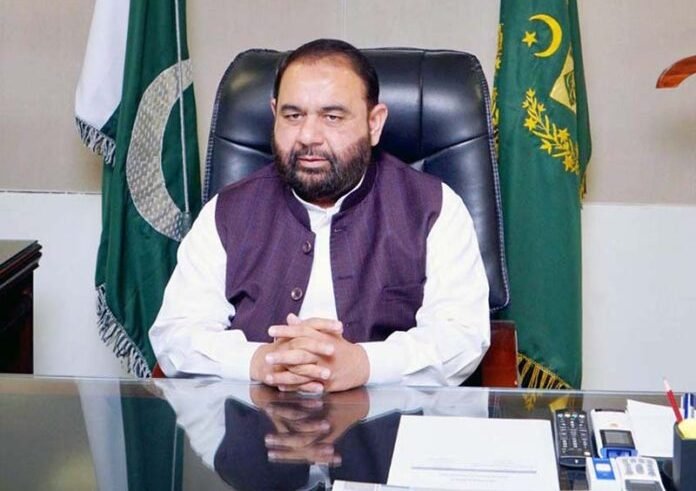
SAHIWAL — Commissioner Dr. Asif Tufail inaugurated the Punjab government’s tree plantation campaign on Thursday, emphasizing the critical role of trees in mitigating air pollution, reducing temperatures, and safeguarding public health. The initiative aims to enhance environmental sustainability across the region. What Happened Dr. Asif Tufail, the Commissioner of Sahiwal, officially launched the tree plantation drive as part of the Punjab government’s broader environmental strategy. The campaign seeks to address the pressing issues of air quality and climate change by increasing green cover in urban and rural areas. During the event, Dr. Tufail highlighted the multifaceted benefits of trees, stating, “Trees are essential not only for reducing air pollution but also for lowering temperatures and protecting public health.” He urged citizens to actively participate in the initiative by planting trees in their communities. The campaign involves the distribution of saplings to local residents, schools, and community organizations, encouraging widespread participation. The government has set ambitious targets for the number of trees to be planted, aiming to significantly increase the region’s forest cover. Dr. Tufail underscored the importance of community involvement, noting that collective efforts are crucial for the success of the initiative. In addition to the immediate environmental benefits, the campaign is expected to foster a culture of environmental responsibility among citizens. By involving various stakeholders, including educational institutions and non-governmental organizations, the initiative aims to create a lasting impact on the region’s ecological health. Background Pakistan has been grappling with environmental challenges, particularly in urban areas where rapid industrialization and population growth have exacerbated air pollution and deforestation. The Punjab government has been proactive in addressing these issues through various initiatives, including the “Clean and Green Pakistan” campaign launched in recent years. This initiative aligns with national efforts to combat climate change and promote sustainable development. The tree plantation drive in Sahiwal is part of a larger provincial strategy to enhance green spaces and improve air quality. Previous campaigns have focused on planting millions of trees across Punjab, with the aim of restoring ecological balance and providing habitat for wildlife. Why It Matters The tree plantation campaign holds significant implications for both the environment and public health in Sahiwal and beyond. By increasing the number of trees, the initiative directly contributes to reducing air pollution, which is a major health hazard in many Pakistani cities. Improved air quality can lead to a decrease in respiratory illnesses and other pollution-related health issues. Economically, the campaign has the potential to create job opportunities in nursery management, tree planting, and maintenance, thereby contributing to local economies. Moreover, the increased green cover can enhance the aesthetic appeal of urban areas, potentially boosting tourism and improving the quality of life for residents. On a broader scale, the initiative aligns with Pakistan’s commitments to international environmental agreements, such as the Paris Agreement, by contributing to global efforts to combat climate change. By setting an example of proactive environmental stewardship, the campaign can inspire similar initiatives in other regions, amplifying its impact. Key Takeaways Commissioner Dr. Asif Tufail launched a tree plantation campaign in Sahiwal to combat air pollution and climate change. The initiative encourages community participation, with saplings distributed to residents, schools, and organizations. The campaign is part of Punjab’s broader environmental strategy to increase forest cover and improve air quality. Economic and health benefits include job creation and reduced pollution-related health issues. The initiative supports Pakistan’s international commitments to environmental sustainability and climate change mitigation. Source Attribution This article is based on official government statements, press releases, and public communications from relevant authorities. Author: NEN Editorial Desk | Editor: NEN Newsroom | Fact Checked By: NEN Editorial Team Author: NEN Editorial Desk  |  Editor: NEN Newsroom  |  Last Updated: August 06, 2026  |  Source: NEN Reporter This article was produced by the NEN Editorial Desk in accordance with NEN Agency’s Editorial Policy and Fact-Checking Policy.

Pakistan

AIOU Sets Exam and Admission Schedules for Advanced Degree Programs

ISLAMABAD — Allama Iqbal Open University (AIOU) has released the examination schedule for its Spring 2026 semester MS, MPhil, and PhD programs, alongside admission deadlines for the upcoming Autumn 2026 semester. The announcement, made on August 6, 2026, outlines key dates for students and prospective applicants across various faculties. What Happened AIOU has confirmed that the final examinations for its Spring 2026 semester MS, MPhil, and PhD (Face-to-Face) programs are underway. Examinations for the Faculty of Education began on August 3, 2026. Meanwhile, the Faculty of Arabic and Islamic Studies and the Faculty of Social Sciences will start their exams on August 10, 2026. In addition to the examination schedule, AIOU has announced the admission deadlines for its Autumn 2026 semester. The last date for admissions to Matric, FA, Associate Degree, BS, B.Ed., Postgraduate Diploma, and Certificate programs is set for August 10, 2026. For MS, MPhil, and PhD programs, the deadline is August 17, 2026. The University has emphasized that no extensions will be granted for these advanced programs, as the entry test schedule is already finalized. The entry tests for the various faculties are scheduled as follows: Faculty of Arabic and Islamic Studies on August 21, Faculty of Education on August 24, Faculty of Social Sciences on August 27, and Faculty of Sciences on August 28, 2026. Vice Chancellor Prof. Dr. Nasir Mahmood has advised applicants to submit their admission forms well before the deadline and to access the prospectus and detailed schedules through the University’s official website. Background Allama Iqbal Open University, one of Pakistan’s largest distance learning institutions, has a history of providing flexible education opportunities across a wide range of disciplines. Established in 1974, AIOU has been instrumental in making higher education accessible to students who are unable to attend traditional universities due to geographical, financial, or personal constraints. The University’s face-to-face programs, particularly at the postgraduate level, are designed to offer rigorous academic training alongside the flexibility that AIOU is known for. The announcement of examination and admission schedules is a routine yet critical part of the academic calendar, ensuring that students can plan their studies and applications accordingly. Why It Matters The announcement of the examination and admission schedules by AIOU is significant for several reasons. Firstly, it ensures that students enrolled in advanced degree programs can adequately prepare for their final assessments, which are crucial for their academic progression and future career prospects. The clarity provided by the schedule helps in minimizing last-minute stress and allows students to focus on their studies. Moreover, the strict adherence to admission deadlines, especially for MS, MPhil, and PhD programs, underscores the University’s commitment to maintaining academic standards and ensuring a timely start to the academic year. This is particularly important in the context of Pakistan’s broader educational landscape, where timely admissions and examinations can often be disrupted by administrative delays or external factors. For prospective students, the announcement serves as a reminder of the importance of adhering to deadlines and preparing for entry tests, which are a critical component of the admission process for advanced programs. The Vice Chancellor’s advice to access resources through the University’s website highlights the increasing reliance on digital platforms for academic administration and student engagement. Key Takeaways AIOU has announced the Spring 2026 examination schedule for MS, MPhil, and PhD programs. Admission deadlines for Autumn 2026 are set for August 10 for most programs and August 17 for advanced degrees. No extensions will be granted for MS, MPhil, and PhD admissions due to finalized entry test schedules. Entry tests are scheduled for late August across various faculties. Vice Chancellor advises early submission of admission forms and use of online resources for guidance. Source Attribution This article is based on official government statements, press releases, and public communications from relevant authorities. Author: NEN Editorial Desk | Editor: NEN Newsroom | Fact Checked By: NEN Editorial Team Author: NEN Editorial Desk  |  Editor: NEN Newsroom  |  Last Updated: August 06, 2026  |  Source: NEN Reporter This article was produced by the NEN Editorial Desk in accordance with NEN Agency’s Editorial Policy and Fact-Checking Policy.

Pakistan

FUUAST Vice Chancellor Expresses Support for Kashmiris on Youm-e-Istehsal

ISLAMABAD — The Vice Chancellor of the Federal Urdu University of Arts, Science and Technology (FUUAST), Prof Dr Zabta Khan Shinwari, reiterated Pakistan’s unwavering support for the people of Jammu and Kashmir on Youm-e-Istehsal-e-Kashmir, observed on August 5. The day marks the anniversary of India’s revocation of Article 370, which granted special autonomy to Jammu and Kashmir. What Happened On Wednesday, Prof Dr Zabta Khan Shinwari, Vice Chancellor of FUUAST, addressed faculty and students, emphasizing the importance of standing in solidarity with the Kashmiri people. He highlighted the ongoing struggles faced by Kashmiris since the abrogation of Article 370 by the Indian government on August 5, 2019. “The people of Jammu and Kashmir have been living under severe restrictions, and it is our duty to support their right to self-determination,” stated Dr Shinwari. The event at FUUAST included a series of speeches and presentations aimed at raising awareness about the situation in Kashmir. Dr Shinwari urged the international community to take notice of the human rights violations in the region. “We call upon global leaders and organizations to intervene and ensure that the rights of Kashmiris are protected,” he added. The observance of Youm-e-Istehsal-e-Kashmir across Pakistan involved various activities, including rallies, seminars, and discussions, all aimed at highlighting the plight of the Kashmiri people. Government officials, civil society members, and educational institutions participated in these events to express their support. Background Youm-e-Istehsal-e-Kashmir is observed annually on August 5 to mark the day in 2019 when the Indian government revoked Article 370 of its constitution, stripping Jammu and Kashmir of its special status. This move was met with widespread criticism from Pakistan and international human rights organizations, who condemned the subsequent lockdown and communication blackout imposed in the region. The revocation of Article 370 has led to increased tensions between India and Pakistan, both of which claim the region in full but govern separate parts. The decision has resulted in heightened security measures and restrictions on movement within Jammu and Kashmir, affecting the daily lives of its residents. Why It Matters The situation in Jammu and Kashmir remains a significant point of contention between India and Pakistan, with both countries having fought multiple wars over the region since their independence in 1947. The abrogation of Article 370 has further strained relations and raised concerns about regional stability in South Asia. For Pakistan, the issue of Kashmir is not only a matter of territorial dispute but also a significant humanitarian concern. The Pakistani government and its citizens view the struggle of the Kashmiri people as a fight for their basic human rights and self-determination. Events like Youm-e-Istehsal-e-Kashmir serve to keep the international spotlight on the region and pressure global powers to address the situation. The ongoing conflict in Kashmir has broader implications for international peace and security, given the nuclear capabilities of both India and Pakistan. The potential for escalation into a wider conflict remains a concern for the international community, making it imperative for diplomatic efforts to resolve the issue peacefully. Key Takeaways FUUAST Vice Chancellor Dr Zabta Khan Shinwari reaffirmed solidarity with Kashmiris on Youm-e-Istehsal-e-Kashmir. The event highlighted the ongoing struggles of Kashmiris since the revocation of Article 370 in 2019. Youm-e-Istehsal-e-Kashmir is observed annually to protest India’s actions in Jammu and Kashmir. The situation in Kashmir remains a significant point of contention between India and Pakistan. International intervention is urged to address human rights violations in the region. Source Attribution This article is based on official government statements, press releases, and public communications from relevant authorities. Author: NEN Editorial Desk | Editor: NEN Newsroom | Fact Checked By: NEN Editorial Team Author: NEN Editorial Desk  |  Editor: NEN Newsroom  |  Last Updated: August 06, 2026  |  Source: NEN Reporter This article was produced by the NEN Editorial Desk in accordance with NEN Agency’s Editorial Policy and Fact-Checking Policy.
Pakistan

Ahsan Iqbal Directs Fiscal Reforms and Hydropower Initiatives for Gilgit-Baltistan

ISLAMABAD — Federal Minister for Planning, Development and Special Initiatives, Professor Ahsan Iqbal, on Wednesday directed the creation of a comprehensive roadmap for fiscal reforms and hydropower development in Gilgit-Baltistan (GB). This directive was issued during a meeting of the Prime Minister’s Review Committee, focusing on accelerating development projects in the region. What Happened During the meeting, Professor Ahsan Iqbal emphasized the need for timely and effective implementation of fiscal reforms and hydropower projects in Gilgit-Baltistan. He instructed relevant authorities to develop time-bound proposals to ensure that these initiatives are executed efficiently. The session was part of a broader strategy to enhance the economic infrastructure and energy capabilities of the region. Iqbal highlighted the importance of leveraging Gilgit-Baltistan’s natural resources, particularly its hydropower potential, to address energy shortages and foster economic growth. He stated, “The development of hydropower projects will not only meet the region’s energy needs but also contribute significantly to the national grid.” The committee also discussed various development projects aimed at improving the socio-economic conditions in Gilgit-Baltistan. These projects include infrastructure development, education, and healthcare improvements, which are crucial for the region’s integration into the national economic framework. Professor Iqbal urged the involved departments to collaborate closely and remove any bureaucratic hurdles that could delay project execution. He stressed the importance of transparency and accountability in the implementation process to ensure that the benefits of these projects reach the local population effectively. Background Gilgit-Baltistan, a region known for its strategic location and natural beauty, has long been a focus of development efforts by the Pakistani government. Historically, the region has faced challenges due to its remote location and lack of infrastructure. Over the years, various initiatives have been launched to improve connectivity and economic opportunities in the area. The region’s potential for hydropower generation is significant, with numerous rivers and streams that could be harnessed for energy production. Previous governments have initiated several projects, but progress has often been slow due to logistical and financial constraints. In recent years, the government has renewed its focus on integrating Gilgit-Baltistan into the national development agenda, recognizing its importance for regional stability and economic growth. Why It Matters The directives issued by Minister Ahsan Iqbal are crucial for several reasons. Firstly, the development of hydropower projects in Gilgit-Baltistan can significantly alleviate energy shortages in Pakistan, a country that has faced chronic power deficits affecting both industry and daily life. By harnessing the region’s hydropower potential, Pakistan can reduce its reliance on imported fuels and move towards a more sustainable energy future. Economically, the proposed fiscal reforms and development projects are expected to boost local economies, create jobs, and improve living standards in Gilgit-Baltistan. This could lead to greater economic integration with the rest of Pakistan, reducing regional disparities and fostering national unity. Politically, enhancing development in Gilgit-Baltistan aligns with Pakistan’s broader strategic interests in the region, particularly in light of its proximity to China and the China-Pakistan Economic Corridor (CPEC). Improved infrastructure and energy resources can enhance the region’s role as a critical hub for trade and investment. Key Takeaways Federal Minister Ahsan Iqbal has directed the formulation of a roadmap for fiscal reforms and hydropower development in Gilgit-Baltistan. The initiative aims to harness the region’s hydropower potential to address energy shortages and contribute to the national grid. Development projects in the region are expected to improve socio-economic conditions and enhance economic integration with Pakistan. The focus on Gilgit-Baltistan aligns with Pakistan’s strategic interests, particularly in relation to CPEC. Transparency and accountability in project implementation are emphasized to ensure effective delivery of benefits to the local population. Source Attribution This article is based on official government statements, press releases, and public communications from relevant authorities. Author: NEN Editorial Desk | Editor: NEN Newsroom | Fact Checked By: NEN Editorial Team Author: NEN Editorial Desk  |  Editor: NEN Newsroom  |  Last Updated: August 06, 2026  |  Source: NEN Reporter This article was produced by the NEN Editorial Desk in accordance with NEN Agency’s Editorial Policy and Fact-Checking Policy.

Pakistan

Heavy Rainfall Expected in Northern Pakistan on Thursday: PMD

ISLAMABAD — The Pakistan Meteorological Department (PMD) has issued a weather forecast indicating the likelihood of rain and isolated heavy falls in the upper parts of the country on Thursday. The forecast highlights potential weather changes in regions including Kashmir, Gilgit-Baltistan, Khyber Pakhtunkhwa, Islamabad, and upper and central Punjab. What Happened The PMD’s latest forecast suggests that while most parts of Pakistan will experience mainly hot and humid conditions, there will be significant weather activity in the northern regions. According to the PMD, rain-wind/thundershowers are expected to occur in various areas, with isolated heavy falls anticipated in specific locations. This weather pattern is attributed to the prevailing meteorological conditions that are conducive to such developments. In Kashmir and Gilgit-Baltistan, residents are advised to prepare for potential heavy rainfall, which could lead to localized flooding in susceptible areas. Similarly, Khyber Pakhtunkhwa, Islamabad, and parts of Punjab may experience periods of intense rain accompanied by gusty winds and thunderstorms. The PMD has urged local authorities and the public to remain vigilant and take necessary precautions to mitigate the impact of these weather conditions. “We are closely monitoring the situation and will provide updates as needed,” a PMD official stated, emphasizing the importance of staying informed through official channels. Background Paksitan’s diverse topography and climate patterns often result in varied weather conditions across different regions. The northern areas, including Kashmir and Gilgit-Baltistan, are particularly prone to heavy rainfall during the monsoon season, which typically spans from July to September. This period is characterized by increased precipitation due to the southwesterly monsoon winds that bring moisture from the Arabian Sea. Historically, heavy rains in these regions have led to challenges such as flash floods, landslides, and disruptions to daily life. The PMD plays a crucial role in monitoring weather patterns and issuing timely forecasts to help mitigate the risks associated with extreme weather events. Why It Matters The anticipated rainfall in northern Pakistan holds significant implications for both the local population and the broader socio-economic landscape. For residents in affected areas, heavy rainfall can pose immediate risks, including flooding and damage to infrastructure. Such events can disrupt transportation, hinder access to essential services, and impact agriculture, which is a vital source of livelihood for many communities. Economically, the agricultural sector could face challenges as heavy rains may damage crops, affecting food supply and prices. This is particularly concerning in regions where agriculture is a major economic activity. Additionally, infrastructure damage from flooding can lead to costly repairs and impact economic productivity. On a social level, the safety and well-being of residents are paramount. Adequate preparation and timely response to weather warnings can help minimize the adverse effects on communities. The role of local authorities in disseminating information and coordinating emergency responses is crucial in safeguarding lives and property. Furthermore, the forecast serves as a reminder of the broader impacts of climate change, which is expected to increase the frequency and intensity of extreme weather events. This underscores the need for comprehensive climate adaptation strategies to enhance resilience in vulnerable areas. Key Takeaways The PMD forecasts rain and isolated heavy falls in northern Pakistan on Thursday. Regions likely to be affected include Kashmir, Gilgit-Baltistan, Khyber Pakhtunkhwa, Islamabad, and parts of Punjab. Residents are advised to stay informed and take precautions against potential flooding and infrastructure damage. Heavy rainfall poses risks to agriculture and infrastructure, with broader economic and social implications. The forecast highlights the ongoing challenges posed by climate change and the need for adaptive strategies. Source Attribution This article is based on official government statements, press releases, and public communications from relevant authorities. Author: NEN Editorial Desk | Editor: NEN Newsroom | Fact Checked By: NEN Editorial Team Author: NEN Editorial Desk  |  Editor: NEN Newsroom  |  Last Updated: August 06, 2026  |  Source: NEN Reporter This article was produced by the NEN Editorial Desk in accordance with NEN Agency’s Editorial Policy and Fact-Checking Policy.

Scroll to Top