
Pakistan

News related to Pakistan in Pakistan and around the world.

Pakistan

OIC Conference Concludes with Focus on Women’s Empowerment in Member States

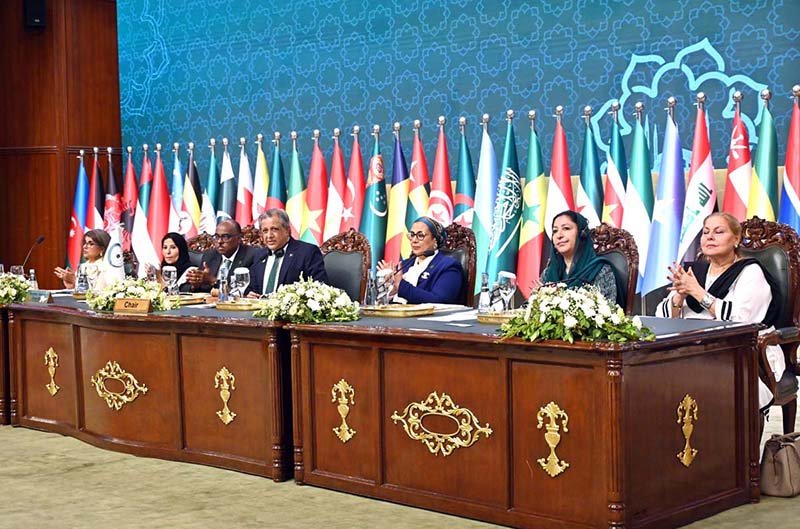
ISLAMABAD — Federal Minister for Law and Justice Azam Nazeer Tarar and Hissein Brahim Taha, Secretary-General of the Organization of Islamic Cooperation (OIC), addressed a joint press conference following the 9th OIC Ministerial Conference on Women. The event, themed “Socio-Economic and Political Empowerment of Women in the OIC Countries: Challenges and Way Forward,” was hosted by Pakistan’s Ministry of Human Rights at the Convention Centre. What Happened The conference, which concluded recently, brought together representatives from various OIC member states to discuss the pressing issues related to women’s empowerment in the Islamic world. The event aimed to identify challenges and propose actionable strategies for enhancing the socio-economic and political roles of women across member countries. During the press conference, Minister Azam Nazeer Tarar highlighted the collective commitment of OIC countries to advance women’s rights and empowerment. He stated, “The conference has reaffirmed our dedication to addressing the socio-economic and political challenges faced by women in our countries.” He emphasized the importance of collaborative efforts in overcoming these obstacles. Hissein Brahim Taha, the OIC Secretary-General, echoed these sentiments, underscoring the need for concerted actions to ensure that women in member states can fully participate in all aspects of life. “Empowering women is not just a moral imperative but a necessary condition for achieving sustainable development in our societies,” he remarked. The conference featured discussions on various topics, including education, healthcare, economic participation, and political representation of women. Delegates shared best practices and experiences from their respective countries, fostering a spirit of cooperation and mutual learning. Background The Organization of Islamic Cooperation, comprising 57 member states, has long recognized the importance of women’s empowerment as a key factor in achieving socio-economic development. Previous conferences have focused on similar themes, with the aim of creating a framework for improving women’s status in OIC countries. The OIC’s commitment to women’s issues is rooted in its Charter, which calls for the promotion of human rights, including gender equality. Over the years, the organization has launched various initiatives to support women’s education, health, and economic opportunities. Why It Matters The empowerment of women in OIC countries is crucial for several reasons. Economically, enhancing women’s participation in the workforce can significantly boost GDP growth and development. Studies have shown that gender equality in labor markets can lead to more resilient economies. Socially, empowering women contributes to better health and education outcomes for families and communities. Women who are educated and economically active are more likely to invest in their children’s education and well-being, creating a positive cycle of development. Politically, increased representation of women in decision-making processes leads to more inclusive governance. Women’s perspectives can contribute to more comprehensive policies that address the needs of all citizens. For Pakistan, hosting the conference underscores its commitment to advancing women’s rights and aligns with its national policies aimed at gender equality. The event also positions Pakistan as a leader in advocating for women’s issues within the OIC framework. Key Takeaways The 9th OIC Ministerial Conference on Women focused on socio-economic and political empowerment of women in member states. Minister Azam Nazeer Tarar and OIC Secretary-General Hissein Brahim Taha emphasized the importance of collective efforts to address women’s challenges. The conference highlighted best practices and strategies for enhancing women’s roles in society. Empowering women is seen as essential for economic growth, social development, and inclusive governance in OIC countries. Hosting the conference reinforces Pakistan’s commitment to gender equality and women’s rights. Source Attribution This article is based on official government statements, press releases, and public communications from relevant authorities. Author: NEN Editorial Desk | Editor: NEN Newsroom | Fact Checked By: NEN Editorial Team Author: NEN Editorial Desk  |  Editor: NEN Newsroom  |  Last Updated: July 13, 2026  |  Source: Press Release from Ministry of Human Rights This article was produced by the NEN Editorial Desk in accordance with NEN Agency’s Editorial Policy and Fact-Checking Policy.
Pakistan

OIC Conference Highlights Commitment to Women’s Empowerment

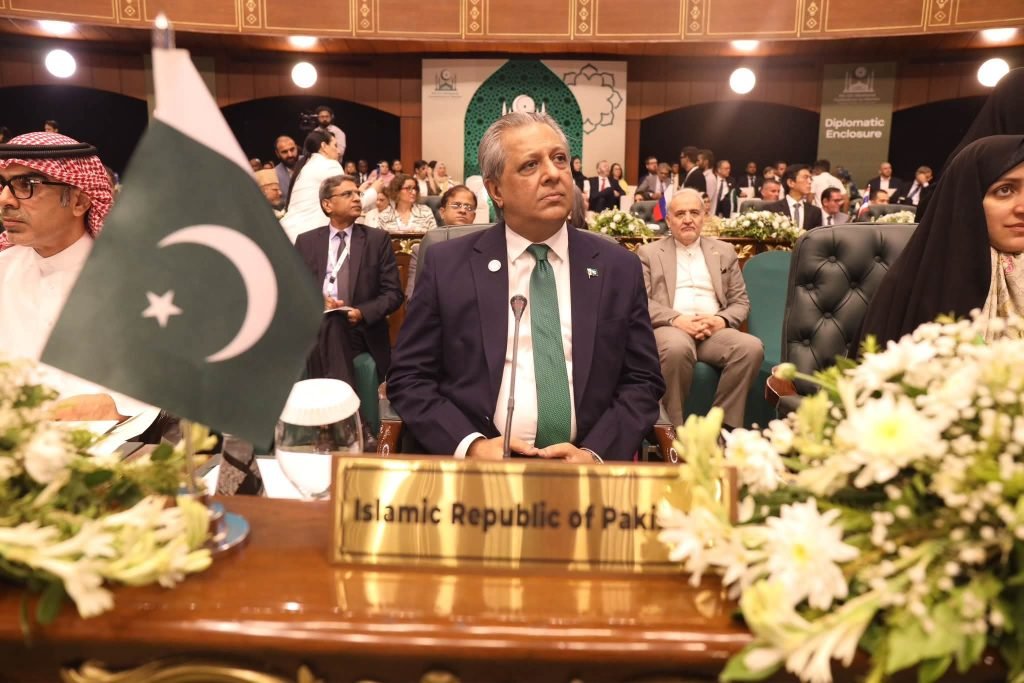
ISLAMABAD — Federal Minister for Human Rights Azam Nazeer Tarar announced on Monday that the 9th Ministerial Conference on Women of the Organisation of Islamic Cooperation (OIC) has reaffirmed the collective commitment of its member states to advance women’s rights and empowerment. The conference, held in Islamabad, brought together representatives from various OIC countries to discuss strategies and policies aimed at improving the status of women across the Islamic world. What Happened The 9th OIC Ministerial Conference on Women, hosted in Islamabad, served as a platform for member states to reaffirm their dedication to promoting gender equality and empowering women. Federal Minister Azam Nazeer Tarar emphasized the importance of the conference, noting that it reflected a unified effort among OIC nations to tackle issues related to women’s rights. During the conference, participants engaged in discussions on various topics, including education, health, economic participation, and legal rights for women. The event underscored the need for collaborative efforts to address the challenges faced by women in OIC countries. Minister Tarar highlighted that the conference was a significant step towards implementing effective policies that would lead to tangible improvements in women’s lives. In his remarks, Minister Tarar stated, “The OIC conference is a testament to our shared commitment to advancing women’s rights. It is crucial that we continue to work together to create environments where women can thrive and contribute to our societies.” The conference concluded with a joint declaration that outlined specific goals and commitments for member states to pursue in the coming years. Background The Organisation of Islamic Cooperation, established in 1969, is an intergovernmental organization comprising 57 member states. It aims to promote solidarity among Muslim nations and address issues of mutual concern, including the advancement of women’s rights. The OIC Ministerial Conference on Women is a biennial event that focuses on evaluating progress and setting new targets for gender equality within member states. Historically, the OIC has faced criticism for its slow progress in addressing gender disparities. However, recent conferences have shown a renewed commitment to tackling these issues, with member states increasingly recognizing the importance of women’s empowerment for social and economic development. Why It Matters The reaffirmation of commitment to women’s empowerment by OIC member states is significant for several reasons. Firstly, it highlights a growing recognition of the critical role women play in the development of societies. Empowering women can lead to improved economic outcomes, as increased female participation in the workforce contributes to economic growth. Moreover, advancing women’s rights is essential for achieving broader social justice and equality. By addressing issues such as education and health disparities, OIC countries can work towards creating more equitable societies. This commitment also aligns with global efforts to achieve the United Nations Sustainable Development Goals, particularly Goal 5, which focuses on gender equality. For Pakistan, hosting the conference underscores its role as a leader in the Islamic world on issues of gender equality. The event provides an opportunity for Pakistan to showcase its efforts in promoting women’s rights and to learn from the experiences of other member states. The outcomes of the conference could lead to policy changes that benefit women across the country, improving their access to education, healthcare, and economic opportunities. Key Takeaways The 9th OIC Ministerial Conference on Women reaffirmed the commitment of member states to women’s empowerment. Federal Minister Azam Nazeer Tarar emphasized the importance of collective efforts to advance women’s rights. The conference focused on education, health, economic participation, and legal rights for women. The event aligns with global efforts to achieve gender equality and the United Nations Sustainable Development Goals. Pakistan’s hosting of the conference highlights its leadership role in promoting women’s rights within the Islamic world. Source Attribution This article is based on official government statements, press releases, and public communications from relevant authorities. Author: NEN Editorial Desk | Editor: NEN Newsroom | Fact Checked By: NEN Editorial Team Author: NEN Editorial Desk  |  Editor: NEN Newsroom  |  Last Updated: July 13, 2026  |  Source: Press Release from Government of Pakistan This article was produced by the NEN Editorial Desk in accordance with NEN Agency’s Editorial Policy and Fact-Checking Policy.
Pakistan

Law Minister Honors Saudi Official for Women’s Empowerment Efforts

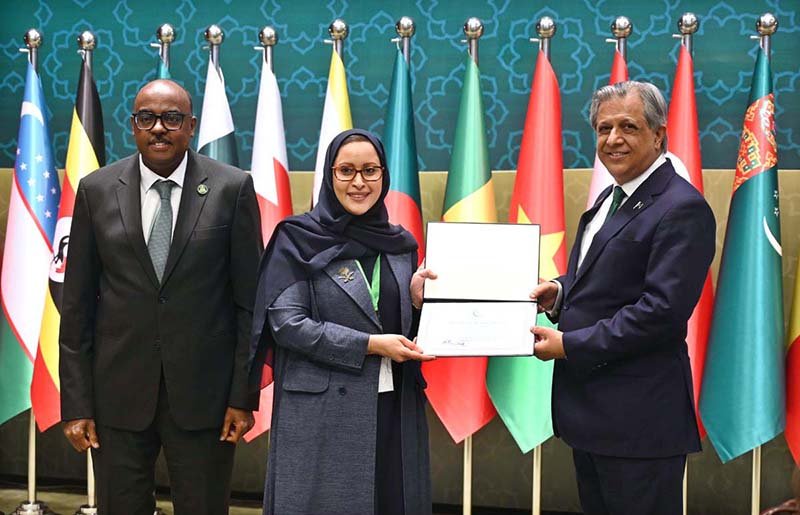
ISLAMABAD — Federal Minister for Law and Justice Azam Nazeer Tarar presented a certificate of recognition to Dr. Maimoonah Al Khalil, Secretary-General of the Family Affairs Council of the Kingdom of Saudi Arabia, for her exceptional contributions to women’s welfare and empowerment. The ceremony took place during the closing event of the 9th OIC Ministerial Conference on Women, held at the Convention Centre under the theme “Socio-Economic and Political Empowerment of Women in the OIC Countries: Challenges and Way Forward.” What Happened The 9th OIC Ministerial Conference on Women concluded with a ceremony recognizing significant contributions to women’s empowerment across OIC member states. Federal Minister Azam Nazeer Tarar presented the award to Dr. Maimoonah Al Khalil, acknowledging her efforts in advancing women’s welfare and empowerment in Saudi Arabia and beyond. The conference, attended by delegates from various OIC countries, focused on addressing the socio-economic and political challenges faced by women, aiming to chart a path forward for greater empowerment. In his address, Minister Tarar highlighted the importance of collaborative efforts among OIC countries to enhance the status of women. “Empowering women is not just a moral imperative but a socio-economic necessity,” he stated. Dr. Al Khalil expressed her gratitude for the recognition, emphasizing the shared goals of OIC nations in promoting gender equality and the empowerment of women. The conference featured discussions on various topics, including economic participation, political representation, and social inclusion of women in OIC countries. The delegates shared best practices and strategies to overcome barriers to women’s empowerment, with a focus on creating a supportive environment for women to thrive. Background The Organization of Islamic Cooperation (OIC) has been actively working to promote women’s rights and empowerment across its member states. This ministerial conference is part of ongoing efforts to address gender disparities and enhance the role of women in socio-economic development. Previous conferences have laid the groundwork for policy frameworks and action plans aimed at improving women’s access to education, healthcare, and employment opportunities. Pakistan has been a vocal advocate for women’s rights within the OIC, aligning with national policies that aim to increase female participation in various sectors. The country has implemented several initiatives to support women’s empowerment, including legislative reforms and programs to enhance women’s access to education and economic resources. Why It Matters The recognition of Dr. Maimoonah Al Khalil’s contributions underscores the importance of international collaboration in advancing women’s rights. Her work highlights the progress being made in Saudi Arabia, a country traditionally known for its conservative stance on women’s issues. This recognition reflects a broader shift towards gender equality within the region, signaling potential for further reforms and empowerment initiatives. For Pakistan, hosting the OIC Ministerial Conference on Women reinforces its commitment to gender equality and positions the country as a leader in promoting women’s rights within the Islamic world. The conference provides a platform for sharing experiences and strategies, which can inform national policies and initiatives aimed at improving the status of women. Economically, empowering women can significantly contribute to national development. Increased female participation in the workforce can lead to higher economic growth, improved family welfare, and reduced poverty levels. Politically, greater representation of women in decision-making processes can lead to more inclusive governance and policies that better address the needs of all citizens. Key Takeaways Federal Minister Azam Nazeer Tarar honored Dr. Maimoonah Al Khalil for her contributions to women’s empowerment. The recognition took place at the 9th OIC Ministerial Conference on Women in Islamabad. The conference focused on socio-economic and political empowerment of women in OIC countries. Pakistan’s hosting of the event highlights its commitment to gender equality. Empowering women is crucial for socio-economic development and inclusive governance. Source Attribution The article is based on official government statements, press releases, and public communications from relevant authorities. Author: NEN Editorial Desk | Editor: NEN Newsroom | Fact Checked By: NEN Editorial Team Author: NEN Editorial Desk  |  Editor: NEN Newsroom  |  Last Updated: July 13, 2026  |  Source: Press Release from Government of Pakistan This article was produced by the NEN Editorial Desk in accordance with NEN Agency’s Editorial Policy and Fact-Checking Policy.

Pakistan

Street Vendors in Hyderabad Adapt to Changing Consumer Trends

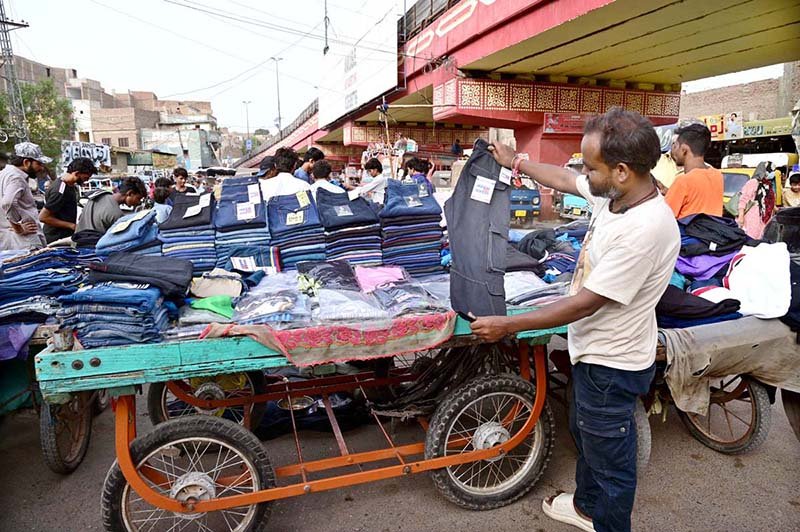
HYDERABAD — Street vendors in Hyderabad are increasingly diversifying their offerings to attract customers. On Makki Shah Road, a vendor has turned to displaying jeans as a means to draw in potential buyers, reflecting a broader trend among small business owners in the city. What Happened In the bustling city of Hyderabad, a roadside vendor on Makki Shah Road has taken an innovative approach to attract customers by prominently displaying jeans. This strategy is aimed at capturing the attention of passersby and encouraging them to stop and browse. The vendor’s stall, located in a high-traffic area, is strategically positioned to capitalize on the flow of pedestrians and vehicles. The vendor’s choice to feature jeans is indicative of a shift in consumer preferences and the need for vendors to adapt to these changes. By showcasing a product that is both practical and fashionable, the vendor hopes to appeal to a broad demographic, including young adults and working professionals who frequent the area. This approach is not isolated to Makki Shah Road. Across Hyderabad, street vendors are increasingly displaying a variety of products, from clothing to electronics, in an effort to meet the evolving demands of consumers. This trend underscores the resilience and adaptability of small business owners in the face of economic challenges and changing market dynamics. Background Street vending has long been a staple of the Pakistani economy, providing livelihoods for thousands of individuals and families. In urban centers like Hyderabad, vendors play a crucial role in the local economy, offering affordable goods and services to residents. Historically, street vendors have sold a wide range of products, from fresh produce to household items. However, in recent years, there has been a noticeable shift in the types of products being offered. With the rise of fast fashion and increased access to global trends, consumers are seeking more diverse and trendy options. This has prompted vendors to adapt their inventories, incorporating items such as clothing, accessories, and electronics, which were less common in the past. The legal framework governing street vending in Pakistan has also evolved, with local authorities implementing regulations to manage public space usage and ensure safety and hygiene standards. These regulations aim to balance the needs of vendors with those of pedestrians and local businesses. Why It Matters The adaptation of street vendors to changing consumer preferences is significant for several reasons. Economically, it highlights the agility of small businesses in responding to market demands, which is crucial for their survival and growth. By offering products that are in demand, vendors can increase their sales and improve their livelihoods. Socially, the presence of diverse street vending options contributes to the vibrancy and accessibility of urban areas. For consumers, especially those from lower-income brackets, street vendors provide affordable alternatives to retail stores, making fashion and technology more accessible. Politically, the success of street vendors can influence policy decisions regarding urban planning and economic development. As vendors continue to adapt and thrive, there may be increased pressure on local governments to support these entrepreneurs through favorable policies and infrastructure improvements. Internationally, the resilience of Pakistan’s street vendors reflects broader trends in developing economies, where informal sectors play a vital role in economic activity. The ability of these vendors to adapt to global trends underscores their importance in the global economic landscape. Key Takeaways Street vendors in Hyderabad are adapting to consumer trends by diversifying their product offerings. The display of jeans on Makki Shah Road exemplifies vendors’ efforts to attract a wider customer base. Street vending remains a crucial part of Pakistan’s economy, providing affordable goods to consumers. Changes in consumer preferences are prompting vendors to incorporate trendy items into their inventories. The resilience of street vendors highlights their importance in both local and global economic contexts. Source Attribution This article is based on official government statements, press releases, and public communications from relevant authorities. Author: NEN Editorial Desk | Editor: NEN Newsroom | Fact Checked By: NEN Editorial Team Author: NEN Editorial Desk  |  Editor: NEN Newsroom  |  Last Updated: July 13, 2026  |  Source: NEN Reporter This article was produced by the NEN Editorial Desk in accordance with NEN Agency’s Editorial Policy and Fact-Checking Policy.

Pakistan

National Bank Of Pakistan Releases Updated Foreign Exchange Rates

KARACHI — The National Bank of Pakistan (NBP) has announced the latest foreign exchange rates as of July 13, 2023, through its Treasury Management Division. These rates are crucial for businesses, travelers, and financial institutions engaging in foreign currency transactions. What Happened The Treasury Management Division of the National Bank of Pakistan released updated exchange rates for various foreign currencies on Monday. The US Dollar (USD) is now being sold at 278.45 and bought at 277.95. The Euro (EUR) stands at a selling rate of 317.33 and a buying rate of 316.76. The British Pound (GBP) is sold at 372.50 and bought at 371.83. Other currencies such as the Japanese Yen (JPY), Swiss Franc (CHF), and Canadian Dollar (CAD) are also included in the list, with selling and buying rates of 1.7180 and 1.7149, 343.77 and 343.16, and 196.61 and 196.26, respectively. Additional currencies in the updated list include the Australian Dollar (AUD) with a selling rate of 192.94 and a buying rate of 192.60, the Swedish Krona (SEK) at 28.75 and 28.70, and the Norwegian Krone (NOK) at 28.49 and 28.44. The Danish Krone (DKK) is selling at 42.45 and buying at 42.38, while the New Zealand Dollar (NZD) is listed at 160.29 for selling and 160.00 for buying. Other notable currencies include the Singapore Dollar (SGD) at 215.13 and 214.75, the Hong Kong Dollar (HKD) at 35.52 and 35.46, and the Korean Won (KRW) at 0.1847 and 0.1844. The Chinese Yuan (CNY) is selling at 41.02 and buying at 40.95, and the Malaysian Ringgit (MYR) is at 68.27 and 68.15. The Thai Baht (THB) is listed at 8.34 and 8.33, while the UAE Dirham (AED) is at 75.82 and 75.68. The Saudi Riyal (SAR) is selling at 74.16 and buying at 74.03, and the Qatari Riyal (QAR) is at 76.39 and 76.25. The Kuwaiti Dinar (KWD) is the highest valued currency on the list, selling at 904.94 and buying at 903.32. For frozen foreign currency deposits, the conversion rates are as follows: USD at 278.0081, GBP at 372.8366, EUR at 317.8188, and JPY at 1.7195. Background Exchange rates are determined by the foreign exchange market, which is influenced by a variety of factors including economic indicators, interest rates, and geopolitical stability. The National Bank of Pakistan, as a major financial institution, plays a critical role in setting these rates for the country. Historically, Pakistan’s currency exchange rates have been subject to fluctuations due to economic conditions, inflation rates, and foreign trade balances. The NBP regularly updates these rates to reflect the current market conditions, ensuring that stakeholders have access to accurate and timely information for their financial decisions. This practice is aligned with the global standards of transparency and accountability in financial reporting. Why It Matters The release of updated exchange rates by the National Bank of Pakistan is significant for several reasons. Economically, these rates directly impact the cost of imports and exports, influencing the trade balance and overall economic health of the country. Businesses that rely on importing goods must adjust their pricing strategies based on these rates, which can affect consumer prices and inflation. For individuals, especially those who travel or send remittances abroad, these rates determine the value of their money in foreign currencies. This can influence travel plans, investment decisions, and the purchasing power of remittances sent to family members in Pakistan. On a broader scale, the exchange rates reflect the economic stability and international confidence in Pakistan’s economy. A stable or strengthening currency can attract foreign investment, while a weakening currency might deter investors concerned about potential losses from currency depreciation. Key Takeaways The National Bank of Pakistan has updated its foreign exchange rates as of July 13, 2023. The US Dollar is selling at 278.45 and buying at 277.95. The Euro is listed at a selling rate of 317.33 and a buying rate of 316.76. Exchange rates impact economic activities, including trade, travel, and remittances. These rates are crucial for financial planning and decision-making for businesses and individuals. Source Attribution This article is based on official government statements, press releases, and public communications from relevant authorities. Author: NEN Editorial Desk | Editor: NEN Newsroom | Fact Checked By: NEN Editorial Team Author: NEN Editorial Desk  |  Editor: NEN Newsroom  |  Last Updated: July 13, 2026  |  Source: NEN Reporter This article was produced by the NEN Editorial Desk in accordance with NEN Agency’s Editorial Policy and Fact-Checking Policy.
Pakistan

NBP Releases Updated Exchange Rates for Major Global Currencies

KARACHI — The Treasury Management Division of the National Bank of Pakistan (NBP) announced the latest exchange rates for major global currencies on Monday. The updated rates reflect the buying and selling prices for currencies including the US Dollar, Euro, and British Pound, among others. What Happened The National Bank of Pakistan, a key financial institution in the country, has issued the latest exchange rates through its Treasury Management Division. These rates are crucial for businesses, investors, and individuals involved in international trade and finance. The exchange rates were released on July 13, 2023, providing the current buying and selling prices for a variety of foreign currencies. According to the NBP, the US Dollar is being sold at PKR 278.45 and bought at PKR 277.95. The Euro stands at PKR 317.33 for selling and PKR 316.76 for buying. The British Pound is priced at PKR 372.50 for selling and PKR 371.83 for buying. Other notable currencies include the Japanese Yen, which is being sold at PKR 1.7180 and bought at PKR 1.7149, and the Swiss Franc, with selling and buying rates of PKR 343.77 and PKR 343.16, respectively. The Canadian Dollar is available at PKR 196.61 for selling and PKR 196.26 for buying, while the Australian Dollar is priced at PKR 192.94 for selling and PKR 192.60 for buying. The exchange rates also cover currencies such as the Swedish Krona, Norwegian Krone, Danish Krone, New Zealand Dollar, Singapore Dollar, Hong Kong Dollar, Korean Won, Chinese Yuan, Malaysian Ringgit, Thai Baht, UAE Dirham, Saudi Riyal, Qatar Riyal, and Kuwaiti Dinar. Background The National Bank of Pakistan plays a pivotal role in the country’s financial ecosystem, providing essential banking services and acting as a custodian of the government’s funds. Exchange rates are a critical aspect of the bank’s operations, influencing trade, investment, and economic planning. The NBP regularly updates these rates to reflect global market conditions and currency fluctuations. Exchange rates are determined by various factors, including supply and demand dynamics, geopolitical events, and economic indicators. In Pakistan, the State Bank of Pakistan oversees monetary policy and foreign exchange regulations, while commercial banks like NBP provide daily exchange rate updates to facilitate international transactions. Why It Matters Exchange rates have a significant impact on Pakistan’s economy, affecting everything from import and export prices to inflation and foreign investment. For businesses involved in international trade, knowing the current exchange rates is crucial for pricing goods and services competitively. Fluctuations in these rates can lead to increased costs or enhanced profitability, depending on the direction of the change. For individuals, exchange rates influence the cost of foreign travel, education abroad, and remittances from family members working overseas. A favorable exchange rate can make foreign goods and services more affordable, while an unfavorable rate can increase costs. On a broader scale, exchange rates are indicative of a country’s economic health and stability. They can affect investor confidence and influence decisions on foreign direct investment. For Pakistan, maintaining a stable exchange rate is essential for economic growth and development, as it impacts the country’s ability to manage its foreign debt and trade balance. Key Takeaways The National Bank of Pakistan has released updated exchange rates for major currencies, including the US Dollar, Euro, and British Pound. These rates are crucial for businesses and individuals involved in international trade and finance. Exchange rates impact the cost of imports and exports, foreign travel, and remittances. Stable exchange rates are vital for Pakistan’s economic growth and investor confidence. The NBP regularly updates these rates to reflect global market conditions and currency fluctuations. Source Attribution This article is based on official government statements, press releases, and public communications from relevant authorities. Author: NEN Editorial Desk | Editor: NEN Newsroom | Fact Checked By: NEN Editorial Team Author: NEN Editorial Desk  |  Editor: NEN Newsroom  |  Last Updated: July 13, 2026  |  Source: Press Release from Government of Pakistan This article was produced by the NEN Editorial Desk in accordance with NEN Agency’s Editorial Policy and Fact-Checking Policy.
Pakistan

Sindh CM and Federal Minister Discuss Heritage and Library Management

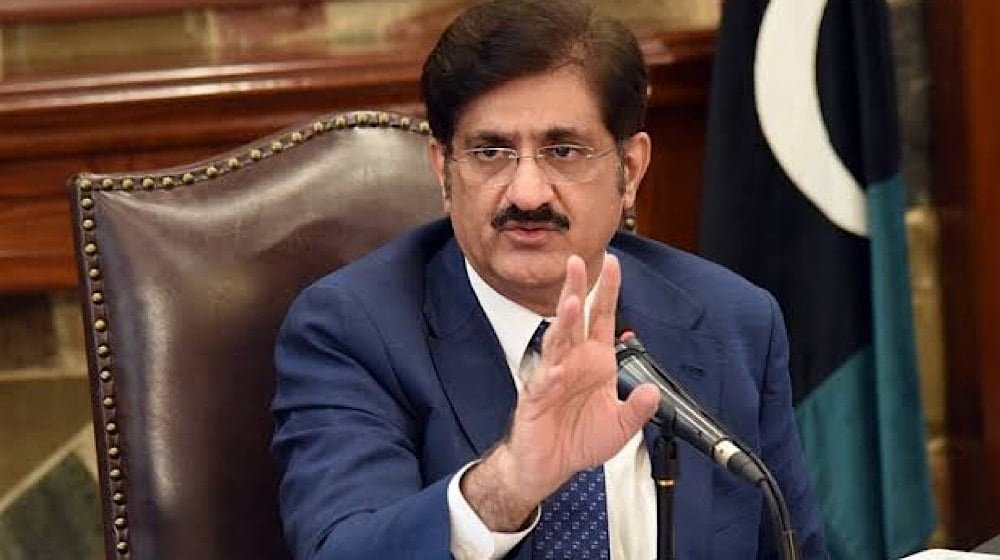
ISLAMABAD — Sindh Chief Minister Syed Murad Ali Shah and Federal Minister for National Heritage and Culture Division Aurangzeb Khan Khichi convened on Monday to address issues concerning the Quaid-e-Azam Mazar Management Board (QMMB) and the National Library of Pakistan’s Regional Office in Karachi. The meeting focused on enhancing cooperation for the preservation of national heritage and resolving administrative challenges. What Happened The meeting between Chief Minister Murad Ali Shah and Minister Aurangzeb Khan Khichi took place in Karachi, where they discussed the operational and administrative matters of the Quaid-e-Azam Mazar Management Board (QMMB) and the National Library of Pakistan’s Regional Office. Both leaders emphasized the need for improved coordination to ensure the effective management and preservation of these critical national heritage sites. Chief Minister Shah highlighted the importance of maintaining the Quaid-e-Azam Mazar, a site of national significance, and ensuring that it remains a symbol of pride for Pakistan. He stated, “The Mazar is not just a monument but a testament to our history and the struggle for independence. It is imperative that we address any issues that may hinder its upkeep.” Federal Minister Khichi echoed these sentiments, acknowledging the challenges faced by the National Library’s Regional Office in Karachi. He noted, “Libraries are the custodians of knowledge and culture. Strengthening their infrastructure and administrative frameworks is crucial for promoting education and preserving our cultural heritage.” The discussion also covered potential strategies for enhancing the operational efficiency of these institutions, including the allocation of additional resources and personnel, as well as the implementation of modern management practices. Background The Quaid-e-Azam Mazar, the resting place of Pakistan’s founding father, Muhammad Ali Jinnah, is managed by the Quaid-e-Azam Mazar Management Board. This site is not only a historical monument but also a symbol of national unity and pride. Over the years, the board has faced challenges in maintaining the site due to limited resources and administrative hurdles. The National Library of Pakistan, with its regional office in Karachi, plays a pivotal role in preserving the country’s literary and cultural heritage. However, it has been grappling with issues such as inadequate funding, staffing shortages, and outdated facilities, which have hampered its ability to serve the public effectively. Why It Matters The preservation of national heritage sites like the Quaid-e-Azam Mazar is vital for maintaining the cultural identity and historical continuity of Pakistan. These sites serve as educational resources and tourist attractions, contributing to both cultural enrichment and economic development. The effective management of such sites ensures that they remain accessible and informative for future generations. Similarly, the National Library’s role in archiving and disseminating knowledge is crucial for fostering an informed and educated populace. By addressing the administrative and operational challenges faced by the library, the government can enhance its ability to support research, education, and cultural preservation. The collaboration between provincial and federal authorities in tackling these issues underscores the importance of coordinated efforts in safeguarding national heritage. This partnership is expected to lead to more efficient resource allocation, improved management practices, and ultimately, the better preservation of Pakistan’s cultural and historical assets. Key Takeaways Sindh CM and Federal Minister discussed management issues of QMMB and National Library. Focus on improving coordination for preservation of national heritage sites. Potential strategies include resource allocation and modern management practices. Preservation of heritage sites is crucial for cultural identity and economic development. Collaboration between provincial and federal authorities is essential for effective management. Source Attribution This article is based on official government statements, press releases, and public communications from relevant authorities. Author: NEN Editorial Desk | Editor: NEN Newsroom | Fact Checked By: NEN Editorial Team Author: NEN Editorial Desk  |  Editor: NEN Newsroom  |  Last Updated: July 13, 2026  |  Source: Press Release from Government of Pakistan This article was produced by the NEN Editorial Desk in accordance with NEN Agency’s Editorial Policy and Fact-Checking Policy.
Pakistan

Rawalpindi Police Arrest Motorcycle Theft Gang, Recover Six Stolen Bikes

RAWALPINDI — Police in Rawalpindi have successfully dismantled a two-member gang allegedly involved in motorcycle theft and other burglary incidents, recovering six stolen motorcycles and Rs20,000 in cash. The arrests were made during a targeted operation aimed at curbing street crime in the city. What Happened The Rawalpindi police, as part of their ongoing efforts to combat street crime, apprehended two individuals suspected of being part of a motorcycle theft gang. The operation led to the recovery of six stolen motorcycles and Rs20,000 in cash, according to a police spokesperson. The suspects were detained following a series of investigations and intelligence gathering that pinpointed their involvement in multiple thefts across the city. SP Rawal Saad Arshad praised the police team from the Rata Amral area for their swift and professional action. He emphasized that the accused would face the court with substantial evidence to ensure their prosecution. “Those who deprive citizens of their valuable property cannot escape the grip of the law,” Arshad stated, underscoring the police’s commitment to bringing habitual offenders to justice. The police have urged the public to assist law enforcement by reporting any suspicious activities, which is crucial for maintaining safety and reducing crime in the district. The operation is part of a broader crackdown on street crime, which has been a growing concern for residents and authorities alike. Background Rawalpindi, like many urban centers in Pakistan, has faced challenges with street crime, particularly involving theft and burglary. Motorcycle thefts have been a persistent issue, prompting law enforcement agencies to intensify their efforts to dismantle organized theft rings. The city’s police department has been actively pursuing strategies to enhance public safety and reduce crime rates, including community policing initiatives and increased patrols in high-crime areas. Historically, motorcycle theft has been a significant problem in urban areas due to the high demand for motorcycles and the relative ease of stealing and reselling them. This has led to the establishment of specialized police units focused on vehicle theft, which work in coordination with other law enforcement agencies to track and recover stolen vehicles. Why It Matters The successful operation against the motorcycle theft gang is a significant step in addressing the broader issue of street crime in Rawalpindi. It highlights the effectiveness of targeted law enforcement strategies and the importance of community cooperation in crime prevention. For residents, the operation provides a sense of security and reassurance that the police are actively working to protect their property and safety. Economically, reducing motorcycle theft can have a positive impact on local businesses and individuals who rely on motorcycles for transportation and deliveries. The recovery of stolen vehicles not only returns valuable property to its rightful owners but also serves as a deterrent to potential criminals, thereby reducing the overall incidence of theft. Politically, the operation reinforces the government’s commitment to law and order, which is a critical component of public confidence in the state’s ability to maintain security. It also aligns with national efforts to improve the efficiency and effectiveness of law enforcement agencies across Pakistan. Key Takeaways Rawalpindi police arrested a two-member gang involved in motorcycle theft, recovering six stolen bikes. The operation is part of an ongoing crackdown on street crime in the city. SP Rawal Saad Arshad commended the police team’s professionalism and commitment to justice. Public cooperation is encouraged to help law enforcement reduce crime in the district. The operation underscores the importance of targeted strategies in combating organized theft. Source Attribution This article is based on official government statements, press releases, and public communications from relevant authorities. Author: NEN Editorial Desk | Editor: NEN Newsroom | Fact Checked By: NEN Editorial Team Author: NEN Editorial Desk  |  Editor: NEN Newsroom  |  Last Updated: July 13, 2026  |  Source: NEN Reporter This article was produced by the NEN Editorial Desk in accordance with NEN Agency’s Editorial Policy and Fact-Checking Policy.

Pakistan

3,790 Afghan Nationals Repatriated Via Torkham Border In 24 Hours

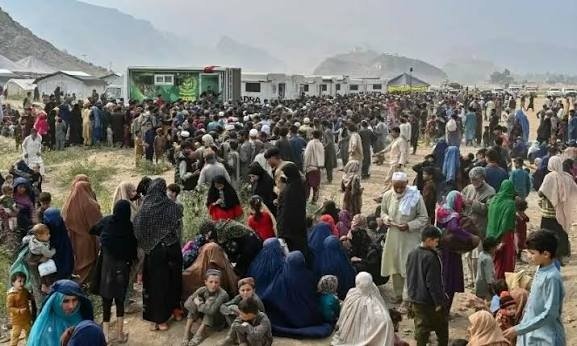
ISLAMABAD — The repatriation of Afghan nationals residing illegally in Pakistan saw a significant movement on Monday as 3,790 individuals were returned to Afghanistan through the Torkham border crossing, according to official figures. This process is part of ongoing efforts to manage the presence of Afghan nationals in Pakistan. What Happened The Torkham border crossing, a key point of transit between Pakistan and Afghanistan, witnessed the repatriation of 3,790 Afghan nationals within a span of 24 hours. These individuals were residing in various districts and holding camps across Khyber Pakhtunkhwa. The operation is part of a broader initiative to address the issue of illegal residency and ensure compliance with immigration laws. Officials involved in the repatriation process have emphasized the importance of conducting the operation in a humane and organized manner. “We are committed to facilitating a smooth transition for these individuals back to their home country,” an official stated. The repatriation is being conducted under the supervision of relevant authorities to ensure that the process is carried out efficiently and respectfully. The government has been working closely with Afghan authorities to coordinate the return of these nationals. This collaboration aims to ensure that the repatriated individuals are received and integrated back into Afghan society with the necessary support and resources. Background The repatriation of Afghan nationals from Pakistan is not a new phenomenon. Over the years, Pakistan has hosted millions of Afghan refugees, particularly following the Soviet invasion of Afghanistan in 1979 and subsequent conflicts. While many have returned voluntarily over the years, a significant number continue to reside in Pakistan, some without legal documentation. In recent years, the Pakistani government has intensified efforts to regulate the presence of Afghan nationals, particularly those residing illegally. This has involved a combination of voluntary repatriation programs and more stringent immigration enforcement measures. The Torkham border crossing has been a focal point for these efforts, given its strategic importance and high volume of cross-border movement. Why It Matters The repatriation of Afghan nationals carries significant implications for both Pakistan and Afghanistan. For Pakistan, managing the presence of foreign nationals is crucial for maintaining social and economic stability. The presence of a large number of undocumented individuals can strain public resources and complicate security efforts. Economically, the repatriation process can impact local communities, particularly in regions like Khyber Pakhtunkhwa, where many Afghan nationals have settled. Businesses and local economies that have adapted to the presence of Afghan residents may experience changes as these individuals return to Afghanistan. For Afghanistan, the return of its nationals presents both opportunities and challenges. The Afghan government must ensure that it has the capacity to receive and integrate these individuals, providing them with access to essential services such as housing, education, and employment. Successful reintegration is critical for the stability and development of Afghan society. Internationally, the repatriation process is being closely monitored by humanitarian organizations and foreign governments. Ensuring that the rights and dignity of repatriated individuals are upheld is a priority for these stakeholders, who are keen to see a peaceful and cooperative resolution to the issue of Afghan residency in Pakistan. Key Takeaways 3,790 Afghan nationals were repatriated through the Torkham border crossing in 24 hours. The repatriation is part of efforts to manage illegal residency in Pakistan. Coordination with Afghan authorities is crucial to ensure smooth reintegration. The process has significant social and economic implications for both countries. International observers are monitoring the situation to ensure human rights are respected. Source Attribution This article is based on official government statements, press releases, and public communications from relevant authorities. Author: NEN Editorial Desk | Editor: NEN Newsroom | Fact Checked By: NEN Editorial Team Author: NEN Editorial Desk  |  Editor: NEN Newsroom  |  Last Updated: July 13, 2026  |  Source: NEN Reporter This article was produced by the NEN Editorial Desk in accordance with NEN Agency’s Editorial Policy and Fact-Checking Policy.

Pakistan

Kashmiri-American Delegation Calls for Dialogue to Foster Peace in AJK

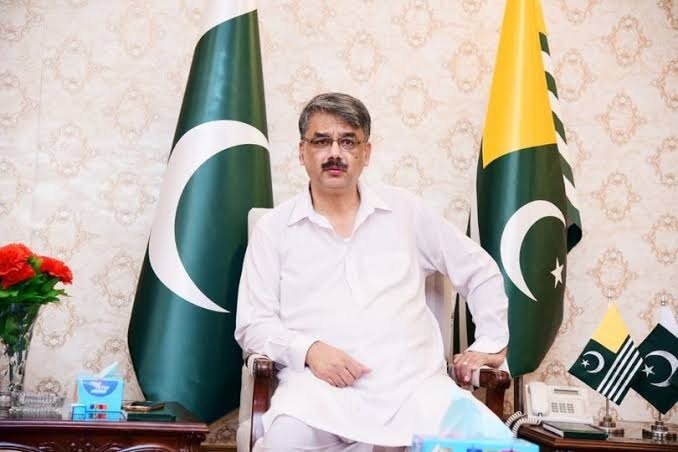
ISLAMABAD — A delegation of Kashmiri-Americans has called for renewed dialogue to address concerns and promote peace in Azad Jammu and Kashmir (AJK). The group met with Federal Planning Minister Ahsan Iqbal on Sunday, expressing their apprehensions about recent developments in the region. What Happened The meeting, which lasted 90 minutes, was held in Islamabad with the visiting Federal Planning Minister, Ahsan Iqbal. The delegation, representing the Kashmiri-American diaspora, voiced their concerns regarding the current situation in Azad Jammu and Kashmir. According to a press release issued by the delegation, they emphasized the need for constructive dialogue to address ongoing issues and foster unity among the people of AJK. During the meeting, the delegation highlighted the importance of peace and stability in the region, not only for the residents of AJK but also for the broader South Asian context. They urged the Pakistani government to engage in meaningful discussions with all stakeholders to ensure a peaceful resolution to the challenges faced by the region. Federal Planning Minister Ahsan Iqbal acknowledged the concerns raised by the delegation and reiterated the government’s commitment to peace and development in AJK. He assured the delegation that their concerns would be conveyed to relevant authorities and that efforts would be made to address the issues highlighted during the meeting. Background Azad Jammu and Kashmir, often referred to as AJK, has been a focal point of tension between Pakistan and India since the partition of the Indian subcontinent in 1947. The region has witnessed several conflicts and remains a sensitive area due to its strategic importance and the longstanding dispute over the broader Kashmir region. Over the years, various efforts have been made to resolve the conflict, including bilateral talks between Pakistan and India, as well as international mediation attempts. However, a lasting solution has remained elusive, with sporadic violence and political unrest continuing to affect the region. The Kashmiri-American community, along with other diaspora groups, has often played a role in advocating for peace and stability in the region, leveraging their influence and connections to promote dialogue and understanding. Why It Matters The call for dialogue by the Kashmiri-American delegation underscores the critical need for a peaceful resolution to the issues in AJK. The region’s stability is crucial not only for the people living there but also for the broader geopolitical dynamics in South Asia. Tensions in AJK have the potential to escalate into larger conflicts, affecting millions of lives and disrupting regional peace. Economically, prolonged instability in AJK can hinder development projects and investment opportunities, impacting the livelihoods of its residents. The region’s strategic location and natural resources present significant potential for economic growth, which can only be realized in a peaceful environment. Socially, the ongoing conflict has led to a humanitarian toll, with communities facing displacement, loss of life, and disruption of daily activities. A peaceful resolution would improve the quality of life for residents and allow for the rebuilding of communities affected by years of unrest. Internationally, the situation in AJK is closely monitored by global powers, with implications for international relations and security. A peaceful resolution could enhance Pakistan’s standing as a responsible member of the international community, committed to peace and stability in the region. Key Takeaways A Kashmiri-American delegation met with Federal Planning Minister Ahsan Iqbal to discuss peace in AJK. The delegation emphasized the need for dialogue to address concerns and foster unity in the region. Federal Planning Minister Ahsan Iqbal assured the delegation of the government’s commitment to peace and development in AJK. AJK’s stability is crucial for regional peace and has significant economic and social implications. The international community closely monitors the situation, with potential impacts on global security and relations. Source Attribution This article is based on official government statements, press releases, and public communications from relevant authorities. Author: NEN Editorial Desk | Editor: NEN Newsroom | Fact Checked By: NEN Editorial Team Author: NEN Editorial Desk  |  Editor: NEN Newsroom  |  Last Updated: July 13, 2026  |  Source: Press Release from Government of Pakistan This article was produced by the NEN Editorial Desk in accordance with NEN Agency’s Editorial Policy and Fact-Checking Policy.

Scroll to Top