
Pakistan

News related to Pakistan in Pakistan and around the world.

Pakistan

PM Shehbaz Visits Qatar to Condole Former Amir’s Passing

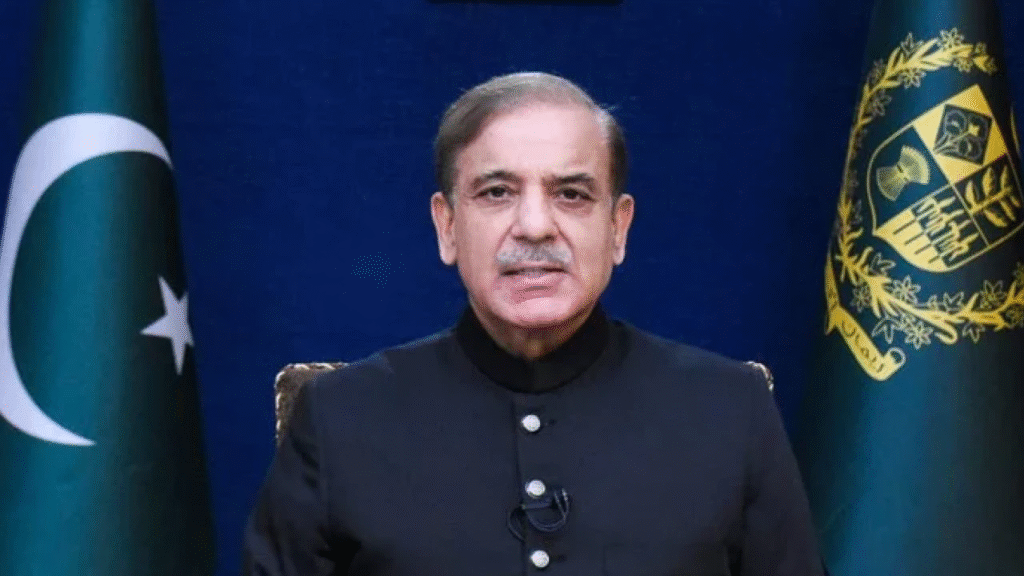
ISLAMABAD — Prime Minister Shehbaz Sharif embarked on a one-day visit to Qatar on July 13, 2026, to offer condolences over the death of the former Amir of Qatar. This visit underscores the strong bilateral relations between Pakistan and Qatar, as the Prime Minister represents the sentiments of the Pakistani government and its people. What Happened Prime Minister Shehbaz Sharif arrived in Qatar to personally convey his condolences to the Qatari Royal Family following the demise of the former Amir. The visit is a gesture of solidarity from Pakistan, reflecting the deep-rooted ties between the two nations. The Prime Minister’s visit was marked by a series of meetings with Qatari officials, during which he expressed heartfelt sympathies on behalf of the Pakistani nation. The former Amir, who played a significant role in shaping Qatar’s modern history, passed away earlier this week. His leadership was instrumental in transforming Qatar into a key player on the global stage, particularly in the energy sector. Prime Minister Shehbaz’s visit comes as a part of the broader diplomatic efforts to maintain and strengthen Pakistan’s relationship with Qatar. In a show of respect and mourning, Prime Minister Shehbaz declared July 13 as a day of national mourning in Pakistan. The national flag was flown at half-mast across the country to honor the late Amir’s contributions and to express Pakistan’s solidarity with Qatar during this period of grief. Background The former Amir of Qatar, who ruled from 1995 to 2013, was a pivotal figure in the Middle East. His reign saw significant economic growth and development in Qatar, particularly through the expansion of its natural gas industry. Under his leadership, Qatar emerged as one of the world’s largest exporters of liquefied natural gas (LNG), significantly boosting its economy. Pakistan and Qatar have enjoyed strong diplomatic ties, with Qatar being a key supplier of LNG to Pakistan. The two countries have collaborated on various economic and development projects, strengthening their bilateral relations over the years. The former Amir’s passing marks the end of an era for Qatar, and his contributions to the nation are widely recognized and respected internationally. Why It Matters The Prime Minister’s visit to Qatar is significant for several reasons. Firstly, it highlights the importance Pakistan places on its relationship with Qatar. The two countries have been strategic partners, particularly in the energy sector, with Qatar being a major supplier of LNG to Pakistan. This visit reaffirms Pakistan’s commitment to maintaining strong ties with Qatar. Economically, the relationship between Pakistan and Qatar is crucial. Qatar’s LNG exports are vital for Pakistan’s energy needs, helping to alleviate the country’s power shortages. The continuation of this relationship is essential for Pakistan’s energy security and economic stability. Politically, the visit demonstrates Pakistan’s diplomatic engagement in the Middle East, a region of strategic importance. By expressing condolences and showing solidarity, Pakistan strengthens its diplomatic ties and positions itself as a supportive partner in the region. On a social level, the visit reflects the cultural and historical ties between the two nations. Many Pakistanis reside and work in Qatar, contributing to its economy, and the visit underscores the shared values and mutual respect between the peoples of both countries. Key Takeaways Prime Minister Shehbaz Sharif visited Qatar to offer condolences for the former Amir’s death. July 13 was declared a day of national mourning in Pakistan, with flags at half-mast. The visit underscores the strong bilateral relations between Pakistan and Qatar. Qatar is a key LNG supplier to Pakistan, vital for its energy needs. The visit highlights Pakistan’s diplomatic engagement in the Middle East. Source Attribution This article is based on official government statements, press releases, and public communications from relevant authorities. Author: NEN Editorial Desk | Editor: NEN Newsroom | Fact Checked By: NEN Editorial Team Author: NEN Editorial Desk  |  Editor: NEN Newsroom  |  Last Updated: July 13, 2026  |  Source: NEN Reporter This article was produced by the NEN Editorial Desk in accordance with NEN Agency’s Editorial Policy and Fact-Checking Policy.

Pakistan

Monsoon Rains Revitalize Kumrat Valley, Attracting Nature Enthusiasts

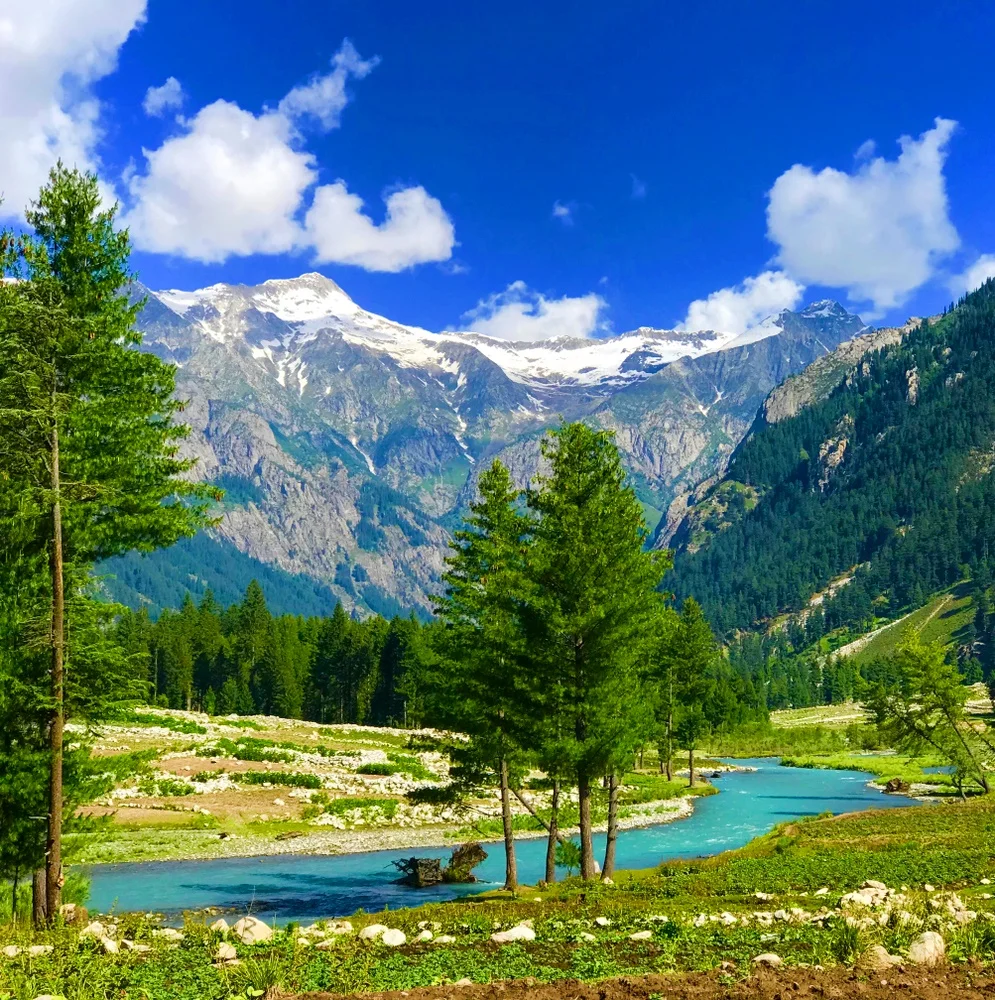
DIR UPPER — The monsoon season has brought a transformative charm to Kumrat Valley, located in the Dir Upper district, turning it into a haven for nature lovers. As the monsoon clouds play hide-and-seek with the sun, they drift through the towering deodar forests, offering visitors a refreshing escape from the sweltering summer heat of Pakistan’s plains. What Happened Kumrat Valley, renowned for its lush greenery and serene environment, has become a focal point for tourists seeking respite from the intense heat in other parts of the country. The valley’s natural beauty is further enhanced by the seasonal rains, which breathe life into its landscapes. The Black Chesma waterfall, a key attraction in the valley, is particularly captivating during this time, as the increased water flow creates a mesmerizing spectacle for visitors. Local tourism operators have reported a significant increase in the number of visitors to the valley since the onset of the monsoon. “This year, the monsoon has been particularly generous, and the valley is more beautiful than ever,” said a local guide. The influx of tourists has also provided a boost to the local economy, with increased demand for accommodation and guided tours. Visitors to Kumrat Valley can enjoy a variety of activities, including hiking, camping, and photography. The valley’s diverse flora and fauna offer ample opportunities for wildlife enthusiasts and nature photographers. The monsoon season, with its cooler temperatures and lush landscapes, provides an ideal backdrop for these activities. Background Kumrat Valley is situated in the Khyber Pakhtunkhwa province of Pakistan and is known for its scenic beauty and biodiversity. The valley is accessible from the town of Thal and is a popular destination for domestic tourists. In recent years, efforts have been made to promote sustainable tourism in the region, with a focus on preserving its natural environment while providing economic benefits to local communities. The monsoon season in Pakistan typically lasts from July to September, bringing much-needed rainfall to various parts of the country. While the rains can cause flooding and other challenges in some areas, they are crucial for replenishing water supplies and supporting agriculture. Why It Matters The transformation of Kumrat Valley during the monsoon season is significant for several reasons. Economically, the increased tourist activity provides a vital source of income for local communities, many of whom rely on tourism as their primary livelihood. The influx of visitors also creates opportunities for small businesses, such as local eateries and souvenir shops, to thrive. Socially, the valley serves as a peaceful retreat for individuals and families looking to escape the hustle and bustle of urban life. The natural beauty of the area promotes mental well-being and offers a chance for people to reconnect with nature. This is particularly important in a country where urbanization and industrialization have led to environmental degradation in many regions. Environmentally, the emphasis on sustainable tourism in Kumrat Valley highlights the importance of preserving natural habitats. By promoting eco-friendly practices, local authorities and tourism operators aim to protect the valley’s unique ecosystem for future generations. This approach not only benefits the environment but also ensures that the valley remains an attractive destination for tourists in the years to come. Key Takeaways The monsoon season has revitalized Kumrat Valley, making it a popular destination for nature lovers. The Black Chesma waterfall is a major attraction, drawing visitors with its enhanced beauty during the rains. The increase in tourism has provided economic benefits to local communities in the Dir Upper district. Sustainable tourism practices are being promoted to preserve the valley’s natural environment. Kumrat Valley offers a peaceful retreat for those seeking relief from the summer heat and urban life. Source Attribution This article is based on official government statements, press releases, and public communications from relevant authorities. Author: NEN Editorial Desk | Editor: NEN Newsroom | Fact Checked By: NEN Editorial Team Author: NEN Editorial Desk  |  Editor: NEN Newsroom  |  Last Updated: July 13, 2026  |  Source: NEN Reporter This article was produced by the NEN Editorial Desk in accordance with NEN Agency’s Editorial Policy and Fact-Checking Policy.

Pakistan

Stagnant Water Poses Threat to Cotton Crops, Warns CCRI Director

MULTAN — The Central Cotton Research Institute (CCRI) has issued a warning to cotton farmers about the detrimental effects of stagnant water on their crops. Sabahat Hussain, Director of CCRI Multan, emphasized the importance of ensuring that water does not remain stagnant in cotton fields for more than 24 hours, particularly after the recent rains. What Happened Following the recent spell of rains, Sabahat Hussain, Director of the Central Cotton Research Institute (CCRI) in Multan, has advised cotton growers to be vigilant about water management in their fields. In an official statement released on Monday, Hussain highlighted the risks associated with stagnant water, which can severely damage the cotton crop if left unaddressed for more than a day. “Stagnant water can lead to root rot and other fungal diseases that significantly reduce yield,” Hussain stated. He urged farmers to take immediate measures to drain excess water from their fields, emphasizing that timely action is crucial to prevent potential losses. The advice comes at a critical time as the cotton crop is nearing a sensitive growth stage where it is particularly vulnerable to waterlogging. The CCRI’s warning is part of a broader initiative to educate farmers about best practices in crop management, particularly in response to erratic weather patterns that have become more frequent in recent years. The institute has been actively disseminating information through various channels to ensure that farmers are equipped with the knowledge they need to protect their crops. Background Cotton is one of Pakistan’s major cash crops and plays a vital role in the country’s economy, contributing significantly to the textile industry. The crop is predominantly grown in the Punjab and Sindh provinces, where it is susceptible to various environmental stresses, including waterlogging. Historically, the cotton sector has faced numerous challenges, including pest infestations, water scarcity, and fluctuating weather conditions. The recent rains have exacerbated these issues, making effective water management more crucial than ever. The CCRI, established to support the cotton industry through research and development, has been at the forefront of addressing these challenges by providing scientific guidance and support to farmers. Why It Matters The warning from CCRI is significant as it underscores the ongoing challenges faced by cotton growers in Pakistan. With cotton being a cornerstone of the country’s agricultural output and a key export commodity, any threat to its production can have far-reaching economic implications. The textile sector, which relies heavily on cotton, is a major source of employment and foreign exchange earnings for Pakistan. Water management has become increasingly important as climate change leads to more unpredictable weather patterns. The recent rains have highlighted the need for farmers to adopt adaptive strategies to mitigate the impact of such events. Failure to address issues like waterlogging can result in substantial crop losses, affecting not only the livelihoods of farmers but also the broader economy. Moreover, the situation calls for enhanced collaboration between research institutions like CCRI and the farming community to develop and implement effective solutions. By prioritizing education and resource allocation, Pakistan can better safeguard its agricultural sector against environmental challenges. Key Takeaways The CCRI has warned cotton farmers about the dangers of stagnant water following recent rains. Stagnant water can lead to root rot and fungal diseases, reducing crop yield. Cotton is a major cash crop in Pakistan, crucial for the textile industry and economy. Effective water management is vital to protect crops from erratic weather patterns. Collaboration between research institutions and farmers is essential for sustainable agriculture. Source Attribution This article is based on official statements and public communications from the Central Cotton Research Institute (CCRI) and relevant authorities. Author: NEN Editorial Desk | Editor: NEN Newsroom | Fact Checked By: NEN Editorial Team Author: NEN Editorial Desk  |  Editor: NEN Newsroom  |  Last Updated: July 13, 2026  |  Source: NEN Reporter This article was produced by the NEN Editorial Desk in accordance with NEN Agency’s Editorial Policy and Fact-Checking Policy.
Pakistan

Former Tax Judge Javed Iqbal Dies at 75 in Kohat

KOHAT — Former Tax Judge Javed Iqbal, a distinguished figure in Pakistan’s legal community, passed away on Monday at the age of 75, according to family sources. Iqbal, who had a long and illustrious career as a senior lawyer and judge at the Income Tax Tribunal, was widely respected for his contributions to the legal field. What Happened Javed Iqbal’s death was confirmed by his family, who reported that he passed away peacefully in his hometown of Kohat. Known for his integrity and dedication, Iqbal served as a judge on Pakistan’s Income Tax Tribunal, where he earned a reputation for fairness and thoroughness in his judgments. His passing has elicited a wave of condolences from colleagues, members of the judiciary, and local residents, who have expressed their admiration for his legal acumen and commitment to justice. Throughout his career, Iqbal was recognized for his deep understanding of tax law and his ability to navigate complex legal issues. His judgments often set precedents that influenced subsequent legal interpretations and decisions. As a senior lawyer, he mentored many young attorneys, helping to shape the next generation of legal professionals in Pakistan. In addition to his professional achievements, Iqbal was also known for his involvement in community service, often participating in local initiatives aimed at improving access to legal resources for underprivileged groups. His efforts in this area were widely appreciated and further cemented his legacy as a compassionate and dedicated public servant. Background Javed Iqbal’s career in law spanned several decades, during which he held various positions within the legal system. After completing his law degree, he began his career as a practising lawyer, quickly establishing himself as a formidable advocate in tax-related cases. His expertise in this niche area of law led to his appointment as a judge on the Income Tax Tribunal, where he served for many years. The Income Tax Tribunal is a critical component of Pakistan’s judicial system, tasked with resolving disputes related to tax assessments and compliance. Judges like Iqbal play a vital role in ensuring that tax laws are applied fairly and consistently, contributing to the overall integrity of the country’s tax system. Iqbal’s tenure on the tribunal was marked by several high-profile cases, where his judgments were noted for their clarity and adherence to legal principles. His work not only impacted the immediate parties involved but also shaped the broader legal landscape concerning tax law in Pakistan. Why It Matters The passing of Javed Iqbal is a significant loss to Pakistan’s legal community. His contributions to the field of tax law have left an indelible mark on the country’s legal system, influencing both current practices and future interpretations of tax legislation. His role as a mentor to young lawyers has helped ensure that his commitment to justice and fairness will continue to resonate within the profession. Economically, the work of judges like Iqbal is crucial in maintaining a balanced and fair tax system, which is essential for the country’s fiscal health. By ensuring that tax laws are applied consistently, the tribunal helps to foster trust in the tax system, encouraging compliance and thereby supporting government revenue streams. Socially, Iqbal’s involvement in community service highlights the important role that legal professionals can play beyond the courtroom. His efforts to improve access to legal resources for marginalized communities underscore the broader societal impact that dedicated public servants can have. Internationally, the integrity and effectiveness of Pakistan’s legal institutions, as exemplified by figures like Iqbal, are vital for attracting foreign investment and fostering economic growth. A robust legal framework provides the stability and predictability that investors seek, further underscoring the importance of Iqbal’s contributions. Key Takeaways Javed Iqbal, a former judge of Pakistan’s Income Tax Tribunal, has passed away at 75. He was known for his expertise in tax law and his fair, precedent-setting judgments. Iqbal’s career included significant contributions to both the legal community and public service. His work has had lasting impacts on Pakistan’s legal and economic systems. Iqbal’s legacy includes mentoring young lawyers and advocating for legal access for all. Source Attribution This article is based on official government statements, press releases, and public communications from relevant authorities. Author: NEN Editorial Desk | Editor: NEN Newsroom | Fact Checked By: NEN Editorial Team Author: NEN Editorial Desk  |  Editor: NEN Newsroom  |  Last Updated: July 13, 2026  |  Source: NEN Reporter This article was produced by the NEN Editorial Desk in accordance with NEN Agency’s Editorial Policy and Fact-Checking Policy.

Pakistan

Elderly Vendor Uses Balloons to Draw Customers at Khana Pull

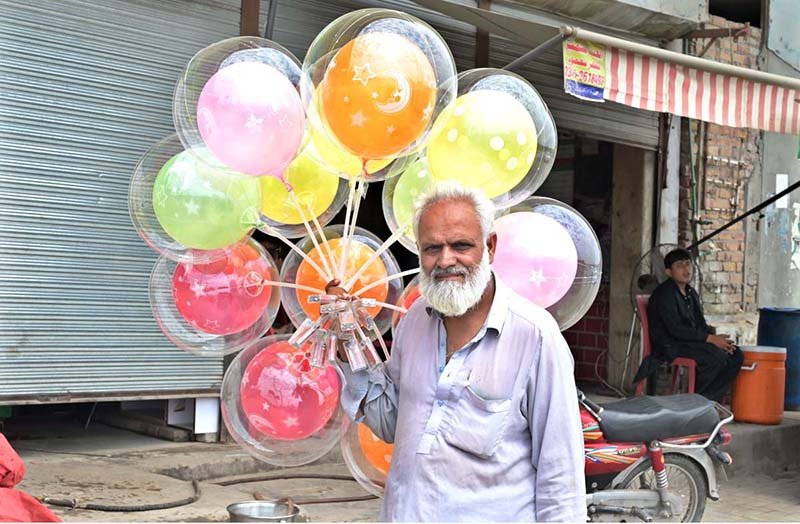
ISLAMABAD — An elderly vendor has become a familiar sight at the bustling Khana Pull area, where he displays a vibrant array of balloons to attract passersby and potential customers. This unique approach to vending highlights the struggles and resilience of many informal workers in the region. What Happened The vendor, who has not been named, is seen daily at Khana Pull, a busy intersection known for its vibrant marketplace and heavy foot traffic. With a collection of colorful balloons held aloft, he seeks to catch the attention of children and adults alike. The vendor’s strategy is simple yet effective: the bright colors and whimsical shapes of the balloons serve as an eye-catching draw amidst the hustle and bustle of the market. According to local shoppers, the vendor’s presence is a testament to the enduring spirit of small-scale entrepreneurs who continue to operate despite economic challenges. One shopper remarked, “His balloons bring a smile to many faces, and it’s heartening to see someone working so hard to make an honest living.” The vendor’s efforts underscore the broader economic realities faced by many in Pakistan, where informal employment remains a significant part of the economy. Background Khana Pull is a well-known commercial hub in Islamabad, frequented by locals for its variety of goods and lively atmosphere. The area has long been a melting pot of vendors and small businesses, each vying for the attention of shoppers. Informal vending, such as selling balloons, is a common practice in Pakistan, where many individuals rely on such activities for their livelihood. Historically, street vendors have played a crucial role in the urban economy, providing affordable goods and services to the public. However, they often operate without formal recognition or support, making them vulnerable to economic fluctuations and regulatory challenges. In recent years, there have been calls for better integration of informal vendors into the formal economy to provide them with greater security and benefits. Why It Matters The presence of the elderly vendor at Khana Pull is indicative of the broader socioeconomic challenges facing Pakistan. With a significant portion of the population engaged in informal work, there is an ongoing debate about how to best support these workers. The vendor’s story highlights the need for policies that recognize and protect the rights of informal workers, ensuring they have access to social security and economic opportunities. Economically, the informal sector is vital to Pakistan’s economy, contributing significantly to employment and GDP. However, the lack of formal recognition means that many workers do not have access to benefits such as health care, pensions, or unemployment insurance. This situation is exacerbated for older workers, who may not have the same physical capabilities as younger individuals and thus face additional challenges in sustaining their livelihoods. Socially, the vendor’s efforts reflect the resilience and adaptability of Pakistan’s workforce. His ability to attract customers with something as simple as balloons demonstrates the creativity and determination of informal workers. It also raises questions about the societal value placed on such labor and the importance of supporting these individuals through inclusive economic policies. Key Takeaways An elderly vendor uses balloons to attract customers at Khana Pull, Islamabad. The vendor’s strategy highlights the challenges and resilience of informal workers in Pakistan. Khana Pull is a bustling commercial hub known for its diverse marketplace. Informal vending is a significant part of Pakistan’s economy, providing essential goods and services. There is a need for policies that support and protect the rights of informal workers. Source Attribution This article is based on official government statements, press releases, and public communications from relevant authorities. Author: NEN Editorial Desk | Editor: NEN Newsroom | Fact Checked By: NEN Editorial Team Author: NEN Editorial Desk  |  Editor: NEN Newsroom  |  Last Updated: July 13, 2026  |  Source: NEN Reporter This article was produced by the NEN Editorial Desk in accordance with NEN Agency’s Editorial Policy and Fact-Checking Policy.

Pakistan

Chairman Senate Honors Kashmir Martyrs’ Sacrifices for Justice

ISLAMABAD — Chairman Senate on Sunday paid homage to the martyrs of July 13, 1931, emphasizing their enduring legacy in the Kashmiri struggle for justice and self-determination. The tribute was part of a solemn commemoration of the sacrifices made by these individuals, which continue to inspire the ongoing quest for dignity and rights in the region. What Happened On Sunday, the Chairman of the Senate delivered a heartfelt tribute to the martyrs of July 13, 1931, acknowledging their pivotal role in the historical and ongoing struggle of the Kashmiri people. In his statement, he remarked, “The sacrifices of these martyrs are a timeless symbol of the Kashmiri people’s struggle for justice, dignity, and the right to self-determination.” This tribute was part of an event commemorating the 92nd anniversary of the tragic events that unfolded on that day. July 13, 1931, is remembered as a significant date in Kashmiri history when 22 individuals lost their lives while protesting against the oppressive Dogra regime. The protestors had gathered outside the Central Jail in Srinagar, where Abdul Qadeer, an activist, was being tried on charges of sedition. As the crowd demanded justice, the Dogra forces opened fire, resulting in the death of the protestors. The Chairman Senate’s tribute underscores the importance of remembering these martyrs, whose sacrifices have become an emblem of resistance against oppression and a call for the right to self-determination. The event was attended by various political leaders and activists who reiterated their commitment to supporting the Kashmiri cause. Background The events of July 13, 1931, are etched in the collective memory of the Kashmiri people as a pivotal moment in their struggle against colonial rule. The protestors who gathered outside the Srinagar Central Jail were advocating for the rights and freedoms that had been denied to them under the Dogra rule, which was characterized by widespread repression and discrimination against the Muslim majority. Over the decades, July 13 has been commemorated annually as Kashmir Martyrs’ Day, serving as a reminder of the sacrifices made in the pursuit of justice and self-determination. The day is marked by various ceremonies and events across the region, highlighting the ongoing struggle of the Kashmiri people and their demand for autonomy. Why It Matters The tribute by the Chairman Senate is significant as it highlights the enduring relevance of the Kashmir issue in Pakistan’s political discourse. The Kashmir conflict remains a critical point of contention between India and Pakistan, with both countries claiming the region in its entirety. The sacrifices of the 1931 martyrs continue to resonate with those advocating for Kashmiri self-determination, a cause that has received consistent support from Pakistan. For Pakistan, the Kashmir issue is not just a territorial dispute but a matter of principle, involving the rights and freedoms of the Kashmiri people. The Chairman Senate’s remarks serve to reaffirm Pakistan’s stance on the issue and its commitment to advocating for the rights of Kashmiris on international platforms. This is particularly relevant in the context of recent developments, including India’s revocation of Article 370 in 2019, which granted special autonomy to Jammu and Kashmir. The commemoration of the Kashmir martyrs also serves to strengthen the resolve of political leaders and activists in Pakistan to continue supporting the Kashmiri cause. It underscores the importance of international awareness and intervention in resolving the long-standing conflict, which has significant implications for regional stability and peace. Key Takeaways Chairman Senate paid tribute to the Kashmir martyrs of July 13, 1931, highlighting their sacrifices for justice and self-determination. The events of July 13, 1931, marked a significant moment in the Kashmiri struggle against the oppressive Dogra regime. The Kashmir issue remains a central aspect of Pakistan’s political discourse and international advocacy efforts. The tribute underscores Pakistan’s commitment to supporting the Kashmiri cause on international platforms. Commemorating the martyrs strengthens the resolve to seek a peaceful resolution to the Kashmir conflict. Source Attribution This article is based on official government statements, press releases, and public communications from relevant authorities. Author: NEN Editorial Desk | Editor: NEN Newsroom | Fact Checked By: NEN Editorial Team Author: NEN Editorial Desk  |  Editor: NEN Newsroom  |  Last Updated: July 13, 2026  |  Source: Press Release from Government of Pakistan This article was produced by the NEN Editorial Desk in accordance with NEN Agency’s Editorial Policy and Fact-Checking Policy.

Pakistan

President Zardari Honors Kashmiri Martyrs on 95th Youm-e-Shuhada-e-Kashmir

ISLAMABAD — President Asif Ali Zardari paid homage to the Kashmiri martyrs on the occasion of the 95th Kashmir Martyrs’ Day, known as Youm-e-Shuhada-e-Kashmir. The day commemorates the sacrifice of 22 Kashmiris who were killed by Dogra forces on July 13, 1931, while protesting against the oppressive regime. What Happened On the solemn occasion of Youm-e-Shuhada-e-Kashmir, President Asif Ali Zardari expressed his deep respect and admiration for the 22 Kashmiri martyrs who lost their lives in 1931. These individuals were part of a larger movement against the oppressive Dogra rule in Jammu and Kashmir, and their deaths marked a significant moment in the history of the Kashmiri struggle for self-determination. The incident occurred when a large crowd gathered outside the Central Jail in Srinagar to protest the trial of Abdul Qadeer, a prominent figure who had spoken against the Dogra regime. As tensions escalated, the Dogra forces opened fire on the unarmed protesters, resulting in the deaths of 22 individuals. This event is remembered annually as a symbol of resistance and the ongoing struggle for Kashmiri rights. In his statement, President Zardari highlighted the enduring spirit of the Kashmiri people and their continued fight for freedom and justice. He reiterated Pakistan’s unwavering support for the Kashmiri cause and called for a peaceful resolution to the conflict in accordance with United Nations resolutions. Background The Kashmir Martyrs’ Day is observed every year on July 13 to honor those who died in the 1931 protest against the Dogra rule. The event is a pivotal point in the history of Jammu and Kashmir, as it marked the beginning of a more organized and widespread resistance against the oppressive regime. The Dogra dynasty, which ruled Jammu and Kashmir from 1846 to 1947, faced significant opposition from the local population due to its discriminatory policies and harsh governance. Since the partition of the Indian subcontinent in 1947, the Kashmir issue has remained a contentious point between India and Pakistan, with both countries claiming the region in its entirety. The conflict has led to multiple wars and ongoing skirmishes along the Line of Control, with the Kashmiri people caught in the crossfire. Why It Matters The commemoration of Kashmir Martyrs’ Day holds significant political and social implications for both Pakistan and the broader South Asian region. It serves as a reminder of the historical grievances and the unresolved status of the Kashmir conflict, which continues to affect regional stability and international relations. For Pakistan, the day underscores its commitment to the Kashmiri cause and its role as a key stakeholder in seeking a peaceful resolution. The government’s stance is rooted in advocating for the right to self-determination for the Kashmiri people, as outlined in various United Nations resolutions. Internationally, the Kashmir issue remains a point of concern, with human rights organizations frequently highlighting the plight of the Kashmiri people. The ongoing conflict has led to significant human rights violations, including restrictions on freedom of expression, arbitrary detentions, and instances of violence against civilians. The observance of Youm-e-Shuhada-e-Kashmir also serves to galvanize support among the Pakistani populace and the global diaspora, reinforcing the narrative of solidarity with the Kashmiri struggle. It is a day of reflection on the sacrifices made by past generations and a call to action for continued advocacy and diplomatic efforts. Key Takeaways President Zardari paid tribute to the 22 Kashmiri martyrs on the 95th Kashmir Martyrs’ Day. The event commemorates the deaths of protesters killed by Dogra forces in 1931. Kashmir Martyrs’ Day is a symbol of resistance against historical oppression in Jammu and Kashmir. The day highlights Pakistan’s ongoing support for the Kashmiri right to self-determination. The Kashmir conflict remains a significant issue affecting regional and international relations. Source Attribution This article is based on official government statements, press releases, and public communications from relevant authorities. Author: NEN Editorial Desk | Editor: NEN Newsroom | Fact Checked By: NEN Editorial Team Author: NEN Editorial Desk  |  Editor: NEN Newsroom  |  Last Updated: July 12, 2026  |  Source: Press Release from Government of Pakistan This article was produced by the NEN Editorial Desk in accordance with NEN Agency’s Editorial Policy and Fact-Checking Policy.

Pakistan

IESCO Announces Power Suspension for Maintenance Across Multiple Regions

ISLAMABAD — The Islamabad Electric Supply Company (IESCO) has announced a power suspension programme scheduled for Monday, affecting various regions within its service area. The suspension is due to essential maintenance and routine development work, according to an official statement released on Sunday. What Happened The IESCO spokesperson detailed the areas and timings for the planned power outage. In the Islamabad Circle, electricity will be unavailable from 8 am to 12 pm affecting the Gharial feeder. In the Rawalpindi Cantt Circle, the power supply will be suspended from 5 am to 10 am, impacting the Ghazan Khan feeder. Residents in the Attock Circle will experience a power cut from 6 am to 10 am, affecting Attock Rural, Teen Mela, Bagh Nelab, and People Colony feeders. Similarly, in the Chakwal Circle, the suspension will occur from 6 am to 10 am for Abdullah Pur, Jala Pur, Sagharpur, and CWO feeders, and from 6 am to 12 pm for Jamal Wal and Mengan feeders. In the Jhelum Circle, power will be suspended from 6 am to 10 am, affecting Khai Kulia, Karyala, Metro City, Grand City, and Bolani feeders. The GSO Circle will see a more extended outage from 9 am to 4 pm for the 132kv AWC HMC Taxila and 132KV Sangjani-Burhan feeders, and from 8 am to 6 pm for 132-KV Chakwal-Bhagwal-Talagang, 132KV Kahuta City-Palandri, and 132KV New Wah-Bahtermore feeders along with related earth switch and surrounding areas. IESCO has expressed regret for the inconvenience this may cause to consumers and assured that electricity supply would be restored ahead of schedule if maintenance work is completed earlier than anticipated. Background Power suspension for maintenance is a routine procedure carried out by IESCO to ensure the reliability and safety of the electrical infrastructure. Such maintenance activities are essential for preventing unexpected outages and ensuring the efficient operation of the power grid. IESCO, serving a substantial portion of Northern Pakistan, routinely schedules these outages to perform necessary upgrades and repairs. Historically, these maintenance activities have been crucial in reducing the frequency of unplanned power outages, which can be more disruptive to consumers. By announcing the schedule in advance, IESCO aims to minimize inconvenience and allow consumers to plan accordingly. Why It Matters The scheduled power suspension by IESCO is significant as it highlights the ongoing efforts to maintain and upgrade the power infrastructure in Pakistan. Regular maintenance is vital for ensuring a stable power supply, which is crucial for both residential consumers and businesses. Without these scheduled outages, the risk of unexpected power failures increases, potentially leading to more significant disruptions. For businesses, especially those reliant on continuous power supply, such as manufacturing and IT services, these scheduled outages allow for contingency planning to mitigate the impact on operations. For residents, it provides an opportunity to prepare for the temporary inconvenience by planning their daily activities around the outage schedule. On a broader scale, these maintenance efforts align with Pakistan’s energy policy goals to improve reliability and efficiency in the power sector. As the country continues to face challenges in meeting the growing energy demand, maintaining existing infrastructure becomes as crucial as developing new energy projects. Key Takeaways IESCO has announced a power suspension for Monday due to maintenance work. The suspension affects multiple circles including Islamabad, Rawalpindi, Attock, Chakwal, and Jhelum. Outages are scheduled at different times, with some areas facing up to 10 hours of suspension. IESCO assures restoration of power ahead of schedule if maintenance concludes early. Routine maintenance is crucial for preventing unplanned outages and ensuring grid reliability. Source Attribution This article is based on official statements and public communications from the Islamabad Electric Supply Company (IESCO). Author: NEN Editorial Desk | Editor: NEN Newsroom | Fact Checked By: NEN Editorial Team Author: NEN Editorial Desk  |  Editor: NEN Newsroom  |  Last Updated: July 12, 2026  |  Source: NEN Reporter This article was produced by the NEN Editorial Desk in accordance with NEN Agency’s Editorial Policy and Fact-Checking Policy.
Pakistan

ICCI Urges National Strategy for Youth Empowerment and Economic Growth

ISLAMABAD — The Islamabad Chamber of Commerce and Industry (ICCI) has emphasized the need for a comprehensive national strategy to harness the potential of Pakistan’s youth. Acting President Tahir Ayub highlighted the importance of transforming the country’s burgeoning young population into a productive economic force through investments in education, healthcare, skills development, entrepreneurship, and employment generation. What Happened On Saturday, Tahir Ayub, Acting President of the ICCI, called for a strategic approach to empower the youth of Pakistan, which constitutes a significant portion of the nation’s demographic profile. Ayub stressed that without a focused strategy, the potential of the youth could remain untapped, hindering economic progress. He stated, “A comprehensive national strategy is essential to convert our rapidly growing population into a productive economic force.” Ayub underscored the importance of sustained investments in key areas such as education and healthcare, which are foundational for developing a skilled workforce. He advocated for enhanced skills development programs tailored to meet the demands of modern industries and the global job market. Additionally, Ayub highlighted the need for fostering entrepreneurship and creating employment opportunities to absorb the growing number of young job seekers. The ICCI’s call to action comes at a time when Pakistan is grappling with economic challenges, including high unemployment rates and a need for economic diversification. By focusing on youth empowerment, the ICCI believes that Pakistan can achieve sustainable economic growth and improve the overall quality of life for its citizens. Background Pakistan’s youth population is one of the largest in the world, with approximately 64% of the population under the age of 30. This demographic trend presents both opportunities and challenges for the country. Historically, Pakistan has struggled with issues such as inadequate educational infrastructure, limited access to quality healthcare, and insufficient job opportunities, which have impeded the development of its young population. In recent years, the government and private sector have initiated various programs aimed at addressing these challenges. However, the ICCI believes that a more coordinated and comprehensive national strategy is necessary to effectively harness the potential of the youth. Previous efforts have often been fragmented and lacked the scale needed to make a significant impact. Why It Matters The economic, social, and political implications of empowering Pakistan’s youth are profound. Economically, a skilled and employed youth population can drive innovation, increase productivity, and contribute to economic diversification. This is crucial for Pakistan, which is seeking to expand its economic base beyond traditional sectors such as agriculture and textiles. Socially, empowering the youth can lead to improved standards of living and reduced poverty levels. By providing young people with the skills and opportunities they need, Pakistan can foster a more equitable society where all citizens have the chance to succeed. Politically, a well-educated and economically engaged youth population can contribute to greater political stability. Young people who are invested in their future are more likely to participate in the democratic process and support policies that promote national development. Internationally, a focus on youth empowerment can enhance Pakistan’s competitiveness on the global stage. As the world increasingly values innovation and technological advancement, countries that invest in their young populations are better positioned to succeed in the global economy. Key Takeaways The ICCI calls for a national strategy to empower Pakistan’s youth through education, healthcare, and job creation. Pakistan’s youth population is a significant demographic, with 64% under the age of 30. Economic growth, social equity, and political stability are potential benefits of youth empowerment. Current efforts to harness youth potential are seen as fragmented and insufficient by the ICCI. International competitiveness can be enhanced by investing in the youth. Source Attribution This article is based on official statements and public communications from the Islamabad Chamber of Commerce and Industry. Author: NEN Editorial Desk | Editor: NEN Newsroom | Fact Checked By: NEN Editorial Team Author: NEN Editorial Desk  |  Editor: NEN Newsroom  |  Last Updated: July 12, 2026  |  Source: NEN Reporter This article was produced by the NEN Editorial Desk in accordance with NEN Agency’s Editorial Policy and Fact-Checking Policy.

Pakistan

OIC Women’s Conference Advocates for Refugee Women’s Empowerment

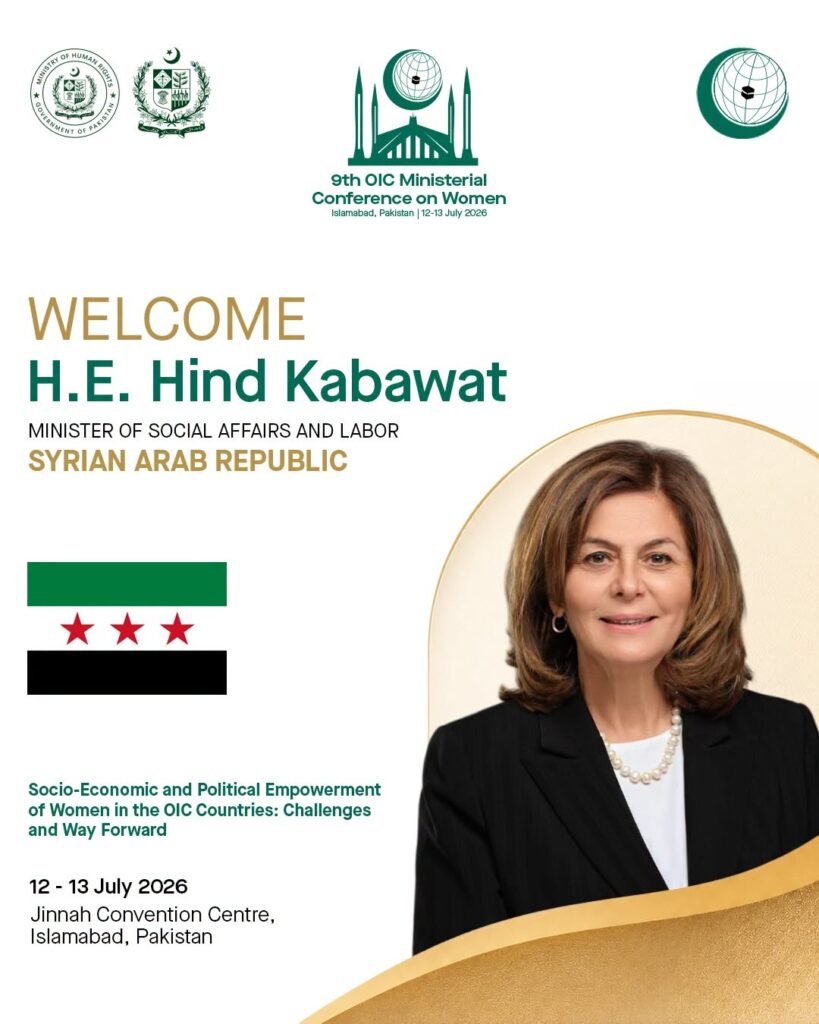
ISLAMABAD — The 9th Organisation of Islamic Cooperation (OIC) Ministerial Conference on Women concluded with a powerful message of hope and solidarity for women in refugee camps and displacement. Syrian Minister of Social Affairs and Labour Hind Kabawat emphasized the event’s significance, highlighting the unity and empowerment of women across the Muslim world. What Happened The OIC Ministerial Conference on Women, held in Islamabad, brought together female leaders and representatives from various OIC member states to address pressing issues faced by women, particularly those in refugee camps and displacement. The conference aimed to foster cooperation among Muslim countries to enhance women’s rights and empowerment. Syrian Minister Hind Kabawat, who participated in the conference, expressed that the gathering was a crucial platform for advancing women’s empowerment and human rights. “This conference reflects the unity of women across the Muslim world and offers a valuable opportunity to advance women’s empowerment, human rights, and shared cooperation,” Kabawat stated. The conference focused on several key areas, including improving access to education and healthcare for displaced women, enhancing economic opportunities, and promoting gender equality. It also addressed the unique challenges faced by women in conflict zones and refugee camps, emphasizing the need for targeted interventions and support. Delegates from various countries shared insights and strategies to tackle these issues, underscoring the importance of collaborative efforts to uplift women in vulnerable situations. The conference concluded with a commitment to continue working towards the empowerment of women in all spheres of life, particularly those affected by displacement. Background The Organisation of Islamic Cooperation, established in 1969, is the second-largest intergovernmental organization after the United Nations, with a membership of 57 states. The OIC aims to promote solidarity among member states and support the interests of Muslims worldwide. The Ministerial Conference on Women is a key initiative within the OIC framework, focusing on advancing women’s rights and addressing gender-specific challenges. Women in refugee camps and displacement often face significant challenges, including limited access to education, healthcare, and economic opportunities. These issues are exacerbated by the ongoing conflicts and instability in regions such as Syria, Yemen, and Afghanistan, where millions of women and children are displaced. Why It Matters The OIC Women’s Conference is pivotal in addressing the needs of women in refugee camps, offering a platform for dialogue and action among member states. The conference’s focus on empowerment and human rights is crucial for improving the lives of displaced women, who often endure harsh living conditions and limited opportunities. By fostering cooperation among Muslim countries, the conference aims to create a unified approach to tackling gender-specific challenges. This collaboration is vital for developing effective strategies to support displaced women, ensuring they have access to education, healthcare, and economic opportunities. The conference’s outcomes have broader implications for Pakistan and other OIC member states, as they work towards achieving gender equality and empowering women in all sectors. The commitment to enhancing women’s rights and addressing the needs of displaced women aligns with global efforts to promote sustainable development and peace. Key Takeaways The OIC Women’s Conference focused on empowering women in refugee camps and displacement. Syrian Minister Hind Kabawat emphasized the unity and cooperation among Muslim women. The conference addressed key issues such as education, healthcare, and economic opportunities for displaced women. The event highlighted the importance of collaborative efforts to support women in vulnerable situations. The outcomes align with global goals for gender equality and sustainable development. Source Attribution This article is based on official government statements, press releases, and public communications from relevant authorities. Author: NEN Editorial Desk | Editor: NEN Newsroom | Fact Checked By: NEN Editorial Team Author: NEN Editorial Desk  |  Editor: NEN Newsroom  |  Last Updated: July 12, 2026  |  Source: Press Release from Government of Pakistan This article was produced by the NEN Editorial Desk in accordance with NEN Agency’s Editorial Policy and Fact-Checking Policy.

Scroll to Top