
Pakistan

News related to Pakistan in Pakistan and around the world.

Pakistan

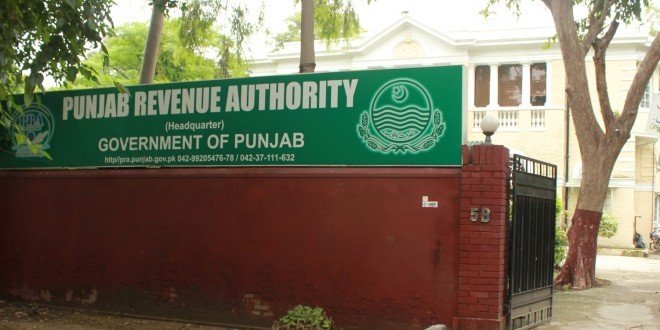
Punjab Revenue Authority Achieves Record Rs 368 Billion Tax Collection

LAHORE — The Punjab Revenue Authority (PRA) has set a new benchmark by collecting Rs 368 billion in taxes for the fiscal year 2025–26, surpassing its revenue target and marking the highest annual tax collection since its inception. What Happened The Punjab Revenue Authority (PRA) announced that it has collected Rs 368 billion in taxes during the fiscal year 2025–26. This achievement not only surpasses the authority’s revenue target but also sets a historic record for the highest annual tax collection since the PRA was established. The authority attributed this success to enhanced enforcement measures, improved compliance, and the effective use of technology in tax administration. PRA Chairman Zainul Abidin stated, “This remarkable achievement is a testament to the hard work and dedication of our team, as well as the cooperation of taxpayers who have shown increased compliance.” He emphasized that the authority’s focus on broadening the tax base and improving the efficiency of tax collection processes played a crucial role in achieving this milestone. The PRA’s strategy involved a combination of initiatives aimed at increasing tax compliance, including the introduction of digital platforms for easier tax filing and payment, as well as targeted campaigns to educate taxpayers about their obligations. The authority also strengthened its enforcement mechanisms to ensure that tax evasion is minimized. Background The Punjab Revenue Authority was established in 2012 with the mandate to collect sales tax on services in the province of Punjab. Over the years, the authority has worked towards enhancing its tax collection capabilities by implementing modern tax administration practices and leveraging technology to streamline processes. Historically, tax collection in Pakistan has faced challenges due to a narrow tax base, lack of compliance, and issues related to tax evasion. The PRA’s efforts to address these challenges have included expanding the scope of taxable services, improving taxpayer services, and adopting data-driven approaches to identify and target non-compliant sectors. Why It Matters The record tax collection by the PRA is significant for several reasons. Economically, it reflects the authority’s ability to enhance revenue generation, which is crucial for the provincial government’s fiscal health. The increased revenue can support developmental projects, infrastructure improvements, and social welfare programs in Punjab, contributing to the overall economic growth of the region. Socially, the improved tax compliance indicates a growing awareness and acceptance of tax obligations among businesses and individuals. This shift towards a more compliant tax culture can lead to a more equitable distribution of the tax burden and reduce the reliance on indirect taxes, which disproportionately affect lower-income groups. Politically, the success of the PRA in achieving its revenue targets strengthens the provincial government’s position in advocating for fiscal autonomy and improved resource allocation from the federal government. It also sets a precedent for other provincial revenue authorities to enhance their tax collection efforts. On an international level, the PRA’s achievement can improve Pakistan’s standing with international financial institutions and investors by demonstrating a commitment to fiscal responsibility and effective governance. This could potentially lead to increased foreign investment and economic partnerships. Key Takeaways The Punjab Revenue Authority collected Rs 368 billion in taxes for the fiscal year 2025–26, setting a new record. Enhanced enforcement measures and improved compliance contributed to the achievement. The increased revenue supports provincial development projects and economic growth. Improved tax compliance reflects a shift towards a more equitable tax culture. The success strengthens the provincial government’s fiscal autonomy and international standing. Source Attribution This article is based on official government statements, press releases, and public communications from relevant authorities. Author: NEN Editorial Desk | Editor: NEN Newsroom | Fact Checked By: NEN Editorial Team Author: NEN Editorial Desk  |  Editor: NEN Newsroom  |  Last Updated: July 03, 2026  |  Source: NEN Reporter This article was produced by the NEN Editorial Desk in accordance with NEN Agency’s Editorial Policy and Fact-Checking Policy.
Pakistan

LCCI and LCWU Forge Partnership to Boost Women’s Employability

LAHORE — The Lahore Chamber of Commerce and Industry (LCCI) and Lahore College for Women University (LCWU) signed a Memorandum of Understanding (MoU) on Thursday to foster a strategic partnership. The collaboration aims to enhance industry-academia ties, promote research and innovation, and improve women’s employability in Pakistan. What Happened The MoU between LCCI and LCWU was signed in Lahore, marking a significant step towards bridging the gap between academic institutions and the business sector. The agreement focuses on creating synergies that will benefit both students and the broader business community. According to the terms of the MoU, the two institutions will work together to develop programs that enhance the skills and employability of women graduates. This includes facilitating internships, workshops, and training sessions that align with industry demands. During the signing ceremony, LCCI President Kashif Anwar emphasized the importance of such partnerships in driving economic growth. “This MoU is a testament to our commitment to empowering women through education and employment opportunities,” he stated. LCWU Vice Chancellor Professor Dr. Bushra Mirza highlighted the role of academia in preparing students for the challenges of the modern workforce. “By collaborating with industry leaders like LCCI, we can ensure our graduates are equipped with the necessary skills to excel in their careers,” she said. The partnership also aims to promote research initiatives that address real-world business challenges. By fostering a culture of innovation, both institutions hope to contribute to the development of new solutions that can benefit various industries in Pakistan. Background The collaboration between LCCI and LCWU is part of a broader trend in Pakistan to strengthen ties between educational institutions and the business sector. Historically, there has been a disconnect between academia and industry, leading to a skills gap that affects employability. Initiatives like this MoU are designed to address these issues by ensuring that educational curricula are aligned with industry needs. In recent years, there has been a growing recognition of the importance of women’s participation in the workforce. Various government and private sector initiatives have been launched to support women’s employment, but challenges remain. Cultural barriers, limited access to education, and a lack of opportunities in certain sectors continue to hinder progress. Why It Matters This partnership holds significant potential for improving women’s employability in Pakistan, a country where female labor force participation remains low compared to global standards. By aligning educational programs with industry requirements, the MoU aims to equip women with the skills needed to enter and succeed in the workforce. Economically, increasing women’s participation in the labor market can lead to substantial gains. According to the World Bank, closing gender gaps in labor force participation could increase Pakistan’s GDP by up to 30%. Therefore, initiatives like the LCCI-LCWU partnership are crucial for tapping into this potential economic growth. Socially, empowering women through education and employment opportunities can lead to broader societal benefits. Educated and employed women are more likely to contribute to their communities and advocate for social change. This can lead to improvements in health, education, and overall quality of life for families and communities. Politically, the partnership aligns with national and international commitments to gender equality and women’s empowerment. It supports the objectives of the United Nations Sustainable Development Goal 5, which aims to achieve gender equality and empower all women and girls. Key Takeaways The LCCI and LCWU have signed an MoU to enhance women’s employability through strategic collaboration. The partnership focuses on aligning educational programs with industry needs to bridge the skills gap. Increasing women’s participation in the workforce can significantly boost Pakistan’s economic growth. The initiative supports national and international commitments to gender equality and women’s empowerment. Empowering women through education and employment can lead to broader societal benefits. Source Attribution This article is based on official statements and public communications from the Lahore Chamber of Commerce and Industry and Lahore College for Women University. Author: NEN Editorial Desk | Editor: NEN Newsroom | Fact Checked By: NEN Editorial Team Author: NEN Editorial Desk  |  Editor: NEN Newsroom  |  Last Updated: July 03, 2026  |  Source: NEN Reporter This article was produced by the NEN Editorial Desk in accordance with NEN Agency’s Editorial Policy and Fact-Checking Policy.

Pakistan

Solar Energy Vital for Pakistan’s Industrial Growth, Says FPCCI

ISLAMABAD — The Federation of Pakistan Chambers of Commerce & Industry (FPCCI) President Atif Ikram Sheikh has declared solar energy as essential for enhancing Pakistan’s industrial competitiveness and boosting export growth. Speaking on Thursday, Sheikh highlighted the strategic importance of solar energy in ensuring energy security and supporting the country’s long-term economic sustainability. What Happened During a recent address, FPCCI President Atif Ikram Sheikh underscored the critical role that solar energy plays in Pakistan’s economic landscape. He stated that the promotion of solar energy is not merely an option but a strategic necessity. Sheikh emphasized that adopting solar energy solutions could significantly enhance the industrial sector’s competitiveness by reducing energy costs and ensuring a stable power supply. Sheikh pointed out that the reliance on conventional energy sources has posed challenges, including high costs and supply inconsistencies, which have hindered industrial growth. By transitioning to solar energy, Pakistan could mitigate these issues, thereby fostering a more conducive environment for industrial operations and export activities. “Solar energy is pivotal for our industrial competitiveness and export growth,” Sheikh remarked. The FPCCI President also highlighted the broader implications of solar energy adoption, noting its potential to enhance energy security and contribute to the country’s economic resilience. He urged policymakers and industry stakeholders to prioritize investments in solar infrastructure to capitalize on the abundant solar resources available in Pakistan. Background Pakistan has historically faced challenges in its energy sector, with frequent power shortages and high electricity costs impacting industrial productivity. The country’s energy mix has been heavily reliant on imported fossil fuels, which has contributed to economic vulnerabilities and trade imbalances. In recent years, there has been a growing recognition of the need to diversify energy sources and invest in renewable energy solutions. The government of Pakistan has introduced several initiatives aimed at promoting renewable energy, including solar power. These efforts are part of a broader strategy to reduce dependence on imported fuels, decrease carbon emissions, and enhance energy security. The Alternative Energy Development Board (AEDB) has been instrumental in facilitating the development of solar projects across the country. Why It Matters The emphasis on solar energy by the FPCCI is significant for several reasons. Economically, reducing energy costs through solar adoption can improve the competitiveness of Pakistani industries on a global scale. Lower energy expenses translate into reduced production costs, enabling local industries to offer more competitive pricing in international markets, thus boosting export potential. Socially, the transition to solar energy can lead to job creation in the renewable energy sector, providing new employment opportunities and fostering economic development in rural areas where solar projects are often implemented. Environmentally, increasing the share of solar energy in Pakistan’s energy mix can contribute to reducing greenhouse gas emissions, aligning with global efforts to combat climate change. Internationally, Pakistan’s commitment to renewable energy can enhance its reputation as a forward-thinking nation dedicated to sustainable development. This can attract foreign investment and partnerships in the renewable energy sector, further driving economic growth and technological advancement. Key Takeaways FPCCI President Atif Ikram Sheikh emphasizes solar energy as crucial for industrial competitiveness and export growth in Pakistan. Solar energy adoption can reduce energy costs and ensure stable power supply, enhancing industrial productivity. Transitioning to solar energy aligns with Pakistan’s goals for energy security and economic sustainability. Investments in solar infrastructure can create jobs and support rural economic development. Pakistan’s focus on renewable energy can improve its international standing and attract foreign investment. Source Attribution This article is based on official statements from the Federation of Pakistan Chambers of Commerce & Industry and public communications from relevant authorities. Author: NEN Editorial Desk | Editor: NEN Newsroom | Fact Checked By: NEN Editorial Team Author: NEN Editorial Desk  |  Editor: NEN Newsroom  |  Last Updated: July 02, 2026  |  Source: NEN Reporter This article was produced by the NEN Editorial Desk in accordance with NEN Agency’s Editorial Policy and Fact-Checking Policy.

Pakistan

Punjab Launches Green Property Certificate System in Khanewal

KHANEWAL — The Punjab government has launched the Green Property Certificate system in Khanewal district, marking a shift from traditional land ownership records to a digital format. This initiative is part of the broader Digital Punjab strategy aimed at enhancing efficiency and security in property transactions. What Happened The introduction of the Green Property Certificate system in Khanewal represents a significant step towards modernizing the province’s land record management. The new system replaces the conventional ‘Fard’, or land ownership document, with a digital certificate designed to streamline property transactions and reduce opportunities for fraud. This initiative is expected to improve transparency and accessibility for property owners and buyers alike. According to officials, the digital certificates will be integrated into a centralized database, allowing for real-time updates and verification. This system is intended to minimize bureaucratic hurdles and enhance the overall efficiency of property transactions. The government aims to extend this system to other districts in the province following its implementation in Khanewal. During the launch event, a spokesperson for the Punjab government stated, “The Green Property Certificate system is a landmark development in our efforts to digitize and secure land records. It will provide a reliable and efficient way for citizens to manage their property ownership.” Background The move towards digital land records is part of the Punjab government’s ongoing efforts to modernize its administrative processes under the Digital Punjab initiative. This initiative seeks to leverage technology to improve governance, enhance service delivery, and promote transparency across various sectors. Historically, land record management in Punjab has been plagued by inefficiencies and corruption, often leading to disputes and delays in property transactions. The traditional system relied heavily on paper-based records, which were susceptible to tampering and loss. Efforts to reform this system have been ongoing, with the current digital initiative representing a culmination of these efforts. Previous attempts to digitize land records in Punjab have seen varying degrees of success, with challenges such as inadequate infrastructure and resistance to change posing significant hurdles. However, the current administration has prioritized digital transformation as a key policy objective, allocating substantial resources to ensure its success. Why It Matters The introduction of the Green Property Certificate system is expected to have far-reaching implications for property management in Punjab. By digitizing land records, the government aims to create a more transparent and efficient system that reduces the potential for fraud and corruption. This is particularly important in a region where land disputes are common and often lead to lengthy legal battles. Economically, the new system could enhance property market dynamics by making transactions quicker and more secure. This increased efficiency is likely to attract both domestic and foreign investment, as investors gain confidence in the reliability of land ownership records. Furthermore, the digital system is expected to lower transaction costs, benefiting both buyers and sellers. From a social perspective, the system could empower citizens by providing them with secure and easily accessible proof of ownership. This is especially beneficial for marginalized communities who often face challenges in asserting their property rights under the traditional system. Internationally, the move aligns with global trends towards digital governance and smart city initiatives. By adopting such technologies, Punjab positions itself as a forward-thinking region capable of leveraging digital solutions to improve governance and service delivery. Key Takeaways The Punjab government has launched the Green Property Certificate system in Khanewal as part of its Digital Punjab initiative. The new system replaces traditional paper-based land records with a secure digital format. This initiative aims to enhance transparency, reduce fraud, and improve transaction efficiency. The system is expected to boost economic activity by attracting investment and lowering transaction costs. It aligns with global trends towards digital governance and smart city initiatives. Source Attribution The article is based on official government statements, press releases, and public communications from relevant authorities. Author: NEN Editorial Desk | Editor: NEN Newsroom | Fact Checked By: NEN Editorial Team Author: NEN Editorial Desk  |  Editor: NEN Newsroom  |  Last Updated: July 02, 2026  |  Source: NEN Reporter This article was produced by the NEN Editorial Desk in accordance with NEN Agency’s Editorial Policy and Fact-Checking Policy.
Pakistan

PSX Continues Bullish Trend, Gains Over 470 Points

ISLAMABAD — The Pakistan Stock Exchange (PSX) witnessed a continuation of its bullish trend on Thursday, with the benchmark KSE-100 Index climbing by 470.86 points, marking a positive change of 0.26 percent. The index closed at 184,520.96 points, up from 184,050.10 points on the previous trading day, reflecting growing investor confidence. What Happened On Thursday, the KSE-100 Index of the Pakistan Stock Exchange (PSX) extended its rally, gaining 470.86 points to close at 184,520.96 points. This rise represents a 0.26 percent increase from the previous day’s close of 184,050.10 points. The upward movement in the index was driven by investor optimism and positive market sentiment. The trading session saw active participation from investors, with several sectors showing significant gains. Market analysts attributed the rise to a combination of domestic and international factors, including improved economic indicators and positive corporate earnings reports. The increase in the index was supported by strong performances in the banking, cement, and technology sectors. According to market sources, the banking sector led the rally, with major banks reporting better-than-expected quarterly earnings. Cement companies also saw a surge in their stock prices, buoyed by increased construction activity and government infrastructure projects. Additionally, the technology sector continued to attract investor interest, contributing to the overall positive sentiment in the market. “The market’s performance today reflects a growing confidence among investors, fueled by encouraging economic data and robust corporate earnings,” said a senior analyst at a leading brokerage firm. “We expect this positive trend to continue in the coming days, barring any unforeseen economic or political developments.” Background The Pakistan Stock Exchange has experienced a series of fluctuations over the past few months, influenced by both domestic and global economic conditions. The KSE-100 Index, which serves as a barometer of the country’s economic health, has been subject to volatility due to factors such as inflation, currency depreciation, and geopolitical tensions. In recent weeks, however, the market has shown signs of recovery, supported by improved economic indicators and government measures aimed at stabilizing the economy. The State Bank of Pakistan’s monetary policy adjustments and efforts to attract foreign investment have also played a role in boosting investor confidence. Historically, the PSX has been sensitive to political and economic developments, with investor sentiment often swayed by changes in government policy and regional stability. Despite these challenges, the exchange remains a key platform for capital formation and investment in Pakistan. Why It Matters The continued rally in the Pakistan Stock Exchange holds significant implications for the country’s economy and financial markets. A rising stock market is often seen as a positive indicator of economic health, reflecting investor confidence and expectations of future growth. For individual investors and institutional stakeholders, the gains in the KSE-100 Index present opportunities for wealth creation and portfolio diversification. The positive performance of the stock market can also have a ripple effect on other sectors of the economy, encouraging investment and consumption. From a macroeconomic perspective, a buoyant stock market can enhance the country’s ability to attract foreign investment, which is crucial for economic development and job creation. As Pakistan seeks to strengthen its economic foundations, a stable and growing stock market can contribute to achieving these objectives. Moreover, the PSX’s performance can influence policy decisions, as government and regulatory bodies monitor market trends to assess the impact of their economic strategies. A sustained rally could lead to further policy initiatives aimed at supporting the financial sector and encouraging capital inflows. Key Takeaways The KSE-100 Index gained 470.86 points, closing at 184,520.96 points. Investor confidence was bolstered by strong performances in banking, cement, and technology sectors. Improved economic indicators and corporate earnings contributed to the market’s positive trend. The stock market’s rally has implications for economic growth and foreign investment. Government and regulatory bodies may consider policy measures in response to market trends. Source Attribution This article is based on official government statements, press releases, and public communications from relevant authorities. Author: NEN Editorial Desk | Editor: NEN Newsroom | Fact Checked By: NEN Editorial Team Author: NEN Editorial Desk  |  Editor: NEN Newsroom  |  Last Updated: July 02, 2026  |  Source: NEN Reporter This article was produced by the NEN Editorial Desk in accordance with NEN Agency’s Editorial Policy and Fact-Checking Policy.
Pakistan

State Bank Injects Rs 2.259 Trillion to Boost Market Liquidity

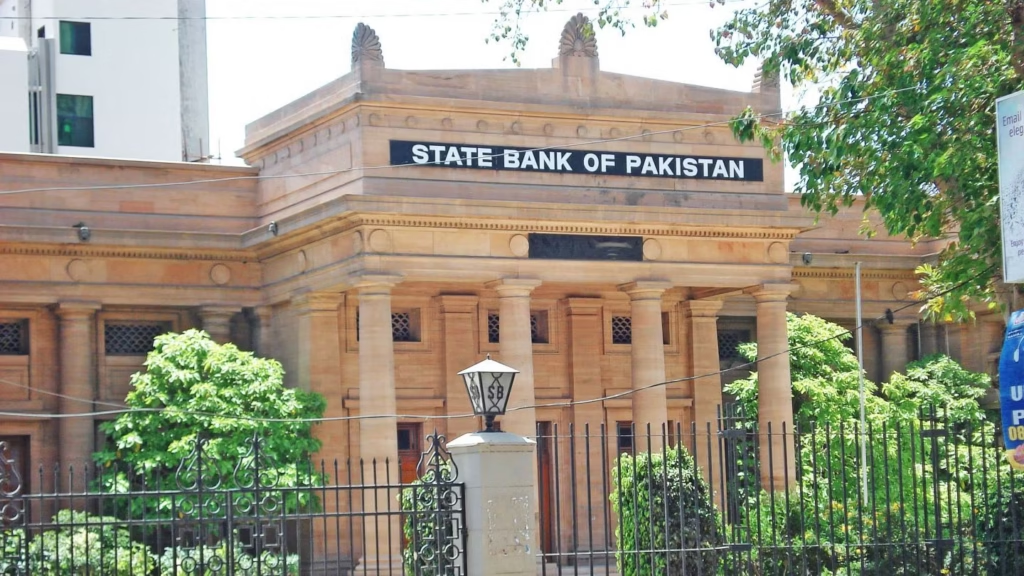
ISLAMABAD — The State Bank of Pakistan (SBP) has injected Rs 2,259.5 billion into the financial market to maintain liquidity. This significant move, executed on Thursday, was carried out through Reverse Repo Purchase and Shariah Compliant Mudarabah-based Open Market Operations (OMO), aiming to stabilize the banking sector amid ongoing economic challenges. What Happened The SBP’s decision to inject Rs 2.259 trillion into the market comes as part of its routine liquidity management operations. The injection was executed through two primary mechanisms: the Reverse Repo Purchase and the Shariah Compliant Mudarabah-based OMO. These tools are used by the central bank to manage short-term liquidity in the banking system, ensuring that banks have sufficient funds to meet their obligations and continue lending to businesses and consumers. According to the SBP, the Reverse Repo Purchase involves buying securities from banks with an agreement to sell them back at a later date. This provides banks with immediate liquidity, which they can use to finance their operations. The Shariah Compliant Mudarabah-based OMO is a similar tool, but it is structured in accordance with Islamic finance principles, which prohibit interest-based transactions. The SBP’s intervention is seen as a response to the current economic conditions, where liquidity pressures have been mounting due to various factors, including inflationary trends and external debt obligations. By injecting this substantial amount, the SBP aims to alleviate these pressures and support the stability of the financial system. Background The State Bank of Pakistan regularly conducts open market operations to manage liquidity in the banking sector. These operations are a key part of the central bank’s monetary policy toolkit, allowing it to influence short-term interest rates and ensure the smooth functioning of the financial system. Historically, the SBP has used these tools to address liquidity shortages that arise due to seasonal demand for cash, fluctuations in government borrowing, or external economic shocks. The current injection is one of the largest in recent times, reflecting the significant liquidity needs of the banking sector amid challenging economic conditions. In recent years, Pakistan’s economy has faced several challenges, including high inflation rates, a widening fiscal deficit, and a growing current account deficit. These issues have put pressure on the financial system, necessitating active intervention by the central bank to maintain stability. Why It Matters The SBP’s injection of Rs 2.259 trillion is crucial for several reasons. Economically, it helps ensure that banks have adequate liquidity to meet the demands of businesses and consumers. This is particularly important in the current context, where economic activity is recovering from the impacts of the COVID-19 pandemic and other global economic disruptions. Socially, maintaining liquidity in the banking sector is vital for consumer confidence. When banks have sufficient liquidity, they are better able to provide loans and other financial services, which supports economic growth and development. This has a direct impact on employment and income levels, contributing to overall economic stability. Politically, the SBP’s actions demonstrate the government’s commitment to maintaining financial stability and supporting economic growth. By proactively managing liquidity, the central bank is helping to ensure that the financial system can withstand external shocks and continue to function effectively. Key Takeaways The State Bank of Pakistan injected Rs 2.259 trillion to maintain market liquidity. The operation was conducted through Reverse Repo Purchase and Shariah Compliant Mudarabah-based OMO. This move addresses liquidity pressures due to inflation and external debt obligations. Ensuring liquidity supports economic growth and consumer confidence. The intervention reflects the SBP’s role in stabilizing the financial system. Source Attribution This article is based on official government statements, press releases, and public communications from relevant authorities. Author: NEN Editorial Desk | Editor: NEN Newsroom | Fact Checked By: NEN Editorial Team Author: NEN Editorial Desk  |  Editor: NEN Newsroom  |  Last Updated: July 02, 2026  |  Source: NEN Reporter This article was produced by the NEN Editorial Desk in accordance with NEN Agency’s Editorial Policy and Fact-Checking Policy.

Pakistan

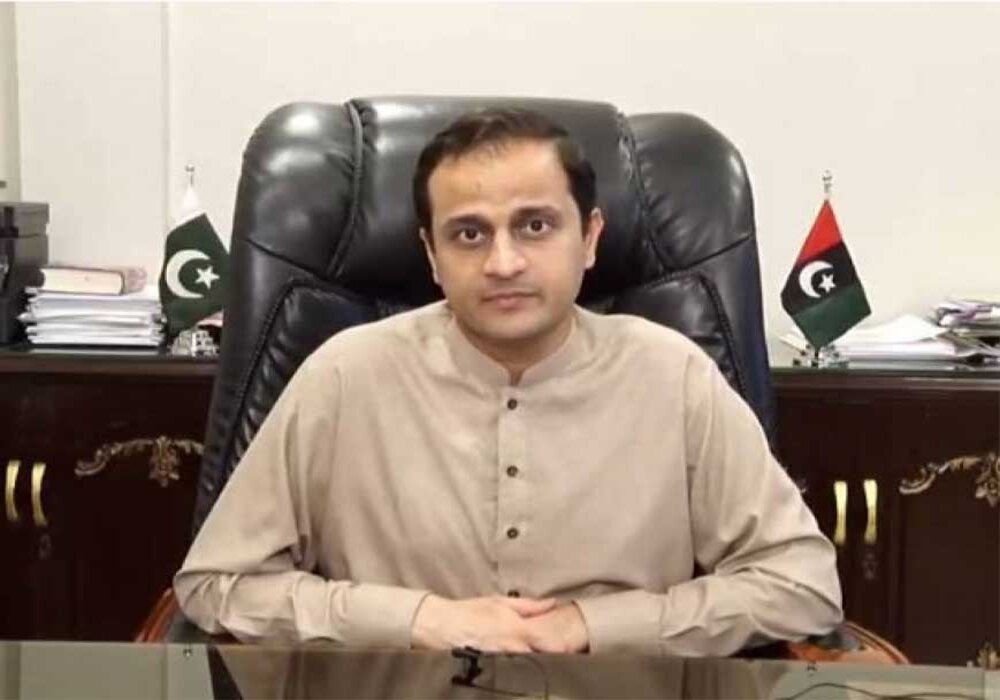
Mayor Karachi Prioritizes Civic Amenities to Enhance Quality of Life

KARACHI — Mayor Karachi, Barrister Murtaza Wahab, emphasized on Thursday that the Karachi Metropolitan Corporation (KMC) is prioritizing the provision of essential civic and social amenities to improve the quality of life for residents across the city. Public welfare projects are underway in various areas to achieve this goal. What Happened During a recent address, Mayor Karachi, Barrister Murtaza Wahab, reiterated the commitment of the Karachi Metropolitan Corporation (KMC) to prioritize the delivery of essential civic and social amenities to the city’s residents. He stated that the ongoing public welfare projects are a testament to this commitment, aiming to enhance the overall quality of life in Karachi. According to Mayor Wahab, the KMC is actively engaged in a series of initiatives designed to address the pressing needs of Karachi’s population. These initiatives include infrastructure development, waste management improvements, and the enhancement of public spaces. The mayor highlighted that these projects are being implemented across various parts of the city, reflecting a comprehensive approach to urban development. Mayor Wahab emphasized the importance of these efforts, stating, “Our focus remains on ensuring that the citizens of Karachi have access to the basic amenities they deserve. These projects are not just about infrastructure; they are about improving the living conditions and well-being of our people.” The mayor also underscored the significance of community involvement in these projects, encouraging residents to actively participate in the development and maintenance of their neighborhoods. He noted that collaboration between the KMC and the citizens is crucial for the successful implementation and sustainability of these initiatives. Background Karachi, Pakistan’s largest city and economic hub, has long faced challenges related to infrastructure, waste management, and public service delivery. The rapid urbanization and population growth have put immense pressure on the city’s resources, leading to a demand for improved civic amenities. The Karachi Metropolitan Corporation (KMC), responsible for municipal services, has been striving to address these challenges through various development projects. Historically, the city has struggled with inadequate waste management systems, deteriorating road infrastructure, and insufficient public spaces, impacting the quality of life for its residents. In recent years, there has been a renewed focus on urban development and public welfare projects, with the aim of transforming Karachi into a more livable city. These efforts are part of a broader strategy to revitalize the city’s infrastructure and enhance its appeal as a major urban center. Why It Matters The emphasis on providing essential civic and social amenities in Karachi holds significant implications for the city’s future. As Pakistan’s economic powerhouse, Karachi plays a crucial role in the country’s overall development. Improving the quality of life for its residents is not only a matter of local concern but also of national importance. Economically, better infrastructure and public services can attract investment and boost economic activity in the city. By addressing issues such as waste management and road infrastructure, Karachi can enhance its appeal to businesses and investors, potentially leading to job creation and economic growth. Socially, the provision of essential amenities can improve the well-being of the city’s residents, reducing health risks associated with poor sanitation and inadequate public services. Enhanced public spaces can also foster community engagement and social cohesion, contributing to a more harmonious urban environment. Politically, the successful implementation of these projects can strengthen public trust in local government institutions, demonstrating their capability to address the needs of the population. This can lead to increased civic participation and a more engaged citizenry. Key Takeaways Mayor Karachi, Barrister Murtaza Wahab, prioritizes civic and social amenities for city residents. KMC is implementing public welfare projects to improve infrastructure and quality of life. Karachi’s rapid urbanization necessitates enhanced municipal services and infrastructure. Improved amenities can boost economic activity and social well-being in the city. Successful projects may enhance public trust in local government institutions. Source Attribution This article is based on official government statements, press releases, and public communications from relevant authorities. Author: NEN Editorial Desk | Editor: NEN Newsroom | Fact Checked By: NEN Editorial Team Author: NEN Editorial Desk  |  Editor: NEN Newsroom  |  Last Updated: July 02, 2026  |  Source: NEN Reporter This article was produced by the NEN Editorial Desk in accordance with NEN Agency’s Editorial Policy and Fact-Checking Policy.
Pakistan

PM National U21 Women’s Hockey Championship Commences in Islamabad

ISLAMABAD — The Prime Minister National Under-21 Women’s Hockey Championship has commenced at the Naseer Bunda Hockey Stadium, featuring 16 teams from various regions of Pakistan. The event, organized by the Pakistan Hockey Federation, aims to promote women’s participation in sports and enhance the skills of young athletes. What Happened The championship officially began with an opening ceremony at the Naseer Bunda Hockey Stadium in Islamabad. Sixteen teams from across the country are competing for the championship title, showcasing the depth of talent in women’s hockey in Pakistan. The tournament is expected to last for several days, during which teams will compete in a series of matches to determine the ultimate winner. The event was inaugurated by officials from the Pakistan Hockey Federation, who emphasized the importance of such tournaments in fostering young talent. The opening match set the tone for the competition, with teams demonstrating high levels of skill and sportsmanship. The championship is seen as a crucial platform for young female athletes to gain exposure and experience in a competitive environment. According to a statement from the Pakistan Hockey Federation, the championship not only aims to identify and nurture young talent but also seeks to encourage more women to participate in sports at a national level. The Federation has expressed its commitment to providing the necessary infrastructure and support to ensure the success of the tournament. Background Women’s hockey in Pakistan has been gaining momentum over the past few years, with increased efforts to promote the sport among young women. The Pakistan Hockey Federation has been instrumental in organizing various tournaments and training camps to develop the skills of female players. Historically, women’s sports have faced numerous challenges in Pakistan, including limited access to facilities and societal barriers. However, recent initiatives have begun to address these issues, leading to a gradual increase in participation and interest. The Prime Minister National Under-21 Women’s Hockey Championship is part of a broader strategy to revitalize hockey in Pakistan, a country with a rich history in the sport. Pakistan’s men’s hockey team has achieved significant success on the international stage, and there is a growing desire to replicate this success in women’s hockey. Why It Matters The championship holds significant importance for the development of women’s sports in Pakistan. By providing a platform for young female athletes to compete at a high level, the tournament helps to break down gender barriers and promote gender equality in sports. It also serves as an opportunity for scouts and coaches to identify promising talent that can be nurtured for future national and international competitions. Economically, the promotion of women’s hockey can lead to increased investment in sports infrastructure and training programs, creating opportunities for employment and development within the sports sector. Socially, it encourages more young women to participate in sports, promoting a healthier lifestyle and fostering a sense of empowerment. On an international level, the success of such tournaments can enhance Pakistan’s reputation in women’s sports, potentially leading to increased opportunities for international collaborations and competitions. It also aligns with global efforts to promote gender equality in sports, contributing to a more inclusive sporting environment worldwide. Key Takeaways The PM National U21 Women’s Hockey Championship has begun in Islamabad with 16 teams participating. The tournament is organized by the Pakistan Hockey Federation to promote women’s participation in sports. It provides a platform for young athletes to showcase their talent and gain competitive experience. The championship is part of efforts to revitalize hockey in Pakistan and promote gender equality in sports. Success in such events can enhance Pakistan’s international reputation in women’s sports. Source Attribution This article is based on official government statements, press releases, and public communications from relevant authorities. Author: NEN Editorial Desk | Editor: NEN Newsroom | Fact Checked By: NEN Editorial Team Author: NEN Editorial Desk  |  Editor: NEN Newsroom  |  Last Updated: July 02, 2026  |  Source: NEN Reporter This article was produced by the NEN Editorial Desk in accordance with NEN Agency’s Editorial Policy and Fact-Checking Policy.
Pakistan

IHC Clears Path for Appeals in Toshakhana-II Convictions of Imran Khan, Bushra Bibi

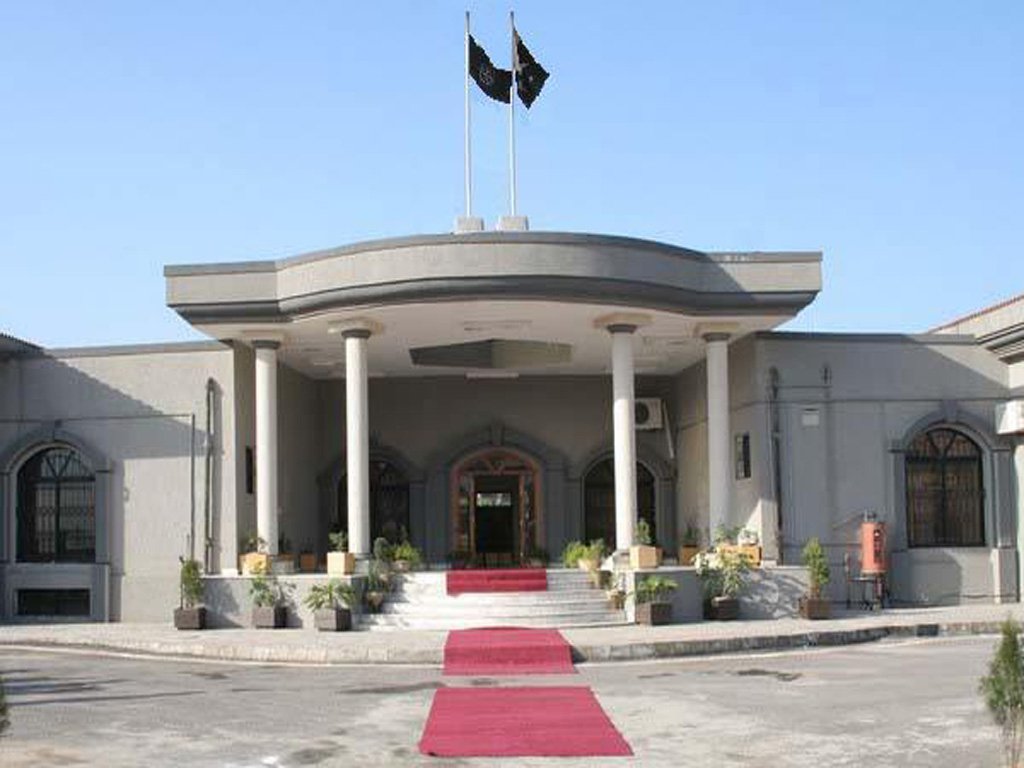
ISLAMABAD — The Islamabad High Court (IHC) has issued a written order removing office objections to the appeals filed by Pakistan Tehreek-e-Insaaf (PTI) founder Imran Khan and his wife Bushra Bibi against their convictions in the Toshakhana-II case. The decision, announced on Thursday, allows the appeals to proceed without procedural hindrances. What Happened The Islamabad High Court’s decision came as a relief to Imran Khan and Bushra Bibi, whose appeals had faced initial procedural objections. The Toshakhana-II case involves allegations against the former Prime Minister and his wife regarding the retention and sale of state gifts. The court’s removal of objections signifies that the appeals can now be heard on their merits. The Toshakhana, a department under the Cabinet Division, manages gifts received by officials from foreign dignitaries. The controversy arose when it was alleged that Imran Khan and Bushra Bibi had not declared certain gifts and had sold them for personal gain. The case has been a focal point in Pakistan’s political landscape, with significant implications for the PTI leadership. In the written order, the IHC underscored the necessity of a fair trial and due process, emphasizing that the appeals should not be impeded by technicalities. The court’s decision allows the legal process to address the substantive issues raised in the appeals. Background The Toshakhana case has been a contentious issue in Pakistan, with roots tracing back to the tenure of Imran Khan as Prime Minister. The Toshakhana rules require public officials to declare gifts received during official duties and deposit them with the state. However, certain gifts can be retained by paying a percentage of their assessed value. Imran Khan and Bushra Bibi were convicted earlier this year on charges related to the improper retention and sale of gifts, leading to significant political and legal challenges. The convictions were part of a broader scrutiny of the PTI leadership’s adherence to legal and ethical standards. The case has been emblematic of the broader accountability drive in Pakistan, which has seen several high-profile figures face legal proceedings over corruption and misuse of authority. Why It Matters The IHC’s decision to remove objections to the appeals is significant for several reasons. Firstly, it underscores the judiciary’s role in ensuring that legal processes are not obstructed by procedural barriers, allowing for a fair examination of the substantive issues at hand. This is crucial for maintaining public confidence in the legal system. Politically, the case has implications for the PTI and its leadership. Imran Khan, a prominent political figure, has been a vocal critic of corruption and has positioned himself as a reformer. The Toshakhana case challenges this narrative and has been leveraged by political opponents to question his integrity. Economically, the case highlights the importance of transparency and accountability in governance, which are essential for attracting foreign investment and fostering economic stability. The resolution of such high-profile cases can influence investor perceptions of Pakistan’s commitment to upholding the rule of law. Internationally, the case is watched closely as it reflects Pakistan’s efforts to combat corruption and enhance governance standards. The outcome of the appeals could impact Pakistan’s relations with international partners and its standing in global governance indices. Key Takeaways The Islamabad High Court has removed procedural objections to the appeals of Imran Khan and Bushra Bibi in the Toshakhana-II case. The case involves allegations of improper retention and sale of state gifts by the former Prime Minister and his wife. The decision allows the appeals to proceed, emphasizing the importance of due process and fair trial rights. The case has significant political, economic, and international implications for Pakistan. The Toshakhana case is part of a broader accountability drive targeting high-profile figures in Pakistan. Source Attribution This article is based on official government statements, press releases, and public communications from relevant authorities. Author: NEN Editorial Desk | Editor: NEN Newsroom | Fact Checked By: NEN Editorial Team Author: NEN Editorial Desk  |  Editor: NEN Newsroom  |  Last Updated: July 02, 2026  |  Source: NEN Reporter This article was produced by the NEN Editorial Desk in accordance with NEN Agency’s Editorial Policy and Fact-Checking Policy.

Pakistan

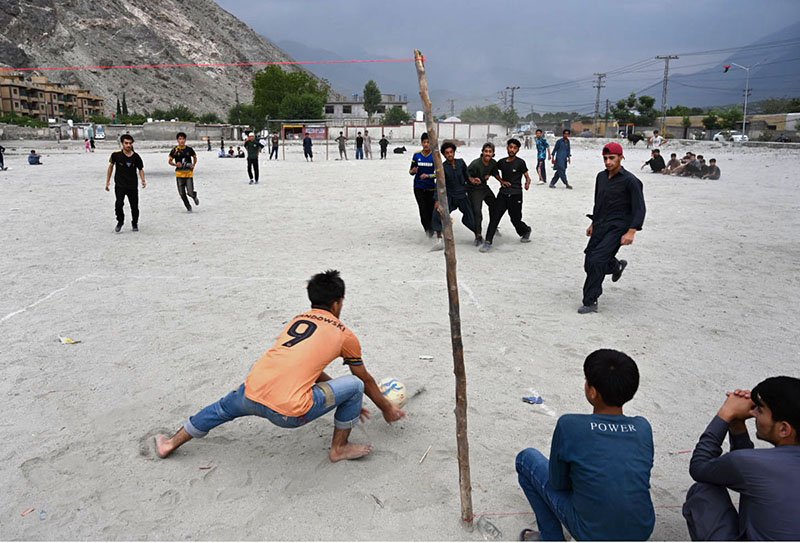
Youth Football Match in Gilgit Amidst Majestic Mountain Backdrop

GILGIT — On July 1, a group of enthusiastic youngsters gathered at a local ground in Gilgit to participate in a friendly football match. The event took place in the evening against the stunning backdrop of the region’s majestic mountains and cloudy skies, creating a picturesque setting for the game. What Happened The friendly football match was organized as a community event to encourage sportsmanship and physical activity among the youth of Gilgit. Participants, primarily local children and teenagers, took to the field with great enthusiasm and energy. The match was not only a display of athletic prowess but also a celebration of community spirit and the love for sports that thrives in the region. As the game unfolded, the players showcased their skills and teamwork, much to the delight of the spectators who had gathered to watch. The event was marked by a sense of camaraderie and joy, with the natural beauty of Gilgit’s mountainous landscape serving as a breathtaking backdrop. The cloudy skies added a dramatic touch to the scene, enhancing the overall experience for both players and viewers. One of the organizers of the event, who preferred to remain unnamed, expressed satisfaction with the turnout and the enthusiasm displayed by the participants. “It’s wonderful to see the youth engaged in such a positive activity. Football is not just a game; it brings people together and promotes a healthy lifestyle,” they remarked. Background Gilgit-Baltistan, known for its stunning natural beauty, has a rich tradition of community sports. Football, in particular, has gained popularity among the youth in recent years. The region’s challenging terrain and climate conditions have not deterred the passion for the sport. Instead, they have added a unique flavor to the local football culture. Historically, community sports events in Gilgit have served as a crucial platform for fostering social cohesion and promoting physical fitness. The local government and various non-governmental organizations have supported such initiatives to encourage youth participation in sports, recognizing their role in community building and personal development. Why It Matters The friendly football match in Gilgit is significant for several reasons. Firstly, it highlights the importance of sports as a tool for community engagement and youth development. In a region where access to recreational facilities is limited, such events provide a valuable opportunity for young people to engage in physical activity and develop important life skills such as teamwork, discipline, and leadership. Secondly, the event underscores the potential of sports to bridge social divides and bring communities together. In Gilgit, where diverse ethnic and cultural groups coexist, sports events like this football match foster a sense of unity and shared purpose among participants and spectators alike. Moreover, the match serves as a reminder of the untapped potential of Gilgit’s youth. With proper support and infrastructure, these young athletes could excel in regional and national sports competitions, bringing recognition and pride to their community. Finally, the event draws attention to the need for investment in sports infrastructure and development programs in Gilgit-Baltistan. By nurturing local talent and providing adequate resources, authorities can harness the power of sports to drive social and economic progress in the region. Key Takeaways A friendly football match was held in Gilgit, featuring local youth as participants. The event took place against the scenic backdrop of Gilgit’s mountains and cloudy skies. Community sports events in Gilgit promote social cohesion and youth development. The match highlights the potential of sports to unite diverse communities. Investment in sports infrastructure could enhance opportunities for Gilgit’s youth. Source Attribution This article is based on official government statements, press releases, and public communications from relevant authorities. Author: NEN Editorial Desk | Editor: NEN Newsroom | Fact Checked By: NEN Editorial Team Author: NEN Editorial Desk  |  Editor: NEN Newsroom  |  Last Updated: July 02, 2026  |  Source: NEN Reporter This article was produced by the NEN Editorial Desk in accordance with NEN Agency’s Editorial Policy and Fact-Checking Policy.

Scroll to Top