
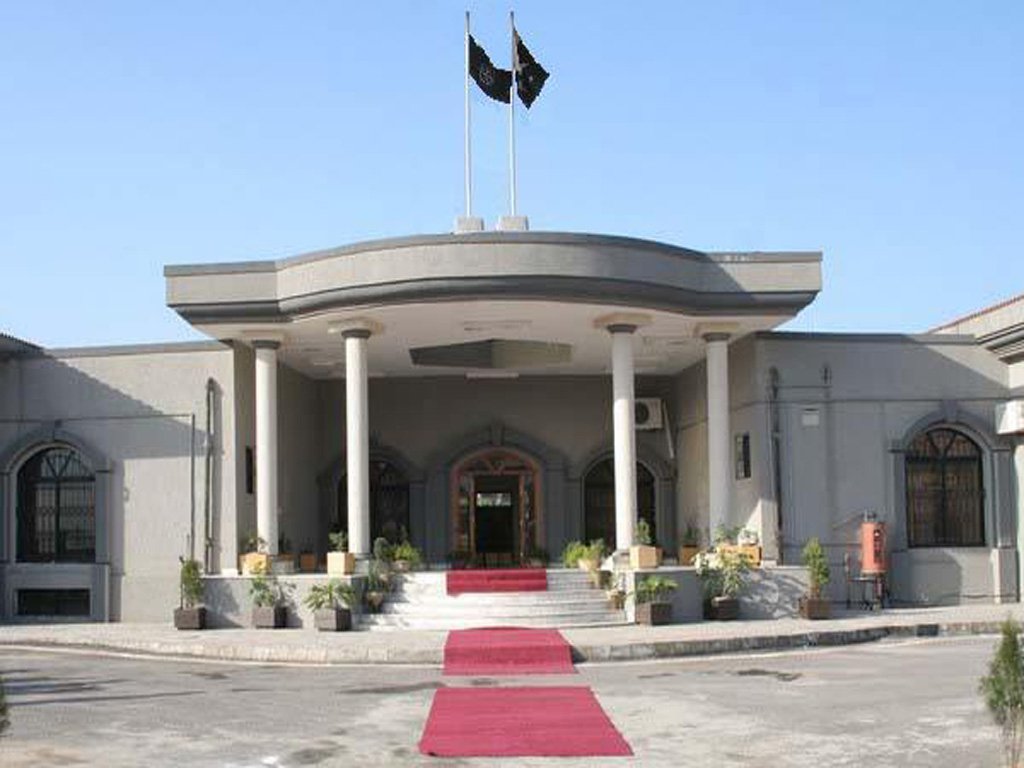
ISLAMABAD — The Islamabad High Court (IHC) has issued a written order removing office objections to the appeals filed by Pakistan Tehreek-e-Insaaf (PTI) founder Imran Khan and his wife Bushra Bibi against their convictions in the Toshakhana-II case. The decision, announced on Thursday, allows the appeals to proceed without procedural hindrances.
What Happened
The Islamabad High Court’s decision came as a relief to Imran Khan and Bushra Bibi, whose appeals had faced initial procedural objections. The Toshakhana-II case involves allegations against the former Prime Minister and his wife regarding the retention and sale of state gifts. The court’s removal of objections signifies that the appeals can now be heard on their merits.
The Toshakhana, a department under the Cabinet Division, manages gifts received by officials from foreign dignitaries. The controversy arose when it was alleged that Imran Khan and Bushra Bibi had not declared certain gifts and had sold them for personal gain. The case has been a focal point in Pakistan’s political landscape, with significant implications for the PTI leadership.
In the written order, the IHC underscored the necessity of a fair trial and due process, emphasizing that the appeals should not be impeded by technicalities. The court’s decision allows the legal process to address the substantive issues raised in the appeals.
Background
The Toshakhana case has been a contentious issue in Pakistan, with roots tracing back to the tenure of Imran Khan as Prime Minister. The Toshakhana rules require public officials to declare gifts received during official duties and deposit them with the state. However, certain gifts can be retained by paying a percentage of their assessed value.
Imran Khan and Bushra Bibi were convicted earlier this year on charges related to the improper retention and sale of gifts, leading to significant political and legal challenges. The convictions were part of a broader scrutiny of the PTI leadership’s adherence to legal and ethical standards.
The case has been emblematic of the broader accountability drive in Pakistan, which has seen several high-profile figures face legal proceedings over corruption and misuse of authority.
Why It Matters
The IHC’s decision to remove objections to the appeals is significant for several reasons. Firstly, it underscores the judiciary’s role in ensuring that legal processes are not obstructed by procedural barriers, allowing for a fair examination of the substantive issues at hand. This is crucial for maintaining public confidence in the legal system.
Politically, the case has implications for the PTI and its leadership. Imran Khan, a prominent political figure, has been a vocal critic of corruption and has positioned himself as a reformer. The Toshakhana case challenges this narrative and has been leveraged by political opponents to question his integrity.
Economically, the case highlights the importance of transparency and accountability in governance, which are essential for attracting foreign investment and fostering economic stability. The resolution of such high-profile cases can influence investor perceptions of Pakistan’s commitment to upholding the rule of law.
Internationally, the case is watched closely as it reflects Pakistan’s efforts to combat corruption and enhance governance standards. The outcome of the appeals could impact Pakistan’s relations with international partners and its standing in global governance indices.
Key Takeaways
- The Islamabad High Court has removed procedural objections to the appeals of Imran Khan and Bushra Bibi in the Toshakhana-II case.
- The case involves allegations of improper retention and sale of state gifts by the former Prime Minister and his wife.
- The decision allows the appeals to proceed, emphasizing the importance of due process and fair trial rights.
- The case has significant political, economic, and international implications for Pakistan.
- The Toshakhana case is part of a broader accountability drive targeting high-profile figures in Pakistan.
Source Attribution
This article is based on official government statements, press releases, and public communications from relevant authorities.














