
Pakistan

News related to Pakistan in Pakistan and around the world.

Pakistan

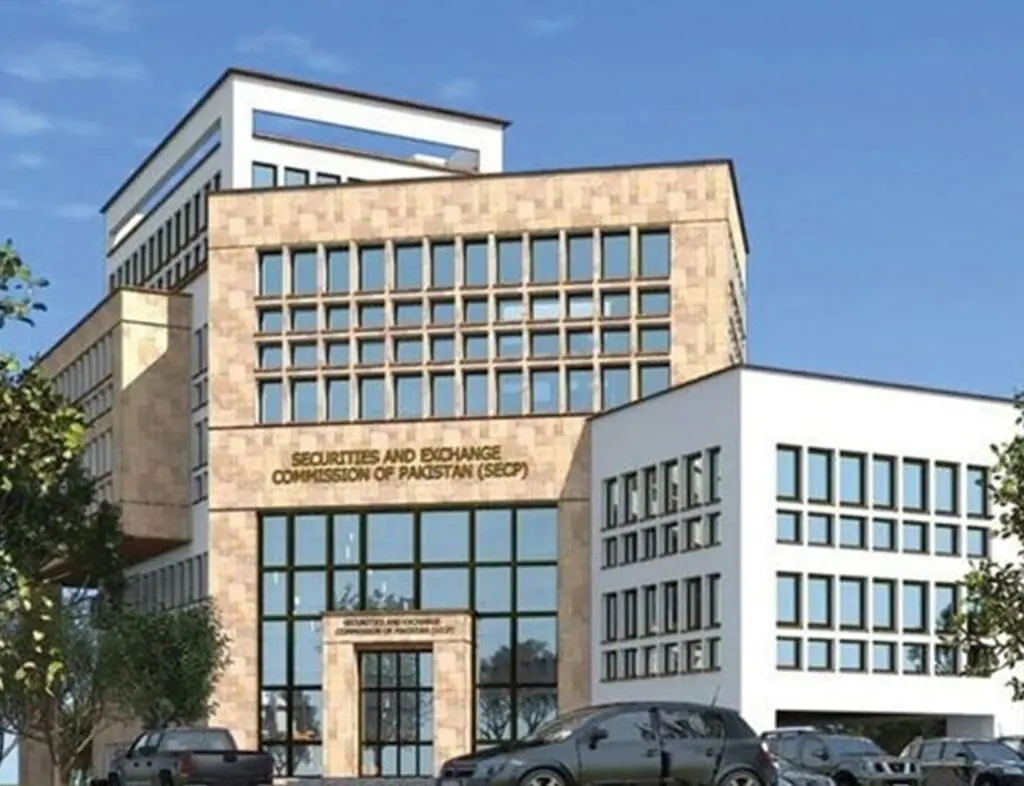
SECP Reforms Boost Third-Party Motor Insurance by 1,374% in Sindh

ISLAMABAD — The Securities and Exchange Commission of Pakistan (SECP) has reported a remarkable 1,374% increase in third-party motor insurance coverage in Sindh, following recent regulatory reforms. The number of active policies surged from 11,200 in March 2026 to 165,064 by the end of June, significantly enhancing financial protection for road users across the province. What Happened The SECP’s reforms aimed at enforcing third-party motor insurance have led to a substantial rise in coverage within Sindh. As of March 2026, there were only 11,200 active policies, but by June, this number had escalated to 165,064. This increase reflects the SECP’s successful implementation of measures to ensure compliance with mandatory insurance requirements. According to the SECP, the reforms included stricter enforcement of existing laws and the introduction of new regulatory measures designed to make third-party motor insurance more accessible and affordable for vehicle owners. The commission emphasized the importance of third-party insurance in providing financial protection to road users, particularly in the event of accidents causing injury or damage to third parties. The SECP’s initiative has been well-received by stakeholders, who acknowledge the critical role of insurance in mitigating financial risks associated with road accidents. “The increase in third-party motor insurance coverage is a positive step towards ensuring road safety and financial security for all road users,” stated an SECP official. Background Third-party motor insurance is a mandatory requirement under Pakistani law, aimed at providing financial protection to third parties affected by road accidents. Despite this legal obligation, compliance has historically been low, particularly in regions like Sindh, where enforcement mechanisms have been weak. The SECP has been actively working to address these challenges by implementing reforms that strengthen enforcement and encourage compliance. These efforts are part of a broader strategy to enhance the insurance sector’s role in the economy and improve financial inclusion. Historically, the lack of awareness and accessibility has hindered the uptake of third-party motor insurance. The SECP’s recent reforms are designed to overcome these barriers by simplifying the insurance process and making it more consumer-friendly. Why It Matters The dramatic increase in third-party motor insurance coverage in Sindh has significant implications for road safety and financial security. With more vehicle owners complying with insurance requirements, victims of road accidents are more likely to receive compensation for injuries and damages, reducing the financial burden on individuals and families. Economically, the surge in insurance coverage contributes to the stability of the insurance sector, encouraging further investment and growth. This, in turn, can lead to more competitive pricing and better services for consumers. The increased coverage also aligns with Pakistan’s broader financial inclusion goals, as it brings more individuals into the formal financial system. Politically, the SECP’s success in implementing these reforms demonstrates the government’s commitment to improving regulatory frameworks and ensuring compliance with legal mandates. This can enhance public trust in regulatory institutions and encourage further reforms in other sectors. Internationally, the improved compliance with insurance requirements positions Pakistan as a more attractive destination for foreign investment, particularly in the financial services sector. It signals a commitment to upholding international standards and practices, which can bolster the country’s economic standing. Key Takeaways The SECP’s reforms have led to a 1,374% increase in third-party motor insurance coverage in Sindh. Active policies rose from 11,200 in March 2026 to 165,064 by June. The reforms include stricter enforcement and improved accessibility of insurance. This increase enhances financial protection for road users and supports economic stability. The success of these reforms reflects positively on Pakistan’s regulatory environment. Source Attribution This article is based on official government statements, press releases, and public communications from relevant authorities. Author: NEN Editorial Desk | Editor: NEN Newsroom | Fact Checked By: NEN Editorial Team Author: NEN Editorial Desk  |  Editor: NEN Newsroom  |  Last Updated: June 30, 2026  |  Source: NEN Reporter This article was produced by the NEN Editorial Desk in accordance with NEN Agency’s Editorial Policy and Fact-Checking Policy.
Pakistan

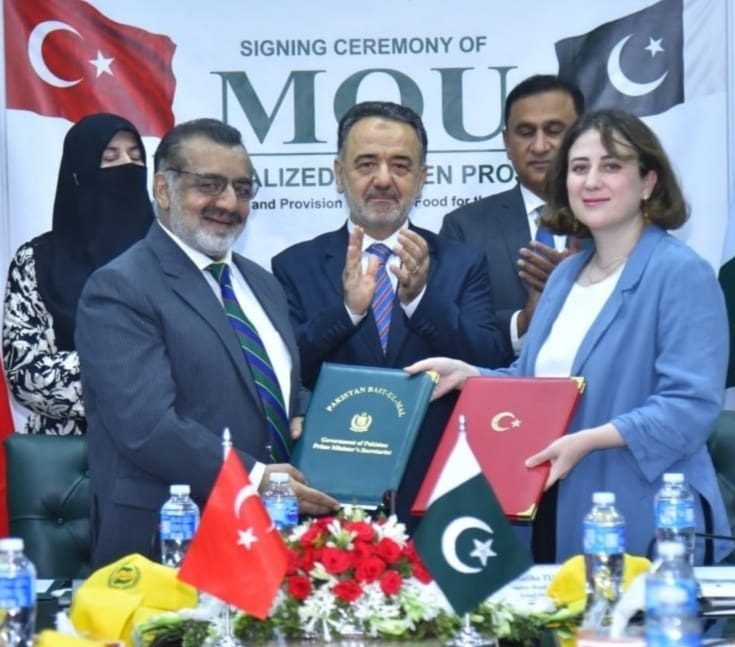
PBM and TIKA Collaborate to Launch Centralized Kitchen in Pakistan

ISLAMABAD — Pakistan Bait-ul-Mal (PBM), in partnership with the Turkish Cooperation and Coordination Agency (TIKA), has inaugurated a Centralized Kitchen aimed at providing meals to those in need across Pakistan. The initiative, announced on Monday, seeks to address food insecurity and support vulnerable populations through a sustainable and efficient food distribution system. What Happened The launch of the Centralized Kitchen was marked by a ceremony attended by key officials from both PBM and TIKA. The kitchen, located in Islamabad, is equipped to prepare and distribute thousands of meals daily, targeting impoverished communities and individuals affected by economic hardships. This collaboration underscores the long-standing relationship between Pakistan and Turkiye, with both nations committed to humanitarian aid and social welfare. PBM Managing Director Amir Fida Paracha highlighted the importance of this initiative, stating, “This project will significantly enhance our capacity to serve those in need, ensuring that no one goes hungry.” TIKA’s Country Coordinator, Gökhan Umut, emphasized the agency’s dedication to supporting Pakistan’s social welfare efforts, noting, “Our partnership with PBM is a testament to the strong ties between our countries and our shared commitment to humanitarian causes.” The Centralized Kitchen is designed to be a model of efficiency and sustainability, utilizing modern technology to maximize output while minimizing waste. It will operate with a team of trained staff and volunteers, ensuring that meals are prepared hygienically and distributed promptly to various regions, including remote and underserved areas. Background Pakistan Bait-ul-Mal, a government-run social welfare organization, has been instrumental in providing assistance to the underprivileged since its inception. It operates under the Ministry of Poverty Alleviation and Social Safety and focuses on various programs, including financial assistance, education support, and healthcare services. TIKA, on the other hand, is a prominent Turkish agency known for its international development and cooperation projects, particularly in the fields of education, health, and infrastructure. The collaboration between PBM and TIKA is not new; both organizations have previously partnered on several projects aimed at improving the living standards of marginalized communities in Pakistan. This latest venture builds on their shared history of cooperation and aims to create a lasting impact on food security in the region. Why It Matters The establishment of the Centralized Kitchen is a significant step in addressing food insecurity in Pakistan, a country where millions face hunger and malnutrition daily. According to the Global Hunger Index, Pakistan ranks 92nd out of 116 countries, highlighting the urgent need for effective interventions to combat hunger and improve nutrition. This initiative is particularly crucial in the context of the ongoing economic challenges facing Pakistan, exacerbated by the COVID-19 pandemic and rising inflation. By providing free meals to those in need, the Centralized Kitchen not only alleviates immediate hunger but also offers a measure of economic relief to struggling families. Moreover, the partnership between PBM and TIKA exemplifies the power of international cooperation in addressing global challenges. It serves as a model for other nations and organizations looking to collaborate on humanitarian efforts, demonstrating the positive outcomes that can be achieved through shared resources and expertise. Key Takeaways PBM and TIKA have launched a Centralized Kitchen in Islamabad to combat food insecurity. The kitchen aims to prepare and distribute thousands of meals daily to impoverished communities. This initiative highlights the strong bilateral relations between Pakistan and Turkiye. The project addresses urgent food security needs amid Pakistan’s economic challenges. It serves as a model for international cooperation in humanitarian aid. Source Attribution This article is based on official government statements, press releases, and public communications from relevant authorities. Author: NEN Editorial Desk | Editor: NEN Newsroom | Fact Checked By: NEN Editorial Team Author: NEN Editorial Desk  |  Editor: NEN Newsroom  |  Last Updated: June 30, 2026  |  Source: NEN Reporter This article was produced by the NEN Editorial Desk in accordance with NEN Agency’s Editorial Policy and Fact-Checking Policy.
Pakistan

KP Government Approves Upgrade for Senni Gumbat Hospital

ISLAMABAD — The Khyber Pakhtunkhwa (KP) government has sanctioned the upgrade of the Rural Health Centre (RHC) in Tehsil Senni Gumbat, Kohat, to a Type-D Hospital as part of the provincial budget for 2026–27. This initiative aims to enhance healthcare access for residents in the region. Additionally, corrective measures have been ordered for a health facility in Karak to address existing deficiencies. What Happened The KP government has taken a significant step towards improving healthcare infrastructure by approving the upgrade of the RHC in Senni Gumbat, Kohat. The decision was made under the provincial budget for the fiscal year 2026–27, reflecting the government’s commitment to enhancing medical facilities in rural areas. The transformation of the RHC into a Type-D Hospital is expected to provide better healthcare services to the local population, which has long faced challenges due to limited medical resources. In addition to the upgrade in Kohat, the government has directed the implementation of corrective measures at a health facility in Karak. This decision follows reports of inadequate healthcare services and infrastructure issues at the facility, which have hindered the delivery of effective medical care to the community. The government aims to rectify these problems to ensure that the residents of Karak receive the quality healthcare they deserve. Background The healthcare system in Khyber Pakhtunkhwa has faced numerous challenges over the years, including insufficient infrastructure, a shortage of medical staff, and inadequate funding. Rural areas, in particular, have struggled with limited access to quality healthcare services, prompting the government to prioritize improvements in these regions. The decision to upgrade the RHC in Senni Gumbat is part of a broader strategy to address these challenges and improve healthcare delivery across the province. Type-D Hospitals are designed to provide a higher level of medical care compared to RHCs, including specialized services and better-equipped facilities. The upgrade is expected to facilitate the provision of more comprehensive healthcare services, reducing the need for residents to travel long distances to access medical care. Why It Matters The approval of the upgrade for the Senni Gumbat RHC is a crucial development for the residents of Kohat and surrounding areas. By transforming the RHC into a Type-D Hospital, the government is addressing the longstanding issue of inadequate healthcare services in rural regions. This move is expected to significantly improve healthcare access and outcomes for the local population, contributing to better overall public health in the area. For the residents of Karak, the government’s directive to implement corrective measures at the local health facility is a welcome development. Addressing the deficiencies in healthcare services and infrastructure will not only enhance the quality of care but also build trust between the community and healthcare providers. This is particularly important in rural areas, where healthcare services are often perceived as substandard. On a broader scale, these initiatives align with the KP government’s ongoing efforts to strengthen the healthcare system across the province. By investing in healthcare infrastructure and addressing existing challenges, the government is working towards ensuring that all citizens have access to quality medical care, regardless of their location. This is a vital step in improving the overall health and well-being of the population, which is essential for the province’s socio-economic development. Key Takeaways The KP government has approved the upgrade of the RHC in Senni Gumbat, Kohat, to a Type-D Hospital. Corrective measures have been ordered for a health facility in Karak to address existing deficiencies. The upgrade aims to improve healthcare access and outcomes for residents in rural areas. These initiatives are part of the government’s broader strategy to enhance healthcare infrastructure across Khyber Pakhtunkhwa. Improving healthcare services in rural areas is crucial for the province’s socio-economic development. Source Attribution This article is based on official government statements, press releases, and public communications from relevant authorities. Author: NEN Editorial Desk | Editor: NEN Newsroom | Fact Checked By: NEN Editorial Team Author: NEN Editorial Desk  |  Editor: NEN Newsroom  |  Last Updated: June 30, 2026  |  Source: NEN Reporter This article was produced by the NEN Editorial Desk in accordance with NEN Agency’s Editorial Policy and Fact-Checking Policy.
Pakistan

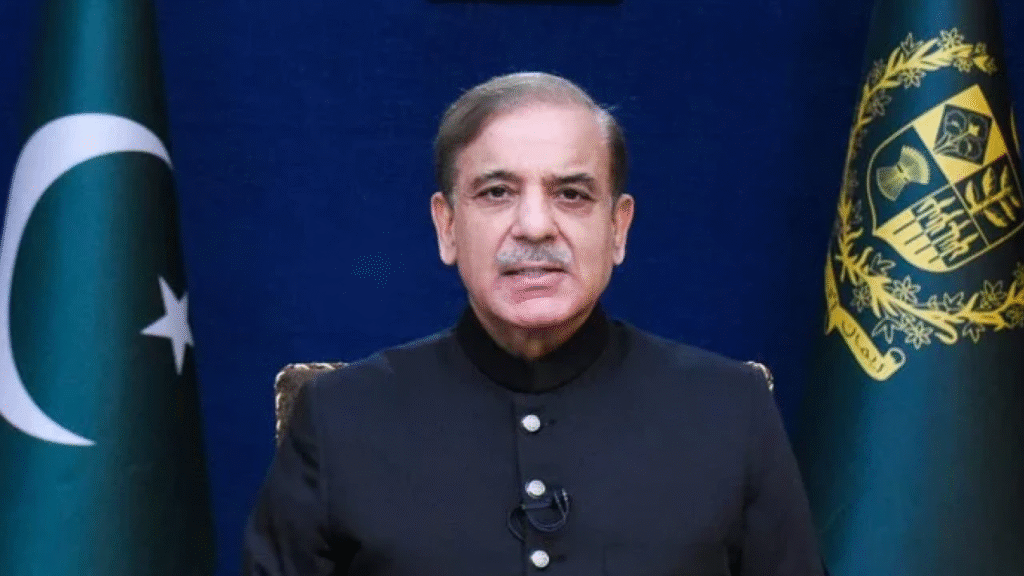
PM Shehbaz Sharif Pledges Support for Democratic Institutions and Rule of Law

ISLAMABAD — Prime Minister Shehbaz Sharif has reiterated Pakistan’s dedication to fortifying democratic institutions and upholding constitutional supremacy. The Prime Minister emphasized the importance of parliamentary governance, transparency, accountability, and the rule of law in ensuring meaningful public participation in decision-making processes. What Happened In a recent statement, Prime Minister Shehbaz Sharif reaffirmed Pakistan’s unwavering commitment to strengthening its democratic framework. He highlighted the government’s focus on enhancing the effectiveness of democratic institutions and ensuring the supremacy of the constitution. The Prime Minister underscored the significance of parliamentary governance as a cornerstone of democracy, which he believes is vital for maintaining transparency and accountability in the country’s political system. Prime Minister Sharif also stressed the importance of the rule of law, which he described as essential for fostering an environment where public participation in decision-making is both meaningful and impactful. According to the Prime Minister, these principles are crucial for the country’s progress and development, as they ensure that the voices of citizens are heard and considered in the governance process. The Prime Minister’s statement comes at a time when Pakistan is navigating complex political and economic challenges. By reiterating the government’s commitment to democratic principles, Prime Minister Sharif aims to reassure both domestic and international stakeholders of Pakistan’s dedication to maintaining a stable and democratic political environment. Background Pakistan has a history of political instability, with periods of military rule interrupting democratic governance. The return to civilian rule in recent decades has seen efforts to strengthen democratic institutions and processes. The 18th Amendment to the Constitution of Pakistan, passed in 2010, was a significant step in devolving power to the provinces and reinforcing parliamentary democracy. Despite these efforts, challenges remain. Issues such as political corruption, judicial independence, and the balance of power between federal and provincial governments continue to pose obstacles to the full realization of democratic ideals. The current government, led by Prime Minister Shehbaz Sharif, has expressed a commitment to addressing these issues and advancing democratic governance. Why It Matters The reaffirmation of commitment to democratic principles by Prime Minister Sharif holds significant implications for Pakistan’s political landscape. Strengthening democratic institutions is crucial for ensuring political stability, which in turn can foster economic growth and development. By prioritizing transparency and accountability, the government aims to build public trust and confidence in its ability to govern effectively. On the international stage, Pakistan’s commitment to democracy is vital for maintaining strong diplomatic relations with global partners. Many countries, particularly those in the West, place a high value on democratic governance and the rule of law. By demonstrating a commitment to these principles, Pakistan can enhance its international standing and attract foreign investment, which is essential for economic development. For the citizens of Pakistan, the government’s focus on democratic principles means greater opportunities for participation in governance. This can lead to more responsive and effective policies that address the needs and concerns of the population. By fostering an inclusive political environment, the government can work towards reducing social inequalities and promoting national unity. Key Takeaways Prime Minister Shehbaz Sharif has reaffirmed Pakistan’s commitment to democratic institutions and constitutional supremacy. The government emphasizes transparency, accountability, and the rule of law as key components of effective governance. Strengthening democratic principles is crucial for political stability and economic development in Pakistan. Internationally, Pakistan’s commitment to democracy can enhance diplomatic relations and attract foreign investment. The focus on public participation aims to create a more inclusive and responsive political environment. Source Attribution This article is based on official government statements and public communications from relevant authorities. Author: NEN Editorial Desk | Editor: NEN Newsroom | Fact Checked By: NEN Editorial Team Author: NEN Editorial Desk  |  Editor: NEN Newsroom  |  Last Updated: June 29, 2026  |  Source: NEN Reporter This article was produced by the NEN Editorial Desk in accordance with NEN Agency’s Editorial Policy and Fact-Checking Policy.

Pakistan

RCCI Highlights Economic Potential of Cannabis Industry in Pakistan

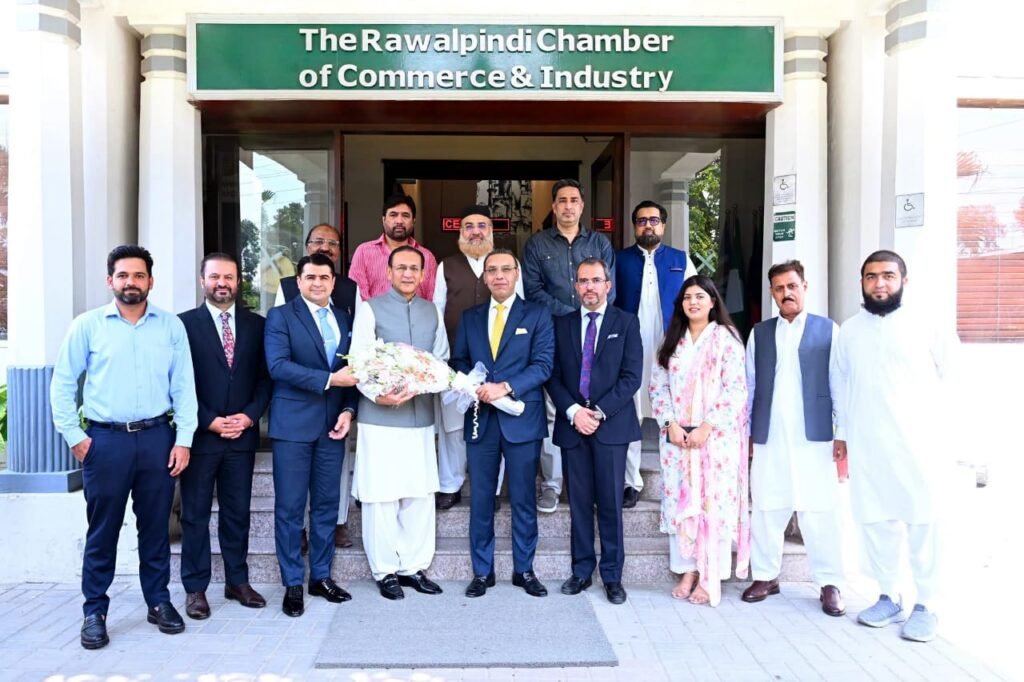
RAWALPINDI — The Rawalpindi Chamber of Commerce and Industry (RCCI), in partnership with the Cannabis Control and Regulatory Authority (CCRA), conducted an awareness session on Monday to explore the economic prospects of Pakistan’s burgeoning cannabis industry. The session emphasized the potential for industrial and medicinal cannabis as a new avenue for investment, exports, and sustainable economic growth. What Happened The awareness session held by RCCI and CCRA focused on the untapped potential of the cannabis industry in Pakistan. The event brought together industry experts, policymakers, and business leaders to discuss the regulatory framework and economic opportunities associated with cannabis cultivation and processing. The session highlighted that the industry could significantly contribute to Pakistan’s economy by creating jobs, boosting exports, and attracting foreign investment. Speakers at the session outlined the benefits of developing a structured cannabis industry, citing examples from countries where cannabis has been legalized for industrial and medicinal purposes. They emphasized that with proper regulation, Pakistan could capitalize on its agricultural strengths to become a leading producer and exporter of cannabis products. The discussions also covered the need for clear guidelines and policies to ensure the industry operates within legal and ethical boundaries. CCRA representatives provided insights into the regulatory measures being considered to facilitate the growth of the cannabis industry. They stressed the importance of establishing a robust legal framework to manage the cultivation, processing, and distribution of cannabis products. The session concluded with a call to action for stakeholders to collaborate in developing a comprehensive strategy to harness the economic potential of cannabis. Background The interest in cannabis as an economic driver is not new. Globally, the cannabis industry has seen significant growth, with countries like Canada and several U.S. states legalizing its use for medicinal and industrial purposes. In Pakistan, the government has shown interest in exploring cannabis cultivation, particularly for its medicinal properties and industrial applications such as hemp fiber production. In 2020, Pakistan’s government approved the industrial production of hemp, marking a significant policy shift. This decision was driven by the potential economic benefits, as hemp can be used in a variety of products, including textiles, biofuels, and pharmaceuticals. The move was part of a broader strategy to diversify the country’s agricultural base and increase exports. Why It Matters The development of a regulated cannabis industry in Pakistan holds substantial economic promise. It offers a new revenue stream that could help alleviate some of the economic challenges facing the country, such as unemployment and trade deficits. By tapping into the global cannabis market, Pakistan could enhance its export profile and attract foreign direct investment. Socially, the industry could provide employment opportunities in rural areas where cannabis cultivation is feasible, thereby contributing to poverty alleviation. Environmentally, hemp cultivation is known for its low environmental impact, offering a sustainable agricultural option that aligns with global trends towards eco-friendly practices. Politically, establishing a cannabis industry could position Pakistan as a regional leader in a high-growth sector, potentially influencing policy discussions in neighboring countries. The successful implementation of a cannabis strategy could also improve Pakistan’s standing in international trade forums, given the increasing acceptance of cannabis products worldwide. Key Takeaways The RCCI and CCRA held an awareness session on the economic potential of Pakistan’s cannabis industry. The session highlighted opportunities for investment, exports, and sustainable growth in the cannabis sector. Speakers emphasized the need for a robust regulatory framework to support industry development. Pakistan’s government approved industrial hemp production in 2020, recognizing its economic benefits. The cannabis industry could create jobs, boost exports, and attract foreign investment in Pakistan. Source Attribution This article is based on official government statements, press releases, and public communications from relevant authorities. Author: NEN Editorial Desk | Editor: NEN Newsroom | Fact Checked By: NEN Editorial Team Author: NEN Editorial Desk  |  Editor: NEN Newsroom  |  Last Updated: June 29, 2026  |  Source: NEN Reporter This article was produced by the NEN Editorial Desk in accordance with NEN Agency’s Editorial Policy and Fact-Checking Policy.

Pakistan

PSX Benchmark Index Drops Over 1,156 Points Amid Bearish Trend

ISLAMABAD — The Pakistan Stock Exchange (PSX) experienced a significant downturn on Monday, with the benchmark KSE-100 Index plummeting by 1,156.47 points. This marked a 0.64 percent decline, closing at 178,414.80 points compared to the previous session’s 179,571.27 points. What Happened The PSX’s KSE-100 Index, a key indicator of market performance, saw a substantial drop as trading commenced on Monday. The decline of 1,156.47 points reflects a bearish momentum that has gripped the market. The session closed with the index at 178,414.80 points, down from the last trading day’s closing of 179,571.27 points. Market analysts attribute this decline to several factors, including investor concerns over the current economic conditions in Pakistan, as well as global market trends. The depreciation of the Pakistani rupee against the US dollar and rising inflation rates have further exacerbated investor apprehensions. “The market is reacting to a mix of domestic economic challenges and international market pressures,” said a senior market analyst. “Investors are cautious, and this is reflected in the selling pressure we are witnessing.” The trading volume also saw a decrease, with fewer shares being traded compared to the previous sessions. This reduction in trading activity is indicative of the cautious approach adopted by investors amid the prevailing economic uncertainty. Background The Pakistan Stock Exchange has been experiencing fluctuations in recent months, influenced by both domestic and international factors. Historically, the PSX has been sensitive to changes in government policies, economic indicators, and global market trends. In recent years, the PSX has faced challenges due to political instability, fluctuating foreign exchange reserves, and varying levels of foreign direct investment. The ongoing economic reforms and fiscal policies have also played a role in shaping the market dynamics. Additionally, the global economic environment, including trade tensions and shifts in commodity prices, has impacted investor sentiment in Pakistan. The PSX’s performance is often seen as a barometer of the country’s economic health, reflecting both opportunities and challenges faced by the economy. Why It Matters The decline in the PSX’s KSE-100 Index has significant implications for Pakistan’s economy and its investors. A bearish market can lead to reduced investor confidence, which in turn affects capital inflows and economic growth. The stock market is a critical component of the financial system, influencing corporate financing and investment decisions. For individual investors, a declining market can result in losses on their portfolios, impacting their financial stability and future investment plans. Institutional investors, such as mutual funds and pension funds, also face challenges in generating returns for their stakeholders. On a broader scale, the performance of the PSX can influence foreign investment decisions. A stable and growing stock market is often attractive to foreign investors seeking opportunities in emerging markets. Conversely, a declining market may deter foreign investment, affecting the country’s balance of payments and foreign exchange reserves. The current economic challenges, including inflation and currency depreciation, are critical factors that need to be addressed to stabilize the market and restore investor confidence. Policymakers and regulators are closely monitoring the situation to implement measures that can mitigate risks and promote market stability. Key Takeaways The PSX’s KSE-100 Index dropped by 1,156.47 points, a 0.64 percent decline. Investor concerns over domestic economic conditions and global trends contributed to the bearish momentum. The decline reflects broader economic challenges, including inflation and currency depreciation. The performance of the PSX impacts both individual and institutional investors, as well as foreign investment decisions. Stabilizing the market requires addressing underlying economic issues to restore confidence. Source Attribution This article is based on official government statements, press releases, and public communications from relevant authorities. Author: NEN Editorial Desk | Editor: NEN Newsroom | Fact Checked By: NEN Editorial Team Author: NEN Editorial Desk  |  Editor: NEN Newsroom  |  Last Updated: June 29, 2026  |  Source: NEN Reporter This article was produced by the NEN Editorial Desk in accordance with NEN Agency’s Editorial Policy and Fact-Checking Policy.
Pakistan

Gold Prices Drop By Rs2,300 Per Tola In Pakistan

ISLAMABAD — The price of gold in Pakistan has seen a significant decline, with the rate for 24-karat gold per tola dropping by Rs2,300 to stand at Rs428,936. This adjustment was reported on Monday by the All Pakistan Sarafa Gems and Jewellers Association, reflecting the fluctuating dynamics of the precious metal market. What Happened The All Pakistan Sarafa Gems and Jewellers Association announced a decrease in the price of 24-karat gold per tola, marking a significant drop of Rs2,300. This brings the new rate to Rs428,936. The decline in local gold prices is attributed to various factors, including changes in the international market and domestic economic conditions. The association regularly updates these rates, which are closely watched by investors and jewelers across the country. Gold prices are influenced by a range of factors, including international market trends, currency exchange rates, and local demand. The recent decline follows a period of volatility in the global gold market, where prices have been affected by economic data releases, interest rate expectations, and geopolitical tensions. The decline in Pakistan’s gold prices is reflective of these broader trends, as well as specific local economic factors such as inflation and currency depreciation. According to market analysts, the drop in gold prices could be linked to a strengthening of the Pakistani Rupee against the US Dollar, which makes imports cheaper and can lead to a reduction in the local price of gold. Additionally, fluctuations in demand due to changing consumer behavior and investment patterns also play a role in determining gold prices. Background Gold has long been considered a safe haven investment, particularly in times of economic uncertainty. In Pakistan, gold is not only a popular investment but also a traditional component of cultural and social events, such as weddings. Historically, gold prices in Pakistan have been influenced by international market trends, as well as local economic conditions. In recent years, Pakistan’s economy has faced several challenges, including inflationary pressures, currency depreciation, and fiscal deficits. These factors have contributed to fluctuations in the price of gold, as investors seek stability amid economic uncertainty. The All Pakistan Sarafa Gems and Jewellers Association plays a crucial role in monitoring and announcing gold prices, providing guidance to both consumers and traders. Why It Matters The decline in gold prices has significant implications for various stakeholders in Pakistan. For consumers, particularly those planning weddings or other cultural events, the reduction in gold prices could provide some financial relief. Lower gold prices may also encourage increased consumer spending, which can have a positive impact on the economy. For investors, the drop in gold prices presents both challenges and opportunities. While some may view the decline as a potential loss in asset value, others may see it as an opportunity to invest in gold at a lower price, anticipating future gains as market conditions change. The volatility in gold prices also highlights the importance of diversification in investment portfolios, as reliance on a single asset class can lead to increased risk. On a broader scale, the fluctuation in gold prices is indicative of underlying economic conditions. It reflects the impact of global economic trends on local markets, as well as the interconnectedness of international and domestic economic factors. Understanding these dynamics is crucial for policymakers, businesses, and consumers alike, as they navigate the complexities of the current economic environment. Key Takeaways The price of 24-karat gold per tola in Pakistan has decreased by Rs2,300, now standing at Rs428,936. This decline is influenced by international market trends and local economic conditions, including currency exchange rates. Gold remains a popular investment and cultural asset in Pakistan, with prices closely monitored by the All Pakistan Sarafa Gems and Jewellers Association. The drop in gold prices presents both challenges and opportunities for consumers and investors, highlighting the importance of market awareness and diversification. Fluctuations in gold prices reflect broader economic trends and the interconnectedness of global and local markets. Source Attribution This article is based on official statements and public communications from the All Pakistan Sarafa Gems and Jewellers Association. Author: NEN Editorial Desk | Editor: NEN Newsroom | Fact Checked By: NEN Editorial Team Author: NEN Editorial Desk  |  Editor: NEN Newsroom  |  Last Updated: June 29, 2026  |  Source: NEN Reporter This article was produced by the NEN Editorial Desk in accordance with NEN Agency’s Editorial Policy and Fact-Checking Policy.

Pakistan

Pakistan and Italy Ink €20 Million Loan for Agriculture Skills Development

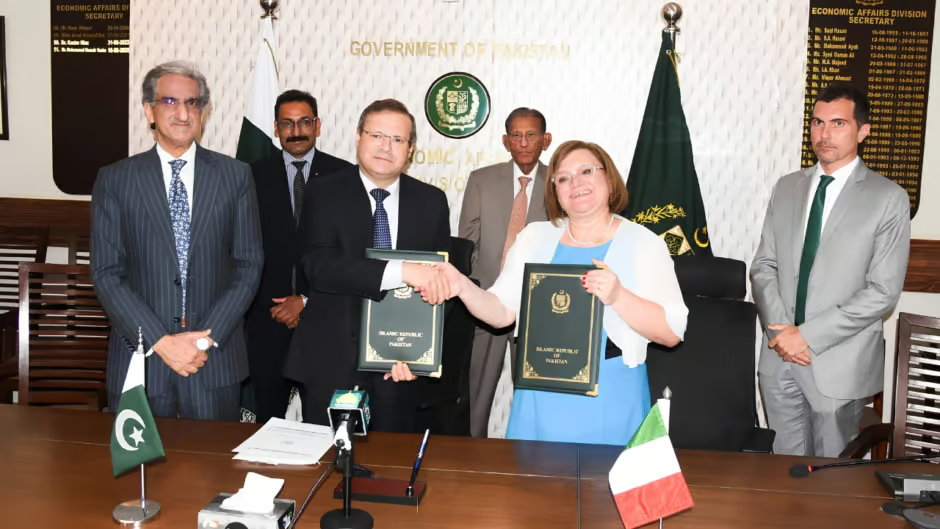
ISLAMABAD — Pakistan and Italy have formalized a €20 million concessional loan agreement aimed at bolstering agricultural skills and vocational education in Pakistan. The agreement, signed on Monday, is part of Pakistan’s ongoing Technical and Vocational Education and Training (TVET) National Reform Programme. What Happened The agreement between Pakistan and Italy marks a significant step towards enhancing the agricultural sector’s skill set through the Professional Capacity Building and Extension in Agriculture project. The initiative is designed to support the development of technical skills and vocational training within the agricultural domain, which is a critical sector for Pakistan’s economy. The €20 million loan, approximately equivalent to Rs 6.3 billion, will be utilized to implement various training programs and capacity-building initiatives. These programs are expected to foster innovation and efficiency in agricultural practices, ultimately contributing to increased productivity and sustainability in the sector. According to the details provided, the loan is concessional, indicating favorable terms that are likely to include low-interest rates and extended repayment periods. Such financial arrangements are intended to ease the fiscal burden on Pakistan while allowing it to invest in long-term educational and infrastructural improvements. Officials from both countries expressed optimism about the partnership, highlighting the potential benefits of enhanced agricultural education and skills development. The initiative is expected to create a more skilled workforce, capable of adopting modern agricultural techniques and technologies. Background Pakistan’s agriculture sector has historically been a cornerstone of its economy, employing a significant portion of the population and contributing substantially to the country’s GDP. However, the sector faces challenges such as outdated farming practices, limited access to modern technology, and insufficient training for farmers and agricultural workers. The Technical and Vocational Education and Training (TVET) National Reform Programme was initiated to address these challenges by reforming and modernizing the vocational education system in Pakistan. The programme aims to align educational outcomes with market needs, ensuring that graduates possess the skills required by employers in various sectors, including agriculture. Italy has been a consistent partner in supporting Pakistan’s development initiatives, particularly in areas related to education and capacity building. This collaboration is part of a broader effort to strengthen bilateral ties and promote sustainable development. Why It Matters The signing of this loan agreement is significant for several reasons. Economically, it represents an investment in one of Pakistan’s most vital sectors, with the potential to enhance productivity and increase agricultural output. By improving the skills of the workforce, the initiative can lead to more efficient farming practices, reduced waste, and higher yields. Socially, the project aims to empower individuals by providing them with the skills needed to secure better employment opportunities. This can lead to improved livelihoods for many families, particularly in rural areas where agriculture is the primary source of income. Politically, the agreement strengthens Pakistan’s ties with Italy, showcasing a commitment to international cooperation and development. It also reflects Pakistan’s dedication to reforming its educational system to meet global standards, which can have long-term benefits for the country’s socio-economic landscape. Internationally, the project aligns with global efforts to promote sustainable agricultural practices and vocational education. It underscores the importance of international partnerships in addressing common challenges such as food security and economic development. Key Takeaways Pakistan and Italy signed a €20 million concessional loan agreement for agricultural skills development. The loan supports the Professional Capacity Building and Extension in Agriculture project under Pakistan’s TVET National Reform Programme. The initiative aims to enhance vocational education and improve agricultural productivity. The agreement strengthens bilateral ties between Pakistan and Italy. The project is expected to have significant economic and social benefits for Pakistan’s agricultural sector. Source Attribution This article is based on official government statements, press releases, and public communications from relevant authorities. Author: NEN Editorial Desk | Editor: NEN Newsroom | Fact Checked By: NEN Editorial Team Author: NEN Editorial Desk  |  Editor: NEN Newsroom  |  Last Updated: June 29, 2026  |  Source: NEN Reporter This article was produced by the NEN Editorial Desk in accordance with NEN Agency’s Editorial Policy and Fact-Checking Policy.

Pakistan

Federal Ombudsman Advocates Institutional Enhancement for Swift Justice

ISLAMABAD — Federal Ombudsman Naveed Kamran Baloch has called for strengthening institutional frameworks and promoting informal resolution of disputes (IRD) to ensure swift justice for citizens. Speaking on Monday, Baloch highlighted the urgent need for reforms to address the grievances of the public more efficiently. What Happened During a press conference held in Islamabad, Federal Ombudsman Naveed Kamran Baloch underscored the importance of enhancing institutional capabilities to expedite the delivery of justice. Baloch pointed out that the current judicial processes are often hindered by bureaucratic delays and procedural complexities, which can prolong the resolution of disputes. “The augmentation of our institutional structure is paramount if we are to provide timely justice to those in need,” Baloch stated. He emphasized that the informal resolution of disputes (IRD) could play a crucial role in this regard by offering a more accessible and faster alternative to formal judicial proceedings. Baloch noted that the Federal Ombudsman’s office has been actively working to streamline processes and reduce the backlog of cases. He highlighted recent initiatives aimed at improving efficiency, such as the implementation of digital platforms for case management and the training of staff to handle disputes more effectively. The Ombudsman also mentioned ongoing collaborations with various government departments to ensure that citizens’ complaints are addressed promptly. “We are committed to working with all stakeholders to create a more responsive and citizen-friendly justice system,” he added. Background The role of the Federal Ombudsman in Pakistan is to address complaints against maladministration in federal agencies. Established in 1983, the office aims to provide a mechanism for citizens to seek redress without resorting to lengthy court proceedings. Over the years, the Ombudsman’s office has evolved to include a wider range of services, including the promotion of IRD as a means to resolve disputes outside the formal court system. In recent years, there has been growing recognition of the need to reform Pakistan’s judicial system to make it more efficient and accessible. The backlog of cases in courts has been a persistent issue, leading to calls for alternative dispute resolution mechanisms that can alleviate the burden on the judiciary. Why It Matters The push for institutional enhancement and the promotion of IRD by the Federal Ombudsman is significant in several ways. Firstly, it addresses the chronic issue of delayed justice in Pakistan, which undermines public confidence in the legal system. By advocating for reforms, the Ombudsman seeks to ensure that citizens can have their grievances addressed in a timely manner, which is fundamental to the rule of law. Economically, a more efficient justice system can contribute to a better business environment by providing quicker resolutions to commercial disputes. This can enhance investor confidence and encourage economic growth. Socially, it can lead to greater social harmony by reducing the time and resources spent on protracted legal battles. Politically, the Ombudsman’s initiative aligns with broader government efforts to improve governance and service delivery. It demonstrates a commitment to transparency and accountability, which are key components of democratic governance. Key Takeaways Federal Ombudsman Naveed Kamran Baloch calls for strengthening institutional frameworks to ensure swift justice. Promotion of informal resolution of disputes (IRD) is seen as a crucial step to expedite the justice process. The Ombudsman’s office is implementing digital platforms and staff training to improve efficiency. Reforms are expected to enhance public confidence in the legal system and contribute to economic growth. The initiative supports broader government efforts to improve governance and service delivery. Source Attribution This article is based on official government statements and public communications from relevant authorities. Author: NEN Editorial Desk | Editor: NEN Newsroom | Fact Checked By: NEN Editorial Team Author: NEN Editorial Desk  |  Editor: NEN Newsroom  |  Last Updated: June 29, 2026  |  Source: NEN Reporter This article was produced by the NEN Editorial Desk in accordance with NEN Agency’s Editorial Policy and Fact-Checking Policy.

Pakistan

Wanted Criminal Arrested for Plotting Police Officer’s Targeted Killing in Karachi

KARACHI — District Keamari Police have successfully apprehended a wanted criminal allegedly involved in plotting the targeted killing of a police sub-inspector. The arrest was made during an intelligence-based operation conducted by SITE-A police in the Pathan Colony area of Keamari district. What Happened The arrest took place following a meticulous intelligence operation aimed at thwarting a planned attack on a police officer. According to police sources, the suspect was identified as a key figure in orchestrating a plot to assassinate a sub-inspector who had been actively involved in operations against organized crime in the region. The SITE-A police, acting on credible intelligence, conducted a raid in Pathan Colony, a locality known for its complex network of criminal activities. The operation was executed with precision, resulting in the capture of the suspect without any collateral damage. The police have confirmed that the suspect was on their radar for some time due to his alleged involvement in various criminal activities, including extortion and targeted killings. “The arrest is a significant breakthrough in our efforts to dismantle organized crime in the area,” a senior police official stated. During the operation, law enforcement officials recovered weapons and communication devices from the suspect, which are believed to have been intended for use in the planned attack. The suspect is currently under interrogation, and further investigations are underway to ascertain the extent of his criminal network and any additional plots that may have been in the pipeline. Background Karachi, Pakistan’s largest city, has long been plagued by crime, including targeted killings, extortion, and gang violence. The police force has been actively working to combat these issues through intelligence-led operations and community policing initiatives. The arrest of the suspect comes amid ongoing efforts by law enforcement agencies to curb criminal activities and ensure the safety of citizens. In recent years, there has been a concerted effort to strengthen the police force’s capabilities in intelligence gathering and operational execution. This has led to several successful operations against organized crime syndicates operating in various parts of the city. The current arrest is part of a broader strategy to disrupt the activities of criminal networks that pose a threat to public safety and law enforcement personnel. Why It Matters The arrest of the suspect is a crucial development in the fight against organized crime in Karachi. Targeted killings of law enforcement officers not only threaten the lives of those dedicated to maintaining law and order but also undermine public confidence in the security apparatus. By preventing the assassination of a police officer, the authorities have sent a strong message that such acts of violence will not be tolerated. This operation highlights the importance of intelligence-based policing in combating crime in urban centers. The successful capture of the suspect without any casualties underscores the effectiveness of coordinated efforts between different police units. It also demonstrates the commitment of law enforcement agencies to protect their personnel and the general public from criminal elements. The broader implications of this arrest extend to the overall security situation in Karachi. By dismantling criminal networks and preventing targeted attacks, the police can create a safer environment for residents and foster economic growth by attracting investment and tourism. Ensuring the safety of law enforcement officers is paramount to maintaining morale and operational efficiency within the police force. Key Takeaways A wanted criminal was arrested in Karachi for plotting the targeted killing of a police sub-inspector. The arrest was made during an intelligence-based operation in the Pathan Colony area of Keamari district. The operation was conducted by SITE-A police and resulted in the recovery of weapons and communication devices. The suspect is believed to be involved in various criminal activities, including extortion and targeted killings. This arrest is part of ongoing efforts to combat organized crime and ensure the safety of law enforcement officers in Karachi. Source Attribution This article is based on official government statements, press releases, and public communications from relevant authorities. Author: NEN Editorial Desk | Editor: NEN Newsroom | Fact Checked By: NEN Editorial Team Author: NEN Editorial Desk  |  Editor: NEN Newsroom  |  Last Updated: June 29, 2026  |  Source: NEN Reporter This article was produced by the NEN Editorial Desk in accordance with NEN Agency’s Editorial Policy and Fact-Checking Policy.

Scroll to Top