
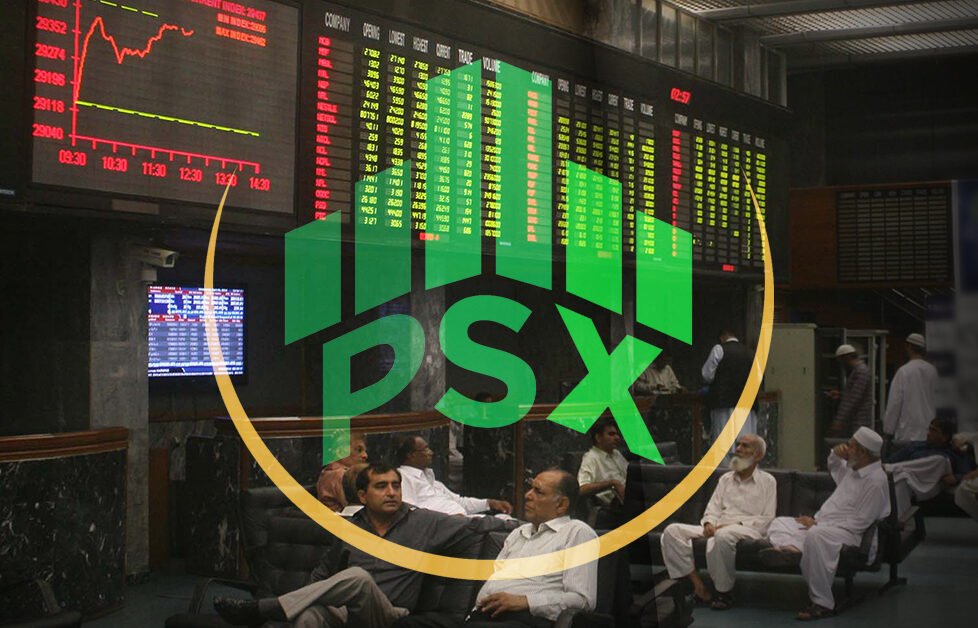
ISLAMABAD — The Pakistan Stock Exchange (PSX) experienced a significant downturn on Monday, with the benchmark KSE-100 Index plummeting by 1,156.47 points. This marked a 0.64 percent decline, closing at 178,414.80 points compared to the previous session’s 179,571.27 points.
What Happened
The PSX’s KSE-100 Index, a key indicator of market performance, saw a substantial drop as trading commenced on Monday. The decline of 1,156.47 points reflects a bearish momentum that has gripped the market. The session closed with the index at 178,414.80 points, down from the last trading day’s closing of 179,571.27 points.
Market analysts attribute this decline to several factors, including investor concerns over the current economic conditions in Pakistan, as well as global market trends. The depreciation of the Pakistani rupee against the US dollar and rising inflation rates have further exacerbated investor apprehensions.
“The market is reacting to a mix of domestic economic challenges and international market pressures,” said a senior market analyst. “Investors are cautious, and this is reflected in the selling pressure we are witnessing.”
The trading volume also saw a decrease, with fewer shares being traded compared to the previous sessions. This reduction in trading activity is indicative of the cautious approach adopted by investors amid the prevailing economic uncertainty.
Background
The Pakistan Stock Exchange has been experiencing fluctuations in recent months, influenced by both domestic and international factors. Historically, the PSX has been sensitive to changes in government policies, economic indicators, and global market trends.
In recent years, the PSX has faced challenges due to political instability, fluctuating foreign exchange reserves, and varying levels of foreign direct investment. The ongoing economic reforms and fiscal policies have also played a role in shaping the market dynamics.
Additionally, the global economic environment, including trade tensions and shifts in commodity prices, has impacted investor sentiment in Pakistan. The PSX’s performance is often seen as a barometer of the country’s economic health, reflecting both opportunities and challenges faced by the economy.
Why It Matters
The decline in the PSX’s KSE-100 Index has significant implications for Pakistan’s economy and its investors. A bearish market can lead to reduced investor confidence, which in turn affects capital inflows and economic growth. The stock market is a critical component of the financial system, influencing corporate financing and investment decisions.
For individual investors, a declining market can result in losses on their portfolios, impacting their financial stability and future investment plans. Institutional investors, such as mutual funds and pension funds, also face challenges in generating returns for their stakeholders.
On a broader scale, the performance of the PSX can influence foreign investment decisions. A stable and growing stock market is often attractive to foreign investors seeking opportunities in emerging markets. Conversely, a declining market may deter foreign investment, affecting the country’s balance of payments and foreign exchange reserves.
The current economic challenges, including inflation and currency depreciation, are critical factors that need to be addressed to stabilize the market and restore investor confidence. Policymakers and regulators are closely monitoring the situation to implement measures that can mitigate risks and promote market stability.
Key Takeaways
- The PSX’s KSE-100 Index dropped by 1,156.47 points, a 0.64 percent decline.
- Investor concerns over domestic economic conditions and global trends contributed to the bearish momentum.
- The decline reflects broader economic challenges, including inflation and currency depreciation.
- The performance of the PSX impacts both individual and institutional investors, as well as foreign investment decisions.
- Stabilizing the market requires addressing underlying economic issues to restore confidence.
Source Attribution
This article is based on official government statements, press releases, and public communications from relevant authorities.














